
‘Return to Silent Hill’ REVIEW: An Inescapable Spectre
‘Return to Silent Hill’ REVIEW: An Inescapable Spectre

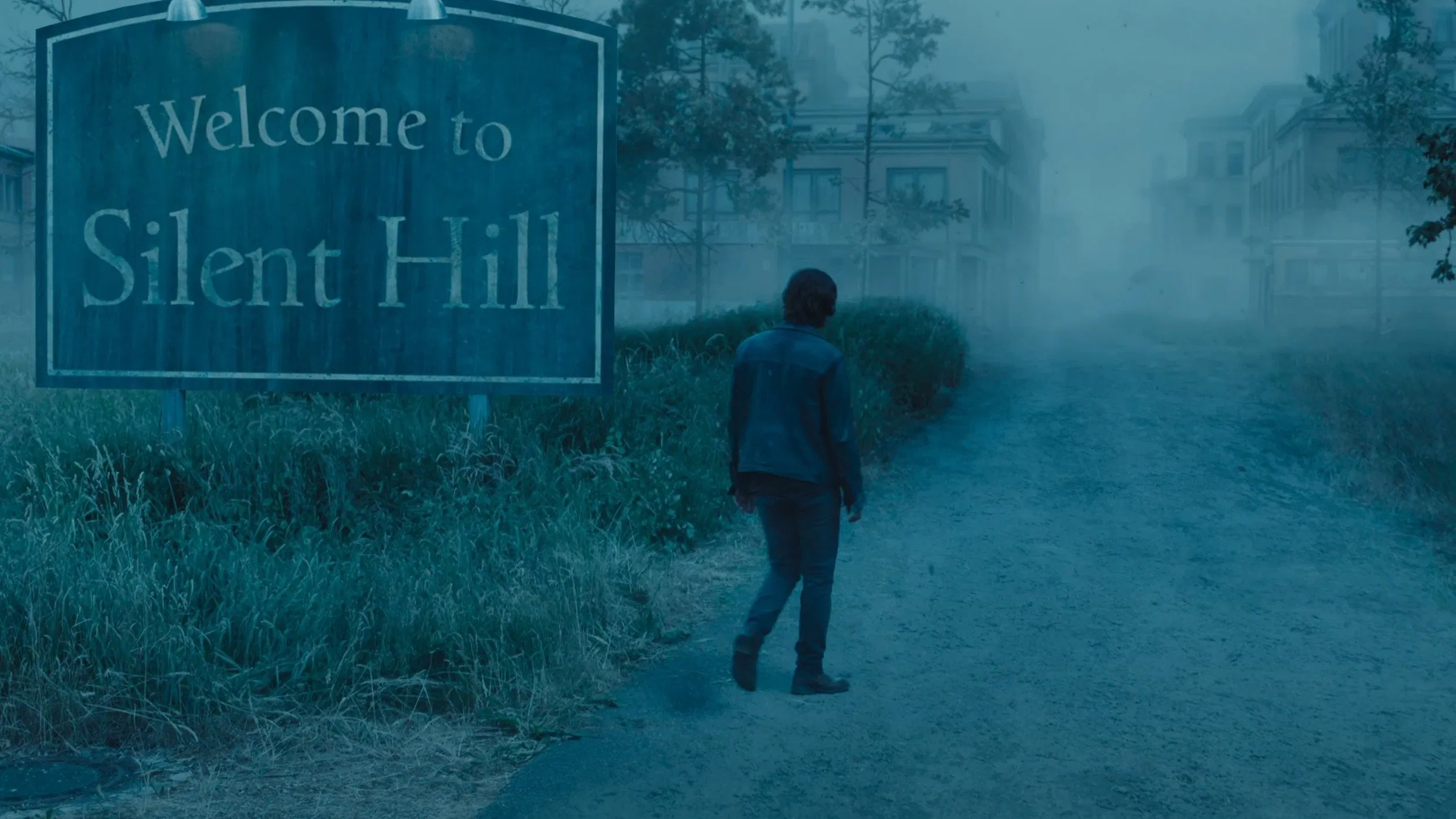
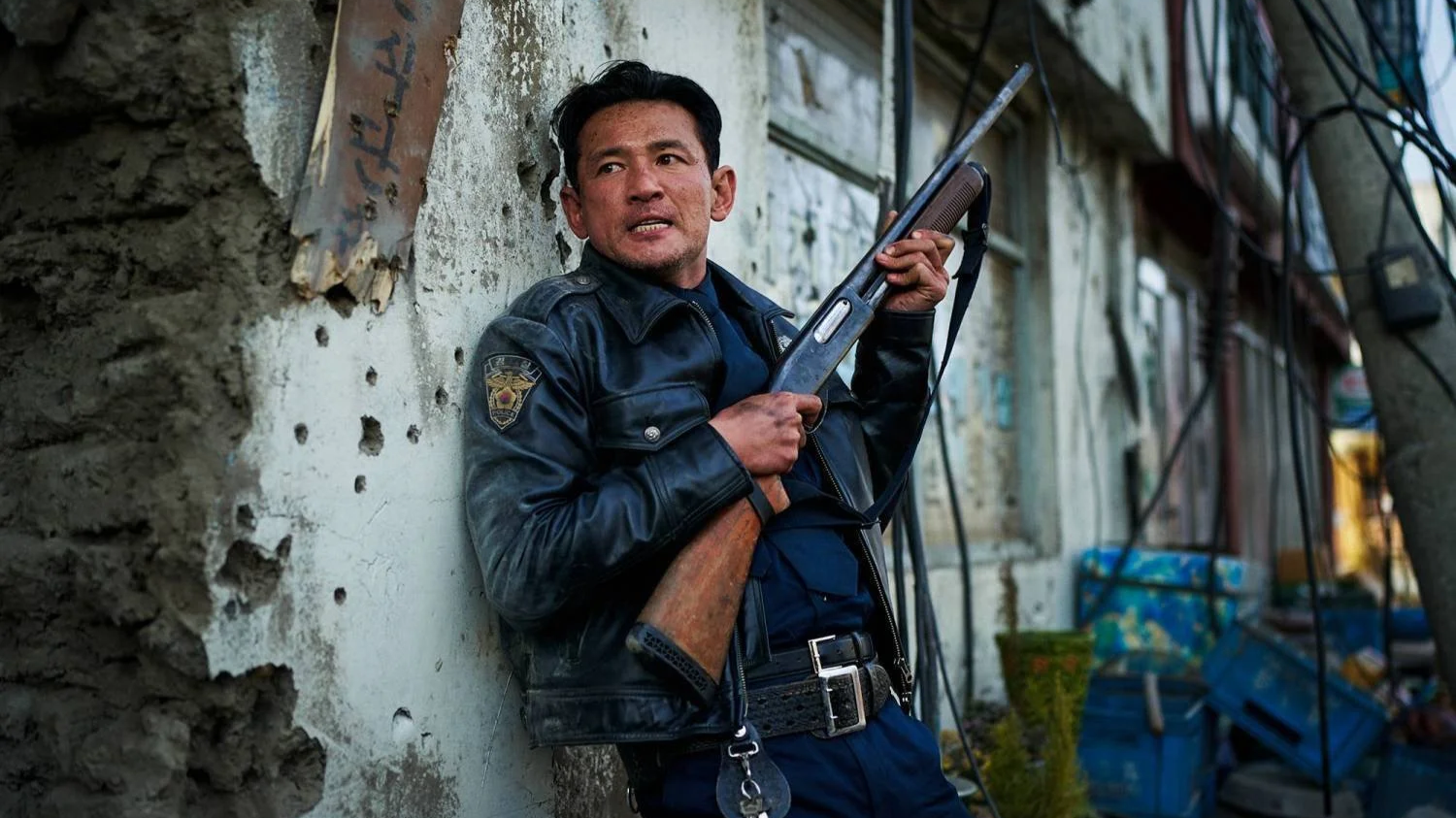
James (Jeremy Irvine) making his way towards a ‘special place’ | Still from TMDb

The Silent Hill franchise of video games by Konami, known for its disquieting titles that at their best are the finest examples of atmospheric psychological horror, has quite a complicated history when it comes to transposing the eerie, foggy dread into the silver screen (not unlike its fellow survival horror brethren Resident Evil). The first Silent Hill movie, directed by French auteur Christophe Gans — then known for the genre mashup cult classic Brotherhood of the Wolf — merely made use of the bones of the first Silent Hill entry for its own original story, but its adherence to the source’s chilly atmosphere through a mix of effective cinematography and production design won over several fans and newcomers despite some of the more contentious divergencies.
The 2012 follow-up, Silent Hill: Revelation, which adapted the first game’s canonical follow-up, Silent Hill 3, was less enthusiastically received for its emphasis on the 3D gimmick (a then-staple of mainstream horror) and more uncharacteristic differences from the game that weren’t as accepted: even years later, director M.J. Bassett has lamented the difficulties of its production.
Now, in the 2020s and as part of an effort by Konami to reenergize the Silent Hill intellectual property (IP) (which included the announcement and later release of the more notable games from the franchise in more than a decade such as the Silent Hill 2 remake from Bloober Team and the Ryukishi07-penned spinoff Silent Hill f), Return to Silent Hill was put into production with Gans returning to the director’s chair nearly two decades since his last go-around in the franchise. Initially promised as a more “faithful” adaptation of Silent Hill 2, while also being a sort of “modernization,” what we eventually got with Return is a more disconcerting beast altogether.
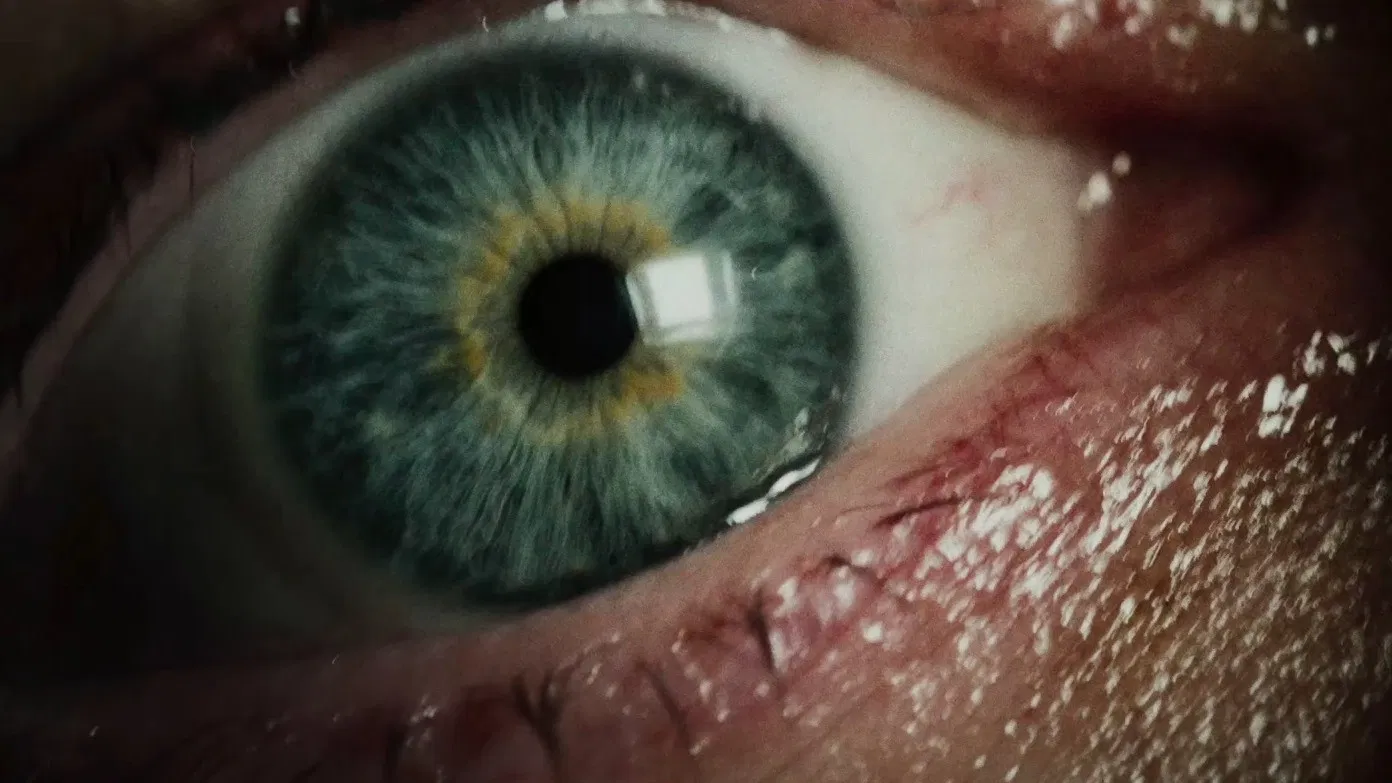
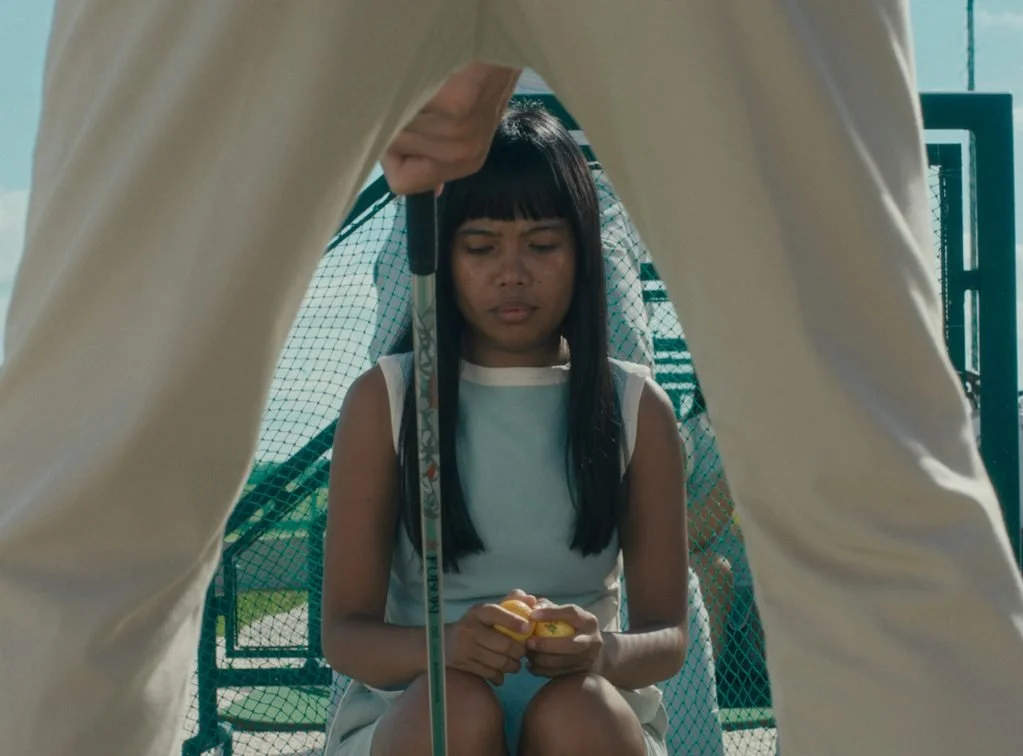
An eye witnessing something beyond comprehension | Still from TMDb
The film follows the simple premise of Silent Hill 2 on face value: a grizzled James Sunderland (Jeremy Irvine) finds a letter from his disappeared love Mary (Hannah Emily Anderson), urging him to go into their “special place,” the titular Silent Hill. Desperate for a reunion, James barges his way into the town, only to find unworldly forces nestled beneath.
The original game, released on PlayStation 2 (PS2), made use of this initial hook for a slow, enveloping darkness as the player unravels the mystery of the town and the psyches of its characters, including our troubled protagonist. Its unsettling aura washes over you through emotionally harrowing turns of the plot, a now-iconic ambient score from franchise stalwart Akira Yamaoka (who returns to score this film as well, after doing work for the 2006 film), and the patience with which it drenches you in the mist, rust, and despair.
Return to Silent Hill, on the other hand, does not exactly have the time to fully encapsulate the slow-burning of the original plot, nor was it its intention: once more, this is more a remix of familiar images and motifs for a more independent take on the game. For anyone looking for an ‘accurate’ adaptation, one whose lore and philosophy in theme and characterization matches up with what you’d expect with either the PS2 release or the Bloober remake, you will walk out of the theater sorely disappointed with the rather loose free play of ideas and the sheer velocity with which it does so. In that regard, I’d wholly understand why early reception to this skewed on the vehemently negative side.

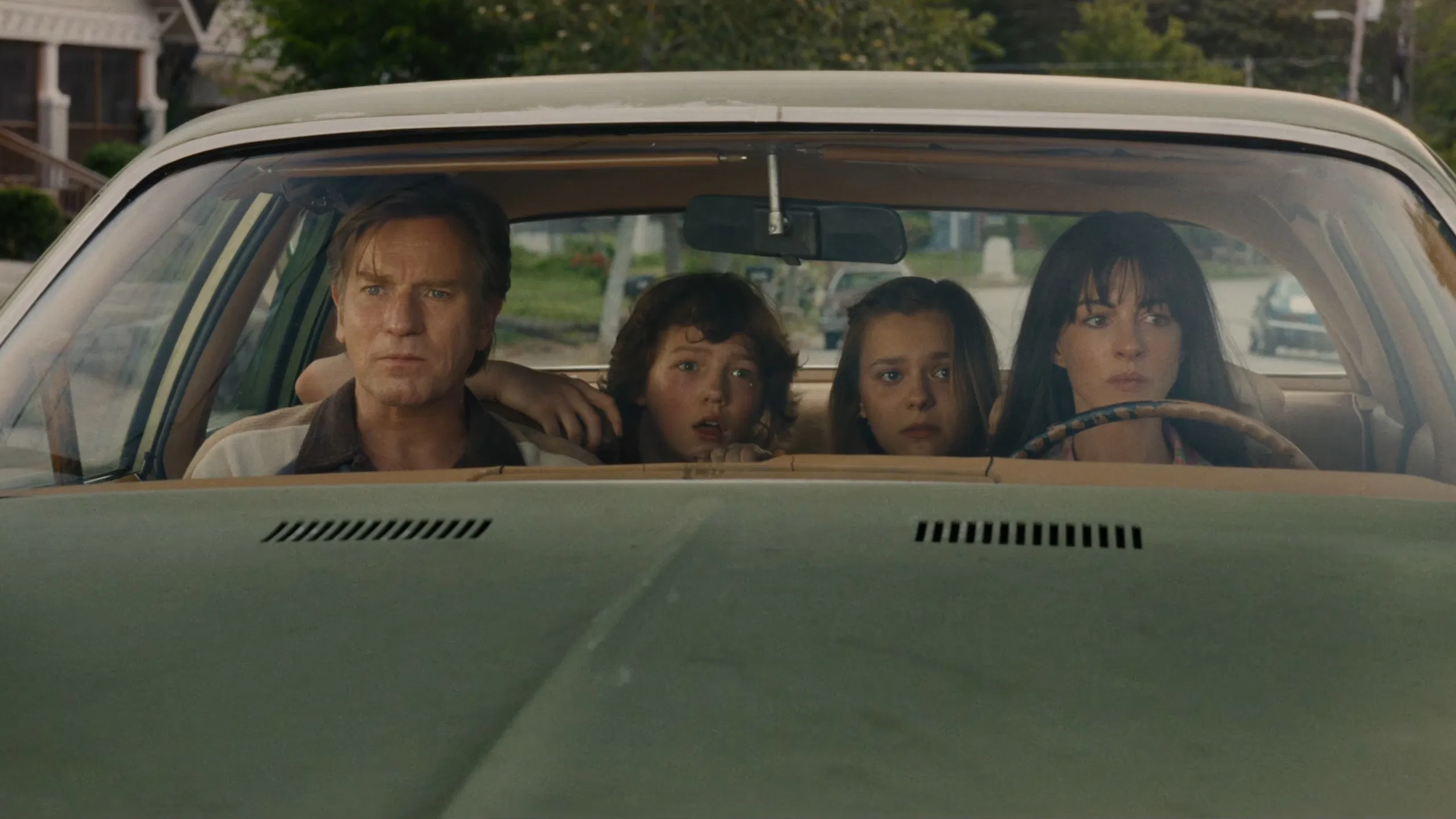
James (Jeremy Irvine) sees butterflies swarm a crimson-overshadowed window | Still from TMDb
On its own terms, Return to Silent Hill takes a rather confounding spin on Silent Hill 2 that takes a more vivid, sensory approach as opposed to the slow chill of both the first film and both versions of its source material, locking the viewer and its own script into a singular headspace that tightens the intensity and pace of the psychological horror to a pulse-pounding, merciless degree, free from the sanctified comforts of traditional internal logic, instead running on sheer anguished emotion for most of its 100 or so minutes.
All of this is made manifest in at first immediate ways: garish, detached digital imagery envelops the setting, Gans weaponizing the limitations of CGI production by integrating the emptiness of the town's rendering in its current compared to the bygone days of palpability and warmth (whilst also leaning into the mid-aughts gameyness of it all). Similarly, the creature effects (also done with physical performers, like the 2006 movie) also feel similarly alien, and the escalation of their encounters feels dangerously close to each other in a way that provides both primal thrill and discomforting subconscious thought, peppered in with several nasty intrusive thoughts of jump scares as well.
And then you get into the finer aspects that reveal themselves as the film goes on and takes root in its mode of operation: how the imagery and form become much more intense not only in their terror but their striking picturesque impact and even poignancy, how what remains of the structure of the story dissipates into a pure internal deepdive that gives Gans the greenlight to further double down on his directorial instincts (long takes, otherworldly lighting, compelling individual frames), and most importantly of all, the empathetic, human component at its center.
What granted Silent Hill 2 its long-lasting history and acclaim beyond its horror elements is its searing look into human psychology and this new film follows suit, paring down the scope of the emotional core towards a tragic love story between two individuals who struggle to reconcile the immeasurable pain they have gone through in the past and present with the regrettable choices they have made despite their best intentions. This empathetic outlook, an understanding of the dauntless emotional spiral and self-hatred that comes with mental illness, provides significant potency to the supernatural trappings without feeling exploitative, giving way to a heartrending third act that caps it all off with a final note that is as beguiling as it is melancholic (and of course, potentially horrifying).

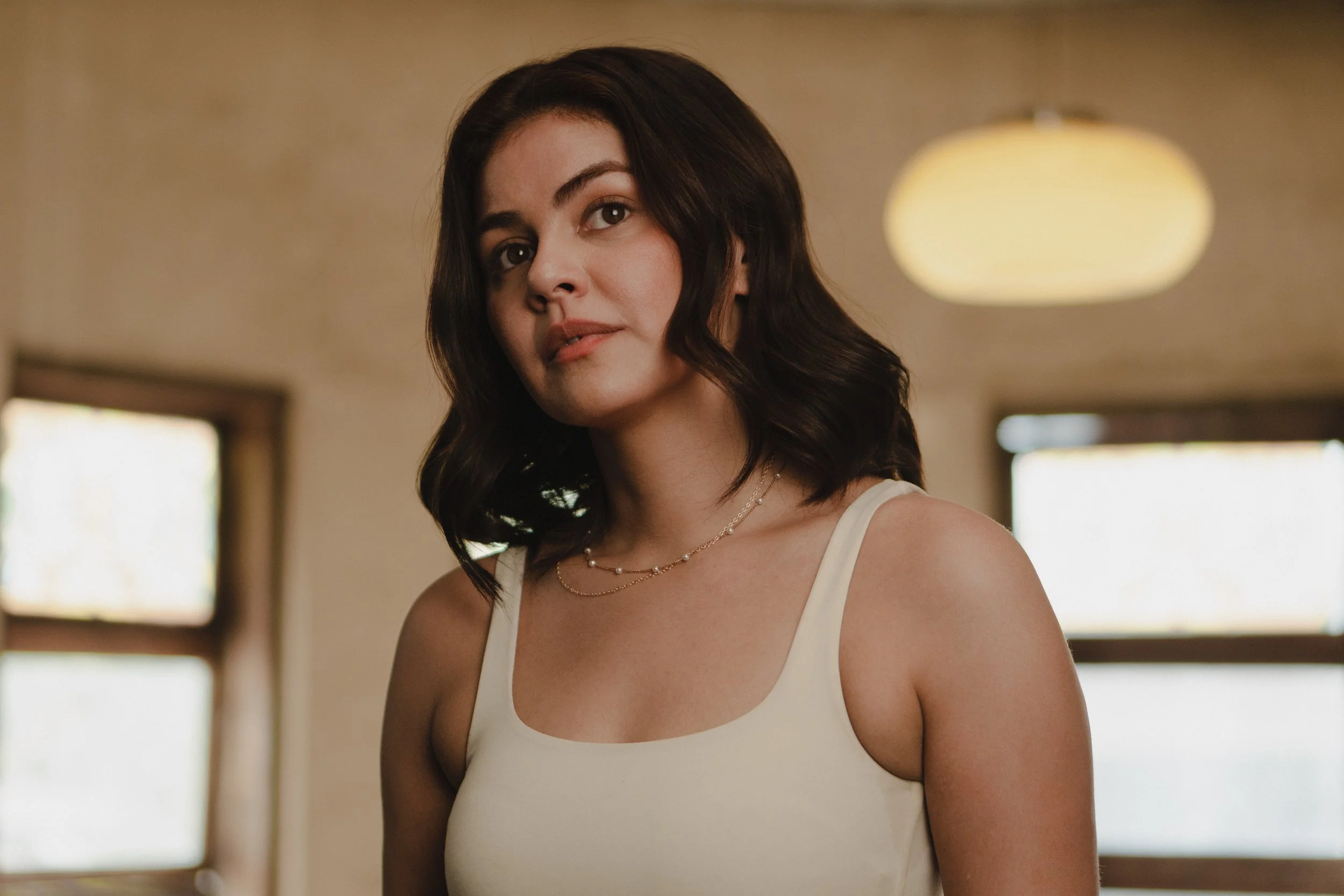
Memories of a warmer, bygone time | Still from TMDb
It's a pummeling experience, one that left me spent at the vastness of its distorted virtual canvas that feels all too human, regardless, and the abandon that is put into pursuing it, but it comes with its own drawbacks. Fleshed-out plot points and lore aren't considered central and more garnishes to the torrential arc at its core, and while its own trippy distortions are central to its tension, it's also quite confusing and frustrating to parse when one tries to scrutinize the story's progression on its own, due to the extent of the psychological fragmentation on display. It's also clear that while Gans manages to make the most of a mid-low level budget. Made with a $23 million budget, lower than the previous major studio-financed adaptations in the earlier decades, the limitation does make itself seen in several areas (including a questionable facial prosthetic late in the film).
All of this is in addition to the deconstruction and complete redoning of the original lore to benefit the film’s own means, thus risking making the titular town feel a bit underexplored. Gans' approach is for sure locked in a register that will be alienating for many, but those open to its expansive volatility will get a lot out of it. If anything's a universal positive, Akira Yamaoka's original soundtrack manages to remix some of his original work alongside new tracks that befit the new narrative while also hearkening back to his monumental work on the original game.
Through its artistic eccentricities and a vast alteration of the franchise's textual and tonal DNA, Return to Silent Hill is surprisingly one of the more viscerally experiential pieces of genre filmmaking under the guise of translating a video game property to the big screen. Like scratching at a deep wound until it bleeds for over an hour and a half, its barrage of off-the-wall, nightmarish paranormal visualizations taps into a fragile, gutting humanity that aches and distorts the frame into an uncanny digital cacophony. It's this unyielding focus that is its strength and detriment, but the extent of its own internal frailty and the pulsating compassion in how it is framed beneath the flames of self-immolation is what takes it above and beyond.
A restless, pained mind-bender that deserves more than a single look, beyond its surface — you won't expect what you find.
'Return to Silent Hill' is now showing in Philippine cinemas through 888 Films International.