

‘Resurrection’ REVIEW: A Dreamy Exploration of History and Cinematic Memory

Spoilers for Resurrection ahead.
Talking about Andrei Tarkovsky’s Mirror for his four favorites with Letterboxd, Lav Diaz describes himself falling asleep every time he watches it before waking up and discovering new things about the movie. He continues by saying, “Falling asleep is cinema.” It’s the kind of conversation-starting statement that pulls quote retweets in support of and in full loathing of the mere idea it invites. After all, one often pays for a ticket and takes the time to sit themselves for a fixed time to watch images and sound flash around them. What more if you’re watching these films in a circumstance where you’re expected to pay full attention, let alone write a review about them?
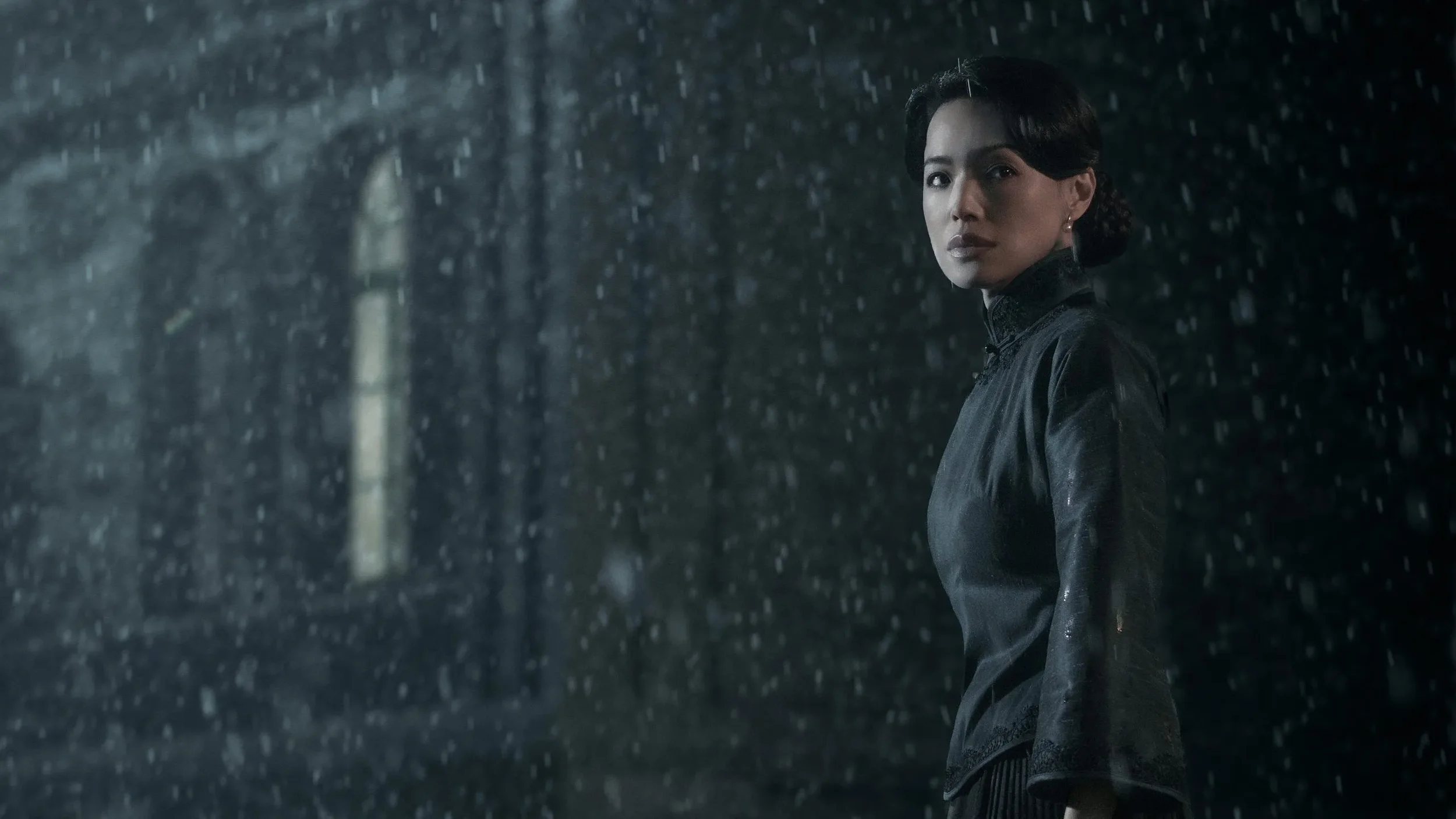
Shu Qi as The Big Other in ‘Resurrection’ | Photo courtesy of Janus Films

The plot of Bi Gan’s Resurrection, or the words required to form a logline, is set in a world where humans have chosen to forego dreaming for immortality. Here, individuals known as “Other Ones” look for “Deliriants,” creatures who have been deformed by their lingering ability to dream. With an Other One named Miss Shu (Shu Qi) tracking down a Deliriant (Jackson Yee) near the end of its life, Miss Shu puts a film projector on him to let him, let her, and let us experience its dreams one more time.
This plot is a mere avenue for the film to ride through both film and Chinese history across its runtime. Some bravery can be interpreted in its choice to start with a silent film section, but its visual narrative is pretty straightforward, following Miss Shu’s search for the Deliriant. Once she finds him, the story shifts gears into a man’s maddening search for a suitcase, to a snow-drenched conversation between a former monk and the God of Bitterness, and then a con man’s attempt at a scam with the help of an abandoned child, and finally, one night in 1999 between two would-be lovers. In Resurrection, Bi Gan invites us to fill its gaps with our own history with cinema or, with minimal anticipation, to pass the time in our own dreams. It’s a structural gambit that will test the audience’s patience and their ability to keep the plot close to their chest.
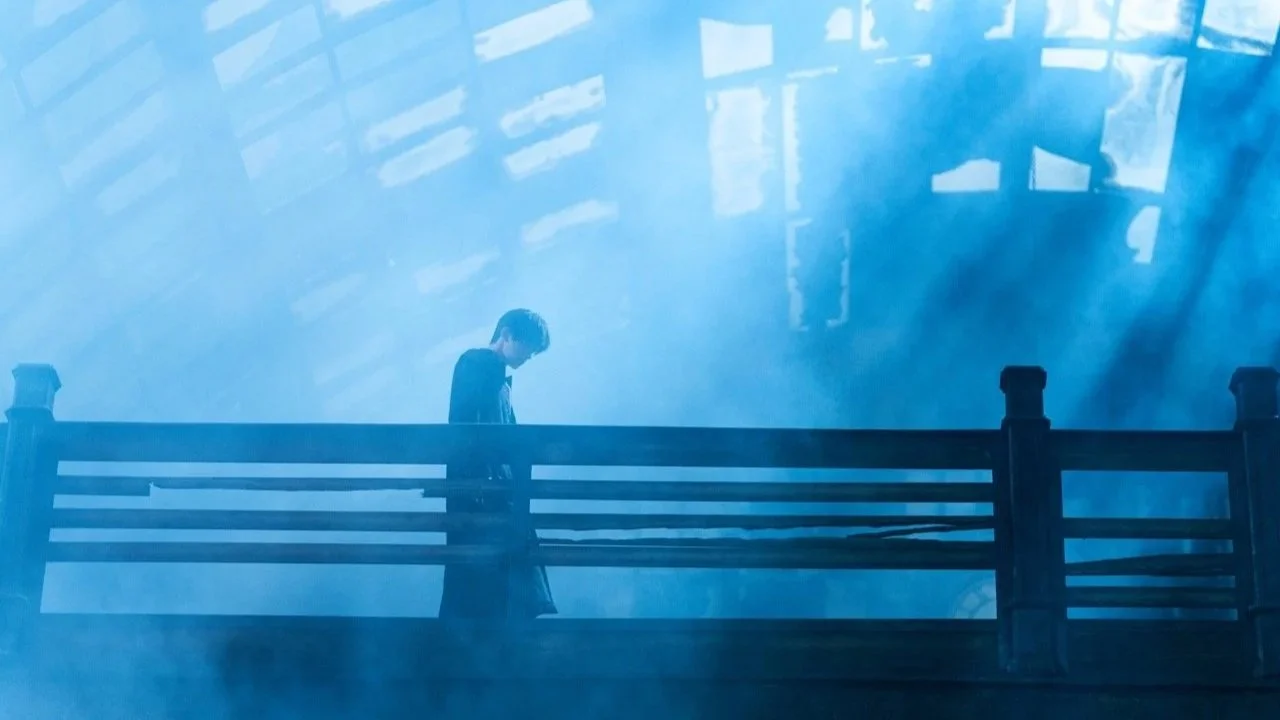
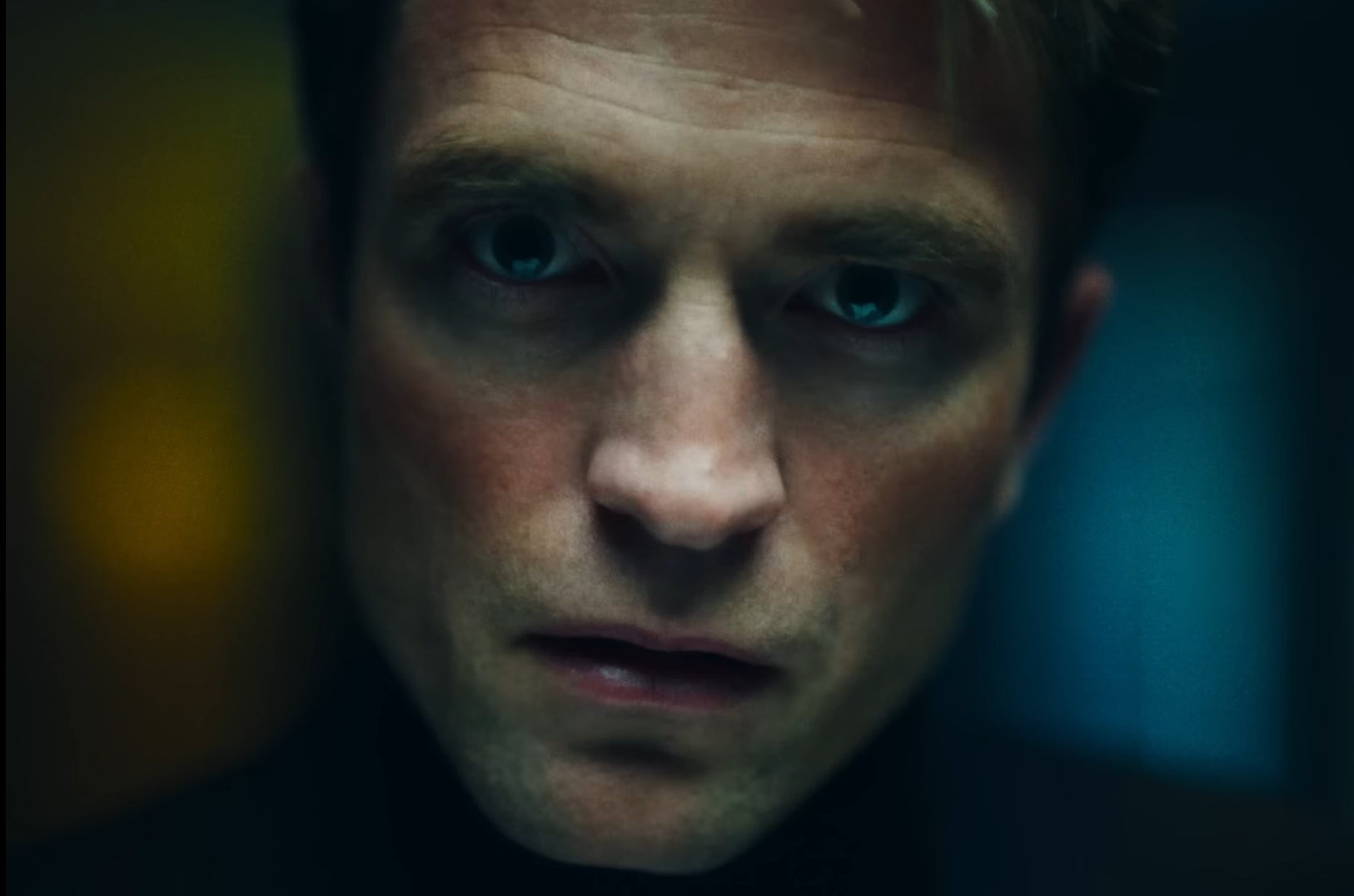
Jackson Yee as Qiu Moyun in ‘Resurrection’ | Photo courtesy of Janus Films
Take its 1940s-set “Sound” chapter, in which a brooding detective searches for a suitcase that could help end the war. He questions a train station ticket booth operator, and Qiu — the Deliriant’s form in this chapter — a prisoner who killed a man. As the detective spirals deeper into this mystery, questions of why he’s really looking for the suitcase and who his prisoner really is threaten to unravel the detective’s sanity and the plot. By its conclusion, the story ends, but its questions remain.
It’s an effect compounded by the next segment in reference to “Taste.” Here, the Deliriant is now Mongrel, a former monk working with art thieves to pillage the treasures of an abandoned Buddhist temple. Left alone in the temple for the night, he heeds advice that he hears to taste the most bitter rock to soothe his toothache. Doing so conjures the God of Bitterness, who proposes to forgive Mongrel his lifetimes’ sins in exchange for assistance in reaching Enlightenment. As Resurrection’s most elliptical chapter, it may be the chapter that most — especially those unfamiliar with its references — struggle to pay attention to. I know I did. Part of me can’t help but feel like it’s by design when its emotional climax, when Mongrel contemplates his relationship with his father, is soundtracked to the sounds of a sleeping man. It's a much less conclusive ending, then, feels more like a quiet exhale after a long night than a chapter’s ending. What’s usually a confounding bug when it’s placed in a narrative film instead feels like a feature here, especially as Resurrection barrels into its next two chapters.
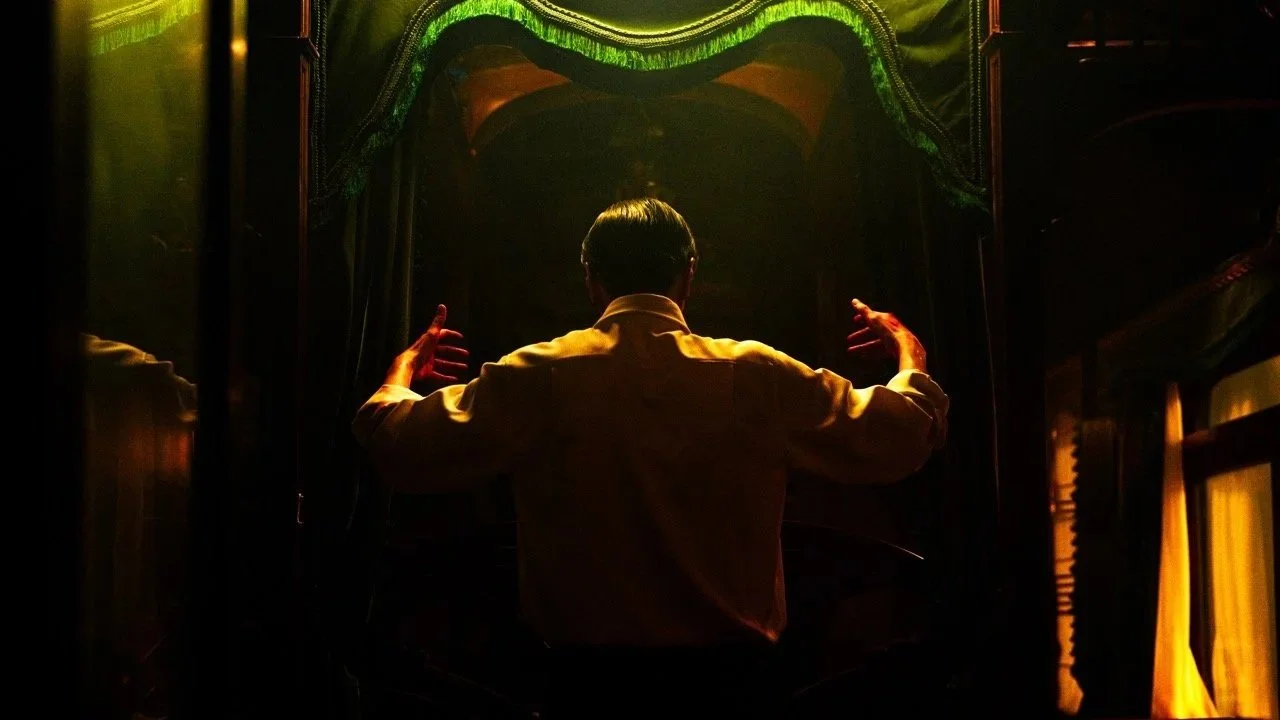
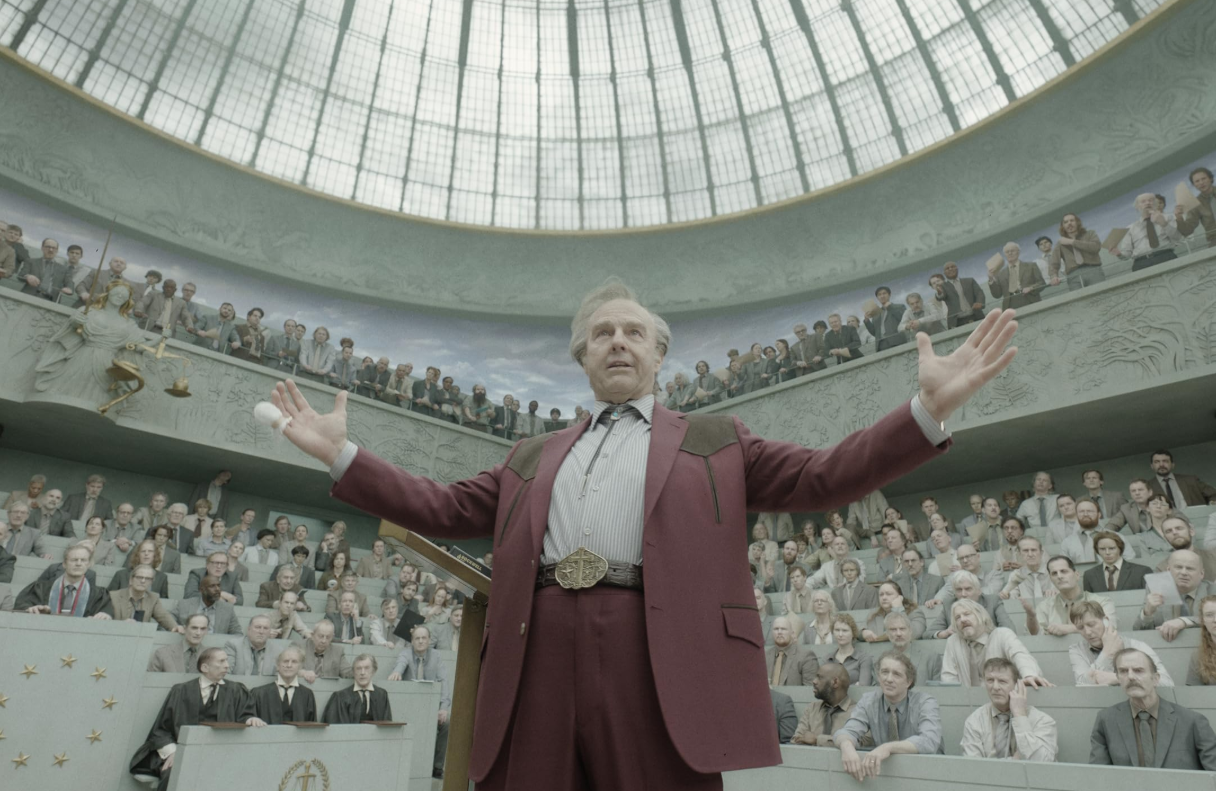
Mark Chao as Commander in ‘Resurrection’ | Photo courtesy of Janus Films
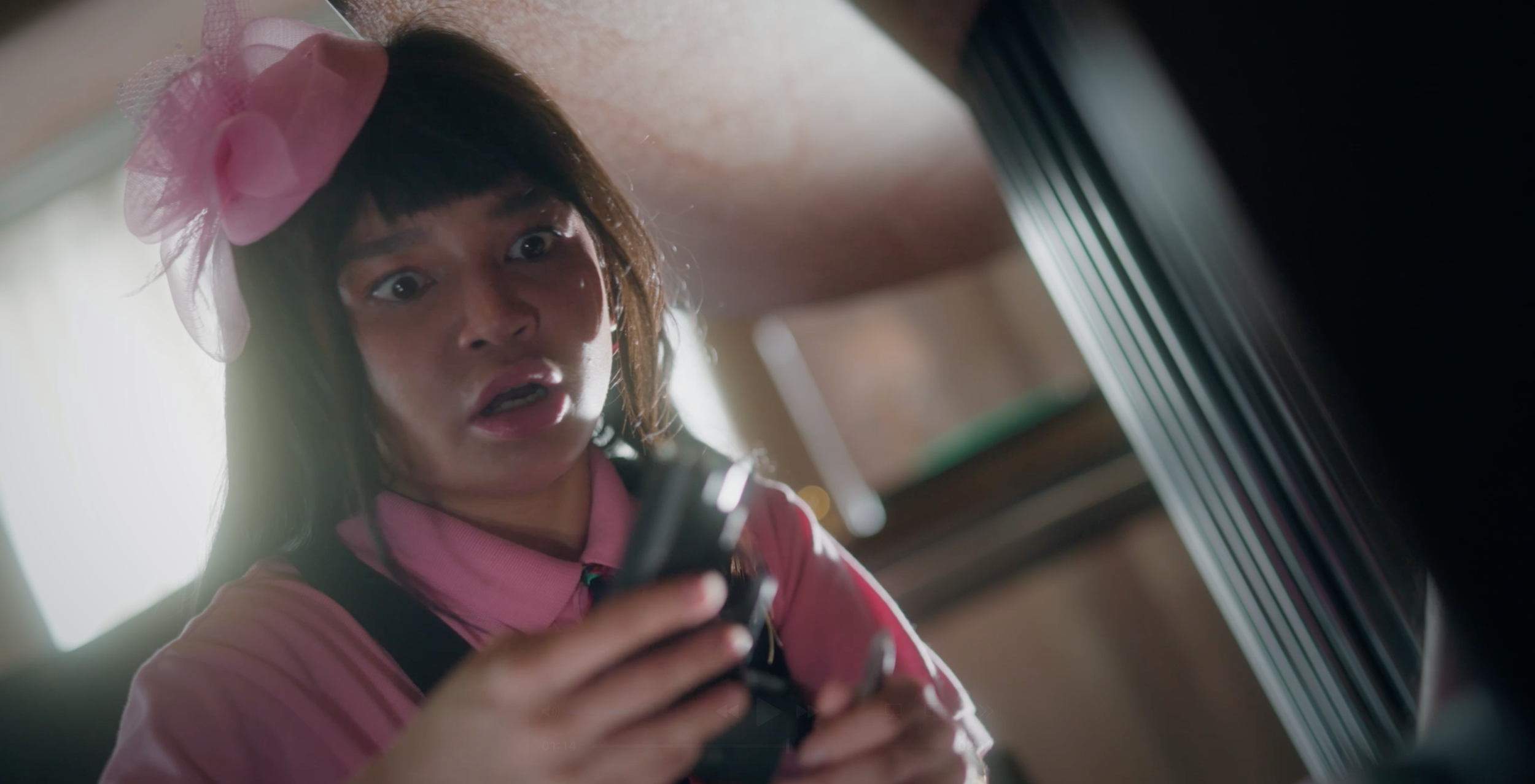
The “Smell” chapter takes its relationship with the associated sense more literally as the Deliriant, now a con-man named Jia, in what must be 1970s-1980s China, decides to scam a local gangster looking for magicians by using a manipulated ability to guess cards correctly through smell. To help him, Jia takes an orphan under his wing. Wise beyond her years, she doles out riddles and picks up what Jia puts down really quickly. Her driving factor is a riddle that her father left her on a banknote that she hopes to solve. How all these pieces play out at the end makes the film’s emotional climax much more powerful.
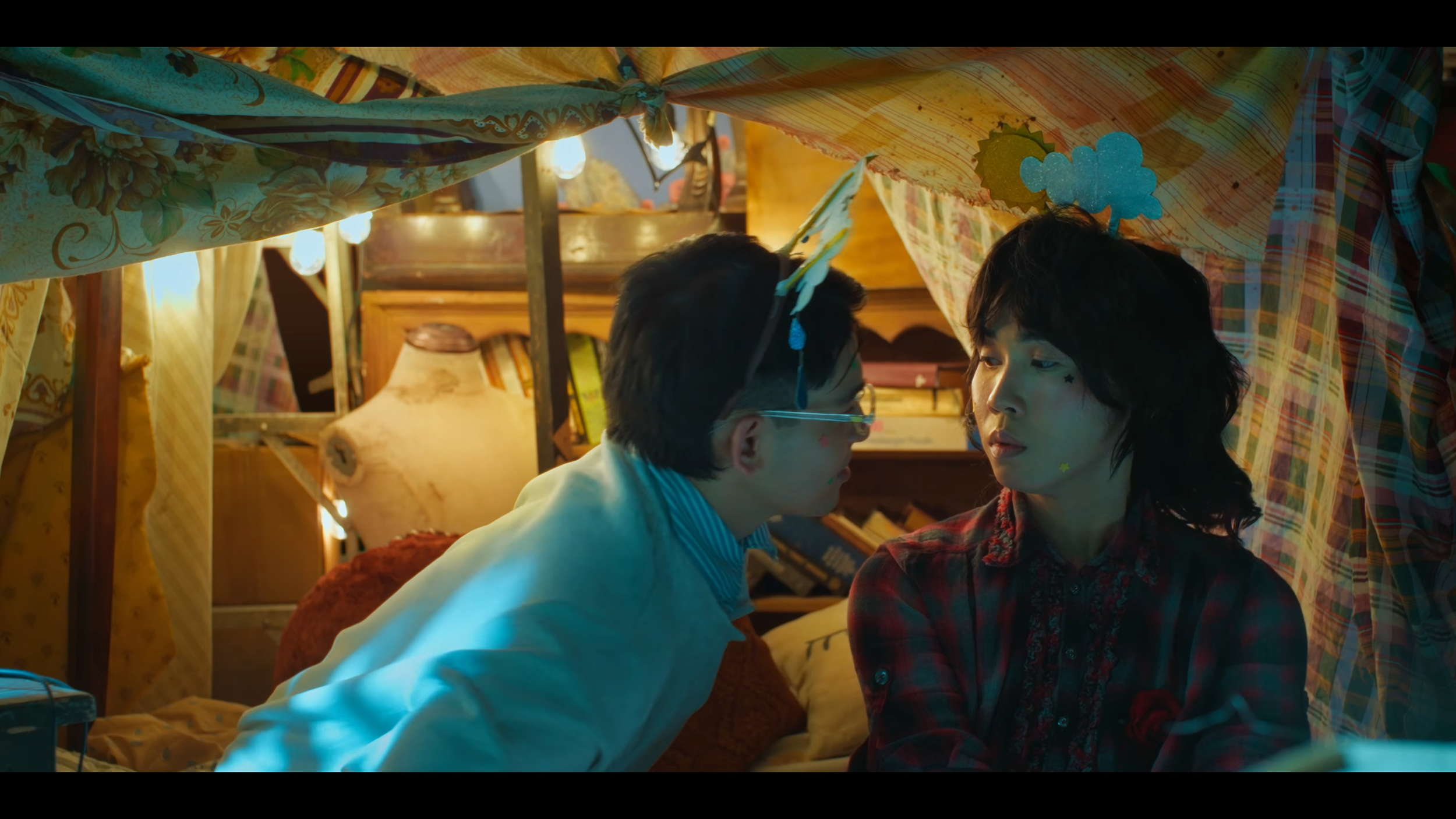
For its “Taste” chapter, the Deliriant is now Apollo, a man smitten by Tai Zhaomei on New Year’s Eve 1999. As she pursues her and her affections in the rain-soaked town on the way to the Sunrise Karaoke bar, a mob boss threatens their chance to see the sunrise and fulfill their romance. The showiest of the film’s six chapters, this one is bathed in Bi Gan’s signature long-take style. With each sight a pleasure to behold, it’s a welcome change of pace and a unique expression of the dreamlike feeling that cinema can conjure.
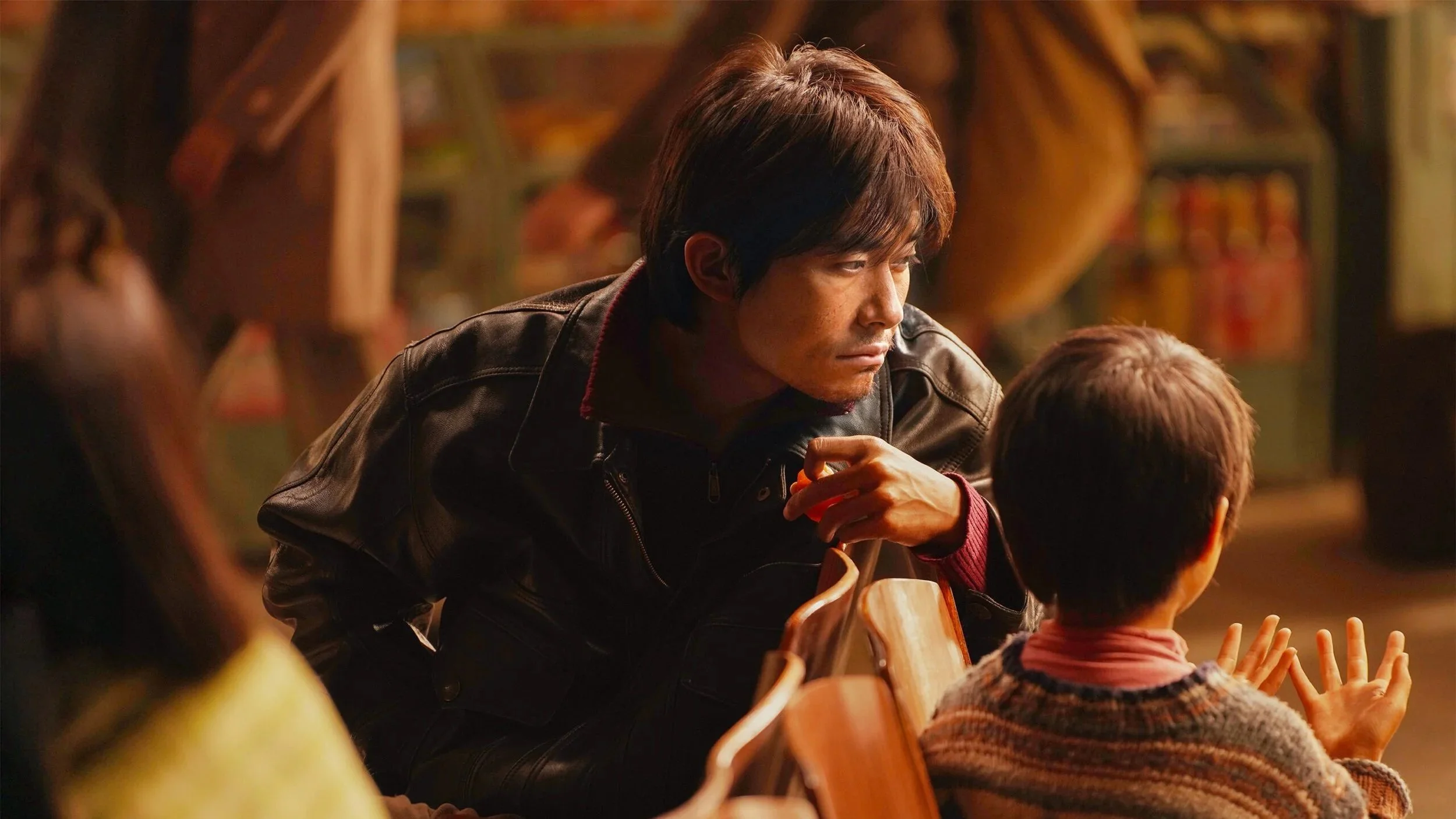
Jackson Yee as Jia Shengjun in ‘Resurrection’ | Photo courtesy of Janus Films
Each of its dreamlike chapters has an elliptical quality that may, yes, leave questions unanswered or even lull the uninitiated into their own dreams. This, I think, isn’t to the film’s detriment. Its own dream logic invites the viewer to explore their own cinematic memories for what Resurrection’s images invite you to recall. This exploration isn’t meant to fill in the gaps so much as to allow you to meld the film’s sights and ideas with your own, which isn’t the most common way that people watch films these days, when they ask it to tell a story and wrap it up for them by the time it’s done.
There might be some familiarity to the stories it tells if one can sense it, but their presentations together allow for a wide expression of humanity to be seen. Yee proves to be an interesting muse for Bi Gan, shapeshifting deftly into the roles the Deliriant projects itself into, across different decades in China.
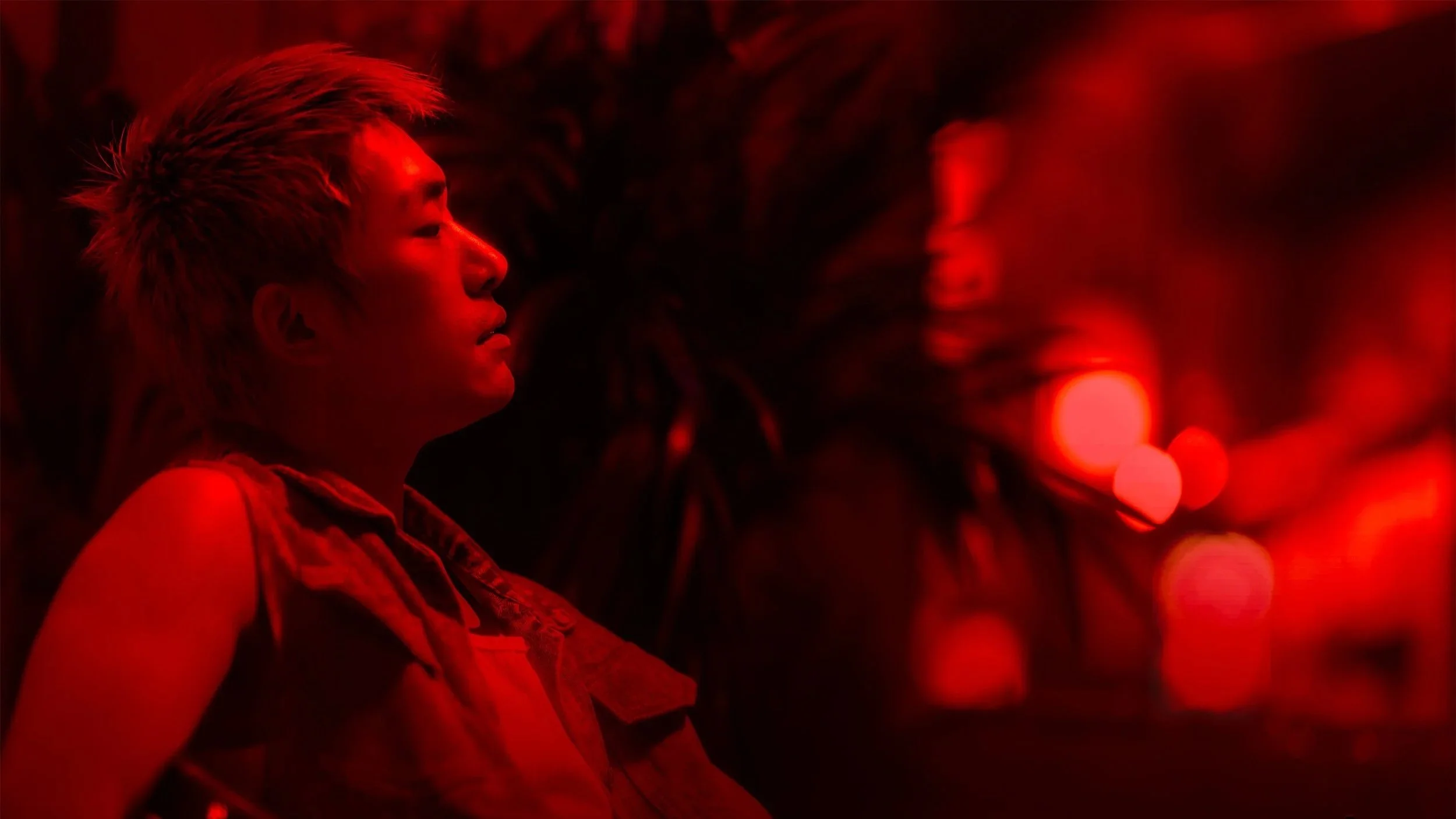
Jackson Yee as Apollo in ‘Resurrection’ | Photo courtesy of Janus Films
When we’re watching a film these days, we either give our full, undiluted attention (usually the ideal way), or let it play in the background while we do things, or sit and wait for all the picture-worthy moments. By its own presentation, Resurrection’s use of dream logic in its different stories, while not so complex, takes a different path from the usual way of seeing movies, one that allows you to absorb it wholeheartedly as much as it invites you to dream your own dreams and come back to its images.
Resurrection has the kind of filmmaking that asks the right questions, which gives the viewer more to reflect on, rather than homework to answer. Its insights might echo into your own memories, or reach into the movies you’ve seen before, and that is its own reward. By the time Resurrection shares its last title card and begins its goodbye, you may be stirred into asking, “What did I just watch?” Or, “Whose experiences did I get to reach into?” hoping that the answer reminds us why we keep sitting down to watch others live out lives that we hope can make us understand what we can’t on our own.
‘Resurrection’ was screened in Philippine cinemas as part of FDCP Presents: A Curation of World Cinema from January 28 to February 3, 2026.