
Y2Cinema 2026 OMNIBUS REVIEW
Y2Cinema 2026 OMNIBUS REVIEW

Y2Cinema 2026 official logo | Image courtesy of Mariano Marcos State University’s Young Communicators' Circle
This year, Y2Cinema gathers short films from emerging Ilokano student filmmakers who approach memory without smoothing it into something more presentable. Under the theme “Nostalgia,” the films pass through friendships, moments of love, and the shaping of identity. Each film is shaped by details that feel closely observed, staying grounded in their perspective and letting personal and cultural elements come through without overexplaining.
Here are the official reviews for the Documentary and Narrative categories:
DOCUMENTARY
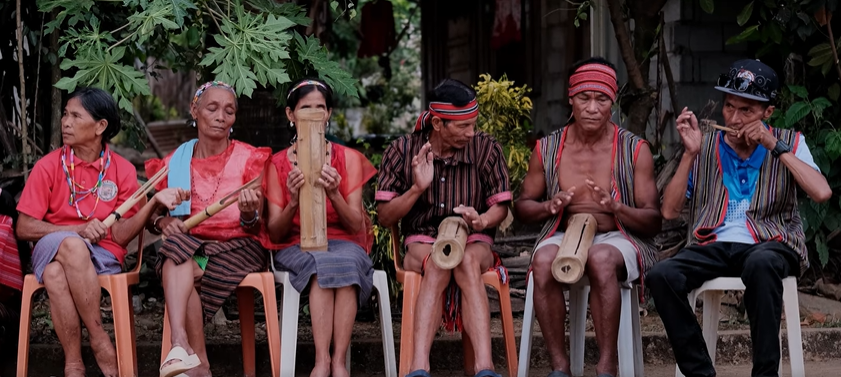
Still from ‘Rangay Ti Tiempo’
Rangtay Ti Tiempo
Dir. Ezra Jael R. Mora
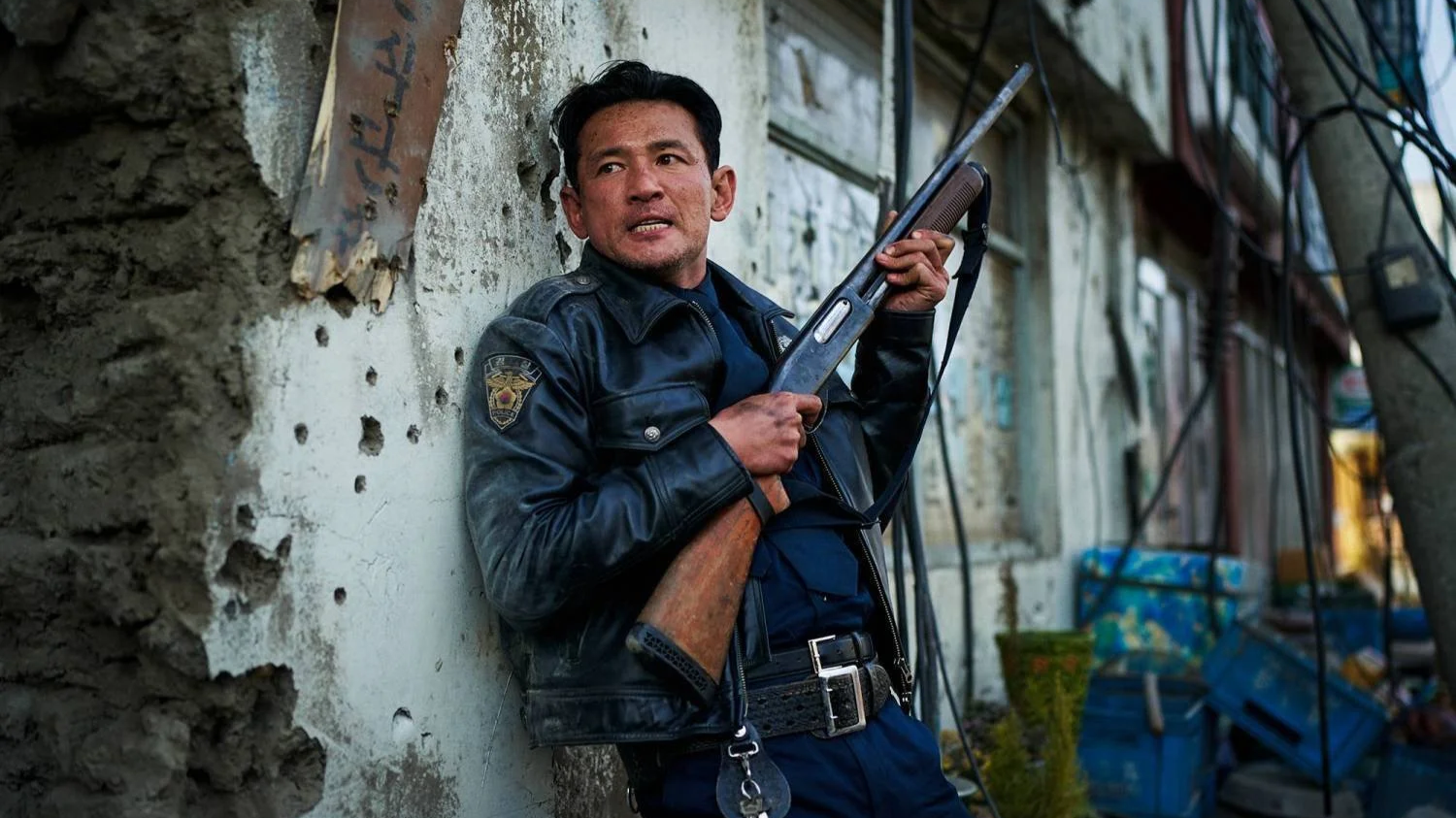
Rangay Ti Tiempo observes the Tingguian community, which allows both past and present to speak without one overpowering the other. The film moves through older customs, daily routines, and belief systems with attention to how these practices still shape decisions rather than exist as distant memory. In Nueva Era, change comes in slowly through school, technology, and movement, not as a clear break but as a steady shift in everyday life. The film avoids framing the community as stuck between past and present, and instead shows how people make practical choices that reflect both.
Culture here is not treated as something that blocks progress, but as something people use to make sense of it. Modern opportunities reshape how knowledge and responsibilities are passed down, often in ways that are uneven but meaningful. The film leaves you with the Tingguian actively deciding how these changes fit into their lives.
After It Runs Dry
Dir. Zechri Jacob Alvarez
After It Runs Dry focuses on the small, unspoken exchanges between two brothers as they take part in gulgol after their father’s burial. The film shows water as something the brothers depend on to carry out their mourning, not just a symbol. The ritual feels learned and repeated, something they follow because it’s expected and familiar.
When the river runs low, that process no longer works the way it should, and the gap is obvious in what they do. The film keeps their loss and the state of the river separate, so neither is reduced to a metaphor for the other. As the film ends, grief still remains, but it has to adjust to what the river can no longer give.
Rizal Street
Dir. Chris Jeremiah C. Antonio
Rizal Street shows Tata Rizal living a life shaped by routine, where the same daily actions have become part of who he is. The film focuses on how ordinary habits can give structure and meaning, especially for someone whose life is not defined by major change. His interactions with children and neighbors show that even small acts of kindness can build lasting relationships and a sense of belonging.
Instead of treating hardship as something that must lead to transformation, the documentary presents it as a condition he has learned to live with on his own terms. Director Chris Jeremiah C. Antonio suggests that dignity is found in consistency and in continuing to show up despite an uncertain life.
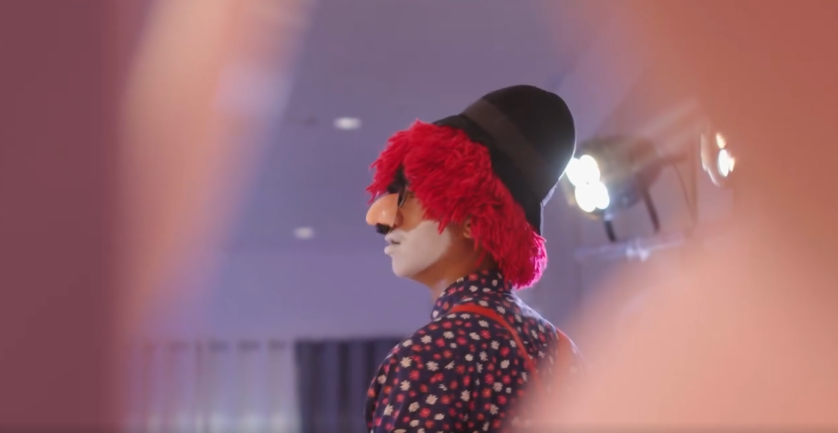
Still from ‘Payaso’
Payaso
Dir. Joseph “Dodong” Ansino
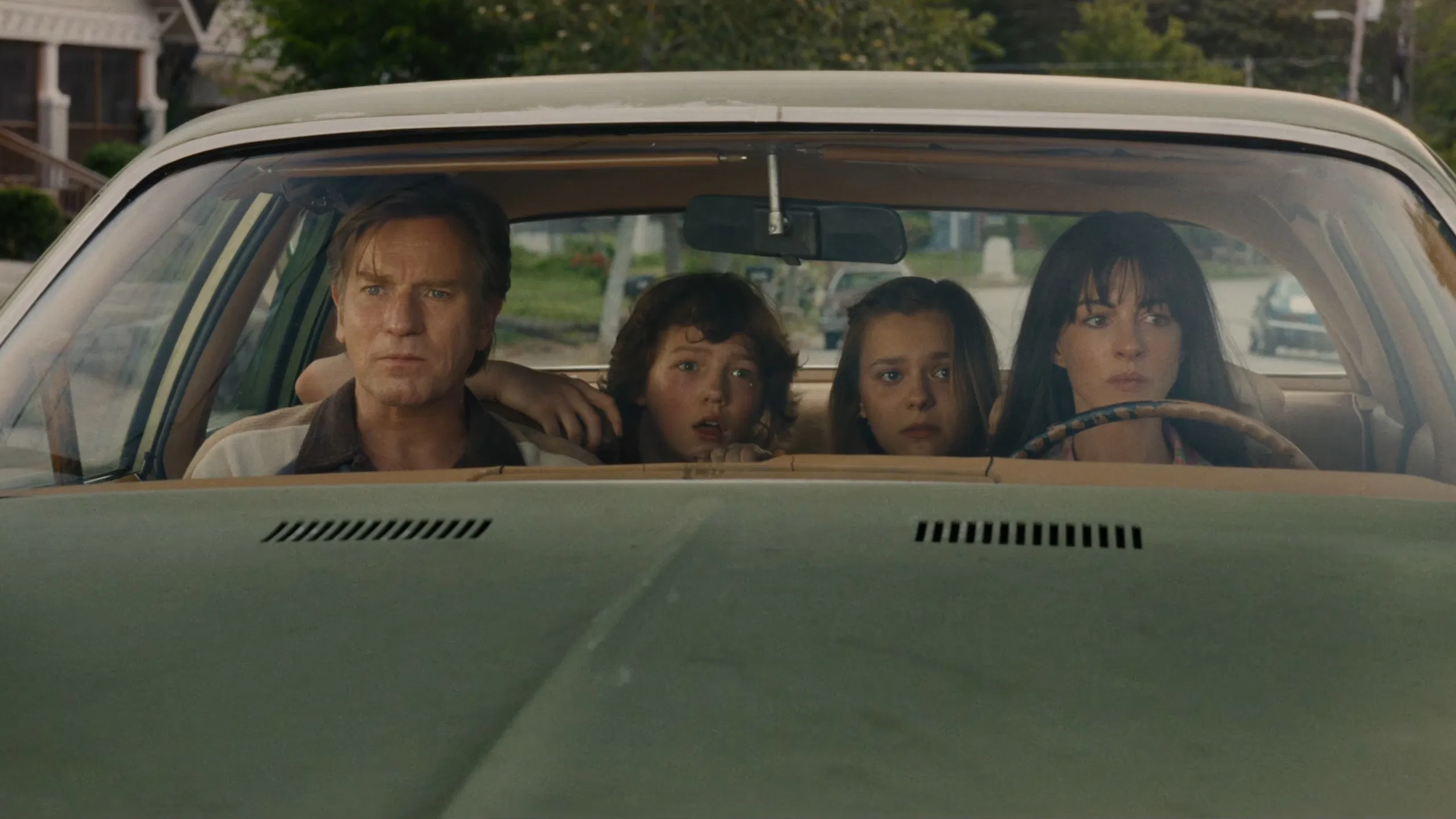
Payaso follows local clowns whose work is built from skills he has practiced and improved over time, from juggling to simple tricks that now form his routine. The film shows that these performances aren’t random but learned through guidance and shared knowledge, especially with connections to trainers and other performers.
Their stories go back to childhood, when making people laugh started naturally and later became something they relied on for work. The way they measure success through the audience’s reaction makes it clear that his role depends on how others receive what he does. Payaso frames clowning as labor shaped by experience, where effort over time defines its value.
NARRATIVE

Still from ‘Closure, Maybe’
Closure, Maybe
Dir. Mikko Castillo III
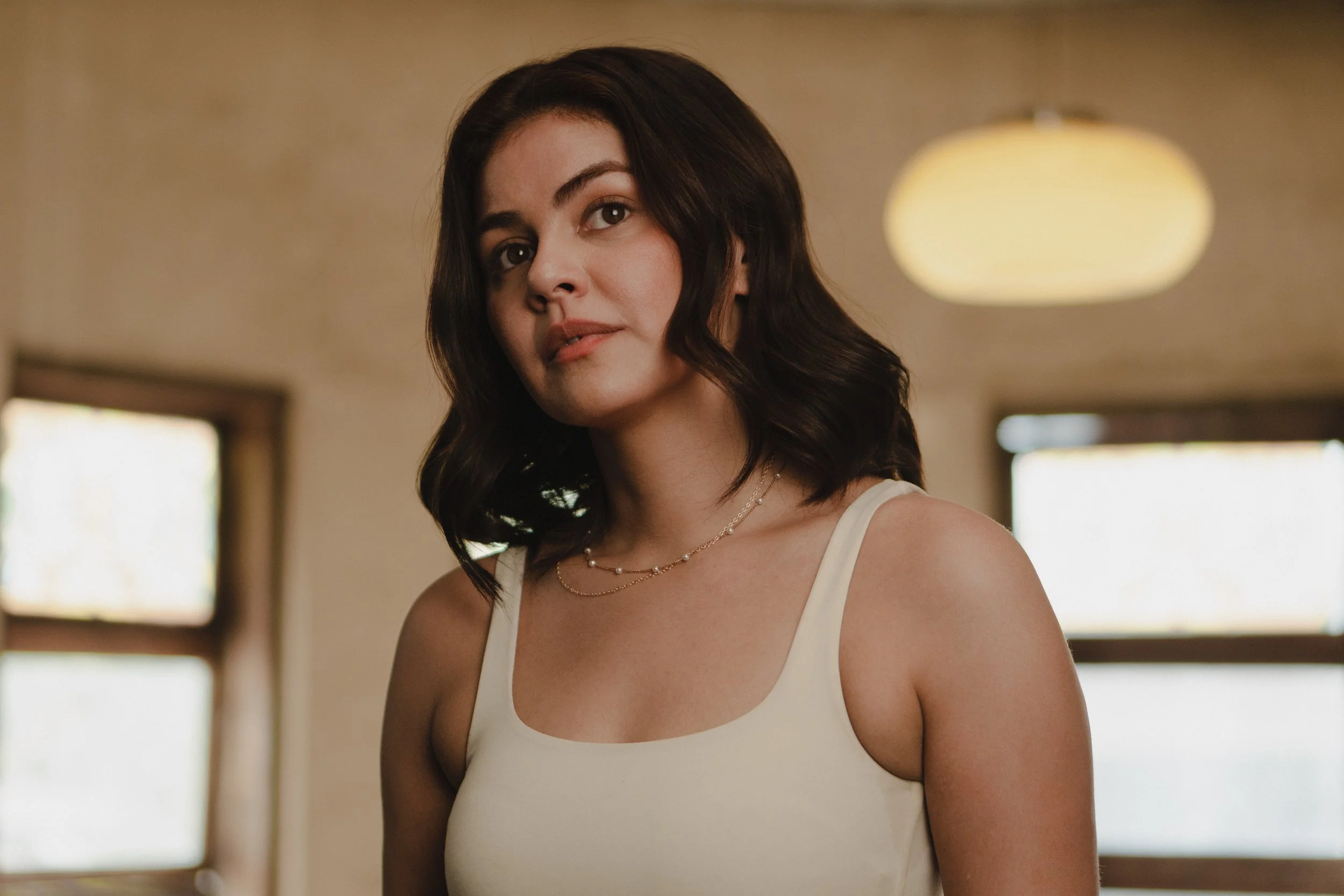
Closure, Maybe follows Jessa as she prepares to meet her ex one last time, carrying flowers and unanswered questions. The film works because it understands that closure rarely comes through one clear conversation. What seems like a final attempt to revisit the past becomes a harder look at the ways people shape the truth when they think it will spare someone pain.
The twist gives their meeting a different kind of weight, turning it into less about reconciliation and more about the difficult choices people make when love is no longer enough to sustain a relationship. Its strongest point is refusing to settle the question of whether protecting someone through deception is an act of care or a failure of honesty, because some endings leave no clean answer, only the reality of what was lost and the cost of letting go.
About Us
Dir. Ma. Danika Anjaneth D. Quime
About Us follows Ulani and Sienna as they look back on the years that shaped their friendship, moving through shared memories that feel specific rather than staged. The film builds its story through inside jokes, routines, and the kind of time spent together that slowly becomes a record of who they were. As graduation nears, the growing distance between them feels believable, which makes the fallout hit harder because it comes from missed chances to understand each other.
Additionally, the film’s music strengthens this by giving space to what they cannot say, and the letter gives those unspoken feelings their full weight. What stands out is the film’s understanding that closeness alone is never enough to sustain a relationship when communication breaks down. Its strongest point is that loss does not erase what mattered; it proves that some connections keep their meaning even after they end.
Dagiti Aweng Iti Puso
Dir. Jewel Ray Marcos
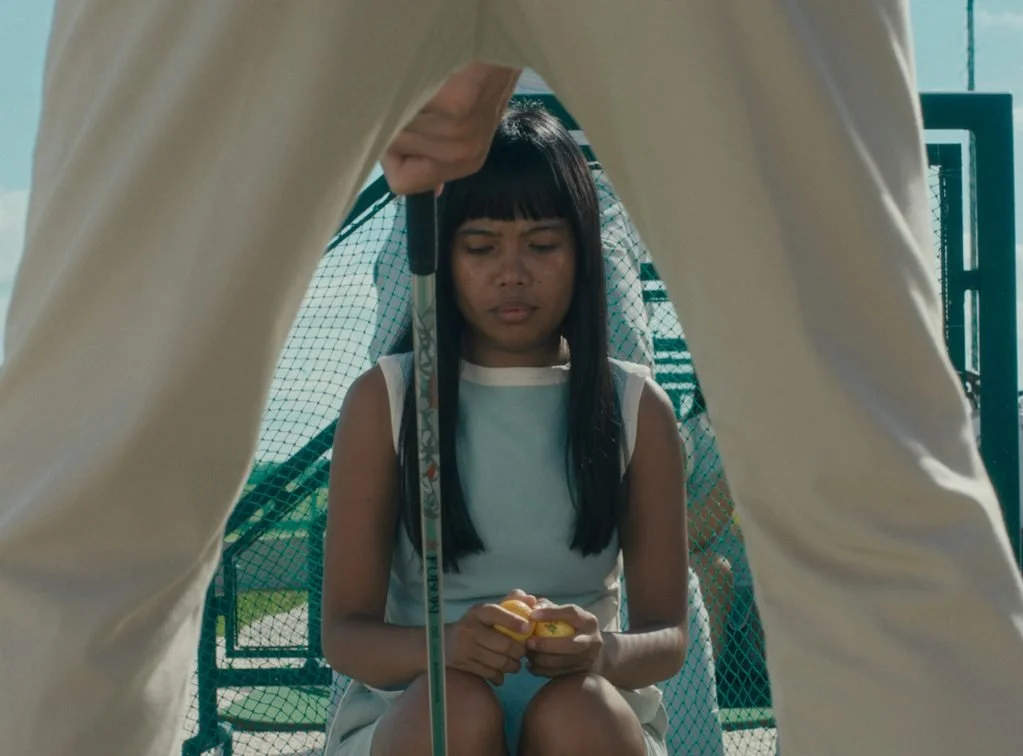
Dagiti Aweng Ti Puso follows an aspiring singer whose days move between wanting to be heard and holding herself back. The film doesn’t rush her past that hesitation. She has the ability, and the film never suggests otherwise; what stops her is the kind of self-doubt that grows from years of holding herself back. The loss of her best friend forces her to face that hesitation instead of hiding behind it, making her choice to sing feel earned rather than inevitable. That moment matters because it comes from reckoning with grief as much as ambition, showing that growth often comes through what unsettles us.
The film treats music as a way of carrying both pain and possibility at once, refusing the idea that pursuing a dream means leaving something behind. Ultimately, Dagiti Aweng Ti Puso sends a message that success matters less than her decision to stop waiting for certainty and finally act.
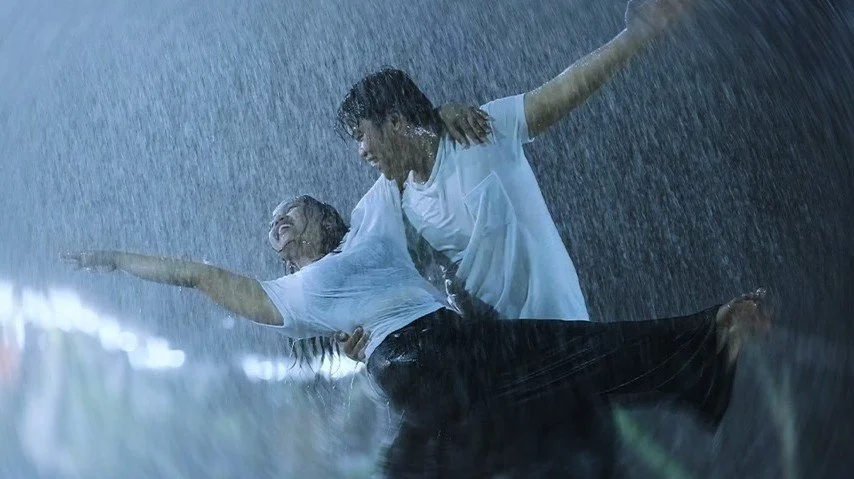
Still from ‘Sulat Ba’to?’
Sulat Ba’to?
Dir. Mark Jerome Salas Orque
Sulat Ba’to? follows Rain, an aspiring dancer who tries to hold on to her memories in a way that feels almost physical. She writes them on stones, one by one, as if that’s enough to keep them from slipping. The film’s strongest idea is that memory doesn’t survive just because it is recorded; it only matters when someone is willing to face it again.
Sulat Ba’to? shows that Rain’s dancing and writing aren’t acts of preservation so much as attempts to hold onto something already slipping beyond her control. Each callback to the past shows that memory is less fixed and more reshaped every time it is revisited. What matters is not whether she can recover exactly what was lost, but how choosing to return to it gives her the chance to carry it forward with greater clarity.
The 5th edition of Y2Cinema took place last February 16, 2026, at Mariano Marcos State University’s Teatro Ilocandia, with the eight featured short films later streamed on JuanFlix from April 10 to 16.