
The Architecture of Film Narrative: Constructing Meaning from Chaos

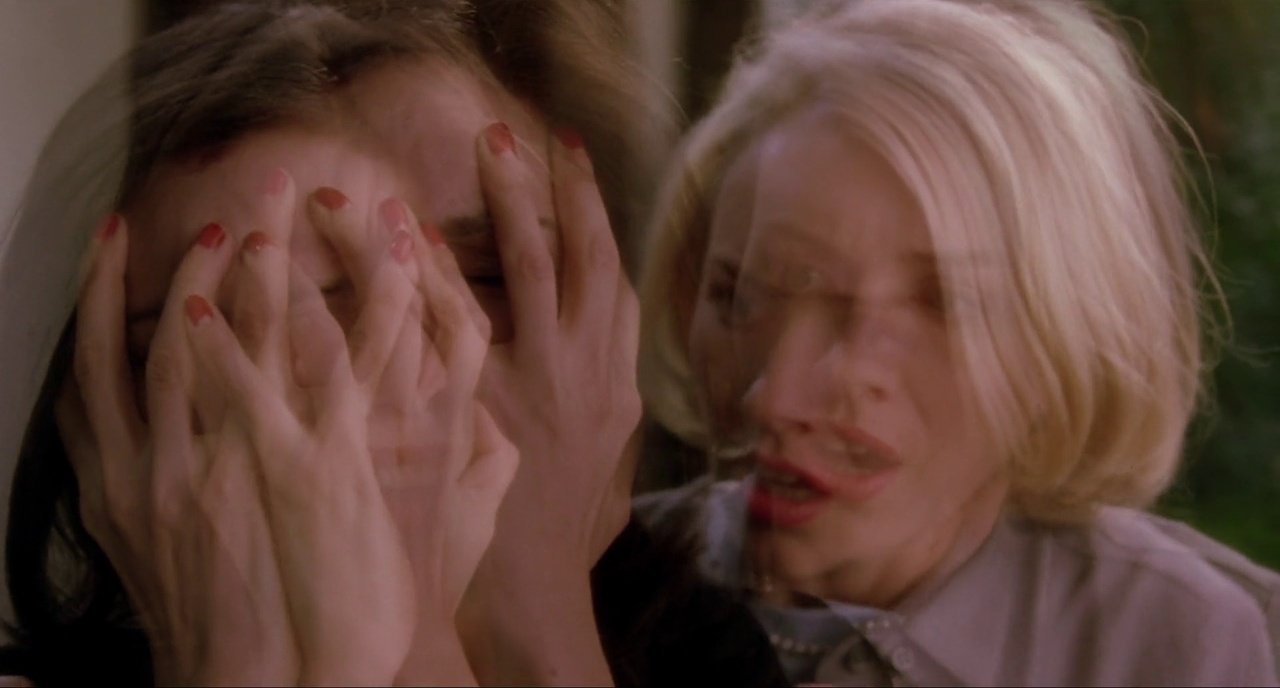
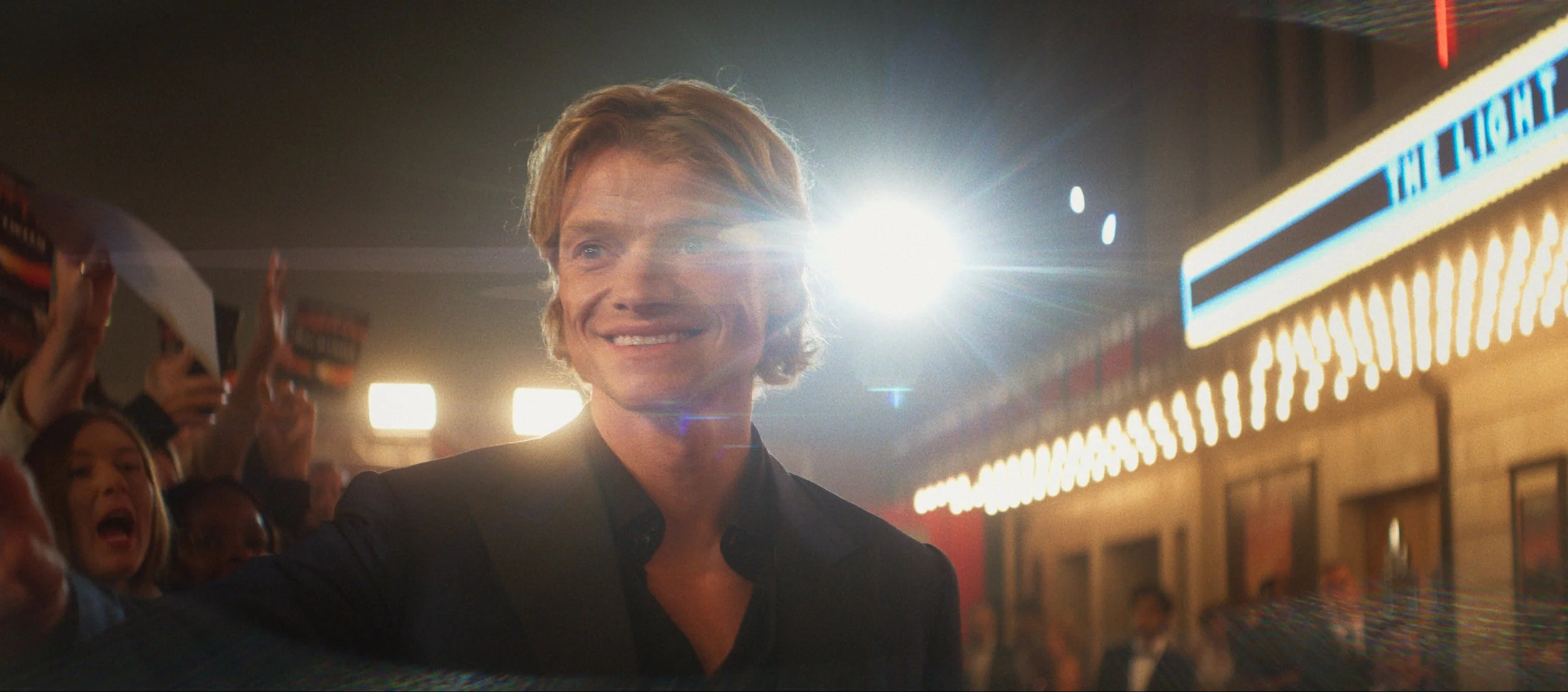
Still from ‘Mulholland Drive’ | Photo courtesy of Our Culture Magazine

Cinema has never depended on complete coherence, but that absence doesn't produce disorder. Disruptions in time, identity, and space don’t extend beyond the work itself; they’re part of how it holds together. They leave space for the viewer to make connections, and it’s in that process that meaning begins to form. Film works through arrangement. Meaning develops from how images are placed in relation to one another. It establishes a break that must be registered, even if only faintly. A transition links scenes, but it also marks their separation. These operations shape how a viewer understands what is happening, even when they pass unnoticed.
I didn’t really think about how much work I was doing as a viewer until I started noticing the gaps. Watching older films, I used to assume they were just simpler, more straightforward, but now I see that they were never completely clear to begin with. There were always moments that didn’t fully connect on their own, and somehow I just accepted that and moved on. I guess I learned, without realizing it, how to fill in what wasn’t shown. Looking back, that feels less like a limitation of early cinema and more like the way the medium has always worked, relying on the viewer to meet it halfway.
Over time, the difference shows up in how much a film lets that process stay visible. Some films smooth everything into place so the construction fades away, while others leave the edges exposed. When those edges remain, the film can’t be taken as something whole and self-contained. It becomes something assembled in front of the viewer, where meaning doesn’t arrive fully formed but develops through the act of watching itself.
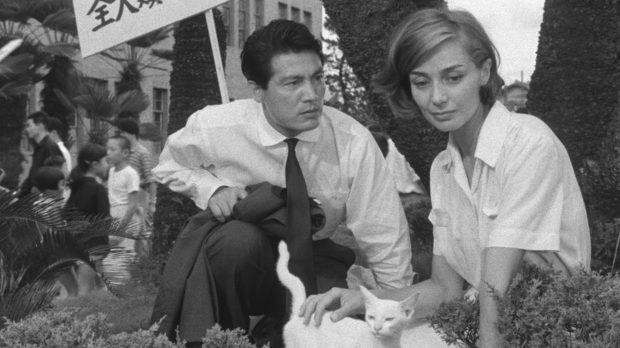
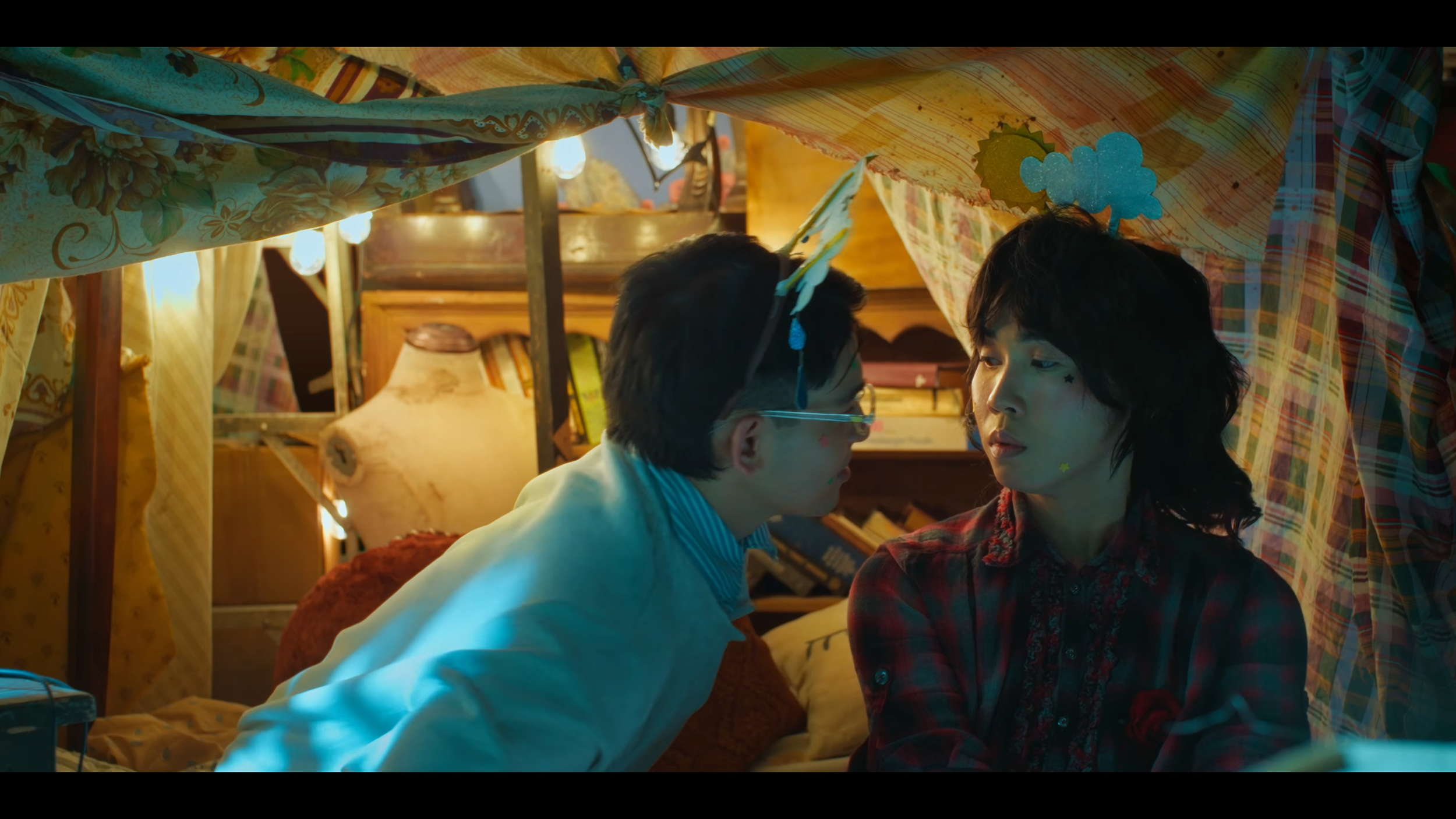
Still from ‘Hiroshima Mon Amour’ | Photo courtesy of American Cinematheque
Time and Memory as Disruption
In Alain Resnais’s Hiroshima Mon Amour presents time in a way that resists stable ordering. The past doesn’t appear as a completed sequence that can be revisited without consequence. Instead, memory enters the present and alters how it is experienced. The movement between Hiroshima and Nevers doesn’t follow a consistent pattern. These places are connected through the central character, but that connection doesn’t produce a clear timeline.
Scenes appear without clear markers that would assign them to a fixed temporal position. A moment associated with the past can enter the present without being identified as a flashback. This affects how memory is understood within the film. Memory introduces elements that don’t align with linear progression, and in doing so, it reshapes the present moment.
Even with this instability, the film maintains structure. Certain images recur, and their repetition allows the viewer to recognize patterns. These patterns don’t resolve into a single meaning, but they accumulate significance through variation. An image gains weight as it returns under different conditions. The film doesn’t require material from outside itself to support this process. Its difficulty comes from how its elements are arranged, not from any lack of access to them.
Identity and Instability
David Lynch’s Mulholland Drive approaches instability through identity. Characters don’t remain fixed across the film. Names change, roles shift, and relationships that seem clear are later placed under strain. The film doesn’t move toward a point where these inconsistencies are resolved. Instead, it allows different interpretations to remain possible at the same time.
The Club Silencio sequence makes this condition explicit. The performance reveals that the voice being heard doesn’t come from the body on stage. When the singer collapses, the voice continues. This moment directs attention to construction without reducing its emotional effect. The scene demonstrates that awareness of artifice doesn’t cancel engagement. It changes how that engagement is understood.
This instability extends across the film. Identity depends on how scenes are connected, and those connections don’t settle into a single arrangement. The viewer must work through these shifts without relying on a stable point of reference. At the same time, the film remains contained. It provides the material needed for interpretation within its own boundaries. The instability doesn’t extend beyond the work itself.
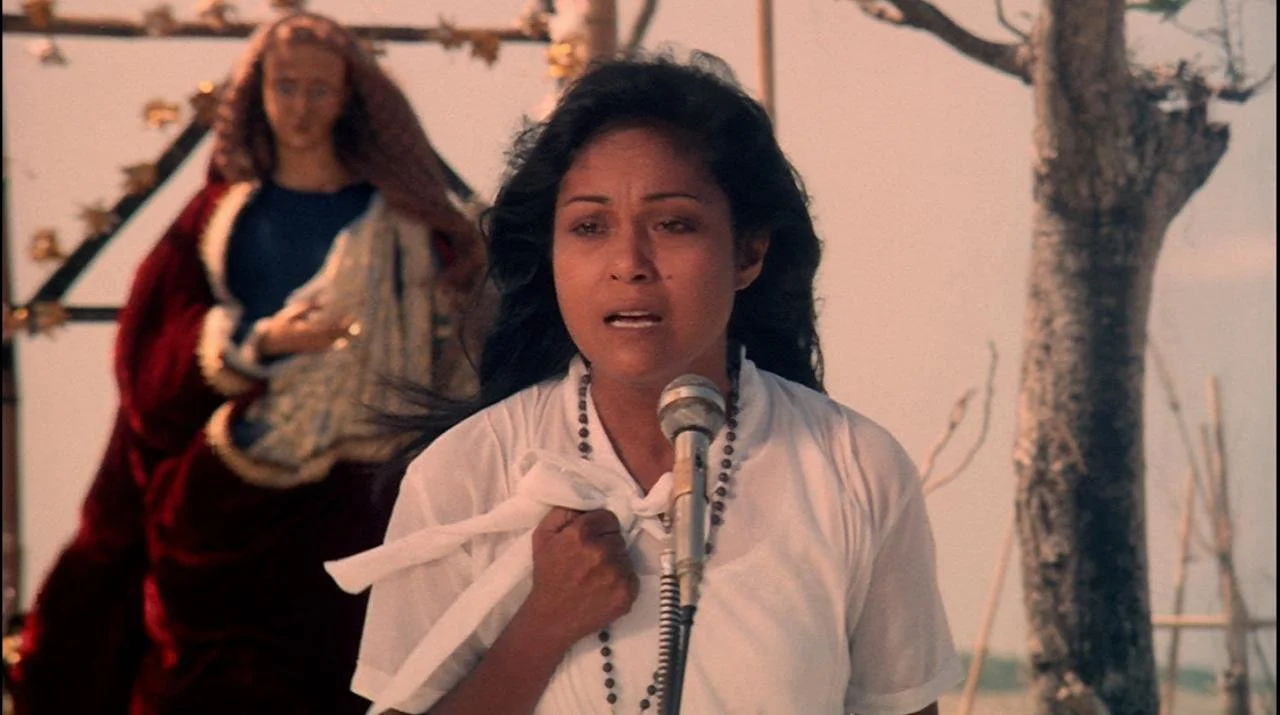
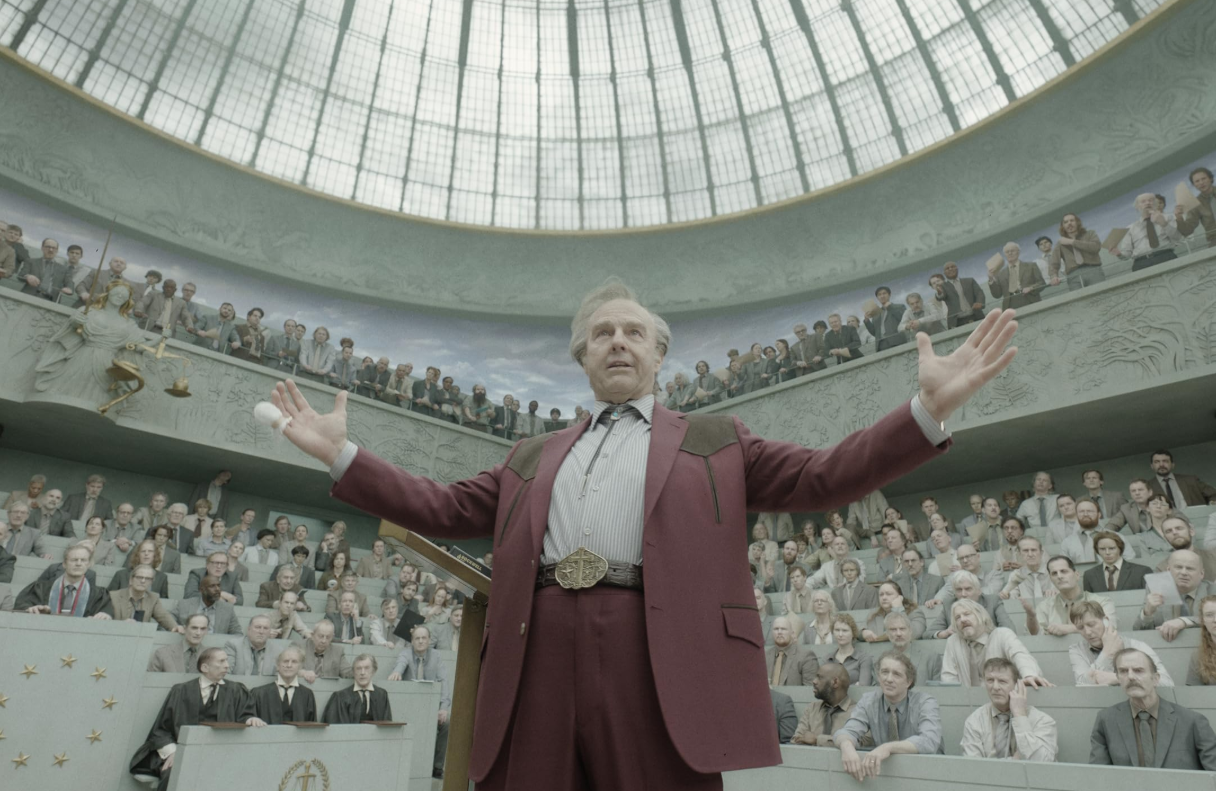
Still from ‘Himala’ | Photo courtesy of Far East Film Festival
Space and Collective Meaning
In Ishmael Bernal’s Himala, instability emerges through space. The town of Cupang is not organized as a setting that can be easily reduced to a single perspective. It is open and often crowded, and this affects how events are perceived. Elsa is rarely separated from the people around her. She remains part of a larger field, and that field shapes how her actions are understood.
Moments treated as miraculous aren’t confirmed through direct visual evidence. The film focuses on how people respond. Attention gathers, reactions spread, and meaning develops through this collective process. What matters is not only what happens, but how it is received and interpreted by those present.
As the narrative progresses, this shared response becomes harder to sustain. The same space that once supported a unified reaction begins to fragment. Movement within the frame loses coordination, and the crowd no longer acts in a consistent way. The physical setting doesn’t change, but its function does. It no longer organizes meaning through a shared perspective. Instead, it reveals how unstable that perspective was.
Fragmentation Within Limits
Across these films, fragmentation operates in different ways, but it remains bounded. This boundary defines the conditions of interpretation. The viewer engages with a finite set of elements, all of which belong to the same object. This allows for reconsideration: a scene can be understood differently when placed alongside another. A minor detail can take on greater significance in a new context. Interpretation becomes a process of examining relations between parts rather than arriving at a single conclusion.
The Viewer Within the Frame
Because the film defines its own boundaries, the viewer’s role is shaped by them. Interpretation takes place within the work. The viewer revisits scenes, compares moments, and adjusts their understanding based on how elements relate to each other. This doesn’t restrict interpretation but lends it a defined scope. Multiple readings remain possible, but they’re anchored on the same material. The viewer doesn’t supply missing parts. The task is to work through what is already present, even when it resists stable arrangement. The challenge lies in how the film organizes its elements. Meaning is available, but it is not fixed. The viewer must navigate that condition without expecting resolution.
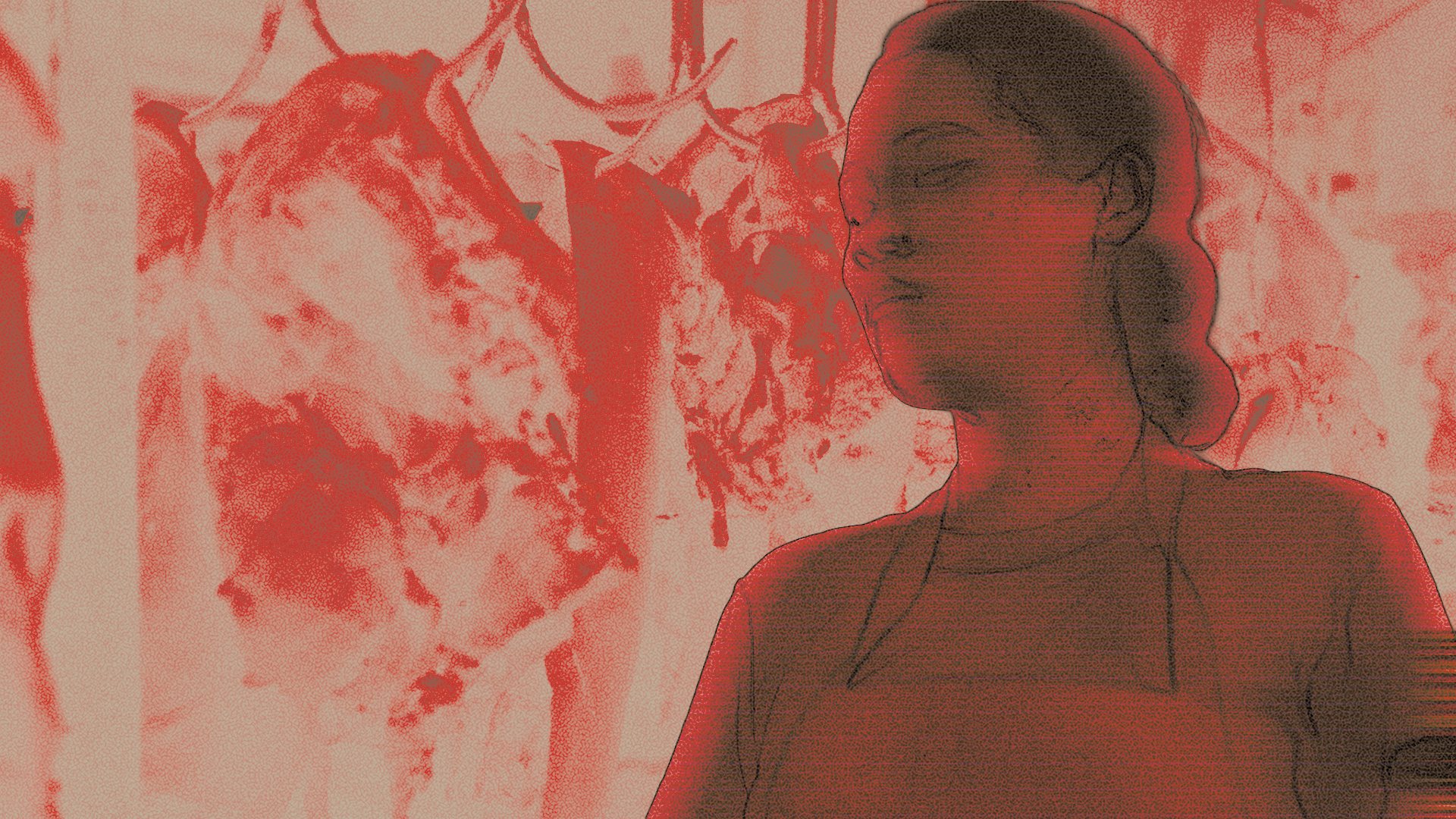
Feature art by Angelica Afan
The Scope of the Form
Cinema demonstrates that narrative can sustain instability without losing its force. Gaps, contradictions, and unresolved tensions don’t weaken a film; they expand what it can hold. This is made possible by the boundary that gathers these elements into a single work. Rather than narrowing meaning, that boundary gives it shape, allowing disruption to function as part of the experience instead of breaking it apart. What the viewer encounters is not disorder, but a structure that holds difference in place.
Within that structure, interpretation becomes an ongoing engagement. The viewer is not asked to complete the film by supplying what is missing; the material is already present. Meaning develops through arrangement, as scenes are understood in relation to one another and earlier moments shift when seen again from a different position. Contradictions are not removed or resolved; they remain active, continuing to shape how the film is read over time. This gives the viewing experience a sense of duration that extends beyond a single pass.
This is where cinema asserts its strength. It works through instability by organizing it, allowing complexity to remain without losing coherence. Film creates a space where meaning can stay in motion while the work itself holds together, making it possible to return to it, rethink it, and find new connections each time.