
Haunting Queer Temporalities: A Film Program
Haunting Queer Temporalities: A Film Program

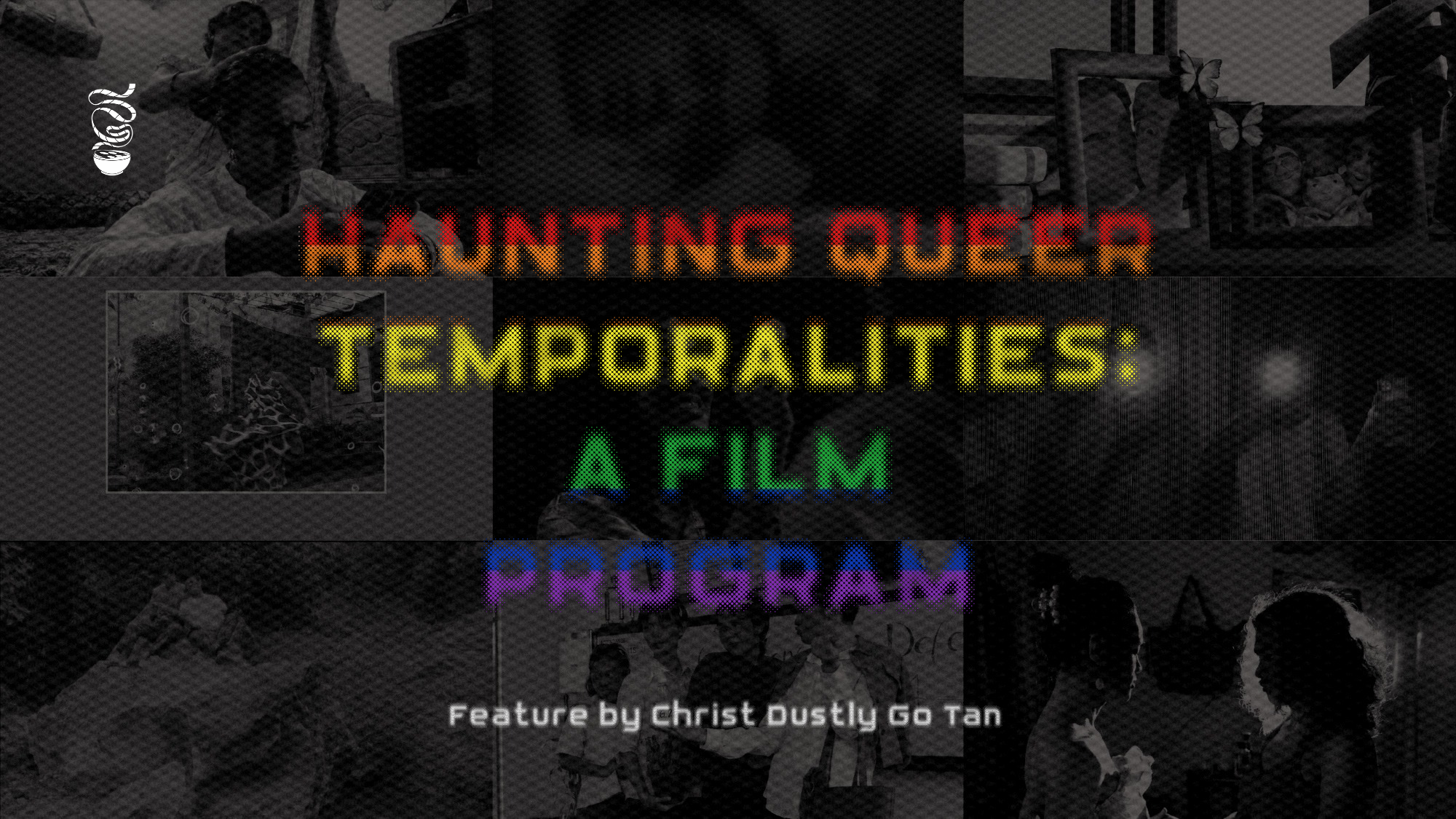
Pubmat by Uno Arsoler
Watch the virtual film program here.
Queer narratives have always been present in history, but they are being suppressed and silenced by an envisioned homogenous society of the past. Rejecting the ideas of gender and sexual diversity of that time led to the demonization of such acts, which eventually became mainstream and dominant narratives. Such struggle is still present in contemporary times, even on both personal and political levels, and the effects of the colonial past are still in effect despite achieving a sense of a democratic state, where the nation is still recovering. However, inclusivity is still being challenged as a product of a deepened conservative and traumatized society that rather values heteronormativity in intersection with other factors at play. Temporal aspects of queer lives, despite how short and how long they are, are important catalysts to drive them to either suppress them further or to further resistance. Identities are fragile but also challenging, which forces individuals to confront and unearth their past before reconstructing their own truths about their lives, the same way as a nation is recovering from a colonial past. Exploring such temporalities criticizes history as non-linear and heteronormative, and shows that the past and present are an assimilation of a fragmented resistance.
The virtual film program Haunting Queer Temporalities aims to explore the different forms of imagination on haunting and resistance in queer lived experiences across time. This is inspired by a chapter in Katrina Ross Tan’s book, Regional Cinema in the Philippines, entitled Reimagining national time: haunting in regional queer cinema, where she explored how the different historical experiences shown in regional queer cinema are forms of hauntings of national history, exposing the different marginalized lived experiences of the colonial past. This interrogation becomes necessary as queer struggles become increasingly complex as spaces continue to shrink. Curated from the archives of Cinemata, a mix of mainly Philippine and South Asian short films serves as an imagination of society, of how the ghostly traumas of the past have shaped contemporary understandings of self and its ways of resisting the concurrent normative ideas of society. Divided into two sets, the first part, entitled Revenants, explores how the ghosts of the past have shaped the imaginations and struggles of the present of queer life, and the second part, Love Wins All, explores the different small and quiet acts of queer resistance in society.
Part A: Revenants
This set explores the quiet ghosts and memories that have turned into revenants. How burying and drowning them still finds its way back up, acting as if these moments in time don’t leave us. Shaping and struggling with every imagination and understanding of the past, present, and future of our queer experiences.
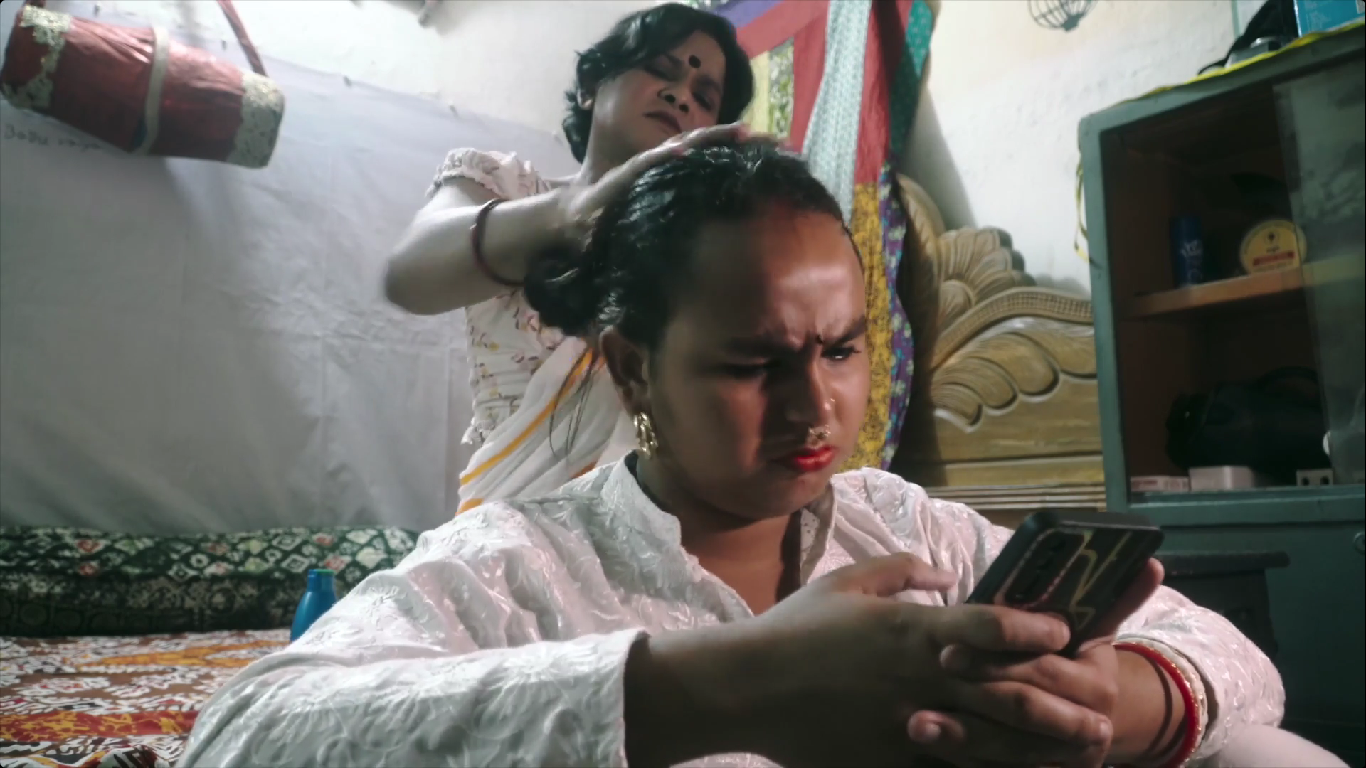
Film still from Echoes of Exile
Echoes of Exile
Dir. Lamea Tanjin Tanha
Queer identities have long preexisted in precolonial times, but due to the efforts of the colonizers that suppressed such communities, they led them to further discrimination, and only fragments of them exist in today’s society. Echoes of Exile sheds light on the lived experiences of the Hijra community in Bangladesh, who continue to face harassment and discrimination in modern society. The Hijra used to have social importance, particularly they’re known for their spiritual work, but their communities were demonized by British colonizers. This is a similar case to the Philippines’ Babaylans and Asog, who also had high social status in precolonial times, but they were seen as threats to the Spanish colonizers that demonized such acts. These acts of demonization became dominant, and despite being free from colonial rule, this traumatized society replicated such behaviors towards its own people. The Hijra are still present in South Asia but are facing harassment and discrimination, and with the influence of the internet, cybercrimes against Hijra have proliferated. These struggles are shared with queer communities, and that is because of the internet, they either feel seen or are further discriminated for being who they are.
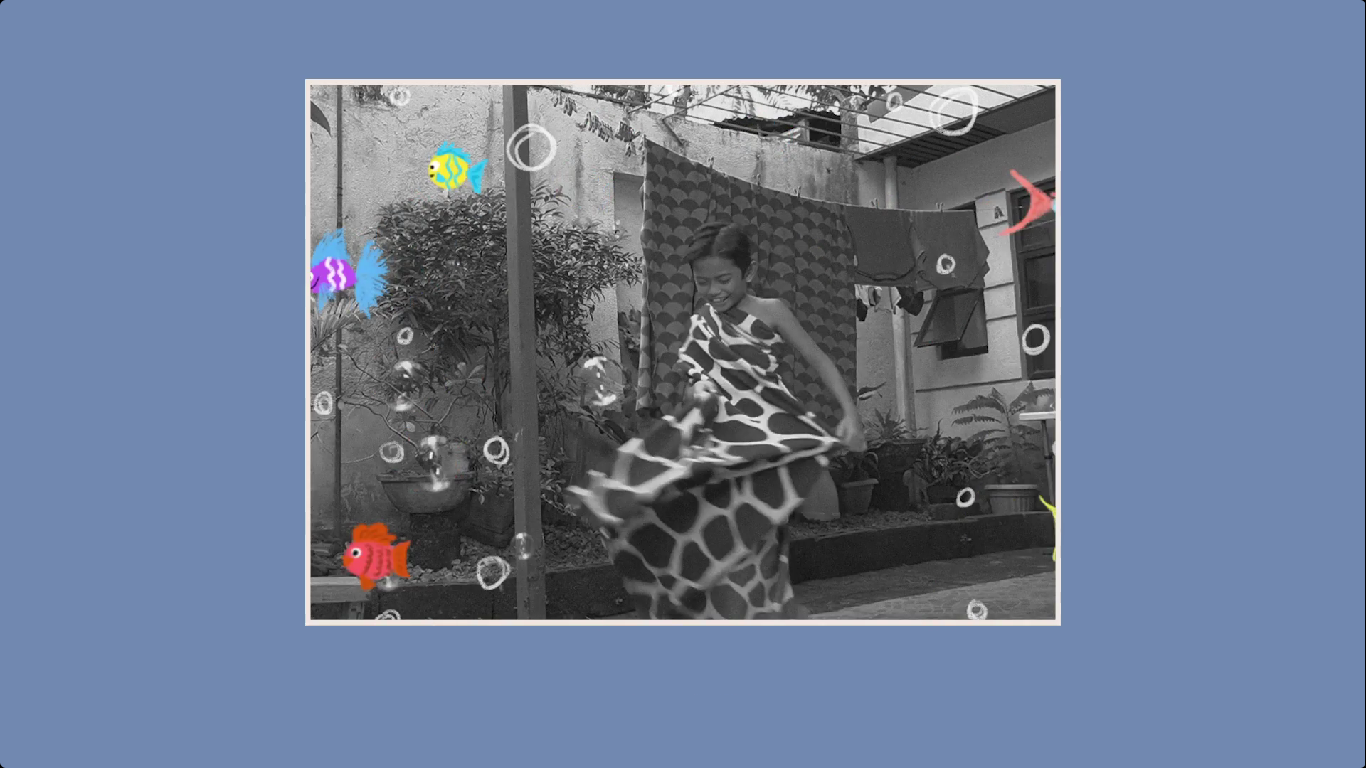
Film still from All the Things Left Unsaid
All the Things Left Unsaid
Dir. Josh Van Ulric Ocampo
People can already explore the world around them as young as being a child, and unbeknownst to them, also try to grapple with their queer identity in their own understanding. All the Things Left Unsaid explores how one’s inner child shapes one's confidence in one's identity. Before one would even assure themselves of their identity, they would create their own world filled with imaginations of how they’re feeling and what they think feels right for them. Invalidation and trauma to things they’re fond of also harm their own understanding of self, haunting their present identity by denying it as something they love as something so wrong. Healing one’s inner child also means accepting one’s identity and being finally assured of oneself.
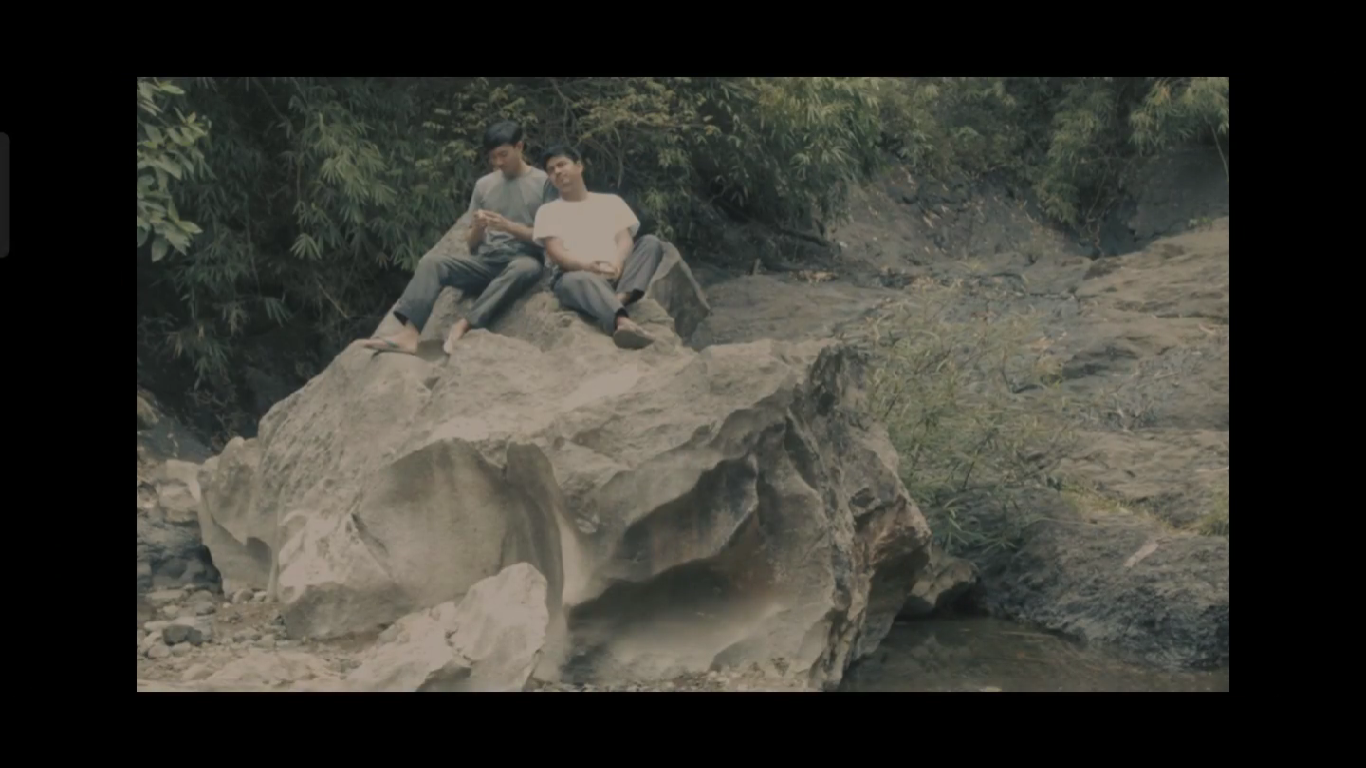
Film still from Ready-Only Memory
Ready-Only Memory
Dir. David R. Corpuz and Kristine Camille Sulit
Some memories of a loved one remain ingrained within us, and sometimes we refuse to let go of them. Read-Only Memory allows us to feel the trauma of losing a loved one and whether one is ready to bid farewell to their love. Society’s prejudice towards the queer community forces them to mourn their lovers in isolation. But despite how we view it, accepting grief and reality is a long, unsteady process of letting go. The path to achieve acceptance is continuous bargaining with ourselves; sometimes we refuse to accept reality as it is, even a simple one last day with our loved ones could hopefully ease our longing for the loss of a loved one.
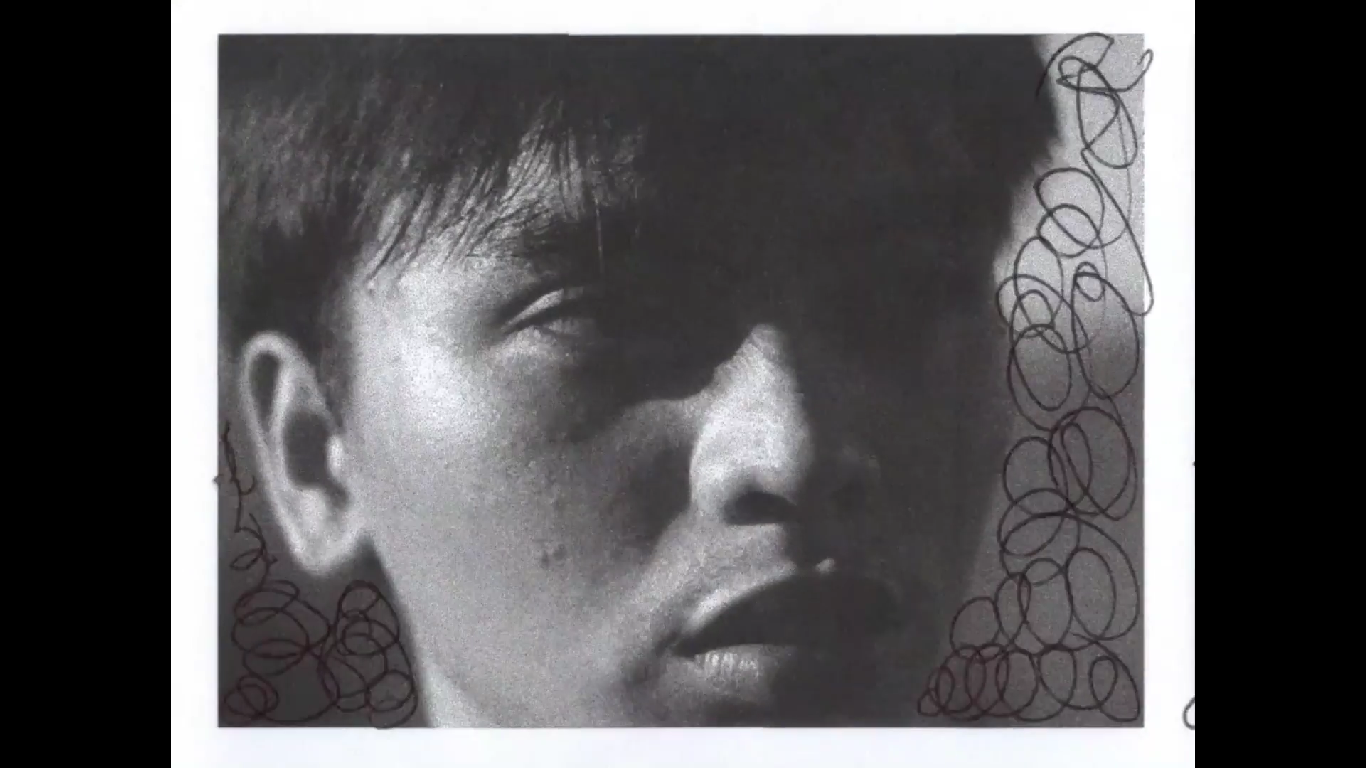
Film still from sa mga adlaw nga uwa’t adlaw
sa mga adlaw nga uwa’t adlaw
Dir. Kieth Earl Rebaño
People lie because they are afraid of worrying the people they love back at home. sa mga adlaw nga uwa’t adlaw conjures this towards lived experiences of migrants. Living in a new world, far away from home, became a catalyst and an opportunity to explore ourselves and eventually discover many different possibilities of our queer identities. Sometimes we don’t tell our whole truths to our loved ones at home, creating a dissonance between our imagined self at home and our present realities of other things they are facing independently. It’s an internal fear to lessen the burdens of those who raise us and how learning the actual truth would stress them and sometimes lead them into further fear. We have our own struggles that we want to relieve our loved ones from thinking about, and that’s why we lie to create an illusion of a near-perfect image of ourselves to them, and that includes our identity, which we still fear getting rejected for.
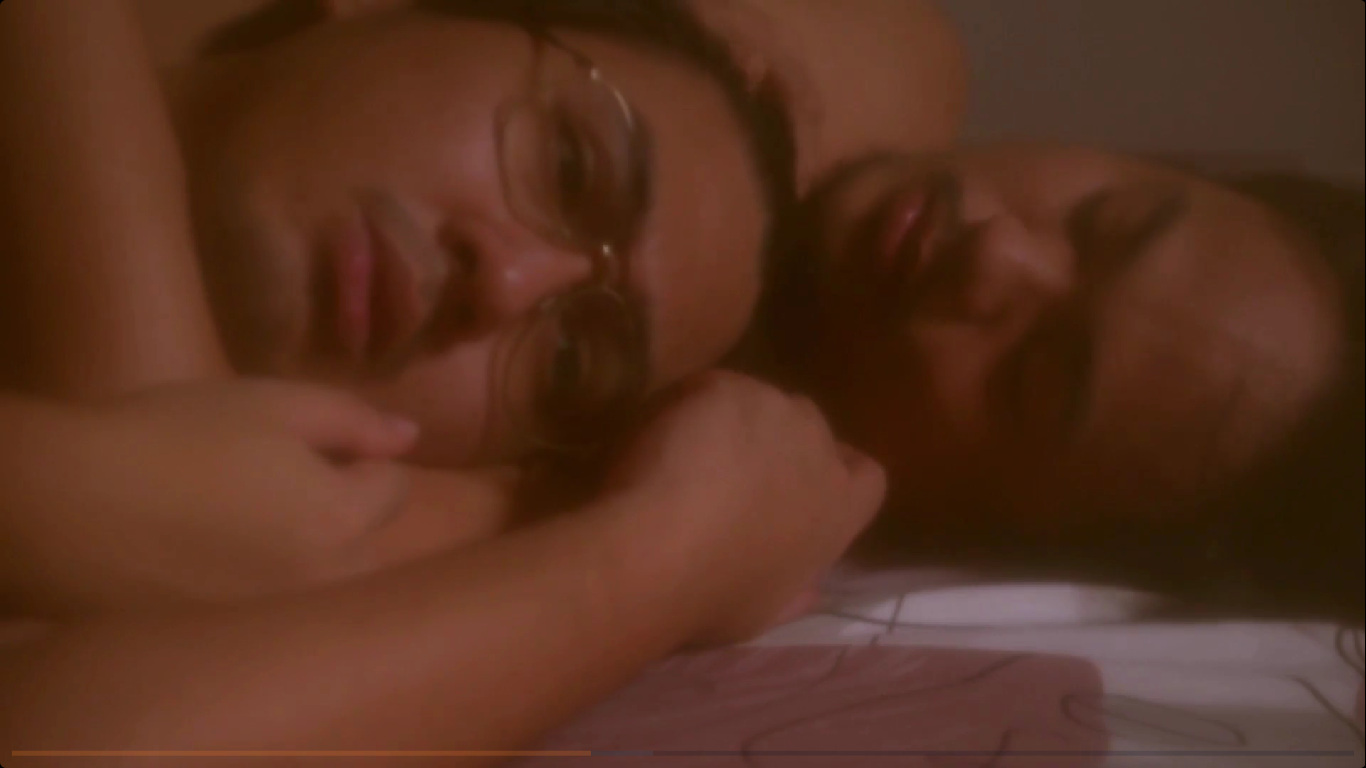
Film still from Ulit
Ulit
Dir. Gio Potes
In times of uncertainty in a politically heated climate, we speculate about a reimagined better future. Ulit reflects on what-could’ve-been narratives that may have existed through constant negotiations between two lovers. Such longings of these two separated lives are presented with the personal hauntings of living a life without the other and how one refuses to move on and accept an uncertain future. One can only cling to hope, and that someday, they can no longer reimagine a life together and finally materialize it, but for now, they speculate and wait for that day to come.
Film still from Ili-Ili
Ili-Ili
Dir. Clister Santos
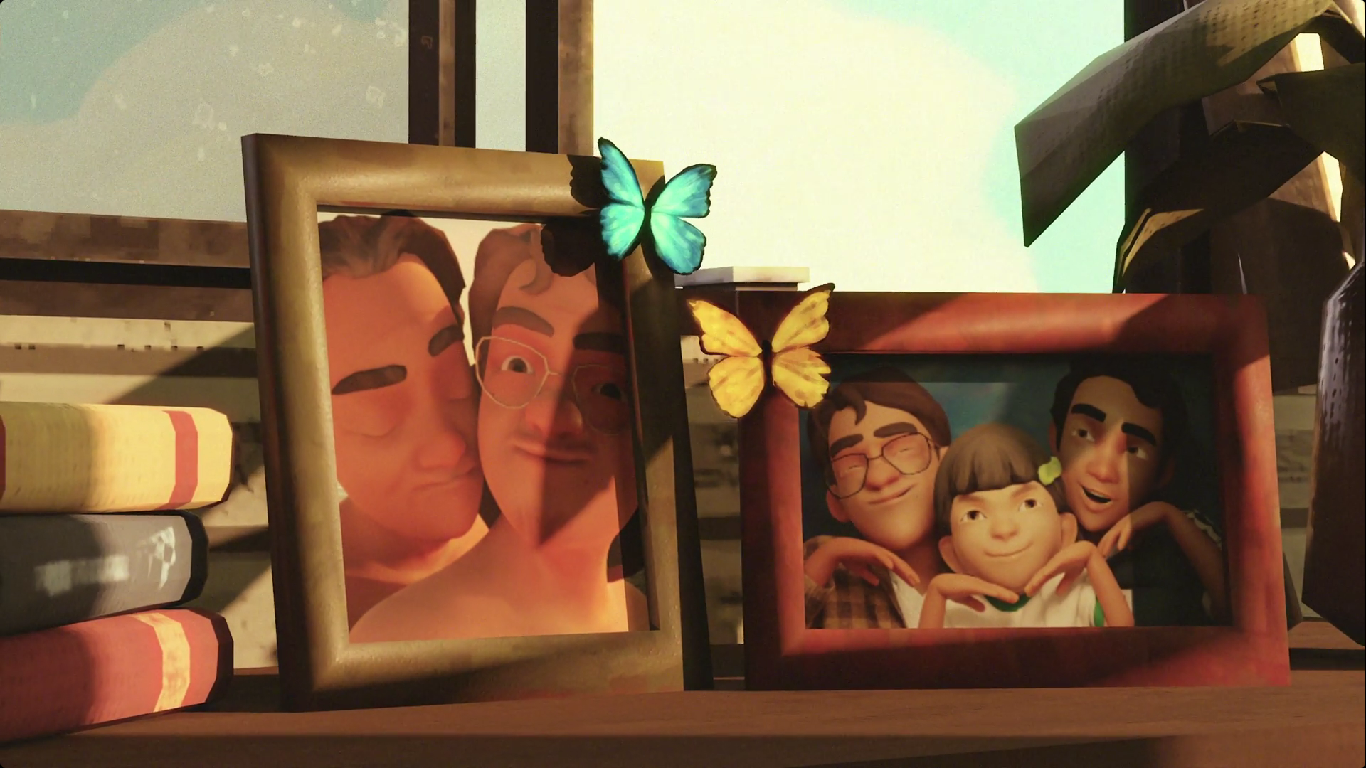
The idea of queer parents is still being challenged by heteronormative society, and due to their otherness, it shows how incapable they are of raising a family. Ili-Ili questions these ideas by questioning when a person is deemed ready to become a parent. Some would say parenthood is innate or in the instincts, but they debated otherwise if this applies to queer people. However, when queer people wanted to become parents, they faced many hurdles that refused to recognize their capabilities, and they had to fight for it. Despite living in a predominantly heteronormative society, the recollection of their histories together navigates their journey of becoming parents, reminding us what drives a person to become a parent in our chosen families.
Part B: Love Wins All
This set explores the quiet acts and spaces of resistance. How sneaking out, navigating the internet, and protesting are forms of queer affirmation. Every queer individual knows that, beyond acceptance, there is still a continuous struggle to affirm their identities.
Film still from Agnes Dei
Agnes Dei
Dir. Amanda Layug and Einna Calanoc
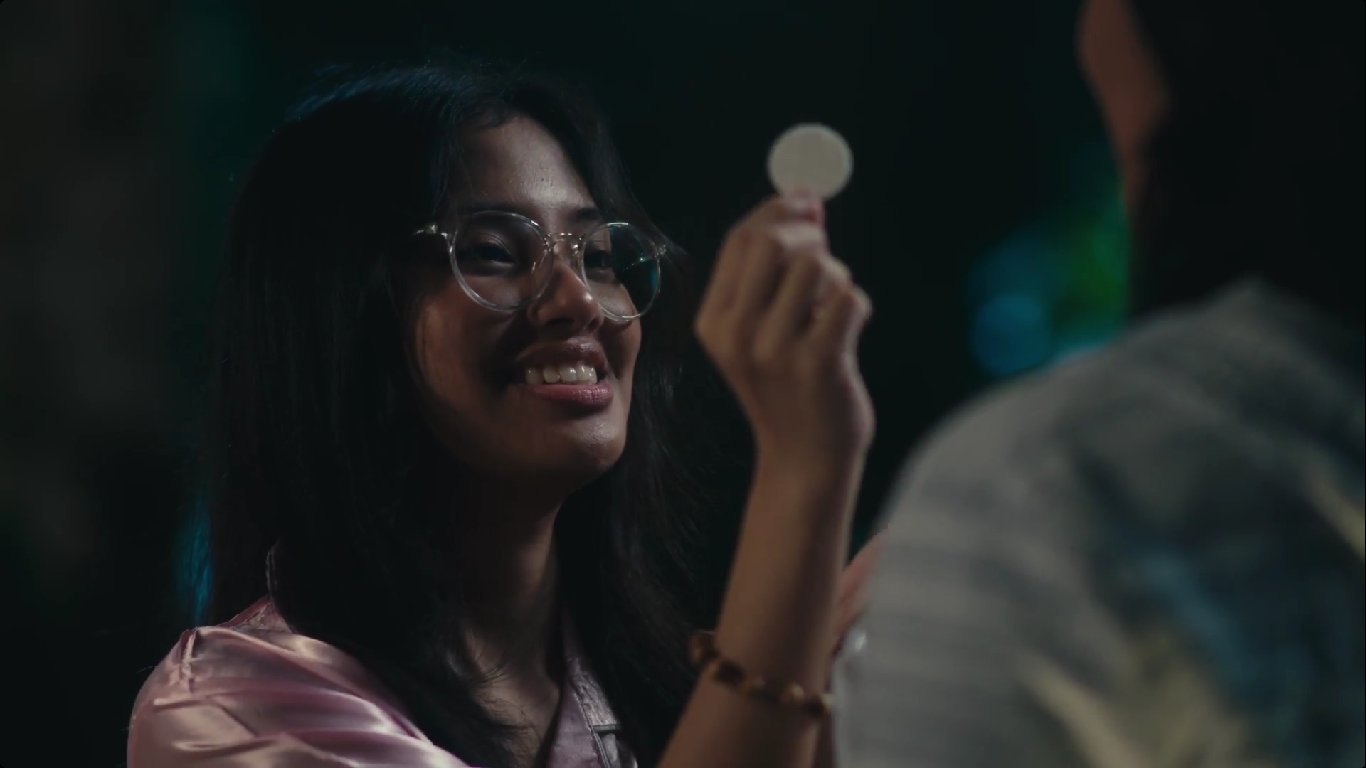
Religious guilt remains the main driver in how one still refuses to accept their identity and how an eventual punishment will come for them. Agnes Dei navigates this experience of uncertainty of faith and identity. Especially set in a catholic school, how members of the religious order would run the place like hell, suppressing any kind of dissatisfaction in their eyes. In their quiet moments of isolation are the seldom rare moments they can get to grapple with their identities and sometimes feelings for someone. In those unwatched corridors and shaded areas, their stubborn persistence to still meet becomes their intimate safe space.
Film still from Love Across The Time
Love Across The Time
Dir. Chea Dara
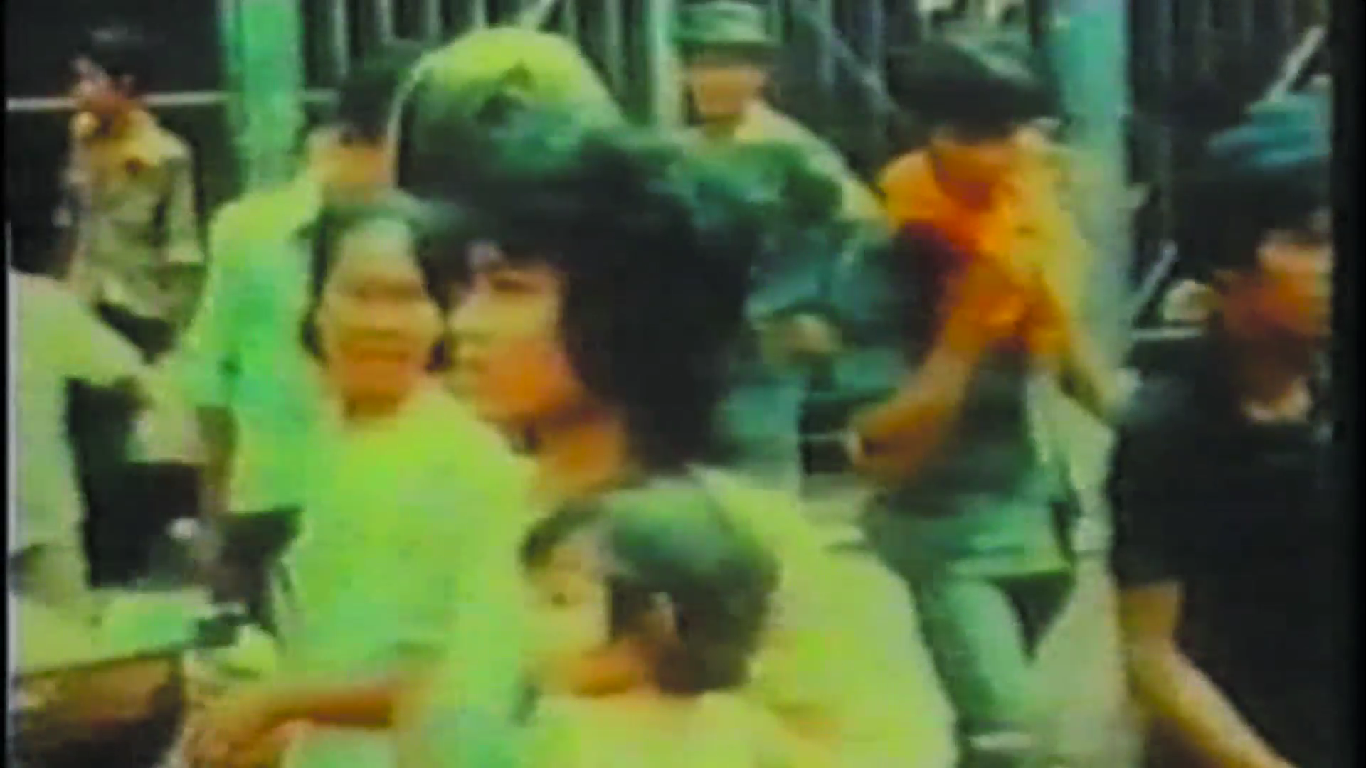
The idea of queer couples in the past is still kept in disbelief, especially how we imagined the past as very heteronormative. Love Across The Time uncovers stories of a decades-long queer couple that has withstood wars and today’s prejudice in Cambodia. Throughout this whole history, their love was challenged multiple times by wars displacing them, traumas of losing their families and children, forced marriage engagements, and they constantly faced judgment by their ancestors and neighbors. In the event, they struggled for their love, and despite the hardship, they found no difficulty surviving those desperate times because they had each other. It’s a challenge for contemporary society to accept nature, and further excluding them delimits their value as members of society who can potentially develop the nation in a better place.
Film still from My Body, My Rules, and Them
My Body, My Rules, and Them
Dir. Sean Kirby Latorre
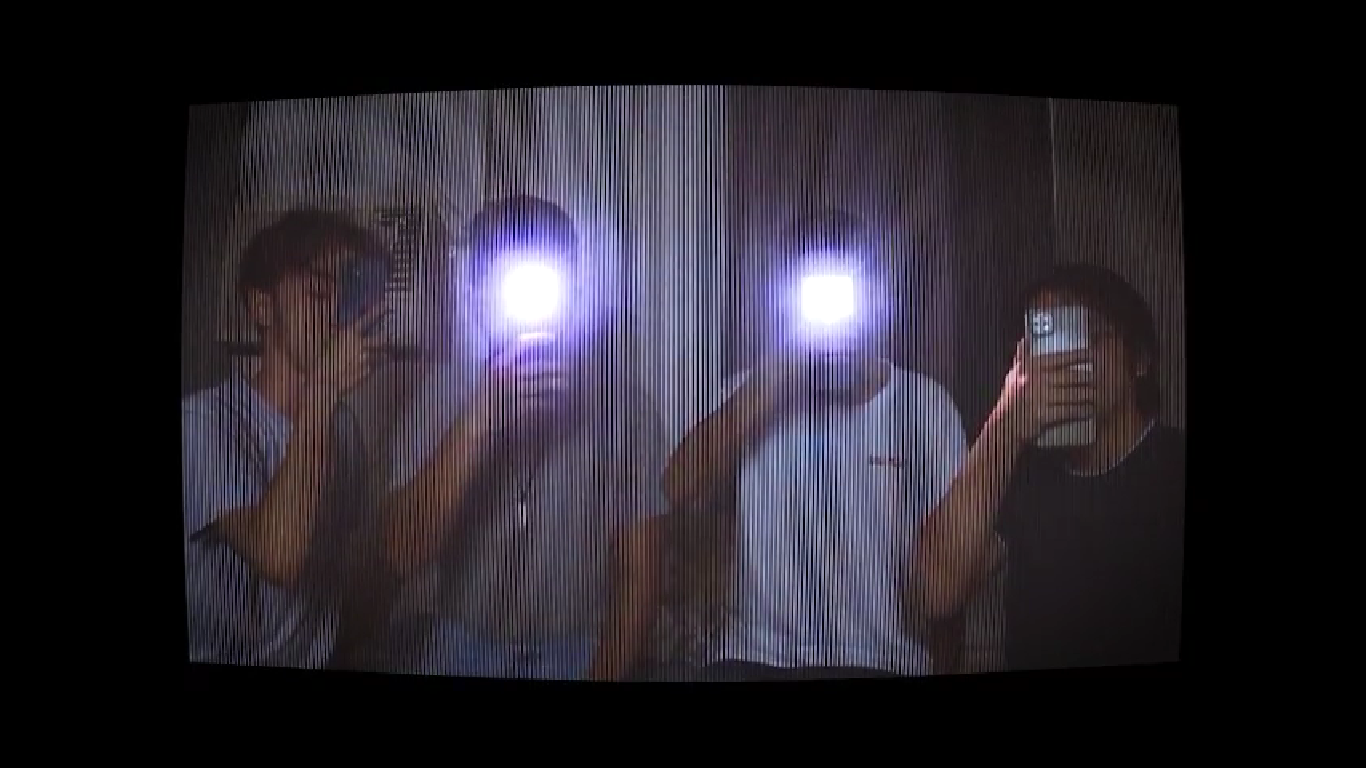
Sexual liberation can never be separate from queer liberation, as freedom means dismantling the very systems that control our autonomy over our own bodies. My Body, My Rules, and Them highlights the experiences of young queer individuals navigating their sexual desires on the internet and in meetings with people. A queer person’s body is their means of expression and navigation of their self-identity. However, with their young and naive personalities, queer individuals faced constant exploitation by people taking advantage of their vulnerabilities. Using these found means of validation of their identities becomes a toxic cycle that doesn’t actually provide a sense of affirmation. It’s a constant inquiry of when do we finally have control over our bodies so that we longer subject to exploitative objectification.
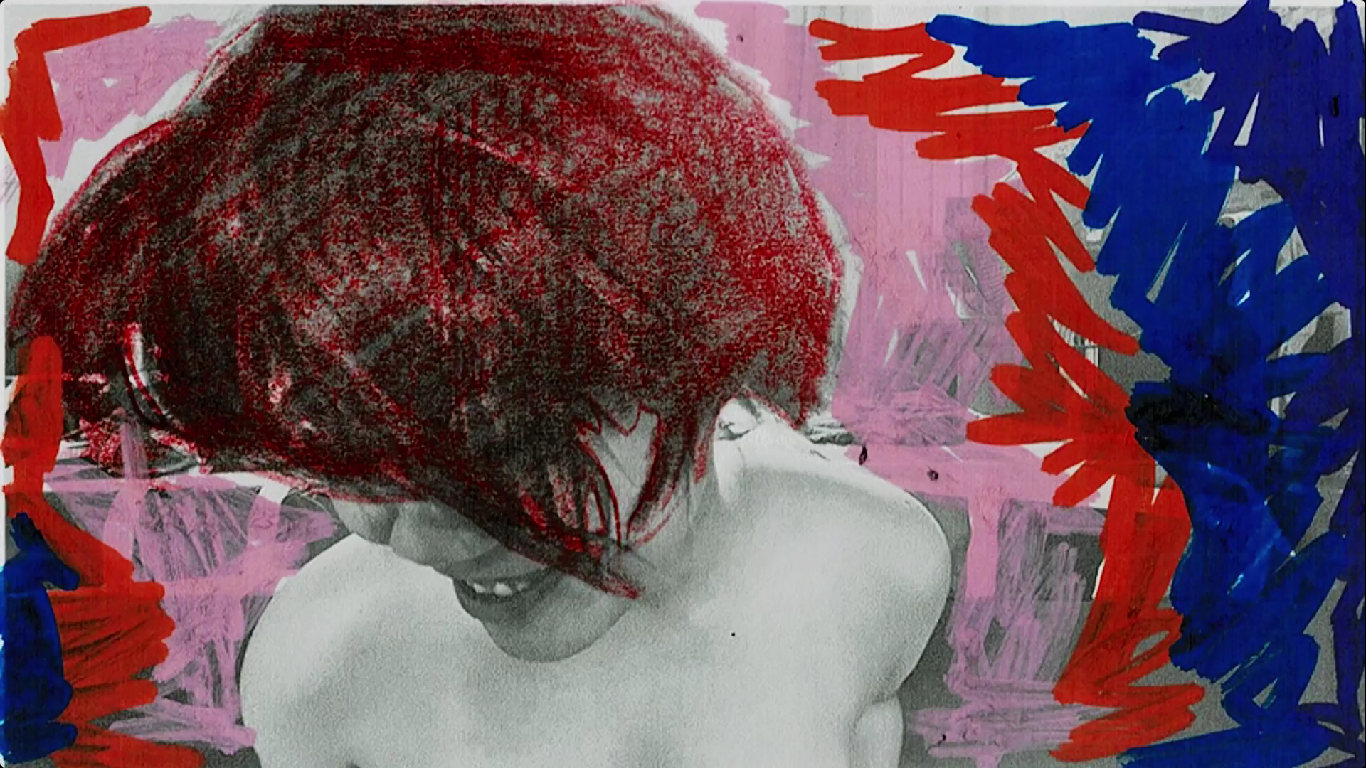
Film still from DIY
DIY
Dir. Atasha Limin
A queer person’s most intimate space is their own room, and it’s only then that they have the time and space to experiment in isolation when no authoritative figure is watching. DIY sheds light on their means of finding affirmation. They usually would only find a set of stationery in their room and would use it on their bodies. This is as simple as their own hair and finally their sexual parts of their bodily anatomy. Despite how unsafe the process is, affirming care is inherently expensive and would require tolerating one’s body until they have the material conditions to commit. As young as they are, we would always play with things, and through these things, we may finally get a grip on who we really are and what we really want to be.

Film still from Nang Maglublob Ako sa Isang Mangkok ng Liwanag
Nang Maglublob Ako sa Isang Mangkok ng Liwanag
Dir. Kukay Zinampan
Throughout the many queer struggles, most of them would always find themselves in isolation in their very own home. Nang Maglublob Ako sa Isang Mangkok ng Liwanag reflects on the limited spaces queer people have and still have. Specifically set during the pandemic, these quiet struggles continue in today’s struggles, as not every queer individual is still given enough platforms compared to their heteronormative counterparts, and they have to fight just to exist. No matter how mundane their struggles, it is living proof of their quiet resistance. In a state of political turmoil, spaces will diminish and continue to shrink, and so will queer people’s drive to fight for them and for actual queer freedom.
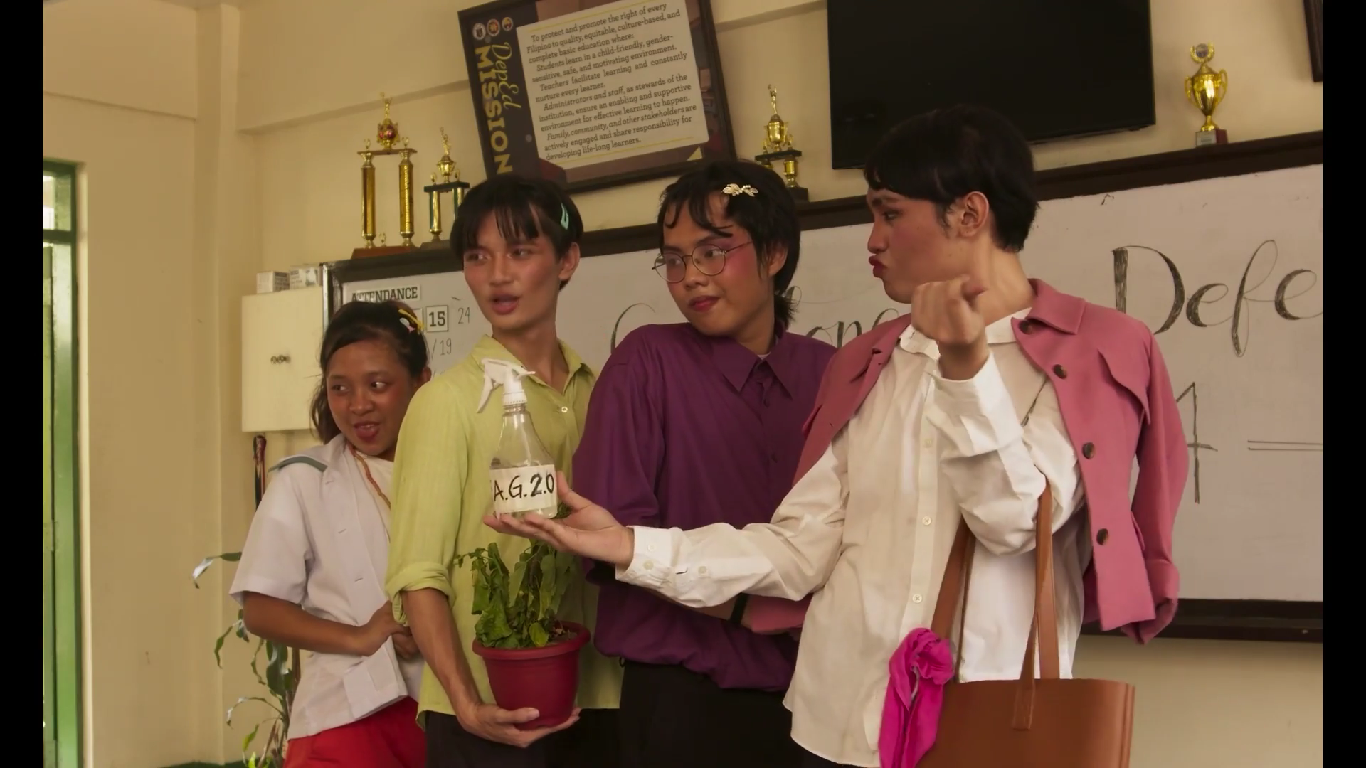
Film still from Leslie, Germie, Benjie, Trixie
Leslie, Germie, Benjie, Trixie
Dir. Allen A. Prodigalidad
To fight for queer freedom is to fight the very systems that continue to bring injustices, and living in a heteronormative society presents these queer identities as just hurdles towards development. Leslie, Germie Benjie, Trixie uses the science high school system context to show how achieving excellence costs a queer person’s dignity and their identity, and how subtle politics affects queer people deeply. It’s a summation of every queer person's struggles that a comfortable life comes with consequences that they have to sacrifice. But instead of succumbing to the system, they chose to resist. Queer affirmation not only involves the self but also the environment around to be affirming towards everyone. The queer struggle is and will always be inherently militant, as systems will continue to institutionalize many forms of violence towards the queer community.
What these short films show us is that the ghosts of the past are not just part of history but also take an active role in continuously haunting the present queer communities. The struggles of a repressed queer past shape our understanding of ourselves, and these remnants of colonial trauma are a manifestation of how they changed our societies, and unearthing these narratives is necessary to reimagine a life outside the heteronormative. This reimagination also requires further resistance even in the most quiet and intimate spaces, eventually leading to a collective action in bigger spaces that fights for injustice and finally actualizes and materializes queer freedom.
𝘿𝙖𝙝𝙞𝙡 𝙖𝙣𝙜 𝙋𝙖𝙜-𝙞𝙗𝙞𝙜 𝙖𝙮 𝙈𝙖𝙥𝙖𝙜𝙥𝙖𝙡𝙖𝙮𝙖, 𝙖𝙣𝙜 𝙞𝙗𝙞𝙜𝙞𝙣 𝙠𝙖 𝙖𝙮 𝙋𝙖𝙠𝙞𝙠𝙞𝙗𝙖𝙠𝙖.
Cinemata is a video platform and community for human rights and environmental justice films in the Asia-Pacific.