
Persist, However Fleeting: Time, Memory, and Dreams in Bi Gan's Cinema
Persist, However Fleeting: Time, Memory, and Dreams in Bi Gan's Cinema

Feature art by Yve Ventures
Major spoilers ahead.
Time stutters on its own terms. It moves at the same speed for everyone, advancing in a single direction, never suggesting when it might turn. But lived experience unsettles it. Memory stands as evidence. Years bend forward and backward. We forget and misremember as often as we insist we are honoring — or mostly regretting — what has already passed. If time cannot return, dreams offer something close to consolation.
For the Chinese auteur Bi Gan, such existential unease surfaces in a game of ping pong, in the rustle of train wheels against the tracks, in dilapidated buildings, or in his hometown of Kaili. More than signature motifs, these personal objects carry meanings of their own, not in service of continuity, where they would mean little against a conventional narrative, but as associations around which the narrative itself is structured.
When these motifs reappear in his films, they trigger memories that move freely rather than chronologically, for both the viewer and the characters. The past and present slip into one another. These objects do not merely texture his entrancing images; they inform a larger world, disjointed in time, reminders, and feeling. Within this world, characters exist in the same tension: stranded between forgetting and acceptance. Some seek reprieve in the past, while others long to remain within it. More often than not, they dream of another reality, one tailored by delusion and sustained by lightly held fantasies.
Bi Gan approaches these themes with the symbolic richness of a sentimentalist and the daring formal instincts of an experimentalist. His long takes — often lauded as technical feats — are equally acts of poetic construction. In his cinema, time blurs at the edges, memory materializes, and space becomes anything but certain. In representing how unresolved longing shapes the way we remember and confront realities about ourselves, Bi Gan does not limit himself to challenging cinematic form. He harnesses it in a way where memory and time can be compressed into an intimate awakening for each viewer: a dream that gestures toward truth, though not without risking its dissolution into fantasy.
Let us turn to some exemplary films to explore how Bi Gan’s cinema evolves and conjures such an affective experience.
Kaili Blues (2015)
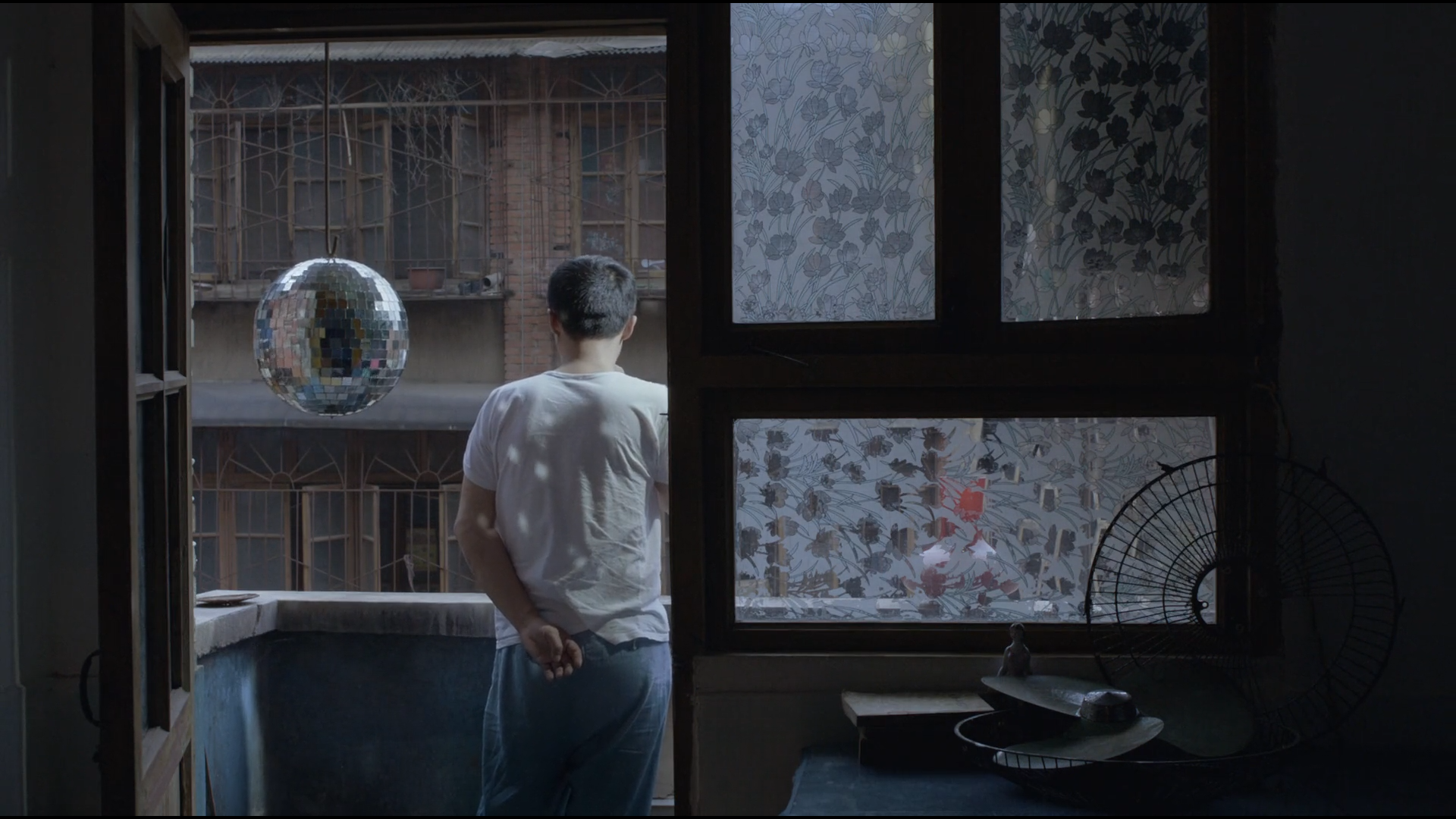
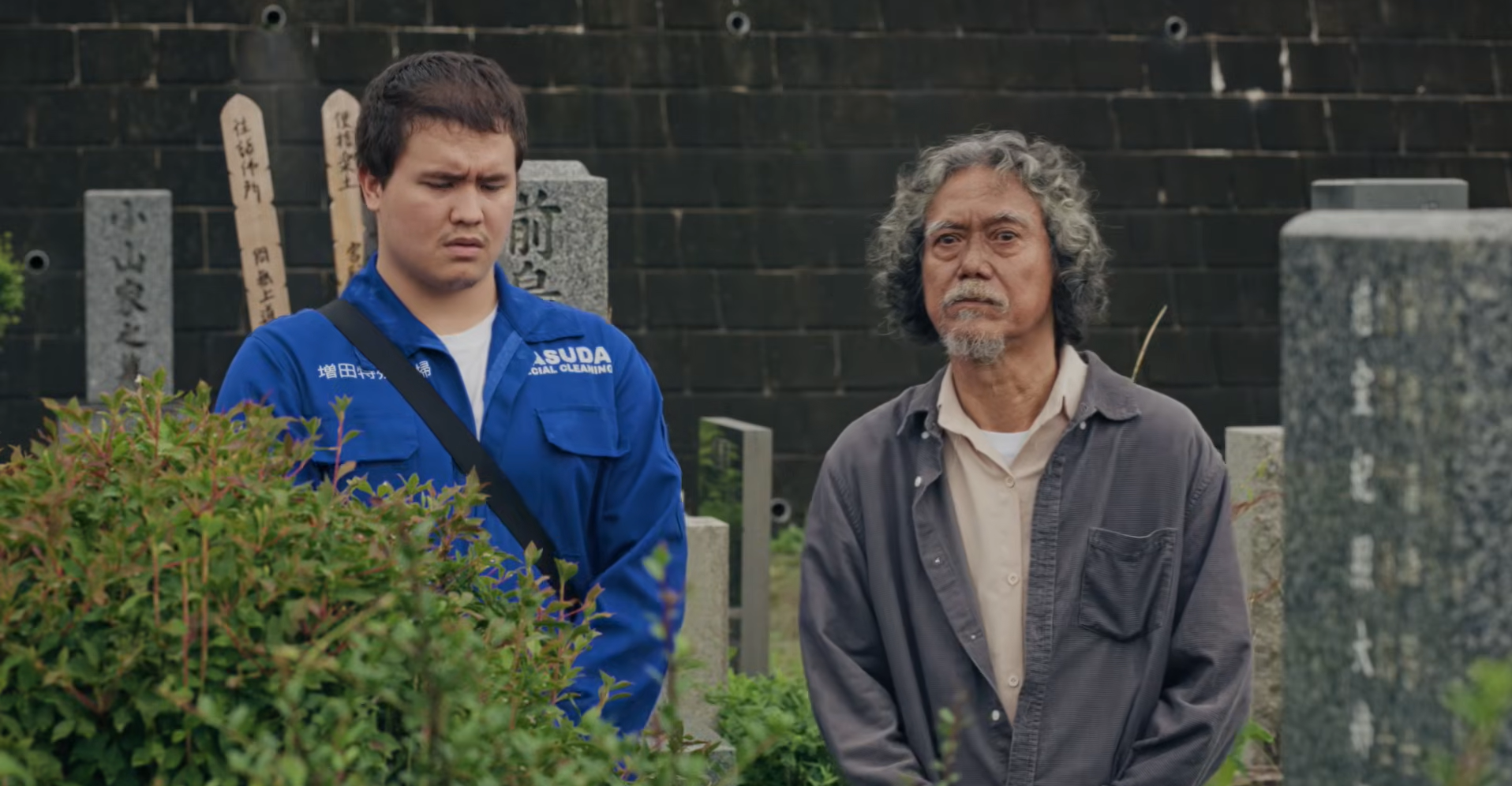
Still from Kaili Blues
We can’t hold onto the past, present, or future.
Kaili Blues opens by introducing this belief drawn from the Diamond Sutra, which gradually spreads through everything that follows. Its meaning gathers itself through Chen, a doctor navigating the misty city of Kaili. Disco balls hang both inside and outside his home, their scattered light seems to trace the fragile, unfinished realities within him. Still unsure how to make sense of himself after serving time in prison, Chen moves with an unexplainable sense of dislocation. Against this shifting interior, he sets out on a wandering search for his nephew, Wei Wei, who has been taken by his half-brother and sold to a former lover.
The journey leads him somewhere both strange and familiar: a drifting limbo where time folds into itself and the borders between memory, dream, and the present begin to thin. What starts as a modest search returns him to a self he has long kept at a distance. Rather than developing through causal progression, the film advances through associations: old electric fans, muffled sounds of radio, and fragments of poetry that mirror the past and occasionally an imagined future. Snippets of memory and material reality meld together to form a haze, one that dissolves linear time into unreliable perception.
The film’s celebrated long take in the village of Dangmai crystallizes this approach. Lasting for over 40 minutes, the sequence follows the protagonist through winding paths, dimmed barbershops, narrow stairways, and a man with a bucket on his head without a visible cut. But continuity in space does not guarantee continuity in time. Characters, both from the past and future, seem to appear out of recollection. Moments echo earlier scenes, and the geography itself bends toward the psyche's unstable nature, as if Chen has been lost inside a memory he cannot fully claim as his own but moves through it so naturally.
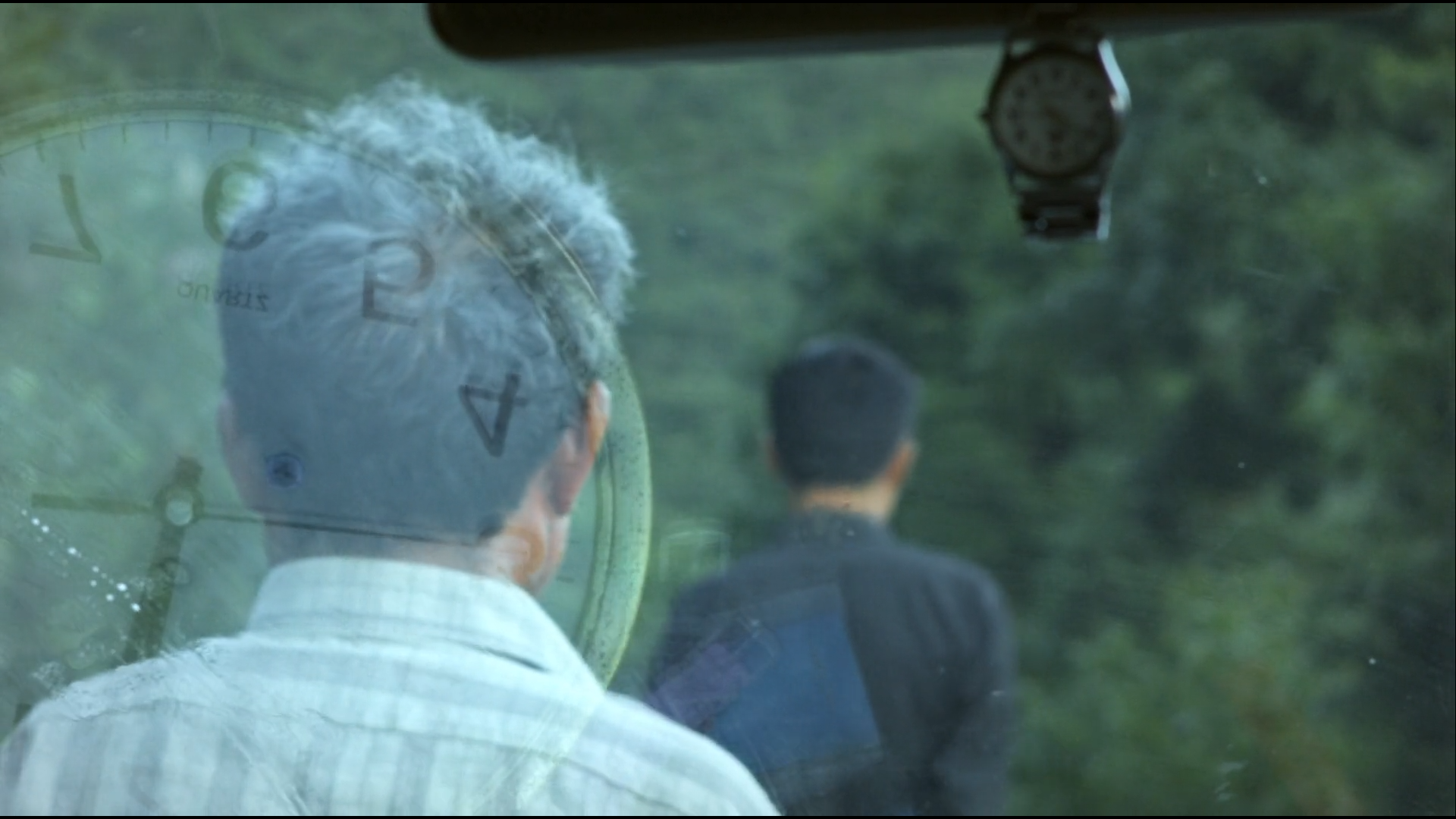
Still from Kaili Blues
The continuous digital shot therefore functions less as a display of technical virtuosity and gimmick than as an intentional poetic structure through which time loosens its linear grip. Movement through space becomes indistinguishable from movement through memory.
Some things cannot be wholly retrieved or resolved. And it takes only the quiet rumble of a train and a brief surrender to sleep for Chen to feel the bittersweet solace in it.
Long Day’s Journey into Night (2018)
Still from Long Day’s Journey into Night
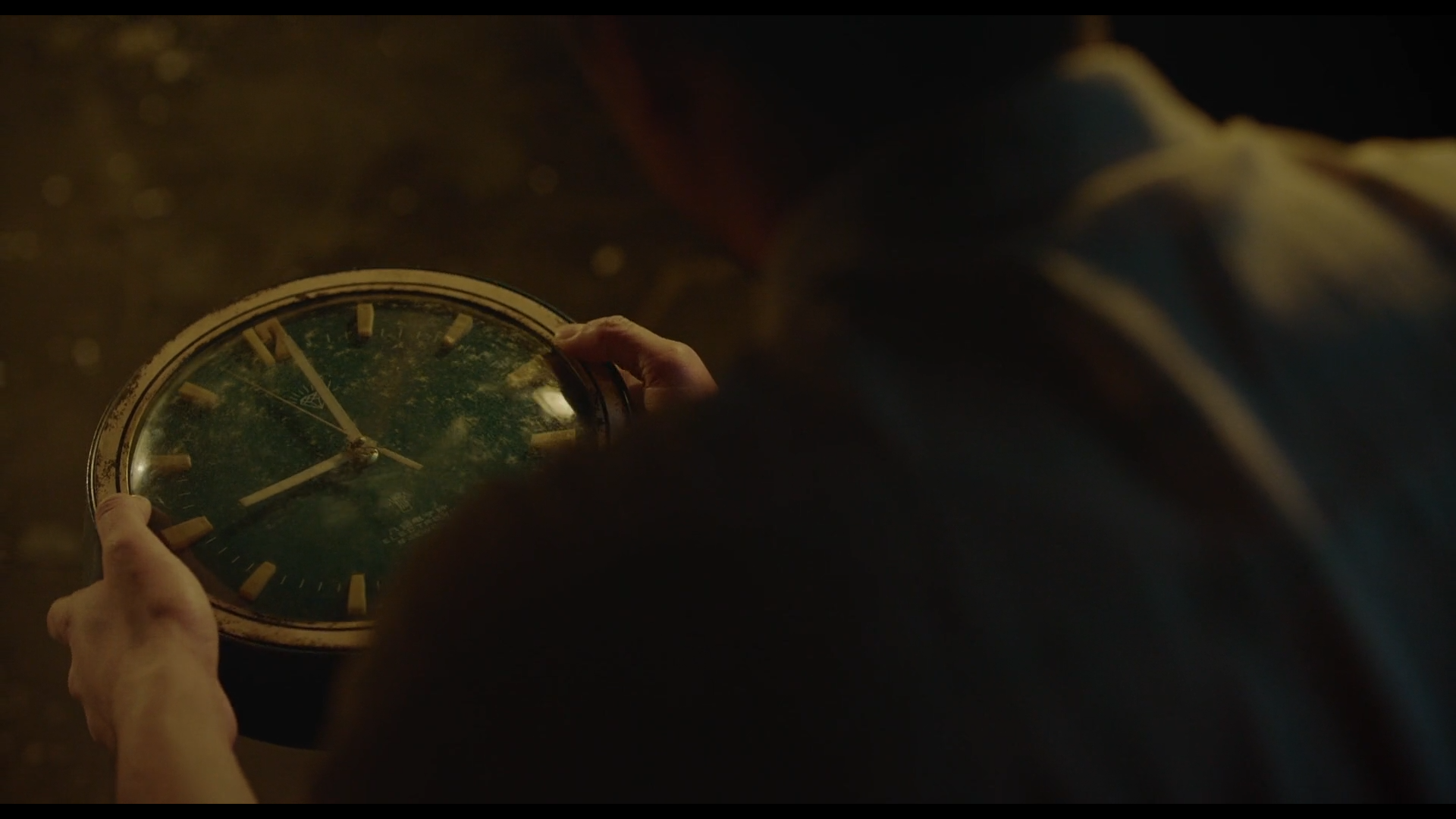
If Kaili Blues treats memory as a journey through space, Bi Gan's sophomore film, Long Day's Journey into Night, pushes the idea further by collapsing reality into a dream where desires bend around memories.
The film initially adopts the contours of a detective story, following Luo Hongwu as he returns to Kaili in search of a woman he once loved. However, the investigation never truly seizes a resolution. Instead, each clue opens another gap in recollection. The woman he remembers may exist only in the instability of his old impressions.
We try to grapple with such uncertainties by being selective, much like Luo. We watch him lie — or, more accurately, construct a narrative to shield himself from past unease — yet in doing so, a shade of truth emerges. Luo longs to free himself from unresolved trauma and accept what stands before him. His search for his lover, his buried guilt toward a friend, and the strain of familial ties in Kaili all feed into a single, unresolved tension: the inability to fully inhabit the present.
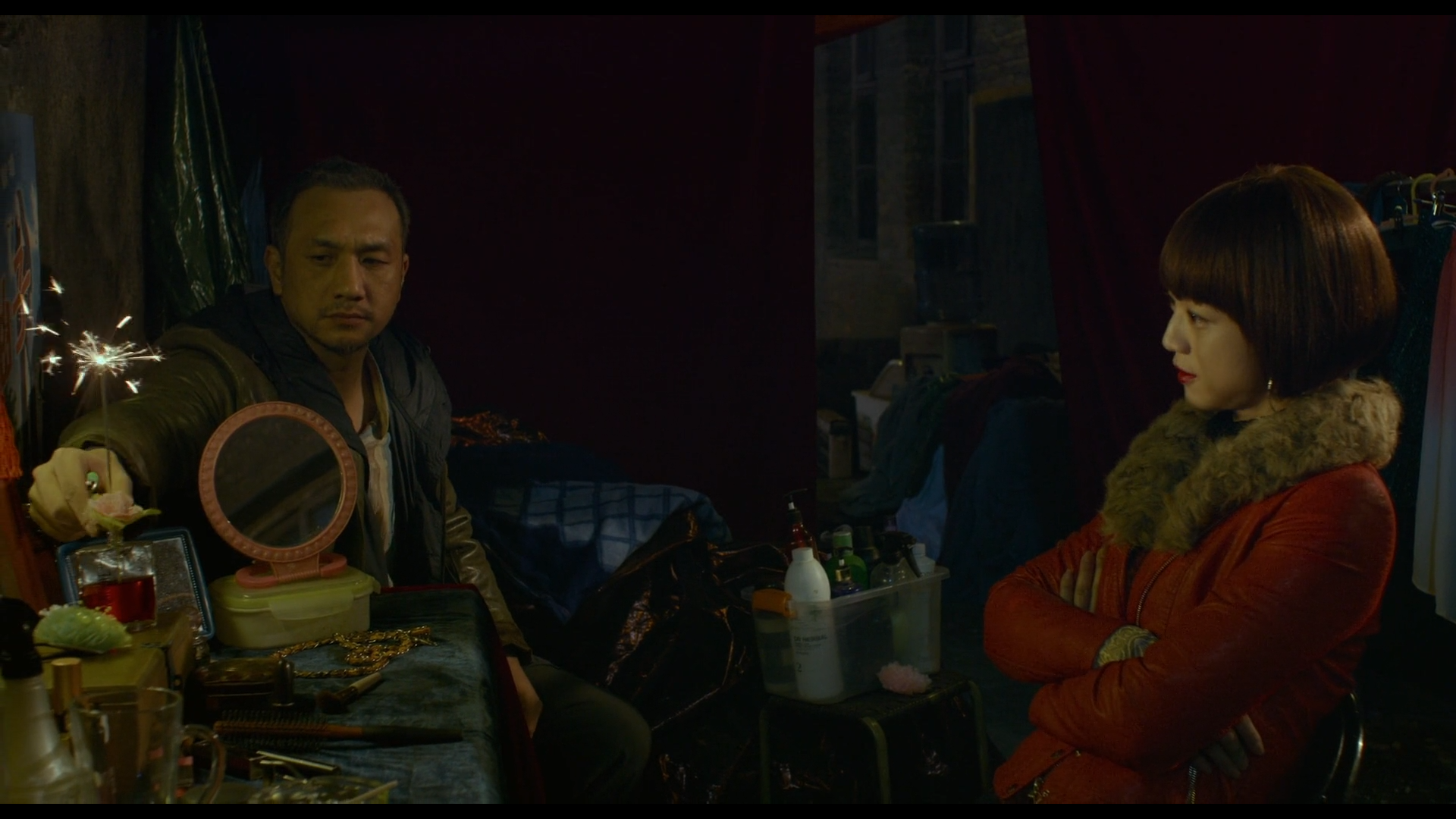
This inner turmoil reaches its most radical expression in the film’s final movement: an hour-long, highly choreographed 3D sequence that progresses without a cut once again. Entering a cinema within the film itself, Luo drifts into a fever dream where gravity, distance, and time do not obey laid-out rules. The camera glides through caves, rooftops, and abandoned structures with the fluidity of a dreamer moving through their own subconscious.
Still from Long Day’s Journey into Night
Unlike the wandering memory of Kaili Blues, this extended shot creates a space where recollection and fantasy are no longer separable. The dream does not restore the past; it rebuilds it according to desire.
As one character warns, living in the past is more dangerous than mudslides. A caution that extends beyond Luo to us as viewers, situated between what is felt and what is real. We keep asking when the cycle will break, even as we struggle to ask the more urgent question: how to endure the night, just as it is.
Resurrection (2025)
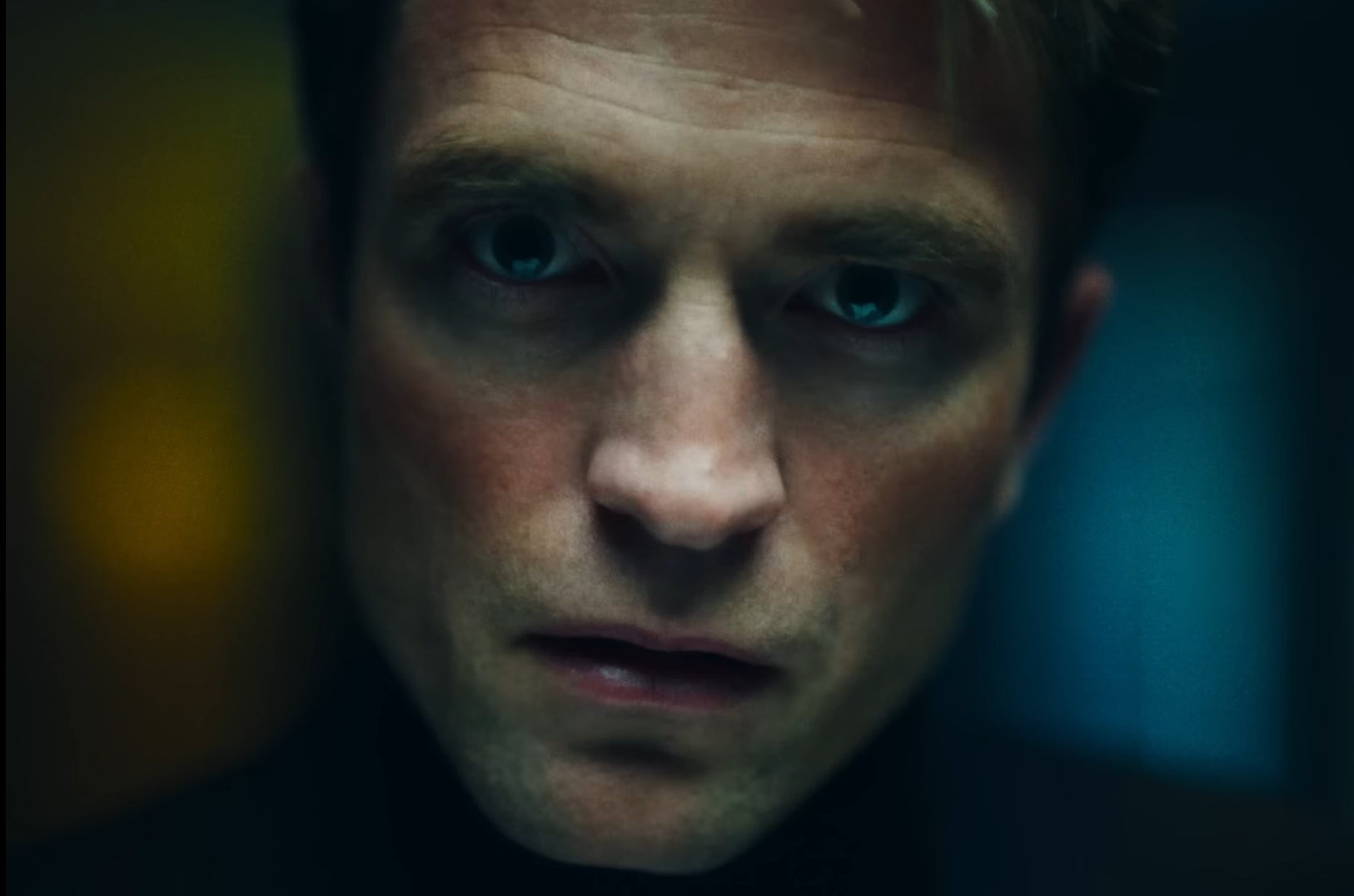
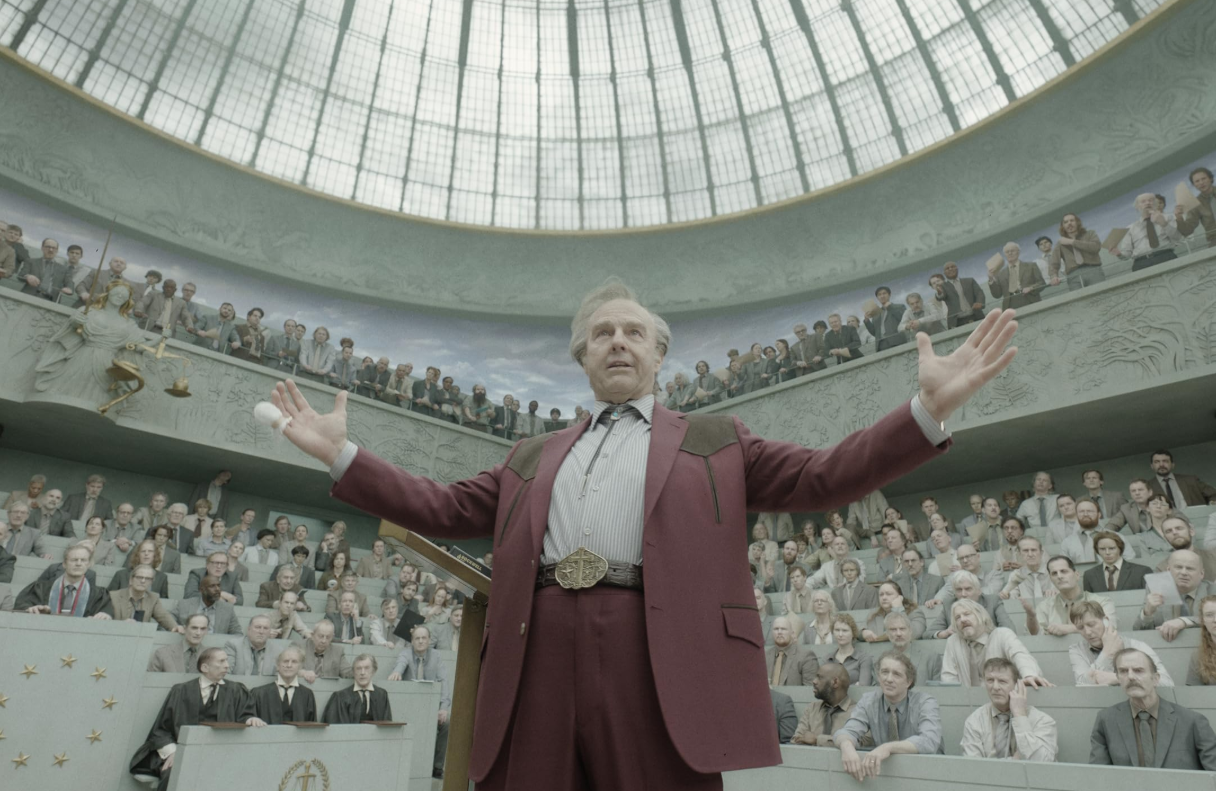
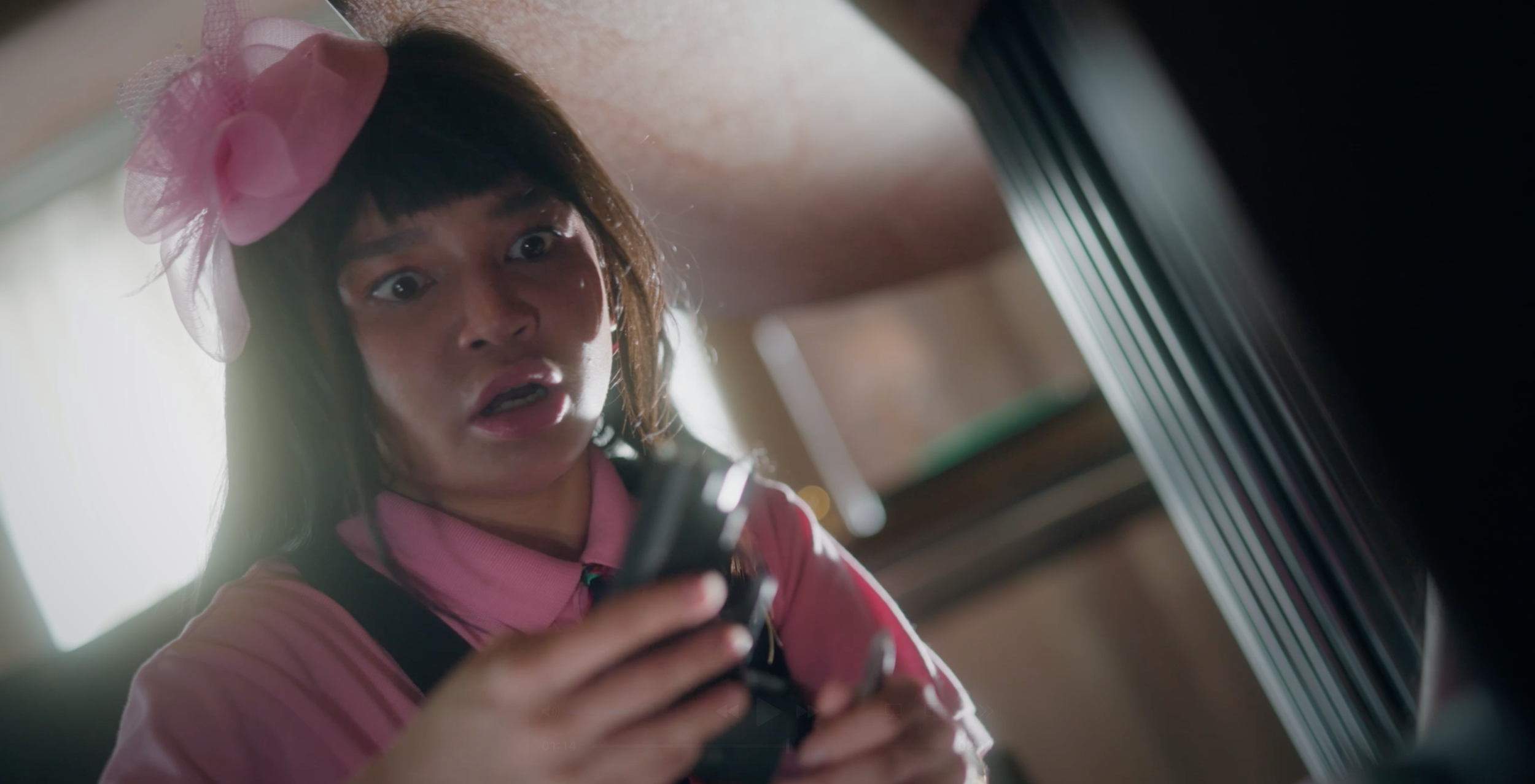
Still from Resurrection
If Bi Gan’s early films attempt to reconfigure what dreams might mean, then Resurrection asks what remains when dreams are at stake.
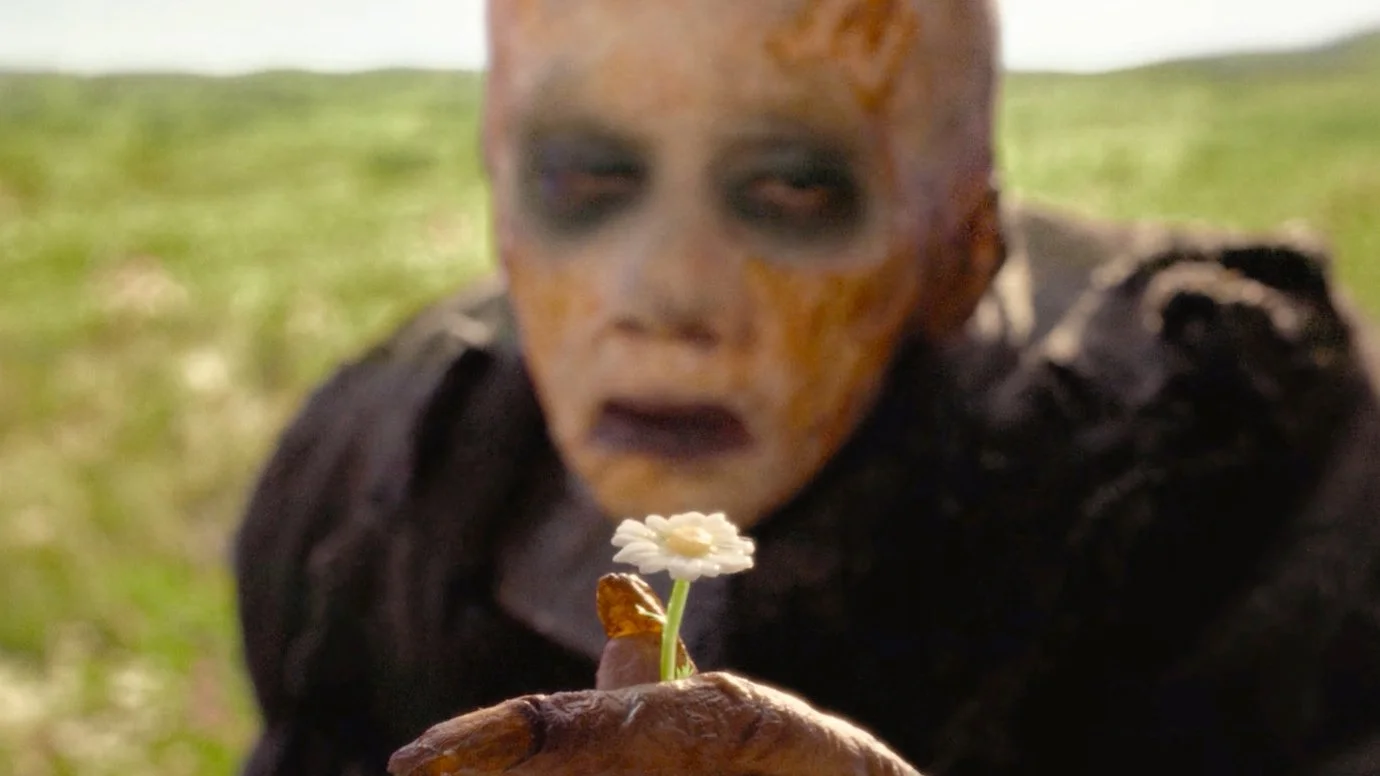
In the world depicted in the film, dreamers are condemned. To continue dreaming is to burn slowly like a candle. Those who persist are branded as “deliriants,” figures who resist the sterile promise of immortality in a dreamless existence. The film follows one such wanderer, clinging to something unnamed, as cinema becomes the only bridge through which the beauty of dreams can be felt, if not understood. But should it still continue its existence if it’s already waning?
A poet at heart, Bi Gan has always been drawn to questions rather than answers. Here, he reaches a new level of formal and emotional vividness, extending his already forward-thinking sensibilities in narrative and visual design. He translates the brevity and fragmentation of poetry into a five-part anthology that is immersive but elusive, with each segment refracting the complexities of both China and film's history. These storylines establish coherence less through plot than through the interplay of sensory motifs, mapping the ever-changing yet universally understood dimensions of human experience.
Eyes as mirrors. The trembling sound of an instrument. The bitterness of sin. The scent of a burnt letter curling through memory. The intimacy of a kiss, poised between desire and regret.
More than a display of technical mastery, the film points toward cinema’s singular capacity to approach the elusive, preconscious riddles that always consume our inner lives and to remind us why we must continue to reach for beauty, regardless of its impermanence. In Resurrection, cinema becomes an intimate medium where our questions can altogether simply coexist, where dreams sustain passion even as the world threatens to implode around them. Some truths resist articulation; they live only in experience. And in such surrender — to dreams, to moving images, to fleeting bliss — we are haunted but silently alive.
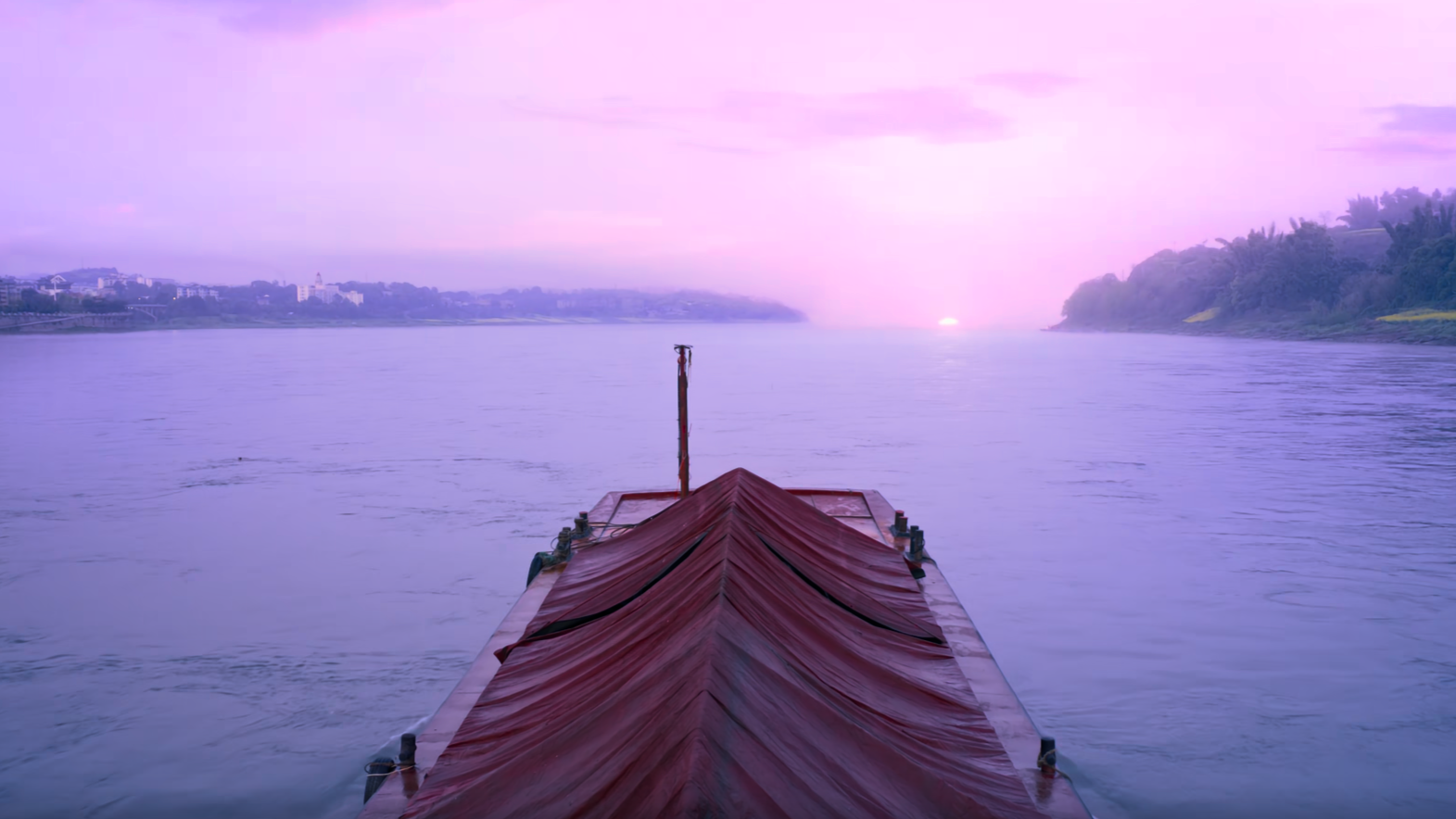
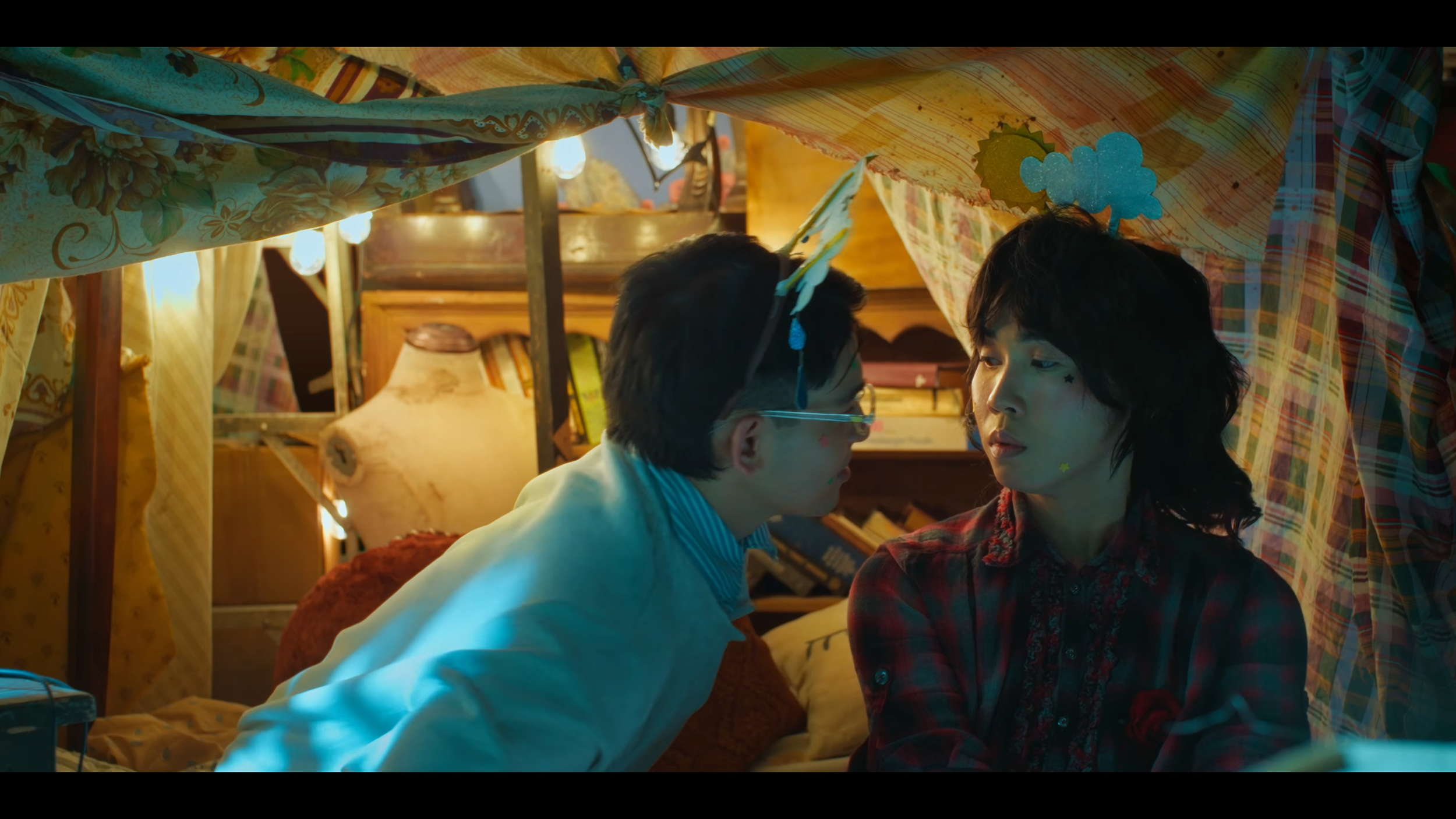
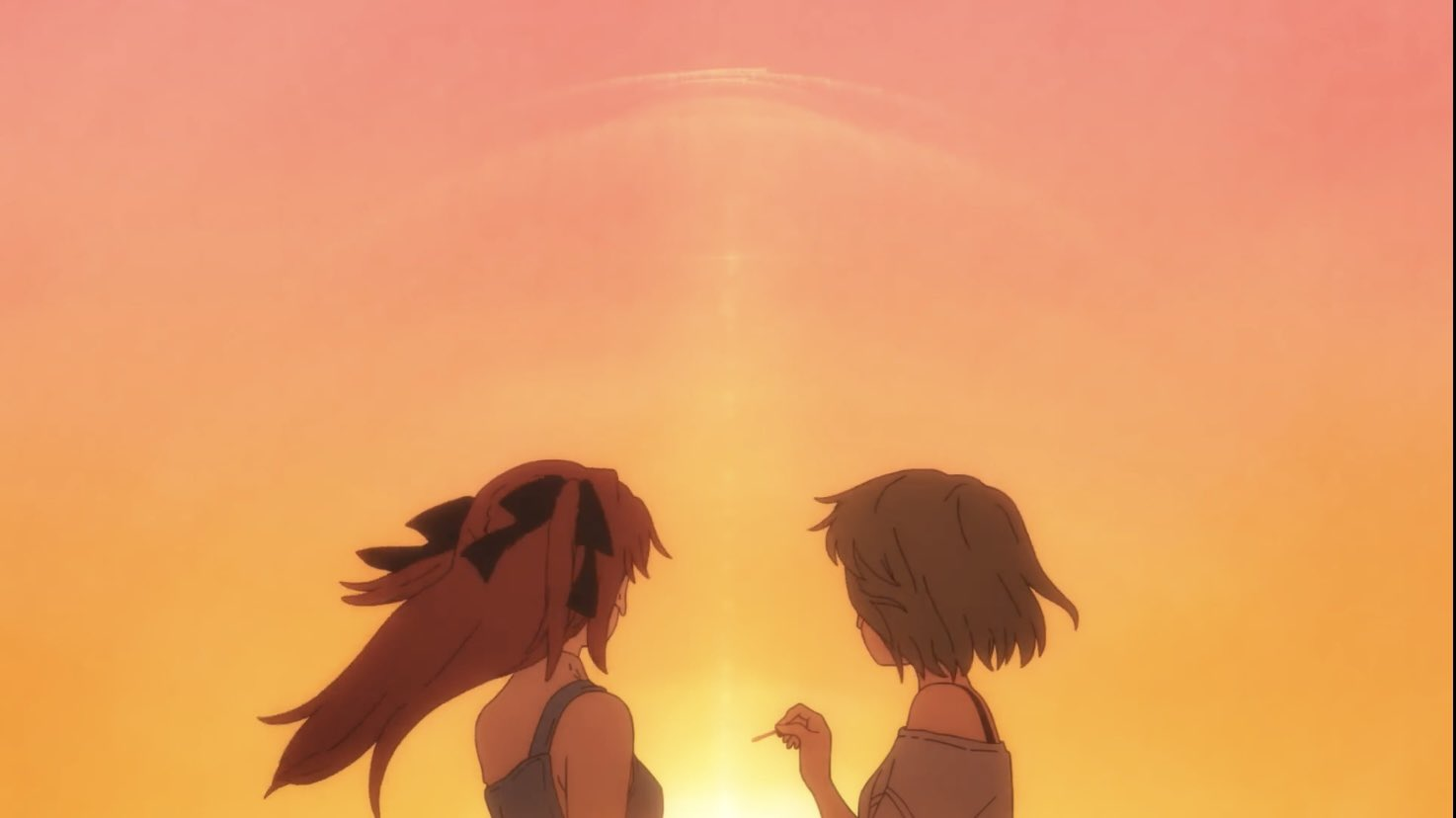
Still from Resurrection
Like one of the film’s characters, we fear pain. We hesitate before uncertainty, unable to meet it in the middle. We are left circling a child’s question: what is it that, once lost, can never be returned? The film offers no clear resolution. We never fully know what the deliriant clings to, nor why persistence matters when the certainty of our own demise threatens to snuff out all motivation. The film is filled with uneasy questions, difficult conversations, and doubt that lasts longer than its source.
Perhaps this is where the film delivers its most disarming message. Not in explanation, but in gesture. Like the deliriant reaching for flowers at the edge of death, we reach for sensation itself: fragile, volatile, but insistently real. It’s no accident that Bi Gan’s long take this time opens onto a sunrise. That alone is enough. To witness it, and in embracing, to feel that something endures, however fleeting.