
‘Midnight Girls’ REVIEW: Long-distance hardships of life overseas

‘Midnight Girls’ REVIEW: Long-distance hardships of life overseas

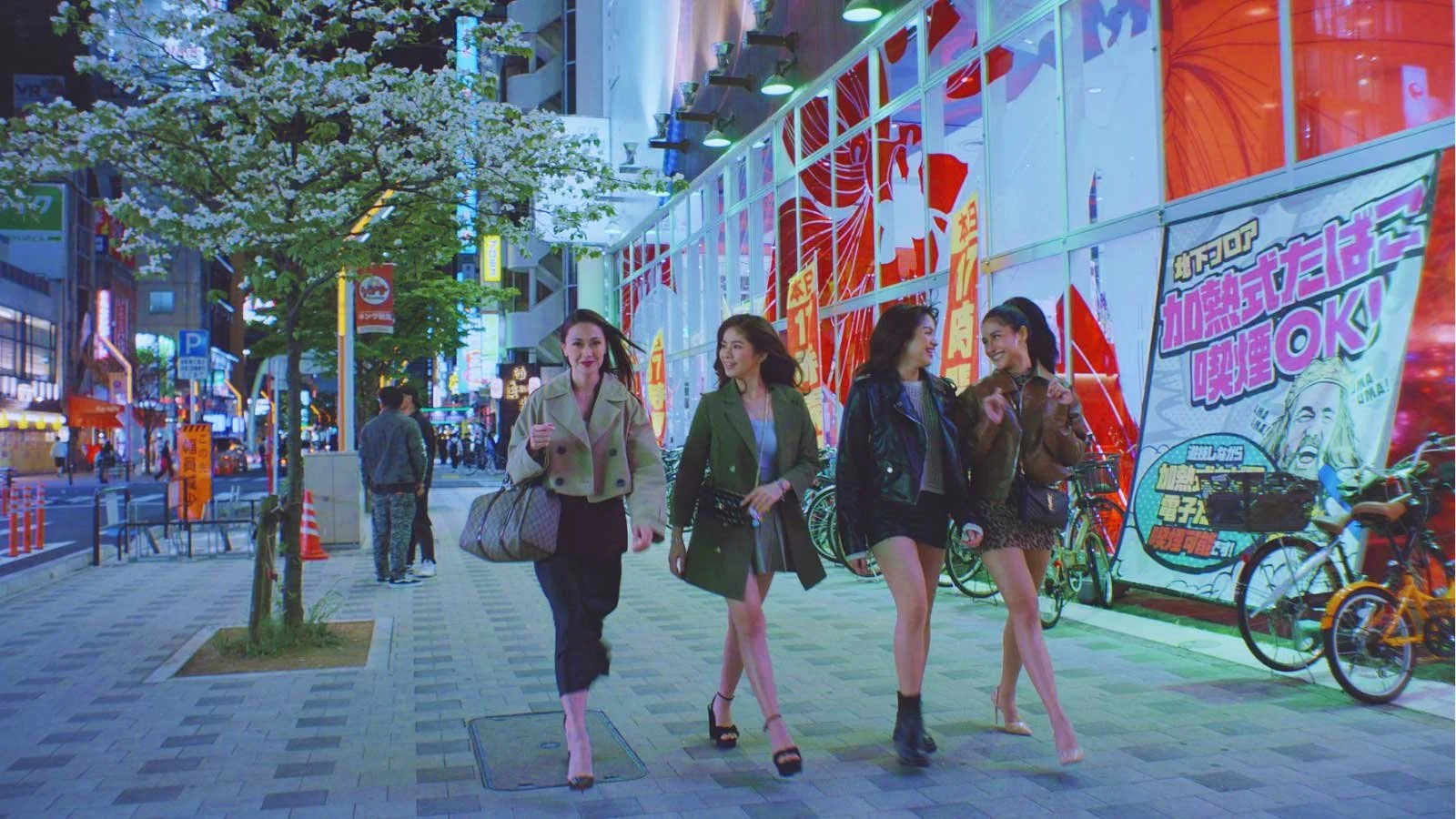
PICTURE 1: Vicky (Jodi Sta. Maria), Paris (Sanya Lopez), Saki (Jane Oineza), and Wanna (Loisa Andalio) in Midnight Girls | Photo courtesy of Warner Bros. Pictures

I am a daughter of two Overseas Filipino Workers (OFWs). When I was seven years old, I witnessed how my mother had to explore her options to make ends meet. She had to work in Nagoya, Japan, leaving behind the life she recognized in the Philippines, as my father’s presence slowly shaped most of my childhood. Now, it has become the complete opposite — my father works abroad, while my mother remains at home, as she tries to fill the same space my father once occupied.
I must say, as a witness to how their lives have changed to keep a roof over our heads, romanticizing life abroad never stuck with me while I was growing up. We scroll through photos of our relatives on Facebook, often assuming their lives are better simply because they can provide more for their families. We watch their stories on Instagram as they share the most mouth-watering food you have ever seen, thinking that they have it better because of the opportunities they did not say “no” to.
But I guess, it is also important to remember that these stories cannot be interpreted in a unidirectional way. Irene Villamor’s Midnight Girls introduces us to the concepts of love, sacrifice, and resilience, as any other OFW film does. But this is not simply a film about these concepts. It is a film about endurance, strength, understanding, and morality in ways that no one could ever imagine. Simply put, it is not just a story about four women struggling their way in Nagoya, just as my mother formed friendships with Filipino women when she worked abroad. It is more than a film: it is a confrontation with the quiet and chaotic life overseas, questioning morality when all you want to do is to provide for your family, and revealing how survival often demands choices that blur the line between what is right and what is necessary.
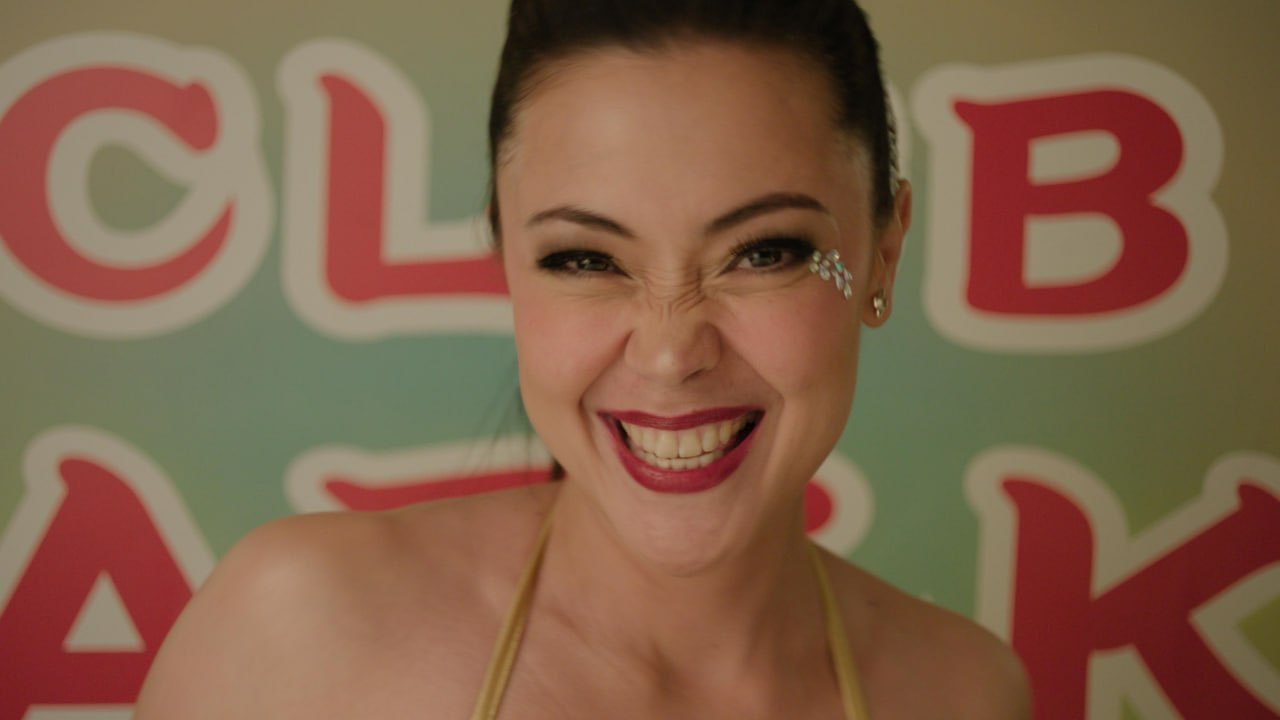
PICTURE 2: Vicky (Jodi Sta. Maria) in Midnight Girls | Photo courtesy of Warner Bros. Pictures
Vicky (Jodi Sta. Maria) is introduced as the “mother figure” to Paris (Sanya Lopez), Saki (Jane Oineza), and Wanna (Loisa Andalio). All four of them work in a nightclub (frequently called “omise” throughout the film), as they entertain guests while navigating between personal hardships, earning money, performance, and judgment.
The film showcases that being a woman entails sacrifice. It challenges the notion of “free will,” especially with the argument that Filipino women have the choice not to engage in labor that contradicts their morality. However, through Vicky and Paris’ characters, maybe free will does not exist, and maybe some women continue to push for a better life with the only choice they have.
Vicky’s mother-like character struck me the most, as she works two jobs, supporting her son, mother, and siblings in the Philippines. It is not just complicated for her morality, but also with her distant relationship with her family. The limited video call communication, lack of time for one another, and growing resentment all lead to her workplace, forcing her to question whether her sacrifice is truly worth it, or if it is easier to let everything go for peace.
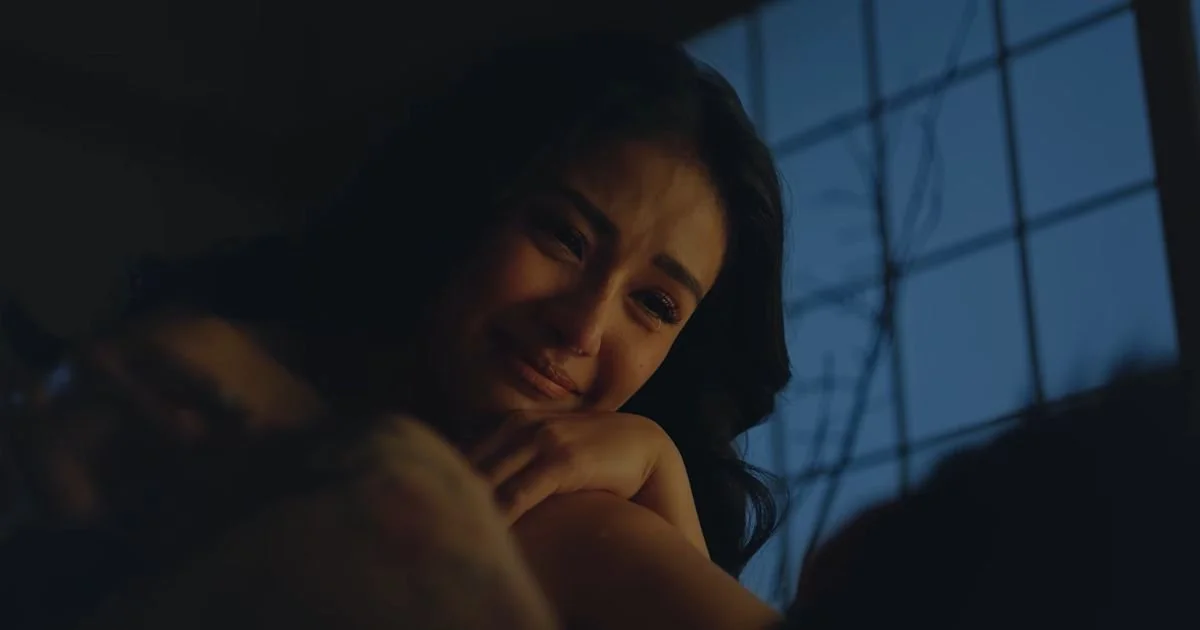
Paris (Sanya Lopez) in Midnight Girls | Photo courtesy of Warner Bros. Pictures
Paris is also a very vulnerable character. She dreams of true love, navigating between romantic idealism and the realities of her situation in Japan. Despite trying to make fate happen, she also questions what she deserves when another person closer to her could easily give the love she has longed for.
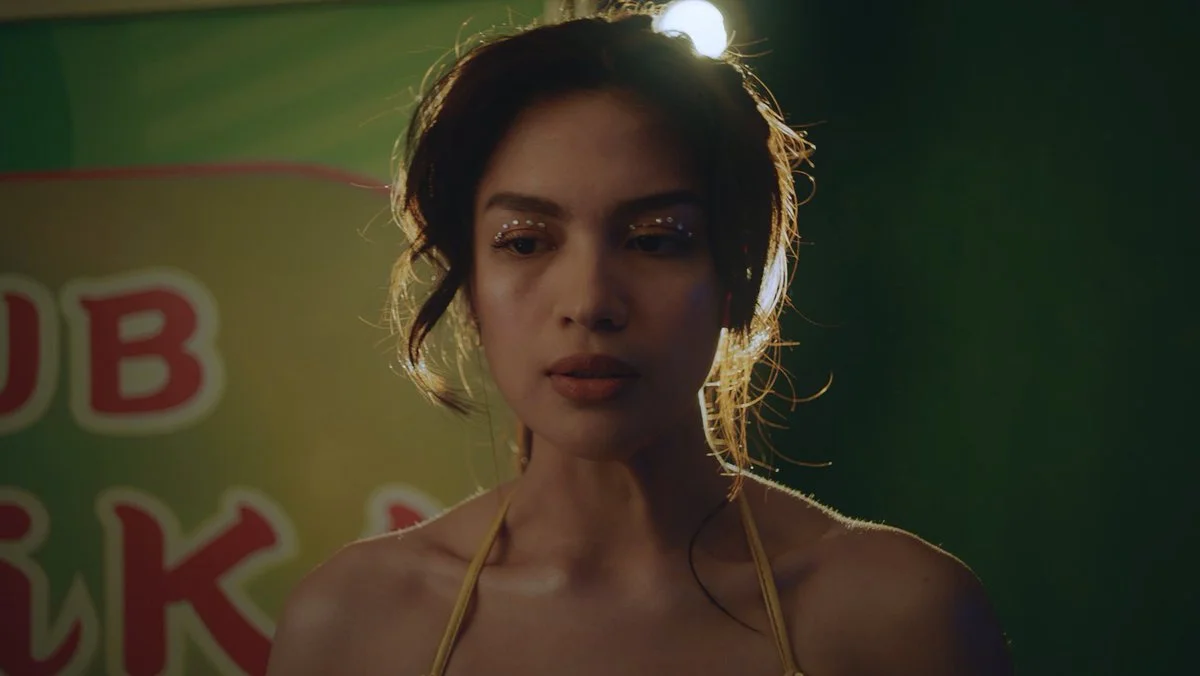
Saki (Jane Oineza) in Midnight Girls | Photo courtesy of Warner Bros. Pictures
Besides the discussions on free will and choices, it is also crucial to point out how consequences are shown in Midnight Girls, as it is not an isolated occurrence when choices are made. The cumulative pressures of womahood may demand so much — too much, even — in a world so cruel and unforgiving of women. Saki’s internal conflict with her identity just checks everything out, especially with the added pressures of her kindness and humility towards her coworkers and family. As much as she tries to hide it and pretend to smile for the sake of her job, there will always be times when sadness, rage, and guilt take over your entire body.
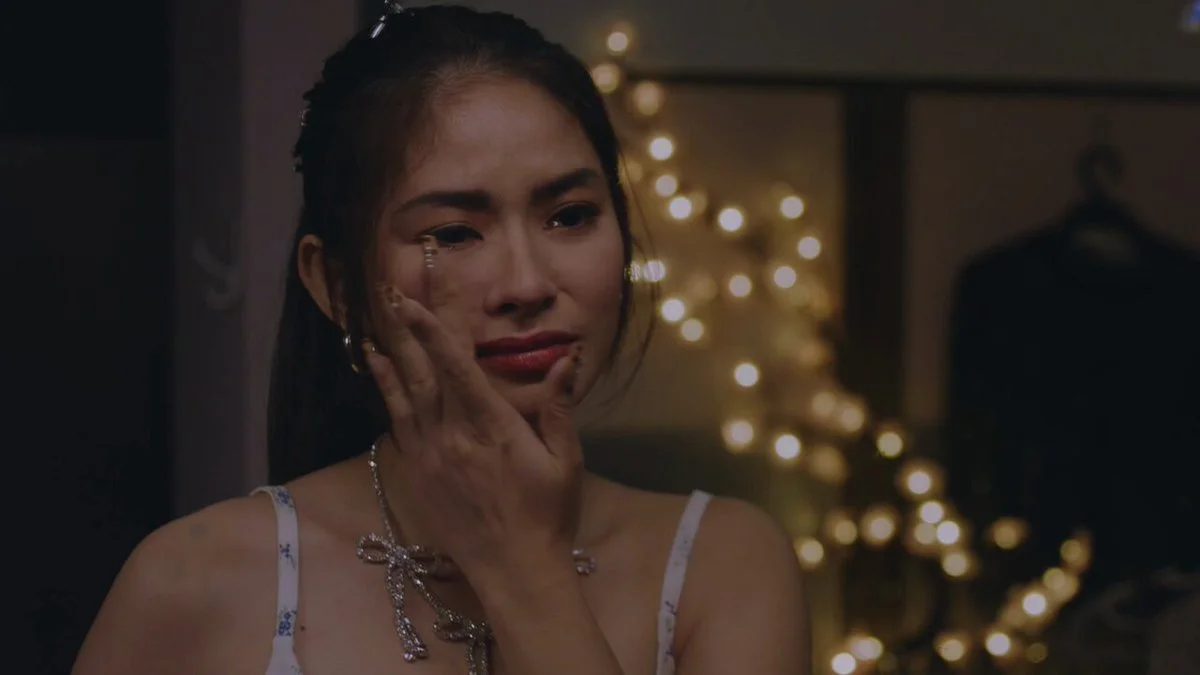
Wanna (Loisa Andalio) in Midnight Girls | Photo courtesy of Warner Bros. Pictures
We also witness Wanna’s character: joyful, bold, and strong. As she struggles to balance her romantic relationship and work in Japan, one thing she keeps in mind is grit. Whatever it takes, she will do anything in her power to help her family in Nueva Ecija and to finish her studies once she has earned the right amount of money. But similar to Vicky, Paris, and Saki, achieving your goals as an OFW is never a one-way process. Even if you’re earning the money needed for your child’s education, even if you’re paying the bills to keep your family’s water and electricity running, even if you hustle your way out of that foreign country so you can retire as soon as possible, it might take a while to see the light at the end of the tunnel.
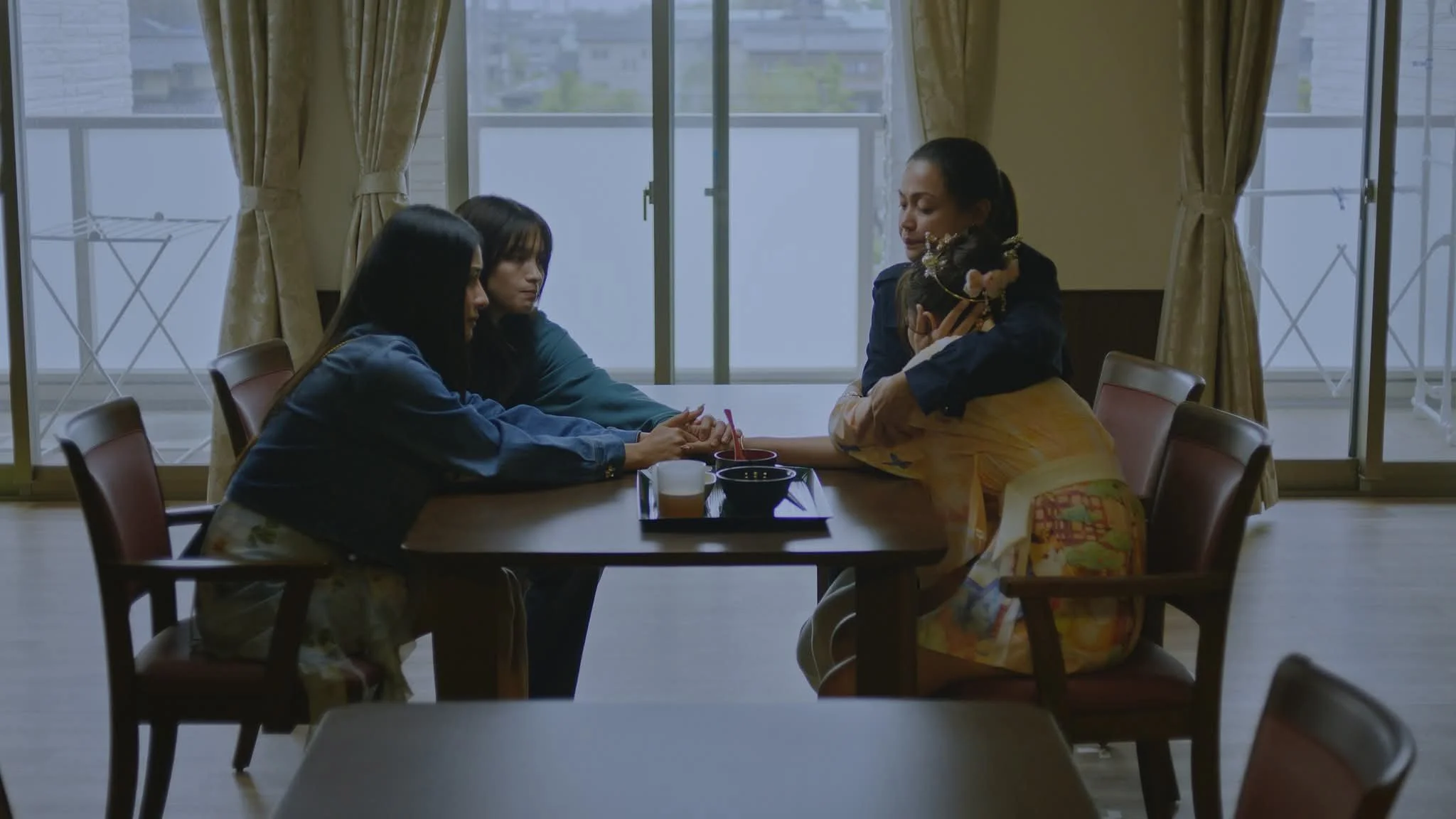
Vicky (Jodi Sta. Maria), Paris (Sanya Lopez), Saki (Jane Oineza), and Wanna (Loisa Andalio) in Midnight Girls | Photo courtesy of Warner Bros. Pictures
One thing I appreciated about Midnight Girls is how it does not either romanticize or shame women who enter this line of work. It portrays their lives with a grounded negotiation of their identities, as they acknowledge not only how they should help their families financially, but also how their agency and constraints make up the choices they make. By the end of the film, you will be left pondering a lot of questions about family, friendship, and romance. But the most important thing it leaves behind is how we define dignity and morality in situations where survival demands compromise. As Paris shouts, “I am the best p*ta in town!”
Thus, with Villamor’s presentation about four Filipinas in Japan, we are pushed to rethink this strict boundary around women’s labor. Empathy, understanding, and positioning ourselves in their shoes might actually help. But we never know what it fully means to live with their choices, compromises, and the quiet costs of having to be a woman who carries a heavy weight in their two shoulders.
‘Midnight Girls’ is now showing in Philippine cinemas.