
‘5 Centimeters Per Second’ REVIEW: The Distance That Time Can’t Resolve

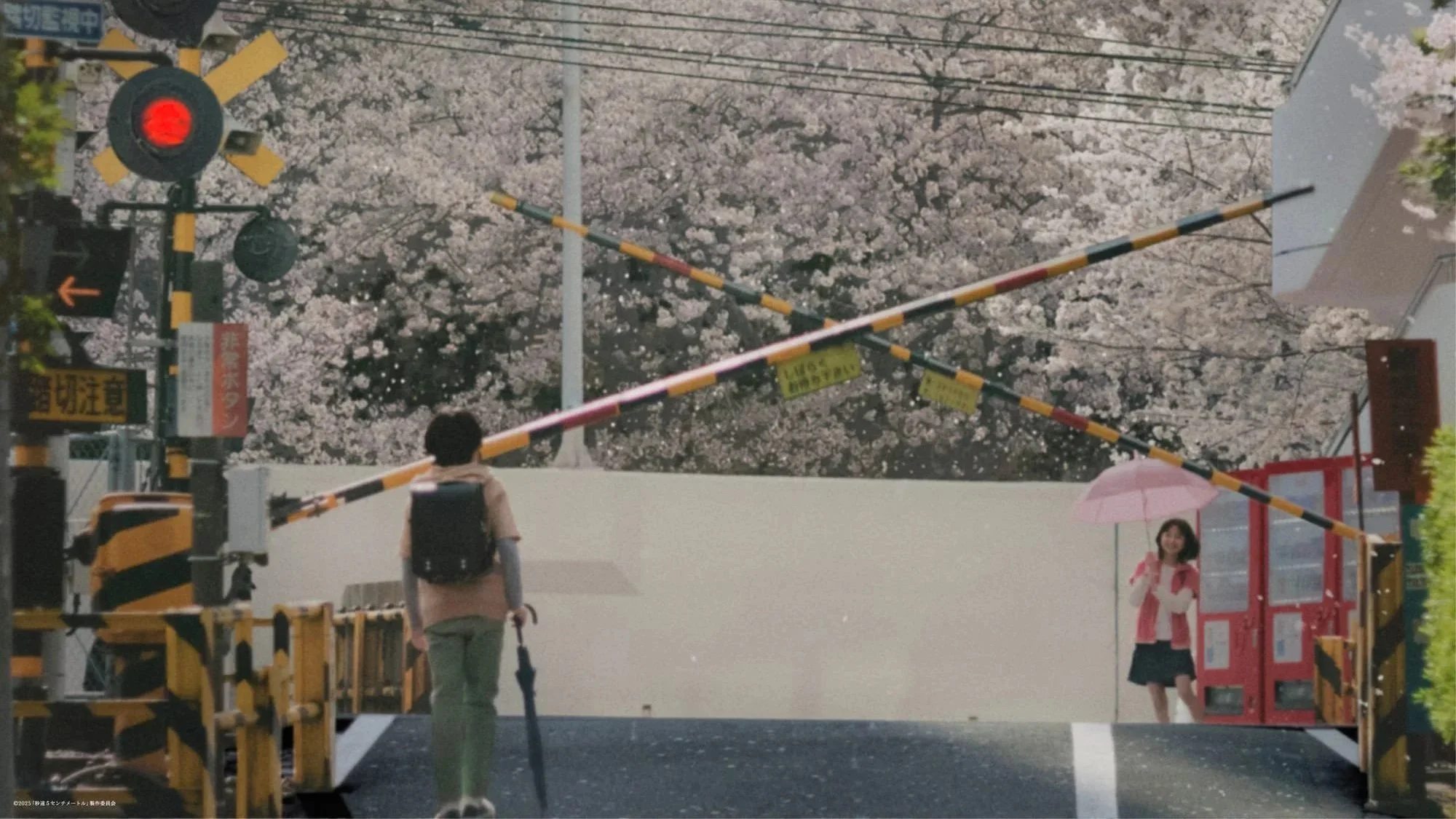
Haruto Ueda as young Takaki Tohno and Nora Shiroyama as young Akari Shinohara | Photo from the film’s official trailer

There’s this line from my favorite song that keeps coming back to me when I think about this film: “I saw the end of the world last night, I ran to you. I say your name in the warmest way, I look for you when I do.” It’s the last line of “End of the World” by Searows. The song circles a simple question that never really feels simple when you sit with it: if the world is about to end, who would you choose to be with? For some people, the answer is immediate. For others, it’s someone they lost — someone they never quite let go of.
That feeling forms the emotional center of Yoshiyuki Okuyama’s live-action adaptation of 5 Centimeters Per Second. The story already exists in the cultural memory of many viewers through Makoto Shinkai’s animated film, but this version approaches the material from a different direction. Instead of preserving the earlier film’s carefully ordered structure, it reconsiders how the story might feel when memory becomes the organizing principle rather than chronology.
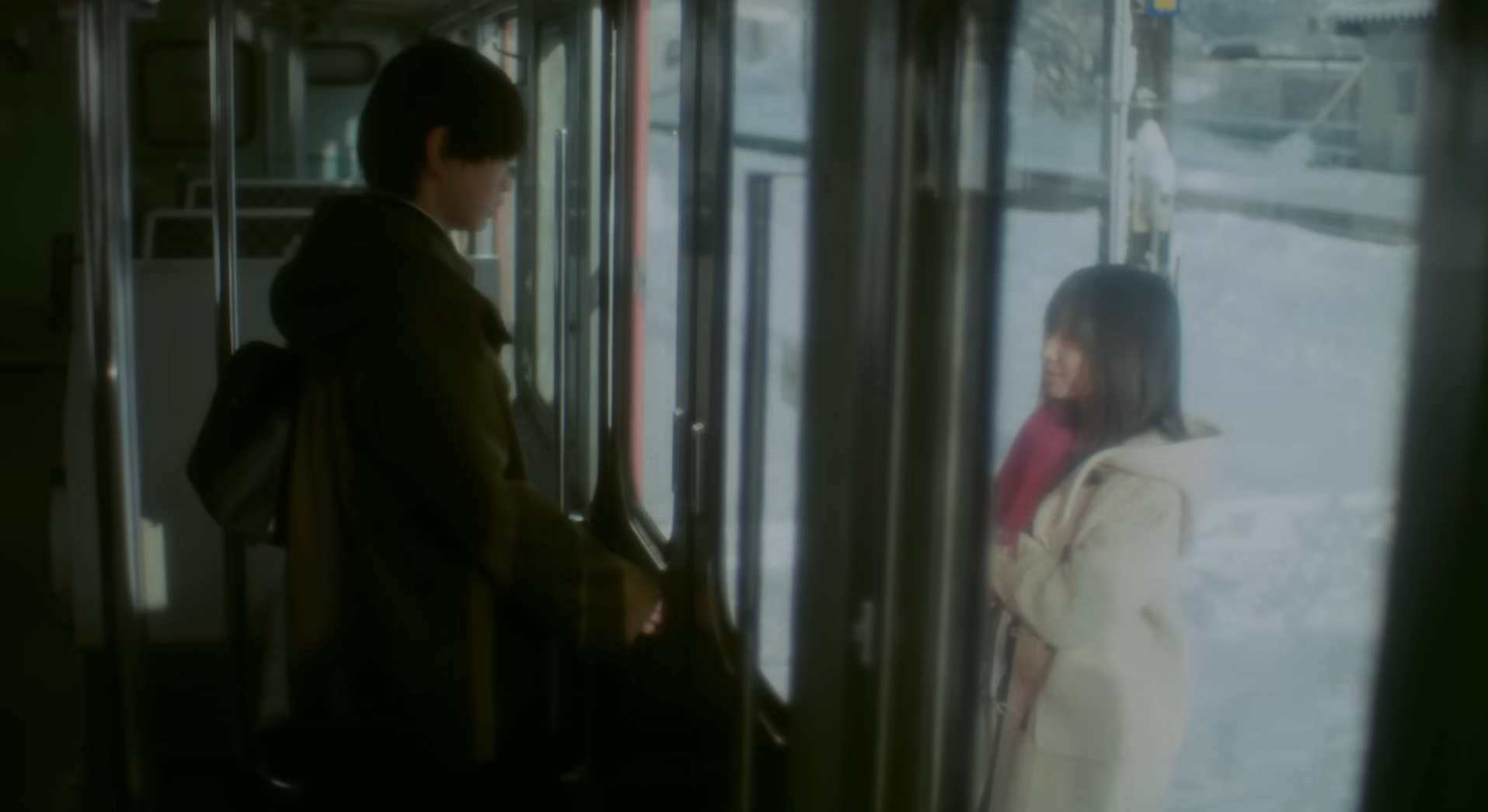
Haruto Ueda as young Takaki Tohno and Nora Shiroyama as young Akari Shinohara | Photo from the film’s official trailer
The story follows Takaki Tohno (Hokuto Matsumura) and Akari Shinohara (Mitsuki Takahata), childhood sweethearts who meet in 1991. Their relationship changes when Akari moves away, turning their closeness into distance that letters attempt to bridge. They promise to see each other again in 2009, a date tied to the idea of the world ending.
What distinguishes this adaptation from its animated predecessor is the way it treats time. Shinkai’s original film divides Takaki’s life into three clearly defined stages, giving the audience a structured passage through childhood, adolescence, and adulthood. Okuyama’s version abandons those clean divisions. Scenes shift between past and present without the sense that one period has fully replaced another — moments from earlier years surface inside the present rather than remaining sealed within their original context.
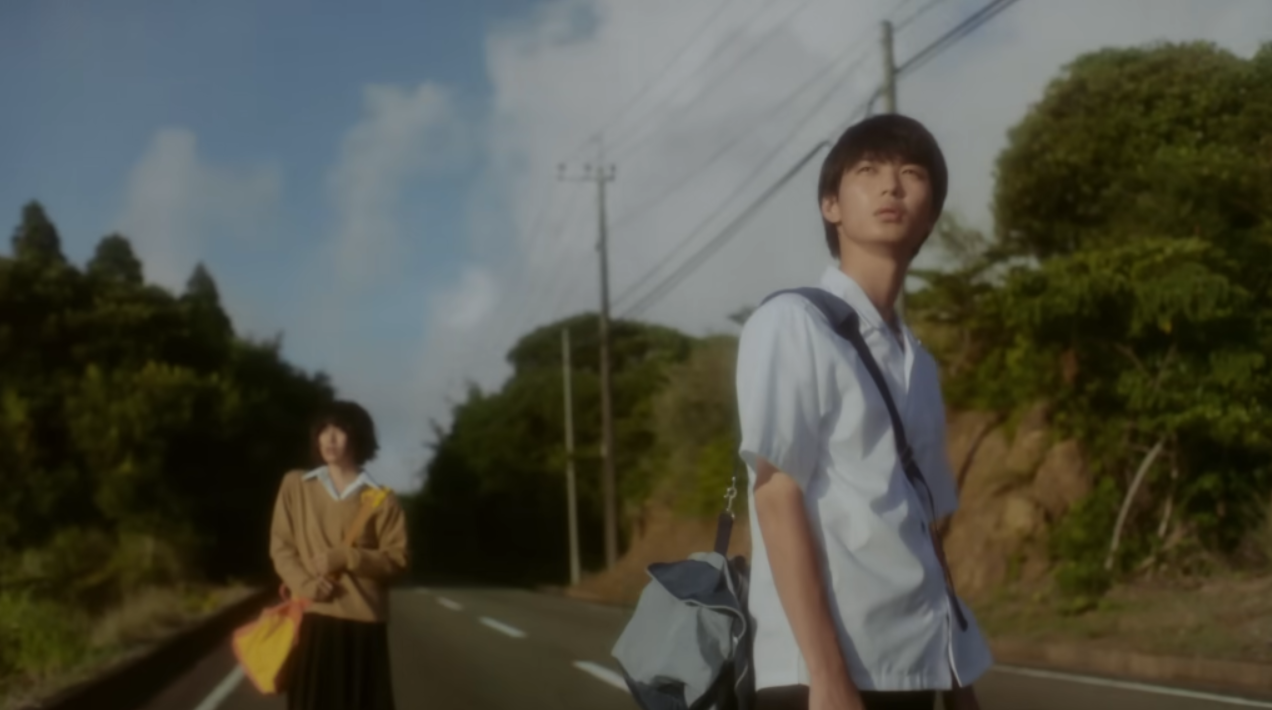
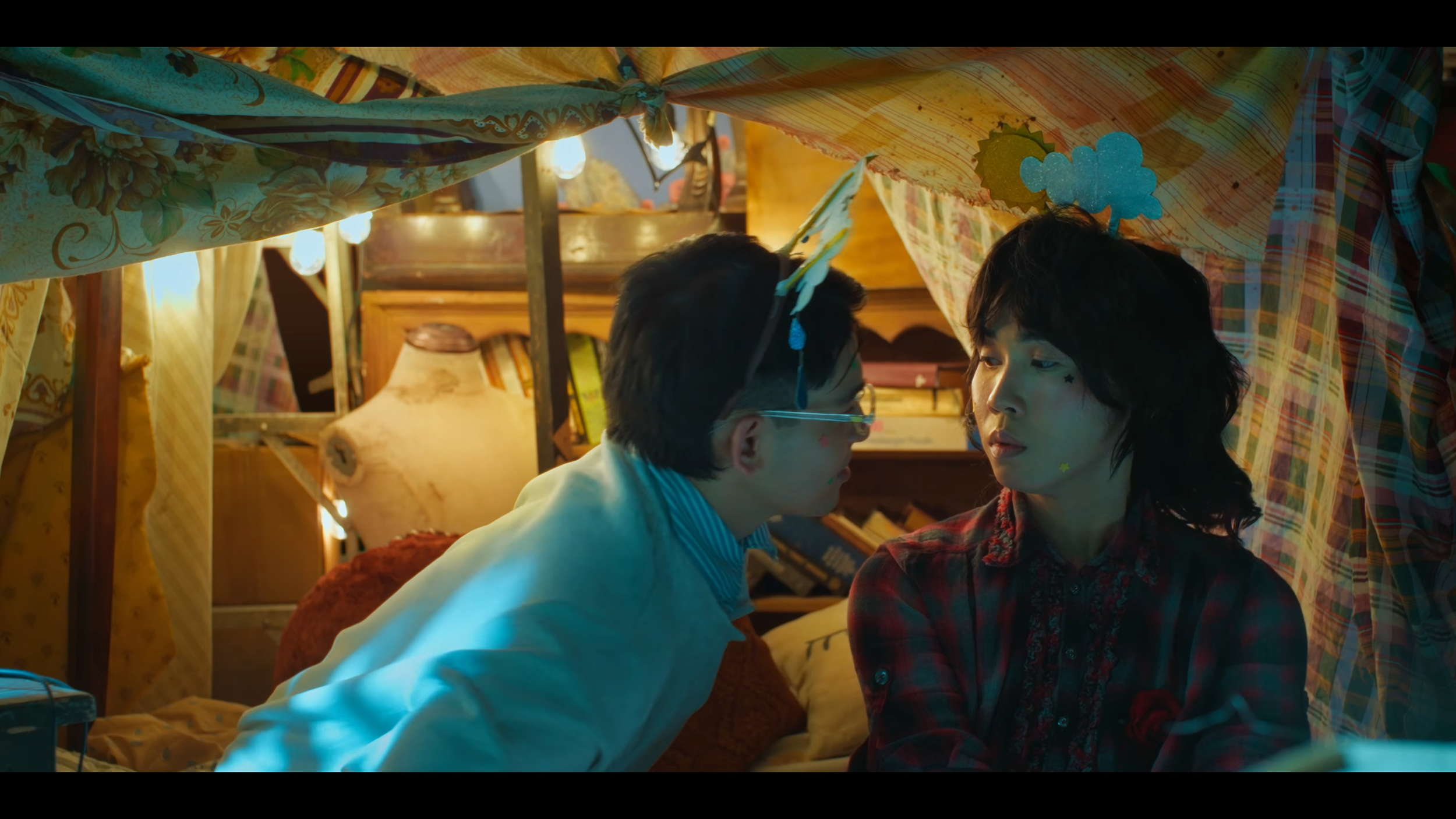
Yuzu Aoki as teenage Takaki Tohno and Nana Mori as Kanae Sumida } Photo from the film’s official trailer
Many responses to the live-action adaptation have focused on its slower pace and extended running time. Those criticisms are understandable, but the film’s length serves a particular purpose. By spending more time in the present, the narrative shows how Takaki’s memories function within the larger shape of his adult life. The earlier film often framed longing as something almost poetic in its permanence, while this version explores why certain attachments remain difficult to release even when life continues to unfold around them.
This approach aligns the film more closely with how memory actually behaves. The past rarely arrives in neat chronological order; it emerges unpredictably through small interactions. A location revisited years later can restore a memory that seemed forgotten. A familiar train platform or a season of the year can suddenly bring back the emotional atmosphere of a time that once felt permanent. By structuring the film around these returns, Okuyama places the audience inside Takaki and Akari’s mental landscape, where earlier experiences continue to influence the present without announcing themselves as flashbacks.
The visual style supports this shift in emphasis. Shinkai’s animation is widely admired for its striking imagery, and the live-action film can’t reproduce that level of visual stylization. Instead, Okuyama adopts a more restrained approach that emphasizes natural light and seasonal change. Many scenes carry the soft brightness associated with early spring, giving the film a sense of warmth that contrasts with the emotional distance between its characters. The atmosphere occasionally recalls the tone of Shunji Iwai’s Love Letter.
Takaki’s adulthood reflects the consequences of this unresolved relationship with the past. His life continues in ordinary ways — work, routines, encounters with other people — but the film portrays him as someone who carries a form of emotional hesitation. His memories of Akari don’t appear as fully articulated recollections. It surfaces in fragments that interrupt his present rather than simply belonging to it. The film doesn’t treat this attachment as a romantic ideal so much as a condition that shapes how he interprets the relationships around him.
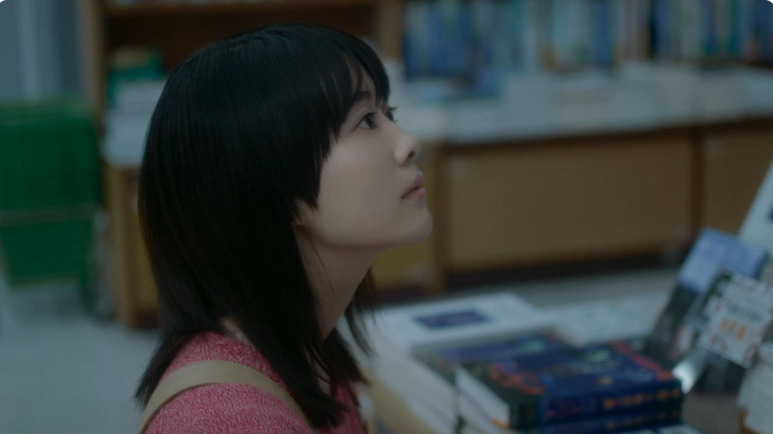
Mitsuki Takahata as adult Akari Shinohara | Photo from the film’s official trailer
The adaptation becomes more interesting when it shows attention toward Akari’s life as well. In the animated version, she often appears through the filter of Takaki’s memory, which gives the impression that her identity remains fixed at the moment they separated. Okuyama’s film allows her life to continue outside that frame. She grows older, forms relationships, and makes choices that exist independently of Takaki’s recollection of her. This change alters the emotional balance of the story. The relationship between them becomes less about preserving an idealized past and more about acknowledging that two people can share a profound connection while ultimately moving through different futures.
Overall, despite the changes it makes, 5 Centimeters Per Second remains a faithful adaptation that adds further layers to the original and will likely resonate with viewers who were moved by Shinkai’s animated film. Okuyama approaches the story with an understanding of what made it meaningful in the first place, while giving it more room to reflect on what happens after two people who once mattered deeply to each other begin living separate lives. The film shows us that loss doesn’t always arrive in a single moment; sometimes it comes through distance, through the slow realization that someone who once stood at the center of your life now exists somewhere beyond it. Time continues moving, and so do we, carrying those memories with us as we form relationships and allow new people into our lives, whether we feel ready for that change or not.