
8th Parmata Film Exhibition OMNIBUS REVIEW


Official banner of the 8th Parmata Film Exhibition | Courtesy of Paramata Film Exhibition
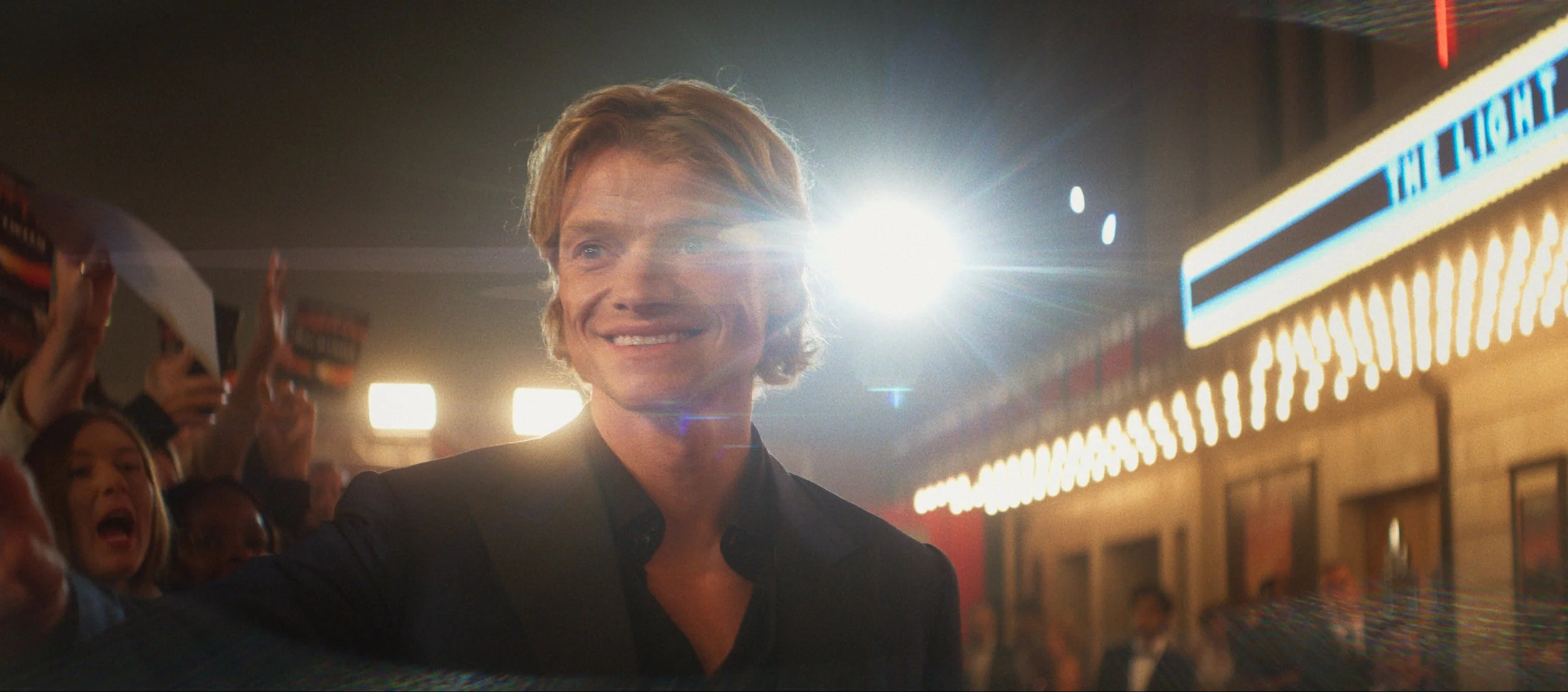
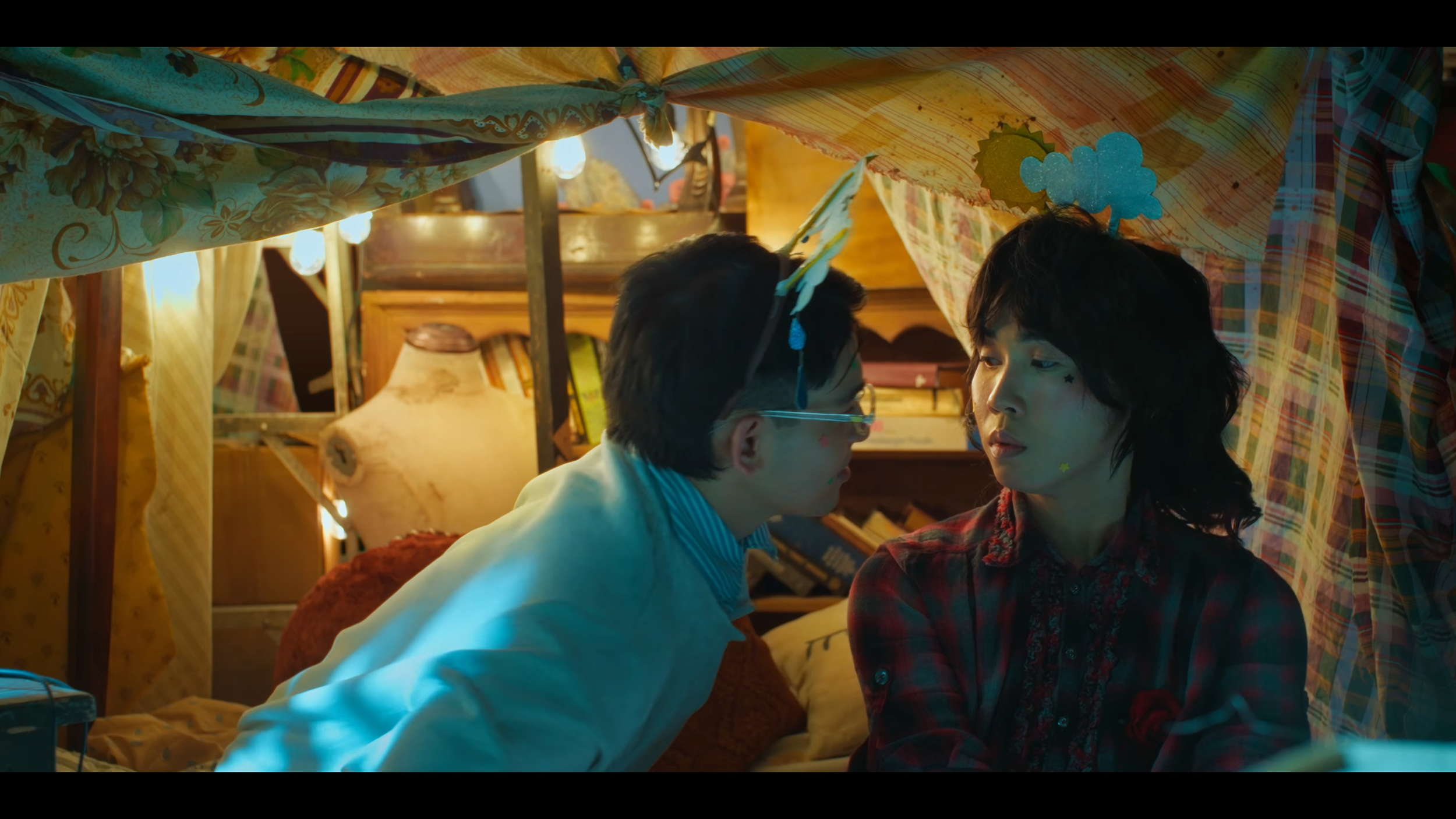
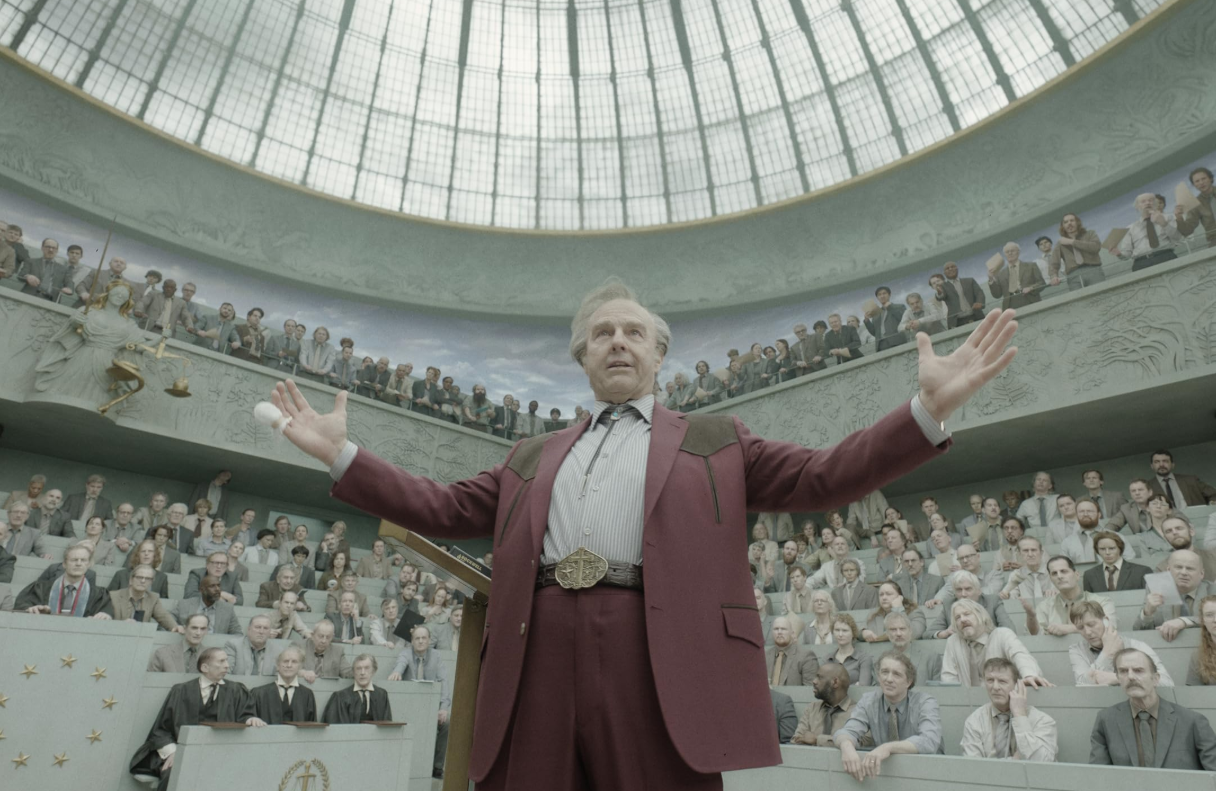
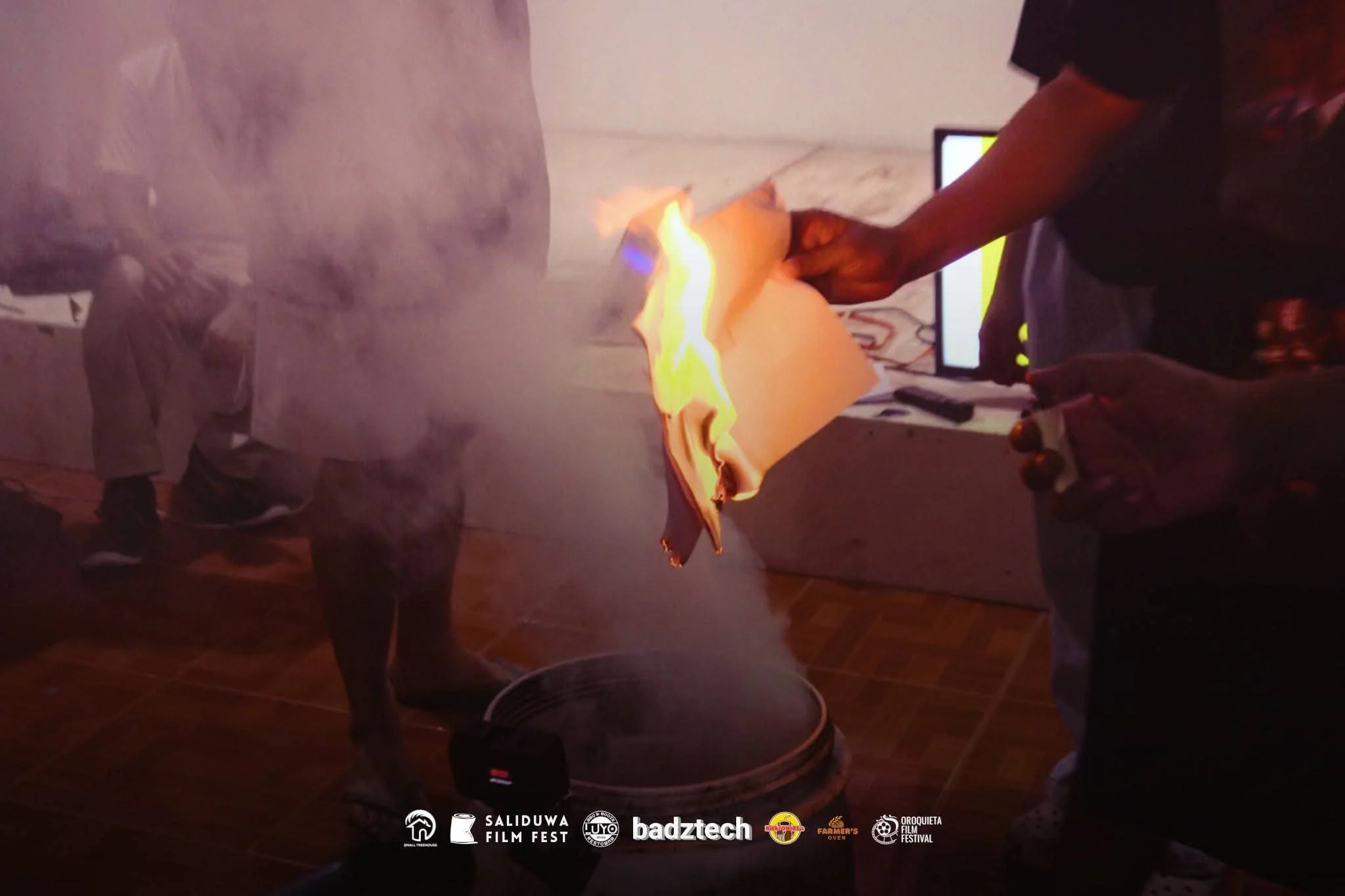
The 8th Edition of the Parmata Film Exhibition highlights the creative outputs of the Reading Visual Art class of Melver Ritz Gomez from Mariano Marcos State University. This edition’s selection offers a breadth of the experimental side, where each entry pushes the boundaries of filmmaking and cinema. While experimenting with styles, the selection also showcases a diverse variety of subjects and narratives being tackled, cementing film as more than just entertainment but also a platform for personal advocacies. The exhibition is also a showcase of young Ilokano talent and culture, and its potential for more storytelling and provoking the status quo. Here are the official reviews of the 8th Parmata Film Exhibition winning entries:
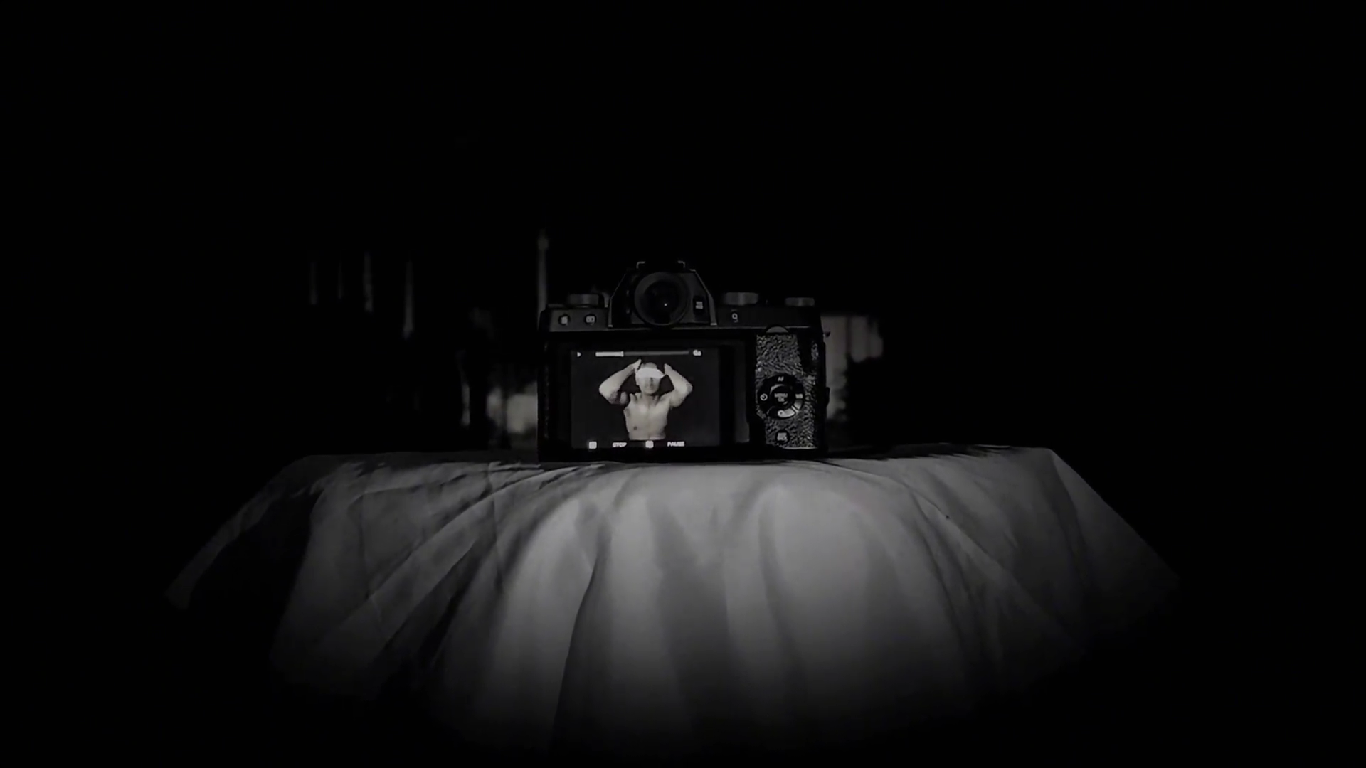
Film still from ENIGMA
ENIGMA
Dir. Luis Seth V. Ramos
Luis Seth Ramos’ ENIGMA realizes cinema’s ultimate purpose in capturing social realities. Fragmented shots in a camera, attempting to distort realities and imagined memories of political violence, reveal how the camera serves as a lens of truth. It exposes a cathartic depiction that the camera has the power to either show the truth or hide it, and instead gives lies. It’s a testament in this short film that cinema goes beyond escapism, but is a reflection of what’s happening in society right now and the power the camera has in capturing those truths. -Christ Dustly Go Tan
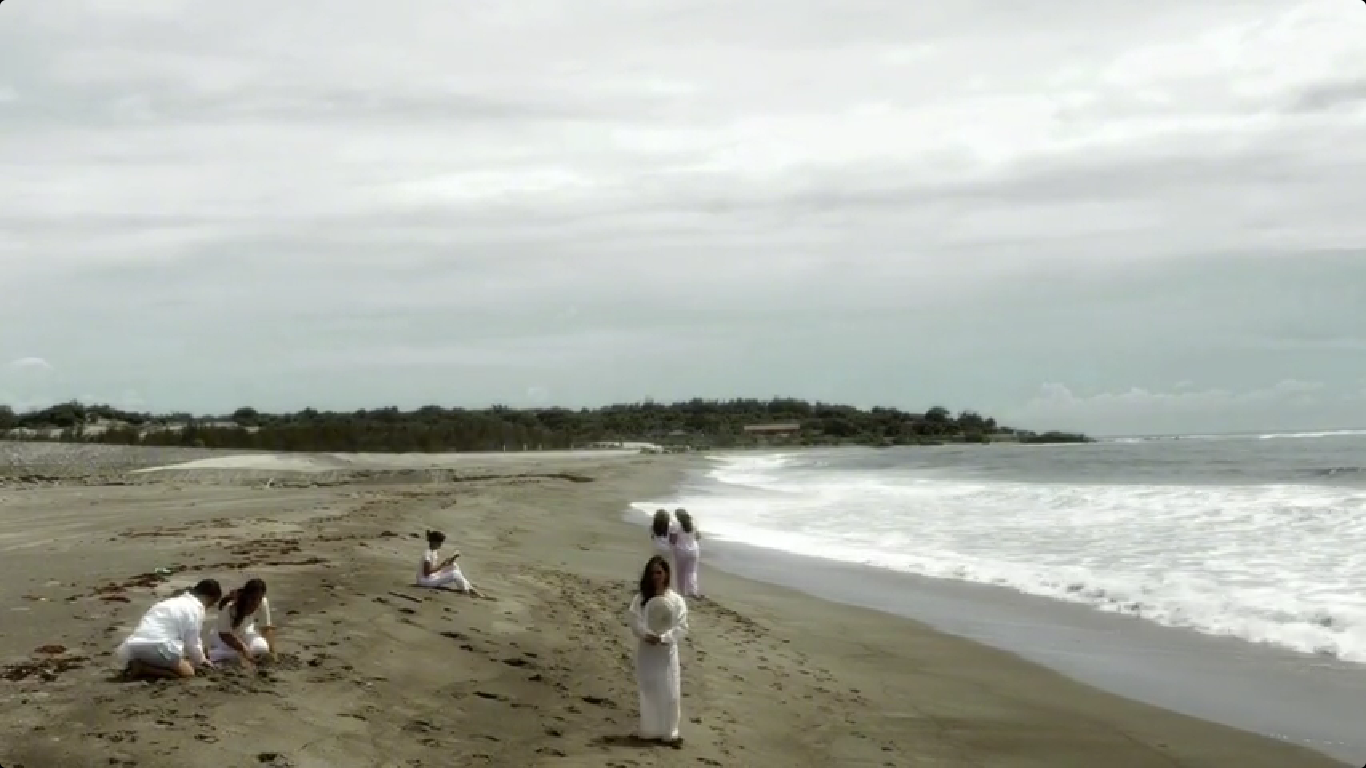
Film still from Wangis
Wangis
Dir. Marien Sofia Lucero
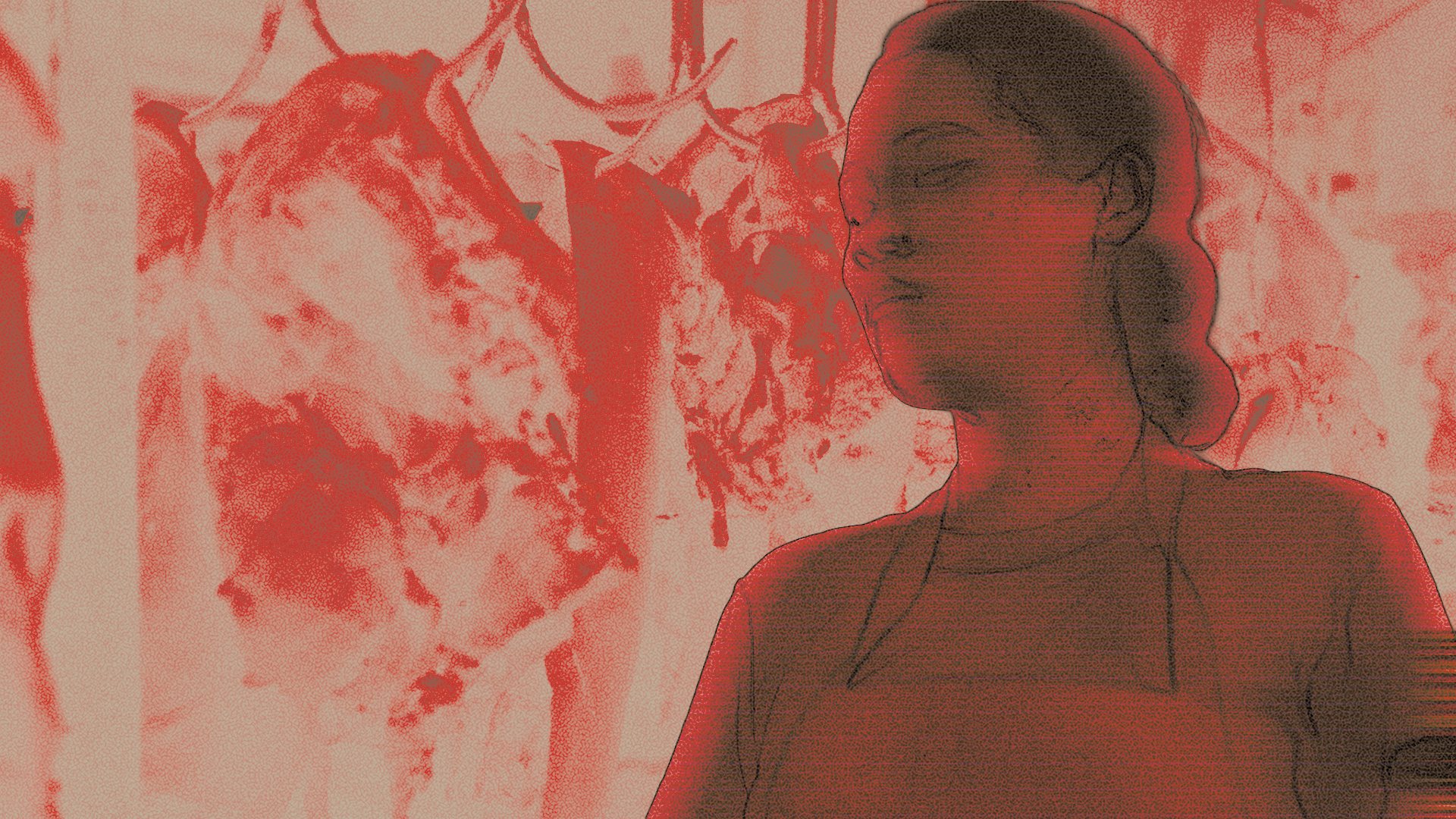
Among the exhibition’s highlights, Marien Sofia Lucero’s Wangis is a foreboding and incisive interrogation of contemporary beauty norms on women, bringing into focus the social pressures and visual systems that condition them. The balance between layered imagery, thematic clarity, and real-world relevance is what sets the film as an important entry. By weaving together a cohesive visual language from recurring moods and motifs, the film externalizes the main character’s internal struggle with her own identity, ultimately depicting her reluctant alignment with the suffocating, homogenizing forces that surround her. In Wangis, a person’s real tragedy happens when their individuality is surrendered to the pressures of collective conformity. -Dave Jonathan Maraya Verbo
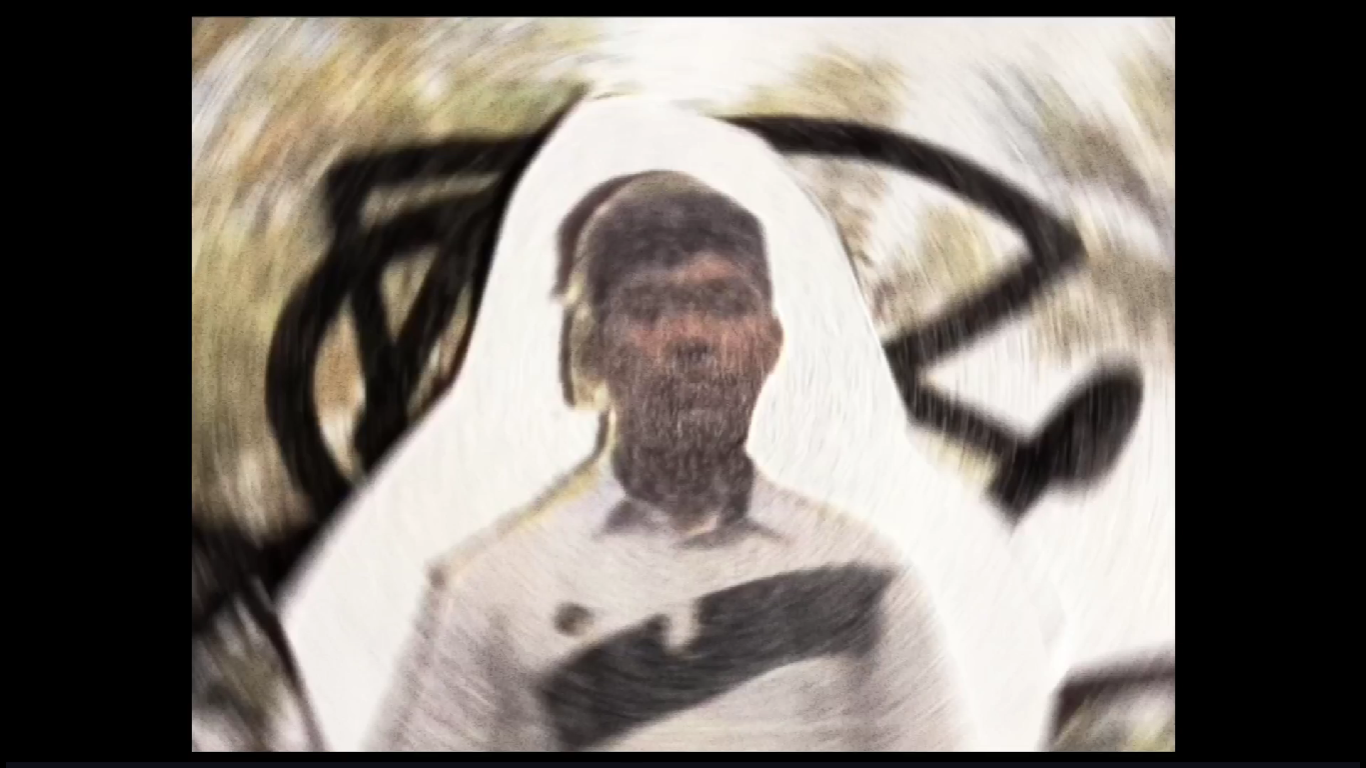
Film still from Arapaap
Arapaap
Dir. Clent Jielle Camalig
There’s a particular joy in encountering a film that embraces mixed media. From the outset, you can immediately sense the director’s deep personal investment in the film. The way I see it, Arapaap is more than just a short film. It’s a labor of love; an intensely nurtured creative vision that reads as an anti-capitalist gesture, resisting our culture in which every form of talent and passion is pressured into commodification. Each textured frame reflects a hands-on process that speaks to the time, care, and patience earnestly poured into its creation. The filmmaker’s deliberate use of mixed media perfectly mirrors the film’s own story, depicting an aspiring architect and the struggles he faces. Through endless revisions and the quiet persistence to begin again and again, as the film reminds us, we can turn our arapaap into something real. -DJMV
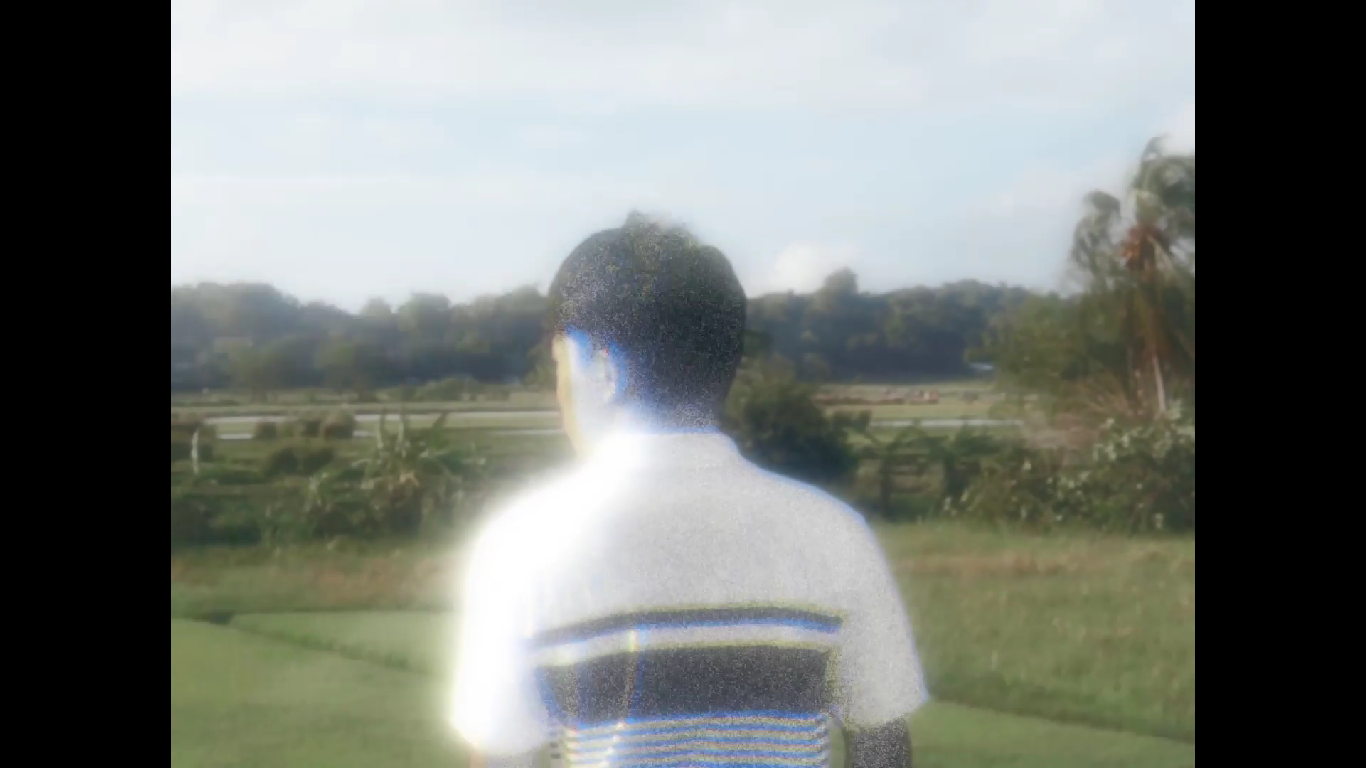
Film still from Ouroboros
Ouroboros
Dir. Rionell Jan Respicio
Rionell Jan Respicio’s Ouroboros contemplates the phenomenon of burnout, especially with artists questioning their own work’s meaning. From the visual imagery of depictions of paradise-like greenery to the grey areas that somewhat depict depressing feelings of burnout. Artists have now questioned what their art used to mean, or whether they even have control of their own art. What art used to offer solace and escapism for the artists now becomes an enthralled act of survival and making ends meet. It becomes a cycle until artists can now relieve themselves of this entrapment feeling to feel that paradise in making art once again. -CDGT
Film still from Napukaw a Silaw
Napukaw a Silaw
Dir. Blessie Heaven L. Dela Cruz
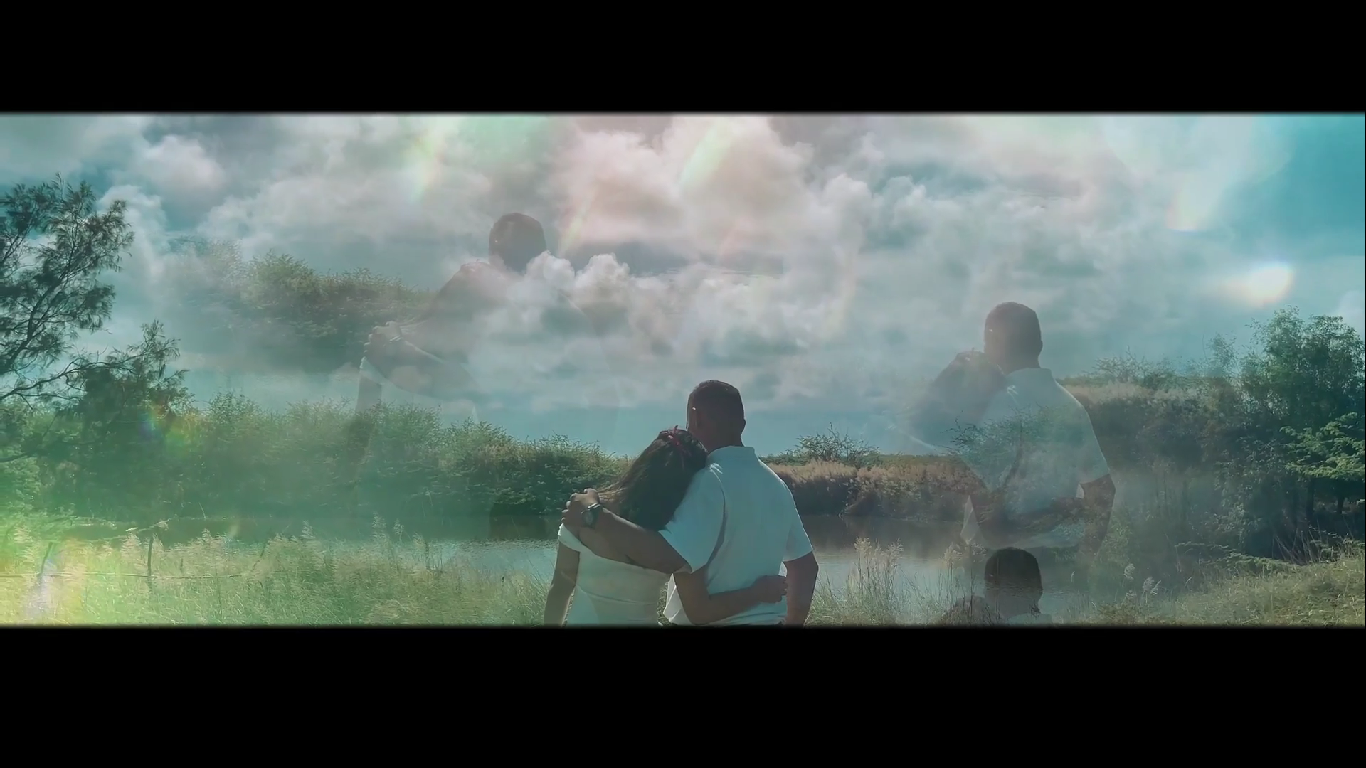
Blessie Dela Cruz’s Napukaw a Silaw imagines a fading love through how its symbolisms were creatively curated, which often depict how women are loved but often feel one-sided. Memories of love became unstable as thoughts of what it once was became a bane to their thoughts and memories. The shifting color hues shift the perspectives of what these objects or gifts mean from flowers changing hues to eventually wilting, just like how their love once was when these material objects became meaningless. It suggests that these material objects of love can only offer so little if it becomes too repetitive and if there is genuineness in them. In the end, the short film captures how love only arrives when self-worth is reclaimed.
-CDGT
Film still from Ani
Ani
Dir. Keithryn Camille A. Taboy
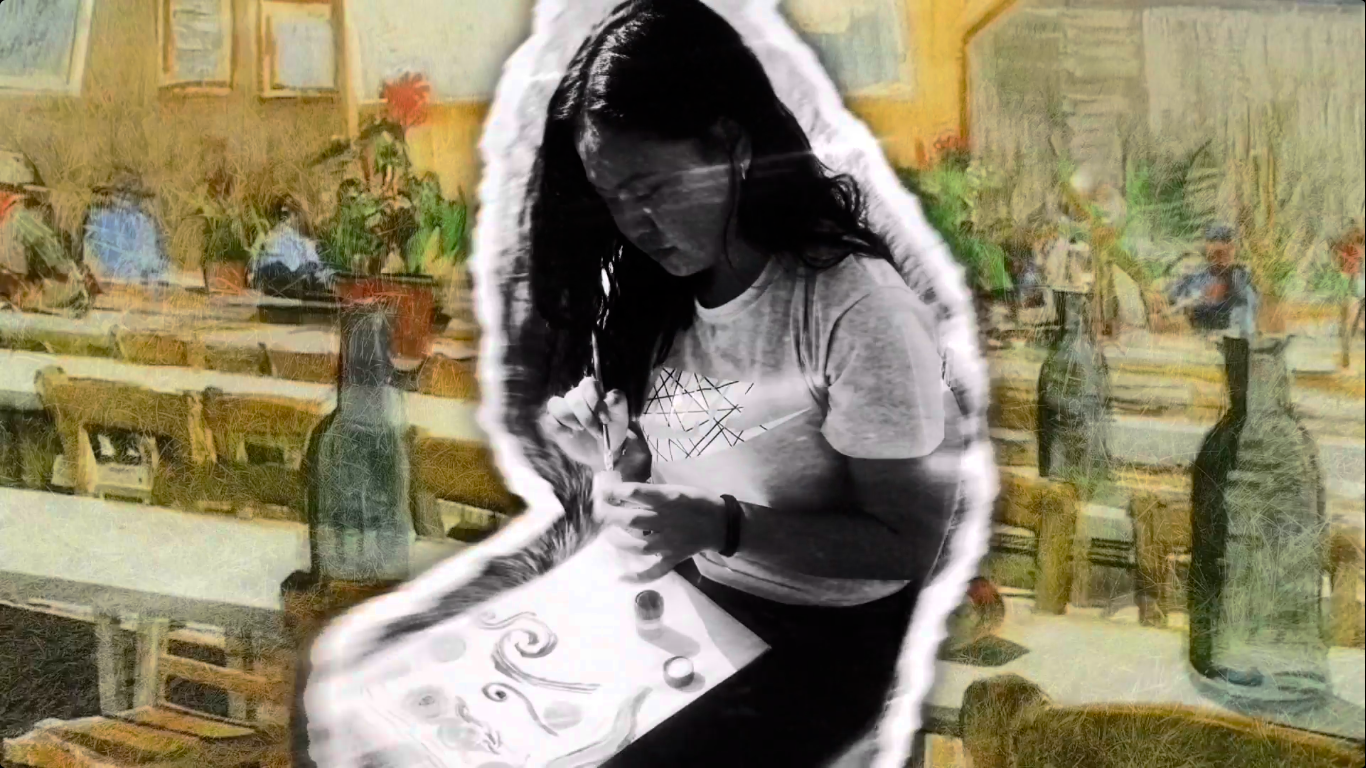
It is refreshing to encounter a film that portrays artistic creation as a productive and sustaining practice. Such depiction diverges from the common cinematic tendency to frame artists’ lives often with neo-realism sensibilities. Of course, this is not to diminish or negate the very struggles faced by artists across disciplines, especially in light of the current sociopolitical climate around the world. Rather, the director wants to foreground the pleasure that comes from flow state, flourishing ideas, and endless possibilities that coexist with such challenges. Despite its obvious flaws and uneven transitions, this short film manages to remind us of the child-like joy of creating art and the importance of seeing our work through to the end. -DJMV
Film still from Lakbay
Lakbay
Dir. Pocholo James Abon
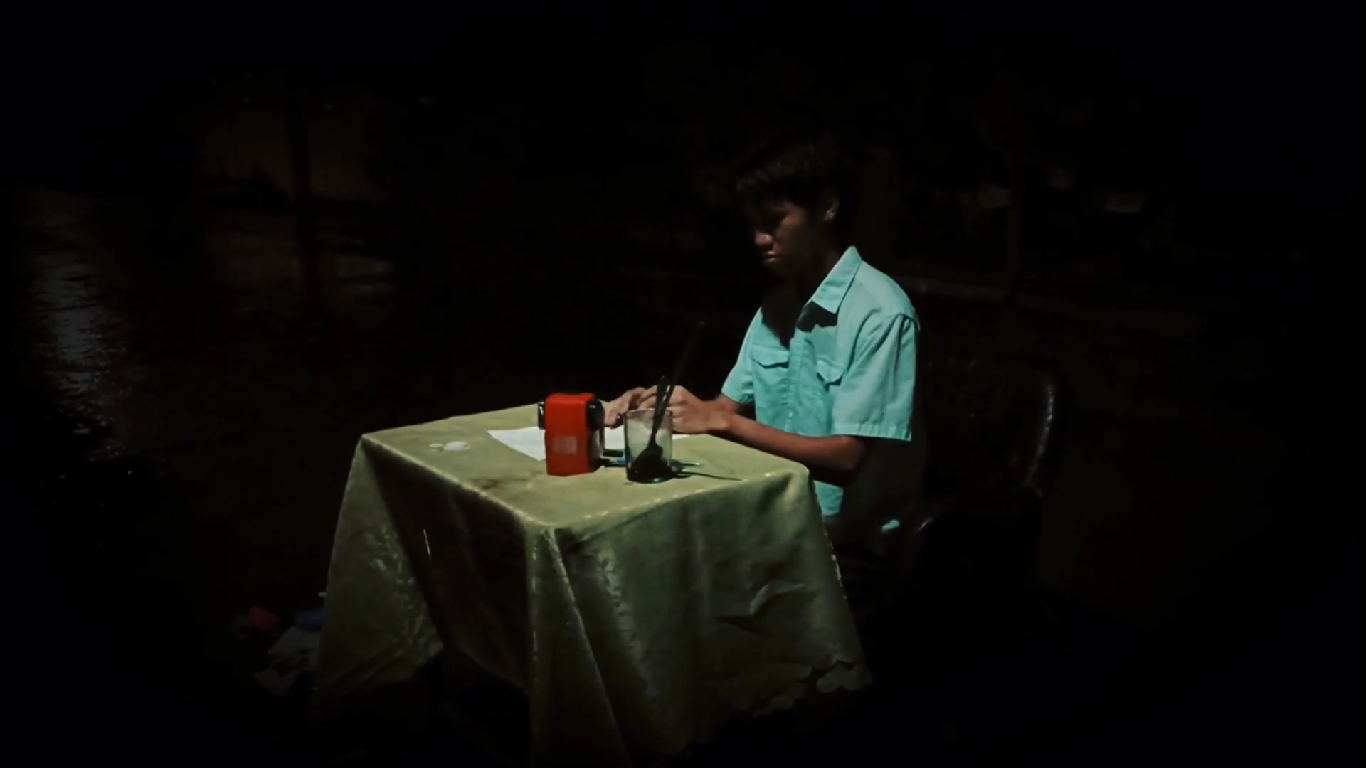
Lakbay can be interpreted in many ways. A physical movement. A pilgrimage. A spiritual transition. A search for meaning. In Pocholo James Abon’s short film, we watch an artist’s creative process as he searches for an insight to bring into his work. Searching inward for insight alone is a futile and narcissistic attempt to supply art with meaning. An artist can never be free unless he understands that he cannot remain isolated or detached from realities happening outside. Only when we look outward of ourselves, towards the streets, to the passing vehicles, overheard conversations, hurried footsteps, and the rhythm of ordinary lives, can we animate art with life. -DJMV

Film still from The Man’s Obsession
The Man’s Obsession
Dir. Tyron Jake Llamelo
Tyron Jake Llamelo’s The Man’s Obsession exhibits a man’s masculinity and his hunger for material wealth. The way he caresses cars and their parts gives him a sense of satisfaction that earns or gives him a sense of empowerment. He rejects other sources of pleasure, and he is only fixated towards car as his ultimate pleasure. However, it is up to speculation if it's actually depicting kleptomania or is just the man a power-hungry beast feeding his own masculine ego. But the film’s depiction of a man’s perspective towards ownership feels too much like a materialized truth of how men actually behave towards their own properties.
-CDGT
Film still from Apros Ti Dangadang
Apros Ti Dangadang
Dir. Ynah Visaya
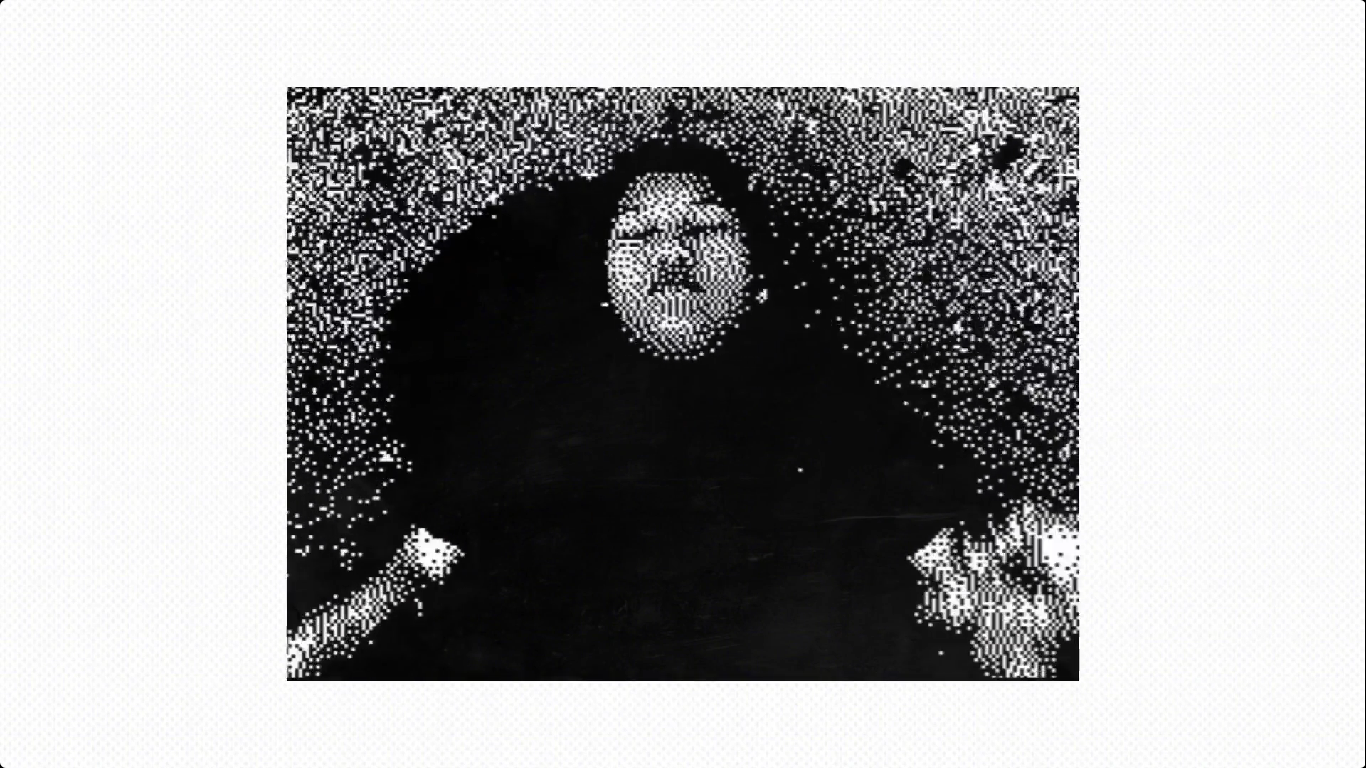
Ynah Visaya’s Apros Ti Dangadang portrays identity, vulnerability, internal struggle, and transformation through the perspective of a clay potter confronting her own imperfections. Through the metaphor of shaping the clay over and over again into a refined form, the short film visualizes the tension between two opposing forces: self-acceptance versus self-loathing. In Ilokano, dangadang means a forceful attempt to achieve or resist something. The duality of these inner impulses captures the protagonist’s personal rite of passage, as each deliberate motion of her hands becomes an attempt to create something beautiful and resist the inner conflicts that seek to diminish her sense of worth. -DJMV
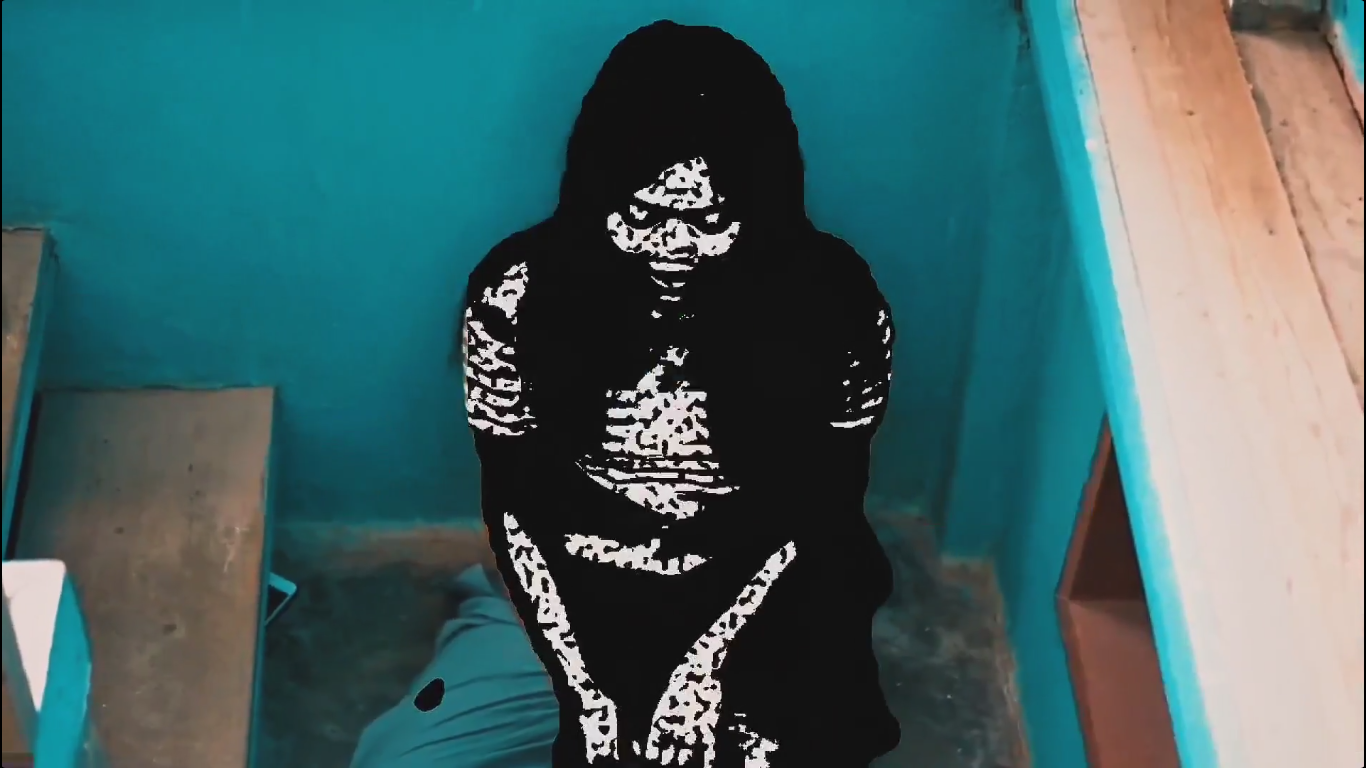
Film still from Alingangaw
Alingawngaw
Dir. Keziah Love Cabunot
Keziah Love Cabunot’s Alingawngaw confronts the escapist nature of art, but how the artist depicts an endless cycle of painful memories. The past can shape a person’s craft, but art here becomes an intervention and a catalyst for reliving past traumas. Failure to address becomes an endless cycle, and their passion for art now becomes their torture method, leaving them in a void of pain. How the past shapes one’s craft is more than passive recollection but a constant reinterpretation of how these painful memories mean to the artist. -CDGT
Watch the 8th Parmata Film Exhibition winning entries now!
The 8th Parmata Film Exhibition was held last November 19 to 20, 2025, at MMSU and had its online streaming on Cinemata until February 28, 2026.
Cinemata, a video platform and community for human rights and environmental justice films in the Asia-Pacific, is the official streaming platform of the Gawad Alternatibo.