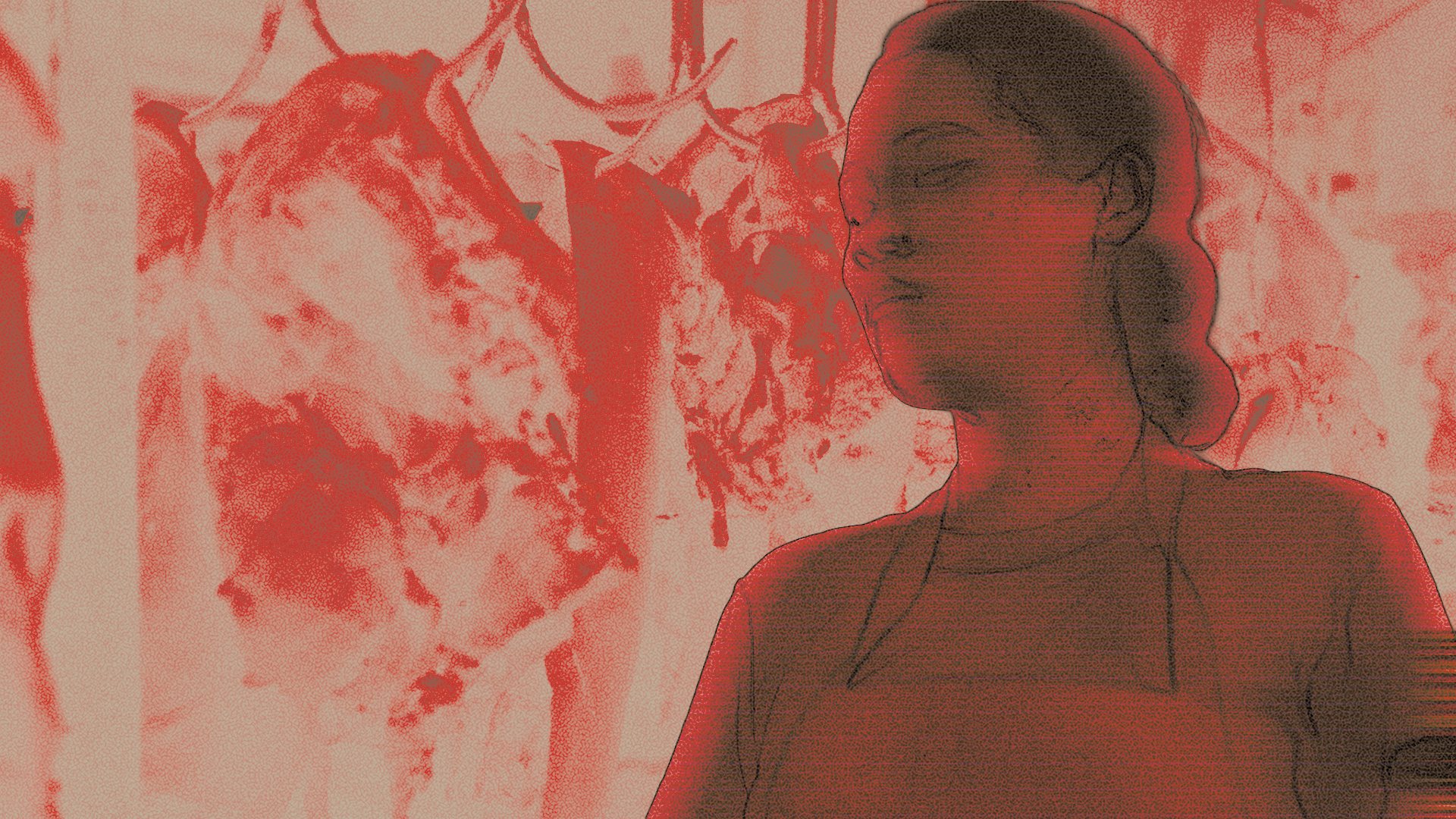

3rd PeliCuliat Film Festival OMNIBUS REVIEW: Competing and Non-Competing Films


Photo taken by Jessica Maureen Gaurano
Now on its third run, the PeliCuliat Film Festival continues to carve out a space where Kapampangan stories are the main narrative, stories about family tensions, love, unresolved grief, social realities, and even fragments of history. These stories are told by emerging filmmakers who are learning to trust their own perspectives. The festival does more than gather films; it strengthens a creative community, where filmmakers, mentors, and audiences meet in dialogue and allow regional stories to stand fully on their own. In doing so, it steadily amplifies regional cinema and affirms that the voices of rising filmmakers aren’t peripheral, but central to how local culture continues to be documented, questioned, and understood. Here are the official reviews for the competing and non-competing categories:
COMPETING FILMS
3Cycle
Dir. Samantha Zamora
In Samantha Zamora’s 3Cycle, we follow a family whose tricycle breaks down in the middle of the highway. Stranded in that sudden stillness, the father and children are forced to confront years of bottled-up hurt and unspoken resentment. The film shows how grief can twist into self-destructive patterns, shaping behaviors that wound those we love most, often without realizing it. Anchored by strong performances, the story captures the delicate tension between love and frustration, revealing the subtle, often invisible ways parents’ unresolved pain can ripple through a family.
The narrative also examines the friction between parental expectations and children’s emerging identities, highlighting how disapproval can compound the damage left by grief. As each family member wrestles with their emotions, we see the fragile line between asserting oneself and yearning for acceptance. Zamora depicts these dynamics with unflinching honesty, creating a raw emotional landscape that stays with you. In the end, 3Cycle is a reflection on the fragility of family, the echoes of old wounds, and the courage it takes to confront truths we have long avoided.
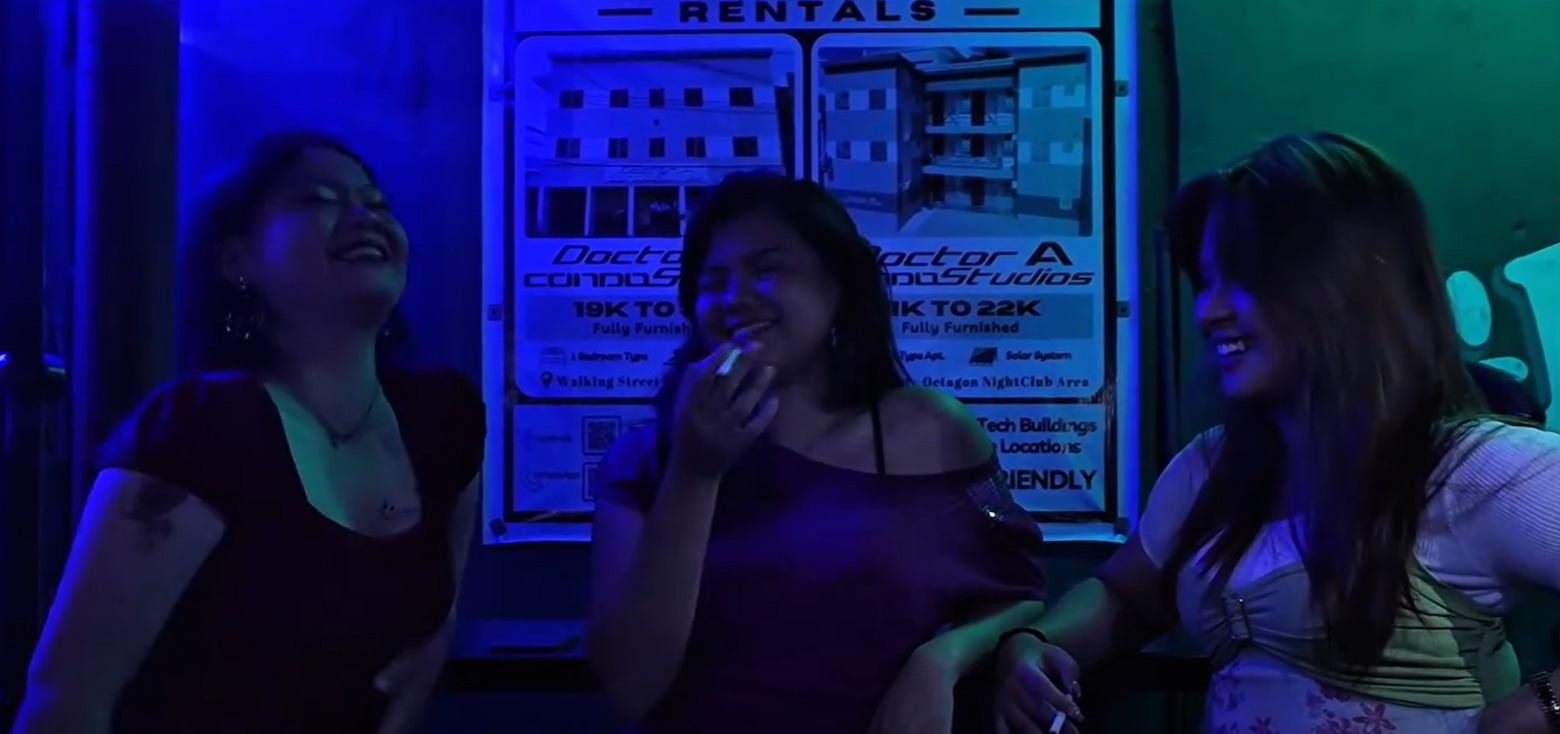
Still from Magdalena | Still courtesy of Holy Angel University Communicators’ League
Magdalena: Pasku King Dalang Malutu
Dir. Kisha Santiago
When society labels someone a sinner, does that strip them of the right to faith, to prayer, or to seek forgiveness? Magdalena: Pasku King Dalang Malutu, directed by Kisha Santiago, centers on a woman, the titular Magdalena, working as a prostitute who navigates the tension between survival and devotion. She provides for herself and her sister, whose judgment and disapproval highlight the rigid moral boundaries imposed by society. The film exposes the often hypocritical divide between what is deemed acceptable and what is condemned, questioning who gets to decide what is “sinful” and who is worthy of grace. Anchored by a compelling performance, Magdalena’s dignity challenges the audience to reconsider assumptions about morality and faith.
The tension between her and her sister crystallizes these conflicts. The sister’s disbelief that Magdalena continues to pray while engaging in sex work reflects a broader societal impulse to judge without understanding. In a confrontation during Noche Buena, Magdalena asks if being labeled a sinner should preclude her from loving God or believing in His mercy. This moment reframes the idea of sin, not as a permanent mark of unworthiness, but as part of the human struggle to survive and remain faithful. It forces viewers to reckon with the complexity of morality beyond black-and-white labels.
Ultimately, Magdalena: Pasku King Dalang Malutu is a nuanced exploration of the boundaries between judgment and compassion. It portrays a woman striving to reconcile her reality with her faith, demonstrating that devotion is not limited by circumstance. Magdalena’s story questions the rigidity of social and religious hierarchies, suggesting that understanding and empathy are more faithful expressions of belief than condemnation. The film resonates because it refuses to simplify the moral and emotional landscapes its characters inhabit, presenting a portrait of resilience, humanity, and the courage it takes to assert one’s faith in the face of rejection.
Dukit
Dir. Maria Angelica Sabay
Life has a way of demanding more than we think we can give. In Dukit, directed by Maria Angelica Sabay, a student assistant struggles to balance academic pressure, friendships, and the unrelenting expectations of work. When her father falls ill, responsibility multiplies, and what was already heavy becomes nearly unmanageable. The film captures a reality many students know too well: hard work is often not a choice but a necessity shaped by circumstance. Survival, not ambition, becomes the engine behind her endurance, pushing her forward even when she is already depleted.
What makes Dukit compelling is its refusal to romanticize resilience. The protagonist continues not because she is exceptionally strong, but because stopping would mean letting everything collapse. As her workload grows, she learns to present different versions of herself, composed in class, dependable at work, unaffected among friends, carefully hiding the strain that threatens to surface. The film observes how students are often forced to perform stability to avoid being seen as unreliable or dramatic. Competence becomes a double-edged sword; once people recognize you as capable, they assume you can absorb endless responsibility without consequence. In this way, strength is not portrayed as empowering, but as something that isolates her from the very support she needs.
Sabay also makes space for the truth that even the most dependable people break down. Exhaustion is not a personal flaw but a human limit, and the film treats that limit with seriousness rather than shame. When the protagonist finally falters, it feels less like failure and more like the body insisting on honesty. Dukit suggests that perseverance alone isn’t enough to sustain a person; what sustains us is shared burden and understanding. In the end, it argues that sometimes the bravest act is not pushing through, but allowing someone else to help carry what has become too heavy to bear alone.
Mikit Ka Ta Qng Libutad
Dir. Lance Simon
In love, we sometimes hold on too tightly because the thought of losing someone feels unbearable. As children grow older, the relationship between parent and child inevitably shifts, shaped by independence, resentment, gratitude, and fear. Lance Simon’s Mikit Ka Ta Qng Libutad follows a devoted mother who raised her son Ian alone and now finds herself terrified of the distance forming between them. She must confront the painful realization that the very love that once protected him has begun to confine him. The film treats this conflict not as a failure of motherhood, but as an unavoidable reckoning with change.
Told largely through photographs and monologue, the film uses mixed media to trace the evolution of their bond. The still images feel like evidence — snapshots of birthdays, ordinary afternoons, fragments of a shared history that once felt secure. Against these images, the mother’s voice reveals an interior struggle between pride and love. The sparing dialogue between mother and son carries the weight of years, exposing how affection can turn into control when fear goes unspoken. Rather than exaggerating their conflict, the film allows small gestures and pauses to reveal how distance grows not from cruelty, but from an inability to accept that love must change form.
What makes the film so affecting is its refusal to portray letting go as simple or noble. For a parent who sacrificed everything, release can feel like erasure. Yet Ian’s need for autonomy doesn’t negate his mother’s devotion; it demands that it evolve. Mikit Ka Ta Qng Libutad ultimately argues that love is not proven by how tightly we hold on, but by whether we are brave enough to loosen our grip. In facing that truth, the film delivers a clear and unsentimental message: to truly keep someone in your life, you must allow them the freedom to live it on their own terms.
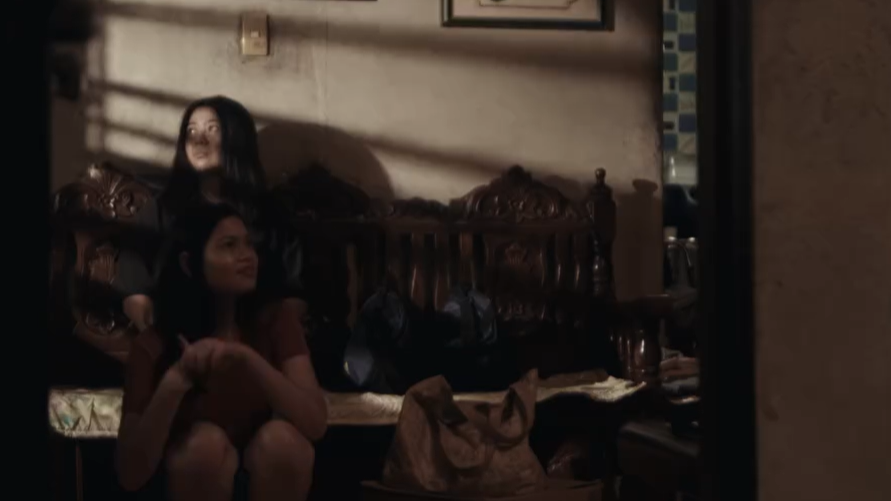
Still from Dalumdum | Still courtesy of Revo Studios
Dalumdum
Dir. Sophia Dimabuyu
Set during the eruption of Mount Pinatubo that devastated Pampanga and nearby provinces, Sophia Dimabuyu’s Dalumdum centers on Agnes, a single mother, and her daughter Paula as they endure the chaos of evacuation and the disappearance of the youngest child, Kang-Kang. The disaster is treated as a lived reality: ash-choked skies, overcrowded shelters, and the constant instability of relocation after relocation. In the midst of this upheaval, Agnes begins to unravel under the weight of grief, while Paula suppresses her own pain to steady what remains of her family. The film situates personal loss within a broader historical catastrophe, reminding viewers that calamities fracture not only landscapes but also the inner lives of those who survive.
What makes Dalumdum particularly affecting is its attention to how grief reshapes family roles. Paula, still a child herself, assumes the emotional labor of comforting her mother, attempting to lighten a burden that should never have been hers to carry. Agnes’s sorrow isn’t dramatized for effect; it is shown as disorienting, exhausting, and at times paralyzing. The film resists the temptation to frame their suffering as redemptive, instead acknowledging how prolonged displacement erodes patience, faith, and even hope. Families in evacuation centers are depicted not as symbols of resilience, but as people forced to adapt because there is no alternative. In doing so, the story honors the real struggles Kapampangans faced during that time — losing homes, livelihoods, and loved ones while trying to preserve some sense of dignity.
Yet Dalumdum doesn’t end in despair. The story tells us that continuing isn’t an act of denial but of remembrance, a way of carrying those who are gone into the choices we make each day. Agnes and Paula’s survival is fragile and imperfect, marked by setbacks and endurance rather than triumph. The film recognizes that grief never fully disappears; it settles into the spaces of daily life, reshaping how families speak, love, and endure. For communities uprooted by Mount Pinatubo, survival meant rebuilding not only houses but also trust in a future that once seemed impossible. In its unflinching honesty, Dalumdum affirms that while disaster can take almost everything, it can’t extinguish the stubborn human will to live for those we have lost.
Non-Competing Films
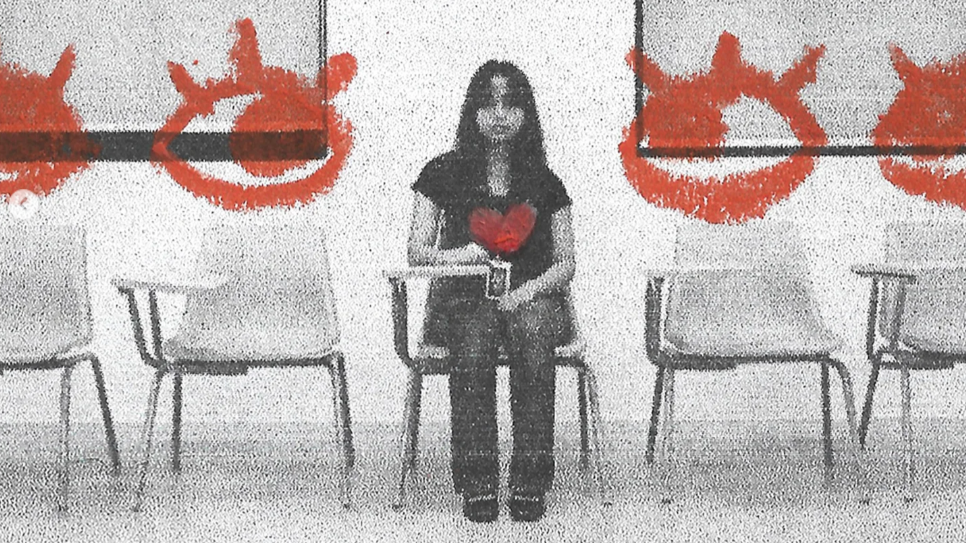
Still from Coffee Break | Still courtesy of Erin Dainiele Julao
Coffee Break
Dir. Erin Dainiele Julao
Some conversations only make sense once something has already ended, when you finally admit the gap between what you felt and what you were able to say at the time. Breakups don’t arrive as clean endings; they leave behind questions that circle back again and again, not because we want answers but because we want to understand how something real could still slip away. Coffee Break, directed by Erin Dainiele Julao, opens from this fragile emotional space, grounding its story in the ordinary yet deeply charged act of two friends talking through a breakup. One processes the end of a relationship while the other listens, questions, and gently challenges, creating a dynamic that feels grounded. Instead of presenting heartbreak as dramatic, it treats it as something lived through in fragments: half-finished thoughts, flashes of memories, and the slow effort to make sense of what remains.
The dialogue captures the hesitation, repetition, and contradictions that come with recounting a relationship that has just ended. Rather than forcing clarity, the film allows rawness to exist, showing how understanding rarely arrives all at once. The mixed media visuals add texture without distracting from the emotional core, echoing the fragmented way people revisit shared moments after separation. There is an honesty in how the film portrays love as both sustaining and exhausting, resisting the urge to cast anyone as purely right or wrong. Each scene carries the sense that healing is less about fixing something broken and more about learning how to sit with unfinished thoughts.
Coffee Break suggests that heartbreak isn’t simply about losing someone else but confronting the versions of ourselves that existed within that relationship and deciding which parts remain. The film accepts that missing someone doesn’t mean you made the wrong choice or that healing has failed to begin. Sometimes sadness isn’t something to escape but something to carry for a while because it proves that what existed mattered. The film also understands that endings rarely provide clear answers; instead, it leaves us sitting with versions of ourselves we’re still learning to recognize. Love doesn’t lose its value simply because it ends, and letting go isn’t a single decision but a series of small acceptances. In the end, Julao’s Coffee Break reminds us that moving forward can include remembering, missing, and allowing the feeling to exist without trying to erase it.
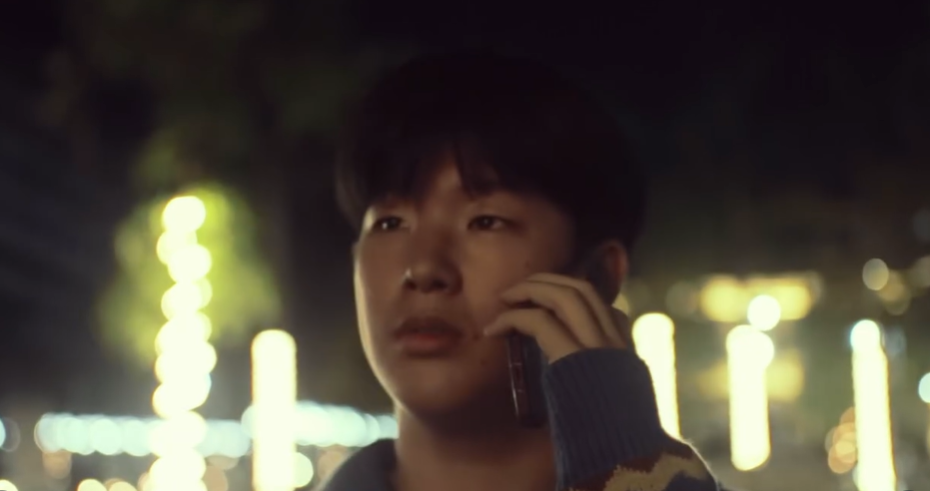
Still from Dear Brother | Still courtesy of Casa Productions
Dear Brother
Dir. Cole Tidula
Sometimes the absence of a person feels heavier than their presence ever did. Holidays, family gatherings, even familiar spaces can remind you of what isn’t there, and the weight of that absence becomes tangible in the smallest details.
In Dear Brother, directed by Cole Tidula, the story follows Minho as he receives a letter from Qian, his older brother, who is no longer physically present in his life. The film refuses to clarify what exactly happened, and that restraint feels honest; grief rarely comes with clear explanations. What matters is that Minho has been left behind, holding the weight of a family that no longer stands as it once did. During the holidays, that absence sharpens, and celebrations become reminders of who is missing from the table. The letter doesn’t solve anything, but it insists that love once existed in real, deliberate ways.
What moved me most is how the film understands the particular heartbreak of being the one who stays. Minho’s heartbreak isn’t only about losing his brother, but about feeling abandoned by a family structure that once felt secure. Yet the letters and carefully prepared gift suggest that Qian never intended to disappear completely. Love, here, exists alongside frustration and hurt, and the film allows those feelings to coexist without forcing reconciliation. Dear Brother suggests that grief isn’t just sorrow for the lost person, but sorrow for the version of yourself that existed when they were still there. The performances are restrained but piercing, allowing us to see how Minho carries both resentment and love at once. It’s a portrait of how love can continue even when it feels unfinished.
The visuals ground this emotional uncertainty in something tangible: objects carefully kept and spaces that feel slightly too large for one person. There is no dramatic breakdown, no forced reconciliation, just the stubborn fact of living on. The holidays continue, whether you’re ready for them or not. And in that continuation lies the film’s truth: even if someone leaves, they don’t disappear from the architecture of your life. They remain in habits, in memory, in the ways you brace yourself against the world.
Santungan
Dir. Chrisitiana Meg Ramos
Christiana Meg Ramos’s Santungan tells the story of a mother separated from her son during the eruption of Mount Pinatubo, and the decades she spends carrying that separation. The disaster is treated as a single violent moment that reorganizes an entire lifetime. What follows isn’t a conventional search for reunion, but a careful mapping of endurance, memory, and the persistence of attachment. She hasn’t abandoned hope, yet it isn’t the kind of hope that bursts or declares itself to the world; it lives in the attentions of her daily life, in the way she tends to her work, attends mass, and allows small rituals to anchor her. This hope is fragile and deliberate, tended almost privately, as though acknowledging it too openly might risk losing it entirely.
Her confessions to the parish priest become a space where grief can exist without expectation or judgment, where it can be named again and again without demand for resolution. There is something profoundly human in the repetition of loss, the way one recounts the same story of absence over decades, searching for a shape in language that might somehow make it bearable. The film recognizes that unresolved grief does not disappear; it becomes structural, threading itself through daily routines, gestures, and moments of thought. She works, she prays, she continues, but every action bends slightly toward the son who isn’t there. And yet she chooses to keep going.
What struck me most was how the film portrays faith not as certainty. She doesn’t know if she will ever see her child again, yet she refuses to close that possibility. The passage of time is both cruel and merciful; it softens nothing, but it teaches her how to carry it. The eruption took her son, but it didn’t take her capacity to love him. In that refusal to surrender hope entirely, the film finds its strength.
Kulkul
Dir. Ghiewel Gomez
Sometimes the places we come from are the only maps that can guide us forward, even when we think we’ve left them behind. There is a tension in realizing that the foundations of who we are, our culture, our family, the land that shaped us, can’t simply be traded for ambition or convenience.
Ghiewel Gomez’s Kulkul follows a rising chef from Manila who returns to his family farm in Pampanga under the pretense of visiting, but with the intention of convincing his father to sell it. What unfolds is a confrontation with a life he once thought he had outgrown. Through preparing Arobung Camaru and other local dishes, the film shows how Kapampangan culture is inseparable from daily life, the careful techniques, the communal meals, and the pride in ingredients speak louder than exposition. Dialogues in the Kapampangan language, small gestures of respect, and even the rhythms of farm work reveal a culture that is lived, not just remembered. Shots of the countryside, fields, houses, and the streets of the town, situate the story in a place that shapes identity as much as family or tradition.
The film illustrates that embracing where you come from doesn’t mean abandoning ambition. Success is informed by roots: the discipline of farm life, the lessons in flavor, the conversations with old friends, and the laughter shared over a shared meal all become part of who the chef is. The dilemma is subtle but profound: move forward or honor your past, ambition, or legacy. By grounding the story in Kapampangan culture, the film transforms food, language, and landscape into more than a backdrop; it becomes characters, teachers, and mirrors of identity. In the end, Kulkul shows that progress does not require leaving behind what shaped you, but recognizing it as part of the life you carry forward.
The 3rd PeliCuliat Film Festival was held on February 7, 2026, at the Angeles City Information Center Library Theater.