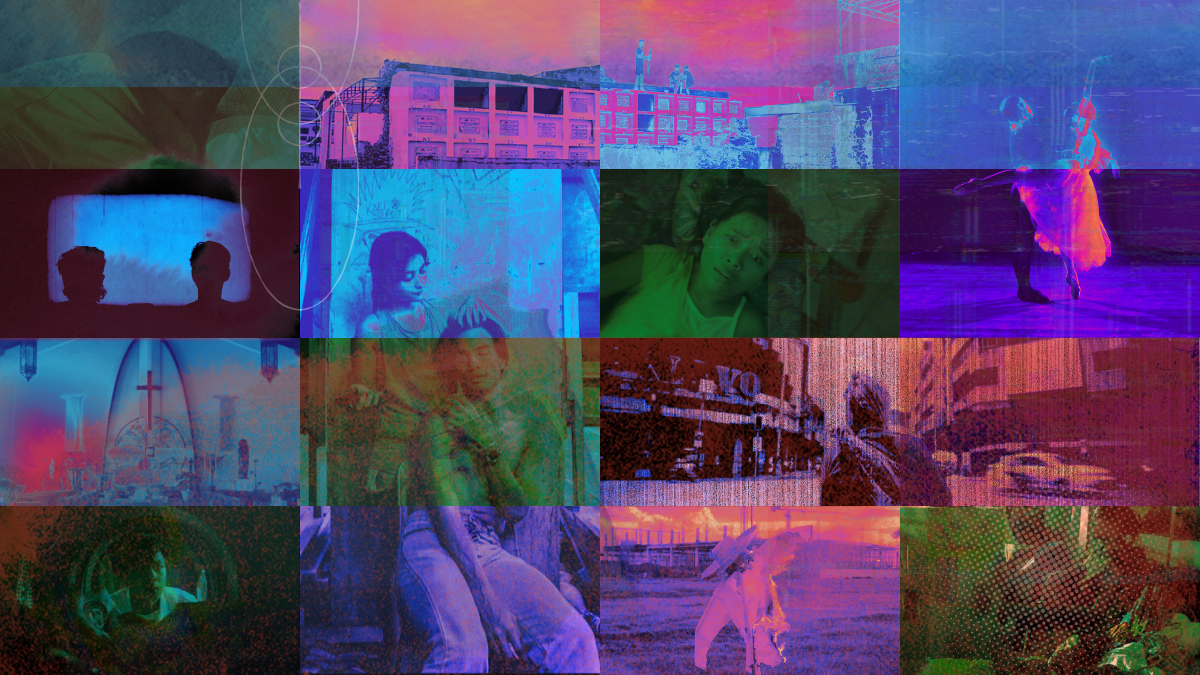

SINEGANG.ph’s Best International Films of 2025
SINEGANG.ph’s Best International Films of 2025

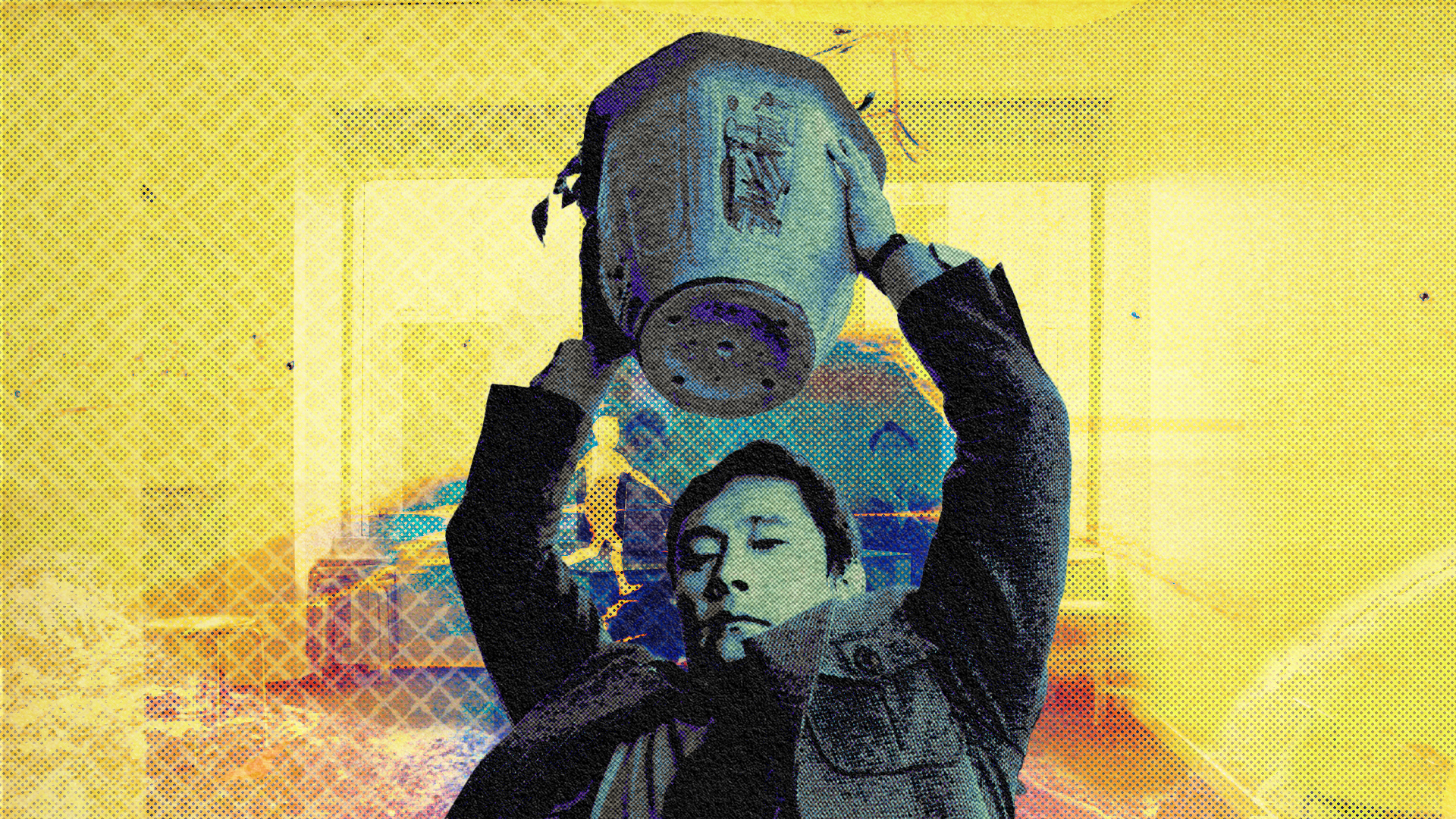
Feature art by Abigail Manaluz
There’s something here for everyone: the blockbuster, the franchise revival, the arthouse flick, and Weapons. It speaks to how diverse of a year of cinema we’ve had and what made a lasting impact in our cinematic experience. Looking at this more closely, these are also the kinds of narratives that resonated with us emotionally, socially, and politically, whether it’s in a family affair, in the midst of a modern revolution, or in corporate hell.
As with last year, we only included films that had an official release—theatrical, festival, and/or streaming/VOD—in the Philippines in 2025. So if you don’t see a certain title here, trust me, we would’ve wanted to put it in here. Such is the game of distribution.
But without further ado, here are the best international films of 2025. Listed alphabetically.
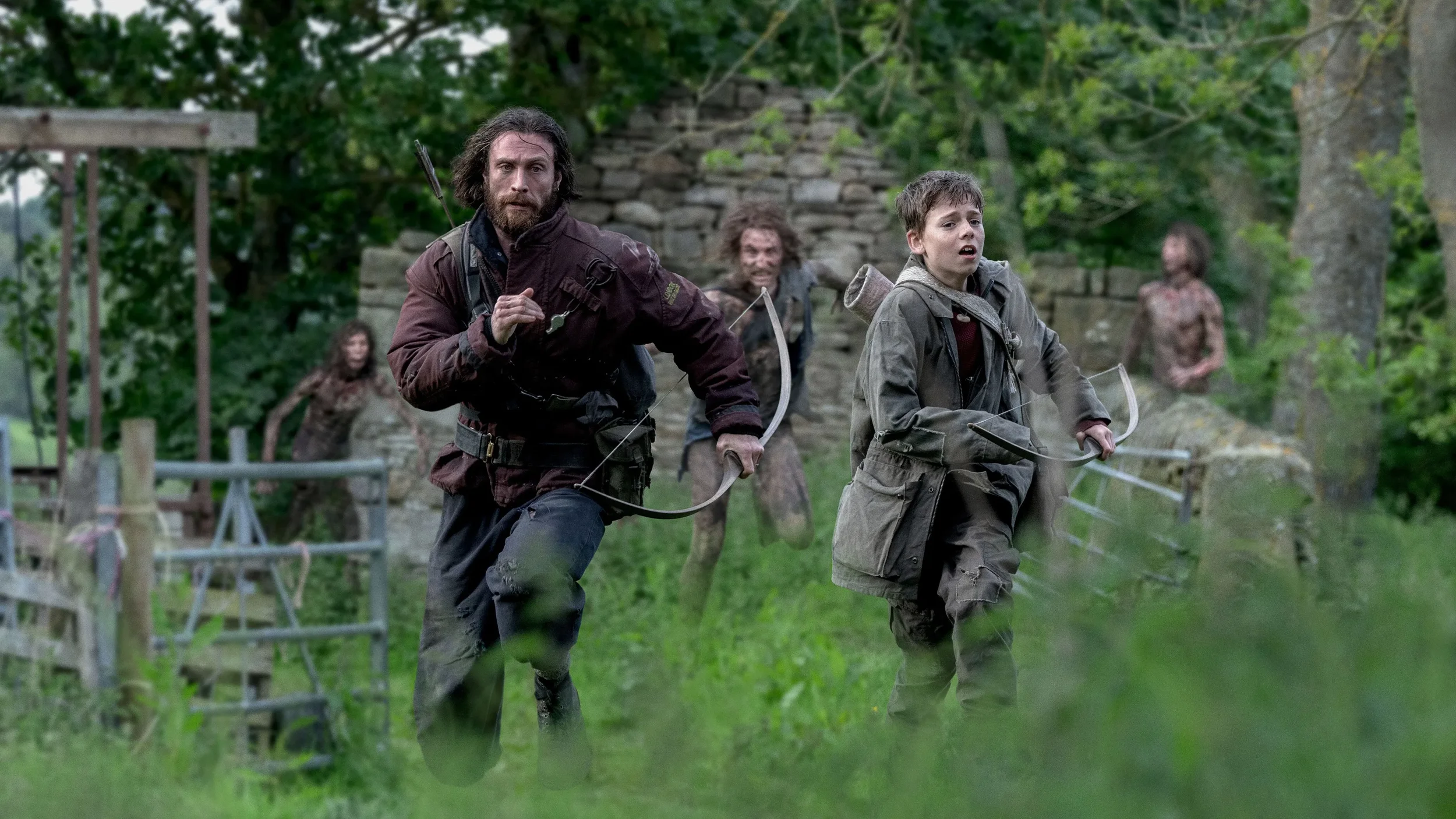
Still from ‘28 Years Later’
28 Years Later
Dir. Danny Boyle

Franchise follow-ups after a long wait could often yield to volatile expectations. So for 28 Years Later to further embody that volatileness by having itself be a vehicle for an expansion of Boyle’s formal experimentation with digital years ago with his first entry, alongside a much ruminative tonal subtext is not only an admirable move in of itself, but at its core, sincerely emblematic and befitting of the times right now. Alex Garland’s script is able to capture a large amount of intelligent, affecting threads while still not skimping on the visceral thrills and tension that have comprised the best of the zombie sub-genre of horror, and imbuing it with a sense of humanity, heart and even some playfulness here and there. I will wholly admit to crying to the climax of that beautifully understated third act, as I took in what the film purveys befitting of what I was going through then: memento amoris. Remember that we must love. And I will forever stand on the feeling that I love this scrappy film and its 180-degree killcams. — Martin Yenko
Read our full review: ‘28 Years Later’ REVIEW: Not the sequel we wanted, but the one we needed
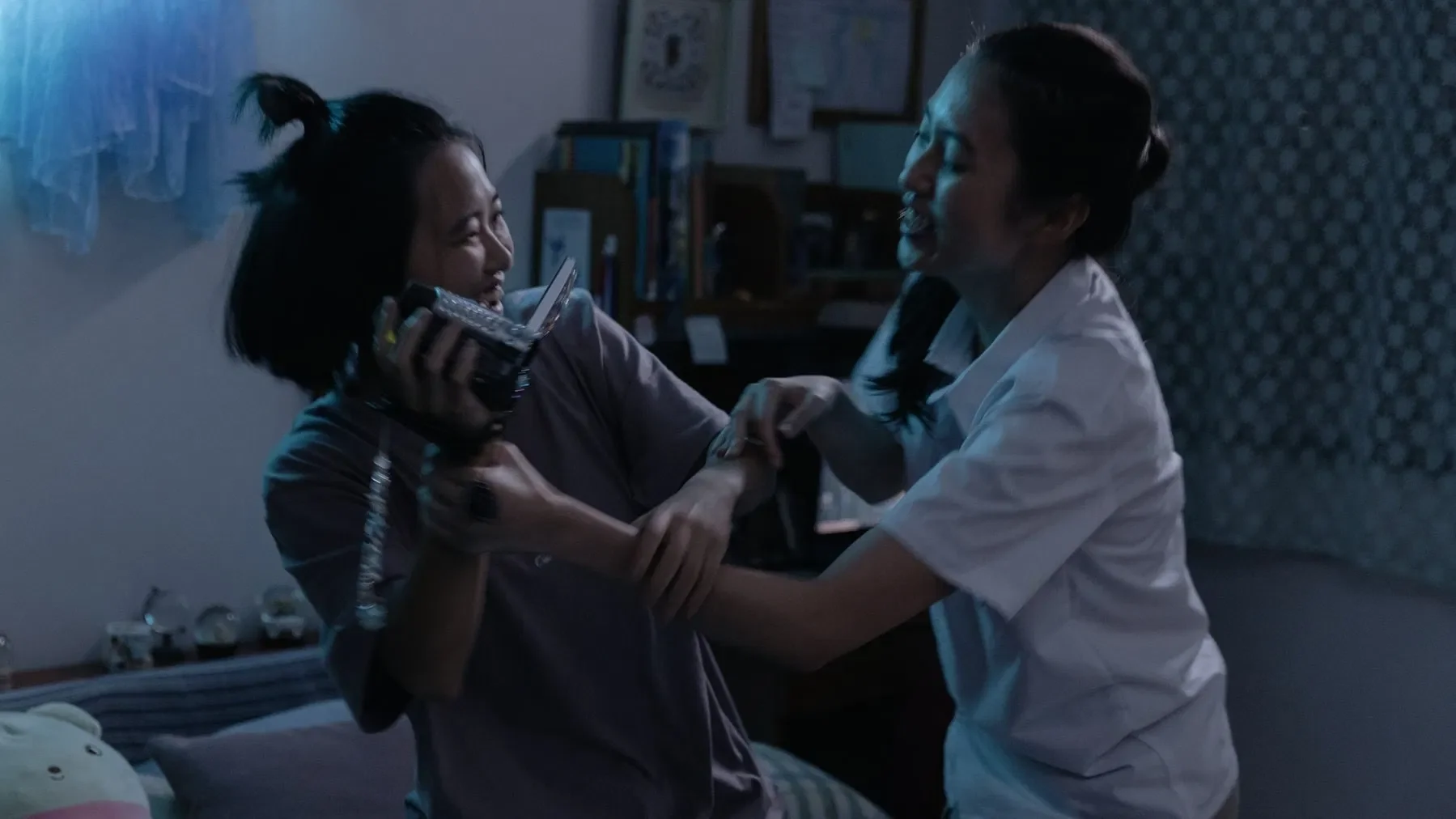
Still from ‘Amoeba’
Amoeba
Dir. Siyou Tan
Siyou Tan's Amoeba is a masterful coming-of-age tale that explores the delicate, shifting process of self-discovery within the context of a young nation still negotiating its own identity. Set in Singapore, the film follows four misfit teenagers as they reclaim girlhood through small acts of rebellion (such as forming a gang) while navigating the restrictive microcosm of an all-girls school. Visually and emotionally arresting, perhaps the title itself lends an interpretation to identity being fluid as a single-celled organism, constantly changing shape in response to its environment. — Arri Salvador
Read our full review: 'Amoeba’ REVIEW: What’s the DNA of a Nation?
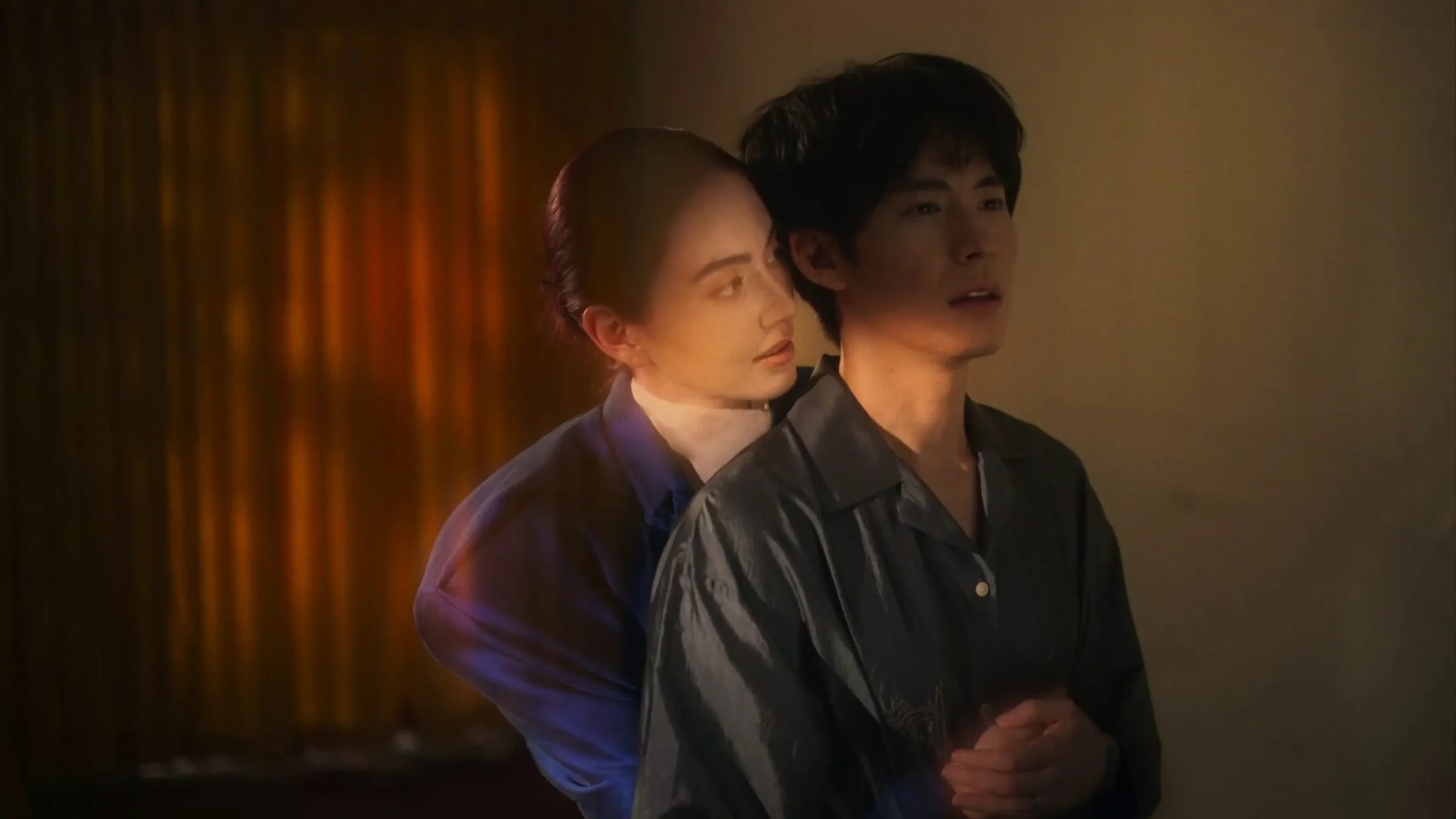
Still from ‘A Useful Ghost’
A Useful Ghost
Dir. Ratchapoom Boonbunchachoke
A spirit possessing a vacuum cleaner to stay in touch with her grieving husband in the physical world is one hell of a premise for a fantastical rom-com, but Ratchapoom Boonbunchachoke’s Cannes-winning picture goes far beyond its absurdist setup. One moment, you’re laughing at a scene of a mother catching her son in a crudely intimate act with a vacuum cleaner sucking his nipples; the next, that laughter is tinged with anger and discomfort as the film uses its fantastical conceit to mount a socio-political critique of Thailand’s ruling class—one that refuses accountability, erases atrocities, and exploits the lower class under capitalism. As a Filipino watching this, its themes hit far too close to home, paralleling the millions of deaths in our country caused by systemic abuse and leaving us to wonder whether the victims are still among us, waiting for justice, but what is justice when you’re living in a shithole country? In his directorial debut, Boonbunchachoke’s deft direction ensures that all of its themes land with catharsis, without ever losing touch with its humor. — Linus Masandag
Read our full review: ‘A Useful Ghost’ REVIEW: The Dead Will Never Be Forgotten
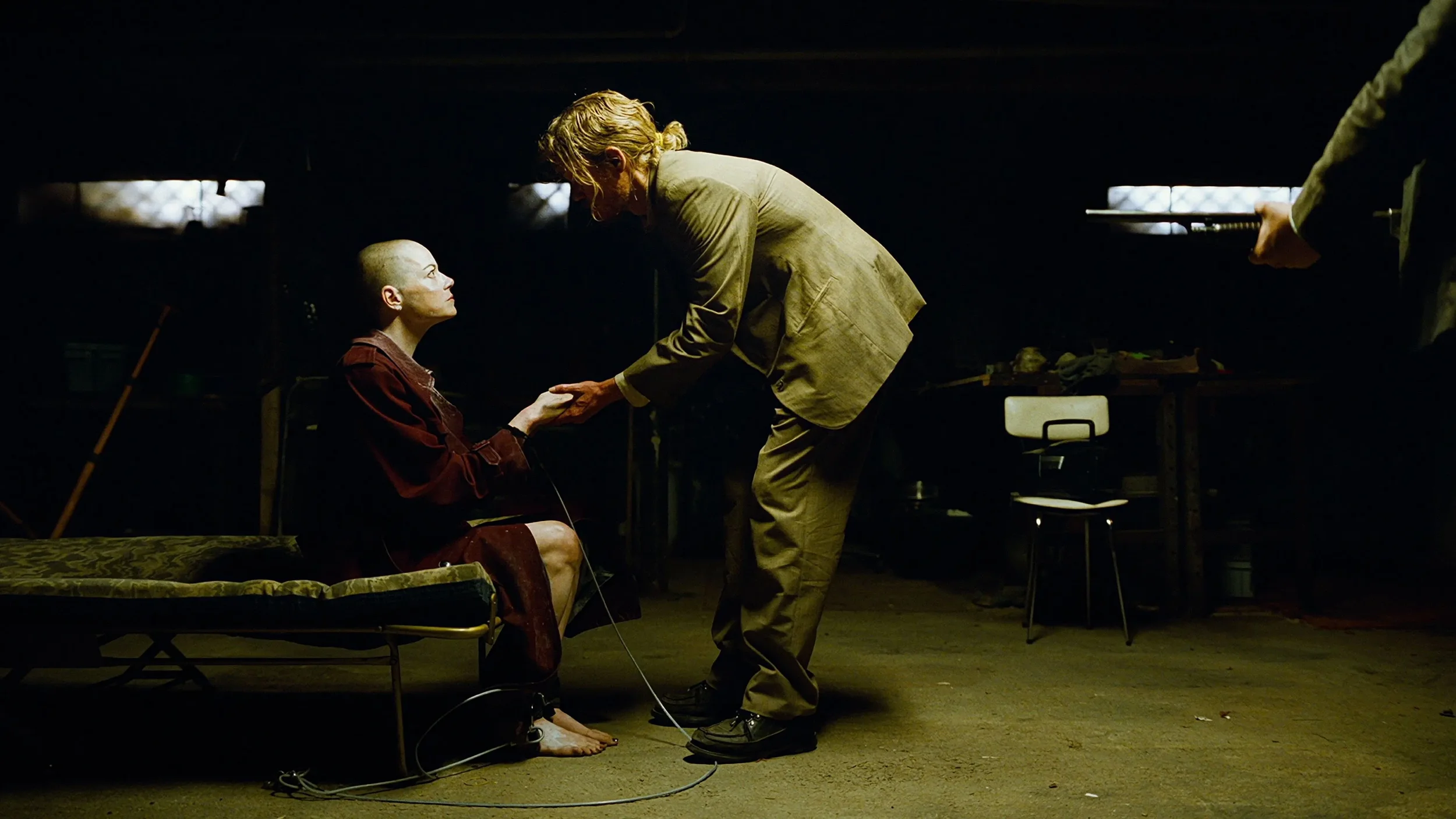
Still from ‘Bugonia’
Bugonia
Dir. Yorgos Lanthimos
I hadn’t thought much about Bugonia since I first watched it two months ago, but that all changed when a tense moment with my boss left me crying at my desk for the whole office to see. Despite the embarrassment, I pushed through and managed to face everyone as my tear-stained cheeks and bloodshot eyes betrayed my facade of professionalism. Over a year of hard work and a respectable reputation was snuffed out in an instant, and in that moment, I felt hurt, hopeless, and closer to Teddy more than I had ever anticipated. Most of us have had to contend with the harsh reality that we are simply pawns in the grand corporate ecosystem, which is why the main characters of this film present such a cathartic release for those who’ve yet to rise under the thumb of their very own workplace overlord. [SPOILER] And while their efforts were ultimately unsuccessful, they’ll always be larger than life to me than confirmed extraterrestrial Michelle and her league of Andromedans feigning compassion through mass extinction of the human race. — Andrea Cello
Read our full review: ‘Bugonia’ REVIEW: I Think We’re (Not) Alone Now
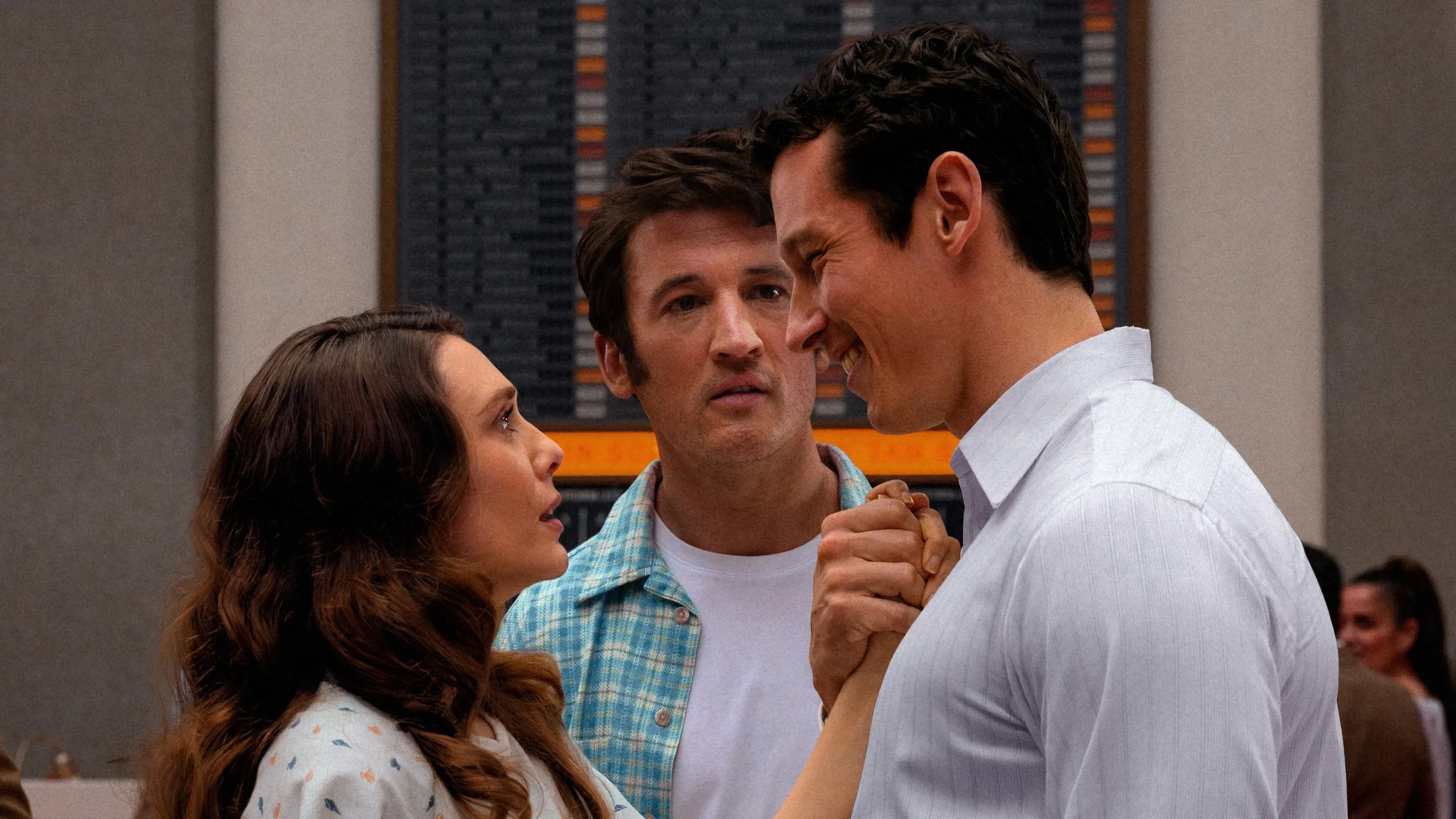
Still from ‘Eternity’
Eternity
Dir. David Freyne
I am probably exaggerating by calling this the romcom of the year, but it really is. The idea of the so-called after life differs from person to person and in the case of Eternity, people can choose what type of after life they can spend for the rest of eternity. For Joan, choosing between her two husbands is a daunting task especially when one (Calum Turner) never had the chance to spend more time with you and the other (Miles Teller) has memories with you until they took their last breath. Eternity has all the ingredients for the perfect romcom: the love triangle, scene-stealing side characters, and an interesting premise. Combined with a hilarious yet thought-provoking script, David Freyne created a meaningful and entertaining film that is one to watch. Love is really more than a feeling. It is not merely defined by the grand displays of affection. It can be found during breakfast together, arguments in the car, fixing each other’s hair before entering a party, and staying at each other’s side even when things get rough. — Abigail Manaluz
Still from ‘Final Destination: Bloodlines’
Final Destination: Bloodlines
Dir. Zach Lipovsky, Adam Stein
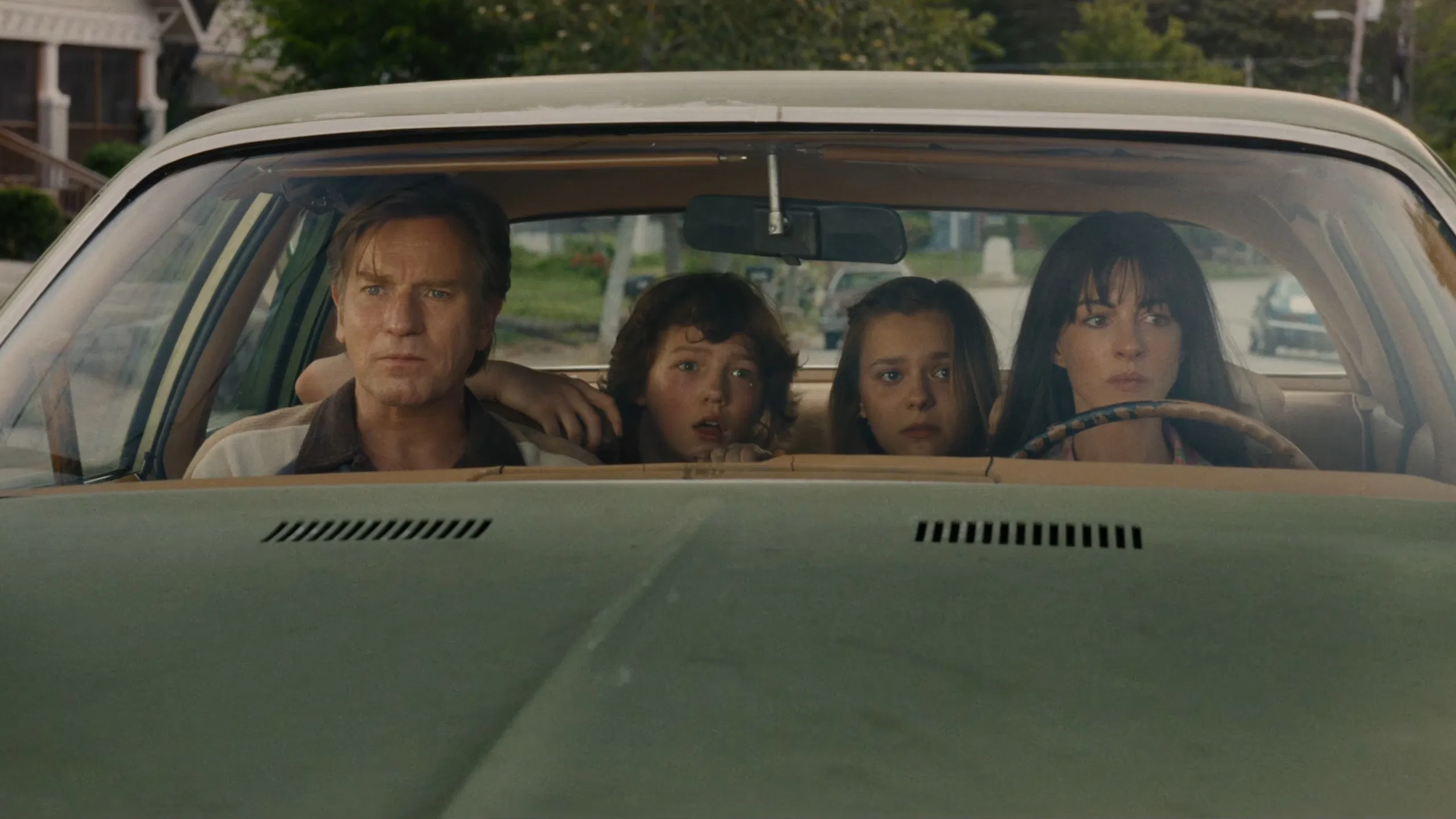
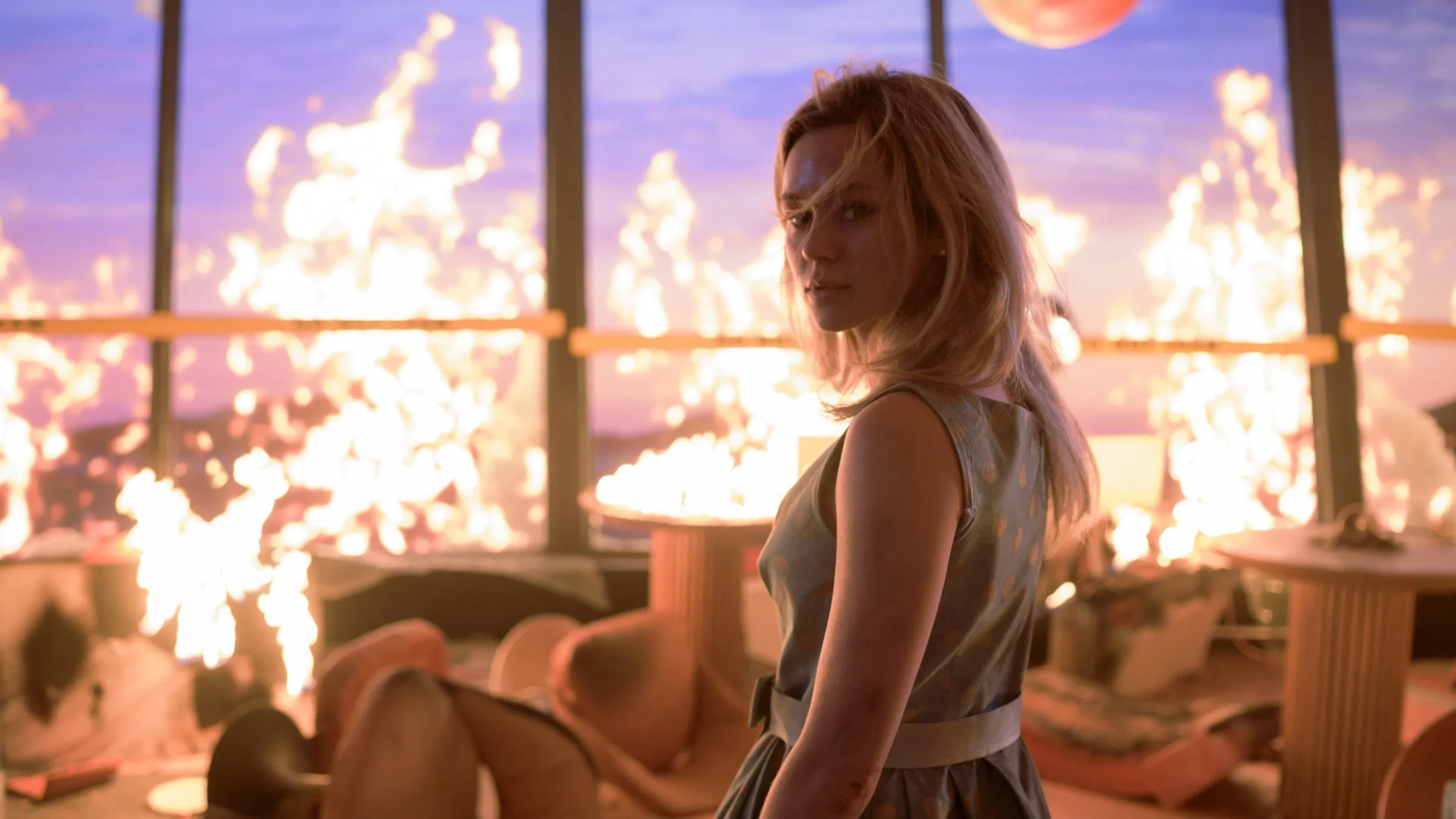
Final Destination: Bloodlines is iconic for two reasons: it centers on a Filipino-American family, and it actually makes us care about its characters. Where earlier previous Final Destination films treated people as disposable meat for cartoonish deaths, this one puts real effort into the relationships and interactions between its characters. Suddenly, you don’t want this small slice of the diaspora anywhere near Death. The kills may be tamer compared to previous entries, but the cruelty hits harder. It’s the perfect family-day movie, unironically. — Joe Balinbin
Read our full review: ‘Final Destination: Bloodlines’ REVIEW: Towering Rebirth
Still from ‘Hamnet’
Hamnet
Dir. Chloé Zhao
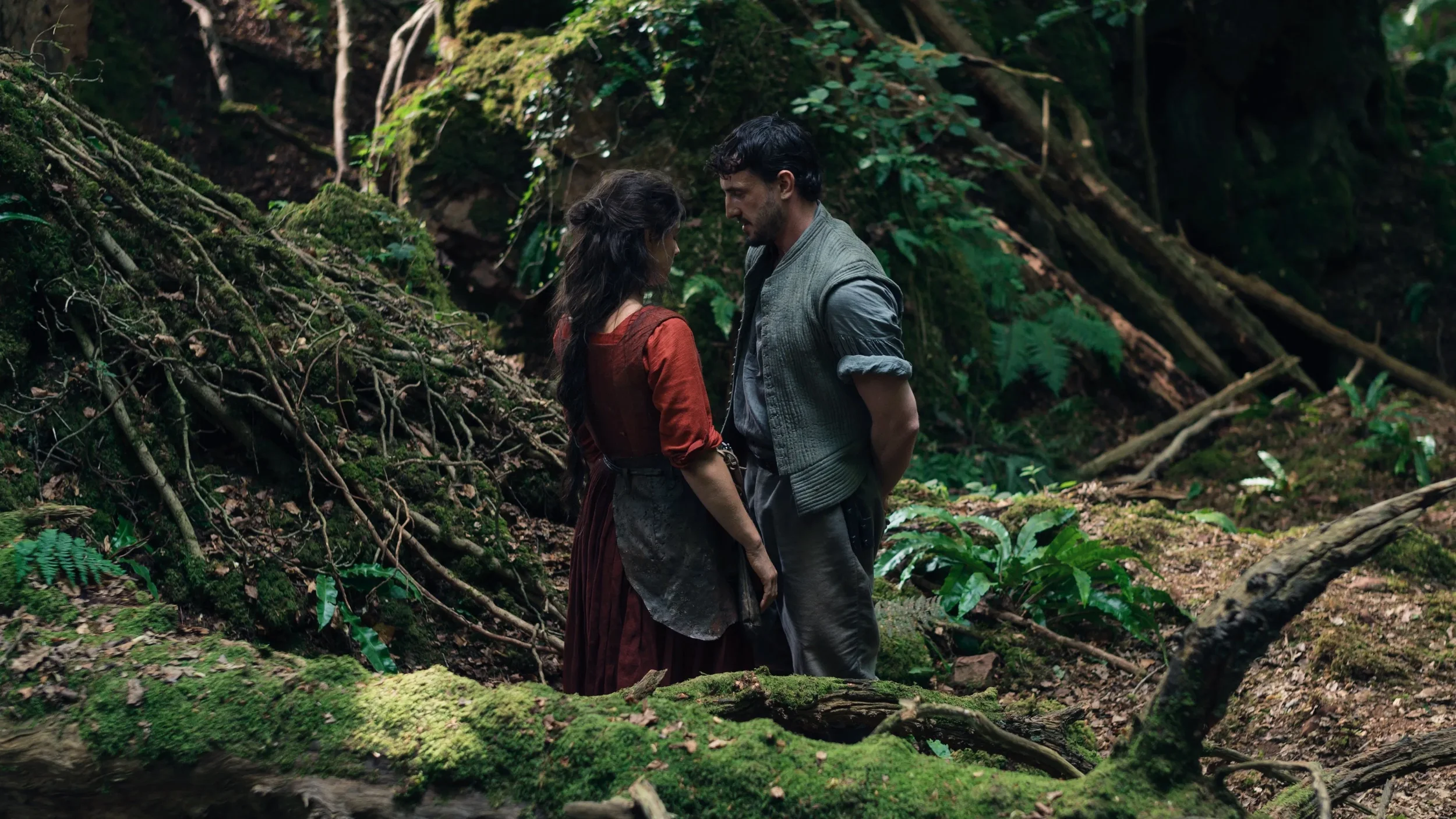
Hamnet, directed by Chloé Zhao, reimagines the loss of William Shakespeare and Agnes Hathaway’s son as the origin of a tragedy that would outlive its maker, turning private devastation into art. The film can feel heavy in its tenderness, lingering not only on loss but on the vulnerability of loving a child at all, where fear and devotion are inseparable. Its writing is restrained and exact, trusting silence and simplicity to carry emotional weight. Rather than treating grief as something to overcome, the film presents it as a force that alters how the living move, remember, and create. Jessie Buckley and Paul Mescal deliver performances defined by stillness and control, conveying sorrow that resists articulation. What makes Hamnet one of the most emotionally honest films of this year is that it ends with the understanding that art is not born from healing, but from the decision to let the pain endure in another form. — Jessica Maureen Gaurano
Still from ‘Human Resource’
Human Resource
Dir. Nawapol Thamrongrattnaritt
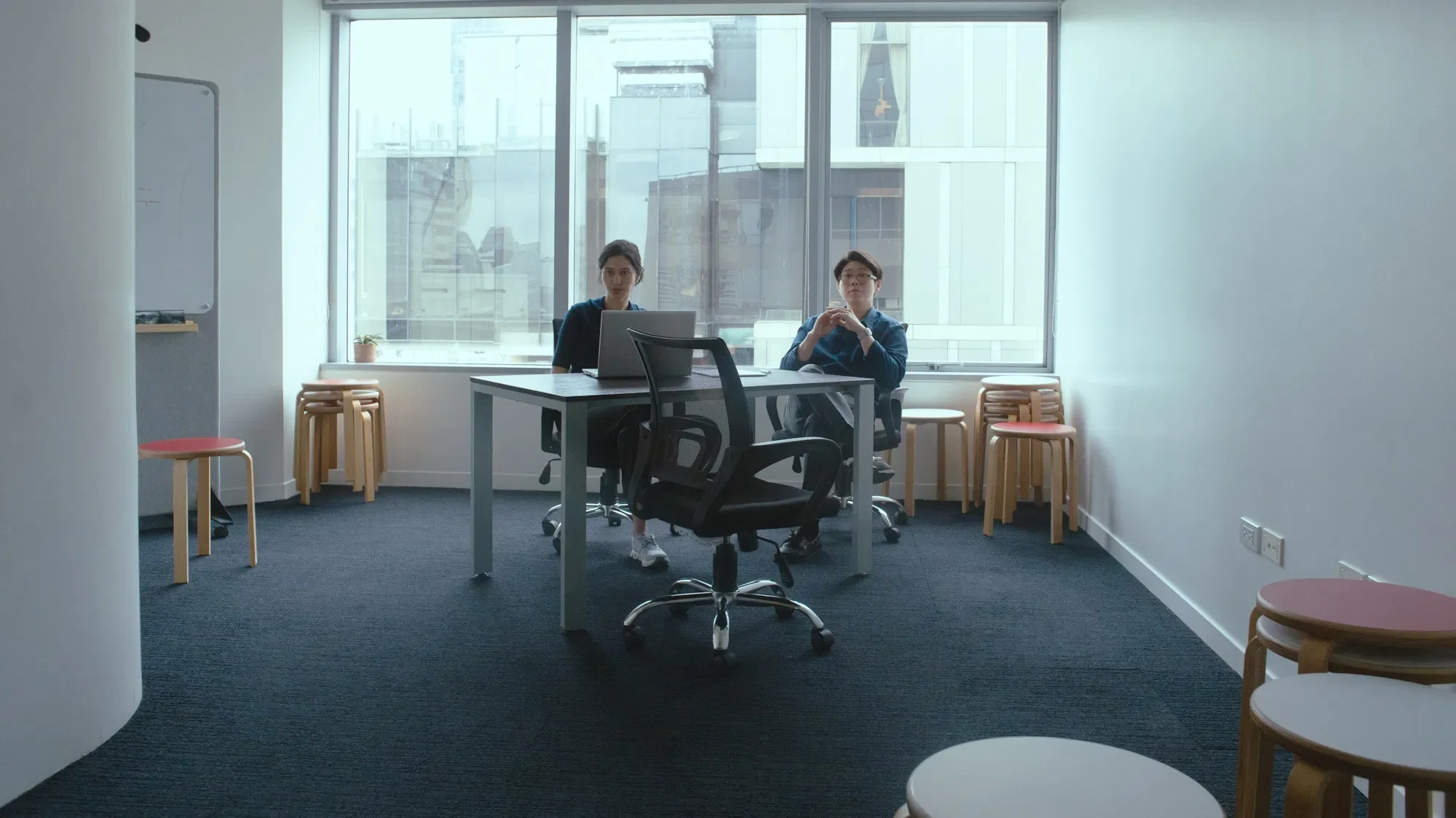
When you think of late-stage capitalism in film, it’s easy to think of films with frantic tension between the haves and have-nots. Nawapol Thamrongrattnaritt’s Human Resource slows things down, focusing on the gradual pressure around human resource employee Fren. As she fields interviews for a vacant position and prepares for parenthood, sources of anxiety well up around her—from a boss with an attitude to a partner whose ego matters more than their peace. It’s a disquieting portrait of a woman feeling like a slowly boiling frog as these fears creep closer, but never quite harm her material reality. This may be the case for many middle class workers, with or without kids, and Nawapol captures modern capitalism’s persistent forward march so clearly—evident late in the film where a shot of cremated ashes is pre-lapped with voiceover of a presenter at Fren’s job harping on the benefits of A.I. — Philéo Victor Ko
Read our full review: 'Human Resource’ REVIEW: Damage Control for Capitalism
Still from ‘Ky Nam Inn’
Ky Nam Inn
Dir. Leon Le
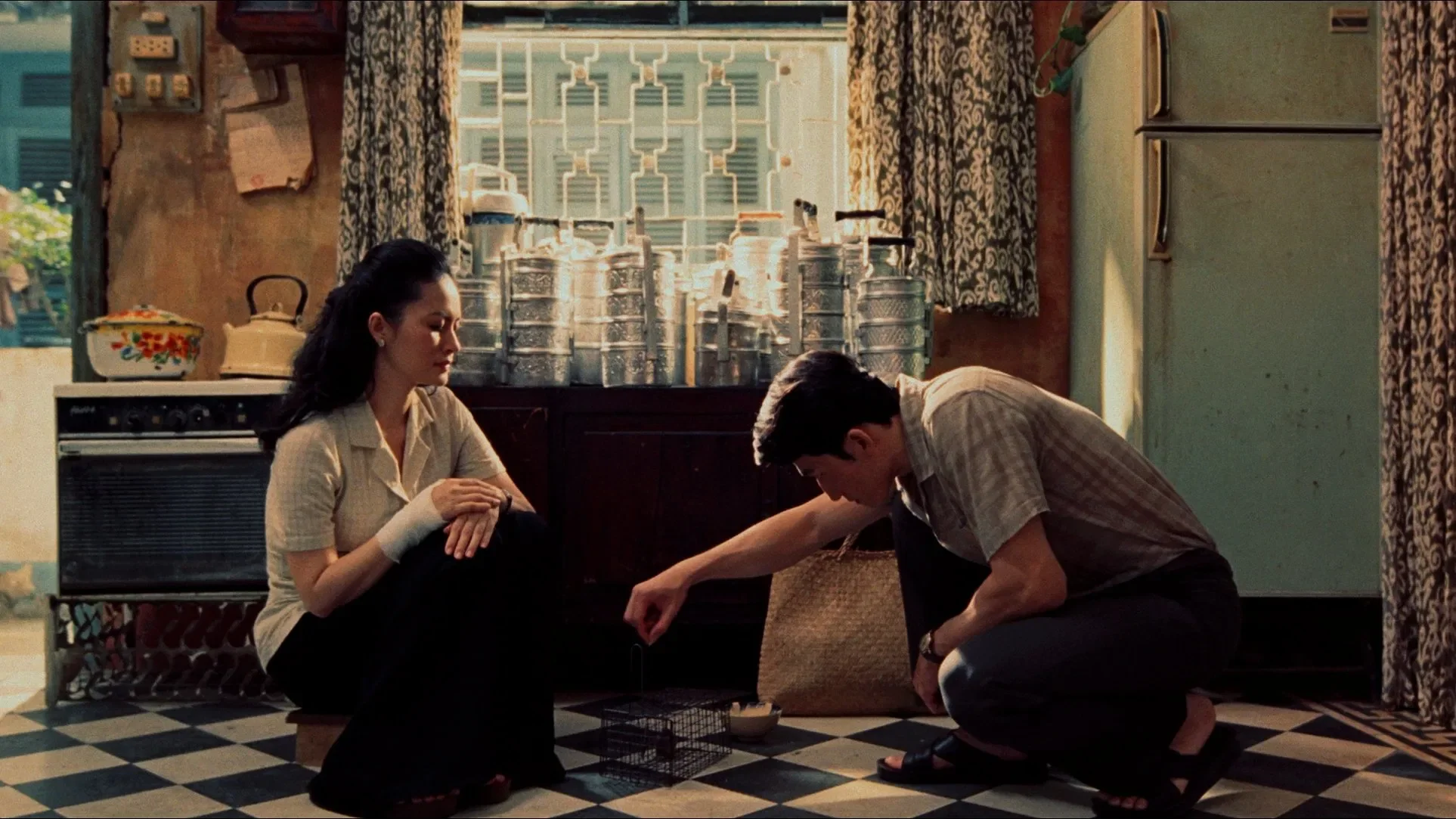
It would be a great disservice to the film if I just compare this to In The Mood For Love for it is more than what the film has to offer. While homages are made in this film, Ky Nam Inn managed to have its own identity with its framing of 1980s Vietnam. The film follows Khang, a translator whose familial connections secured him protection from the government and a job to translate the famous French novella Le Petit Prince, and his involvement with his neighbor, Ky Nam, a middle-aged, widowed cook. Leon Le’s film is crafted with such care for the country’s history and understanding of how their dynamic would actually work under the conditions of the time. The impressive world building, as well as shooting the film in 35mm film immerses you and makes you feel you are part of that community. Without spoiling anything: the ending may be bittersweet, but it is a relationship you know they would both treasure forever. — AM
Read our full review: ‘Ky Nam Inn’ REVIEW: A love story with nuances loaded with history
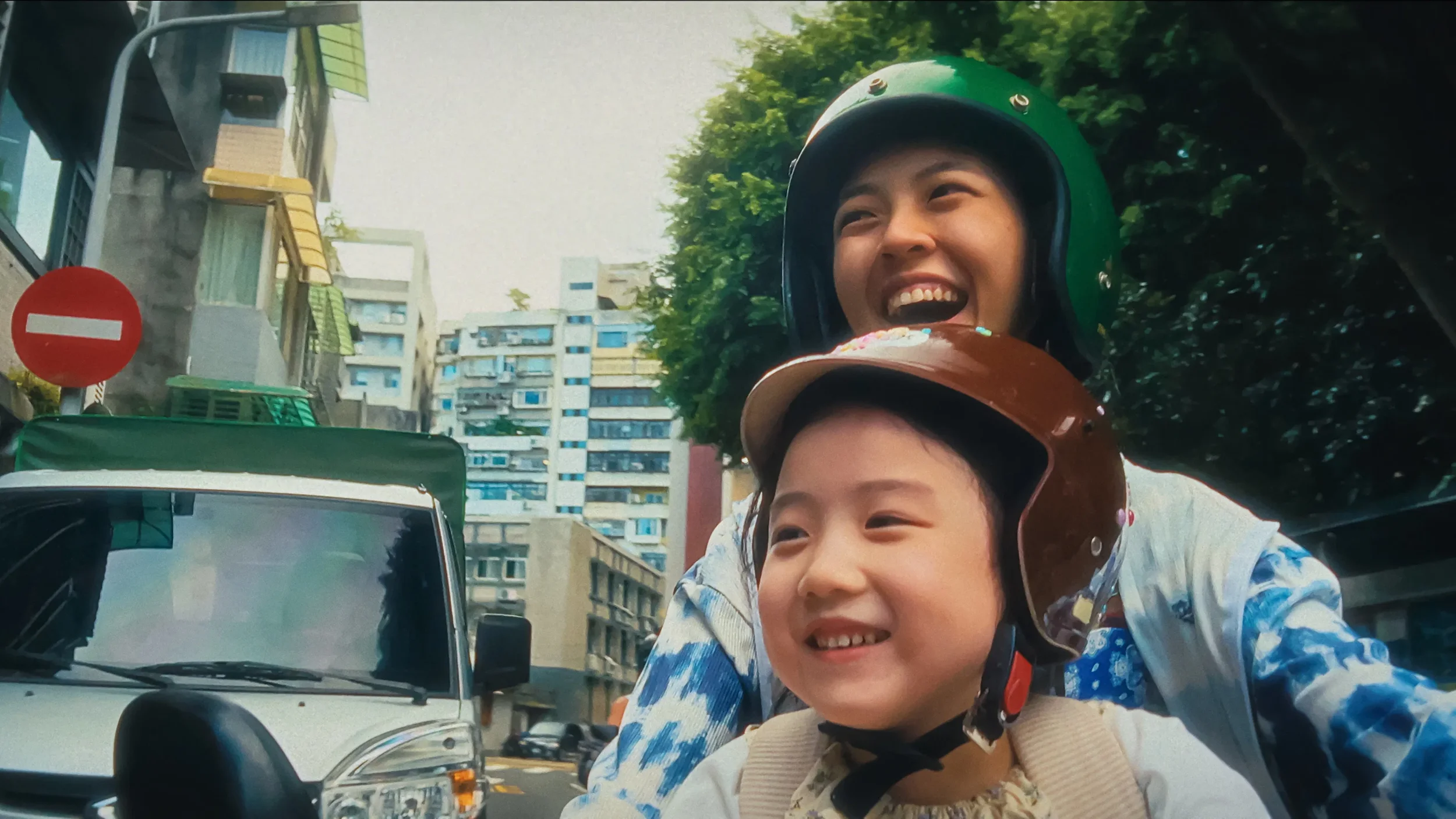
Still from ‘Left-Handed Girl’
Left-Handed Girl
Dir. Shih Ching-Tsou
Taipei. A city where everyone’s on the move. Despite the everyday hustle, local traditions continue, usually peculiar and this is where the Left-Handed Girl comes into the picture. A struggle between the fast-paced reality of life and adherence to superstition at the lens of an innocent girl growing up. Directed by Sean Baker’s colleague Shih Ching-Tsou with, of course, a producing hand by Baker himself. Introspectively real and at the same time, it feels right at home, just like a bowl of piping hot noodles—it’s a bummer though that it didn’t reach theaters here. Still, Left-Handed Girl is a kaleidoscopic exploration of Taipei’s continuing rift between hustle culture and tradition. — Kyle Livelo
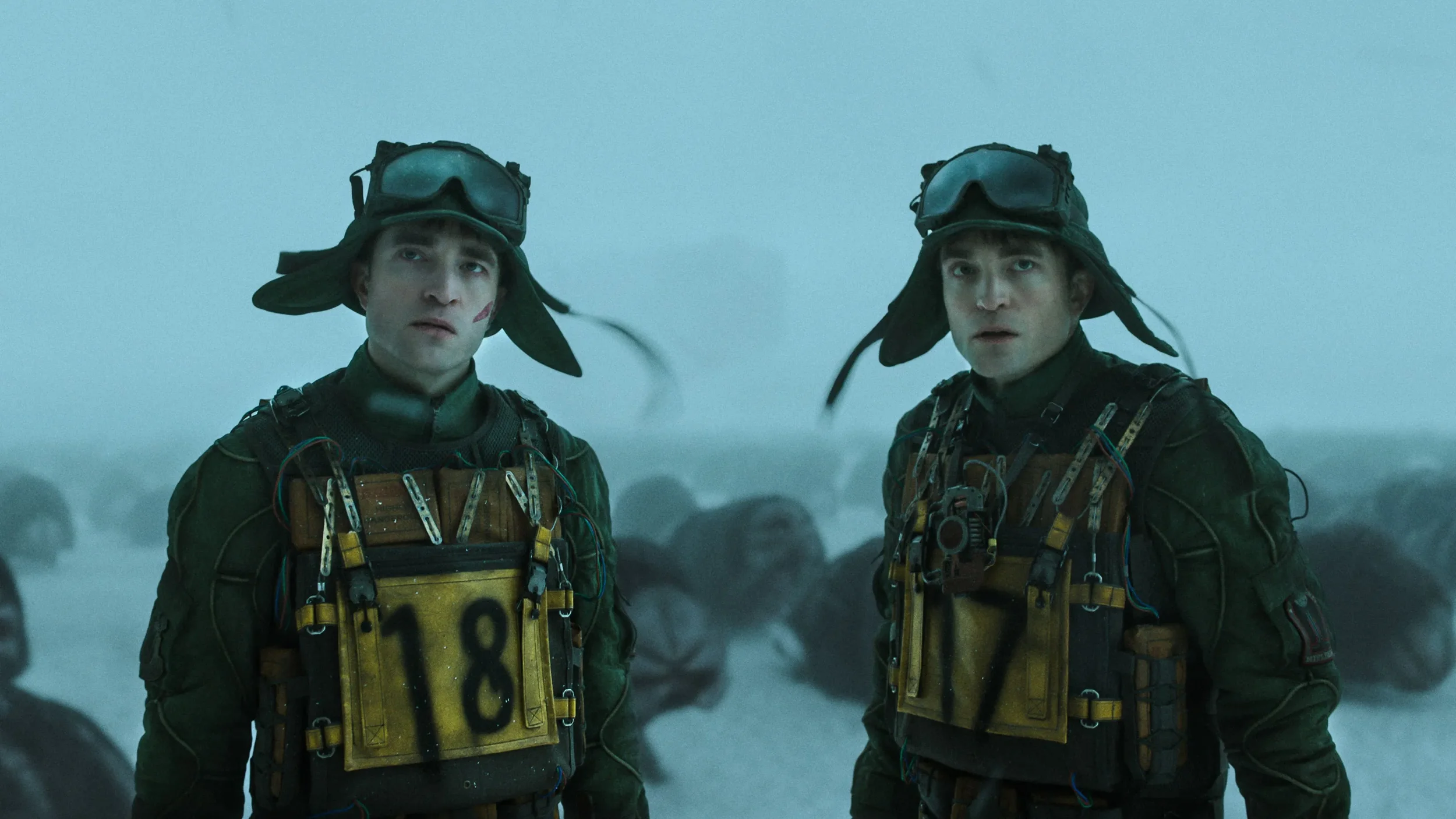
Still from ‘Mickey 17’
Mickey 17
Dir. Bong Joon Ho
Bong Joon Ho’s Mickey 17 commentary on labor rights works well in this satire of how cloning only serves capitalistic purposes, depriving humanity and joy of labor, or even accepting the most desperate jobs is a neoliberal crisis altogether. Exploitation of labor set in a sci-fi world is satire at its finest, predicting the future of what is to come of society if capitalism continues in its current machineries. The idea of cloning is idealistic in solving economic problems or even just personal greed, but it still leaves existential questions of how life can be so disposable in the eyes of capitalism. — Christ Dustly Go Tan

Still from ‘Ne Zha 2’
Ne Zha 2
Dir. Yu Yang
I have a soft spot for anything that resembles shōnen and Ne Zha 2 scratches that itch for me. I went in without watching the first one and knowing what it’s about, and I remember being so blown away by it. There is a juvenile nature to the humor with how it relies on gross-out and slapstick, but I find a certain charm to it. But what really makes the movie stand out are the fights—always kinetic and bombastic. Not since Across the Spider-Verse and Miyazaki's How Do You Live? have I seen such breathtaking animation where the details in the frame look hyperrealistic and maximalist that it honestly blows my mind. And you know, sometimes, cinema is just seeing shit being cool and heroes defying fate itself. — Justin Caunan
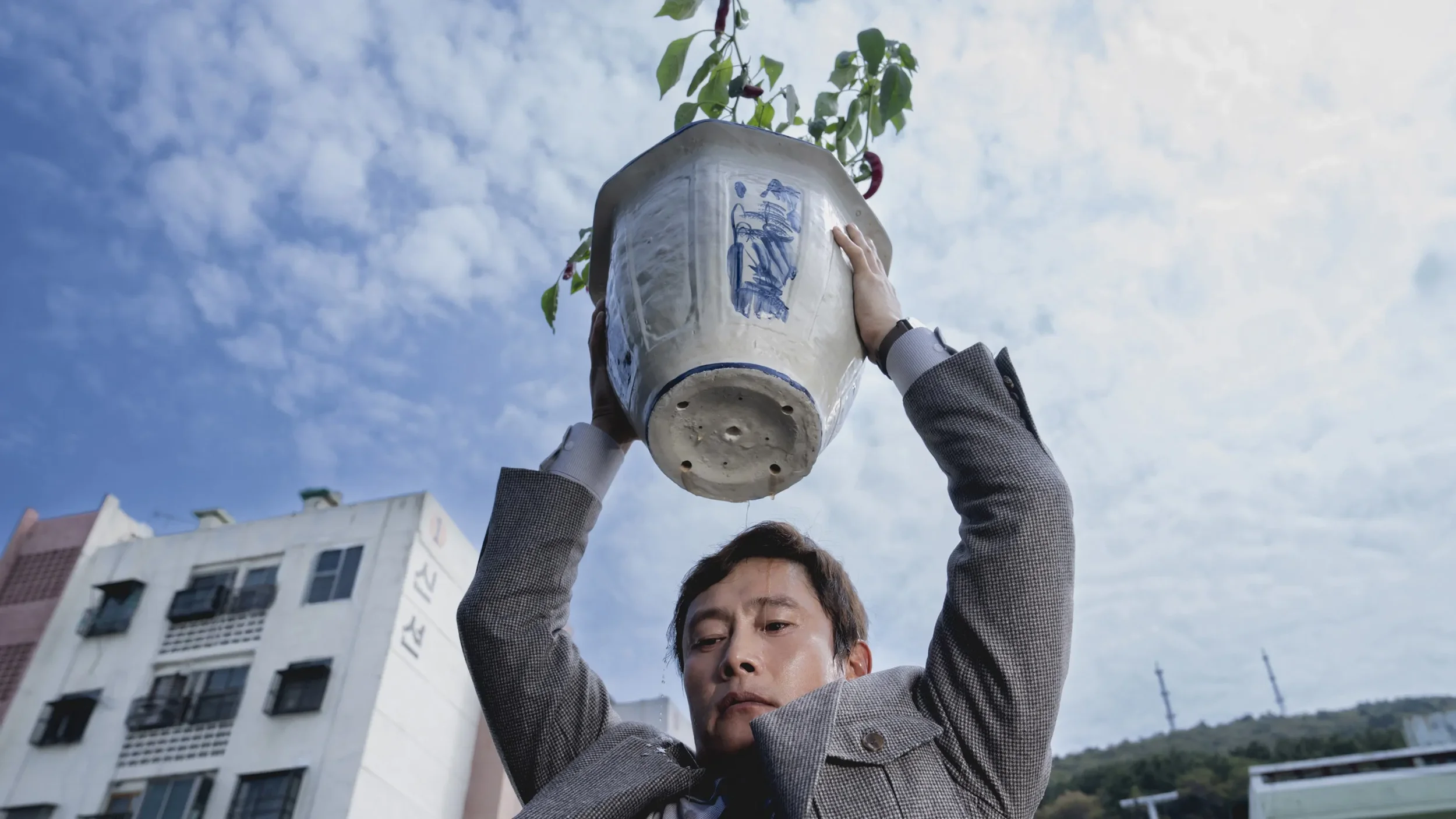
Still from ‘No Other Choice’
No Other Choice
Dir. Park Chan-wook
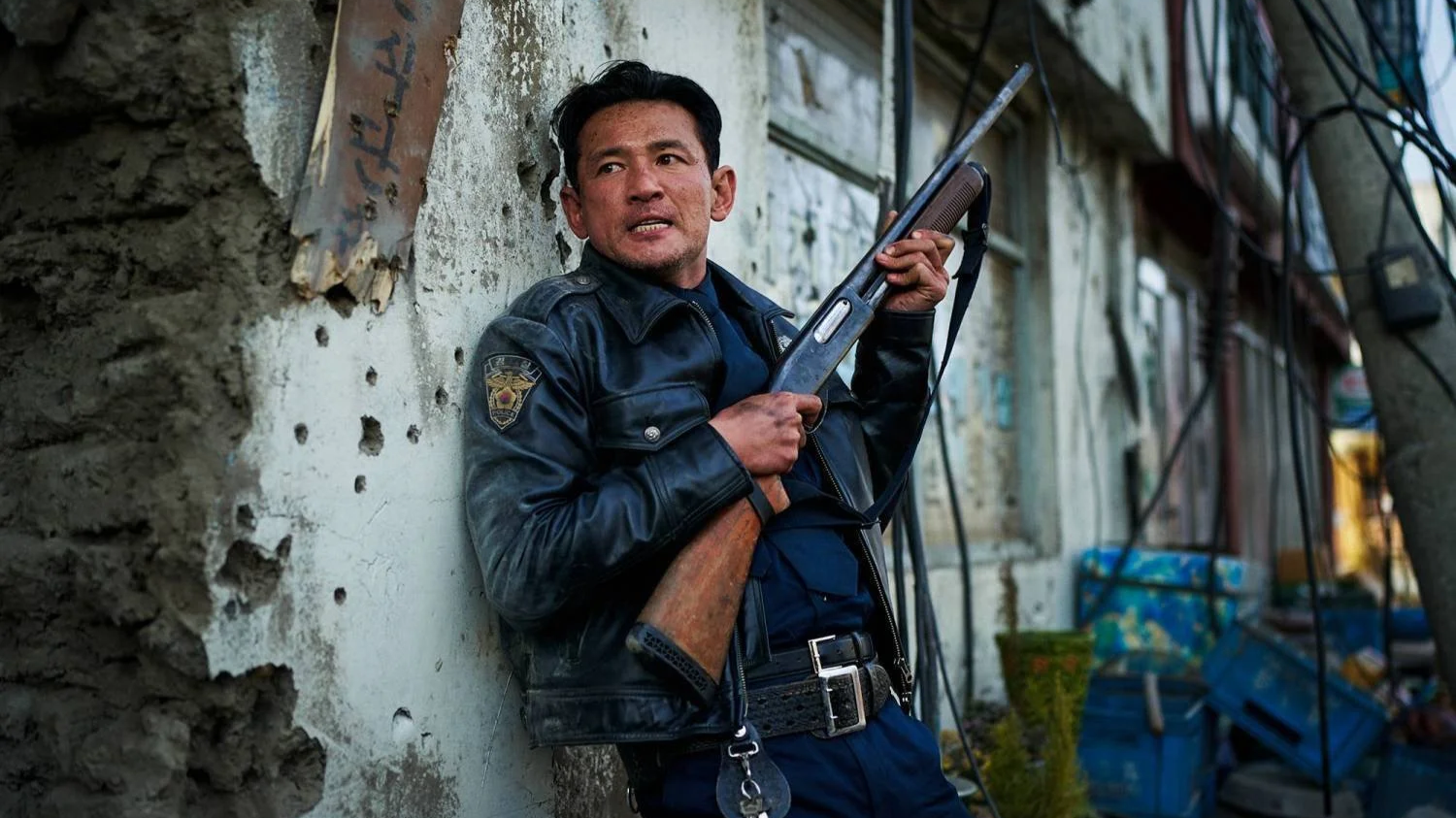
Time and again, Park Chan-wook extends his catalogue with films that grow denser, winding ever tighter with every addition, each one sharpening its vision as it leads into the next. Since the 2010s, his work has been at its most exacting: detail-oriented storytelling that attends as much to transitions and symbolisms as it does to unforgettable characters, truly moving to a rhythm entirely his own. With No Other Choice, he captures the contemporary neuroses we’ve cornered ourselves into, symptoms of a parasitic system that feeds on compliance, competition, and desperation. Even Yoo (led by Lee Byung-hun) seems unconsciously aware of this, feeding his dogs with steak so they can “work better” in the long run; everything is transactional, always to the benefit of whoever holds the upper hand. From the shifting roles within households to the pitfalls of a volatile job market, and the uneasy transition to a synthetic age driven by automated technology, the film becomes a satirical yet damning job hunt turned murder spree with a propulsive momentum that moves effortlessly from the micro to the macro. It never bites its own tail with needless verbosity, and above all, remains a highly entertaining watch held by powerful performances, most notably Lee Miri’s triumphant return to the big screen. — Joshua Ubalde
Read our full review: ‘No Other Choice’ REVIEW: No Other Choice, No Happy Endings
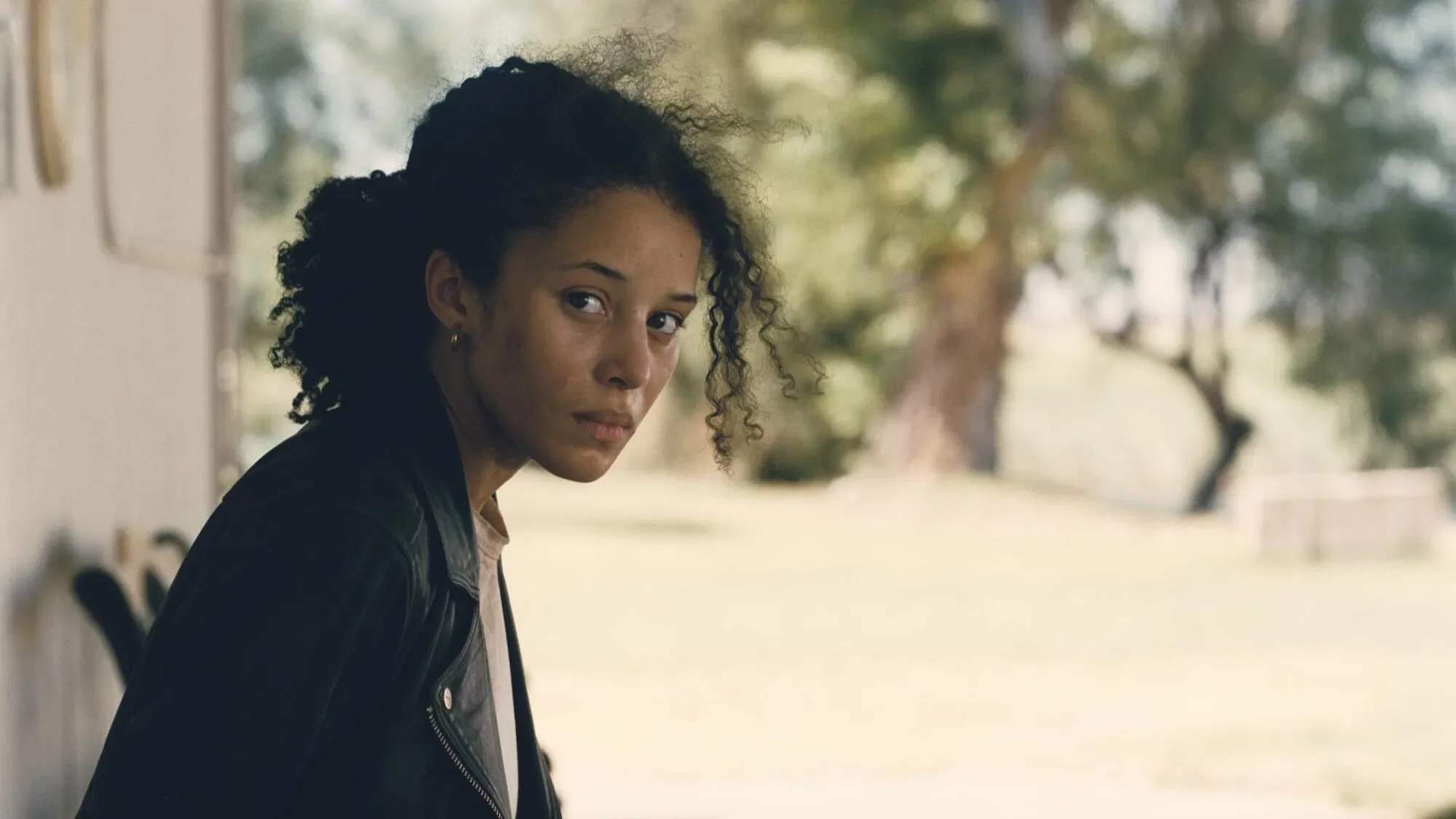
Still from ‘One Battle After Another’
One Battle After Another
Dir. Paul Thomas Anderson
Paul Thomas Anderson’s One Battle After Another is undeniably one of the best films of 2025 and an ambitious, exhilarating work that truly feels alive. With restless cinematography propelling chase scenes that keep you gripping onto your seat and effortless humor that gives the story a sense of play, PTA moves this film with an infectious momentum. Not to mention the cast's performance which is excellent across the board, their characters are also charged with real chemistry, making OBAA an absolute thrill to watch. — AR
Read our full review: ‘One Battle After Another’ REVIEW: Revolution is in the air
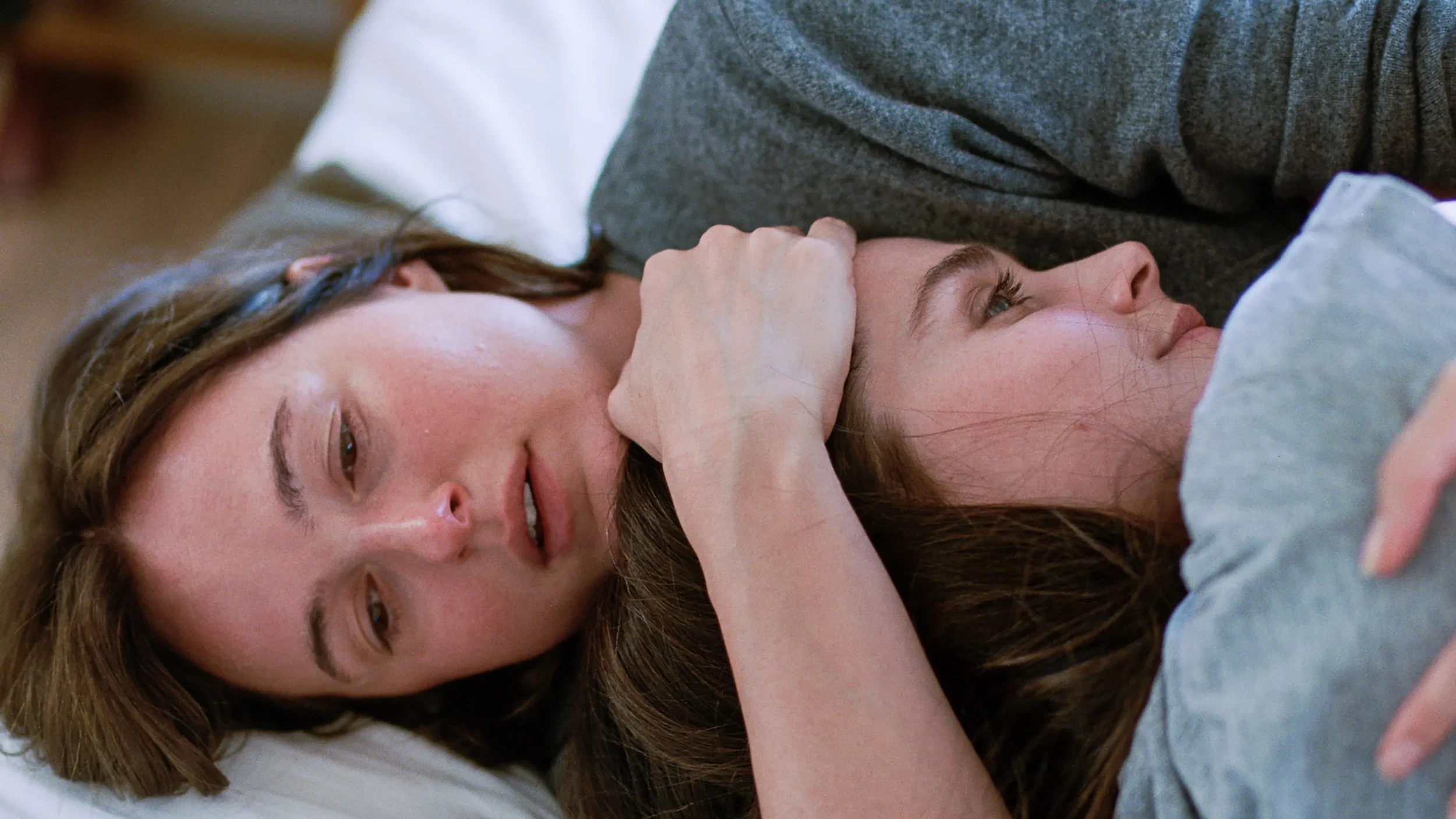
Still from ‘Sentimental Value’
Sentimental Value
Dir. Joachim Trier
What makes this film stand out is how grounded it feels in emotional truth. Joachim Trier’s Sentimental Value feels less like a constructive narrative and more like time overheard, shaped by the weight of what has been passed down. The script lets its understanding of generational trauma emerge through the characters instead of explicit explanations. In the film, the house is used more than just a setting; it functions as a structural anchor that reinforces how pain and memory remain fixed even as the characters try to move forward. It becomes a reminder that the past doesn’t disappear so much as linger, influencing the present through what was never articulated. The film also examines family life in a way that feels meticulous and unflinching, showing how love, resentment, and expectation coexist in the same moments. Sentimental Value exposes the complexity of bonds that are both sustaining and suffocating, capturing how trauma persists not by cruelty alone but also through silence and resemblance held by a warped perception of love. The film succeeds in being evocative and grounded, making it one of the strongest releases of the year. — JMG
Read our full review: ‘Sentimental Value' REVIEW: Creating Homes Out of Houses
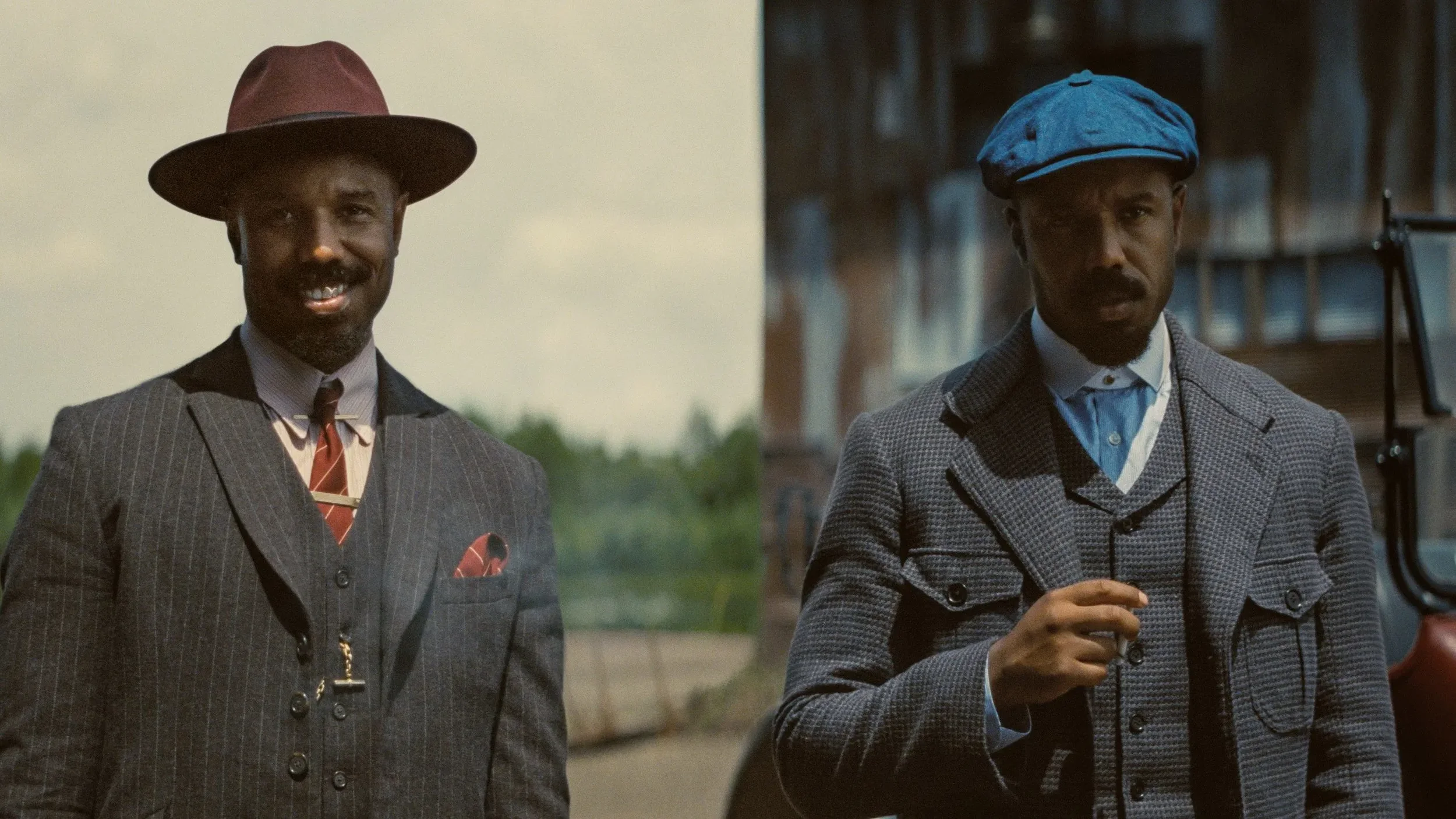
Still from ‘Sinners
Sinners
Dir. Ryan Coogler
Vampires as cultural assimilation; music as the potent that attracts all things. This film flawlessly blends horror, music, and history to create a masterpiece infused with layers of remarkably intricate stories and culture. With 213 wins and 397 nominations, Ryan Coogler’s Sinners is a Southern gothic themed film set in 1930s Mississippi Delta. Stunning in every way: from structure to cinematography, music, and storytelling. Coogler spearheads a film of what could be the workings of a cult classic. Sinners is a social commentary on assimilation and the lengths these oppressors will go to appropriate a culture that isn’t theirs. In the film, music becomes a form of commune. The dancing, jiving and constant strumming of tunes creates an atmosphere that not only celebrates art, but as a channel that jostles culture beyond the realms of time and towards transcendence of death. Ergo, it is a celebration of identity. The music sequence set in a Mississippi juke joint shows how the past, present and future coalesce as it eludes the existence of time—displaying a meaningful performance of loss, resilience, and community; telling that when people commune together through art and dance, time loses existence and music becomes the singular thing connecting us all. Composer Ludwig Göransson delivers one of the most beautifully executed scores of his lifetime. Every rhythm fabricates itself as a love letter to cinema: a pulsating beat of stories told for generations to come. — Yve Ventures
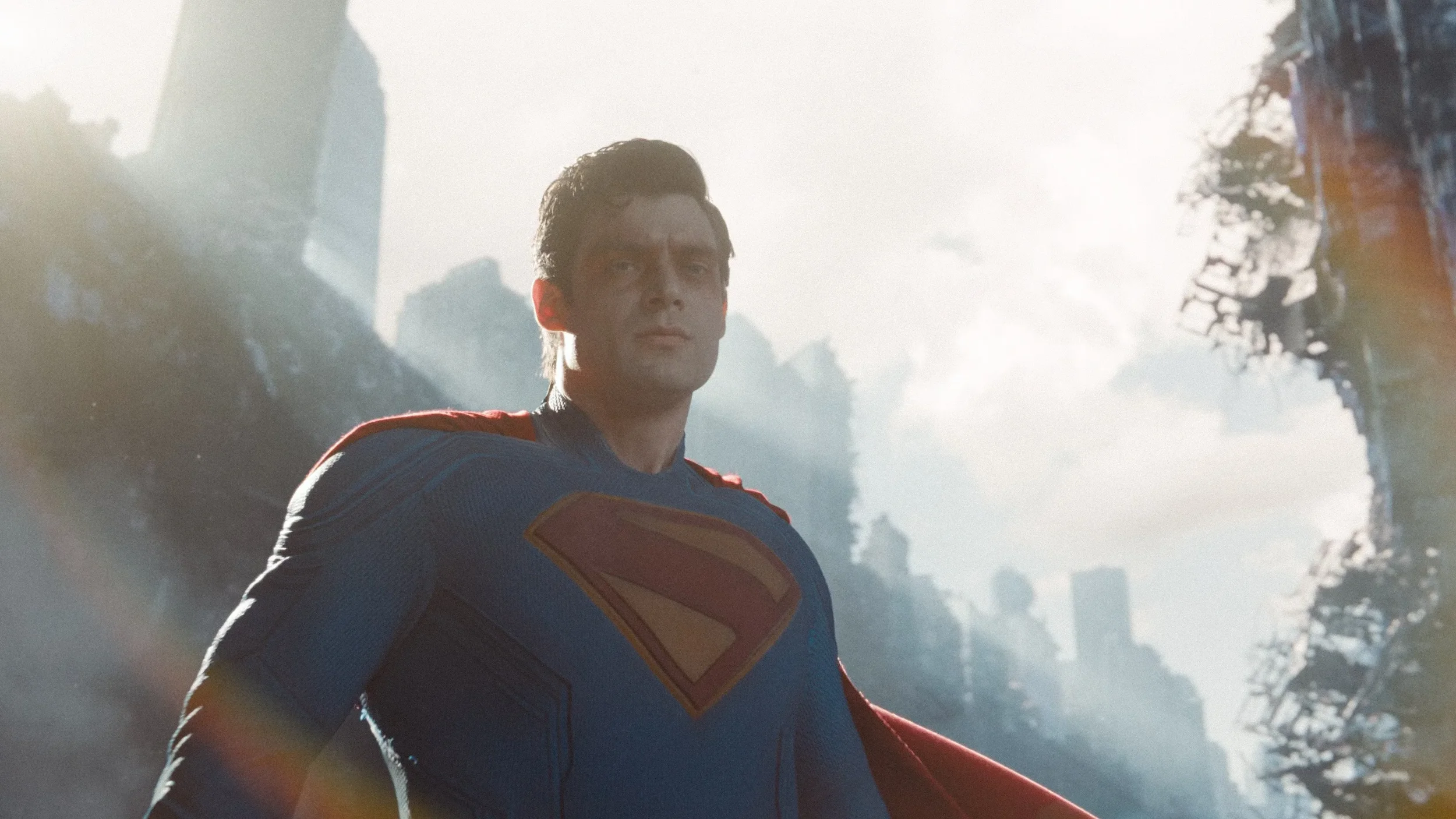
Still from ‘Superman’
Superman
Dir. James Gunn
The return of the Man of Steel to the big screen was nothing short of epic as James Gunn reimagines Superman for a whole new generation. Driven by being a force of good and kindness front and center, Superman, the first film in the brand new DC Universe franchise, successfully captures the essence of what it means to instill hope, kindness, and being human. David Corenswet brings the character to life and embraces a performance that leaps and bounds we can consider who Superman is and what he could be. All signs are pointing towards a cinematic interpretation of DC Comics’ first-ever superhero that we can all get behind by, with Gunn and the rest of the crew at the helm. From how the film embraces the wackiness of its comic book counterpart, Superman never fails to be loud and proud with its themes and message that are more important than ever in this day and age. — Ralph Regis
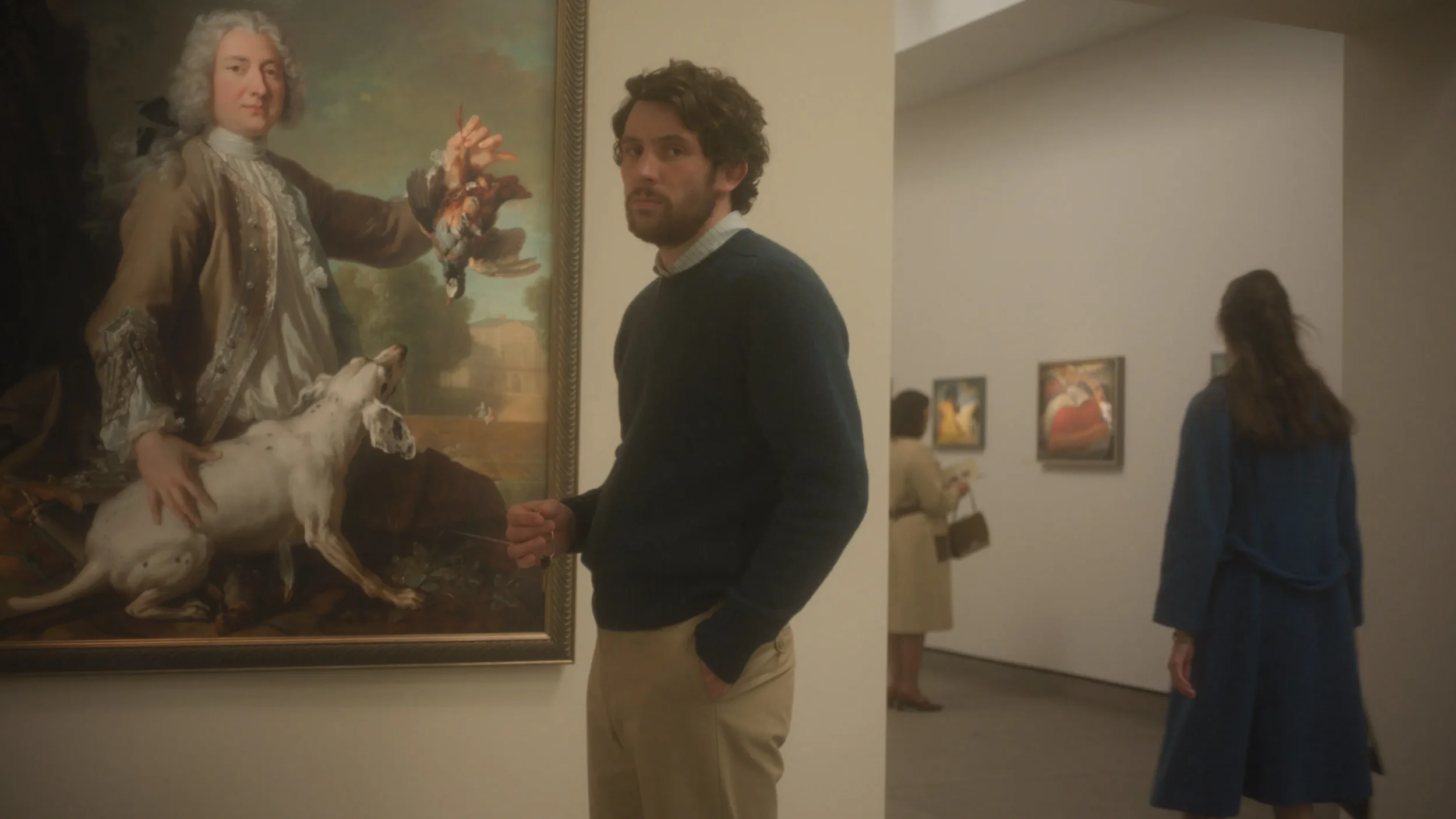
Still from ‘The Mastermind’
The Mastermind
Dir. Kelly Reichardt
Director Kelly Reichardt surveys the suburbs of Massachusetts, the homey hinterlands of John(s) Updike and Cheever. Common Massachusetts of the midcentury is all picket fences and fried pastries, the quietus of quaint galleries just close-by; it has the disquieting chill of a seemingly settled calm. James Blaine Mooney (Josh O’Connor) is made of this milieu, and it is this chill which moves the would-be family man, the art student turned carpenter, to indignation. But it is only self-serving: put him between Melville and Marcuse and he will opt for the former. Mooney does cosset his heist with a dispassionately temperate touch, as though this newfound function, really the perfect confluence of all his prior skills, will allow him to recapitulate the foreign past, seizing for himself the fervid modernist spirit of pre-war painters, thereby ennobling himself and his living room wall. — Toby Chan
Read our full review: ‘The Mastermind’ REVIEW: Quiet, high-stakes, and subversive
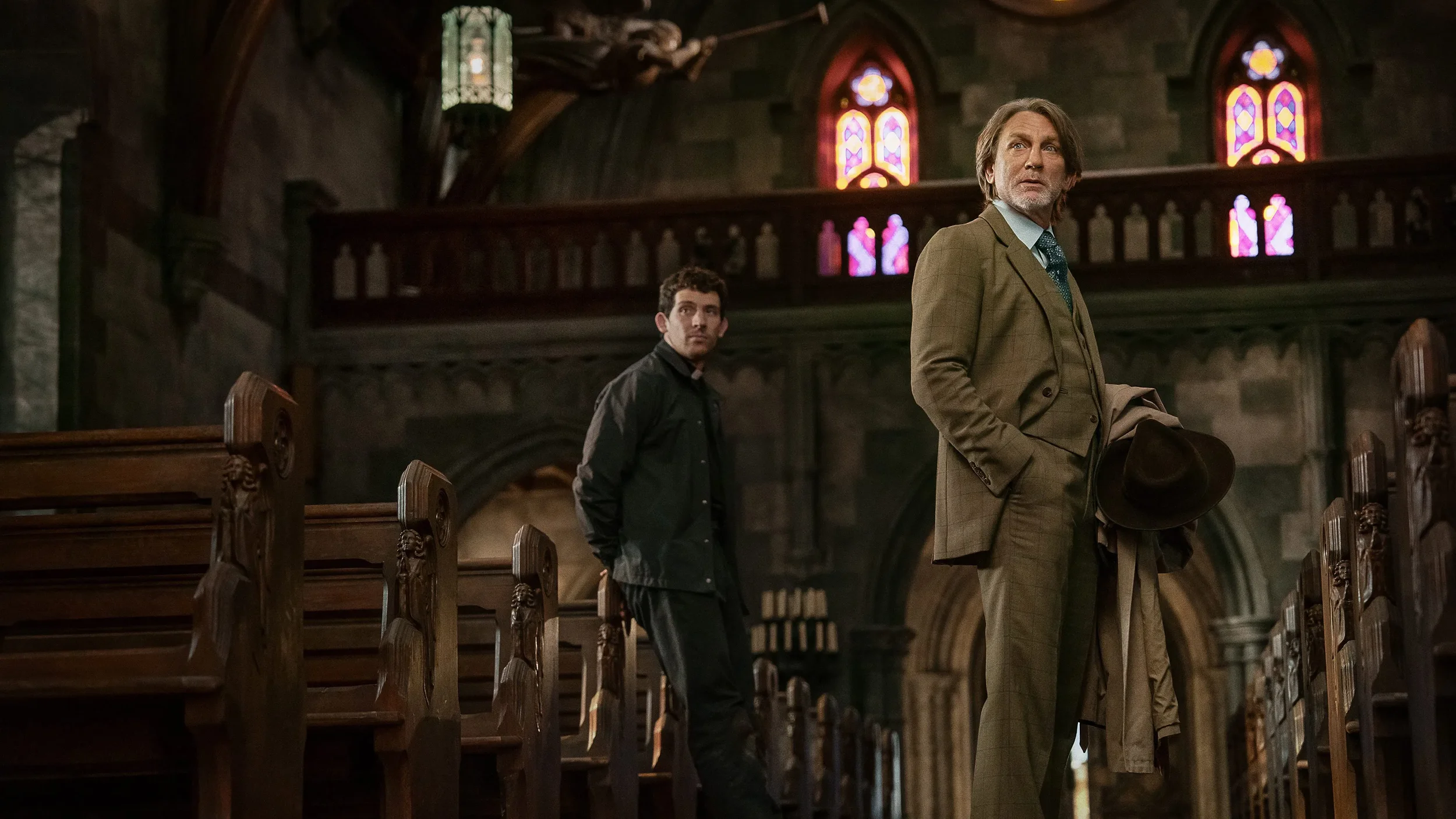
Still from ‘Wake Up Dead Man’
Wake Up Dead Man
Dir. Rian Johnson
Three movies in and Rian Johnson has once again managed to keep the murder mystery a fresh genre, ripe for shock and intrigue, primed to make you think. However, in the case of Wake Up Dead Man (subtitled A Knives Out Mystery), the way it makes you think goes beyond trying to stay ahead of the mystery; it provokes reflection on the nature of faith and doubt, on what religion represents in the modern age, and our personal Jesuses we devise to grant us our purpose and to convince us of our goodness. Father Jud (Josh O’Connor) and Detective Benoit Blanc (Daniel Craig) make an odd couple—wrong man and sleuth, believer and skeptic, subdued and flamboyant—that both elevates and anchors the film in all its overflowing glory. If you’re wondering if Wake Up Dead Man replicates the cheek and bite the earlier Knives Out films had, you’ll find that it does and then some, upping the ante to a state of grace that is a delight to watch be achieved. — Thandie Aliño
Read our full review: ‘Wake Up Dead Man’ REVIEW: A surprisingly poignant and fun mystery
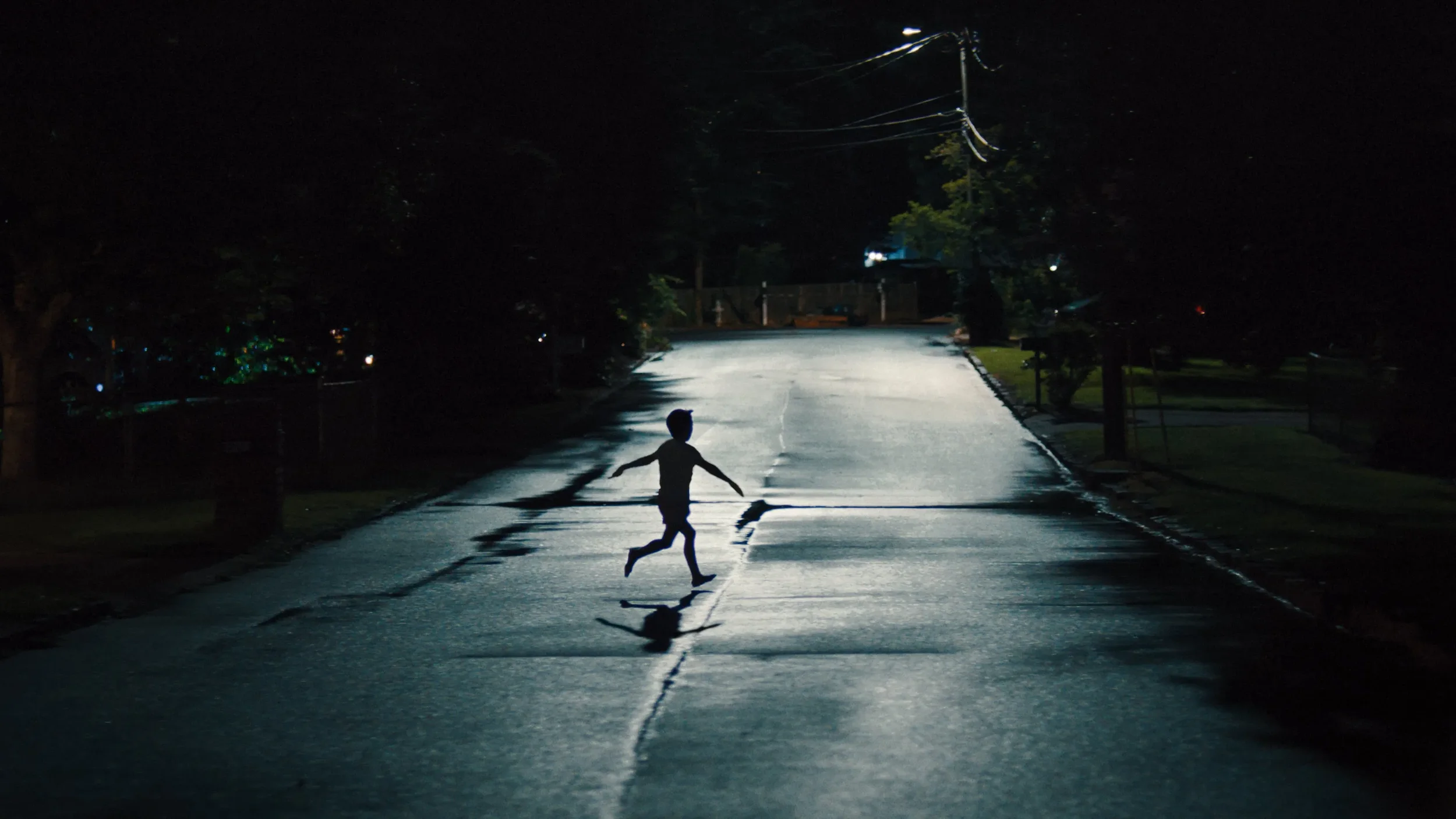
Still from ‘Weapons’
Weapons
Dir. Zach Cregger
Weapons distinguishes itself as a compelling addition to contemporary horror through its ambitious Magnolia-esque multiperspective narrative. Each character approaches and solves the mystery as an isolated puzzle, while the audience watches with the advantage of seeing the larger picture. Structured like a puzzle box divided into six chapters, the film is very much rewarding for sharp-eyed viewers to unpack, from its allegorical explorations of abuse, grief, and trauma to the eerie real-life inspiration behind the children’s running pose. Aunt Gladys, played by scene-stealer Amy Madigan, screaming the hell out of her lungs through suburban homes, pursued by seventeen screaming children in broad daylight and ultimately tearing her apart is such a cathartic finale. It’s easy to see why Jordan Peele was reportedly so furious, even firing his longtime managers after losing the bidding war for Zach Cregger’s Weapons. — Dave Jonathan M. Verbo
Read our full review: ‘Weapons’ REVIEW: The Unravelling of a Neighborhood