
SINEGANG.ph’s Best Filipino Shorts of 2025

Short films are terribly underrated. If there is a quick, surefire way to showcase the cinema of the Philippines, then look no further than our shorts. From this list alone you would be able to cover almost all of the regions in the country and the diverse cultures at play. But one thing unites them all: that these stories are distinctly and uniquely Filipino.
Last year we combined the full-length features and the shorts in one list. But this time, and moving forward, we want to give a proper spotlight to the art of short filmmaking and especially the young and emerging talent behind the camera.
Here are the best Filipino short films of 2025. Listed alphabetically.
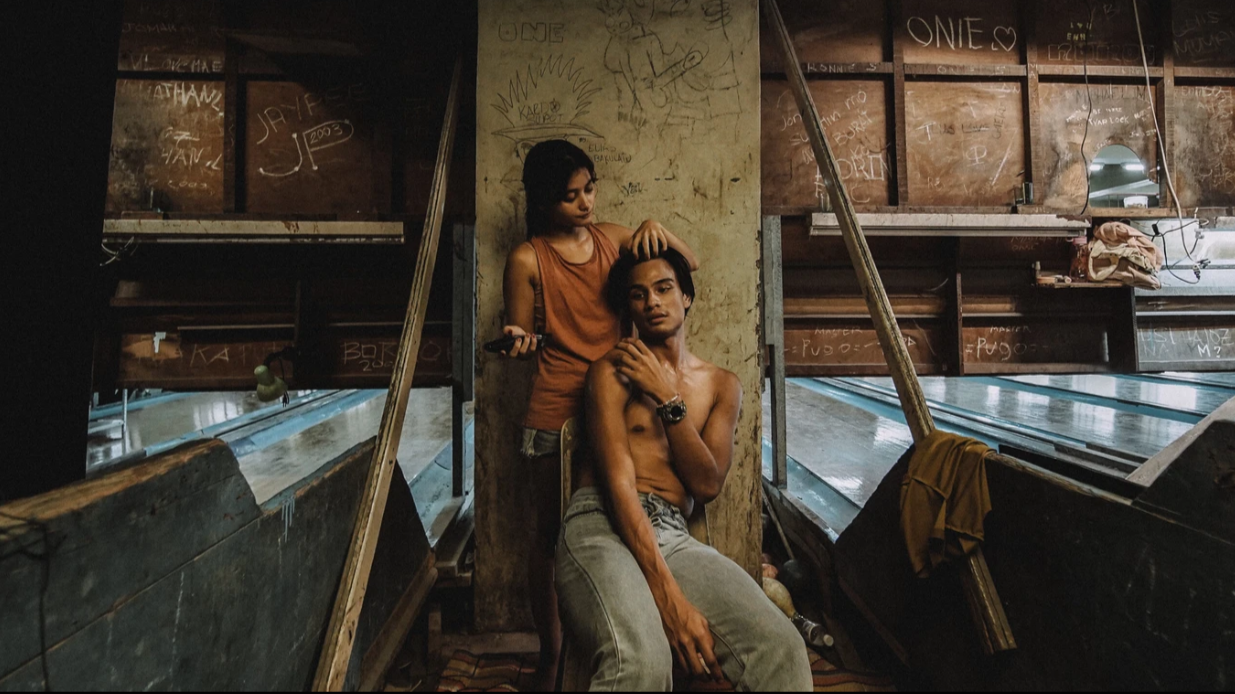
Still from Agapito
Agapito
Dir. Arvin Belarmino, Kyla Romero
Labor is love in this quietly transcendent 2025 Cannes Film Festival short film entry about a duckpin alley that closes early every last day of the month to accommodate a young pin setter’s elder brother with cerebral palsy. Besides a brief spat instigated by a disgruntled customer who protests the alley’s early closure, there is no identifiable conflict in the 14 minutes we spend with the cast of characters. What resonates is the beauty and care in the little details, in the solemn way the camera tracks and stays on the efforts of this found family to make a visitor feel special, and most especially in the warm feeling that overtakes the soul as the credits flash onscreen. Nour Hooshmand (exquisite, showcasing once again that she is made for leading lady roles) and Andre Miguel (solid and subtle) lead the ensemble and, in their quiet brilliance, set the tone for a film that won’t be fast forgotten. — Thandie Aliño
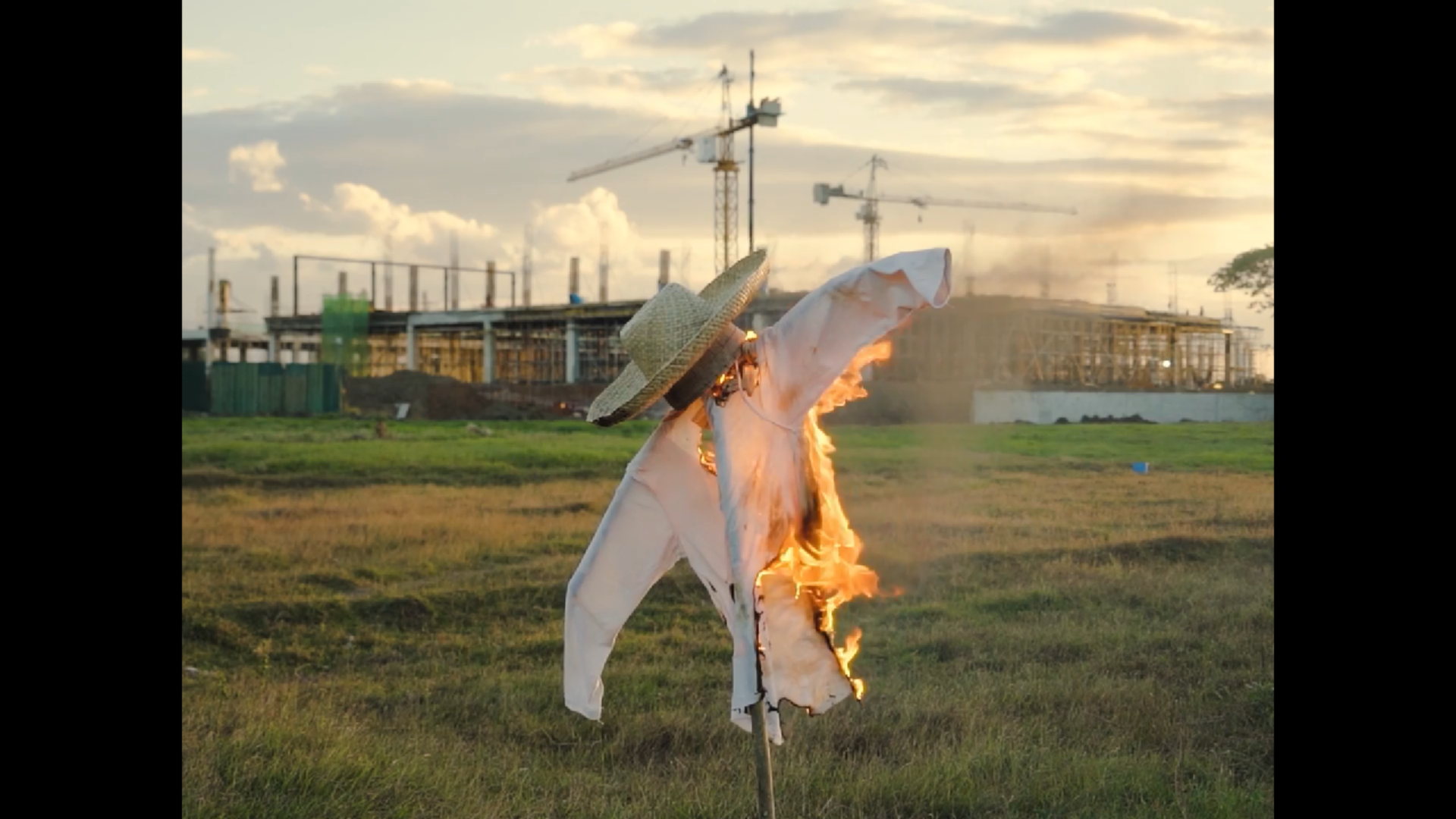
Still from Ang Saad Nga Bugas
Ang Saad Nga Bugas
Dir. Mikone Calungsod
Mikone Calungsod’s Ang Saad Nga Bugas reflects on how election campaign promises have transformed into a circus of performances. Rice is an essential part of the Filipino everyday struggle, and how politicians played with false hopes and promises is a reflection of these election campaigns, feels more portrayed here. In the end, despite the proposed solution of lowering prices, which doesn’t even fix the systemic problems farmers currently face, Calungsod makes a point that they will still suffer either way in this cycle of violence beneath the current administration. — Christ Dustly Go Tan
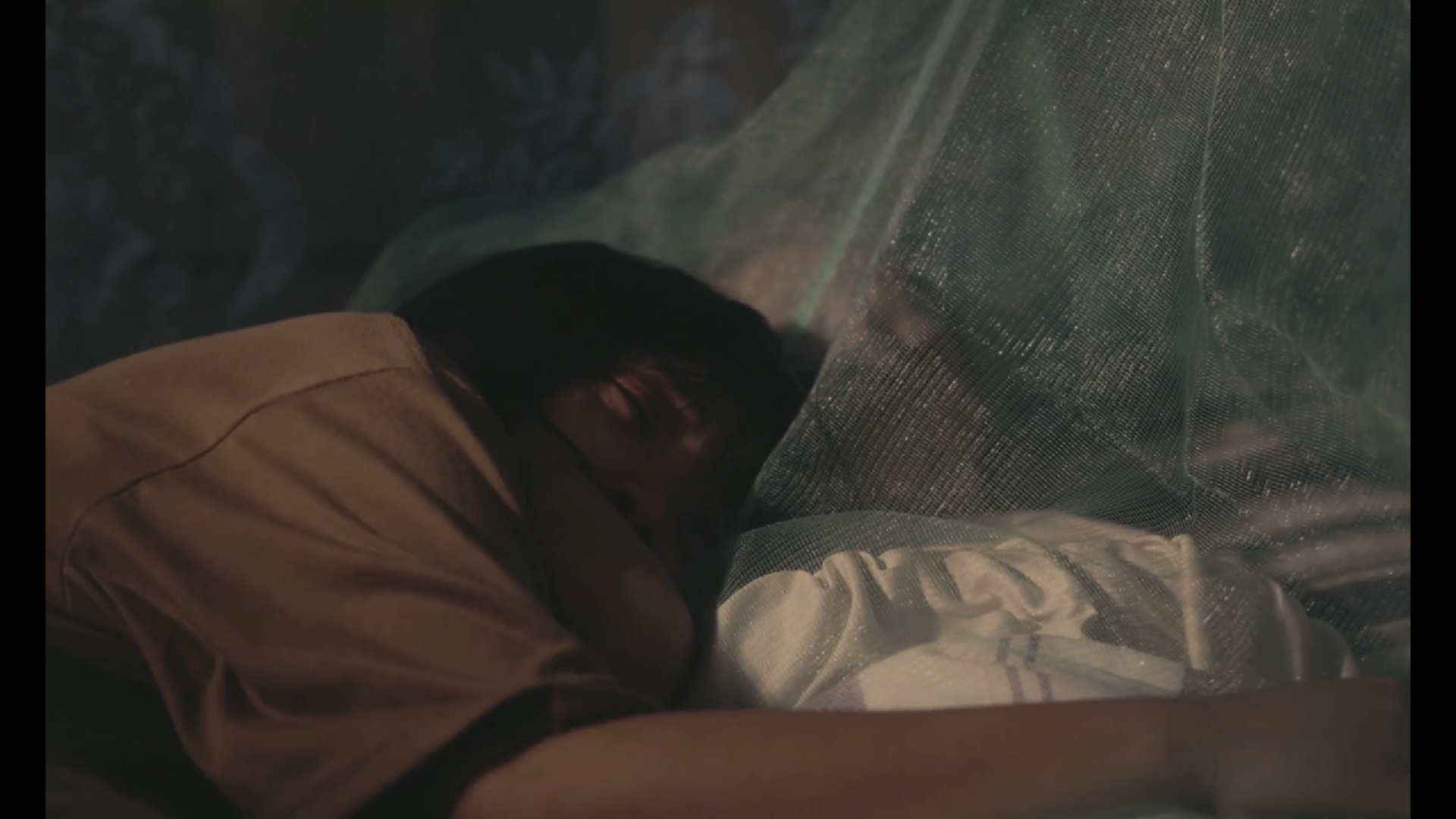
Still from Angela and Her Dying Lola
Angela and Her Dying Lola
Dir. Mark Terence Molave
Mark Terence Molave’s Angela and Her Dying Lola portrays the quiet tragedy of youth as a commentary on family functions and desperate decisions to survive. How children like Angela were forced to grow up to grapple with things beyond her own understanding and responsibility feels more weight in how each decision she makes. Molave shapes poverty more than just a backdrop, but an integral function of her decisions that deprives humanity, but still feels human. — CDGT
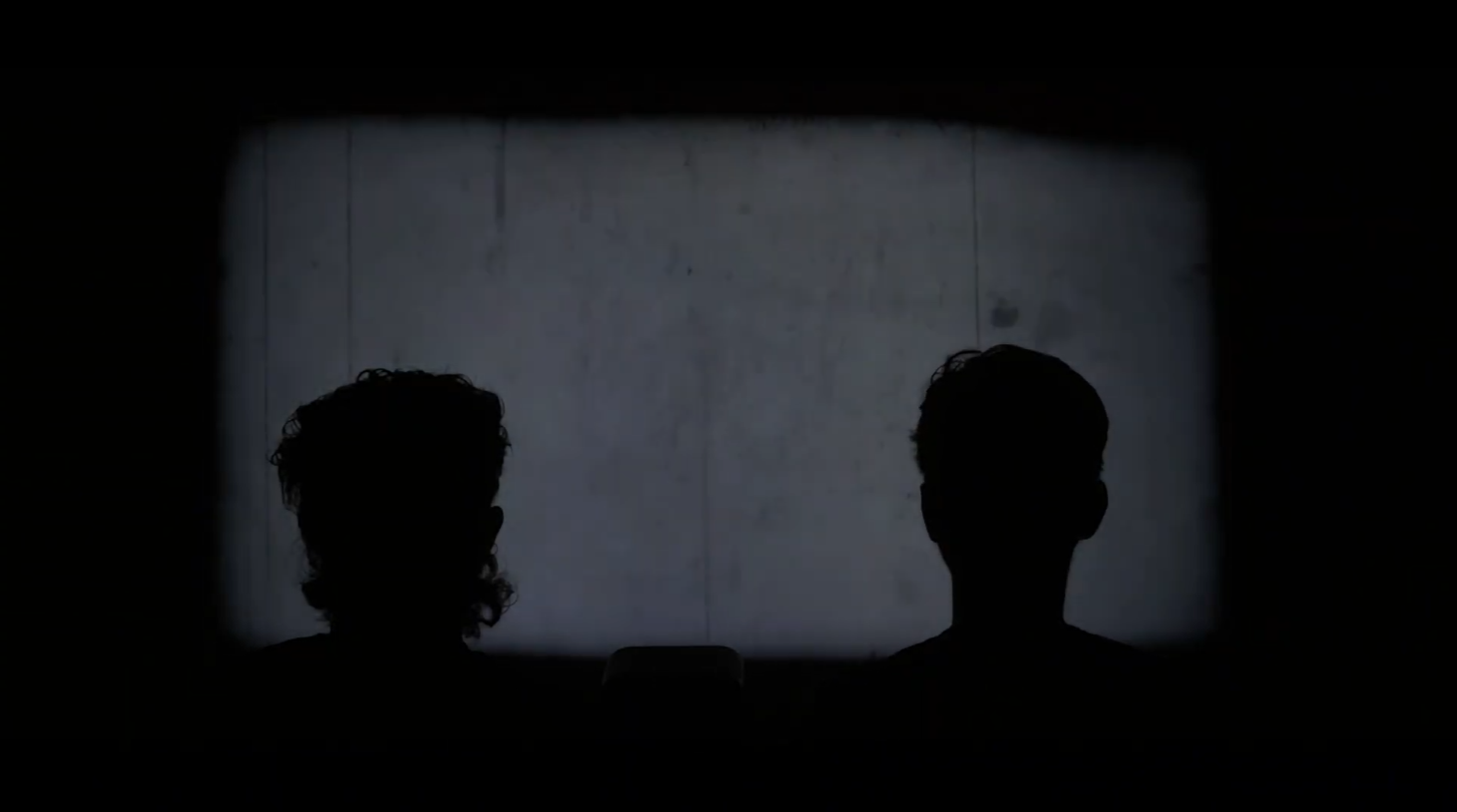
Still from Asa ang mga Salida sa Leyte?
Asa ang mga Salida sa Leyte?
Dir. Linus Masandag and Lebron Ponce
Asa ang mga Salida sa Leyte, directed by Linus Masandag and Lebron Ponce, works not just as a short film but as a pointed question aimed at Philippine Cinema itself. Rather than presenting Leyte as a site of cultural lack, the film shows how regional filmmaking is shaped by limited access to archives, screening spaces, and institutional support. The film turns its struggles to find films and spaces into a commentary on how Leyte and Eastern Visayas are overlooked compared to more film-centric regions. Leyte filmmakers do produce work that screens at festivals and wins awards, yet the absence of local infrastructure hampers visibility and opportunity. The film avoids turning this condition into a narrative of hardship, and instead, situates it within broader structural imbalance. In doing so, it invites a rethinking of Philippine cinema not from established centers, but from the margins where persistence, creativity, and practice continue to shape its future. Films like Asa ang mga Salida sa Leyte? are important because they give sustained attention to regional practices, making them visible not as expectations, but as a vital foundation of Philippine cinema. — Jessica Maureen Gaurano
Still from Champ Green
Champ Green
Dir. Clyde Gamale
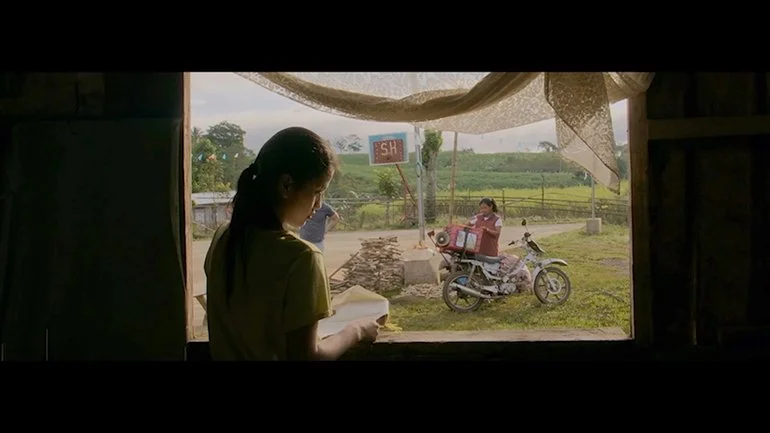
Clyde Gamale’s Champ Green transforms quiet acts of love into believing in hope again. How harsh realities restrain them from allowing them to dream or to aspire for a better or at least a contented future, Gamale brings these dilemmas into unspoken words that reflect their dynamic as a family, as well as their community. But despite the uncertainty of the future, Gamale shows that even in the most intimate moments and little exchanges, there is still a place to hope and to change. — CDGT
Still from Cemento
Cemento
Dir. Justine Borlagdan
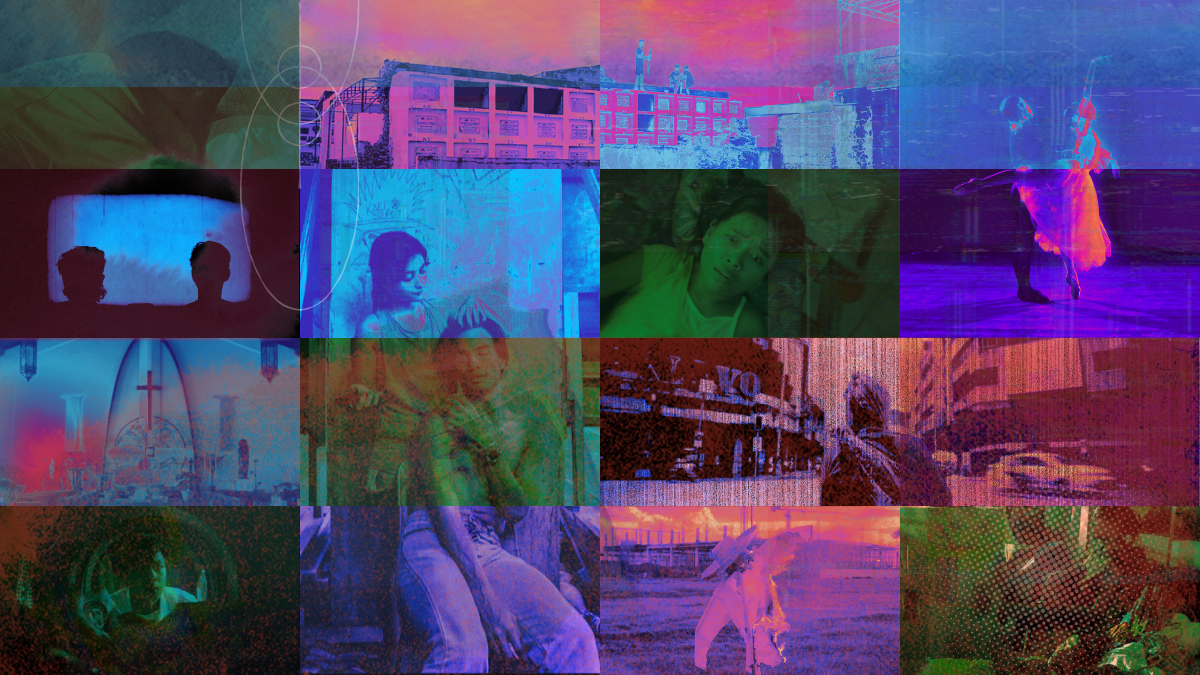
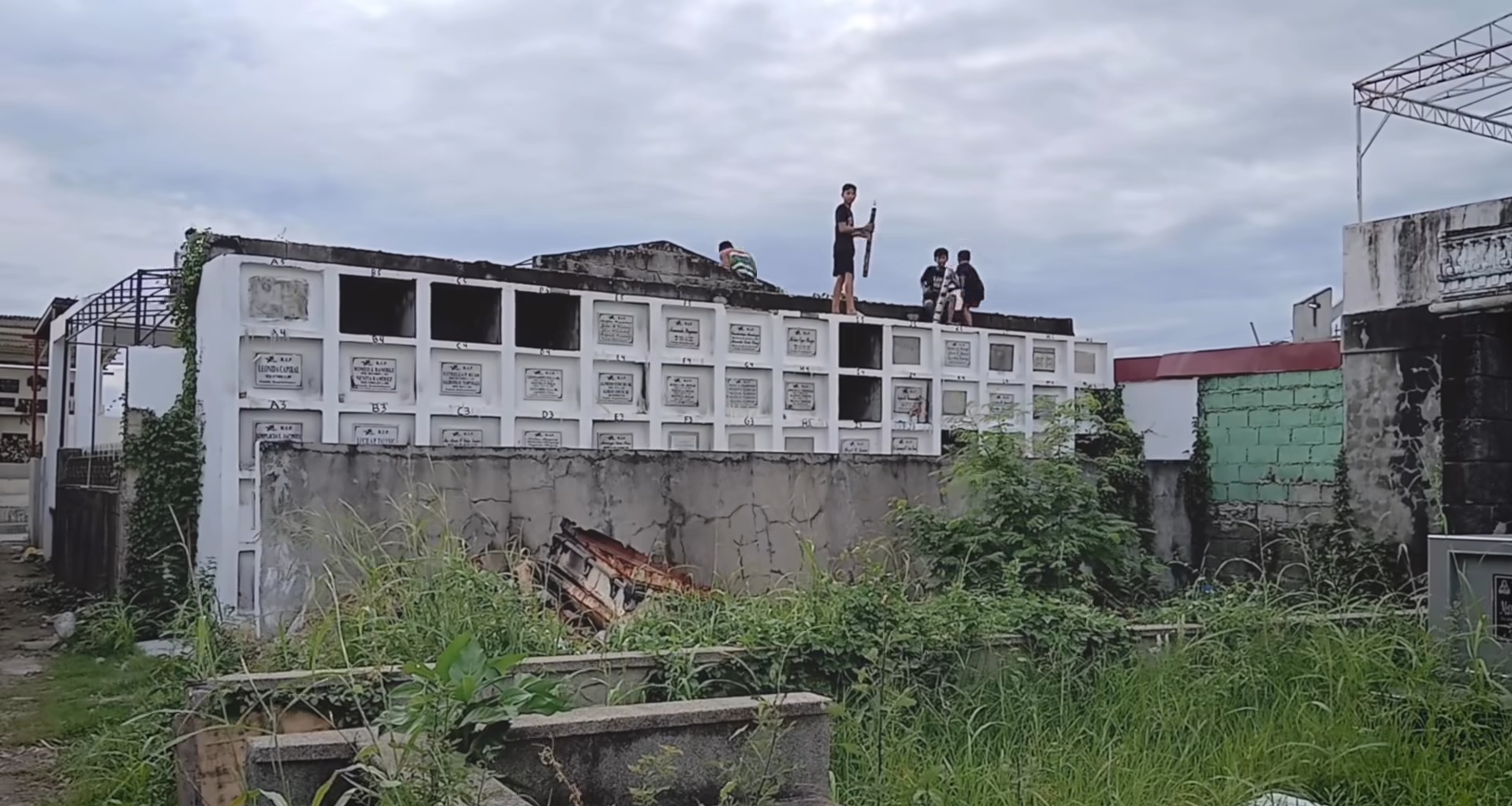
Words fail to describe Cemento. To illustrate the subject conveyed by how Justine Borlagdan intersects abstract images and sounds feels like a disservice to the piece. It is an enraged film that deserves to be seen and experienced. A country disintegrating disguised as development by men who only look for themselves. And the worst thing about it is that it feels like we have nothing else to do but watch. — Justin Caunan
Still from City’s Laundry and Taxes
City's Laundry and Taxes
Dir. Diana Galang
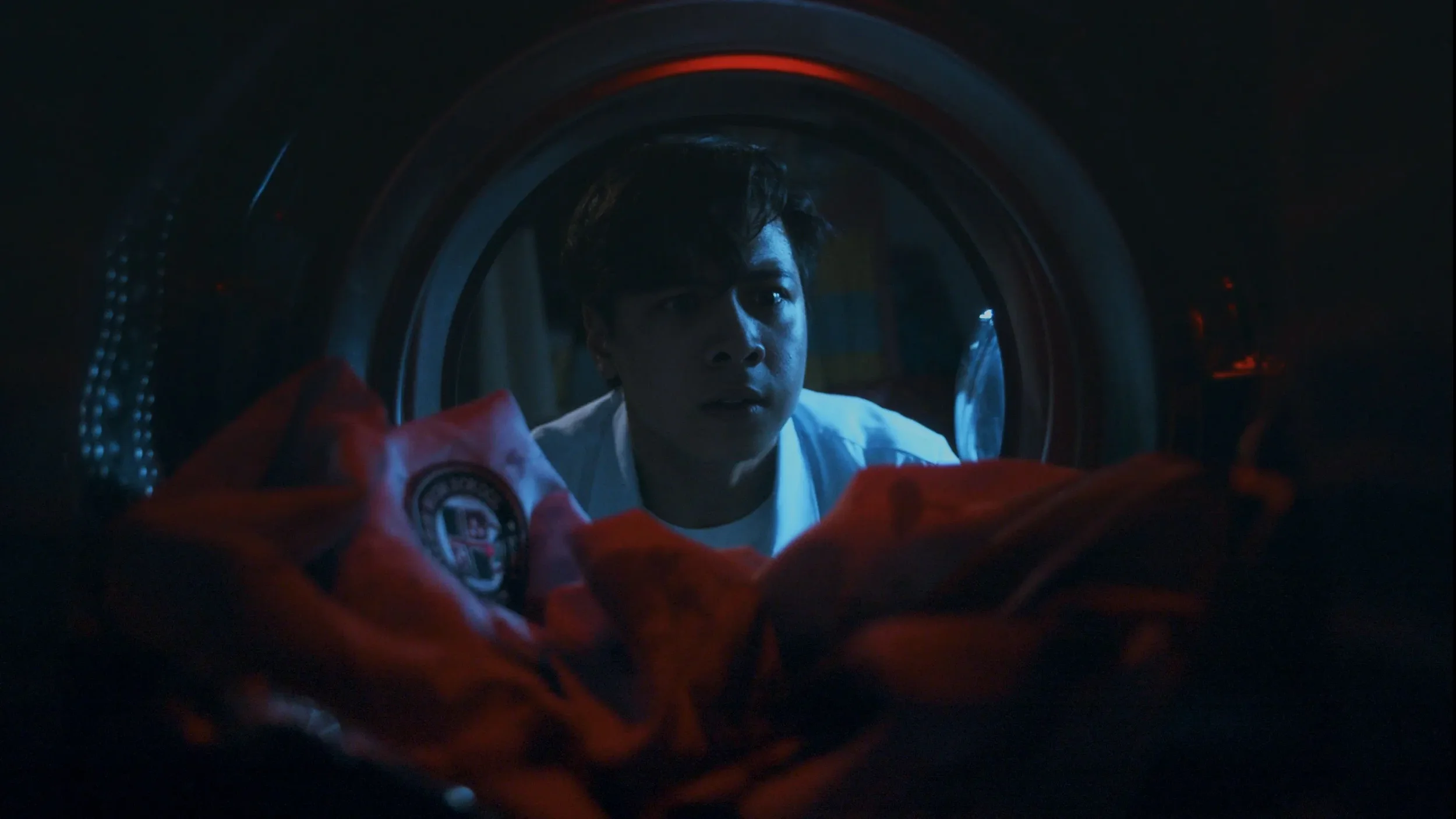
Diana Galang’s City’s Laundry and Taxes grounds its critique of police brutality in an ordinary, working-class space: a neighborhood laundromat. The film follows the son of a laundromat owner who discovers the school ID of a missing classmate inside the dirty laundry of a police uniform, allowing the implication of violence to emerge quietly rather than through explicit depiction. Laundry functions as a sharp metaphor for how traces of abuse are absorbed into everyday labor, cleaned, and returned to circulation without accountability. This metaphor works because it is embedded in the film’s action and setting, not imposed as symbolism. The cinematography is disciplined and deliberate, using controlled framing to sustain tension and moral unease. By focusing on what is concealed rather than what is shown, City’s Laundry and Taxes offers a powerful reflection on how police violence in the country is normalized through systems that rely on silence and routine. — JMG
Still from Dan, En Pointe
Dan, En Pointe
Dir. Adelbert Abrigonda
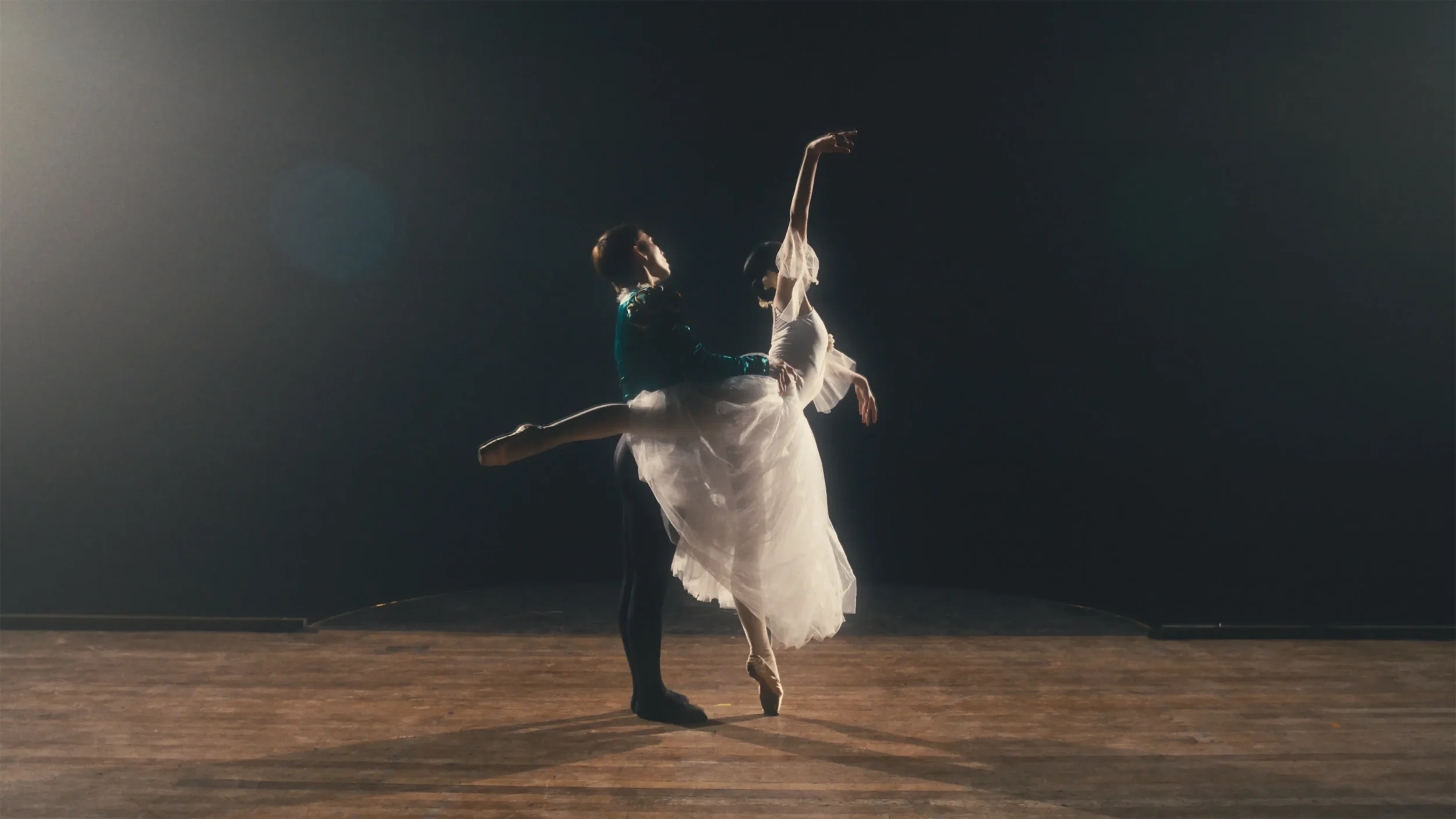
Dan, En Pointe is a quietly affecting short film that explores the weight on inherited dreams through the disciplined, expressive body of ballet. It shows a son carrying forward the artistic aspirations his mother never had a chance to fulfill, a pursuit that becomes a gift and a burden, shaping his identity while testing the boundaries of love, obligation, and self-definition. The film uses beautiful cinematography, a moving musical score, and skillful editing not simply as adornment but as an extension of the emotional core, allowing each movement to speak the unspoken, each pause to resonate with longing and restraint. The film does not proclaim its challenges to gender norms, but rather let them exist within the character’s journey, letting the tension breathe, linger, and deepen without ever demanding for acknowledgement. What remains is a work of grace, sincerity, and enduring impact, a short film whose storytelling, and truly terrific dancing leaves a lasting impression that refuses to fade. — Ejhay Raguindin
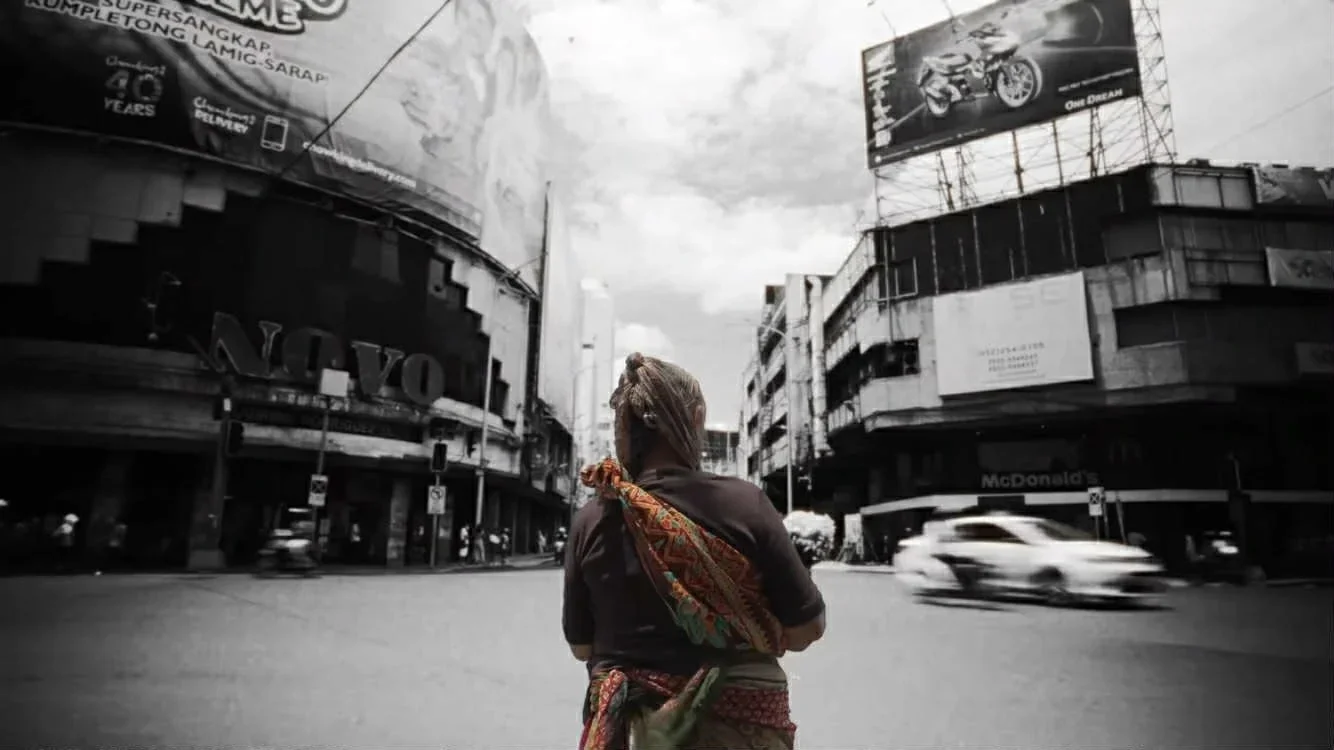
Still from Dangpanan
Dangpanan
Dir. Stephen Kelly
Dangpanan doesn’t ask you to imagine loss—it makes you recognize it immediately. The fire comes from unseen hands, but the pattern is unmistakable, repeating itself not only in Cebu, but everywhere development learns how to disguise displacement as progress. Its experimental fractures feel like proof: this isn’t accidental, it’s systematic, rehearsed, and cruelly familiar. — Emmanuel Pamaylaon
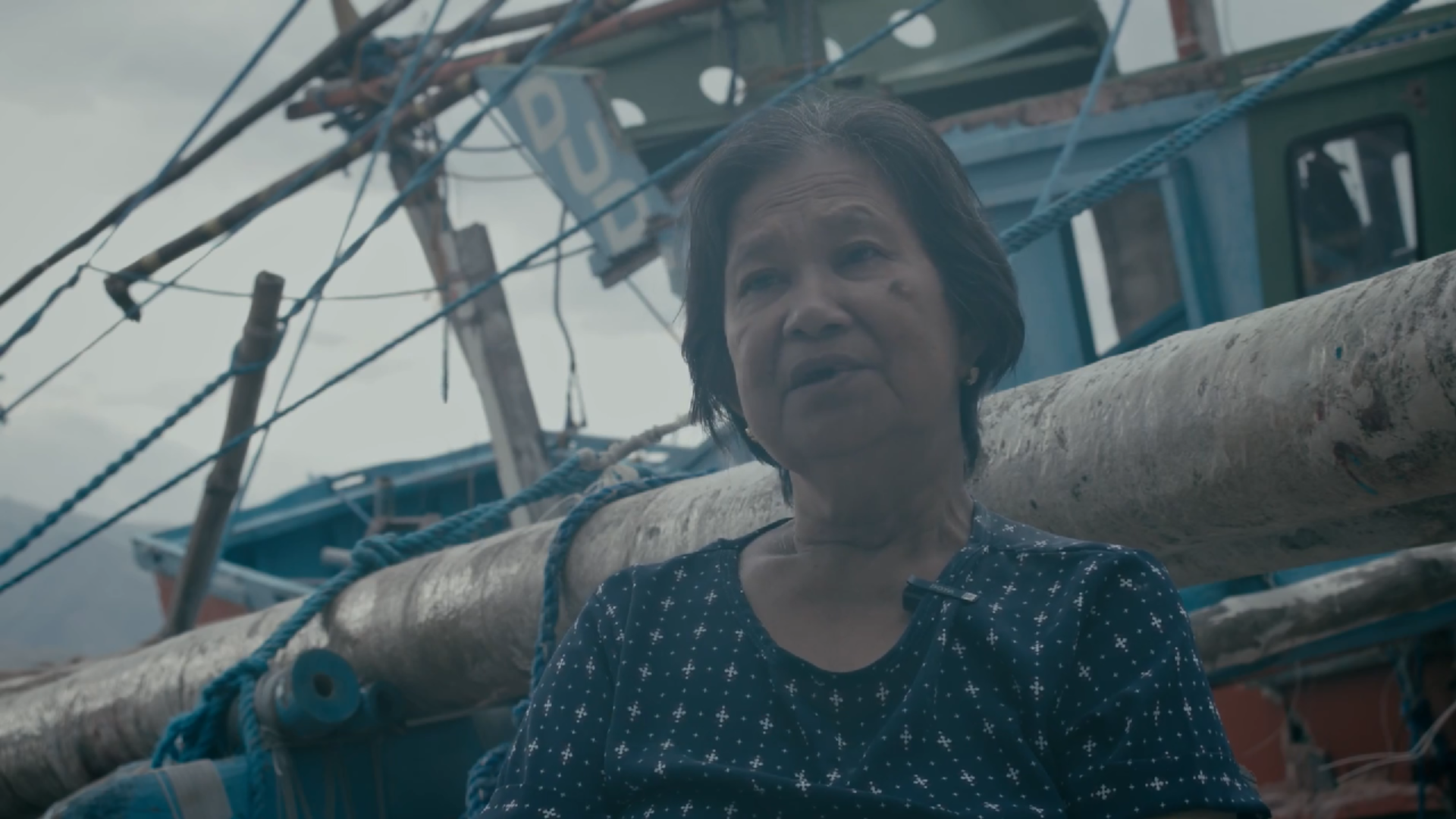
Still from Daungan ng mga Naghihintay
Daungan ng mga Naghihintay
Dir. Kaila Arvi Ariston
Kaila Arvi Ariston’s Daungan ng mga Naghihintay underscores the loss of families brought about by sovereignty and maritime conflict, particularly on China’s aggression on the West Philippine Sea. How the fishermen and their families were left to struggle between power plays and incompetence of the current administration brings more weight to the loss of a loved one not returning from the sea. Centering on how the mothers of these vanished fishermen can only wait because of how far justice feels for them is a call for action for these pent-up injustices. — CDGT
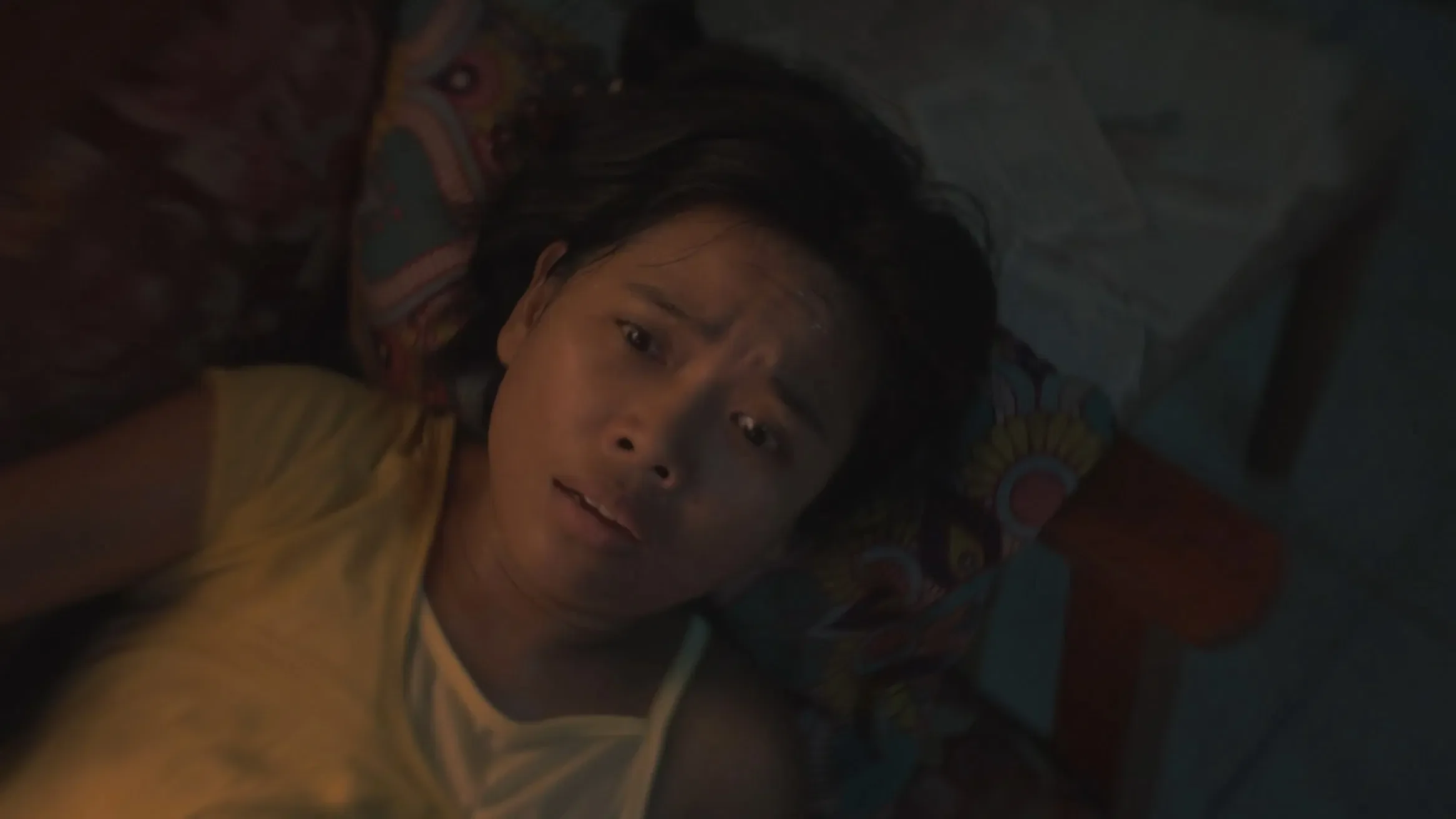
Still from Due Date na ni Judith
Due Date na ni Judith
Dir. Keith Earl Rebaño
A pointed satire laced with delirious absurdity, Due Date na ni Judith packs in 10 or so minutes of ridiculous imagery that consistently keeps you at your toes, while still imbuing the sort of legitimate dread that all of it is steeped in a dire reality that we consistently find ourselves in, one where we all doomed to become a number, a statistic to be considered despite our struggles to make ends meet while some dicks in power mark us off for gain. Rebano’s short film is able to convey that existential crisis with meaningful aplomb and an empathetic viewpoint in the face of such a broken system as a giant phallus lord above us all. — Martin Yenko
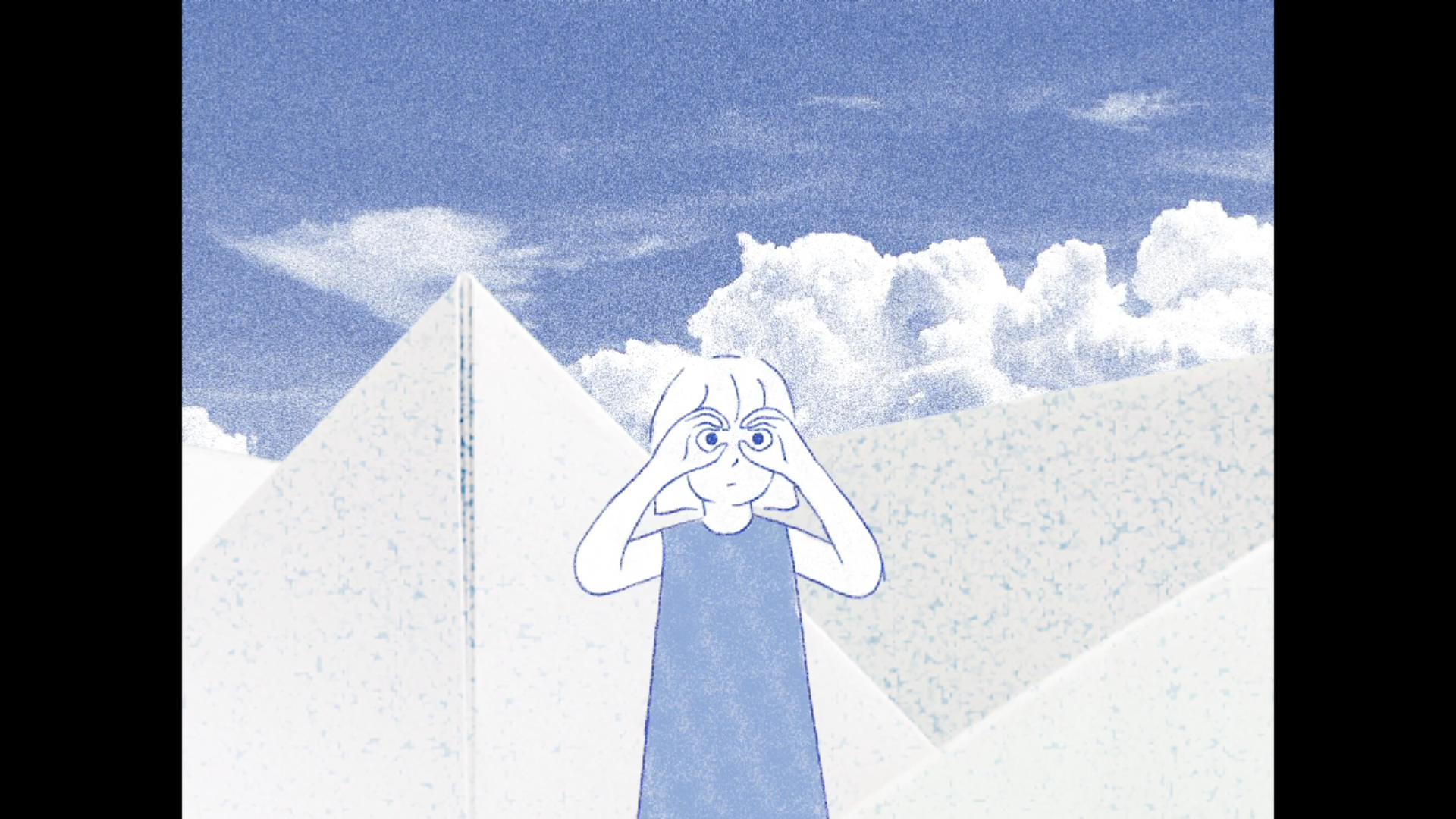
Still from farther, closer, farther
farther, closer, farther
Dir. Jillian Santiago
Jillian Santiago’s farther, closer, farther imagines the longing for filling the gap of familial love that has long been gone in a home. Images of an empty home and a vast ocean filled with imagined memories of a loved one and hope to reach them feels similar to how the space and the void they leave at home never really dissipates and are devoid of their once or could be embrace. Her search feels endless, but Santiago makes this act more than a quiet longing, but a form of healing for the time lost. — CDGT
Still from Goodnight, dad. I love you.
Goodnight, dad. I love you.
Dir. Francesca Pagatpat
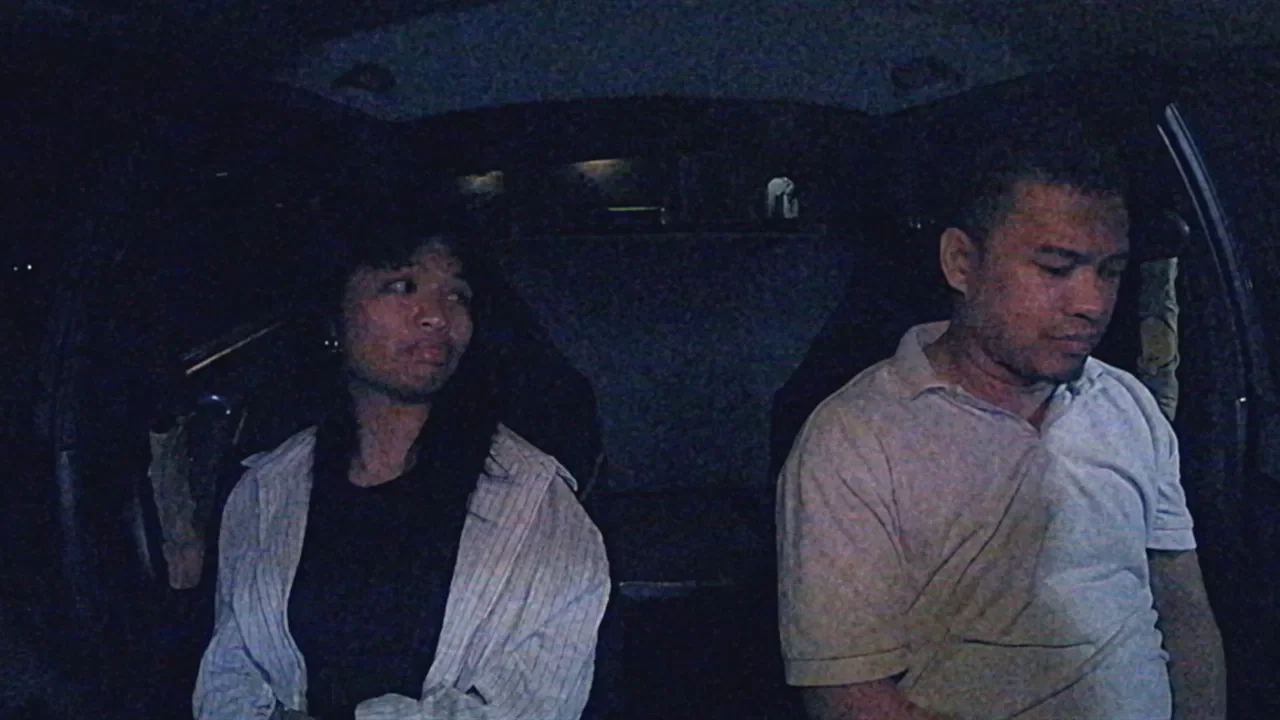
Francesca Pagatpat knows how to make a good short film. With a minimal setup (two scenes, one of them unfolding in a single long take) shot through a dashcam perspective and driven by naturalistic script, it’s clear how personal this thesis film is to her. There’s an abundance of heart here. The film’s painfully familiar portrait of our complex relationships with our fathers makes it both heartbreakingly and heartwarmingly relatable. By embracing mumblecore sensibilities (much like Andrew Bujalski, Hong Sang-soo, or early Greta Gerwig’s films), the director made the right choice, allowing the film to marinate these complicated dynamics: random heart to heart conversations that are intimate yet suffocating, just like the car’s enclosed interior; small arguments; words that go nowhere; emotional misfires; endless back-and-forths. And like most dad talks, misunderstandings, and long drives, one person eventually takes the wheel while the other drifts to sleep in the passenger seat, as an inevitable 2000s OPM song plays on the radio. — Dave Jonathan M. Verbo
Still from Halikana
Halikana
Dir. Jamie Imperio
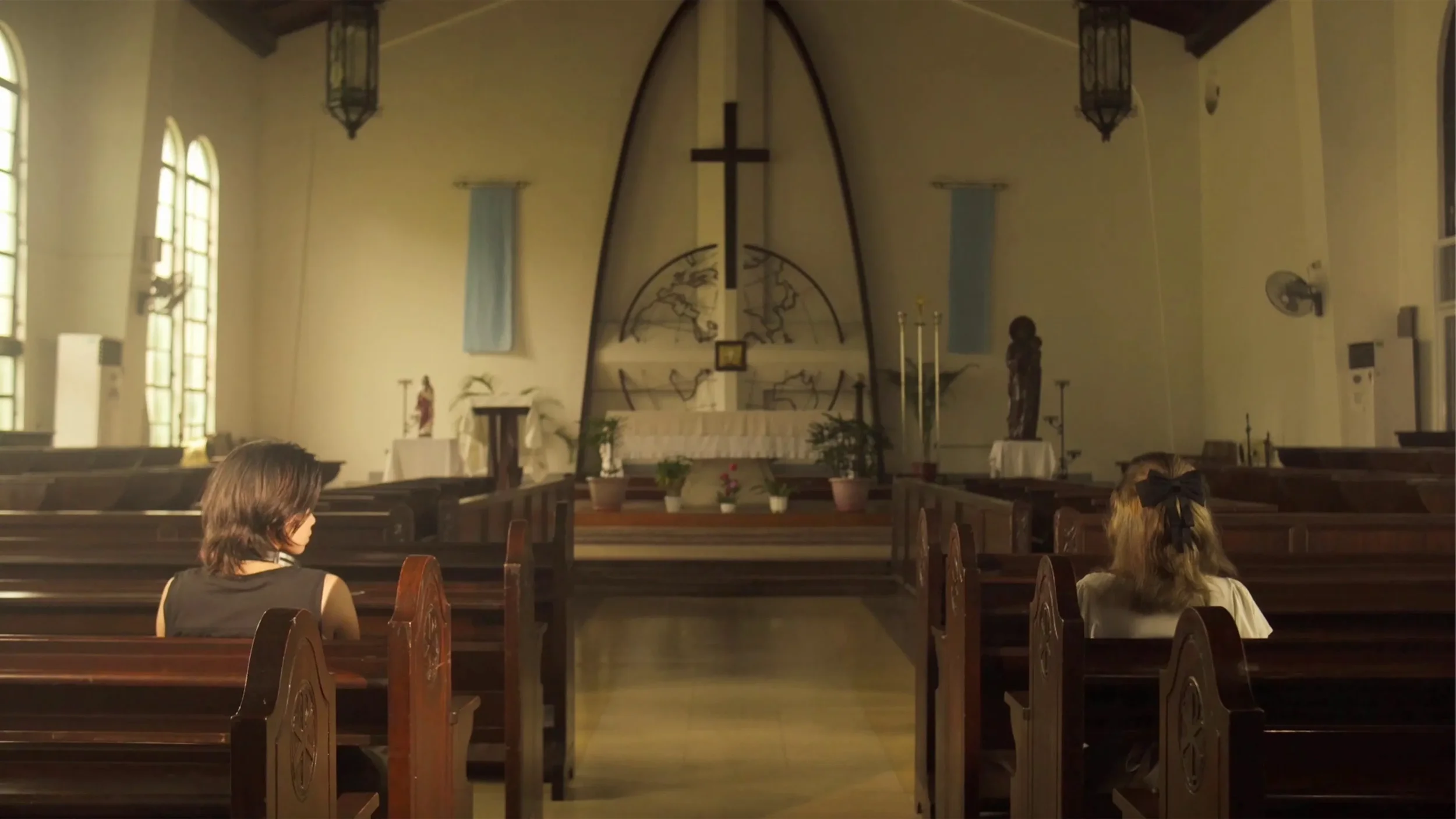
The power of student filmmaking—how limitations in budget and equipment can turn into something beautiful. Flashbacks are creatively presented into something that feels tangible and sensible. The editing and sound design are two things that really stuck to me because they really felt very deliberate and seamless. Everything feels so soft, tender, and sacred; something so precious you don’t want it ruined by anyone or anything. I marvel at Halikana’s presentation and how it managed to say a lot in a very short runtime. I remember watching this for the first time during Black Beret and the audience was so captivated by the whole short. Every element of the film stuck to me and I wish more people will be able to watch this film in the future. — Abigail Manaluz
Still from Hasang
Hasang
Dir. Daniel De La Cruz
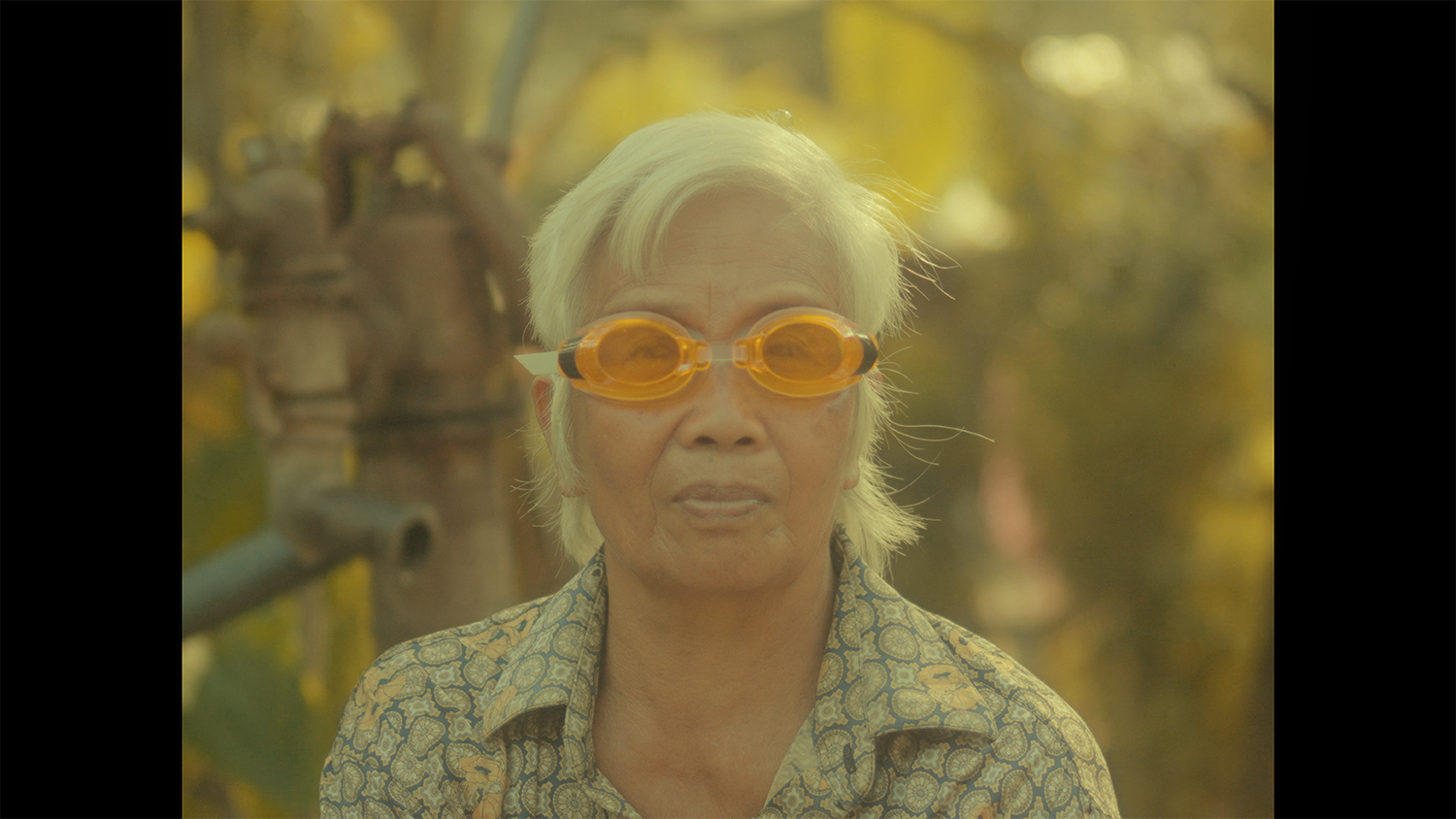
Hasang turns the dry river into an accusation. The absence of water is not natural loss but the result of decisions, projects, and priorities that drain life from the margins to feed centers of power. Here, nostalgia is political because remembering the river as it once was challenges the lie that nothing was taken. The film makes memory itself a site of struggle—proof that even when land is exhausted, it can still testify against those who profit from its ruin. — EP
Still from Honey, My Love, So Sweet
Honey, My Love, So Sweet
Dir. JT Trinidad
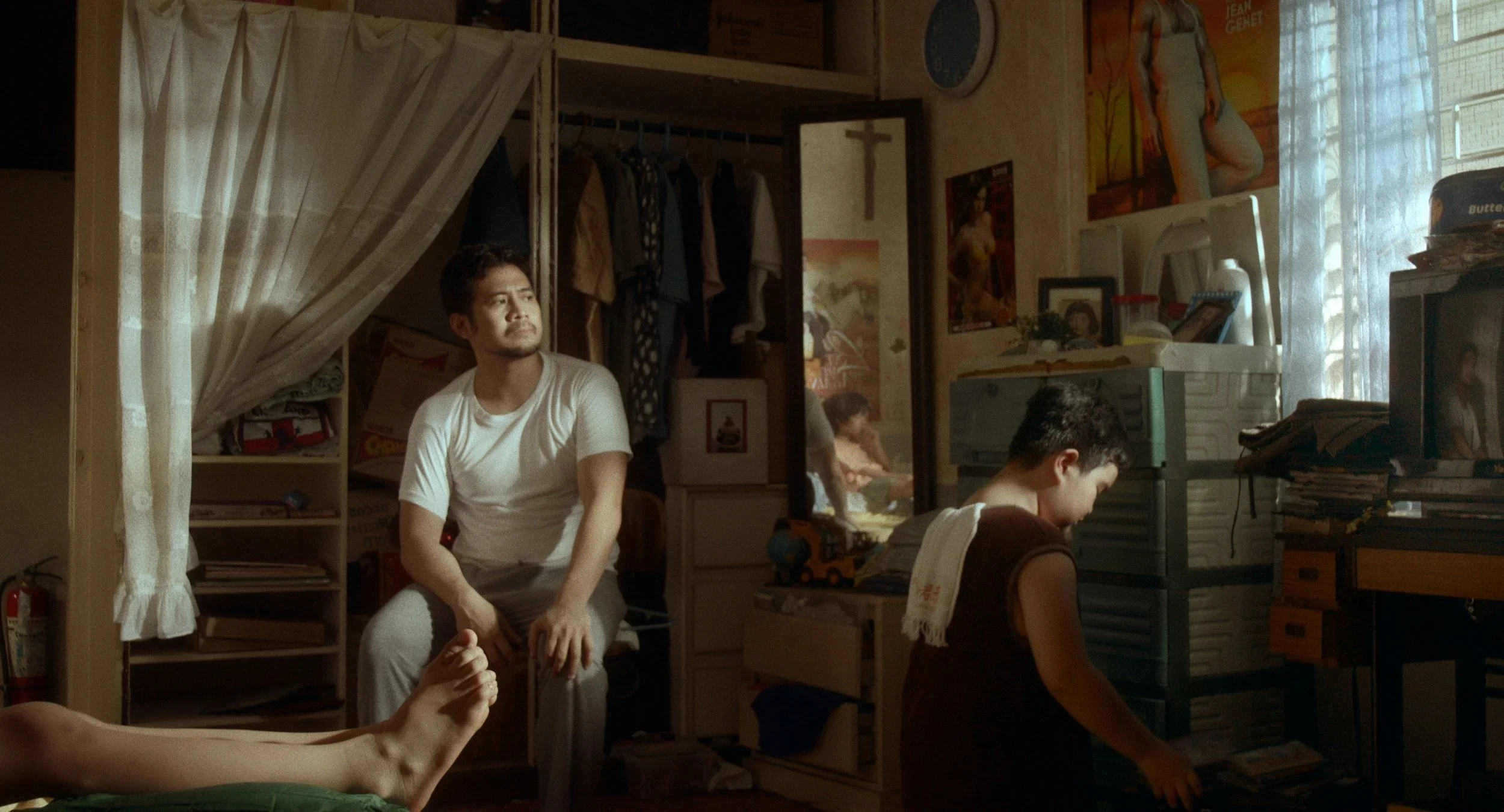
JT Trinidad’s underlying thematic thread within their filmography of the value of the queer experience, physical places, their history, and the people whose self-actualization is centered among them is further continued and exemplified in the meditative Honey, My Love, So Sweet, a tranquil, impactful ode to an aged moviehouse and the coming of age of one child within it. Trinidad’s intimate direction allows both the setting and its characters fully coalesce in theme, one emphasizing the other consistently to an enrapturing degree. In today’s cinema landscape full of considerations for capital and gain, it is nevertheless heartening to still see the capacity of how love and its inception in our lives is remembered, and oftentimes, it occurs in front of a reel. — MY
Still from I’m Best Left Inside My Head
I'm Best Left Inside My Head
Dir. Elian Idioma
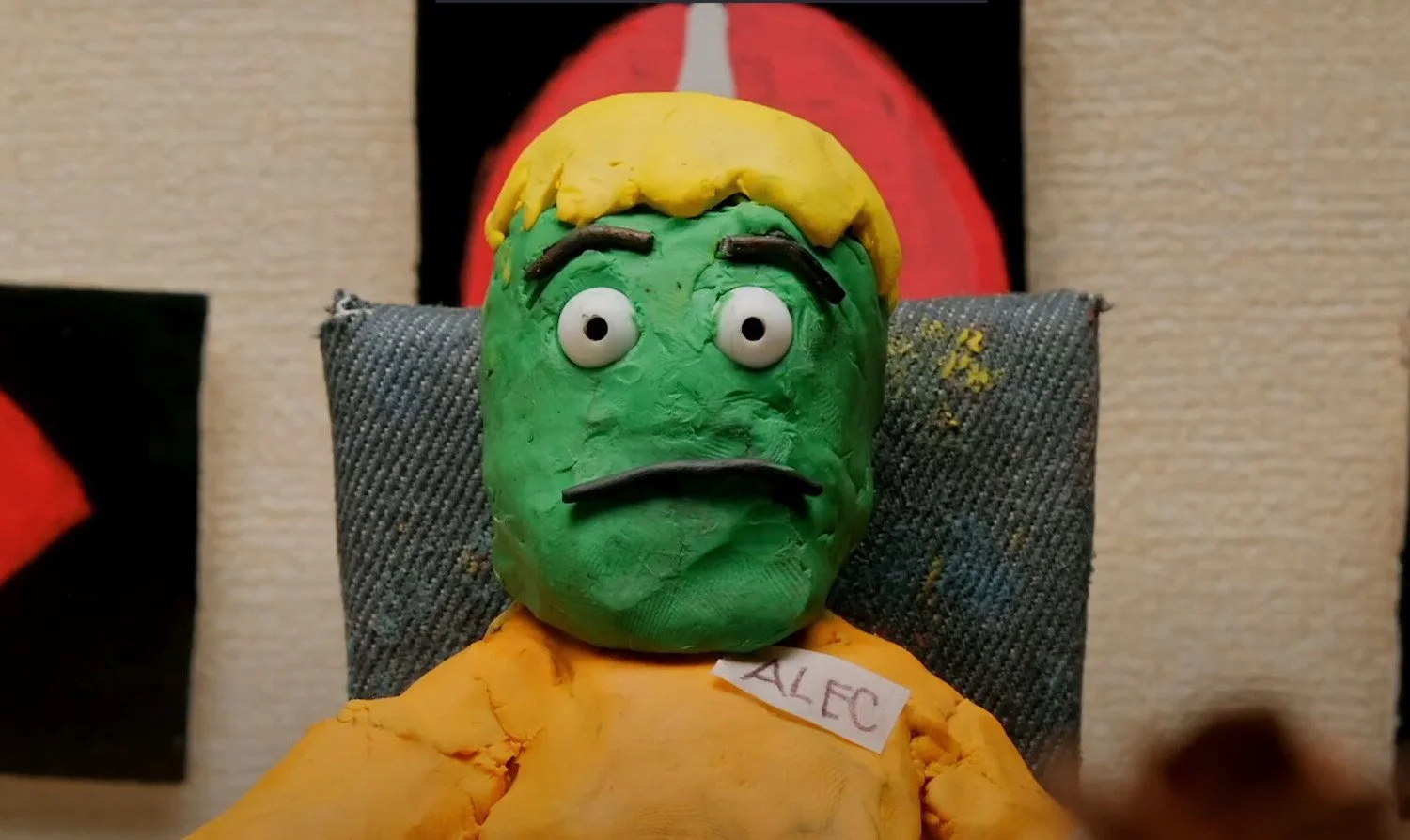
Elian Idioma's I'm Best Left Inside My Head is an impressive work of claymation filled with wit and absurd, anxious humor that it almost feels like a cartoon I'd accidentally come across on TV at midnight. There are layers to appreciate in its craftsmanship and quirky morbidities, so much so that it's one of those short film gems that's unexpectedly tight and enjoyable. — Arri Salvador
Still from Sunog sa Sugbo
Sunog sa Sugbo
Dir. Owen Lepiten
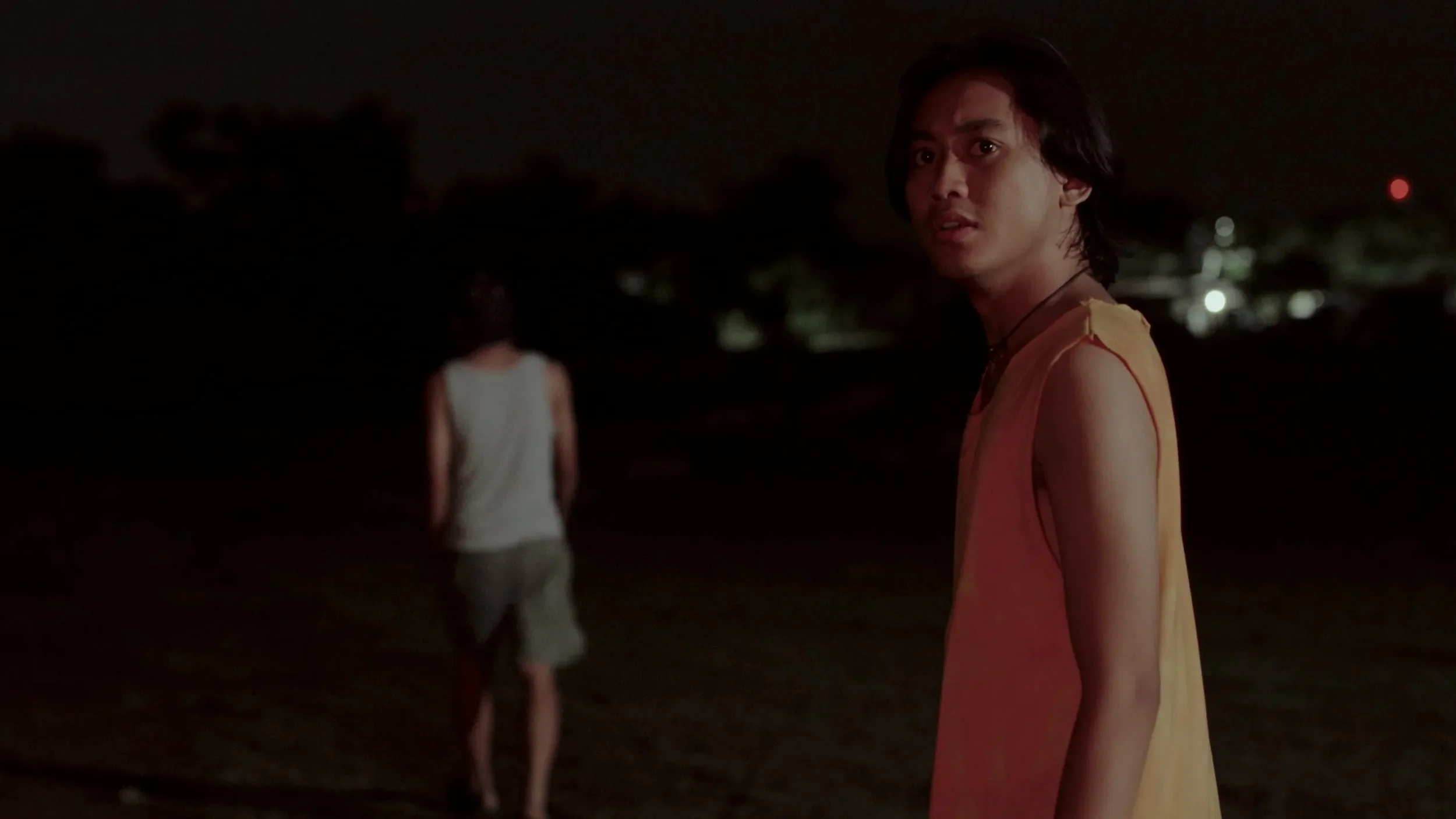
Owen Lepiten’s Sunog sa Sugbo questions the idea of development by focusing on the personal and internal struggles of displaced families granted opportunities to displace more homes. The dichotomy of trying to rebuild life after having their home set to ablaze and at the same time trying to take away the homes of others by burning them is a dilemma of people being used by development aggression for their own and their displaced family’s desperate survival. Lepiten doesn’t ask what led to those actions, but more on shows who really benefit from these, how taking away life leads to life for another, and how the deed remains a conscience of guilt and grief that burns them, is a tragedy that keeps on repeating. — CDGT
Still from Uwian
Uwian
Dir. Vhan Marco Molacruz
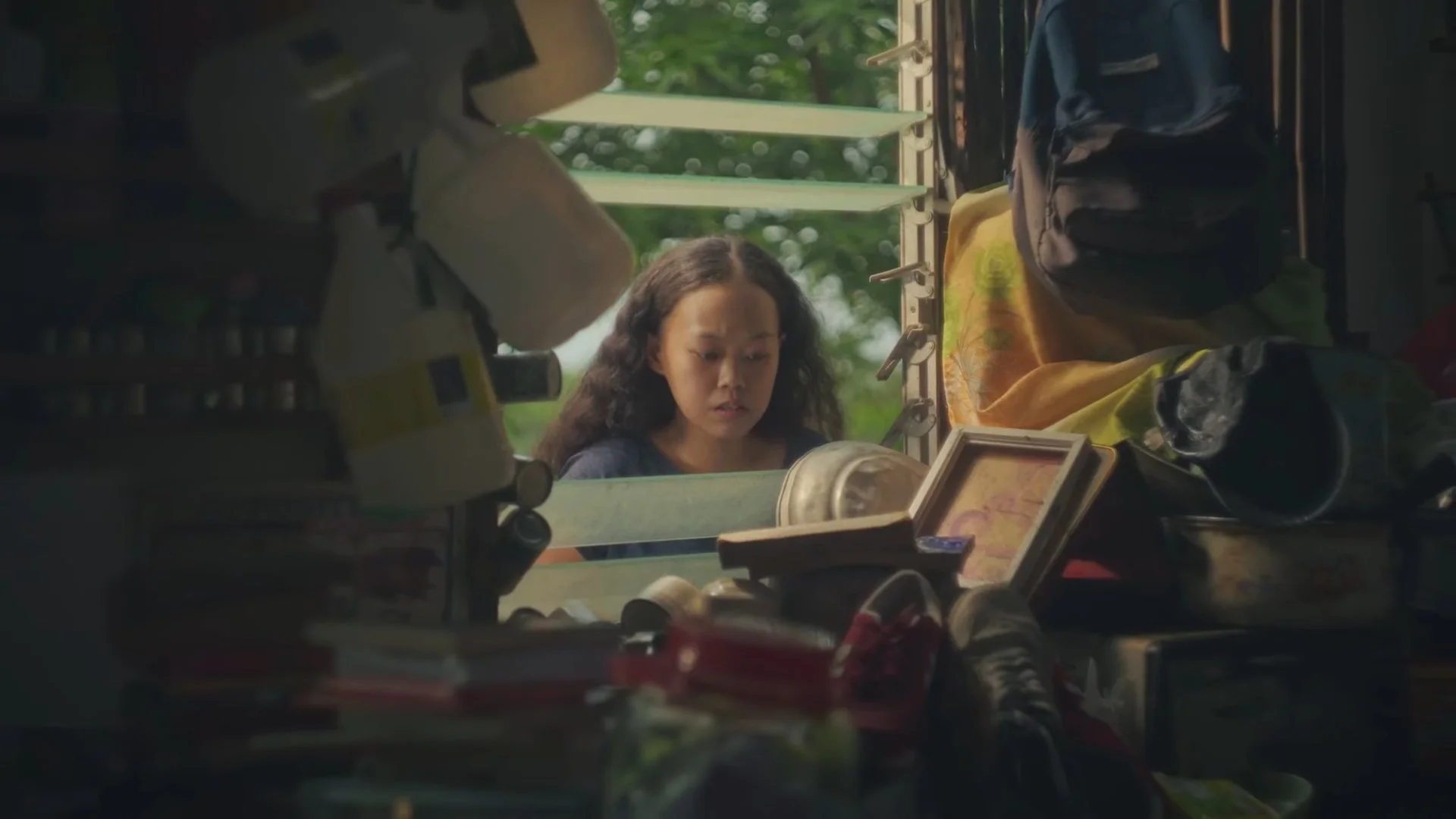
Grief comes in many forms. It does not merely fade as time passes by. It may take years and you are still in denial of the loss and still cling unto any semblance of hope that they might come back. Remy collects things she finds useful when her son finally comes back. You feel her anticipation every time she goes to a printing shop to print missing posters. You sense anguish in her actions. You see the longing in her eyes, that her son will come back and that he will get to enjoy all the stuff Remy hoarded just for him. Grief consumed every fiber of Remy and that last shot of the short film is so haunting and heartbreaking that up to this day, I feel my eyes pooling with tears just by thinking about it. I am in awe of Geraldine Villamil in this film, who I saw for the first time in 2024 in Nanay Bangis. She embodied that role and gave an outstanding performance. No wonder she won the Best Actress award in CinePanalo 2025, and the film as well bagging the Best Short Film Award. — AM
Still from When It Rained Malunggay Leaves
When It Rained Malunggay Leaves
Dir. Cedrick Valenzuela
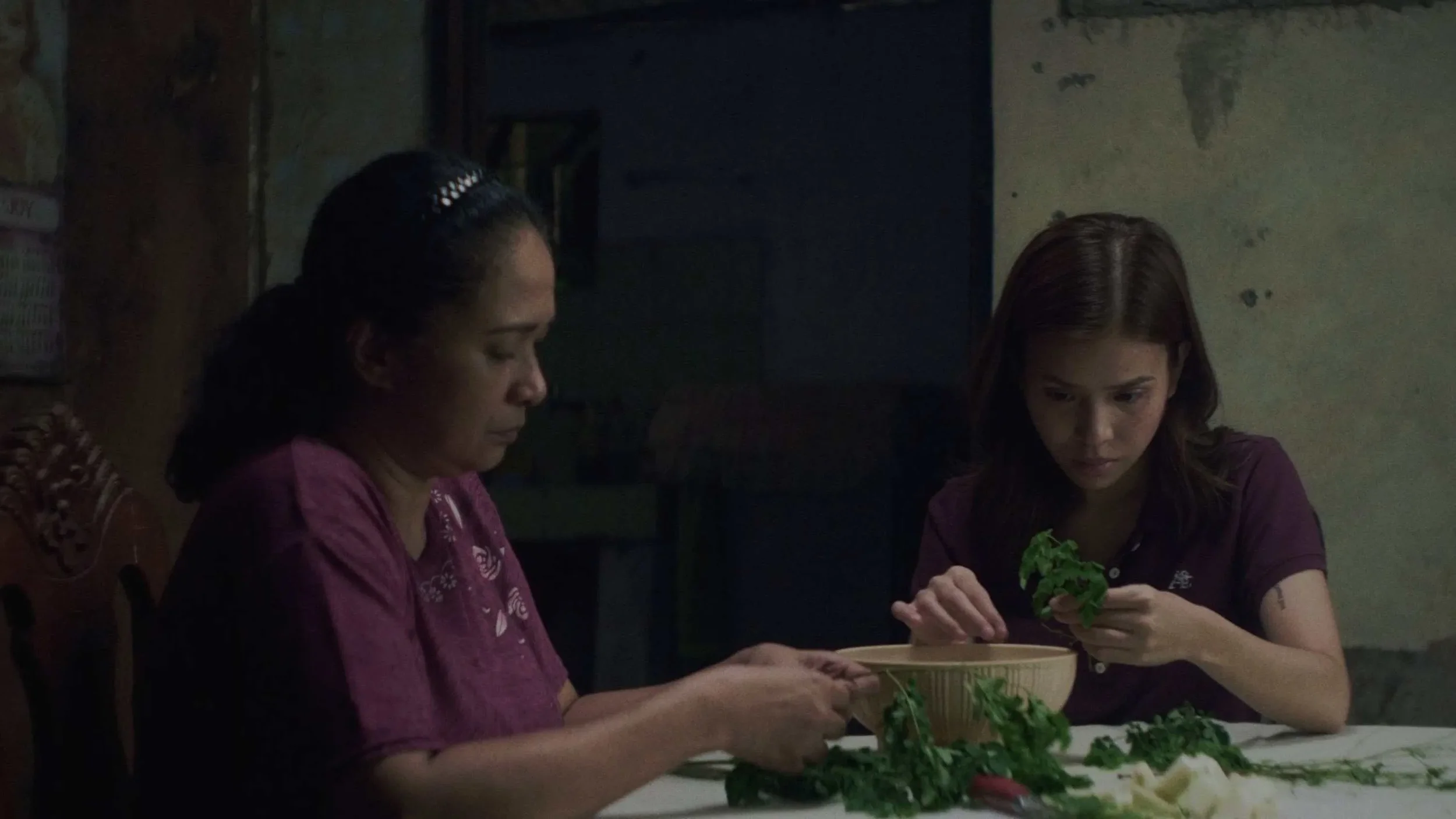
What does malunggay taste like? Grassy, earthy, and bitter, but to me—someone who has grown up drinking malunggay soup whose leaves were harvested from a malunggay plant outside our house—it tastes like home. For many people, though, home is tentative and tedious, much like the practice of stripping the malunggay leaflets from their tough stems. Much of it has to do with the family that resides within said home, the people who may be the catalysts for undeclared hurt, for underexternalized love, for a tacit understanding that will only be articulated at deathbeds and in funerals. When It Rained Malunggay Leaves, through the careful direction of Cedrick Valenzuela and the understated yet resonant performances of Gabby Padilla and Tanya Gomez, expertly conveys the complex emotions of a home you find simultaneous comfort and discomfort in. Amidst the slowness and steadiness of its pace, we make peace with the lack of answers at its core, with the unspoken things only a mother and a daughter can truly ever know. — TA
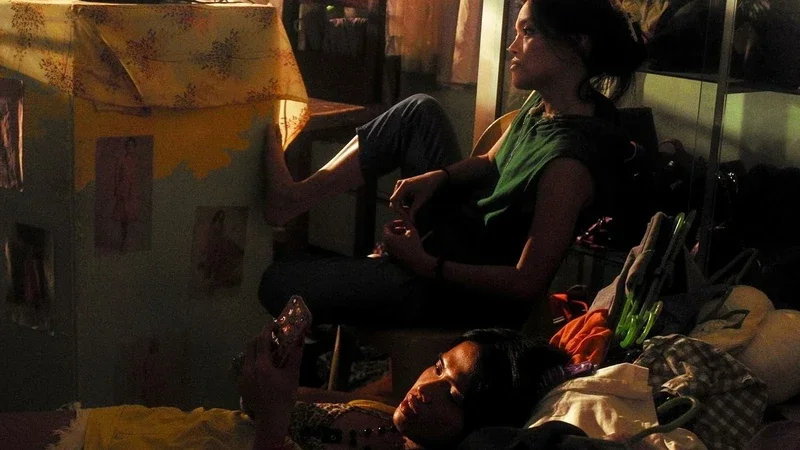
Still from Yelo
Yelo
Dir. Gab Rosique
People from different parts of the country flock to Metro Manila like moths to a flame, pulled in by a promise of wealth and prosperity that is more deceptive than it appears. Love and attraction can spark within this collision of people of disparate backgrounds, but the same forces that allowed it to happen can also tear them apart. Such is the case in Gab Rosique’s steamy sapphic, bomba-inspired short Yelo, where the mutual yet hidden desires of a cis and trans woman working at an ukay-ukay boil to the surface with the arrival of a White American man who brings the possibility of a better life outside of the country. Yelo crafts desire and yearning underneath the sweltering Metro Manila heat, with the ukay-ukay acting as a clever backdrop for America’s continued colonial influence in the Philippines and the diasporas within a diaspora they’ve shaped. It’s a relationship that isn’t meant to last, for the flame afar is more irresistible than the one they’re in. But if their love is going to be snuffed out, it might as well burn at its brightest. — Kieff Iporac