
‘The End of Oak Street’ REVIEW: The Devouring of the Past
‘The End of Oak Street’ REVIEW: The Devouring of the Past

When was the last time we saw David Robert Mitchell have a director's credit? His last film, the LA conspiracy freakout Under the Silver Lake, dropped in 2018 to troubled distribution, and it is only now that he was able to follow that up through the funding of one J.J. Abrams (whose name is all over the marketing).
It's a surprising length of absence, knowing how much Mitchell has stapled his own mark in genre cinema through his debut film, the John Carpenter horror riff It Follows (which was one of the inheritors of the so-called “elevated horror” trend when it dropped in 2014 for its emphasis on dread). Now, with millions of dollars at his disposal, how will Mitchell take his shot at an escape out of Hollywood jail? It's simple, actually: another nostalgic genre riff, this time one of the Spielberg-Amblin family blockbuster, only this time, done with a bit more bite than what you'd think. That is what ends up being the hidden hook of The End of Oak Street, and what truly gives it a spicy kick that makes it a well-oiled, sharply crafted adrenaline pumper in the cinema.
A man (Reymund Domingo) leading an imagined orchestra | Still courtesy of Cinemalaya

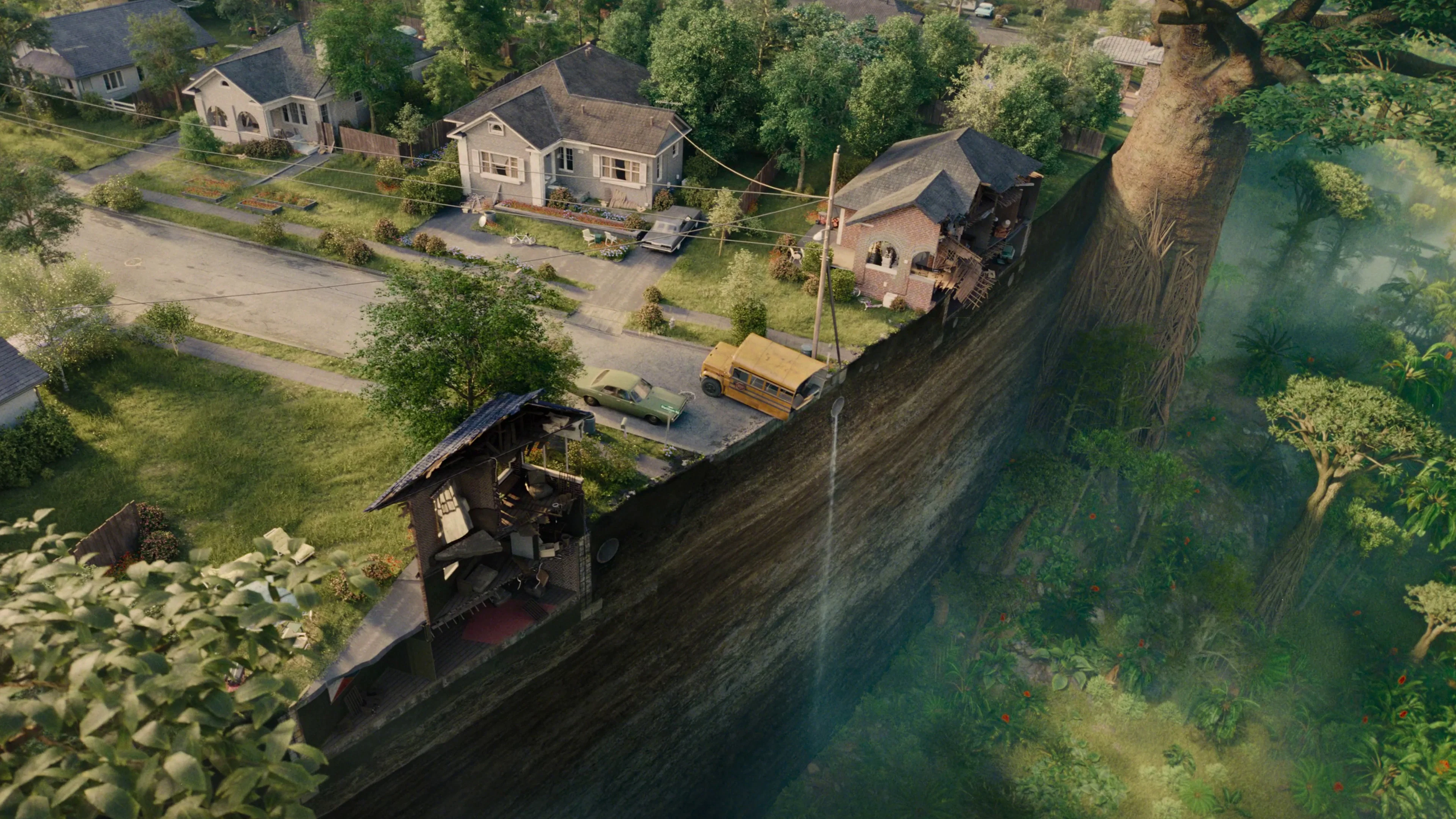
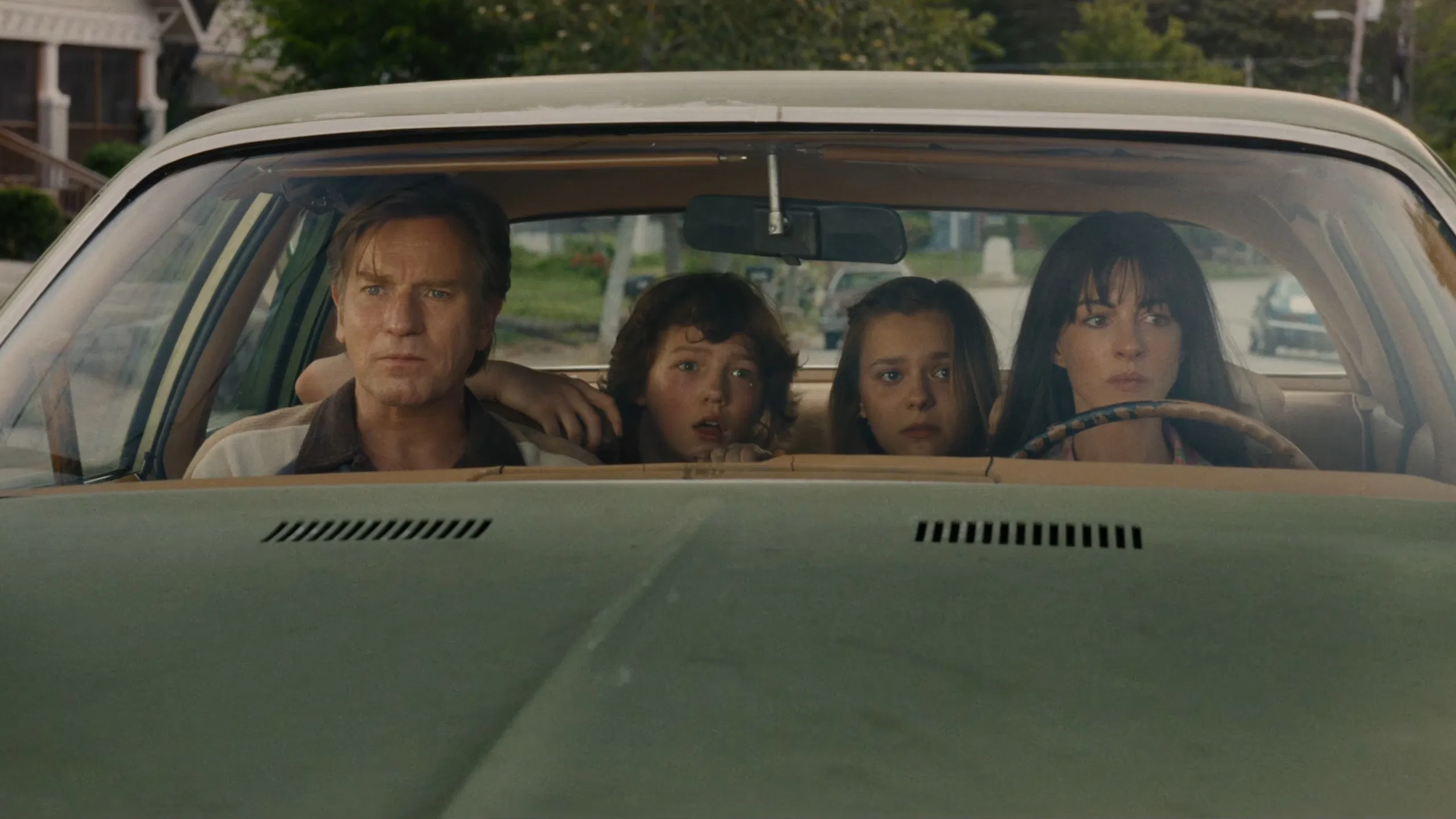
It’s the year 1982, and the Platt family is going through some adjustment issues: mother Denise (Anne Hathaway, in her fourth out of fifth movie this year may I add) has been on working on a novel which may or may reveal her deepest feelings about how to do deal with her relationship with her husband, father Greg (Ewan McGregor) secretly works as a pizza delivery guy after being laid off of his job, eldest daughter Audrey (Maisy Stella) is currently on a crossroads on what do do with her life after graduation, and youngest son Brian (Christian Convery) is dealing with trying to avoid an altercation with a neighborhood kid he pissed of while also attempting to woo over a crush (Jordan Alexa Davis).
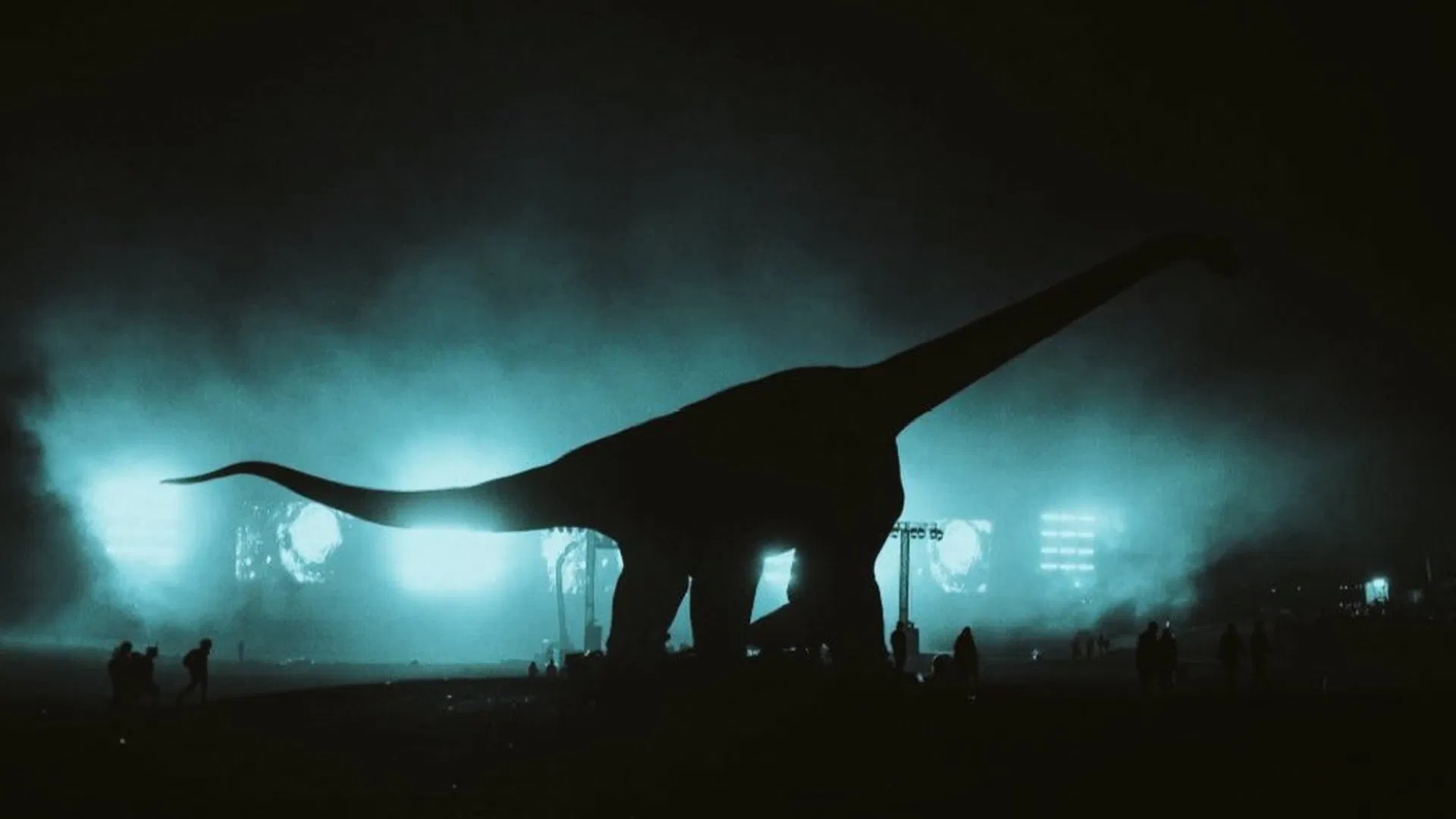
As they are all dealing with these already precarious situations (along with dealing with their pet dog, Starbuck’s mischievous misdeeds in the neighborhood), they, along with the rest of a chunk of their neighborhood, are about to receive a rude awakening: their chunk of land has been transported to the prehistoric era, and their daily life is about to turn into a fight to keep it going, as those dinosaurs aren’t willing to give up their place in the circle of life.
And what a fight that is: once it sets up all its bases that all of its character work is squarely built on, The End of Oak Street is a classically-executed series of intense set-pieces, uncanny tension, and escalating action that it consistently runs on. You could say that this reliance on locomotive plot movement can pose the risk of linearity in its character and thematic arcs, but Mitchell (who also penned the script) managed to effectively merge these aspects into consistent thrills without ever lulling too much.
This thing is at an hour, 40-minute fare, which is a more-than-pleasurable benchmark to reach for this kind of cinema, as its sequencing unfolds with a lightness on its feet that doesn’t feel too constrained by the third act flow, and even goes to some intriguing, if a bit complex, directions in its third act that do bring some heady implications to what initially feels straightforward in its visceral stakes, but still a pretty interesting direction to take to its finish.
Lily (Maxine Ignacio) finds comfort in John (Anthony Falcon) | Still courtesy of Cinemalaya
It also helps that the spring in itself is in part fueled by actual sadism. I am surprised at just how relentless this feels, and not just in the methodology, but in the sheer sense of how it goes about getting its characters through the physical and emotional wringer, especially as the bodily violence does stretch the extent of the PG rating in sheer terror (though from what I remember, this was hit by an R-13 on first review). This more than works in the film’s favor, though, as this mercilessness really nurtures a sense of woundedness in the central family’s bonds as they slowly begin to be worn down by the stress and anxiety of the situation — the main 4, especially Hathaway, give fantastic performances — and it is more than palpably felt. Though I can’t help but chuckle at just how mean some of the third-act beats end up being in motion.
All of this is kept together by some admittedly wondrous craft by Mitchell, who can use every minutiae flourish to keep track of the scope of this out-of-place world in a way that feels, dare I say, Spielberg-ian at times not just in tone and outlook, but in its sweeping camera movement and long takes (ironic too, knowing how Spielberg helmed a more ambitious conceptual take on his own formula this year with Disclosure Day compared to how back-to-basics this seemingly is).
On a huge (pseudo) IMAX screen, it was also fascinating how despite being shot with a digital IMAX camera, there were interesting filmic grain textures (at least, during the premiere screening I went to) that more than fit the film’s period and its washing over really added another formal layer to its time period.
Ofel (Frances Makil-Ignacio) and Grace (Bituin Escalante) lead a rally | Still courtesy of Umbrella Entertainment
The End of Oak Street functions quite well as a “this is what Hollywood doesn’t make anymore,” a thrilling visualization of a magnanimous premise that takes itself into various places with hard swerves to give the audience a good time, even more so if some of them look for some sadistic streaks in their tentpoles.
At the same time, there’s a seeming mournfulness with how it looks to the past both in form and function, a bit of a paradox when it comes to what the film bills itself as, where going too far back, even if inadvertently, may result in some unexpected consequence that we are all left to reckon with. The fact that it manages to integrate that idea alongside the hints of fragile humanity really rounds out the film into less of a traditional “for hire” job and more in line with Mitchell’s own idiosyncrasies, which is a huge plus in something that costs this much money. Keep him out of director’s jail for good, man.
‘The End of Oak Street’ is now showing in Philippine cinemas through Warner Bros. Philippines.