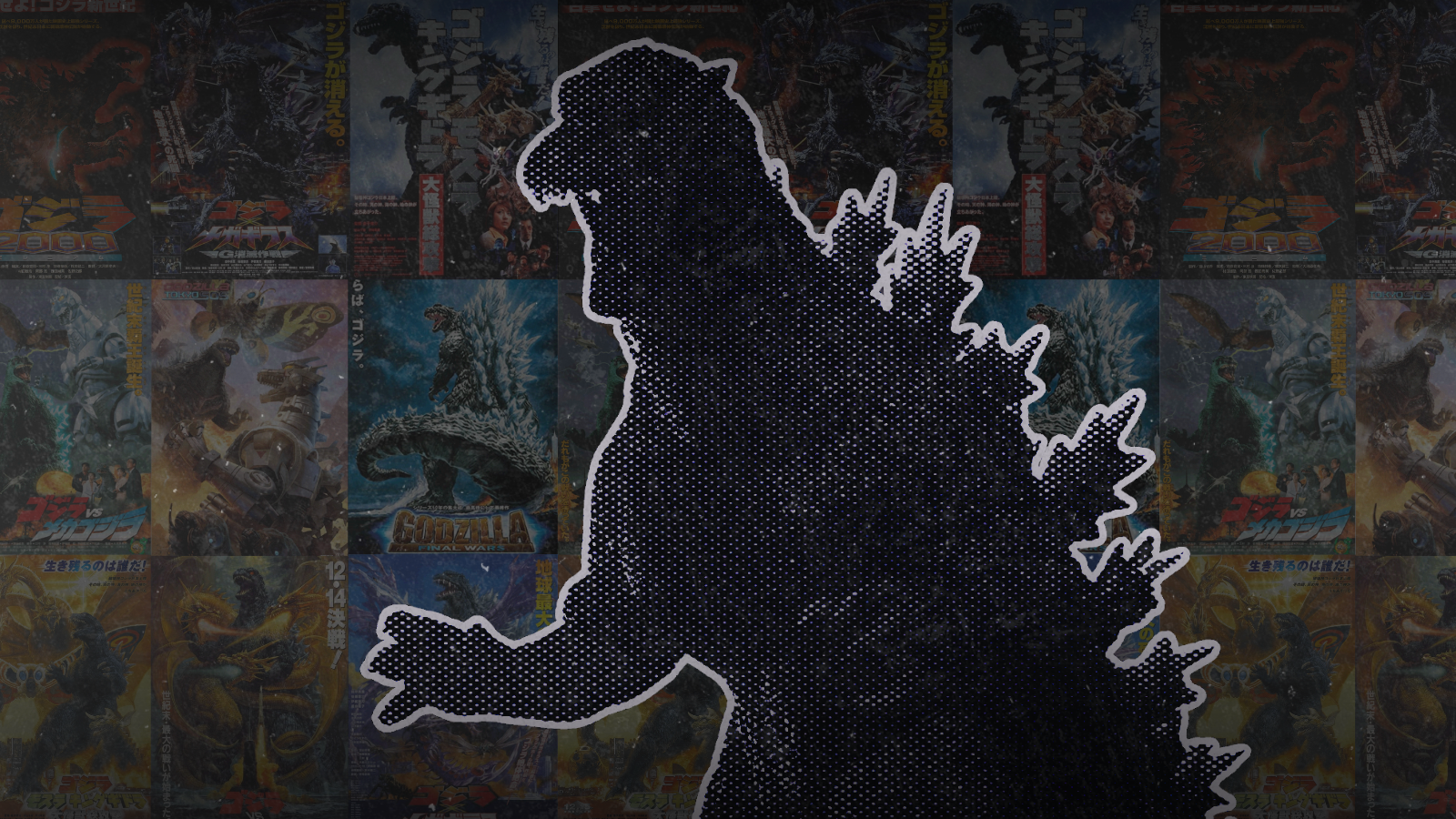

‘Godzilla Minus Zero’ REVIEW: Humans Can’t Keep Up With Takashi Yamazaki’s Bigger, Louder Kaiju Spectacle

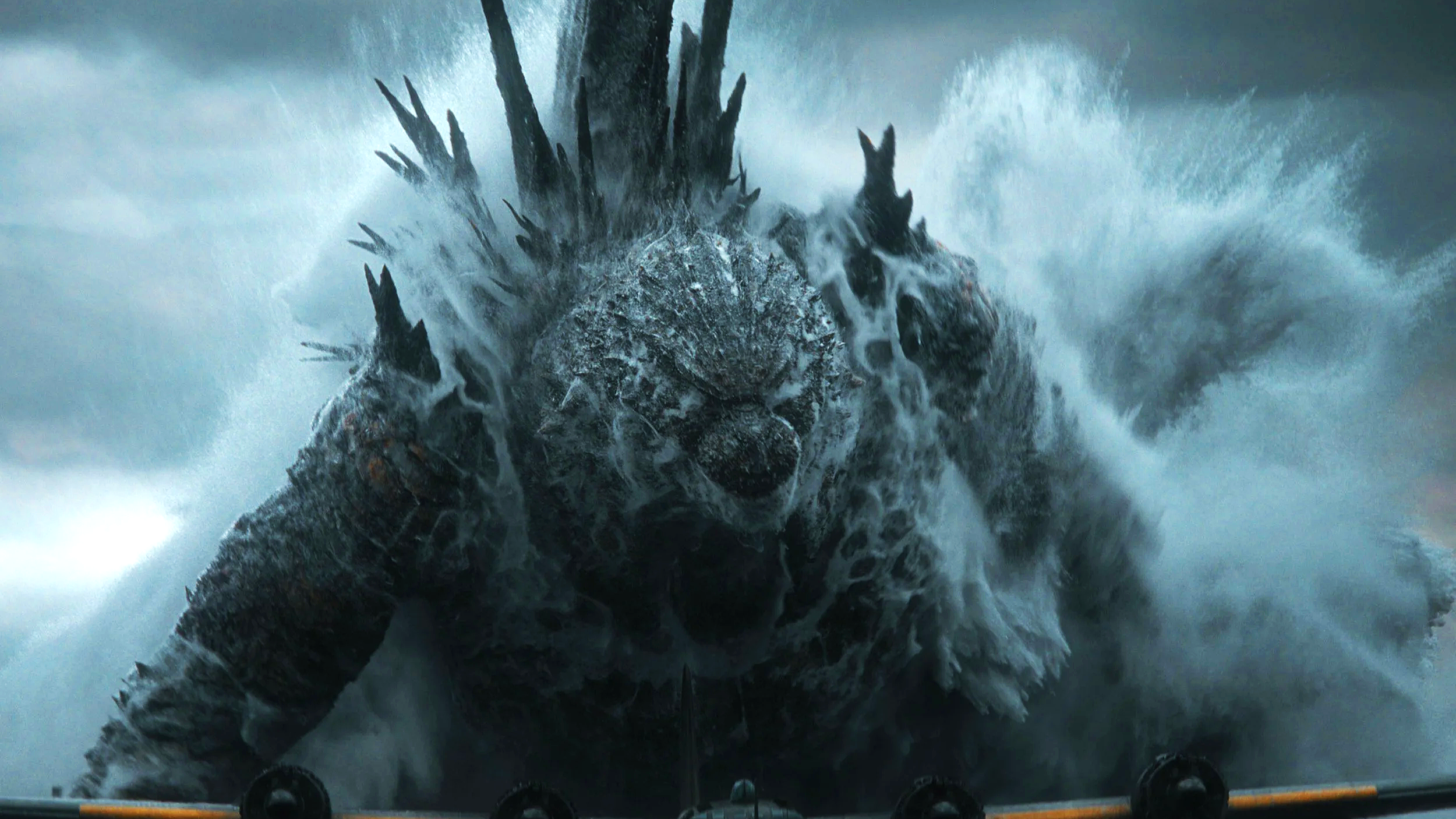
Godzilla rises out of the water | Still courtesy of Toho

WARNING! Spoilers ahead for ‘Godzilla Minus Zero’ and ‘Godzilla Minus One’
For all the criticism levelled at Godzilla Minus One for its revisionist treatment of postwar Japan, there’s no denying how successful Takashi Yamazaki’s film became. What began as another domestic entry in Toho’s long-running franchise became an international phenomenon despite notably skipping much of Asia during its original theatrical rollout. It won an Academy Award for visual effects and found an audience far beyond the franchise faithful. That success also gave Yamazaki’s particular version of the monster, and the people who survived him, a life beyond a single film. With that kind of success, a sequel was practically inevitable.
Godzilla Minus Zero picks up two years after Godzilla’s supposed death in Minus One, with Kōichi (Ryunosuke Kamiki) and Noriko Shikishima (Minami Hamabe) now married and raising their adopted daughter Akiko (Sae Nagatani), while Kenji Noda (Hidetaka Yoshioka) works with Japan’s large-scale disaster response bureau. Their peace is soon upended by Monster Zero himself, King Ghidorah, whose arrival pushes the relatively contained disaster movie of the first film into something closer to a full-blown kaiju-on-kaiju showdown.
That shift in scale gives Yamazaki more room to indulge in spectacle than in Minus One or any of his previous blockbusters, and it’s here that his growth as an action filmmaker becomes most apparent. The best evidence comes during the first confrontation with King Ghidorah, where humans in their puny planes are pitted against something hopelessly beyond them. The dogfights are frantic without becoming visually muddled as the winged kaiju chases the planes, unleashing vicious bolts of electricity that tear through the sky, while aircraft are picked off one by one and every attempt to bring the creature down grows more desperate. What makes the sequence so memorable, though, is how fully realized King Ghidorah is, both as a creature and as a force of destruction.
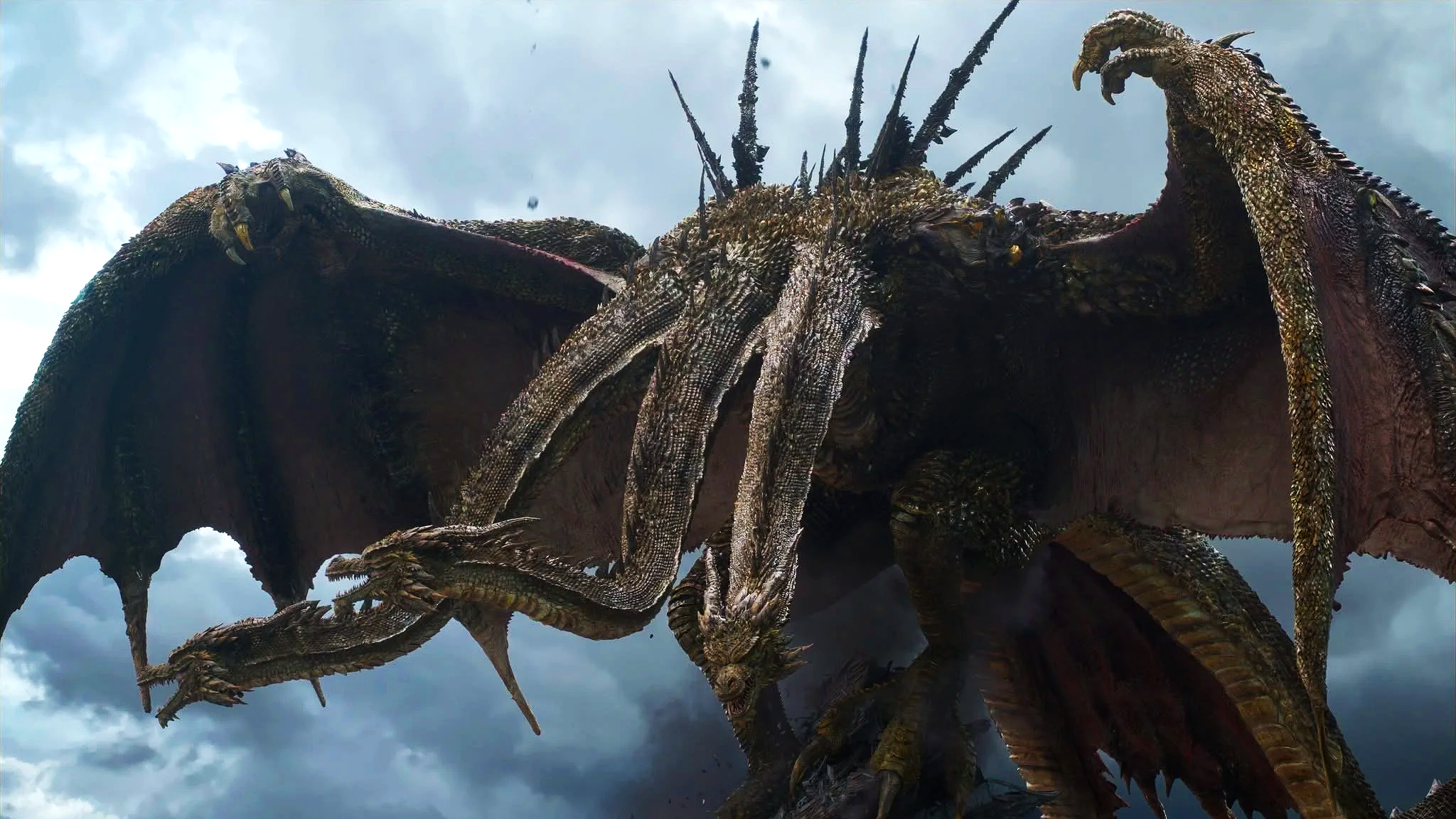
King Ghidorah in Godzilla Minus Zero | Still courtesy of Toho
That overwhelming presence is built through an almost ridiculous amount of detail in the visual effects. When King Ghidorah transforms, his skin tears apart as the new form pushes through layers of wet membrane, peeling flesh and alien goop before the fully formed three-headed creature rises into the sky in all his majesty.
Later, his gravity attack tears entire houses and chunks of debris from the ground until a whole neighborhood becomes this enormous, impossible mass hovering above the city. The image is terrifying precisely because it’s so difficult to comprehend: the familiar suddenly behaving in a way that seems to break the basic rules of the world, but there’s a terrible beauty to it that makes it hard to look away from. Even at that scale, the effects never lose their finer details, with individual houses and pieces of debris twisting and tumbling before everything comes crashing back down. The sound design then gives all that destruction a frightening physical weight.
Naoki Sato’s score for Monster Zero understands that contradiction perfectly, with King Ghidorah’s theme setting off an instinctive alarm even as his imposing grandeur draws you in. Together, the effects, sound, and score make the sequence feel as awe-inspiring as it is lethal. It’s the sort of blockbuster spectacle that reminds you what the big screen is for.
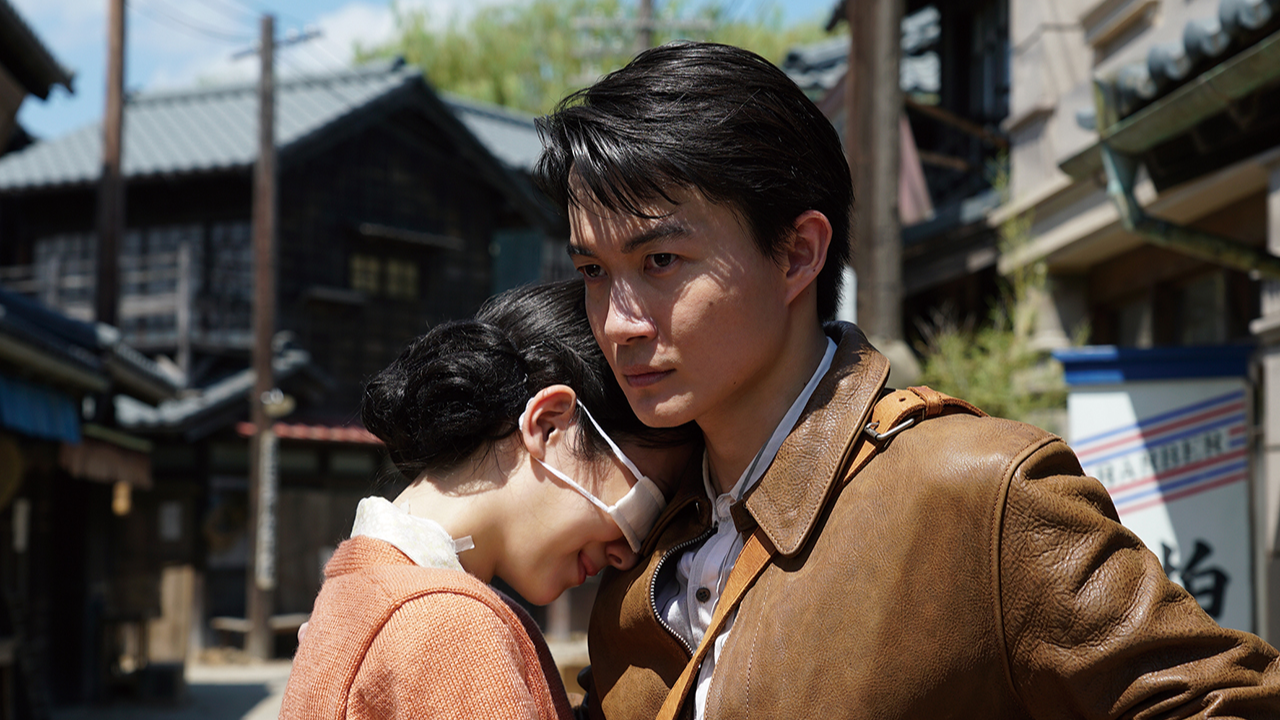
Kōichi (Ryunosuke Kamiki) and Noriko (Minami Hamabe) | Still courtesy of Toho
What hasn’t improved, though, is Yamazaki’s writing. Kōichi and Noriko were never the most convincing romantic pairing in Minus One, and Minus Zero does little to make their marriage or life with Akiko feel any more lived-in. The bigger problem is that Yamazaki forces them through an emotional journey the previous film had already completed.
The first film ended with Kōichi letting go of the shame that kept him tethered to the war, choosing to live and accepting Noriko and Akiko as his family. Noriko’s final question, “Is your war finally over?”, followed by Kōichi’s nod, is practically the culmination of that entire arc. The sequel, however, refuses to let them rest, once again pitting some larger duty against their life together so Yamazaki can squeeze out more melodrama, only for Kōichi and Noriko to choose their family all over again.
And as usual with Yamazaki, when the writing can’t quite earn the catharsis he wants, he falls back on saccharinity. That’s especially apparent after Kōichi and Noriko leave Akiko at an orphanage while they return to the fight against King Ghidorah and Godzilla. The children there, themselves abandoned by the war, coldly tell Akiko that her parents won’t come back because theirs never did. She refuses to believe them and is proven right when the couple returns, though only to say goodbye before going into hiding from the US over their connection to Godzilla.
Yamazaki drags the farewell through tears, embraces, and reaction shots from the other children before Kōichi and Noriko decide to take Akiko with them anyway. The scene wrings another emotional climax from a family whose story had already reached one, while the orphans’ abandonment becomes a threat hanging over Akiko and then a contrast for her happier fate. In a film otherwise so concerned with the suffering left behind by war, there’s something oddly callous about turning those children’s trauma into emotional scenery for someone else’s supposedly heartwarming reunion.
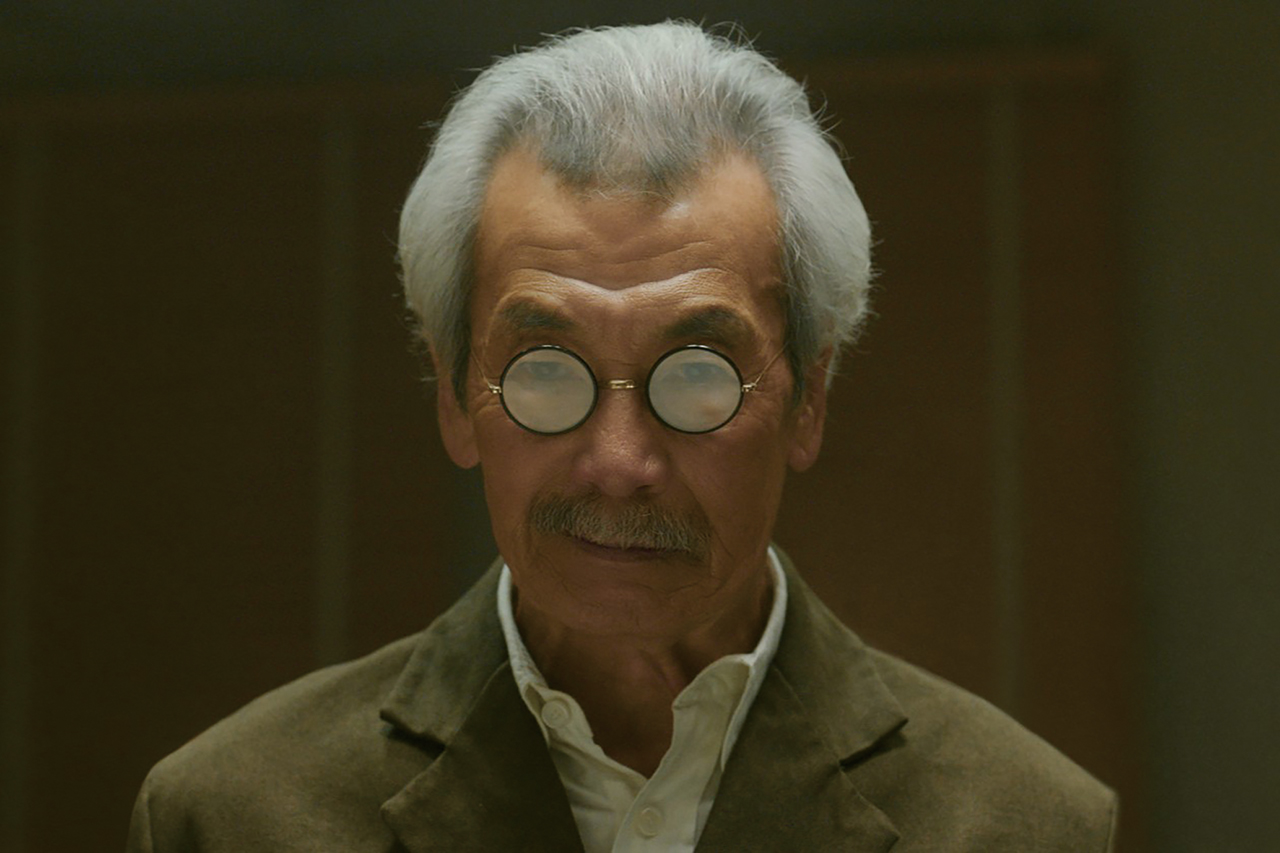
Min Tanaka as Professor Murakami | Still courtesy of Toho
The limits of Yamazaki’s storytelling are clearest in Professor Murakami (Min Tanaka), a Hiroshima survivor who lost his family in the atomic bombing and carries a deep resentment toward the United States. His anger spills into a revenge fantasy where he imagines using Godzilla to obliterate Manhattan with atomic fire in one of the film’s most terrifying and striking sequences. When Yamazaki said Minus Zero was a response to Christopher Nolan’s Oppenheimer, this scene was the response.
The fantasy culminates with Murakami catching himself grinning at the destruction in a mirror, à la Willem Dafoe’s Green Goblin, only to recoil from his own expression. We’re clearly meant to understand that he’s horrified by what his grief and hatred have turned him into, and Yamazaki plays the moment with such excessive melodrama, pressing so hard on its gravity that it undercuts the effect it’s going for and makes it difficult to take seriously.
And we never saw that side of him again. When the film later needs to explain how Murakami goes from fantasizing about using Godzilla as a weapon of revenge to believing that his technology should save lives rather than destroy them, it falls back on that same emotional intensity. A late, plot-twisty flashback reveals Noda pleading with him to make that choice, but the conversation quickly devolves into a melodramatic shouting match in which Noda sounds more desperate than persuasive. Yamazaki gives Murakami a moment of recognizing the ugliness of his hatred, then later reveals that he’s rejected it, but does little to make the journey to that transformation convincing.
Noda, at least, fares better. His guilt shapes what he actually does. Having spent the war developing weapons for a military that treated human lives as expendable, he carries that shame into the present as an insistence that no victory should require people to be thrown away. Minus Zero forces him to compromise that principle once the situation with King Ghidorah becomes desperate enough, and Kōichi is quick to confront him with the contradiction. But when the operation begins to fall apart, Noda doesn’t ask others to shoulder the danger for him. He puts himself directly in it, assuming the same risk he’s been asking everyone else to bear. It’s an act of responsibility shaped by guilt. For once, Yamazaki takes the time to let a character’s past, convictions, and choices grow out of one another.
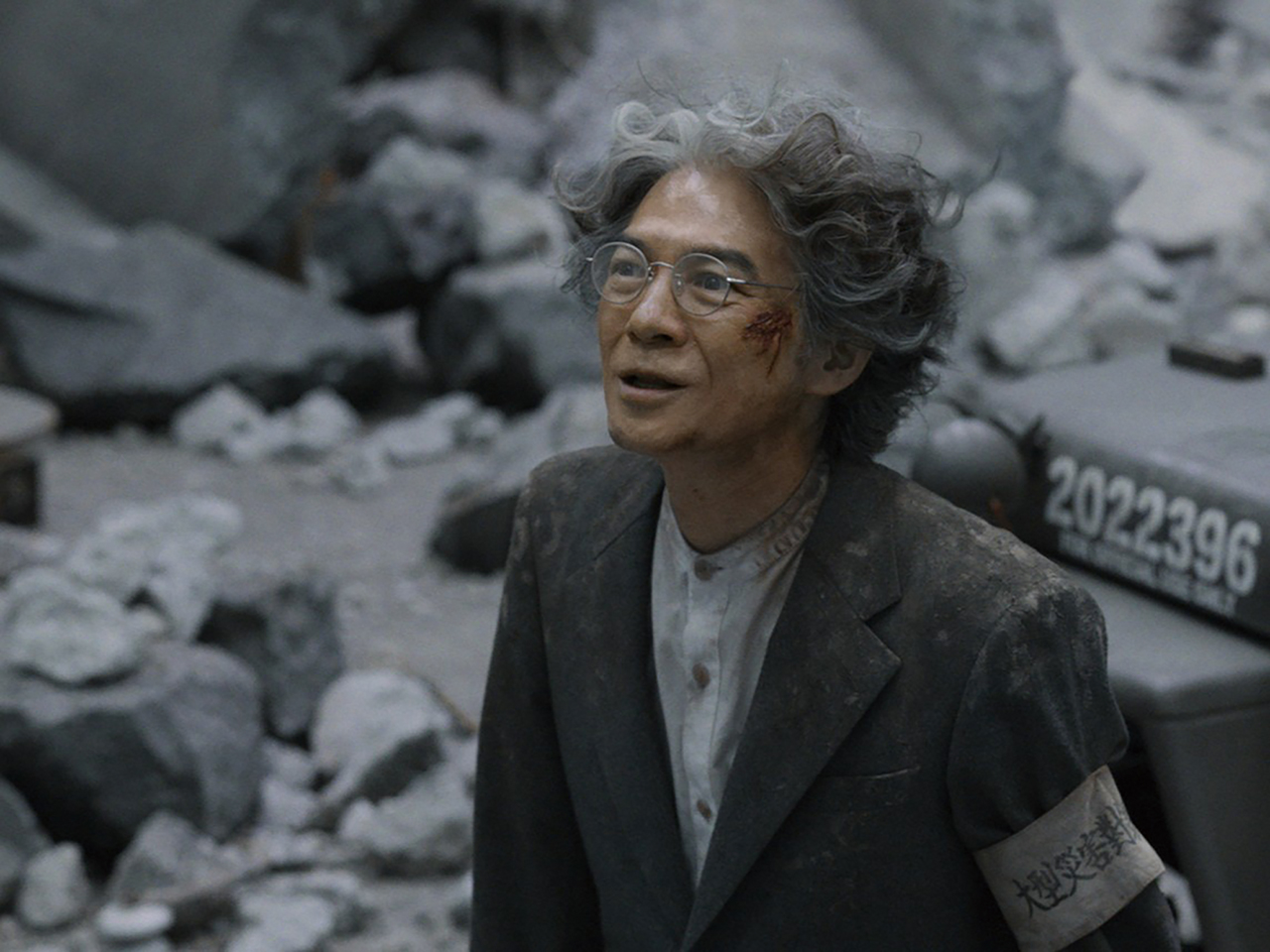
Hidetaka Yoshioka as Kenji Noda | Still courtesy of Toho
Noda’s guilt also fits into a broader anti-militarist streak running through Minus Zero. The film is far more suspicious of military power and weapons of mass destruction than Minus One, treating both their use and the desire to control them as moral failures. Murakami’s plan to use Godzilla against King Ghidorah, let the two monsters weaken each other, and then have the humans kill whichever one survives is framed by Noda as another line mankind shouldn’t cross. The finale pushes this distrust further when the US military, having initially moved in to finish off Godzilla, changes course once it realizes that something this powerful may be more useful alive and under its control. This forces the characters to fight back by concealing all knowledge related to Godzilla. The message is clear: once such a weapon exists, someone will inevitably try to control it, and that is something we must prevent.
The easy defense is that Yamazaki has simply changed. Maybe he has. But Minus One wasn’t that long ago, and that movie practically fetishized the machinery of war, finding exhilaration in planes, warships, and the military know-how used to blow Godzilla’s head apart. All of that was presented as heroism and national catharsis. Go further back to The Eternal Zero and The Great War of Archimedes, and the pattern becomes harder to dismiss.
Yamazaki has long condemned Imperial Japan for military arrogance, disastrous strategy, and the needless sacrifice of Japanese lives, while showing far less interest in the people on the receiving end of Japanese imperial violence. His criticism of war has always been much more Japan-centric than humanist, making it hard not to question the intent behind Minus Zero suddenly discovering a broader horror of militarism only when the United States enters the picture and Japan is no longer in command.
There’s historical distance, sure. The characters are civilians now rather than soldiers, and the story takes place four years after the war. But that’s hardly enough time for the history to recede into the background, especially when nearly everyone is still defined by what they did during it and what it did to them. It’s also hard not to wonder whether some of this softening has to do with Minus Zero being positioned for a much wider international release, including parts of Asia (except China and South Korea, of course) that Minus One barely reached during its original theatrical run.
Whatever the reason for the political recalibration, Godzilla Minus Zero is still most convincing when Yamazaki leaves the moralizing behind and lets the monsters take over. King Ghidorah steals the show, but Godzilla is never shortchanged. When he does appear, Yamazaki gives him the grandeur and majesty befitting the King of the Monsters. The kaiju leave a stronger impression because he knows how to give their size, movement, and destruction a sense of wonder and cosmic terror. It’s when the people beneath them, and the politics surrounding them, are asked to carry the same weight that Minus Zero begins to buckle.
‘Godzilla Minus Zero’ is now playing in Philippine cinemas.