
‘Street Fighter’ REVIEW: A Fraught Matchup

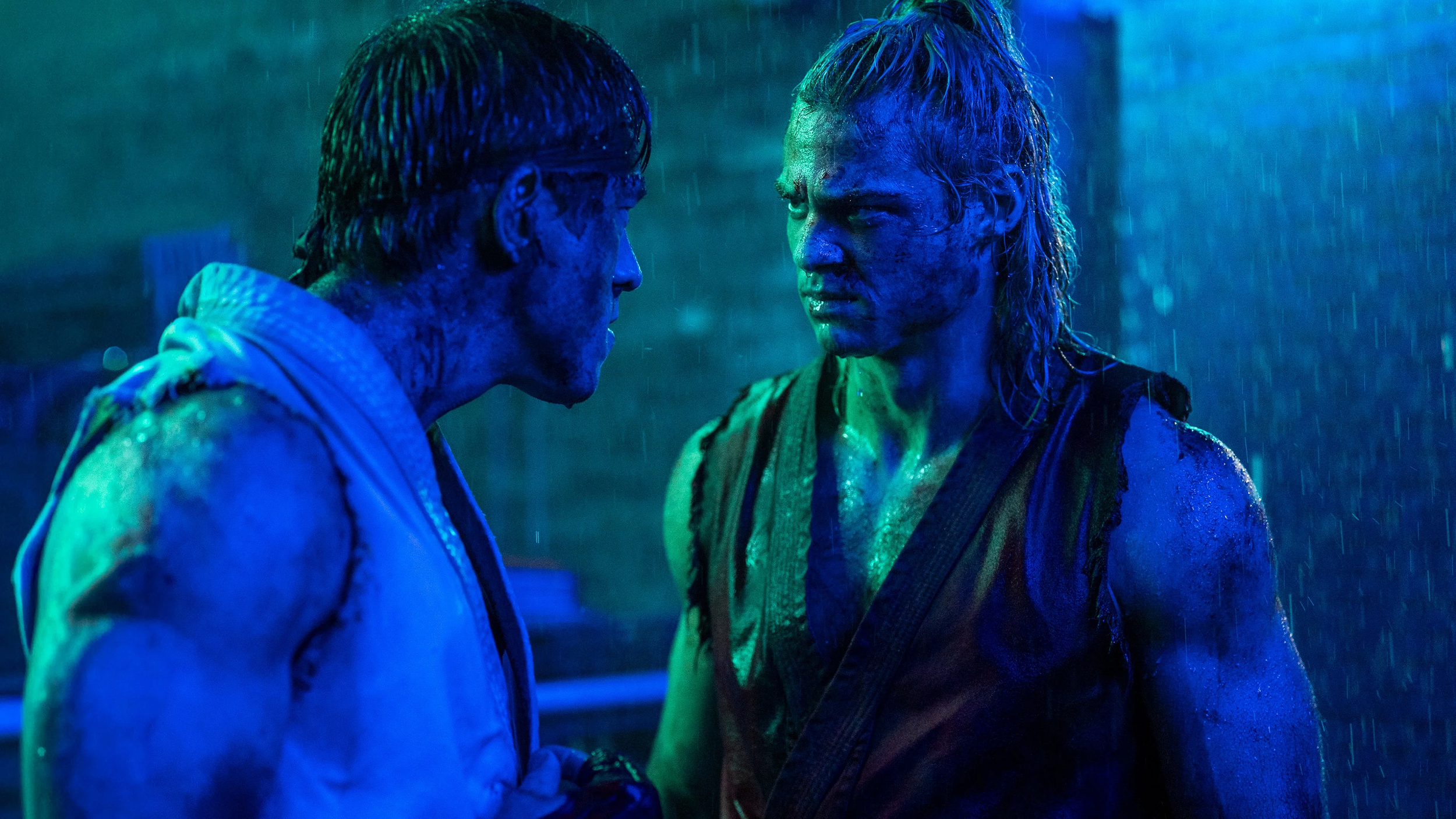
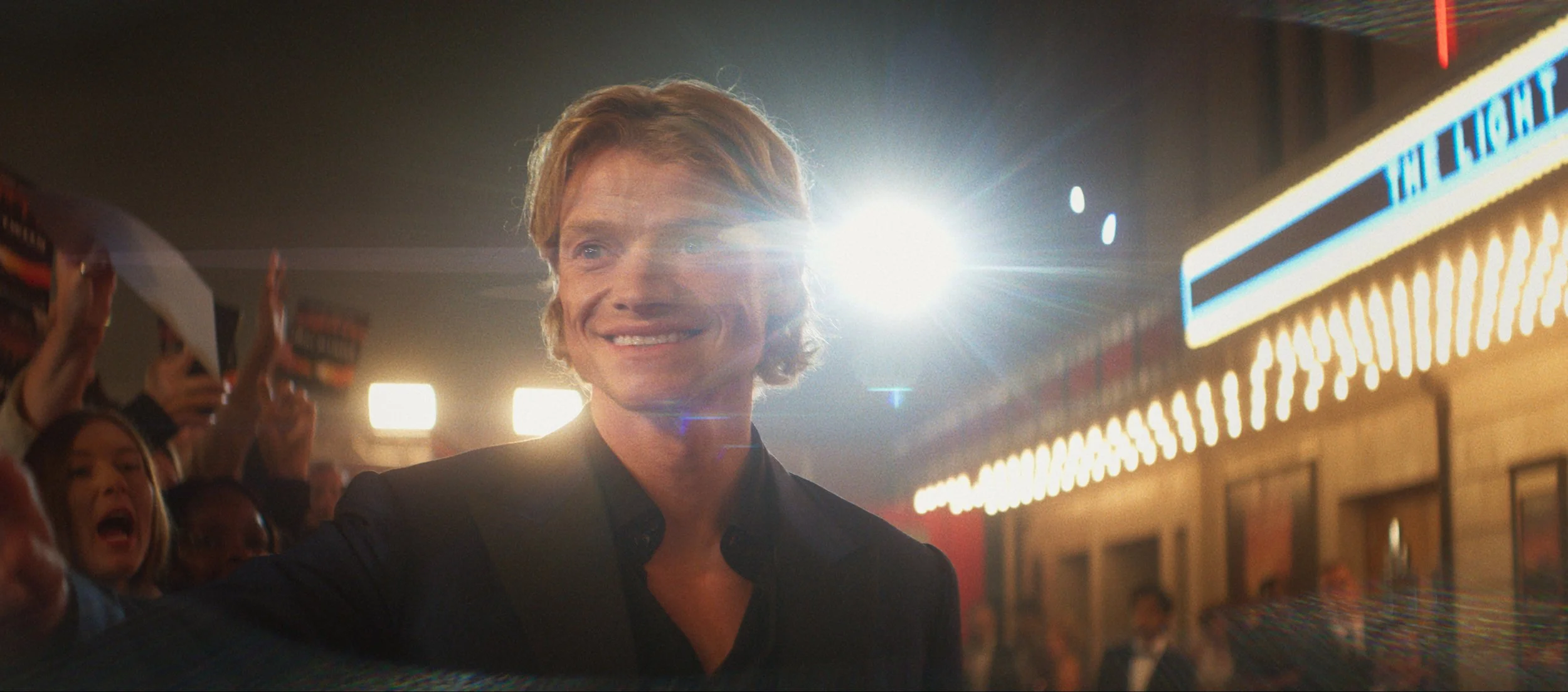
Ryu (Andrew Koji) and Ken (Noah Centineo) at odds with each other / Photo taken from TMDB

If there's one key thing to know about this writer, it's that other than being quite into movies, they're also quite into fighting games. The ever-enduring genre of video gaming that involves choosing and picking up a character to control their distinct moveset in individual matches with differing rules per game and subgenre has always been a core aspect of my hobby, not just in allowing me to kill time and get my blood pumping for hundreds of hours growing up, but also in being a part of the FGC, the Fighting Game Community, through competing in tournaments for choice titles (shout-out to the local Project Justice community!).
One of the key formative experiences in life that allowed me to get into fighting games was picking up a copy of Street Fighter Alpha 3 MAX on the PlayStation Portable, where the dopamine boost a four-year-old me had while landing Ken Masters’ Shoryureppa combo was enough for me to be a ride or die not only for the game, franchise, and Capcom fighting games, but all of the genre. I mention all of this because the prospect of Street Fighter, a series that has mostly prided itself on sheer style for pathos over a constructed narrative, receiving another live-action adaptation after the divisive past two attempts, sounded a bit daunting.
That is not to say fighting games inherently have weak stories at their core. I mean, look at Arc System Works’ intricate, visual novel story modes with numerous interlinking character perspectives and lore within stuff like Guilty Gear or Blazblue. But the major ones function more within the realm of awareness of the video game medium’s capacity for interactivity, so I was intrigued to see how director Kitao Sakurai (of The Eric André Show fame (?!), hell, he’s even got the guy with him here) translates decades of iconography that I was familiar with into a major tentpole feature.
While I was aware of the potential limitations — hell, I was not exactly hoping we’d get an introspective piece — what I was hoping to get out of the final product is something that unabashedly embraces its legacy through style and stuntwork. What we eventually got is something that, while it does both to an extent, it does through a lens that just further reaffirms which era of Hollywood this was made in, for better or worse.
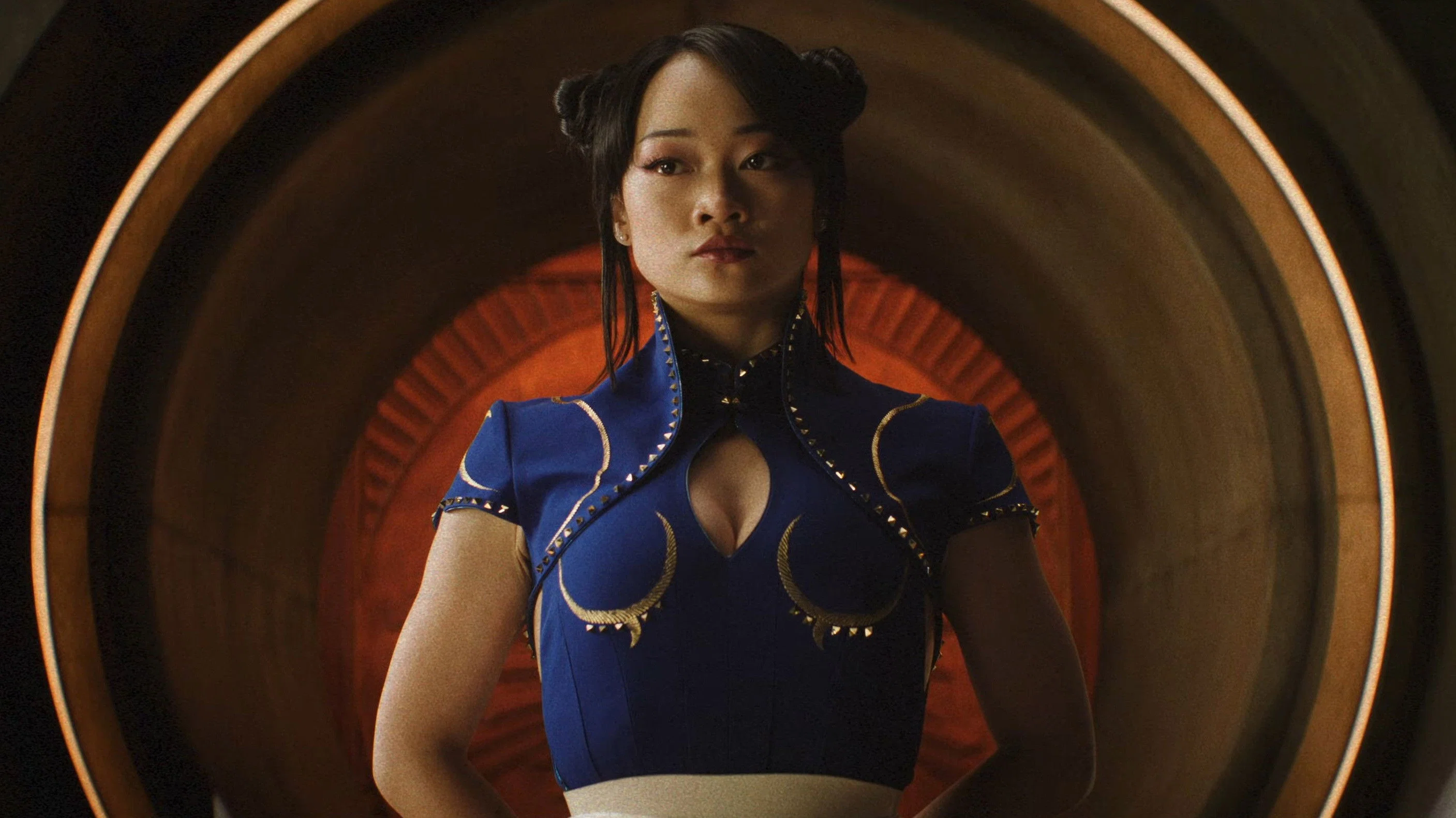
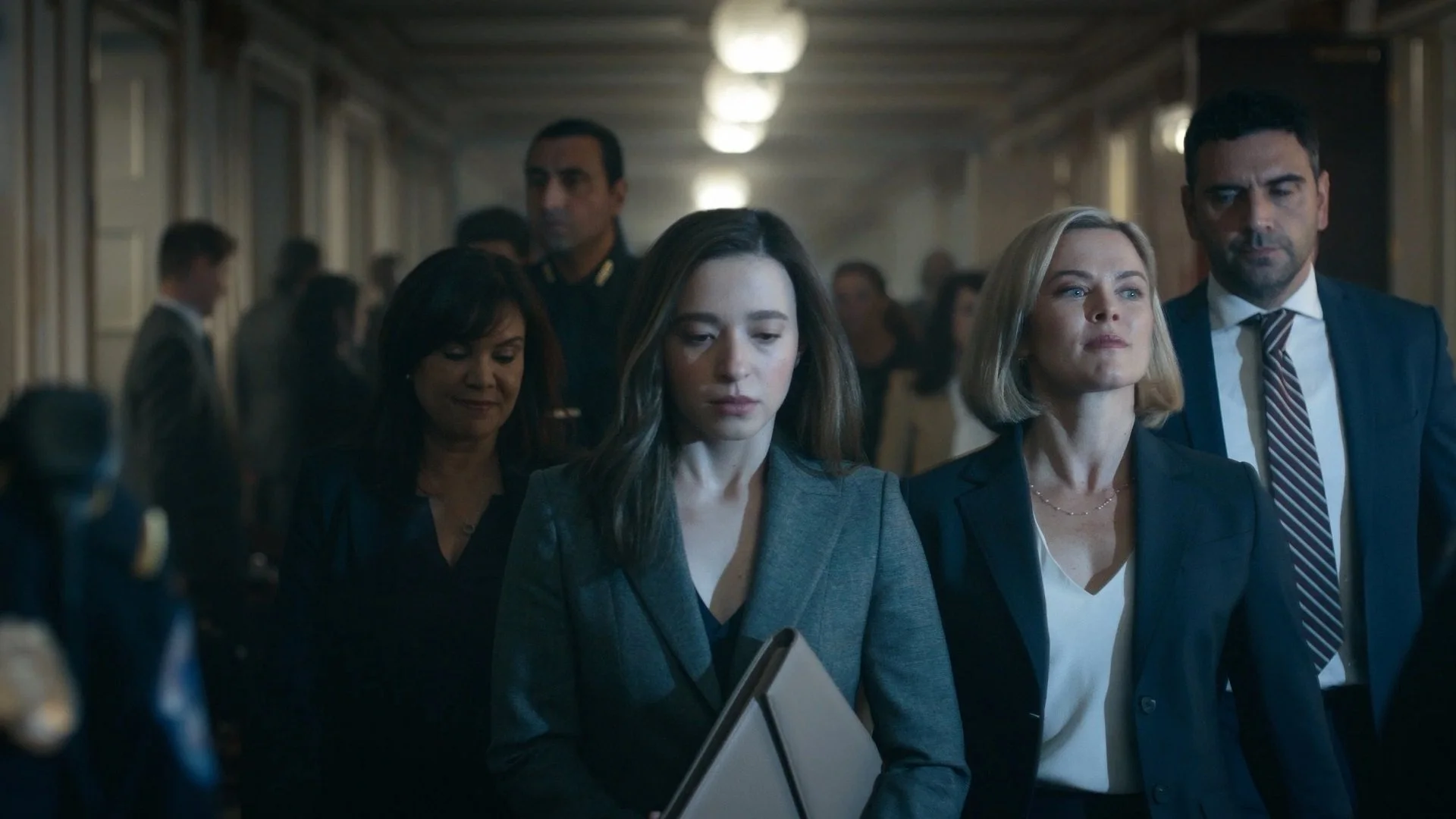
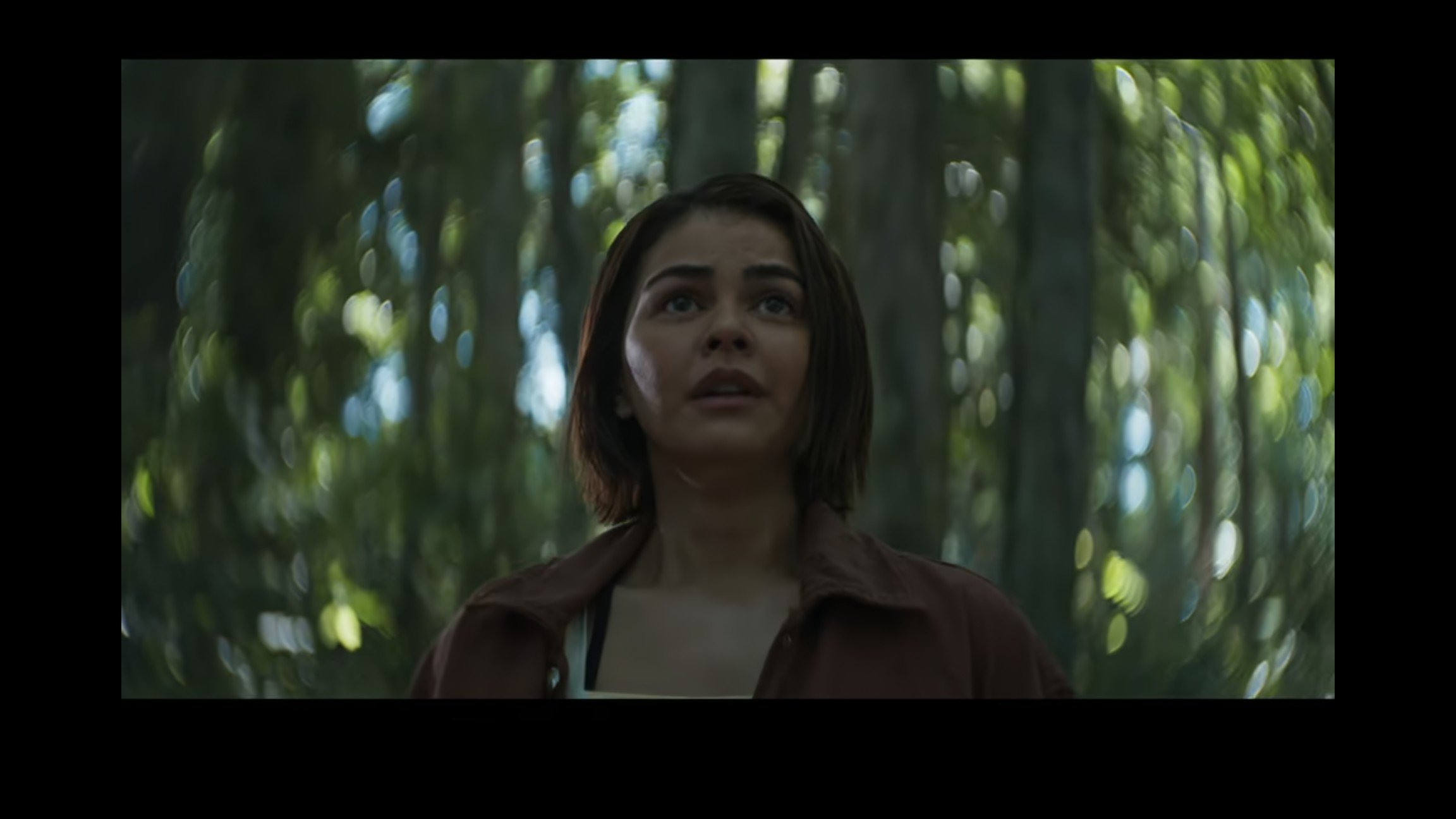
Chun-Li (Callina Liang) enters a room with concern // photo still from TMDB
It’s the year 1993, and estranged kinship fighters Ryu (Andrew Koji) and Ken (Noah Centineo) are going through some difficult spots: the former’s attempt at solitude after the death of their master Gouken (a sadly underutilized Don Lee) through selling soup has yielded rather decisively negative results, while the latter’s desperation to cling to the remnants of past popularity has led to him having a divisive reputation of being washed, with his manager Dan (Andrew Schulz) being his only ride-or-die.
Both of them could be content with their running away from the painful emotions they haven’t dealt with about each other, but with the advent of megalomaniac M. Bison (David Dastmalchian) seeking out a body to possess, he plans out and sponsors the Second World Warrior Tournament, with seeming underling — but in reality, undercover agent — Chun-Li (Callina Liang) being the primary scouter.
With the pieces in place, and fighters across the world looking to make a name for themselves, will the two brothers-in-arms settle their differences and make their way back to the fateful tournament where the mysterious Satsui no Hado eventually took hold of Ryu years ago? And what’s with these visions of Gouken’s brother Akuma (Joe Anoa’i) that taunt Ryu each night? What is he planning in the midst of it all?
As seen in the structuring of the plot, mostly derived from Street Fighter II, the film seems to have placed the tournament at its center, which seems like a neat way (or excuse) to throw a bunch of wacky characters into riotous brawls with the ever-looming nefarious plot looming in the background.
With that straightforward approach, it would’ve flourished with the sheer lightning pace of it all, but the direction Sakurai and T.J. Fixman’s screenplay takes is a bit bumpier, instead paying some attention to situational comedy (often bordering on cringe comedy, which tracks with knowing Sakurai’s past works), peculiarly sexual undertones (I could see why this had an R-13 on first certification), and disappointingly, a whole bag of Lore and set-ups for the greater universe that seemingly undercuts the potential kinetic aspirations.
The tournament itself is prone to a shocking amount of off-screen development and convenient in-universe forfeits, a potential sign of disappointment for fans of certain characters. I am so sorry for the Zangief mains in the audience.
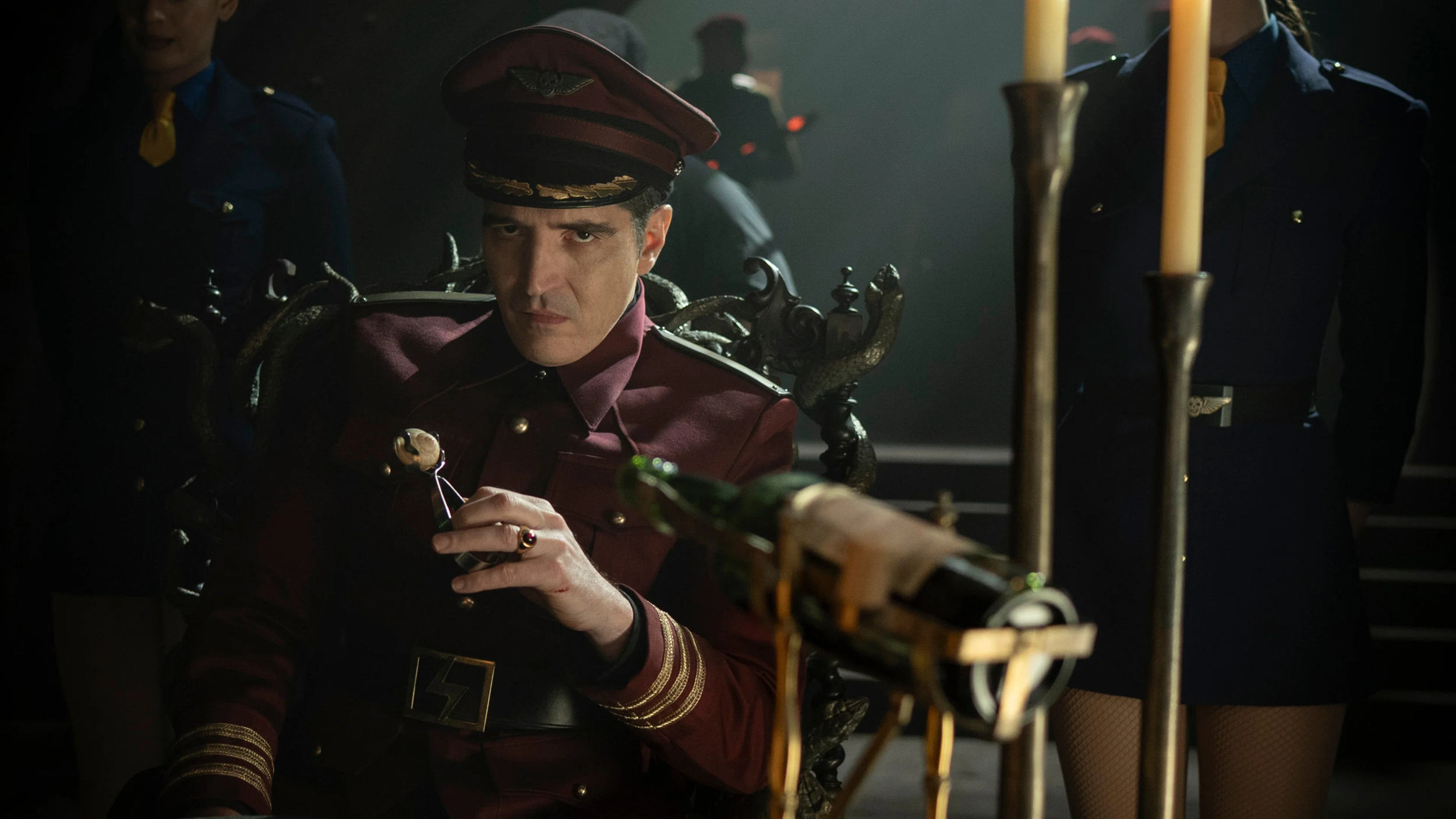
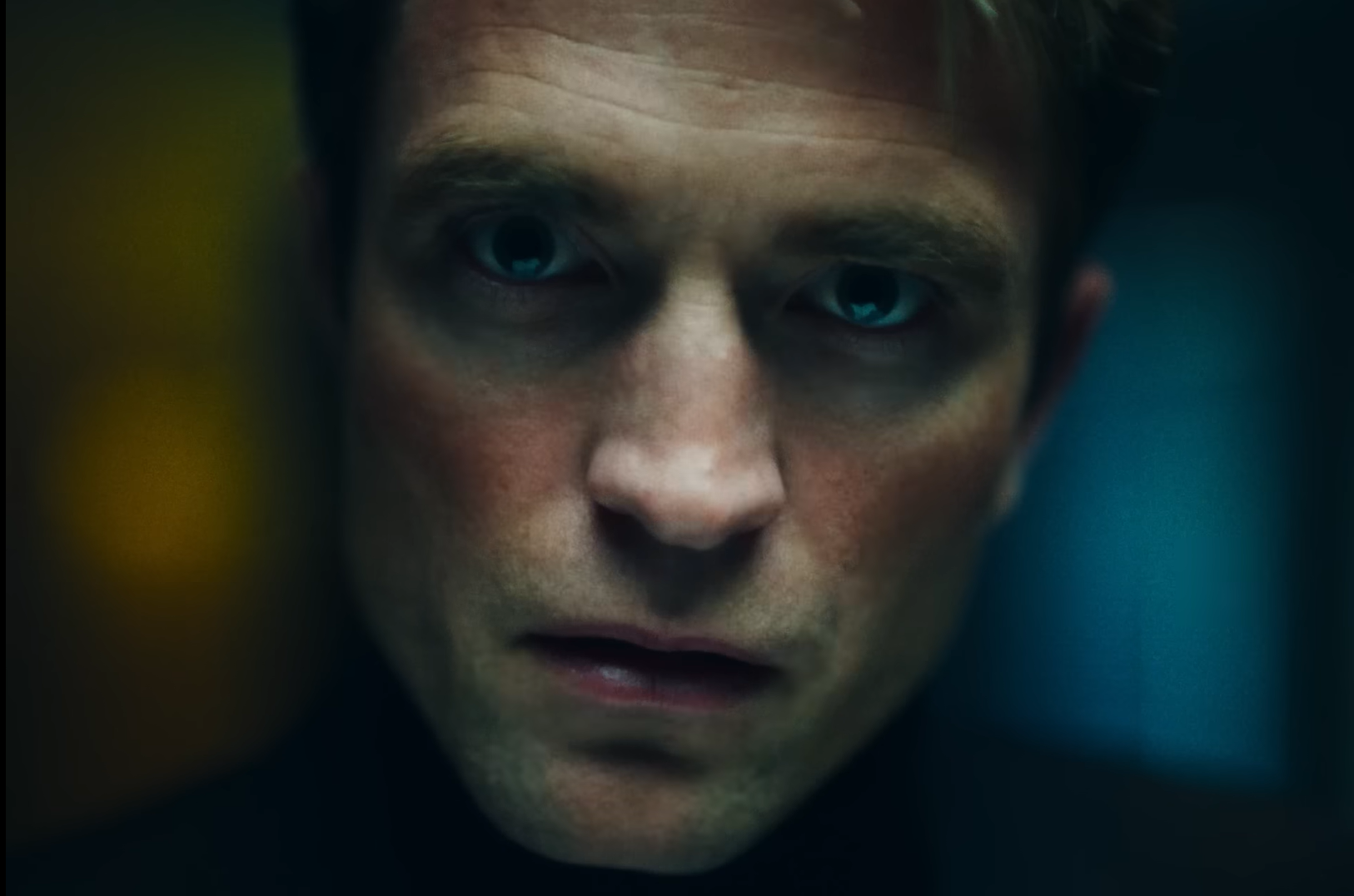
M.Bison (David Dastmalchian) determining his next move // photo still from TMDB
I mention these cons first because beneath them lies a certain, dare I say, idiosyncratic nature in how it approaches the “fighting game story” narrative. One of the core narrative threads in the films is the fear of “losing control”: not only within the in-universe threat of the Satsui no Hado, but the thrill of the fight as a whole, where it becomes less a method of communication and more of a show of dominance and love of violence and control (which goes back to the whole weird, peculiar patriarchal skeeviness subtext: what is with Bison’s obsession with feet?). The way Street Fighter seems to hesitate in going all out in the action seems to be a mirror of that, to results that, while I could contextualize, are very mixed as a whole.
While we get interesting and well-performed takes on Ryu, Ken, and Chun-Li (and… yeah, even Schulz’ Dan), particularly the former with specific developments that really set him apart from the “ideal shoto” archetype, it does skimp on the whole “Fighter” element people might be here to see, even if the rest of the cast does well with what they’re given. It does not help that it strangely undercuts its own offbeat emotions at times through self-conscious bathos, a pretty annoying signifier of post-MCU franchise filmmaking that I wish it was cut down a bit: embrace the messiness! Embrace the stupid melodrama! Do not try to go for an instant sequelbait ending, please!
At least in terms of sheer style, Street Fighter more than attempts to embrace its own anachronistic artificiality: rather it runs into it. Characters’ special moves and costumes are translated with animated accuracy — God bless Cody Rhodes’ Guile hair and equally hammy performance. Meanwhile, the fights, while sadly often plagued with a focus on close-ups that prevent a full show of the stuntwork at times, possess quite a bit of energy when it launches into several in a row, and the overall color palette and set design are surprisingly poppy when it counts. Special shout-out to the pretty lengthy, Titmouse-provided animated interludes that remind me of similar-looking cutscenes from Street Fighter IV, a shocking contender for the highest points of the film and made me wonder how it would look if the entirety of the film was animated like that.
Overall, Street Fighter is unfortunately not the finest of K.O.’s as a fighting game adaptation and a feature film, clearly hampered by select habits of cinematic universe blockbuster filmmaking and a scattered focus that does not exactly give the people what they want or expect all the way.
Despite that, though, it’s clear that there is affection for the core strengths of the source material, and it shows in its best points where its reinterpretations of decades-old imagery manage to resonate on the big screen in thunderous fashion; I just wish it leaned on it a bit more instead of tentatively looking above at the legacy it upholds, and the future to the legacy it wants to have, when the now is also what matters. Because in the end, the answer lies in the heart of battle, and this one, at the bare minimum, has its heart in the right place.
‘Street Fighter’ is now showing in Philippine cinemas.