
‘Multwoh (Patay Na Patay Sa’yo)’ REVIEW: On Generating Buzz, Et. Al
‘Multwoh (Patay Na Patay Sa’yo)’ REVIEW: On Generating Buzz, Et. Al

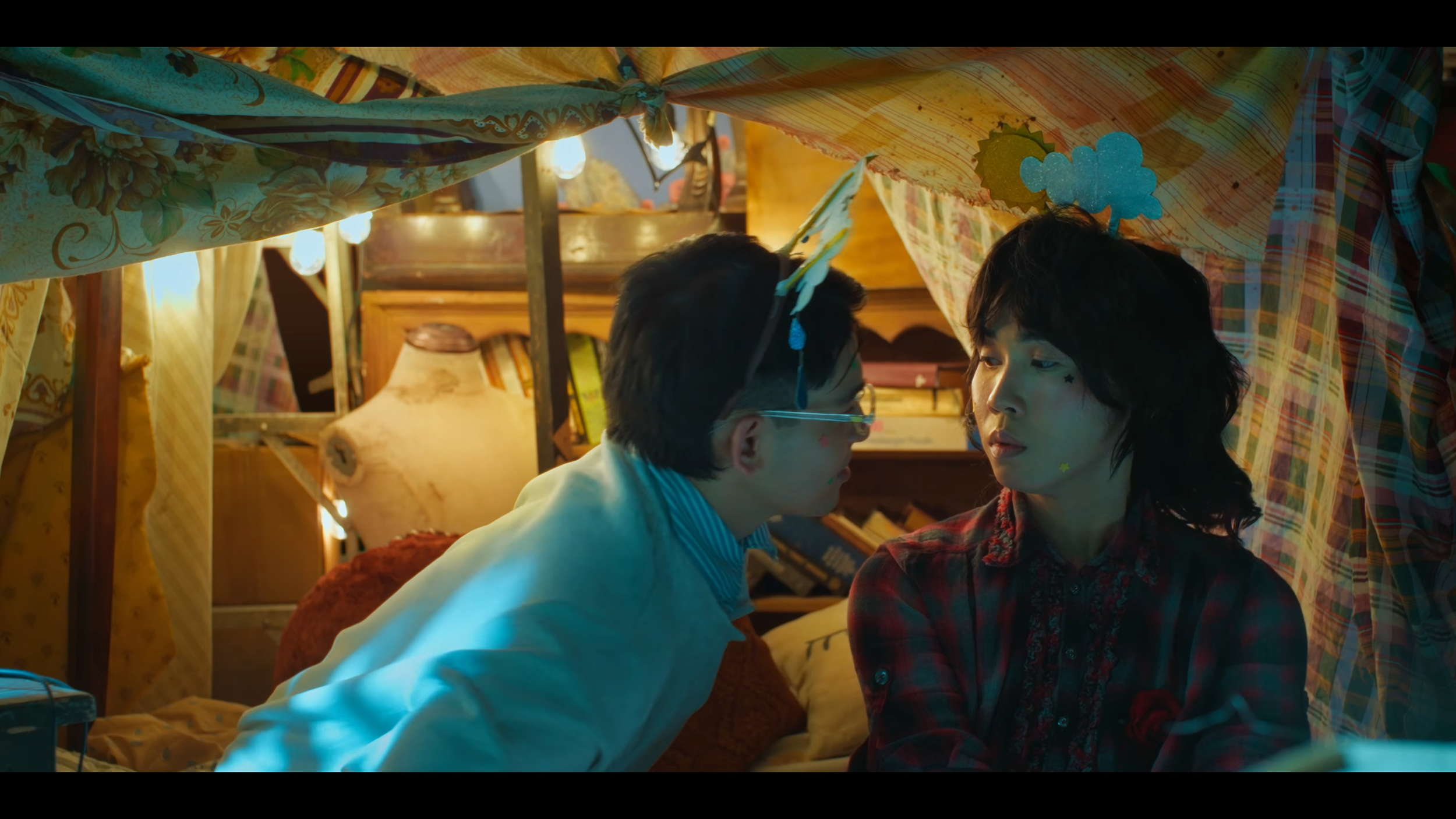
Joao Constancia and Sassa Gurl in ‘Multwoh’ / Screengrab from the film’s trailer, Cinema Bravo.

Multwoh: Patay na Patay Sayo is easily a supposed feel-good, crowd favorite, festival darling. Watching it makes you second-guess cinema etiquette if you are seeing it with its intended audience. Specifically, those younger with a screen time of double digits and attention spans quicker than a fly’s. Multwoh (for short) would make you scream from jump scares and butterflies. By the end, you’ll go “awwwww” as fitterkarma’s 2025 deadly-charting hit “Pag-Ibig ay Kanibalismo II” fades out.
Written and directed by Rodina Singh, Multwoh follows a college student, Marcel (Sassa Gurl), who dies spontaneously and becomes a ghost, left with unfinished business with her high school best friend Miguel (Joao Constancia) for not being able to say “I love you.”
Among the eight Puregold Cinepanalo Film Festival 2026 full-length entries, the film is carried by its leading lady, Sassa, in varying levels: off-screen as one of the producers and on-screen, joining our fictional Iskas alongside Maja Salvador’s Carson Herrera and Liza Soberano’s Christine Lazaro.
A day before the film’s premiere, Sassa shared her anxieties and fears in an episode of Ang Walang Kuwentang Podcast. She tearfully admitted she “gave her all” going into the film. And you can definitely watch her do that. Her co-star, Joao, doesn't quite do as well, but his performance grows on you. In the beginning, you would wish someone like Enchong Dee would’ve brought Miguel to life. Or maybe, Martin Del Rosario.
There’s no debate that he’s eye candy. But it was a challenge for Joao’s charisma to permeate through the screen – acting opposite an ensemble composed of the faces of kanal humor like Sassa herself, Gaia Polyhmnia, Pipay Kipay, Armansalon, and Yani Villarosa.
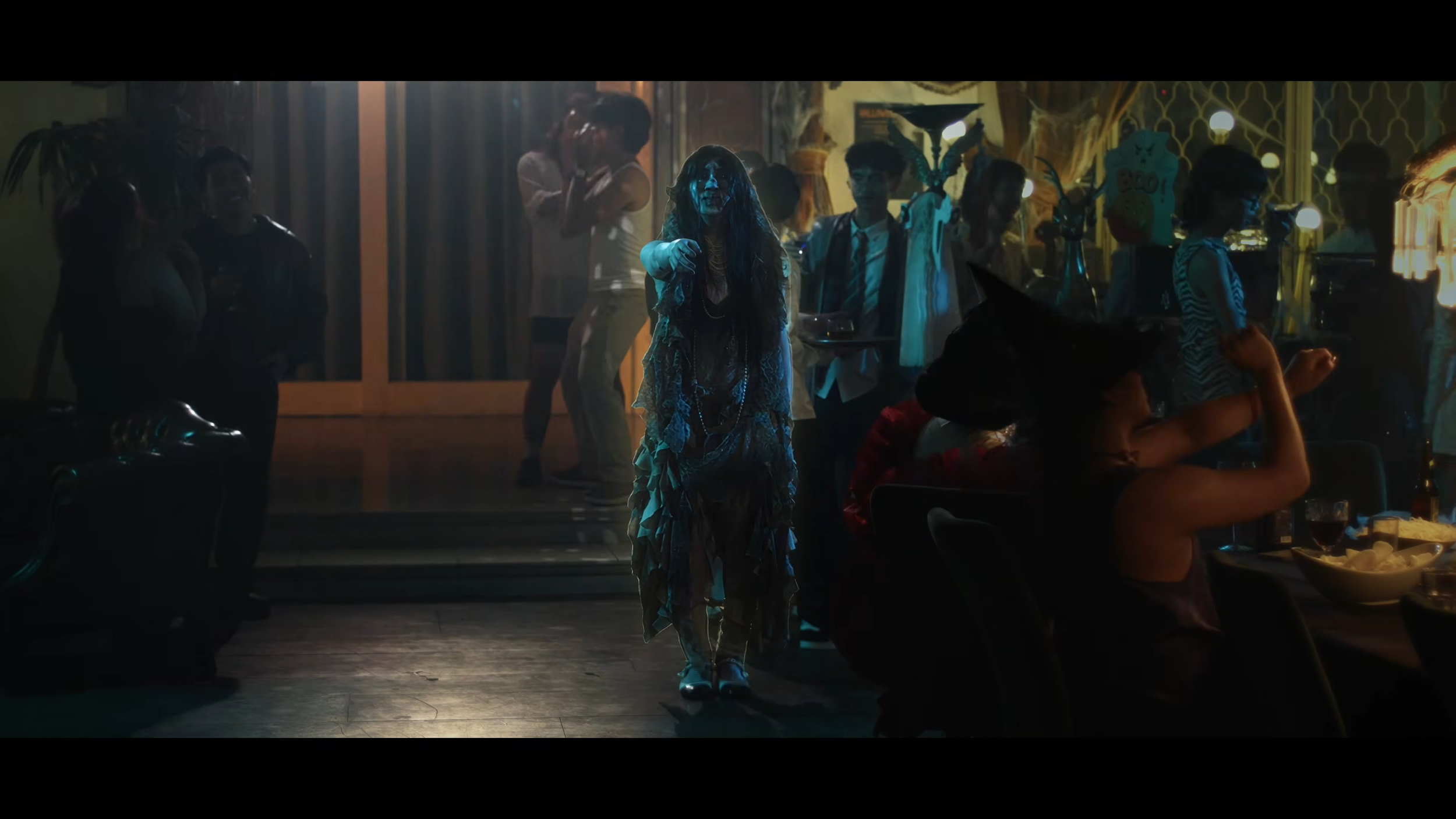
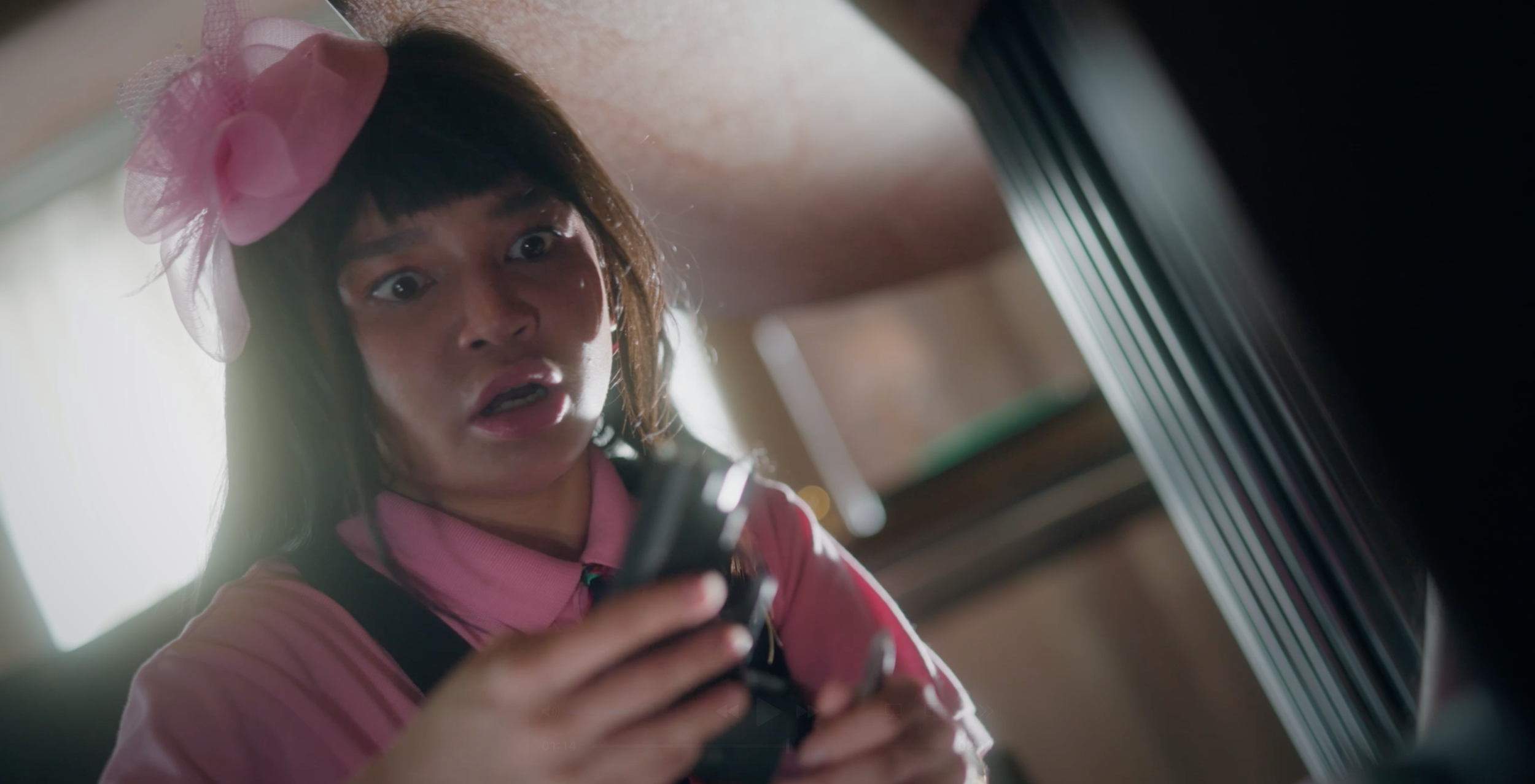
Sassa as a ghost in ‘Multwoh.’ / Screengrab from the film’s trailer, Puregold Channel.
Direk Rodina’s visual syntax is undeniably coherent. The hallmarks of the Singh Sinematic Universe begin with a charismatic street-smart protagonist, locked in her own world with a bulky pair of headphones on her pretty head of hair.
The production value is value-ing. Sets aren't just lived in. They are alive — and in Multwoh’s case, they are also dead — on their own. Makeup and hair, prosthetics, costumes and styling, overall character designs modeled by Sweet Lapuz, Iyah Mina, and even the background artists can easily be as iconic to see at a Halloween party or as a future Snatch Game contestant.
As the visuals go, you can pause and select any sequence from the two-hour film, and it will feel, look, and sound like a music video (it does feature a scene of one of Sassa’s.) The film’s Vevo-feel is married into its structure: a video game with a prologue in the beginning, progressing to structured levels, coming to a conclusion of a losing defeat or a triumphant win.
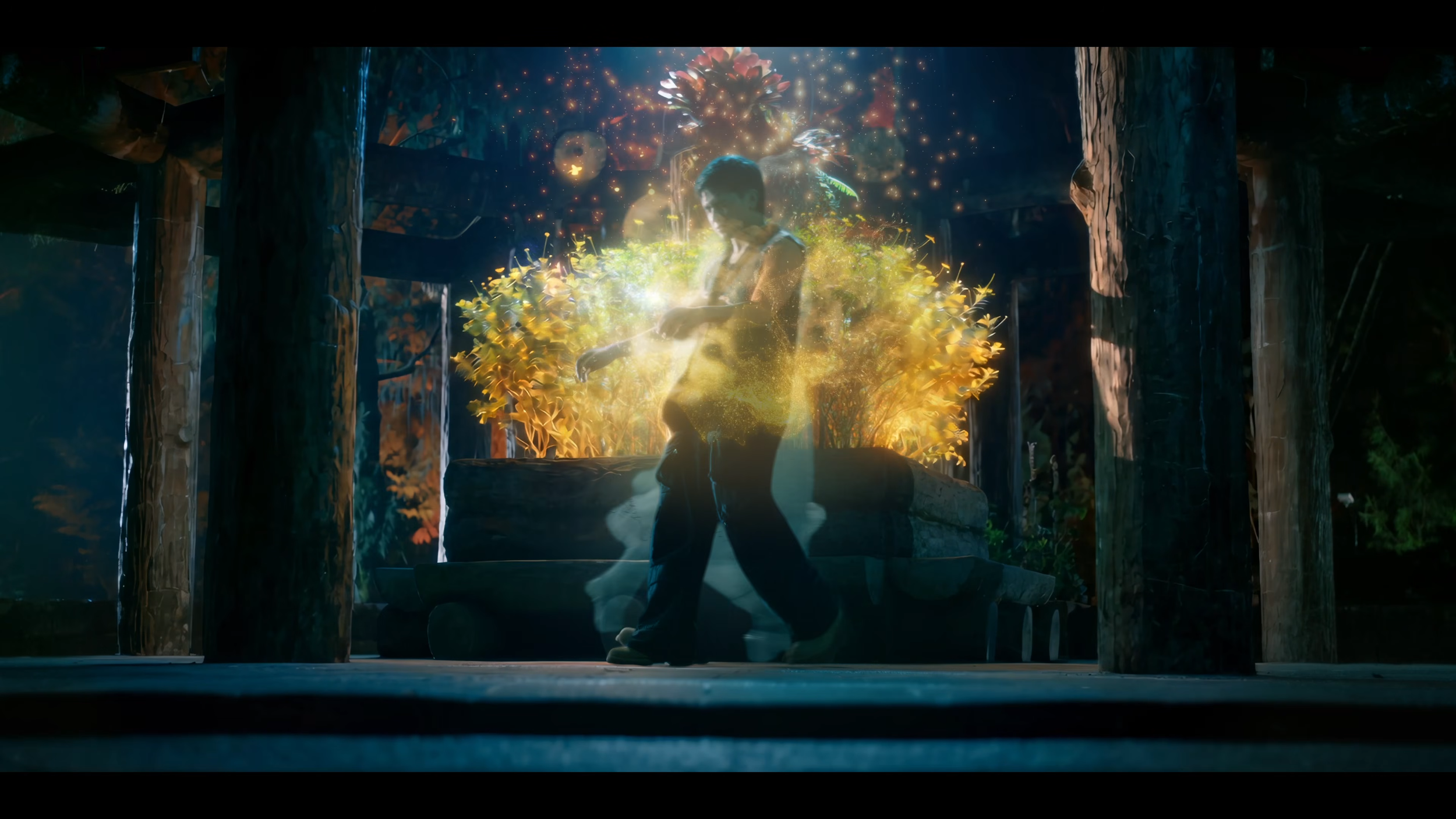
A VFX shot from ‘Multwoh.’ / Screengrab from the film’s trailer, Cinema Bravo.
A lot is going on. It can get overwhelming when the premise is much simpler. Though a queer-centered film told straightforwardly like that wouldn’t be really fitting or fun, and would be modest and mid.
Like a ghost journeying the afterlife, the film traverses genres of sci-fi, horror, romcom, and drama without dropping its tone. Strong visual markers and subtle to not-so-subtle aesthetic shifts were essential to help the viewers enter the fantasy. VFX and special effects are commendable at times. The team who worked on Encantandia also built Marcel and Miguel’s world.
The film is set in a fictional alternate version of Baguio. If a green screen is poorly keyed out in a jeepney scene, it is forgivable. Post-production is costly and time-consuming, not to mention Pinoy creatives have been exploited for it. So putting generative artificial intelligence (AI) visuals in the final render would pull the audience back to the fantasy.
Generative AI in ‘Multwoh’
They were little vignettes in the film, intercut in the latter half, resembling AI-generated visuals as a representation of the protagonist’s thoughts. During the film’s opening premiere and talkback, Direk Rodina was asked about its use within the film’s narrative:
“Dahil mayroong tayong gustong ikuwento, which is ‘yung pag-iibigan nilang dalawa, parang pumunta na lang ako sa isang world na natutuyo na ang tubig. Natutuyo na ‘yung tubig kung kaka-AI man ‘yun or kung ano man,” the writer-director said.
(Since we have a story to tell, which is [Marcel and Miguel’s] love story, I chose a world where there’s drought. We don’t know exactly why; maybe it’s because of AI usage.)
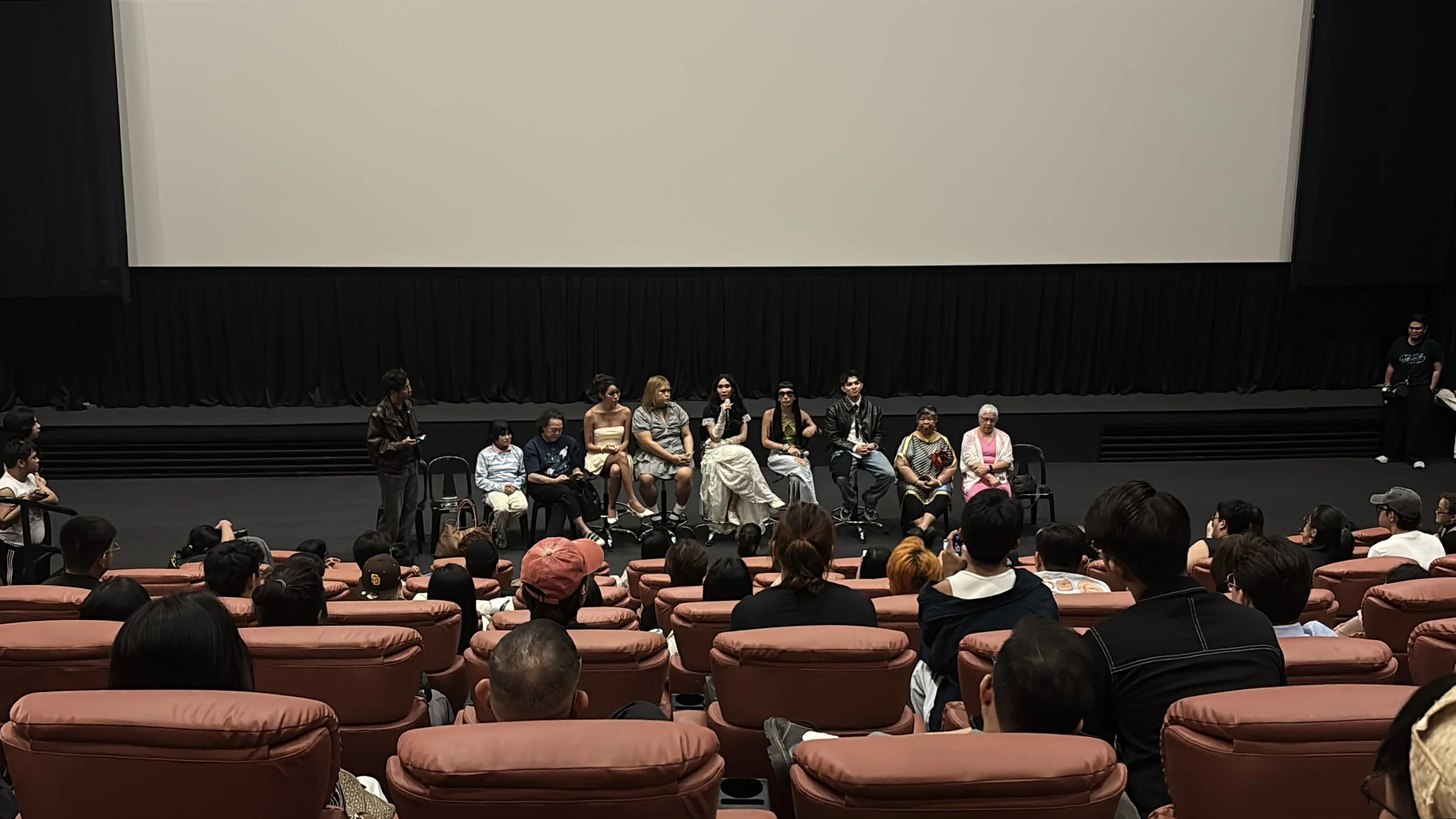
From the ‘Multwoh’ premiere talkback with the cast and crew on September 23, 2026 / Photo by Sam Arinto
She further explained that AI could be helpful in a country like the Philippines, using a go-to pro-AI argument that ‘it’s already here so there’s nothing we can’t do about it.’ It would be difficult to say to an indigenous person displaced from their ancestral land in Tarlac with nowhere to go. Or to us, five, ten years from now, when our bills spike because water supply is dire and no more.
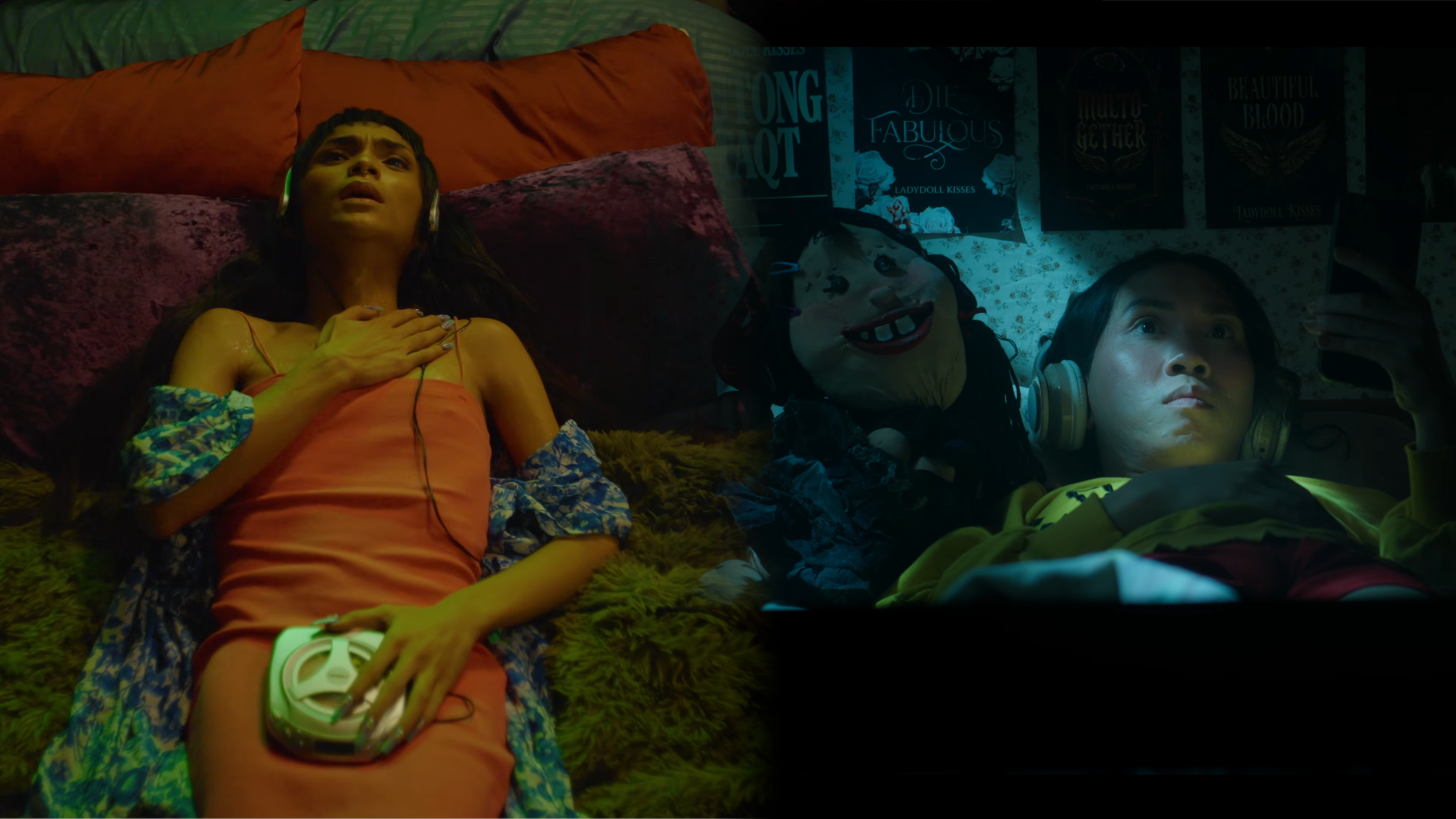
‘Dreamboi’ and ‘Multwoh’ protagonists, Diwa (EJ Jallorina on the left) and Marcel (Sassa Gurl on the right). Screengrabs from Frameline and Cinema Bravo.
Technology has been embedded within Singh’s storytelling. Beyond being mere plot “devices,” they are formative for her protagonists’ characterization. Forms of mass media, radio, CDs, podcasts, short stories, and print media are essential elements to her stories — both here in Multwoh and her 2025 feature debut, Dreamboi.
Singh’s use of generative AI in the film itself was, at the same time, an attempt at critiquing it. But didn’t bode well. She has been defending and championing spaces and jobs for her community – principles that she and Sassa both share, which have drawn the two pioneers to work with each other.
She continued in the talkback, “...Nag-translate lang ako ng iba't ibang klase ng fear. Fear na mawalan ng tubig, fear sa AI, fear sa ‘I love you’ na hindi mo nasabi, a lot of things. Gusto ko lang din sabihin na, hindi porket on the frontlines tayo ng kabaklaan, hindi na tayo sasawasaw sa ibang mga isyung panlipunan, ‘di ba?”
(“I wanted to translate different kinds of fears – fear of drought, fear of AI, fear of not being able to say ‘I love you.’ I wanted to stress that, even though we’re championing inclusivity for the community, we would turn a blind eye to social issues, right?)
Critical discourse around generative AI in filmmaking is just as important and needed when we’re talking about providing spaces and jobs for queer filmmakers. One begs the question: why didn’t they just hire someone to do that?
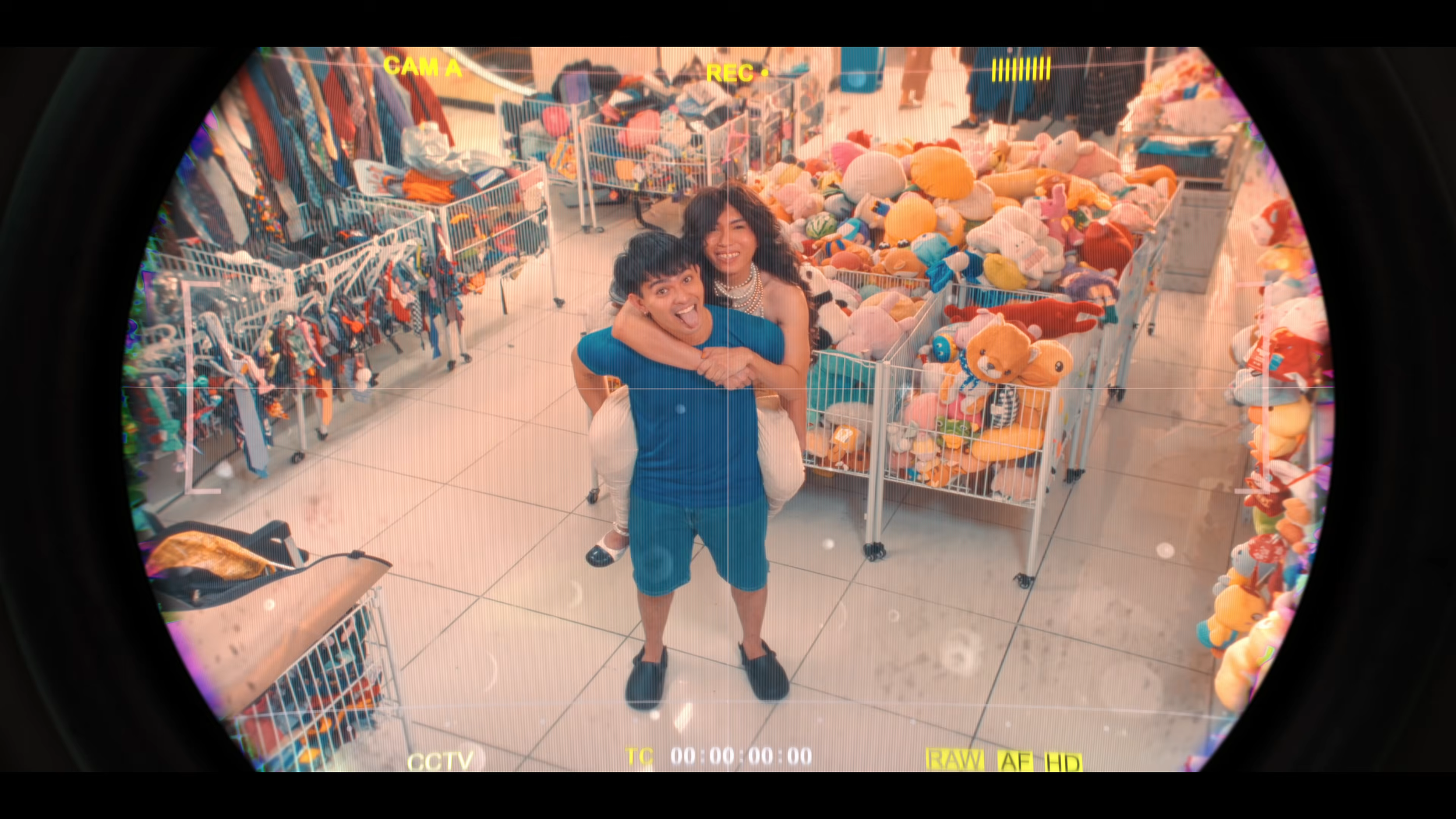
The ending of ‘Multwoh.’ / Screengrab from the film’s trailer, Cinema Bravo
Multwoh is simply a feel-good film. It’s meant to make you feel good; laugh, cry, kilig, scream, then laugh again. It makes you appreciate storytelling as it should be: inclusive, fun yet critical. Since it has been put in the background of complex issues, it makes you feel not-so-good instead. But hey, a film is just a film. It opened conversations necessary for film twitter to ponder.
So much of queer film focuses on hardships and struggles — as it should, as an oppressed community should be given avenues for their voices and narratives to be amplified. Multwoh was even able to give a version of a happy ending for its characters.
Direk Rodina even confirmed a theory on X (Twitter), saying that Marcel’s true unfinished business as a ghost is the tragedy of dying young and not being able to live her truth and fill her life with, and as, “Joy” — Marcel’s pen name in the plot and might just be her chosen lived name as a trans woman.
It would seem hard for an average Aling Puring to dissect or pick up on this story as an allegory to one’s transitioning (admitted by the writer-director herself in the same X thread). But still, the fact that the film was able to do it in a local film festival is remarkable and fun. How unfortunate that it had to tell it by generating what can be created.
‘Multwoh (Patay na Patay Sa’yo)’ is one of the selected full-length feature films for the 3rd edition of the Puregold CinePanalo Film Festival, where it won a total of four (4) awards, including Puregold Always Panalo Film and Panalo sa Mga Manonood (Audience Choice).
-
Q: Question lang po for Direk [Rodina]. May kapansin-pansin na, that there are certain parts of the film na it pokes fun at or [alludes to an] allegory of the use of AI. So, what was the parang route that the film wanted to take on that approach?
A: Oh my God, controversial! Actually, pero ako, ako ha, on a personal level, ilabas niyo ‘tong stance ko sa pelikula ko.
Pero ako ah, ‘yung discussion ng AI is something that we are all, I don't know, lahat pa tayo nakapakinig na ng balita at nakatingin na about it. Ako, I personally believe na tayo, bilang isang developing country, there are parts or aspects of our economy that, you know, maybe artificial intelligence could help. Diba? Pero, at the same time, ako, I remain firm na dapat ang AI ay ally for progress at hindi kalaban ng tao.
So, for the film, gusto ko kasi i-humanize, at gawing – kahit na ang daming reference from the past, gusto ko pa rin maglagay ng something that the generations today could you know, relate to - na parang alam ko na marami na rin ‘yung conflicted na parang kailangan or against AI, but at the same time, every time we use Google, it uses AI, every time na makakakita tayo ng mga havey na meme, na mga sa [propaganda] war pa lang sa eleksyon, nakikita na natin and it's bound to happen.
And I think, malaking part ng discussion on AI ay nawawala rin pagdating sa mga creatives, na parang supposedly, diba, a lot of people speak on behalf of creatives about it. But have we heard the thoughts of animators about artificial intelligence or at least the integration of tools in their craft? Have we heard from, I don't know, the bankers who gumagamit ng AI pagdating sa kanilang mga security? A lot of things and it's fully loaded pero parang dahil mayroong tayong gustong ikuwento, which is yung pag-ibigyan nilang dalawa, parang pumunta na lang ako sa isang world na natutuyo na ang tubig. Natutuyo na ‘yung tubig kung kaka-AI man ‘yun or kung ano man, it's that diba.
I think we all fear that and I think it's gonna happen but for this, parang nag-translate lang ako ng iba't ibang klase ng fear. Fear na mawalan ng tubig, fear sa AI, fear sa I love you na hindi mo nasabi, a lot of things. So parang gusto ko lang din sabihin na hindi porket on the frontlines tayo ng kabaklaan, hindi na tayo sasawasaw sa ibang mga isyung panlipunan diba? Dahil mayroon at mayroon din naman tayong at stake pagdating sa development, ayun.