
‘Mono No Aware’ REVIEW: The Meaning of Temporary Things
‘Mono No Aware’ REVIEW: The Meaning of Temporary Things

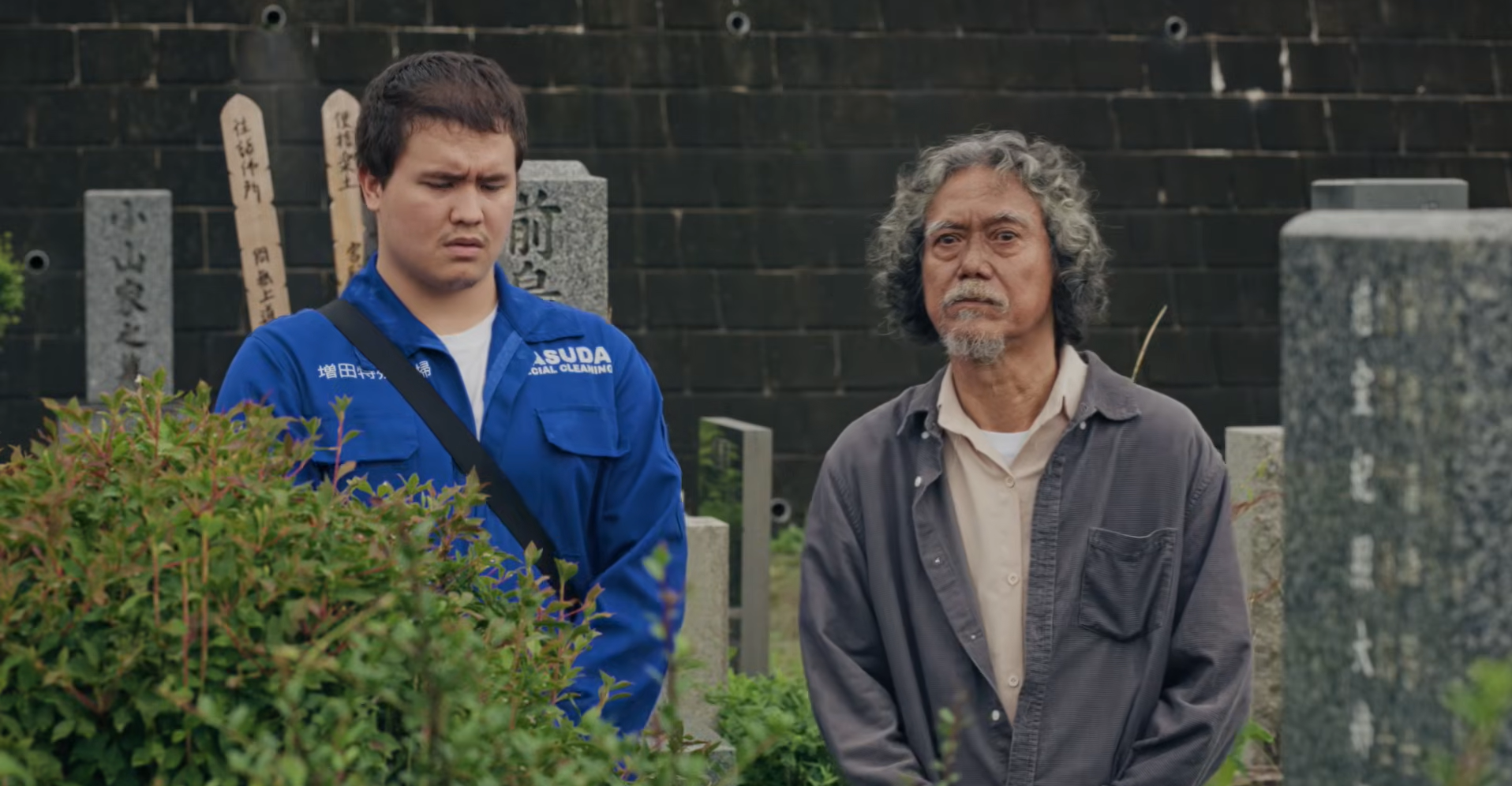
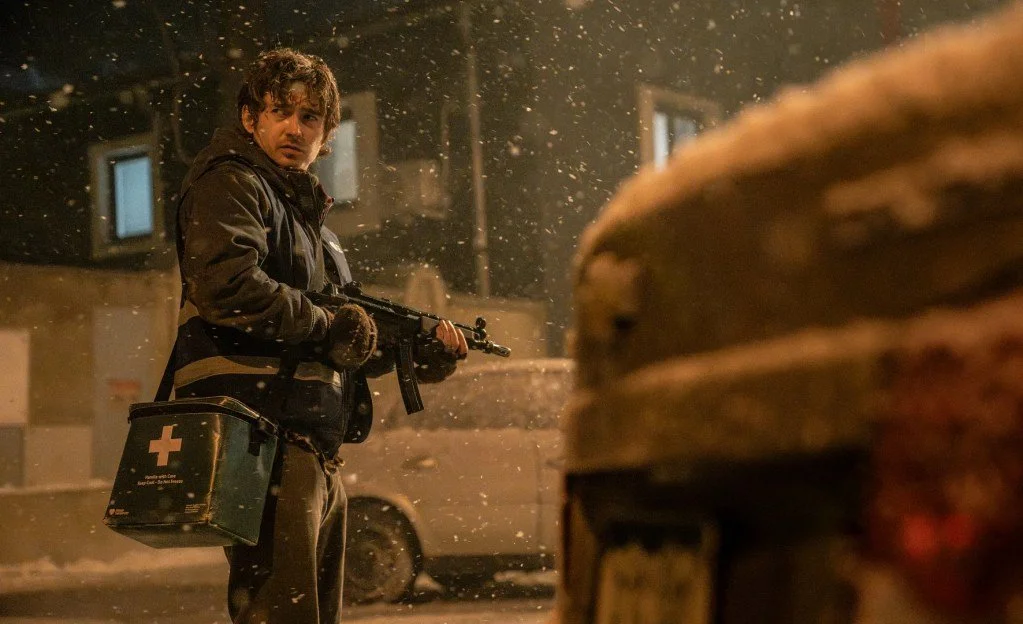
Juan Karlos Labajo as Ichi and Perry Dizon as George in ‘Mono no Aware’ | Photo courtesy of Puregold CinePanalo

Life often becomes most visible when we realize how little of it can be held onto. People leave, homes change, memories weaken, and the things that once seemed permanent eventually reveal themselves as temporary. Mono No Aware, directed by BC Amparado, begins from that awareness and turns it into a study of loneliness, work, memory, and the ways people become distant from one another long before death makes that distance permanent.
Set in Japan, the story follows Ichi (played by Juan Karlos Labajo), a Filipino kodokushi cleaner who deals with homes where people have died alone, until an elderly widower named George (played by Perry Dizon) asks him to carry out one final request before his death.
Death is everywhere in the film, but Amparado is more interested in its residue than in the event itself. Ichi walks into rooms where a life has already ended, yet the person who lived there is still present through objects, dirt, stains, habits, and unfinished obligations. The work gives mortality a practical dimension. Someone dies, and someone else eventually has to enter the room, sort through the remains, and restore the space.
Ichi’s job gives that idea a physical form. He cleans spaces marked by decomposition, bodily waste, insects, stains, and abandoned belongings. Amparado does not soften the work or use it for shock. The point is more practical than sensational: death creates a mess that someone else eventually has to handle. That fact makes mortality feel less abstract and more connected to labor.
The rooms also tell Ichi something about people he never knew. He sees what they owned, where they slept, and how they spent their days, but only after those details have lost their context. A life becomes readable in fragments. That gap between what remains and what can no longer be known gives his work much of its emotional force.
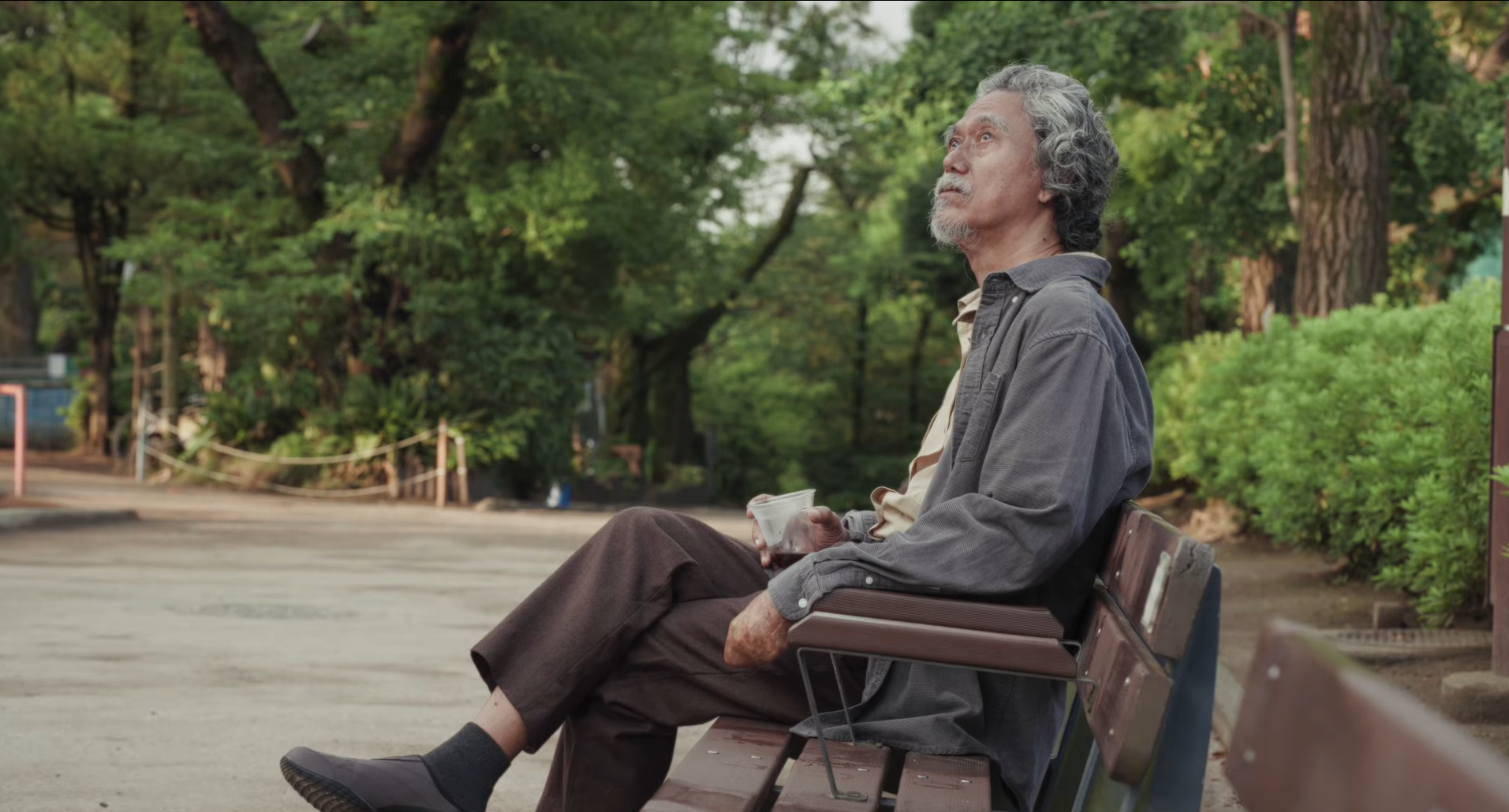
Perry Dizon as George in ‘Mono No Aware’ | Photo courtesy of Puregold CinePanalo
George changes that relationship to death because Ichi meets him before the room is empty. He is already thinking about the end of his life, and his request makes death immediate rather than retrospective. He is grieving his wife and living with a sense that parts of his life have already closed. Ichi is dealing with another kind of distance as a Filipino worker separated from home by work and necessity.
The film connects those two experiences carefully. Ichi spends his days entering homes shaped by isolation while his own life depends on being far from the people he cares about. That does not make his situation equivalent to the deaths he cleans up after, but it gives his work another meaning. His income comes from other people’s solitude while his own survival requires a degree of separation.
This is where the film’s treatment of migration becomes more interesting than the familiar story of sacrifice abroad. Ichi is not reduced to perseverance or duty. Work has changed the way he moves through the world, and distance has altered the way he relates to home. Financial pressure affects his choices, sometimes in ways that are difficult to defend. The film allows him to remain morally complicated without losing sympathy for him.
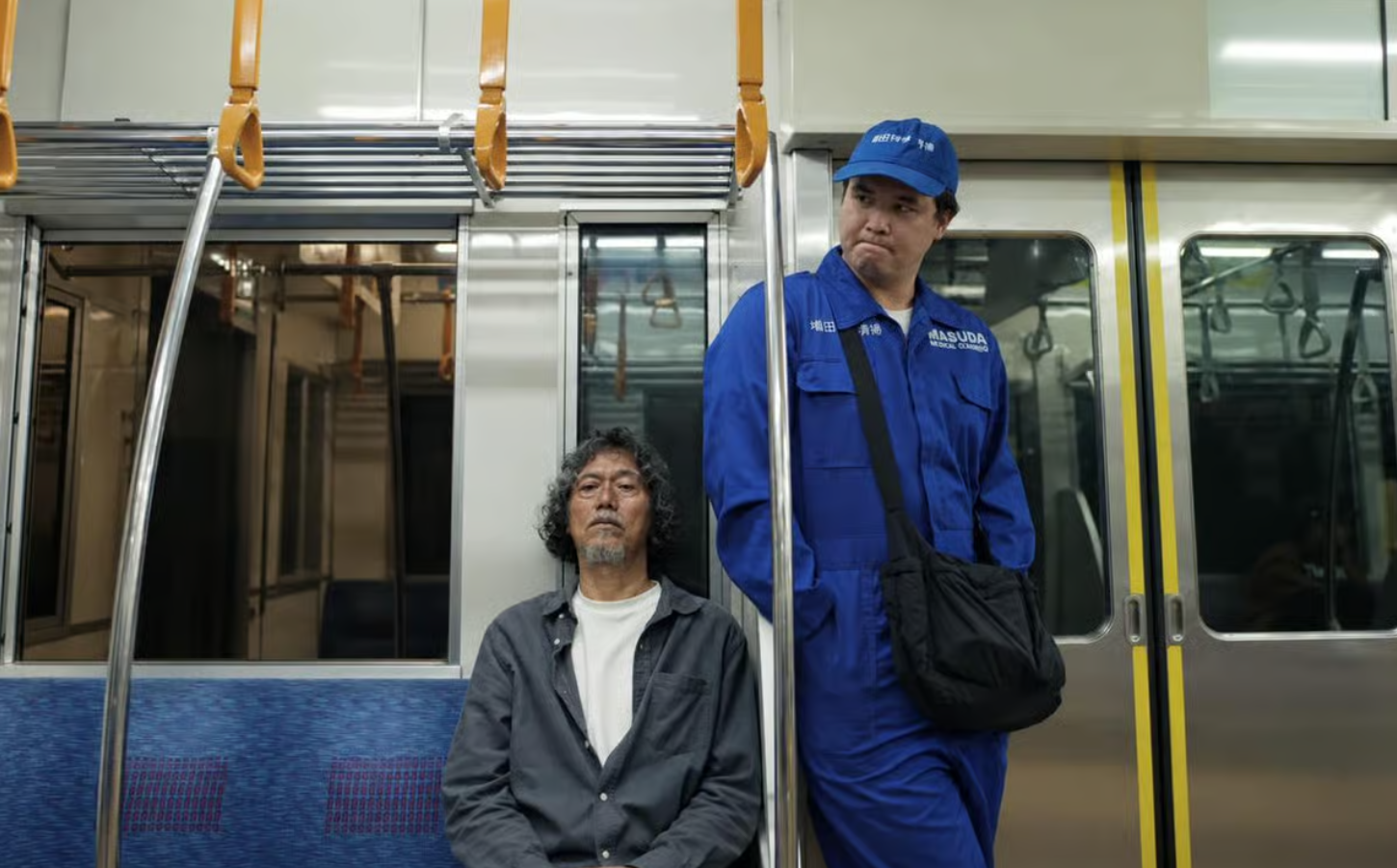
Perry Dizon as George and Juan Karlos Labajo as Ichi in ‘Mono No Aware’ | Photo courtesy of Puregold CinePanalo
Labajo plays Ichi with restraint. His fatigue and grief are visible in behavior rather than explanation, which suits someone whose profession requires him to keep functioning in places most people would avoid. The performance becomes stronger as that professional distance begins to erode. Ichi can treat death as routine only until George makes it personal.
Meanwhile, Dizon gives George enough hardness to keep the character from becoming sentimental. Grief has not made him easier to live with, as he can be stubborn and demanding, and his request gradually places Ichi in a more difficult position. That roughness makes the character more believable because loneliness has not purified him. It has only made his need for other people harder to admit.
The relationship between Ichi and George works because it never becomes too neat. They are brought together by circumstance and need, and the film allows that connection to remain imperfect. Their time together changes something in both men, but it does not repair everything that came before. That is part of what gives the relationship weight. Some people matter because they arrive at a moment when we are finally ready to see something about ourselves, even if they do not stay long enough to become permanent fixtures in our lives.
Amparado’s direction supports this by keeping the setting grounded. Japan feels specific without being treated as spectacle. Apartments, streets, hallways, and workspaces become part of the film’s emotional logic because the characters are often physically close to others while remaining personally distant. The sense of isolation comes through routine rather than visual exaggeration.
Meanwhile, the film’s slow pacing will probably divide viewers. At its best, the pace allows silence, awkwardness, and repetition to reveal character. At other points, scenes last beyond the moment when they have already communicated what matters. The distinction is important because patience can create intimacy, while excess duration can weaken it.
Even with that limitation, the film’s title carries real meaning. Mono no aware refers to the awareness that things are temporary and that this knowledge affects the way we value them. Amparado does not treat the idea as a lesson pasted onto the story. It emerges through rooms being cleared, connections built through grief, and people realizing that presence is never as secure as it feels.
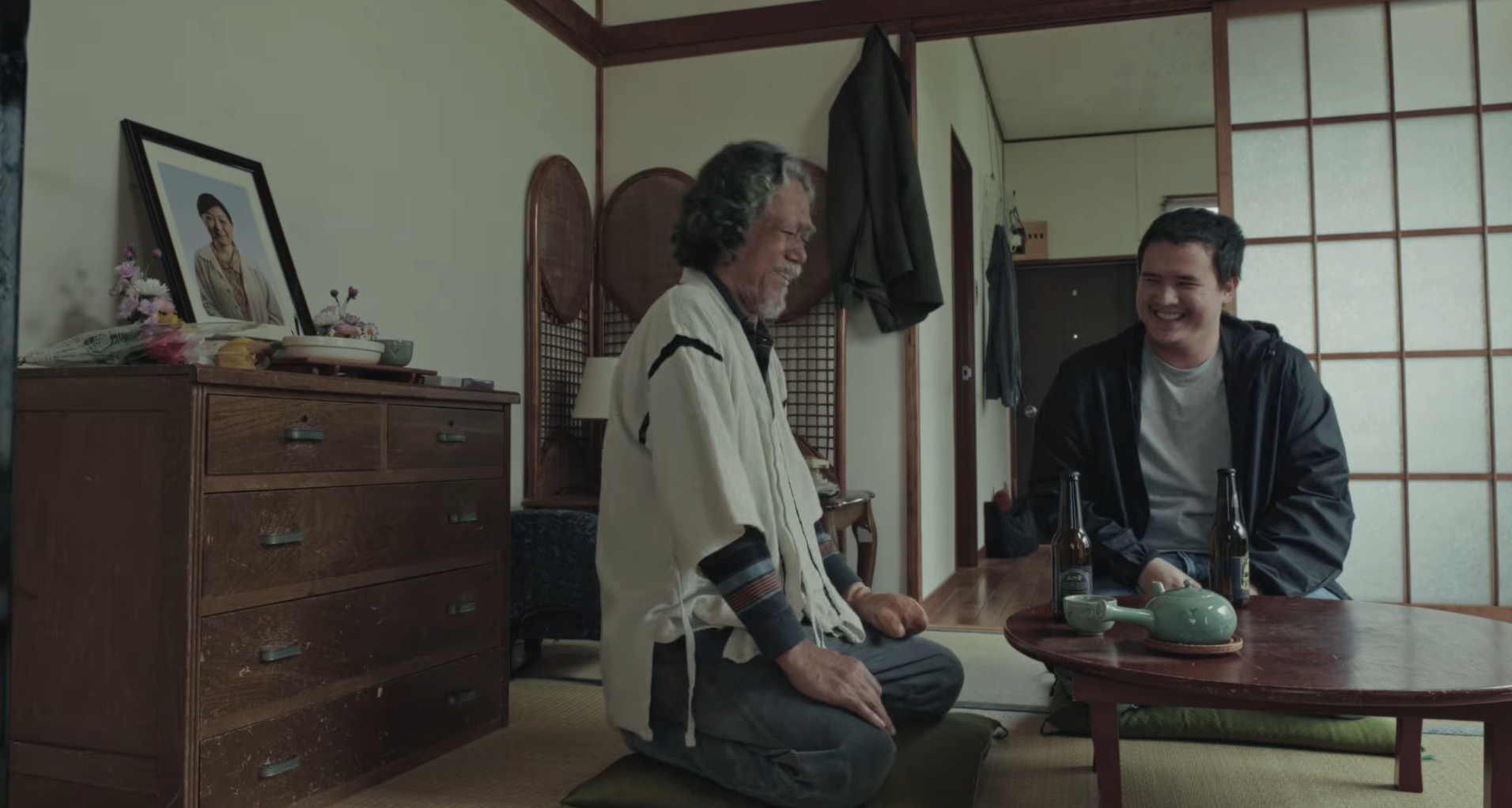
Perry Dizon as George and Juan Karlos Labajo as Ichi in ‘Mono No Aware’ | Photo Courtesy of Puregold CinePanalo
That idea gives Mono No Aware its final weight. Human beings spend much of life behaving as though there will always be another conversation, another visit, another chance to repair what has been neglected. The film understands that impermanence gives those ordinary moments their real weight. Death eventually removes a person from the room, but loneliness can begin much earlier, whenever someone is still present and has already stopped being seen. The film leaves us with a responsibility toward the people who remain: to recognize them before memory becomes the only place where they can still be found.
‘Mono No Aware’ is one of the selected full-length feature films for the 3rd edition of the Puregold CinePanalo Film Festival, where it won a total of nine (9) awards, including Pinakapanalong Pelikula (Best Film), Panalo sa International Jury, and Panalong Director (Best Director) for BC Amparado.