
Black Beret 25 OMNIBUS REVIEW
Black Beret 25 OMNIBUS REVIEW

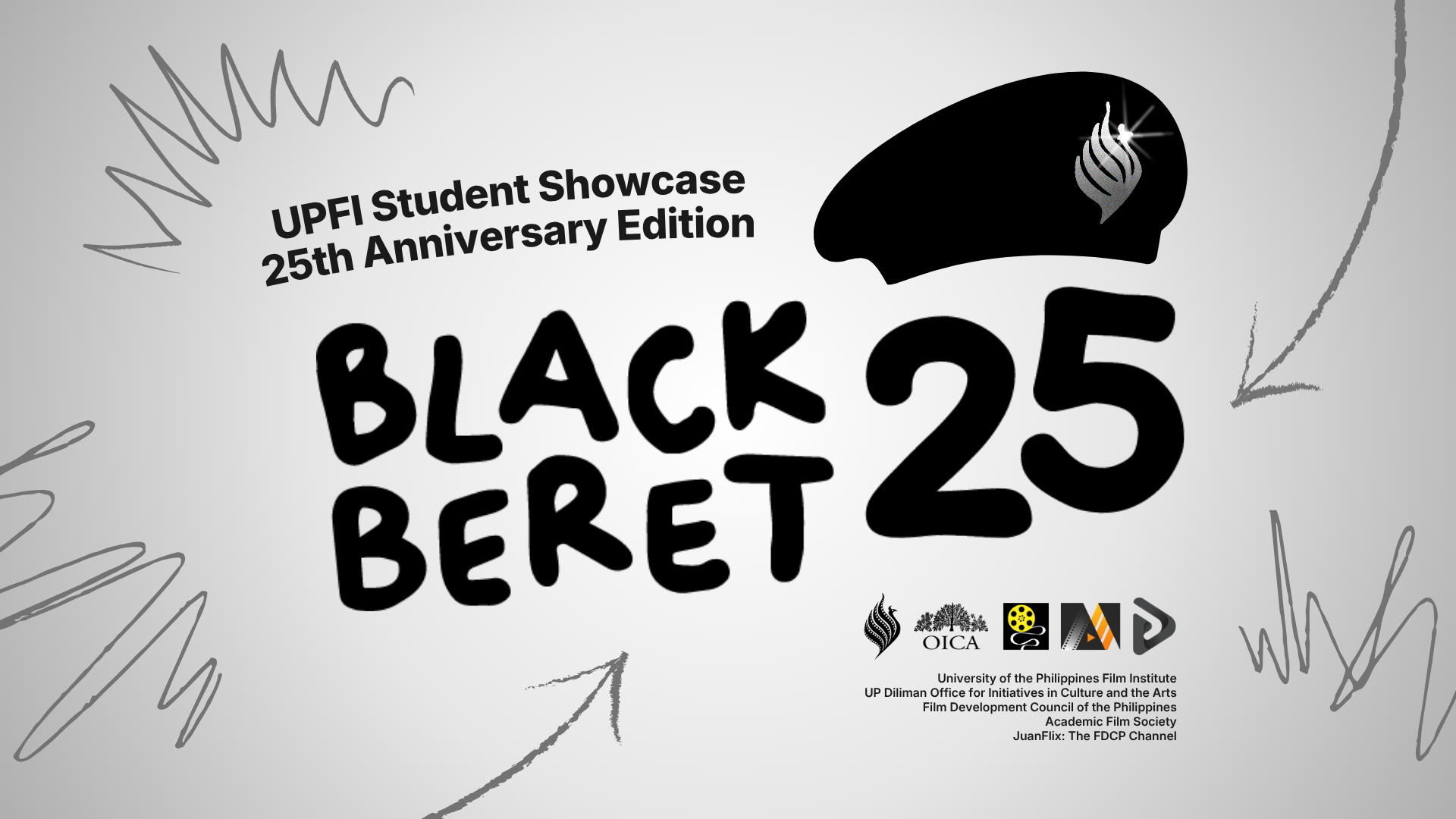
Official banner of Black Beret 25 on JuanFlix / Courtesy of JuanFlix: The FDCP Channel
Black Beret started as an annual showcase for UP Film Institute undergraduate and graduate students' works and outputs from the courses they take. From final outputs from their directing class to their take on programming, Black Beret 25 shifts towards student filmmaking as a practice and research.
Marking 25 years of its institutional run, it returns with the theme "New Directions in Student Film and Research Practice," featuring student works from courses on Directing, Narrative, Documentary, Experimental, Animation, and many more as they reflect on the future of filmmaking, production, and its potential for pedagogical practices. Here are the official reviews of the featured Black Beret 25 entries streaming on JuanFlix:
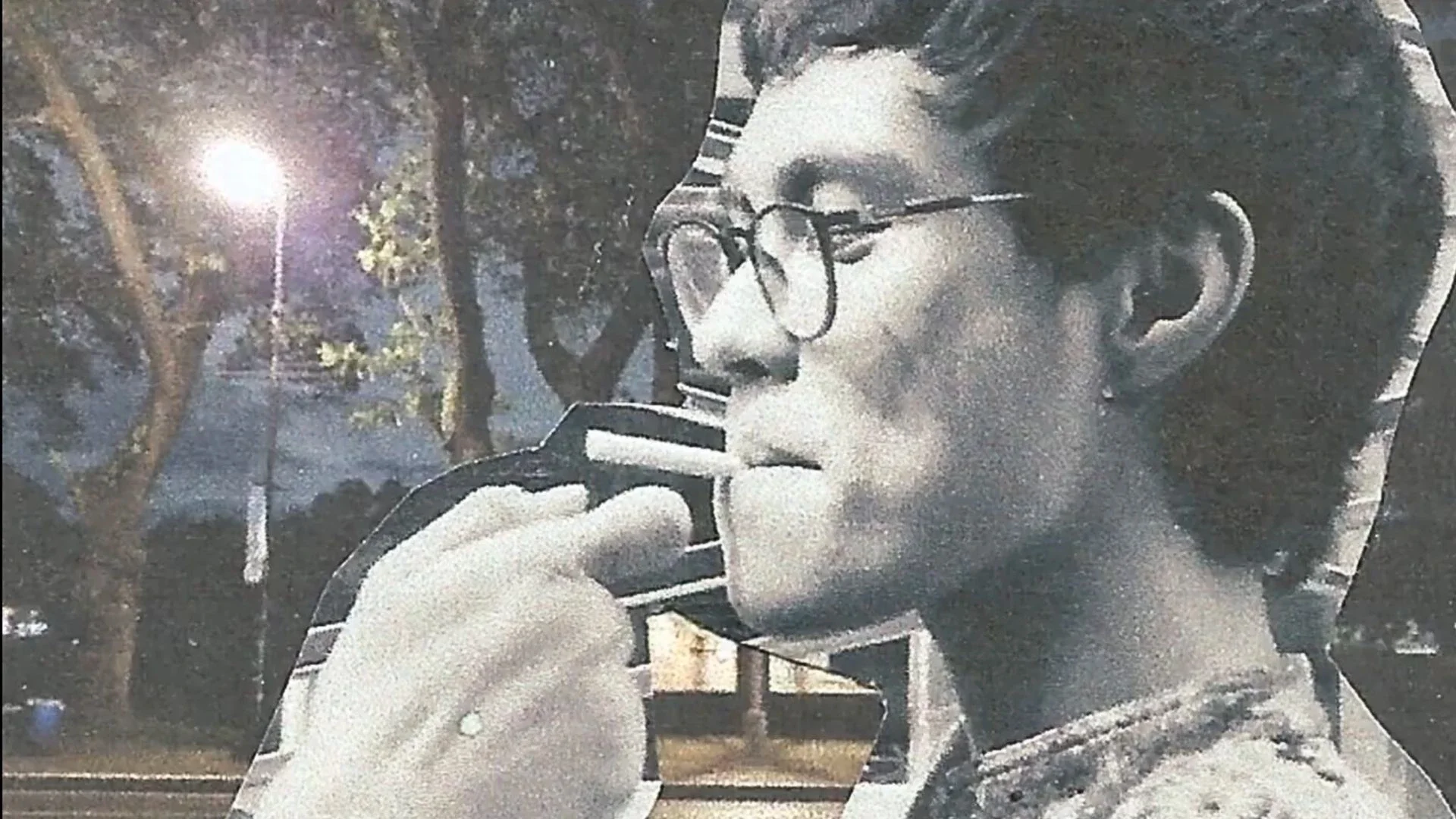
Film still from Nicotine Blues
Nicotine Blues
Dir. Kiel Vibares
It’s only human for us to try to create connections with people we want to impress, even if it becomes toxic to oneself. Kiel Vibares’ Nicotine Blues muses on this behavior in navigating love and, at the same time, the consequences of being self-pressured to impress someone. Smoking seems to be the communal experience for most young people nowadays, but of course not everyone can bring themselves to that habit, specifically those with respiratory issues. But the film doesn’t try to justify such bad habits because it creates that sense of belonging or creates that connection with someone whom you deeply admire, but in trying to imagine short moments when one could be free from their restraints so that they could enjoy those short moments in time with someone they loved.
Although I am not deeply resolved on Bret’s decision to let go, maybe it was best for him because he already knew that Nick’s promise to stop would not always be a complete promise, as Bret himself had already almost compromised himself in trying to connect with Nick.
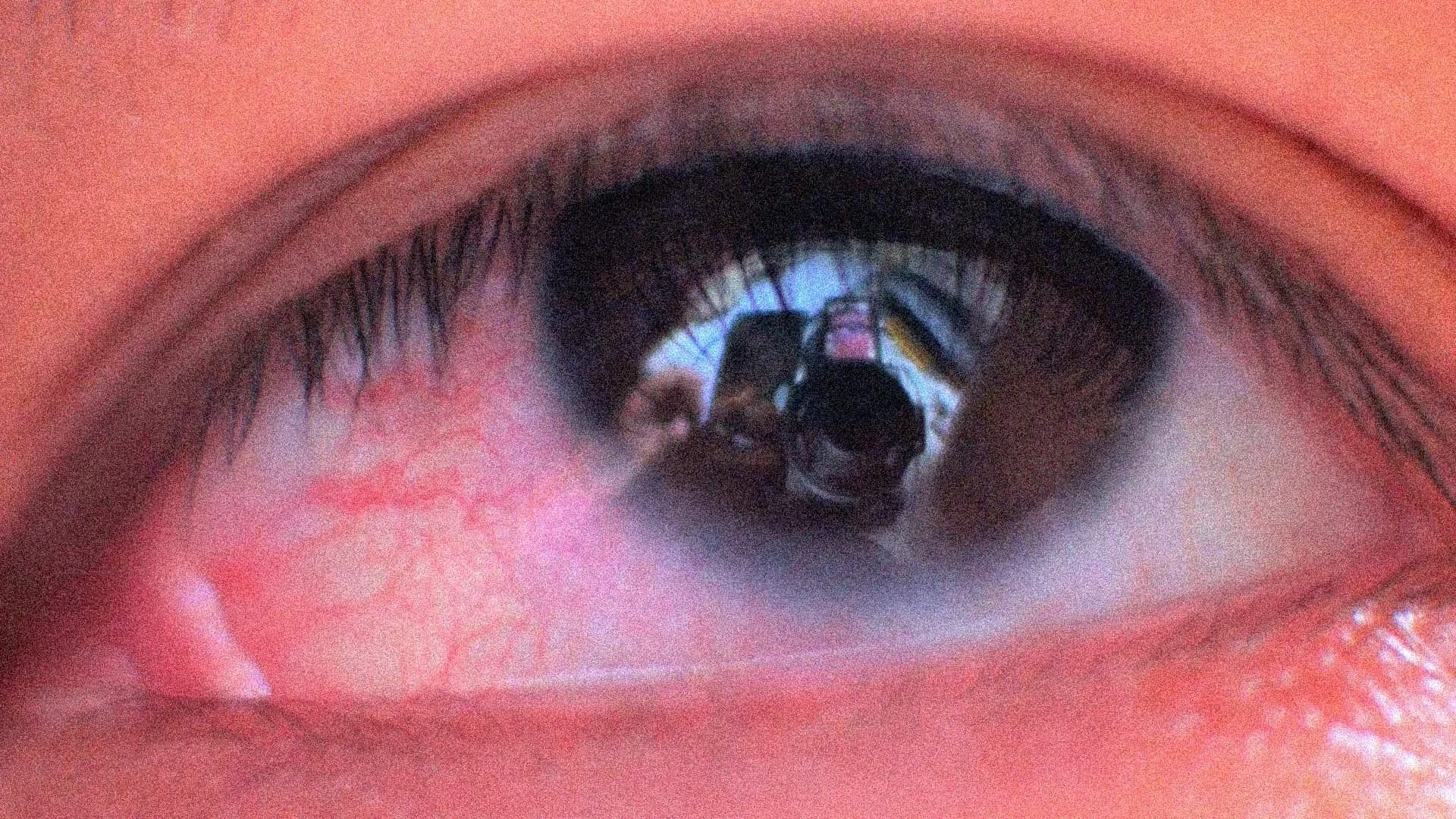
Film still from A Cyborg’s Guide to Pleasure
A Cyborg’s Guide to Pleasure
Dir. Miguel Lorenzo Peralta
The internet used to be a free space, but Miguel Lorenzo Peralta’s A Cyborg’s Guide to Pleasure says otherwise in this visceral visage of us, the internet, and the state. The cyborg itself is a manifestation of humans as passive consumers and commodities to an algorithm, just as our relationship with social media enables such behavior with doomscrolling, capitalizing on human agency and turning into a mindless subscription to whatever the algorithm lets us consume. As technology keeps on advancing, powered by capitalists and enabled by a fascist government, what started as counter-culture and escapism for the everyday lives of people has turned sex and pleasure into a fascist machine.
Not just pleasure, but perspectives towards powerful businessmen and politicians, as images of the objects of sexual desire are now blurred with images of the strongman persona, where nowadays AI and disinformation have proliferated through the very algorithm, eroding everyone’s critical thinking and participation in a decaying democracy. Whatever’s left of our humanity is a product of resistance to the very forces that have desensitized us.

Film still from Basura
Basura
Dir. Aries C. Ferrer
Technologies are no longer isolated objects known for their use and convenience, but they have intertwined with the very fabric of what makes us human, especially how technologies store more memories than we could forget about them. Aries C. Ferrer’s Basura plays with this notion by using deleted media from various phones’ storage. It already begins to question why such moments were categorized as trash; they could be more than just a means to save space for limited storage capacity. These memories will return as spontaneous reactions at the back of your head, but the next moment, they can be forgotten again.
Maybe we aren’t that different with technology; we are also limited, just like how many memories we can handle, just like how the machine could only keep some and not all to keep more memories. These memories may seem random, but it makes up what life is: a series of fragments of solitary and collective happiness, and because of technology’s ability to restore reminds us why we even took videos of it in the first place. It’s very engaging how it started with videos of spontaneous recordings of its environment, towards a documentation of simple happiness and timestamps of emotional joys that we realized later on we refused to forget and why we wanted to remember it all over again.
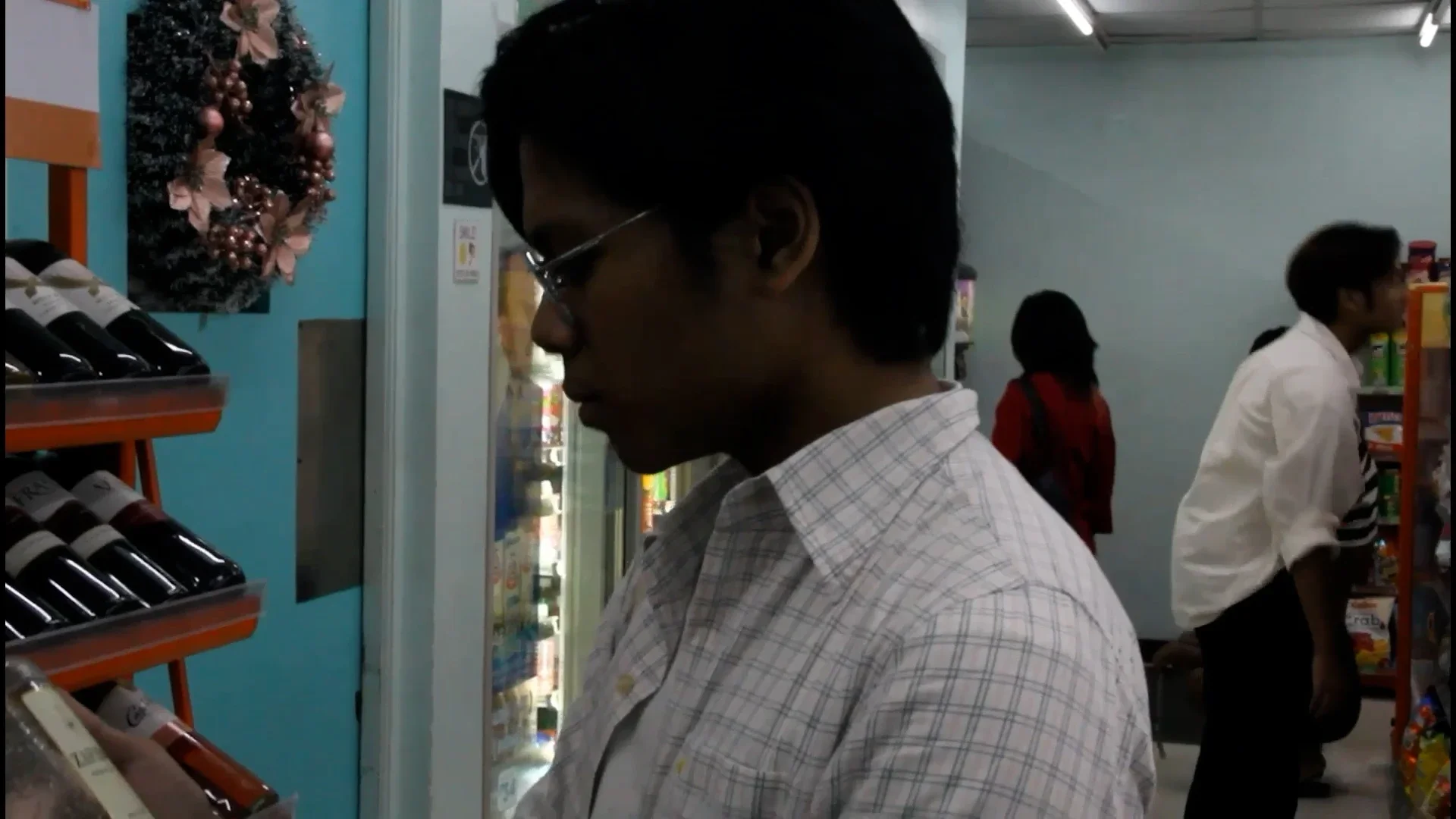
Film still from Crossings
Crossings (We Shall Return)
Dir. Josiah Tollison
College life seems to be a canon event for most friendships to start drifting after, when keeping in touch with your friends almost feels impossible, and this becomes more apparent as time passes that the very friendships you used to cherish are now starting to become distant. It’s only in words left unsaid and returning to the very place when you finally have the time that you finally see the tension that has ruptured your friendships. Josiah Tollison’s Crossings imagines this friendship through a reunion of three friends after Ely’s graduation when Kaloy finally decides to show up.
Deprived of technical polish, it rather exudes the raw energy of shaky friendships that have been tested through time. It becomes an explosive release of anger when grudges are finally unearthed and told, and Jess is also frustrated, always being put in the middle ground between Ely and Kaloy. Just for one night, it became a revelation for these three friends, and no matter what may transpire or how they cross paths again. It’s a very uneasy watch to imagine friendships like this, but what’s scarier is to lose them, so you need to hold on to what’s left of it before it all disappears into resentment.
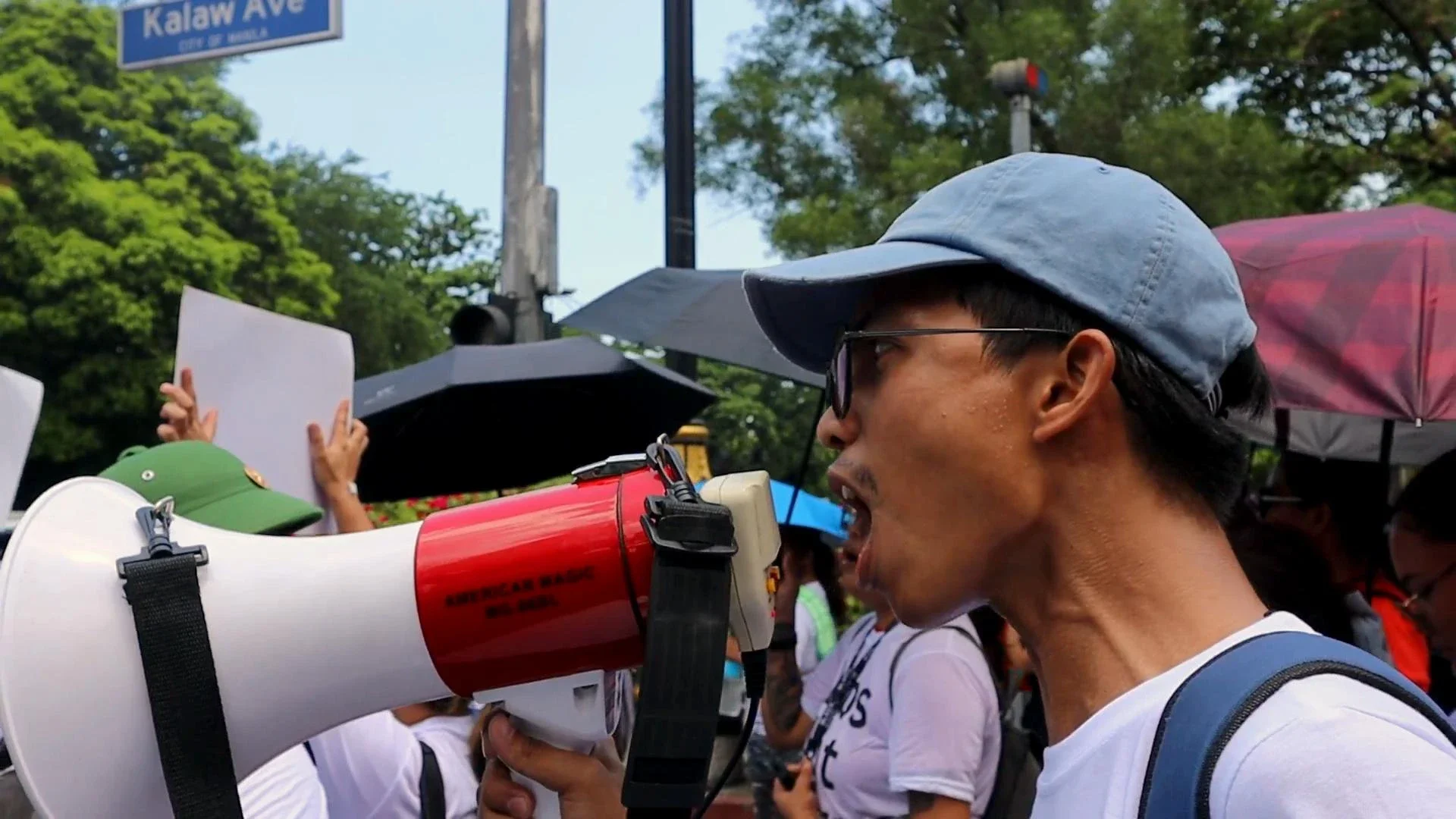
Film still from Kapag nagwala ang kalabaw
Kapag nagwala ang kalabaw
Dir. Val Serafica
Serafica’s Kapag nagwala ang kalabaw challenges the embedded aesthetics surrounding BPO work, as this luxurious alternative work is concentrated in most business districts in the capital of Manila. The imagery of Metro Manila and its towering concrete buildings of BPO companies overshadows the actual lived experiences faced by these workers as they continue to increase and take up space in the already crowded metro. These are foreign entities making spaces that choose our country to recruit our fellow countrymen because of how low the minimum wage is, and they’re taking advantage of it; to make matters worse is a lack of labor unions that could at least put some human dignity into these systems. Just like any other capitalist system, BPO workers are treated as commodities and as easily replaceable capital, reducing Filipinos to disposable, disrupting the very image of how work in these places is imagined.
The documentary makes it clear that it was the tireless efforts of the Filipino BPO workers that continue to drive their profits in their markets, and the most basic thing these BPO companies can do is at least be grateful and uphold accountability rather than exploit us into this capitalistic and unlivable machine. The struggle to organize labor unions is a struggle to challenge the existing system that bars anyone from joining and even threatens them with illegal dismissals just to practice their own human rights. BPO work is still work that deserves every ounce of human respect.
Watch Kapag nagwala ang kalabaw also on Cinemata!
Also read my curated film program featuring Kapag nagwala ang kalabaw!
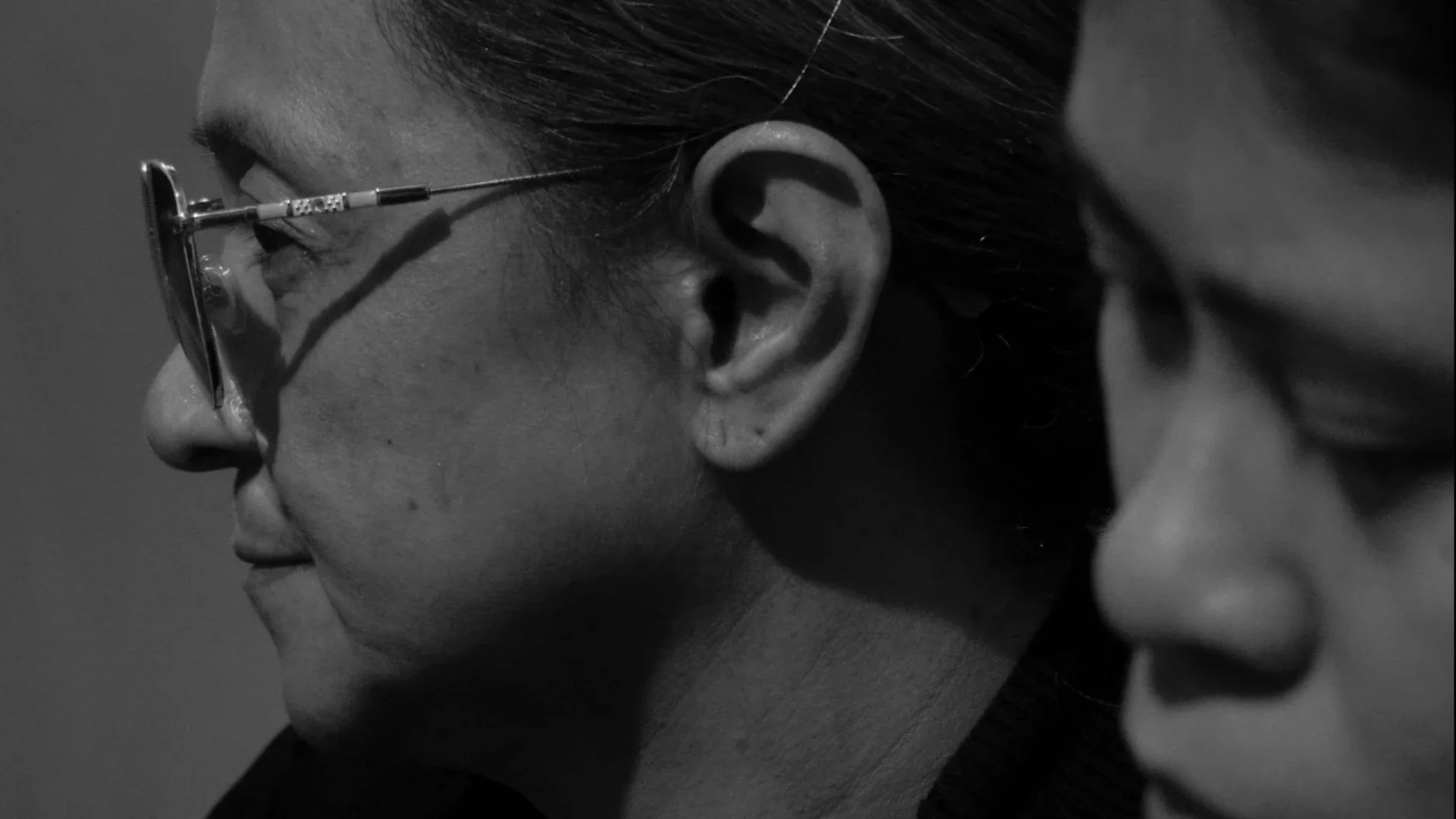
Film still from Right Across from Where Mangoes Fall
Right Across from Where Mangoes Fall
Dir. Igue Marca
Sometimes asking for someone to show grief becomes a burden just to satisfy a person’s wishes for a collective mourning. Igue Marca’s Right Across from Where Mangoes Fall navigates this demand between Mercene and Danita, a mother and her daughter, as they navigate Sofi, their daughter and sister’s passing. They talk about how their relatives react when seeing Sofi’s casket and how that moment changed them, as if Mercene wishes for something to change with Danita. But for Danita, she’s still processing her grief, and Mercene tries to understand but still demands an answer from her. There’s a hint that Danita may have run away from the tragedy before returning home, and maybe it was her attempt in trying to cope with her sister’s passing while her mother is dealing with the funeral’s guests, as she wanted to see everyone’s reaction to her daughter’s passing. With their dreaded black-and-white setting, family melodramas don’t give enough chances for someone to grieve, as they want to just be like when mangoes ripen faster. Grief works in mysterious ways, and sometimes it’s just best to give it time; when they’re finally mature and assured enough, that's when they finally start grieving on their own terms.
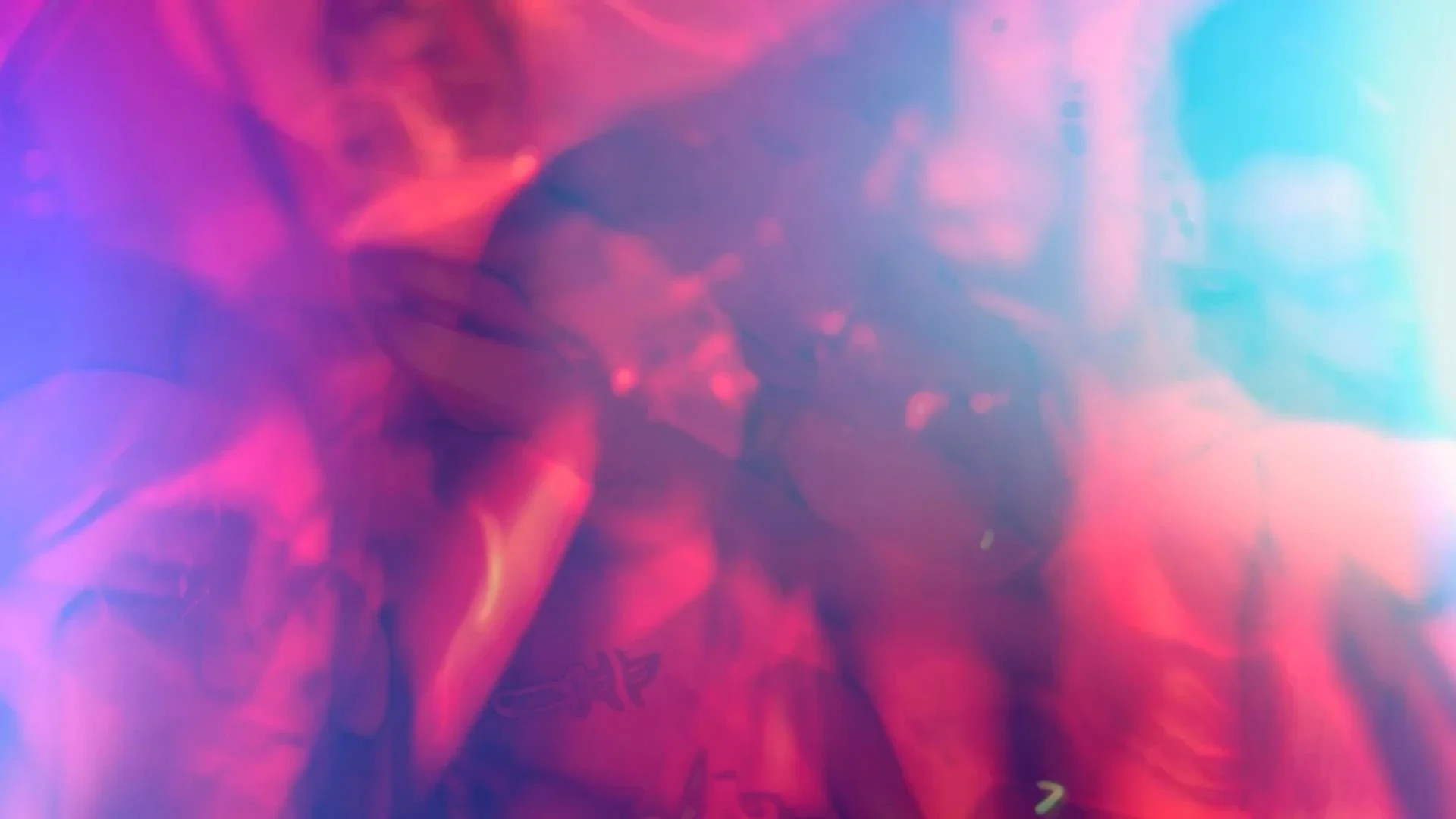
Film still from Tarototu
Tarototu
Dir. Allyson Ramirez
Tarot reading becomes our vantage point in addressing uncertainty in our lives, whether these issues may be a big or small deal that led to that person deciding to seek a premonition to provide a form of validation to a person’s hidden conflicts. Allyson Ramirez’s Tarototu takes this matter into a sapphic love story where one resorted to tarot reading before dealing with her actual feelings. The animation segments were cute and depicted the actual inner conflicts of Tasha, not just her feelings for Mela but also with herself and with her family. The tarot reading session gave Tasha the clarity she needed, and similarly, her conversation with Mela is filled with signs, just like how tarot cards, when read, also reveal parts of a fragmented future. Despite those signs, it’s only when they confront their feelings that they’re finally assured of their feelings with each other. And that they’re no longer scared of an uncertain future, as they’ve realized that they are now living in the present. They may need signs to settle their anxieties, but it’s only when they confront their realities that they finally forget what they were worrying about in the first place.
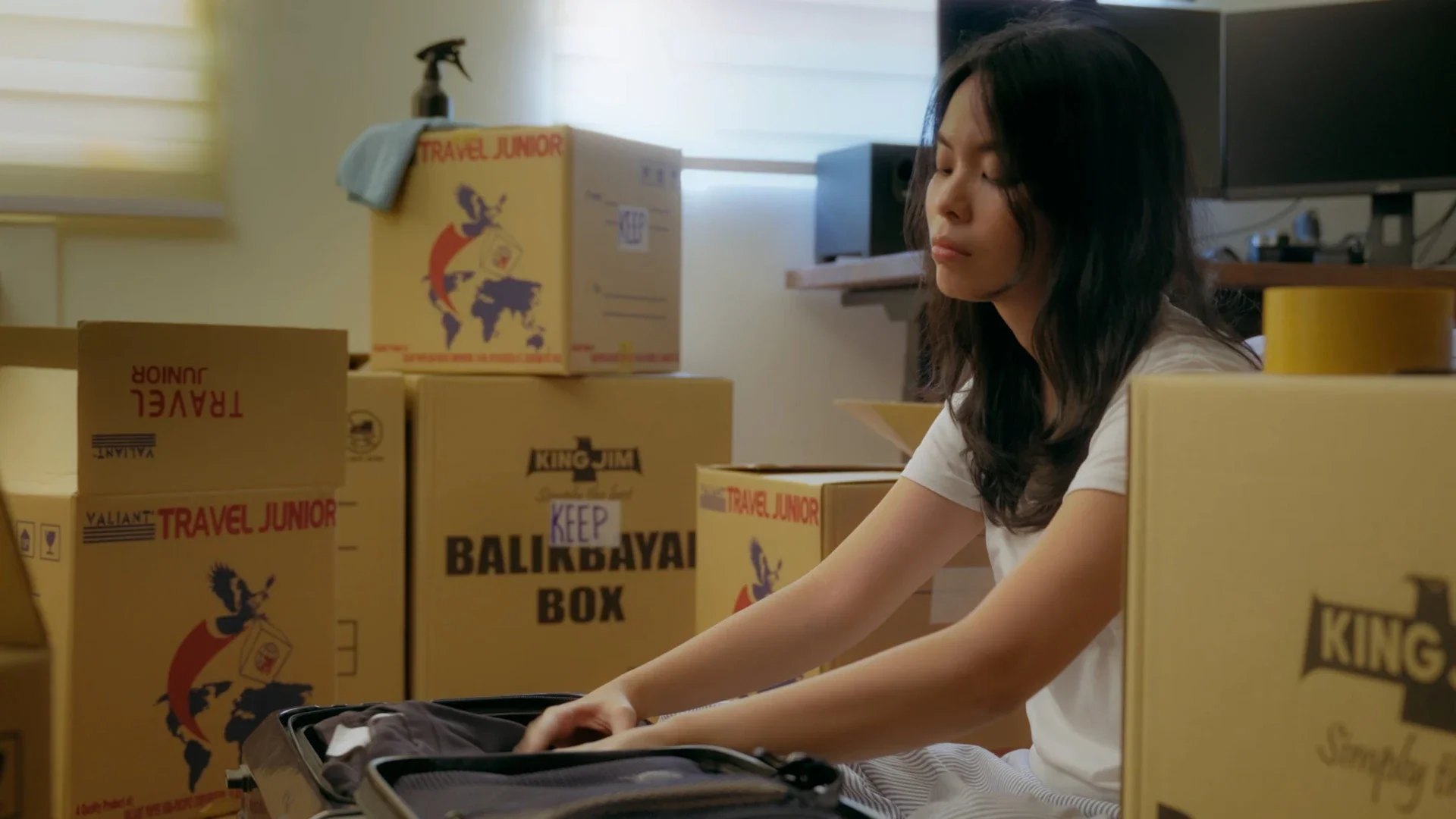
Film still from Keep/Let Go
Keep/Let Go
Dir. Daine Del Mar
There are many things in life that we decide to keep and to let go of in order to move on with our lives. Daine Del Mar’s Keep/Let Go uses the visual motif of labelling boxes filled with objects as Lia is preparing to move out of her apartment and also leaving Gio behind. An apartment through time is filled with memories, and these can be embedded into the very objects that we bring and buy and fill and decorate our very rooms and spaces that, in itself, become an extended part of our identity and experiences. These memories are not solely solitary but also shared with a significant other, and when it’s time to move out, there’s that shaking factor of whether to decide to keep memories of your used-to-be special someone.
The last box is left unlabeled throughout the film, which can depict the uncertain future of their relationship. The film’s ending may be open-ended, but what matters is that they gave each other a second chance to decide to stay, try long-distance relationships, or to finally end things as they scour the last box of its objects, its remaining memories, one last time before deciding to keep or to let go of it. It’s a tender metaphorical imagination of how an apartment room and boxes filled with memories can mean so much before leaving it all behind.
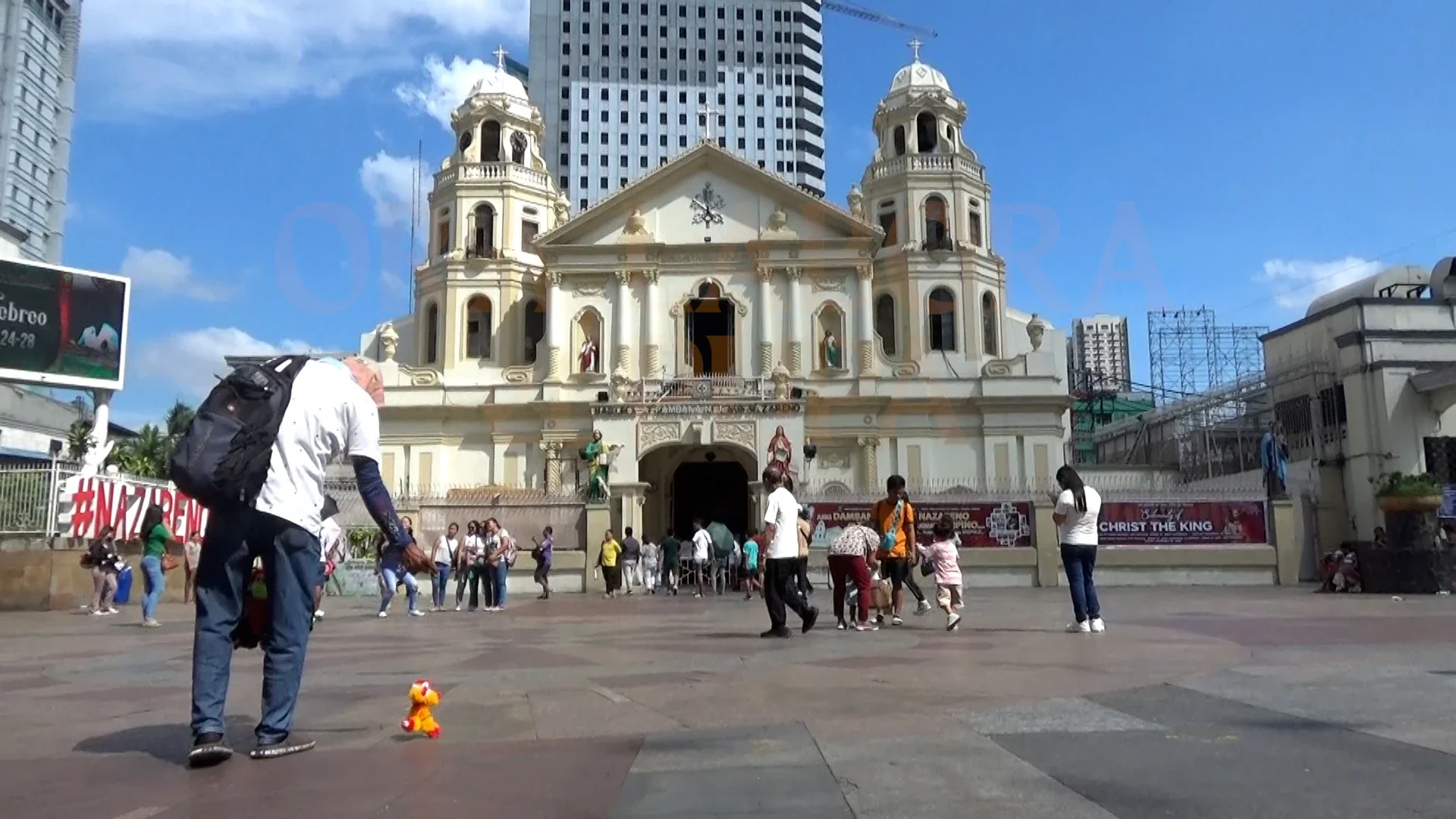
Film still from Ora, Labora, et Pupa
Ora, Labora, et Pupa
Dir. Bon Latagan
Bon Latagan’s Ora, Labora, et Pupa tells the story of Margarito Orsal Jr.’s determination to conquer life’s adversaries. The documentary started by exploring Margarito’s craft of making string puppets as his main livelihood after being a seaman; then the narrative suddenly shifted towards exploring what drives Margarito to continue despite his age. Making and selling string puppets despite living a retirement life for Margarito is his attempt to control, or at least alleviate, his life’s hardships, as he is constantly deprived of even an ounce of rest, as today’s economy forbids anyone from having that luxury even at that age.
To add is how the documentary explores resilience not just in climatic disasters but also as a labor issue that pushes people beyond their able age of labor into still working in order to raise a family, and to live another day. For the lack of accountability in an incompetent government system, it’s really deeply empathetic and at the same time baffling that people still rely on their faith and principles to cope with the times, but maybe it’s still the only tangible thing that they can cling to in these hard times.
Although I did not attend the physical film screenings and their talkbacks during its run at the UP Film Institute, I can see how student filmmaking has its merits as an art-based research, and reflecting on these practices contributes to establishing a pedagogical framework.
From just this featured lineup, endless creative and cinematic storytelling is told and runs through the veins of the youth as it captures not just the mundane but even the most political moments of our imagination of the nation. May it be diverse, nonlinear, and heterogeneous at first glance, but maybe that’s what drives student filmmaking to continue to exist and resist as an alternative cinema.
Black Beret 25 streamed on JuanFlix from September 14 to 27, 2026.