
‘Tayo Lang Ang Nakakaalam’ REVIEW: The Weight of What We Know and What We Don’t
‘Tayo Lang Ang Nakakaalam’ REVIEW: The Weight of What We Know and What We Don’t

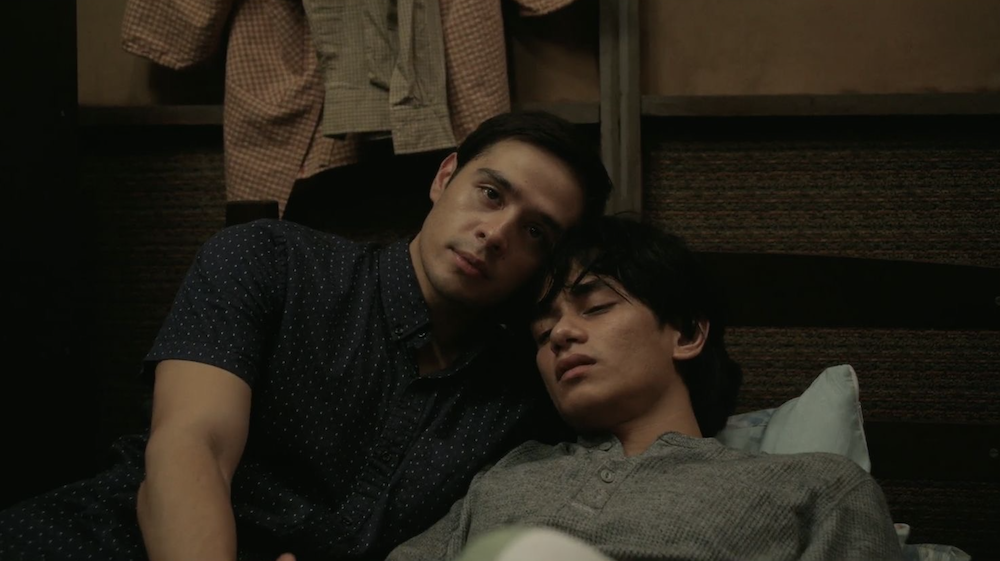
Martin del Rosario as Neil and Miguel Odron as Bong | Still courtesy of Cinemalaya

WARNING! SPOILERS AHEAD FOR ‘Tayo Lang Ang Nakakaalam’ (2026)
What happens when loving someone means knowing their secret, but not fully understanding why they refuse to ask for help? In David R. Corpuz’s film Tayo Lang Ang Nakakaalam, that question carries the weight of love and grief, but also of a reality larger than either person. HIV stigma, fear of judgment, and the cost of care can turn seeking help into something far more complicated than simply choosing to survive.
The story revolves around Bong (Miguel Odron), who has known he is HIV-positive for three years. Neil (Martin del Rosario), his partner, knows too. His parents only learn about it once his health has become critical, leaving them to process his illness while confronting a more painful question: why did their son go through it without asking them for help?
Tayo Lang Ang Nakakaalam finds its strength in refusing to treat that question as an easy moral failure. Bong’s choices can be seen as frustrating, but the film places them within a society where HIV and queerness still carry judgment. Neil may be accepted by Bong’s family, but he is still introduced to others as his “best friend.” That detail says enough. Bong has learned that there are parts of himself that are easier to live with privately, and his diagnosis becomes another.
The film also recognizes that knowing treatment exists does not mean getting it is simple. Work, fear of disclosure, and even access to healthcare can all shape when someone finally seeks help. Bong’s decline extends beyond his illness and into the conditions surrounding it. His situation reflects how stigma works in practice: it can influence decisions long before anyone openly discriminates against you.
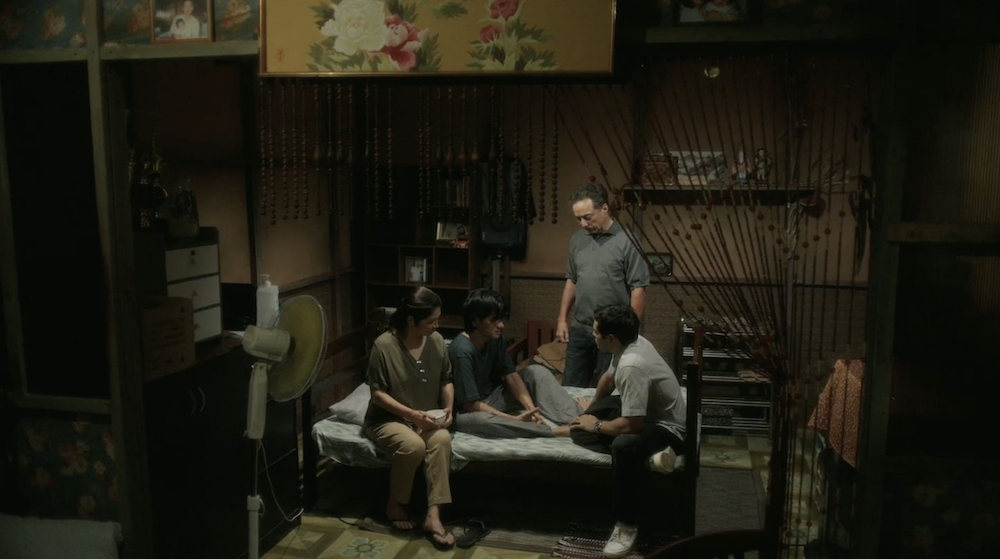
Yayo Aguila as Gloria, Miguel Odron as Bong, Epy Quizon as Benjie, and Martin del Rosario as Neil | Still courtesy of Cinemalaya
Corpuz effectively reinforces this through the places his characters occupy. At the hospital, thin curtains give Bong and Neil little separation from the people around them, and their conversations easily carry beyond the bed. Home brings a different kind of restraint. At home, the family has privacy but remains careful about what is said and to whom. That caution becomes harder to maintain at Bong’s wake, where Neil is grieving alongside relatives and old friends who never fully knew the life Bong shared with him.
I also appreciate how restrained much of the film feels. Its muted visuals suit the exhaustion of caring for someone whose condition keeps worsening, while the score gives its heavier scenes some tenderness. Corpuz is at his best when he trusts ordinary moments to carry the emotion.
Neil trying to leave work after learning that Bong is in critical condition carries some of the film’s deepest emotional weight. His boss eventually allows him to go, but he was too late. The mundanity of having to ask permission from work while someone you love is dying makes the moment hurt even more.
Del Rosario also makes Neil’s position particularly painful. He has spent years beside Bong and knows the truth others do not, yet that knowledge gives him very little control over what eventually happens. His performance captures the helplessness of watching someone you love deteriorate while knowing that love alone cannot make their decisions for them.
Yayo Aguila is equally affecting as Gloria at Bong’s wake. Her grief carries the pain of losing a son alongside everything she learned when there was little time left to do anything with that knowledge.
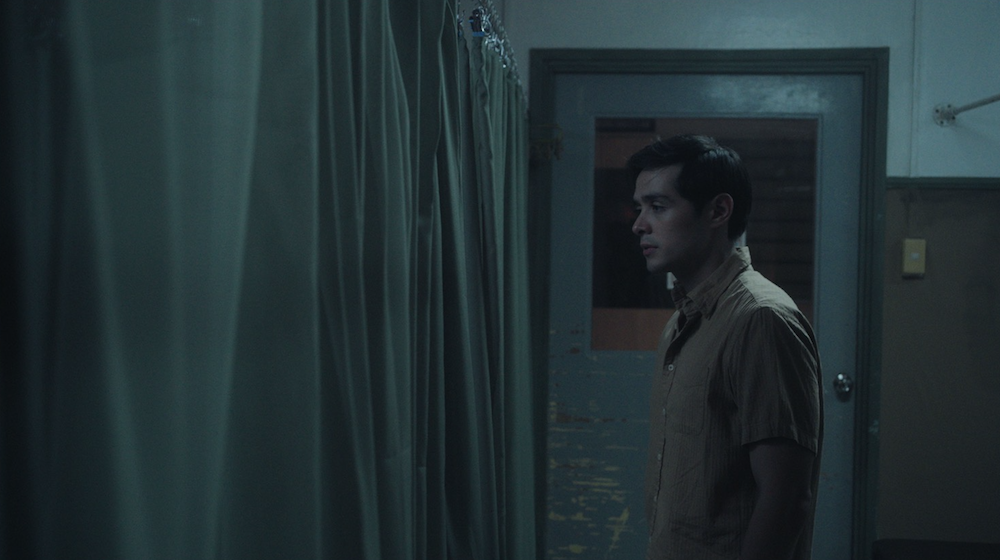
Martin del Rosario as Neil | Still courtesy of Cinemalaya
Where the film falls short is Bong himself. Too much of what we learn about him comes through his illness. I wanted to see more of his personality and more of the relationship he shared with Neil before his health declined. Bong’s death moved me, but knowing more about the life he was leaving behind would have made that loss richer. The film understands the grief surrounding him better than it develops the man being grieved.
I also could have done without the final monologue. It pushes the film toward the tone of a PSA and explains ideas that its better scenes have already communicated. Bong’s father, Benjie (Epy Quizon), choosing to get tested makes the point more effectively. His decision challenges the association of HIV exclusively with gay men while showing what knowing your status can offer: the chance to act before fear or illness begins limiting your choices.
That is also why Tayo Lang Ang Nakakaalam remains relevant. Greater awareness of HIV has not made shame, homophobia, financial difficulty, or fear of disclosure disappear. The film recognizes that telling people to get tested or seek treatment is only part of the conversation; we also have to understand what makes someone afraid or unable to do so in the first place.
For all my issues with Bong’s characterization and the film’s more overt messaging, I really liked how much compassion Corpuz gives this story. Its strongest moments find meaning in the people around Bong: Neil racing against time to be with him, Gloria mourning a son she wishes she had understood sooner, and Benjie deciding that knowing is better than remaining afraid.
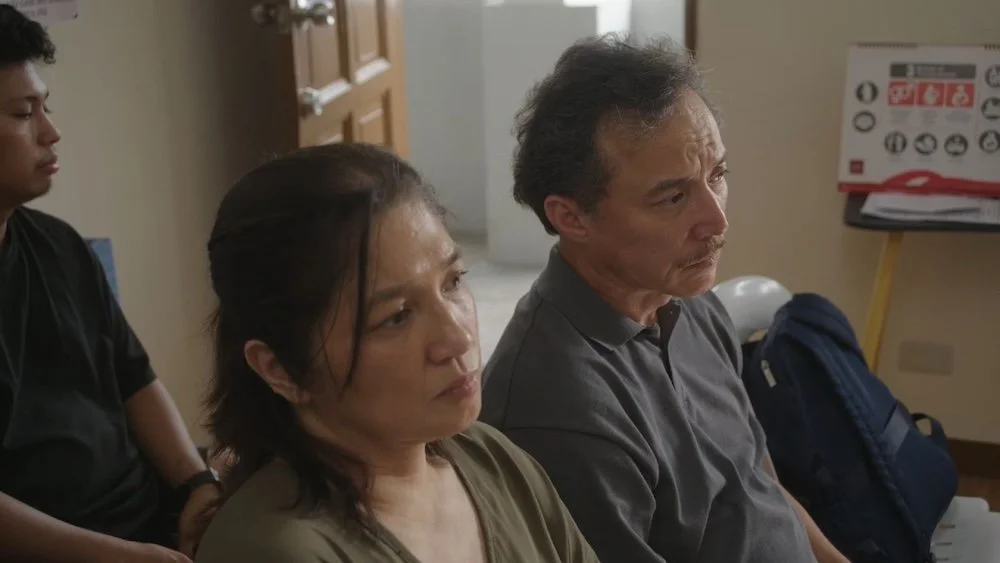
Yayo Aguila as Gloria and Epy Quizon as Benjie | Still courtesy of Cinemalaya
Bong’s story ends in grief, but the film does not allow grief to be the only thing passed forward. Someone else chooses to know his status and, with that knowledge, gets the opportunity Bong ultimately lost: time to do something about it.
Years later, Tayo Lang Ang Nakakaalam still carries a painful relevance: knowing your status can give you the chance to seek help, make choices, and live. For that knowledge to mean something, people must also feel safe enough to ask for care and trust that being fully known will never cost them their dignity.
‘Tayo Lang Ang Nakakaalam’ is one of the selected full-length feature films for the 22nd edition of the Cinemalaya Philippine Independent Film Festival, where it won Best Sound Design, Best Cinematography, Best Ensemble and Best Actor for Martin Del Rosario.