
At the Intersection, Again: On ‘Dagitab’ and Where Our Lives Meet
At the Intersection, Again: On ‘Dagitab’ and Where Our Lives Meet


Nonie Buencamino as Jimmy and Eula Valdez as Issey in Dagitab (2014) | Still courtesy of Cinemalaya

I have always struggled with the expectation that being grateful should make me want less. What I wanted from life kept changing as I did. I kept looking ahead, convinced that life would eventually arrive at some fuller version of itself. I happened to watch Dagitab during a period when that constant anticipation had begun to wear thin. Somewhere in the film’s attention to dissatisfaction, I recognized how much of life can pass while we remain preoccupied with what might still be waiting for us.
Dagitab follows that restlessness through Jimmy (played by Nonie Buencamino) and Issey (played by Eula Valdez), two people whose lives have grown familiar enough to leave them searching beyond what they already know. Their pursuits take them elsewhere, yet the film eventually brings their paths together again with a different awareness of what has been there all along. The spark they recover carries the weight of everything that happened in its absence, which gives their return its ambiguity and tenderness. We can spend years becoming different people while remaining inside the lives we once chose, and sometimes recognition arrives only after our idea of what we want has changed.

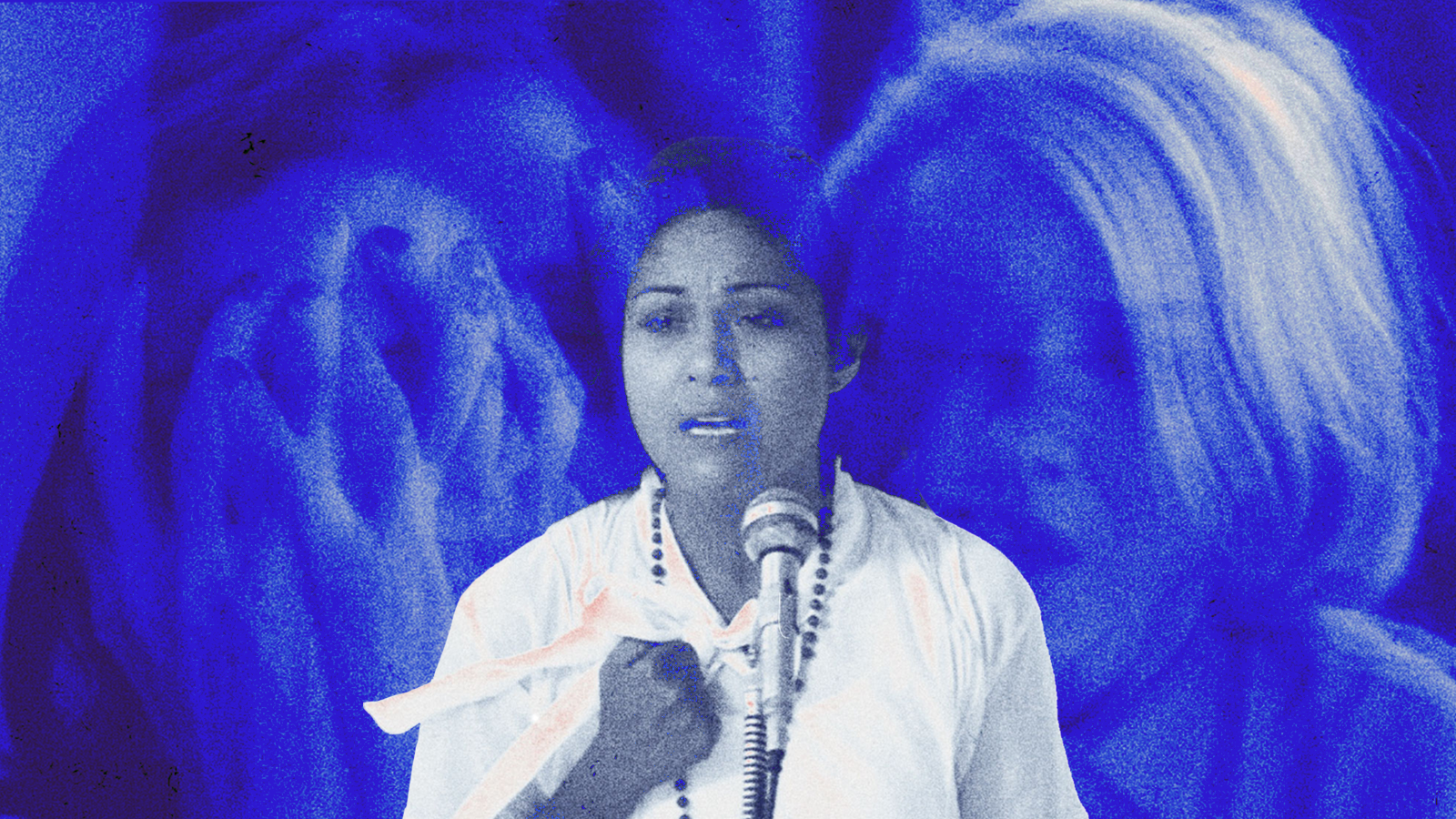
Eula Valdez as Issey in Dagitab (2014) | Still courtesy of Cinemalaya
When Knowing Stops Being Enough
Jimmy and Issey have built their lives around the university, where thinking deeply about the world has become both profession and habit. Yet the film places them at a point where thought offers little relief from dissatisfaction. Jimmy has spent years on unfinished research, while Issey has grown restless within the life she knows. They are examining ideas for a living, but understanding their own discontent proves harder. I recognized that frustration: knowing why you feel stuck rarely tells you where to go next.
Their place in the academe matters because both characters have spent years giving language to experience. Jimmy researches something elusive enough to keep drawing him deeper into his work. Issey teaches literature, a field built around reading meaning into human experience. Their professional lives suggest an ability to understand, interpret, and explain, while their personal lives resist the same treatment. The dissatisfaction between them cannot become another problem solved through careful thought.
Jimmy eventually admits how sheltered his academic life has made him feel. His research has taken years, and the security of the university has left him wondering how much of the world he has actually experienced. The admission comes while driving Issey home after she gets drunk with younger people, when he has to pull over so she can vomit. The setting strips his crisis of abstraction. His life's work may concern ideas larger than himself, but the question bothering him has become painfully ordinary: has the life he chose been enough?
I understand the temptation behind that question. There are moments when stability starts to resemble evidence that you have stayed in one place for too long. You begin measuring your present against lives you have yet to live, which gives those imagined lives an advantage. They contain possibility without consequence. Jimmy's insecurity captures something I have felt in less dramatic ways: the fear that becoming good at the life you chose may have kept you from finding out who else you could have been.

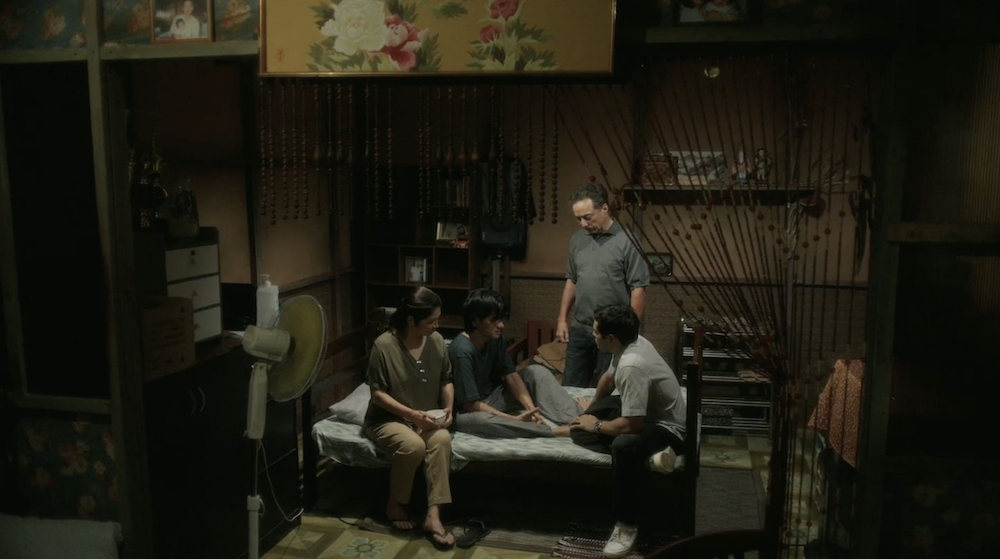
Nonie Buencamino as Jimmy in Dagitab (2014) | Still courtesy of Cinemalaya
The Appeal of Elsewhere
That uncertainty draws Jimmy toward the subject of his research and eventually to the mountains, where what had occupied his imagination becomes physical. Issey finds her own version elsewhere through Gab (played by Martin del Rosario). Their desires differ, but both emerge from the possibility that something beyond their established lives might make them feel differently about themselves.
The film complicates that possibility through its treatment of the real and unreal. Jimmy's encounter with the figure he has pursued through research appears surprisingly physical and awkward. Issey's time with Gab at the beach feels more removed from ordinary life. Desire blurs the distinction. The unfamiliar acquires some of its power from everything the characters can still imagine about it.
Their marriage has reached the other end of that familiarity. Issey scrubs Jimmy's back in the shower without erotic charge. She uses the toilet with the door open while he eats breakfast, and they joke with the ease of people who have long stopped performing for each other. I find these scenes more revealing than either character's pursuit of someone else. Years with another person can produce a closeness so complete that it becomes difficult to notice. The extraordinary eventually enters the routine of being known.
That kind of familiarity can feel unfairly ordinary beside a new possibility. Someone new encounters you without years of context attached to every gesture. Another place carries none of the routines that have made your current life predictable. Even an idea can remain perfect for as long as reality has yet to interfere with it. Dagitab understands the seduction of that distance. Jimmy and Issey reach outward because the unknown still has room to surprise them.
I have often mistaken that capacity for surprise as proof that something matters more. Looking ahead makes it easy to compare the full weight of a life already lived with the promise of one that exists mostly in imagination. The comparison can never be equal. We know too much about what we have and very little about what we want.
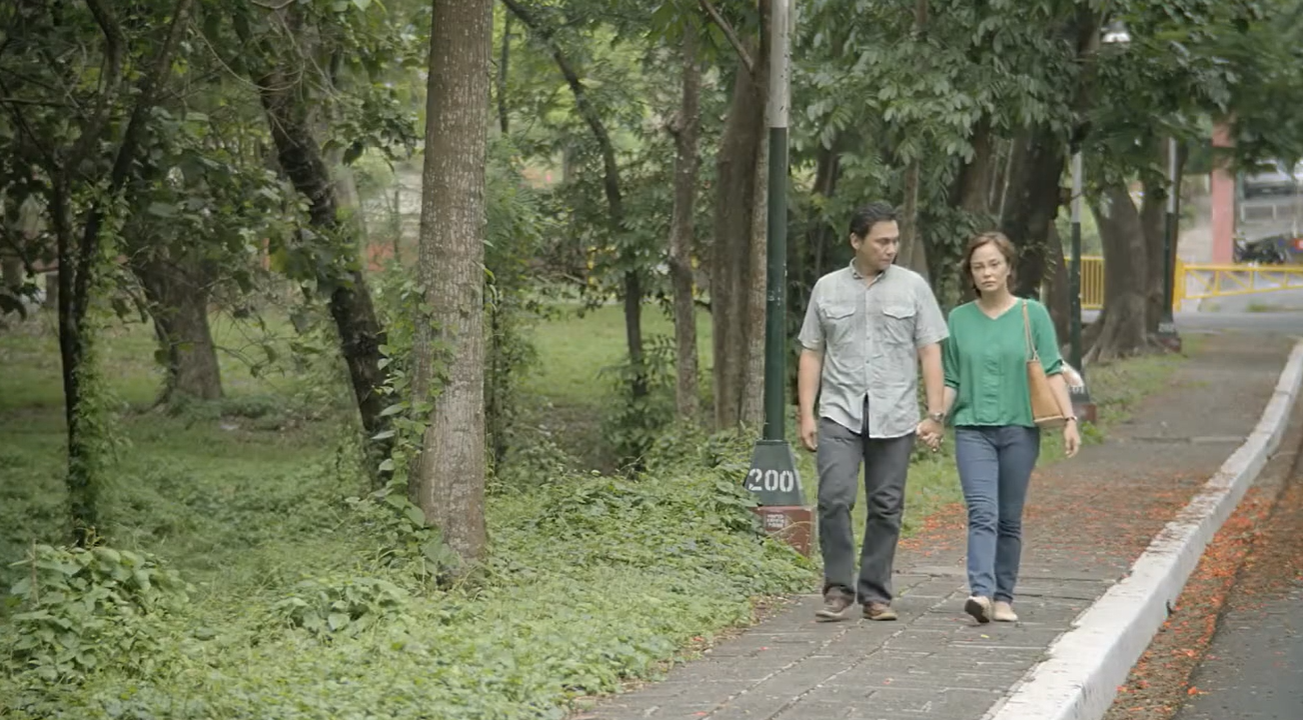
Nonie Buencamino as Jimmy and Eula Valdez as Issey in Dagitab 2014 | Still courtesy of Cinemalaya
What Distance Changes
What Jimmy and Issey find outside their marriage matters because their departures give them experiences that belong to them alone. For a time, they exist beyond the roles through which they have known each other. Their marriage remains part of their lives, but it stops containing the whole of who they are.
There is something generous in the film's willingness to let them go that far. Their dissatisfaction receives enough space to become an experience rather than a passing complaint. They make choices, cross boundaries, and discover what their desires look like once removed from imagination. By the time their paths begin turning toward each other again, they have acquired knowledge that thought alone could never have given them.
This is where my understanding of wanting more has started to change. I still believe dissatisfaction deserves attention. Desire can reveal parts of ourselves that routine has made easy to ignore. Yet wanting another life and wanting to abandon the one you have can come from different places. Sometimes the desire for elsewhere tells you less about where you should go than about what has become invisible where you already are.
Distance cannot make every relationship meaningful again, and Dagitab offers no formula that could make it so. What it gives Jimmy and Issey is perspective. They can encounter each other after having stepped outside the version of their lives in which their marriage had become another certainty. That difference matters because recognition after distance carries information that familiarity could not provide.
At the Intersection, Again
By the time Jimmy and Issey get together again, their return carries everything they have learned apart. The spark between them belongs to people who have already tested the possibility of elsewhere. What they find in each other comes into focus after both have had the chance to look beyond the life they shared.
This keeps their return from feeling like a reversal. Life has already happened to them in separate ways. Whatever comes next has to include those experiences rather than erase them. Their paths meet again with a different understanding of what it means to choose a person after familiarity has stripped away much of the mystery that once made choosing easy.
That may be why Dagitab found me when it did. I used to think moving on meant eventually reaching a place where the past had little bearing on who I had become. Now I understand some people differently. Time can change the place someone occupies in your life without removing the fact that part of you took shape while your lives were moving together.
I have no idea where certain roads lead from here, and I have grown comfortable leaving that unanswered. Dagitab leaves me with a similar uncertainty. Jimmy and Issey have traveled far enough from each other to return with a clearer sense of what their shared life means, while everything that happened between departure and return remains part of them.
Maybe an intersection can only offer that much: another meeting, shaped by the distance that came before it. Wherever the road goes afterward belongs to the people who arrive there.