
‘Edjop’ REVIEW: The Defiant Act of Remembering
‘Edjop’ REVIEW: The Defiant Act of Remembering


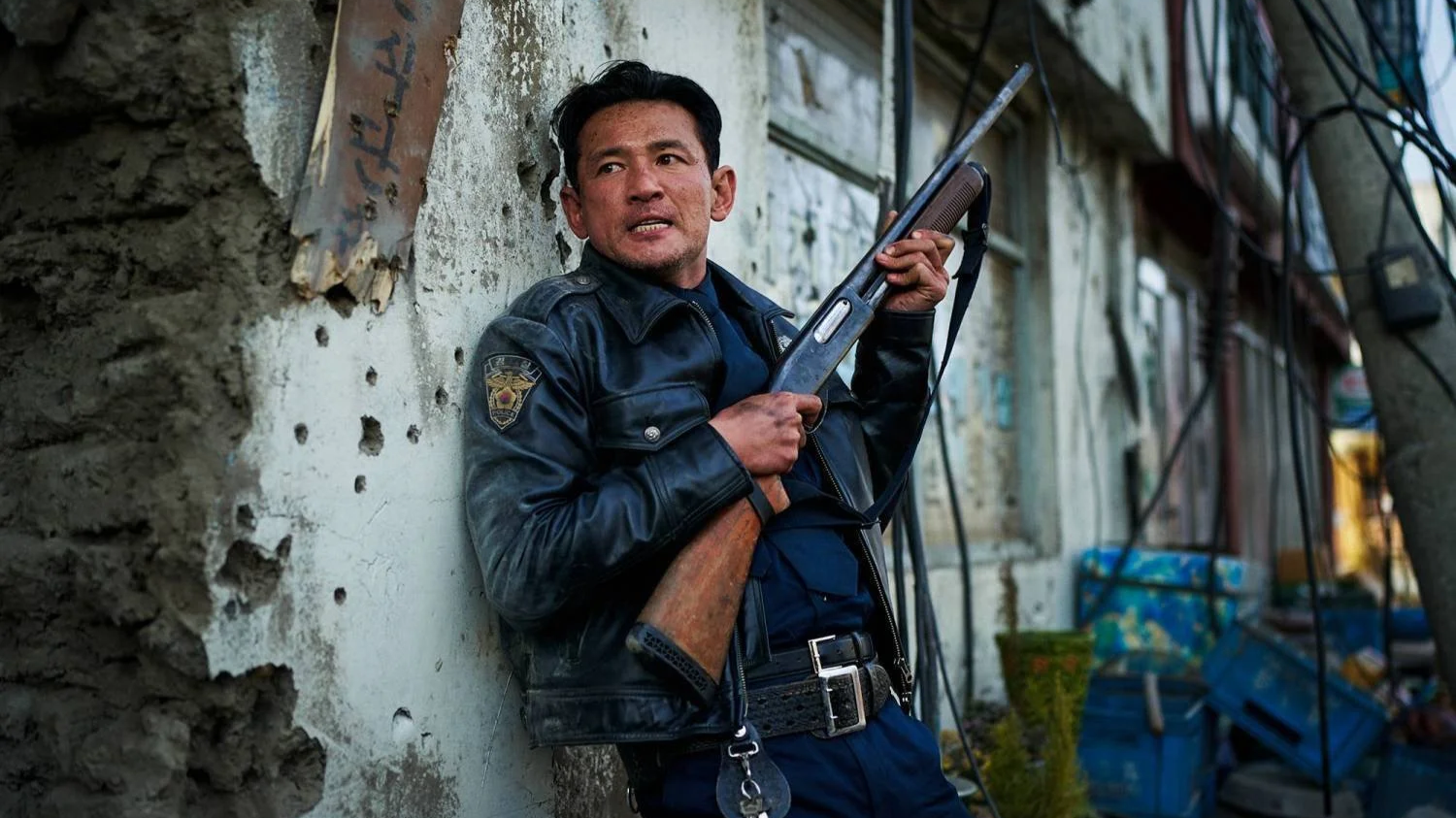
Elijah Canlas as Edgar “Edjop” Jopson / Photo courtesy of Warner Bros. Pictures Philippines

Remembering can be an act of defiance when those in power rely on history being forgotten. In that sense, remembering itself becomes a form of activism.
Directed by Katski Flores, Edjop looks at Edgar “Edjop” Jopson through both his political life and the daughter who grew up largely without him. This gives the film an intimate perspective on a familiar historical figure, although its personal approach sometimes comes at the expense of the political history surrounding him.
The film follows activist Edgar “Edjop” Jopson (Elijah Canlas) as his political awakening draws him deeper into the resistance against the Marcos dictatorship. Decades later, his daughter Joyette (Jodi Sta. Maria) confronts the legacy of a father she barely knew and the beliefs that took him away from their family
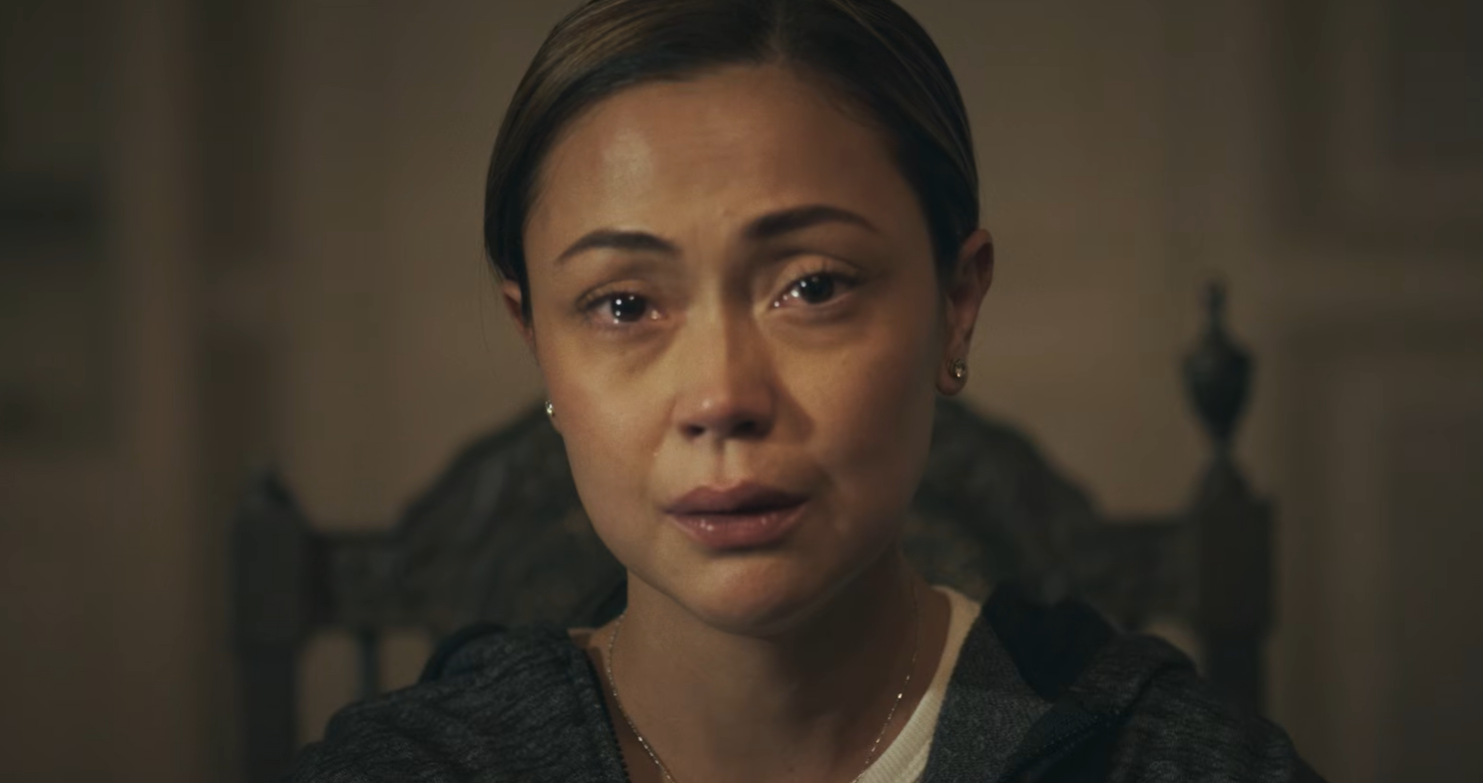
Jodi Sta. Maria as Joyette Jopson / Photo courtesy of Warner Bros. Pictures Philippines
The film’s choice to center Joyette is interesting because she does not inherit her father’s beliefs as easily as she inherits his name. Sta. Maria plays her as someone burdened by a legacy that other people have already decided she should be proud of. Her resentment gives the film room to question the romantic idea of sacrifice. A decision can be admirable in public and still leave damage in private.
The film could have trusted this conflict more. Once Joyette’s resentment toward her father is established, the story repeatedly returns to it rather than exploring how those feelings change as she begins to understand him. The running motif suffers from the same overemphasis, eventually explaining an emotional distance that is already clear through her character. Joyette’s story is more affecting when her anger and grief are allowed to speak for themselves.
Canlas, meanwhile, makes Edjop compelling because his performance gives us a sense of someone whose beliefs are still being formed. There is a noticeable difference between the young man who can still imagine working within existing institutions and the person he becomes after repeatedly confronting their failures. Canlas carries that change into the way Edjop speaks and occupies a room. His conviction feels earned because we have watched what has hardened it.

Kakie Pangilinan as young Joy Jopson / Photo courtesy of Warner Bros. Pictures Philippines
The film becomes more compelling when political commitment begins to complicate Edjop’s life at home. He can believe completely in what he is fighting for while his family still suffers from the choices that conviction demands. Kakie Pangilinan’s young Joy Jopson gives this conflict much of its emotional weight, showing that acknowledging the personal cost of Edjop’s activism does not diminish his courage, but gives a fuller picture of what his commitment meant for those closest to him.
This is where the film’s portrayal of the Marcos dictatorship feels incomplete. Martial Law is often presented through the violence Edjop encounters, but less attention is given to the system that made such violence possible and routine. Repression matters here beyond establishing the regime’s brutality; understanding how authoritarian power restricted political life is essential to understanding why Edjop’s beliefs changed, and why resistance came to demand increasingly difficult choices.
That context is crucial to Edjop’s story because his politics changed in response to specific conditions. His movement toward more radical resistance carries greater meaning when we understand why conventional political action came to feel inadequate to him. The Marcos regime should therefore be more than the source of danger in Edjop’s life; its repression is part of the explanation for the person he eventually became.

Elijah Canlas as Edgar “Edjop” Jopson / Photo courtesy of Warner Bros. Pictures Philippines
Without enough of that context, there are moments when Edjop’s choices can appear primarily personal when they were also responses to a much larger political reality. He was one person among thousands of Filipinos forced to confront what resistance meant under a dictatorship. Showing more clearly how that system operated would have strengthened the film’s portrait of him rather than distracted from it.
Still, the film succeeds when it resists reducing its characters to their place in history. Canlas, Sta. Maria, and Pangilinan all deliver exceptional performances, each bringing a different emotional weight to the same family history. Canlas captures Edjop’s growing conviction without losing his vulnerability, while Sta. Maria and Pangilinan give depth to the women left to reckon with his choices. Together, they show how a legacy celebrated in public can feel far more complicated to the people who lived closest to it.
Overall, Edjop is uneven, and its examination of the politics that shaped Edjop lacks the same depth it gives the man himself. But its narrative imperfections do not diminish the urgency of remembering him. Bravery is more than the courage to resist; it is choosing to act despite knowing what that choice may cost. Remembering Edjop means remembering why that courage became necessary in the first place. History means little if we honor those who resisted injustice while allowing the conditions they fought against to return. Remembrance must carry their courage forward.
‘Edjop’ is now showing in Philippine cinemas.