
‘A Special Memory’ REVIEW: Love, Memory, and the Depth the Story Never Reaches
‘A Special Memory’ REVIEW: Love, Memory, and the Depth the Story Never Reaches


Carlo Aquino as Dindo and Bela Padilla as Sandra in A Special Memory | Still courtesy of Viva Films

WARNING! SPOILERS AHEAD FOR ‘A SPECIAL MEMORY’
Love stories in film often rely on the idea that devotion can survive anything. A Special Memory, directed by Jerry Lopez Sineneng, approaches that idea from a more fragile angle. When memory itself begins to disappear, love is forced into unfamiliar territory, where emotional connection has to compete with a mind that is slowly letting go. The premise sets up a story about whether feelings can endure even when the memories that built them start to vanish. It is a compelling foundation for a romance, though the film struggles to fully realize the emotional complexity within that idea.
The story follows Sandra (Bela Padilla) and Dindo (Carlo Aquino) as they try to sustain their relationship after Sandra is diagnosed with a rare form of Alzheimer’s disease that gradually erases her memories. What begins as a typical romantic setup quickly shifts into something heavier as the illness becomes impossible to ignore. The couple must face the reality that the future they imagined together may slowly disappear piece by piece. The film frames this situation as an emotional test of commitment, though its storytelling choices sometimes simplify the conflict more than they deepen it.
The trailer suggests a story about how a couple’s relationship evolves when something as disruptive as a rare form of Alzheimer’s begins to reshape their lives. Instead of closely examining how Sandra and Dindo navigate that reality together, the film spends much of its time delaying the moment when the truth is fully confronted. This choice limits the opportunity to explore how illness might gradually alter the rhythms of their relationship and the way they understand each other.
The emotional conflict is clear in concept, but the film rarely stays on the difficult adjustments that such a diagnosis would demand from both of them. As a result, the story touches on ideas about love, memory, and commitment without fully digging into the complicated ways those ideas might change when illness begins to rewrite the relationship itself.
The film also includes voiceover narration from Dindo that appears intermittently throughout the story, as he recounts the course of their relationship until the end. This initially suggests a framing device similar to Nick Cassavetes’ The Notebook, where the story is told through memories being revisited. In that film, the narration serves a clear structural and emotional purpose. In A Special Memory, however, the voiceover feels largely unnecessary. Instead of guiding the narrative or adding insight, it mostly delivers sentimental lines that try to heighten the drama. Rather than strengthening the emotional impact, these moments often come across as forced.

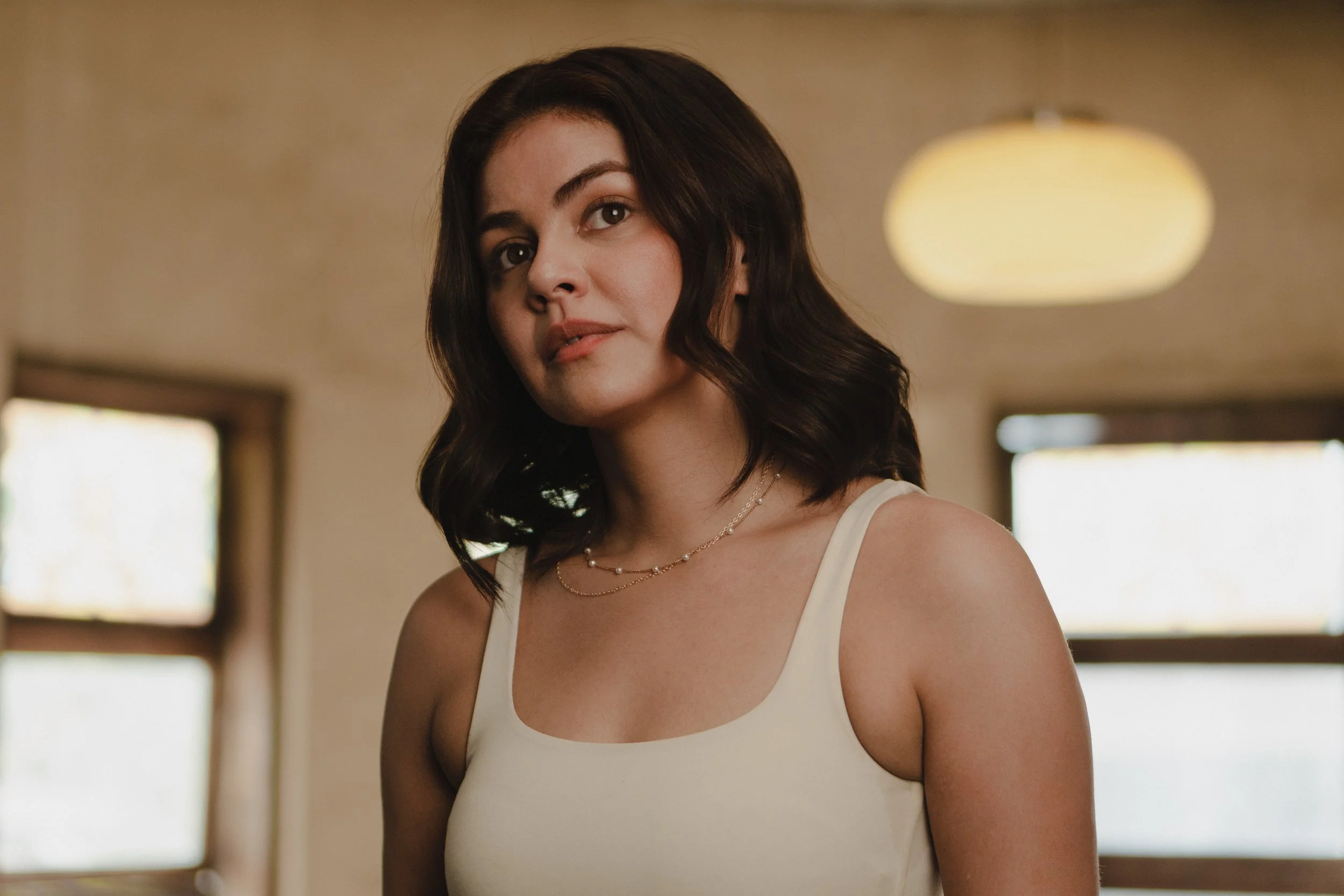
Bela Padilla as Sandra in A Special Memory | Still courtesy of Viva Films
Both lead actors deliver committed performances. Padilla brings warmth to Sandra — preventing the character from becoming a shallow depiction of a privileged woman. It would have been easy for the role to fall into the stereotype of a spoiled rich character, but she gives Sandra a gentle presence that makes her easy to sympathize with. At the same time, the character never quite develops the depth needed to make her story feel fully realized.
Aquino, on the other hand, gives Dindo a sense of emotional history that helps ground the character. His resentment toward his mother, who neglected him, led her boyfriends to repeatedly physically hurt him while he was growing up, and eventually left him to be with another man, adding context to his frustration and volatility. Aquino communicates that he is hurt effectively, especially in moments where Dindo reacts strongly when Sandra interacts with his mother or when he angrily questions the doctor about Sandra’s condition. However, the film introduces these anger issues without truly confronting them. The story acknowledges his behavior but never explores its consequences or allows the character to grow from it.
Another issue lies in the central relationship itself. While the film insists on the depth of Sandra and Dindo’s love, their chemistry never quite reaches the level the story needs. Their romance progresses very quickly, which leaves little time to establish the emotional foundation that the later conflict depends on. Because of this, the tragedy of Sandra forgetting Dindo never hits as strongly as it could have. The audience is asked to believe deeply in their bond, but the film doesn’t spend enough time showing why that bond matters.

Carlo Aquino as Dindo and Bela Padilla as Sandra in A Special Memory | Still courtesy of Viva Films
Ultimately, A Special Memory is built on a premise that naturally invites reflection on how love survives when memory begins to fail. The film gestures toward the painful possibility of loving someone who may one day forget the life you built together, a concept that carries real emotional weight. Yet the story rarely slows down enough to explore the everyday reality of that loss, often leaning on melodrama instead of examining the more complicated shifts that such a condition might bring to a relationship. Padilla and Aquino approach their roles with sincerity, but the script never fully allows their characters’ bond to develop into something emotionally convincing. What remains is a film that recognizes how tragic forgetting can be, but never quite captures the deeper experience of what it means to keep loving someone as the memories that once held you together begin to disappear.
‘A Special Memory’ is currently showing in Philippine cinemas.