
‘Hope’ REVIEW: An action-packed creature feature that outruns its own ideas
‘Hope’ REVIEW: An action-packed creature feature that outruns its own ideas

WARNING! MINOR SPOILERS AHEAD FOR ‘HOPE.’
Letterboxd and Twitter were a mess the day the first reactions to Na Hong-jin’s fourth feature and Palme d’Or contender, Hope, started pouring out of Cannes. The adjectives came flying, from “gonzo” to “trash” to “deranged” to “masterpiece” and everything in between. Comparisons ranged from Transformers to Mad Max: Fury Road to freaking Attack on Titan. Opinions were so wildly divided and all over the place that it was almost impossible to get a sense of whether the film was a triumph or a disaster. But now that I’ve finally seen it, I find the whole conversation a little funny. For all the talk of its excesses, Hope is simply a genre film. Perhaps that explains some of the bewilderment. An actioner premiering alongside prestige dramas at the supposedly sophisticated film festival that celebrates Roman Polanski? The horror!
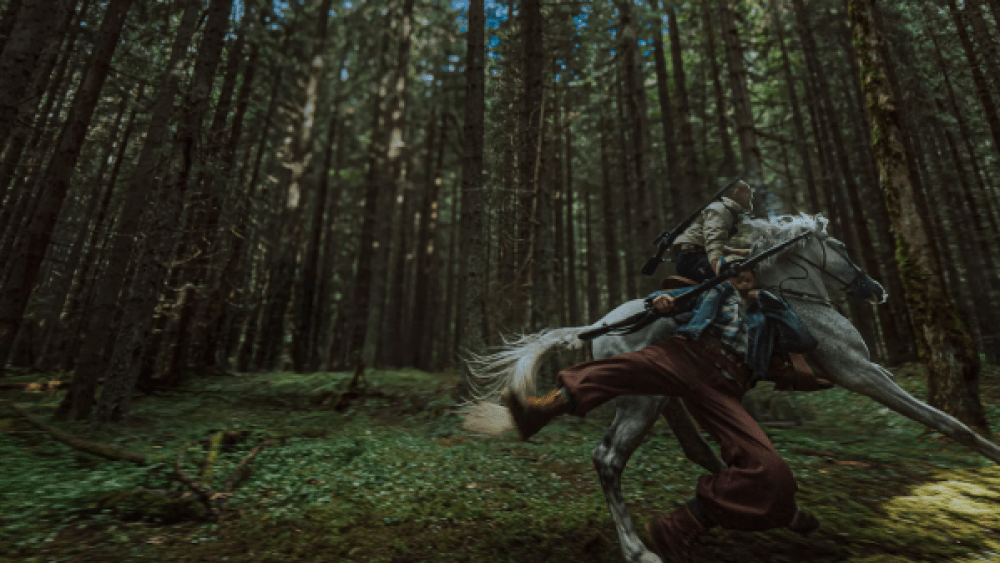
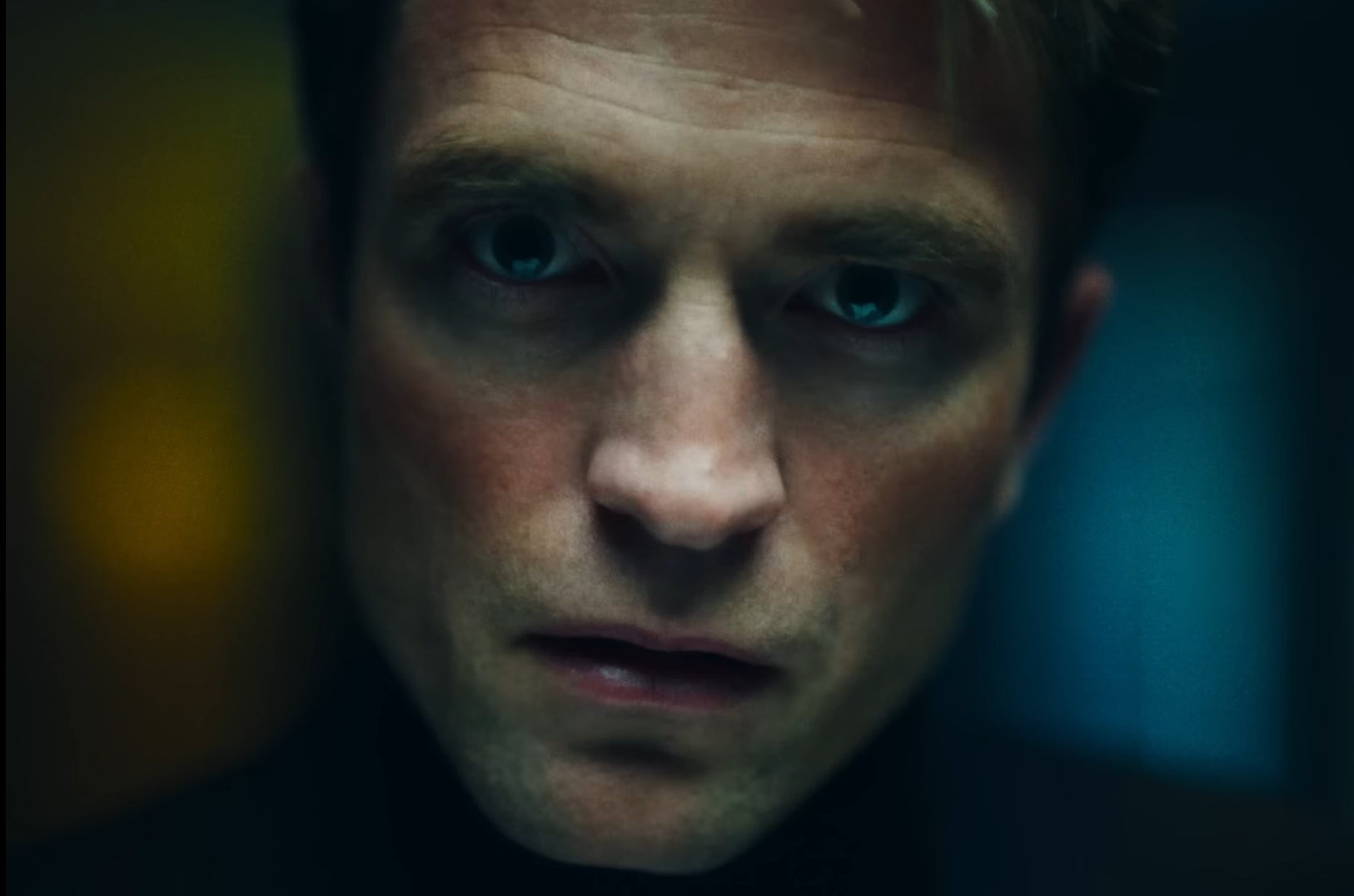
Teaser still for ‘Hope’ | Photo courtesy of NEON

But if Hope is “just” a genre film, then Na Hong-jin and company certainly know how to make one, and the first hour is proof enough. It wastes no time, immediately dropping us with Bum-seok, the town’s bumbling police chief, as he investigates a mysterious cow carcass with his cousin and hunter friends before stumbling onto something far more terrifying: an unseen creature rampaging through the small coastal town of Hope Harbor. Na turns Bum-seok’s hunt for the monster into a masterclass in tension-building, keeping us tied to his experience as he struggles to keep up with the carnage unfolding around him.
The sound department and production design do much of the heavy lifting here. We hear the sharp cracks of gunfire, startlingly realistic in the vein of Michael Mann’s Heat shootouts, and the loud, animalistic roar of a creature in rage echoing through the streets, lending a sense of immediate danger and weight to the chaos as Bum-seok wades through the rubble and corpses of Hope Harbor. The production design makes it look less like a film set than a small town genuinely torn apart.
Bum-seok’s search eventually leads him to another survivor, who is also hunting the still-unseen creature. Together, they track it into a small building, where the monster finally reveals itself. It’s a make-or-break moment for the film. The creature VFX isn’t exactly Avatar-level polished, looking closer to the creatures in Sweet Home, with all the jank and uncanniness that comes with it. But I didn’t mind it at all. If anything, the roughness makes the creature feel fundamentally alien to the world around it. There’s something especially terrifying about the way it moves at high speed, as if you’re watching something that simply cannot be stopped.
The reveal then turns into another pursuit, except this time Bum-seok is the prey, eventually becoming a police car chase for the ages with Hoyeon’s Sung-ae behind the wheel, bringing a welcome dose of steely competence to all the madness. Hong Kyung-pyo’s fluid camerawork, with its gliding tracking shots and widescreen compositions, keeps the action legible as the chase snakes through Hope Harbor’s war-torn, narrow roads.
Combine that with Kim Sun-min’s frenetic editing, and you have an electrifying chase that may not have the grandiosity of Fury Road, and perhaps comes closer to the tight precision of the yellow Fiat 500 tearing through the cobblestones of Rome in Mission: Impossible — Dead Reckoning, but is no less exhilarating for it. Everything feels chaotic and high-octane, but never visually incoherent. The miraculous part is that Na somehow sustains this level of action filmmaking all the way through. The same control he shows in the first hour carries through to the film’s later set pieces, even as the scale and chaos continue to escalate.
The strange thing about Hope is that its opening already feels like a climax. The film’s energy eventually peters out during the second act as the characters are left trying to figure out what the hell just happened. It’s like if Jaws opened with the climactic shark attack and then spent the rest of the film watching the people of Amity try to figure out what kind of shark they just dealt with. The structure makes sense on paper. Everything happened so suddenly that the townspeople barely have time to process what they’ve witnessed, let alone understand what attacked them.
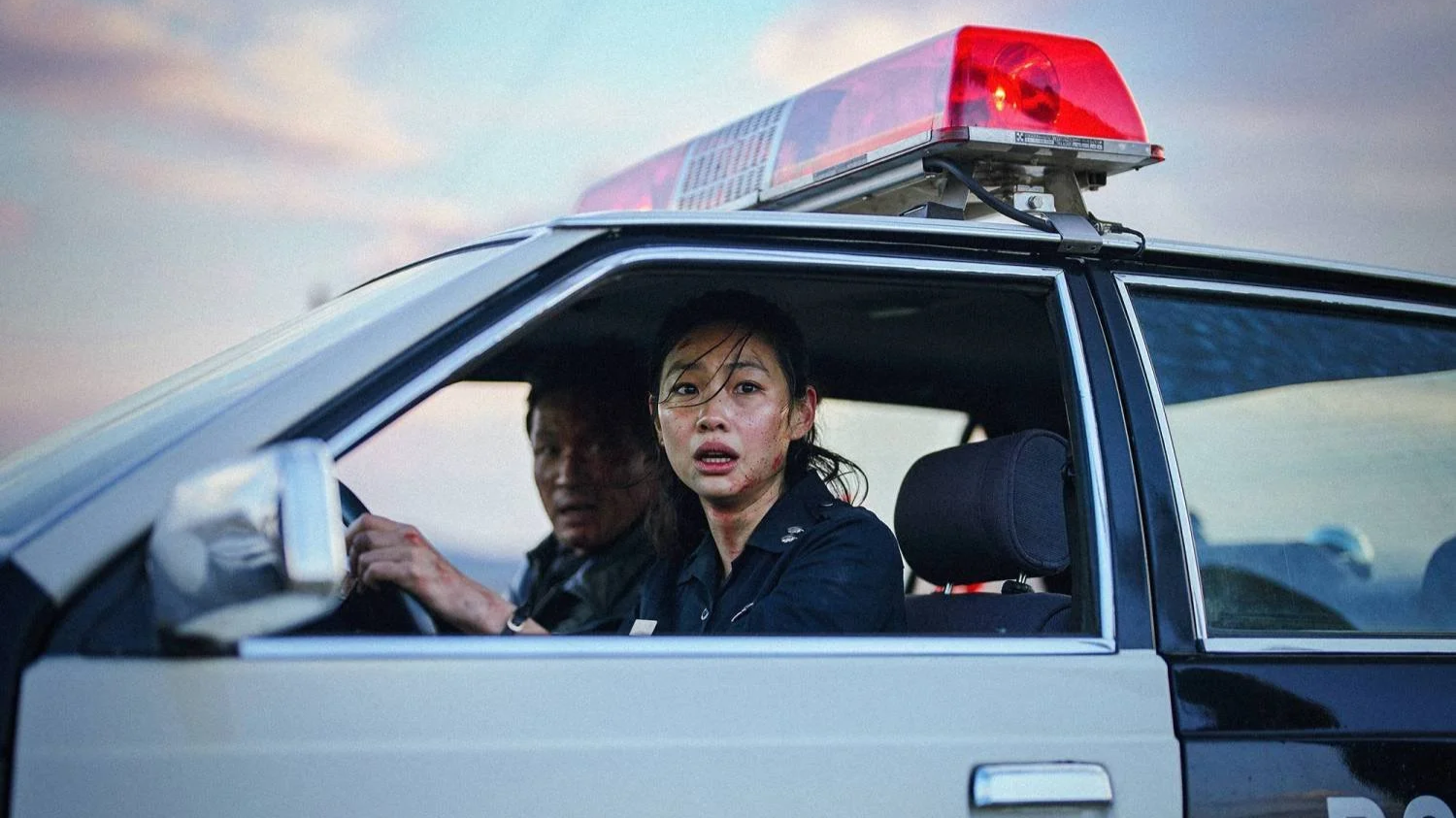
Hoyeon as Sung-ae in ‘Hope’ | Photo courtesy of Plus M Entertainment
The truth is then pieced together through three different perspectives: Bum-seok’s, his more than capable deputy Sung-ae’s, and his cousin Sung-ki’s, who anchors the film’s B-plot as he hunts for whatever killed the cow in the film’s opening, this time in the dense forests surrounding Hope Harbor. Each thread holds a piece of information that reveals more about the attack, but just as one perspective starts gaining some traction, the film cuts away to another, repeatedly resetting the momentum rather than building on it. It gets a bit frustrating, but maybe that’s the point: to let us see the film through the characters’ eyes and feel their confusion as they try to piece together what happened. Intentional or not, though, the pace takes a hit.
The film applies that same reverse-engineering to its characters, which might come across to some as underdevelopment. Rather than showing them develop in the usual heroic fashion, it peels back the layers of who they were before the attack. It feels less like a conventional character work and more like an exposé of how people behave when faced with a terrifying force they can’t comprehend. Zo In-sung brings an effortless cool to Sung-ki, a veteran hunter who, beneath that cool exterior, is just a greedy fool, gullible enough to believe he can make a fortune off a crashed spacecraft, only to end up a limping action hero who has accomplished little more than staying alive.
But it’s Hwang Jung-min’s Bum-seok where this approach becomes most apparent. He plays him with a disarming charm despite his shadiness and cluelessness. He may be incompetent, but he isn’t completely oblivious. He sees enough of what’s happening around him to recognize that reality is contradicting everything he believes. He simply chooses to look away, too petrified by fear to do anything else, a decision that leaves him lost and overwhelmed by the end, unsure of what to even feel anymore.
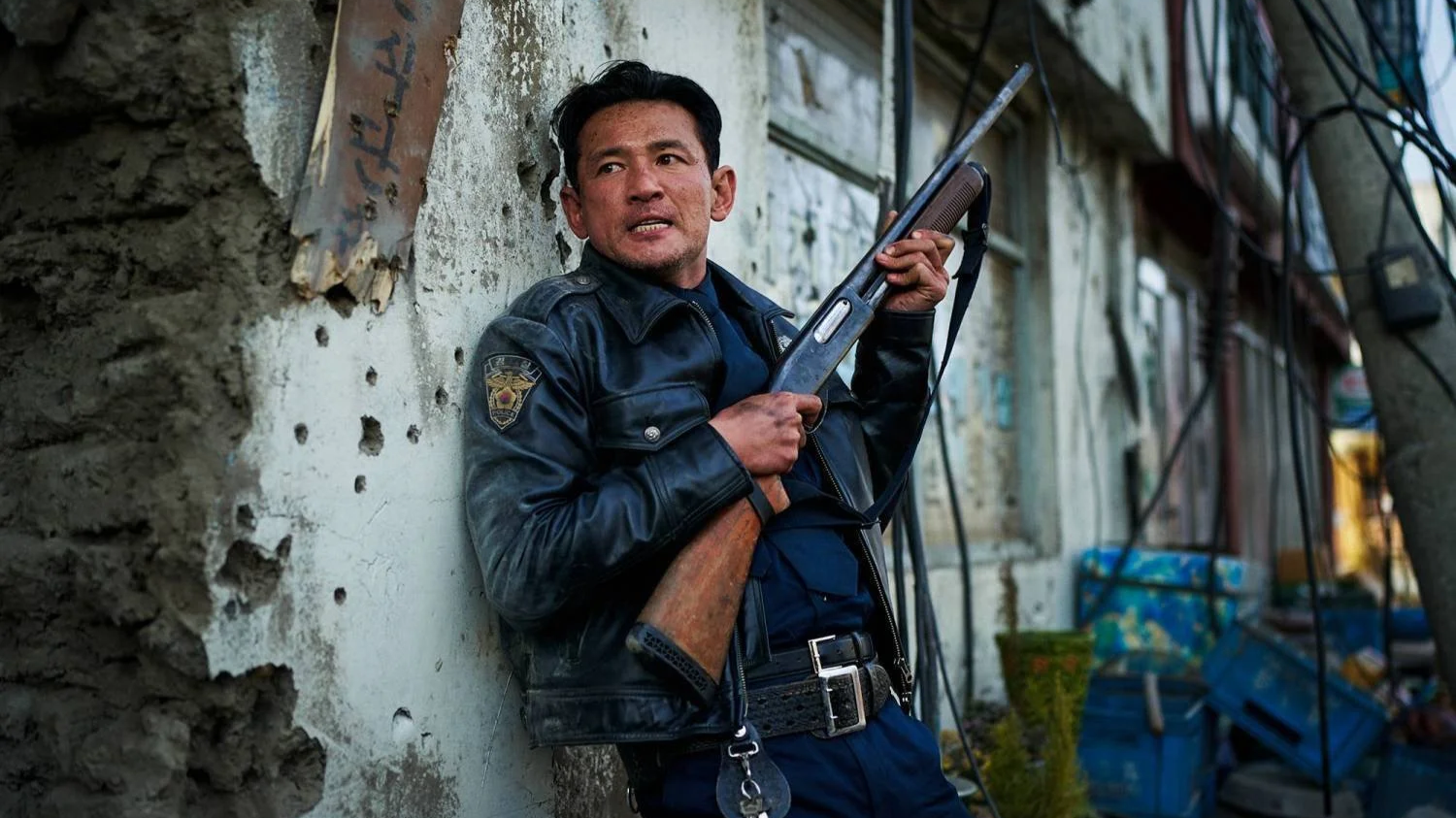
Hwang Jung-min as Bum-seok | Photo courtesy of Plus M Entertainment
Some have called Hope a loud, dumb action movie, albeit a hugely entertaining one. I partly agree. This is a bombastic, gleefully excessive film, and a hell of a lot of fun to watch. But dumb? I’d say otherwise. There’s more thought behind the film than the premise initially lets on. It may frame itself as a creature feature, essentially country bumpkins versus aliens, but the further it goes, the more that initial setup starts to soften. As we get glimpses of the “monsters” from their own perspective, they begin to feel less like invaders and more like outsiders, perhaps even immigrants, caught on the wrong side of a misunderstanding. The humans simply don’t understand what they’re dealing with, so they respond to the unfamiliar as a threat, shooting first and asking questions later. Maybe the whole thing could have been avoided if not for ignorance and fear.
Despite the context the second half of the film provides, it remains fairly bare-bones about it, though the implications are there. The more subtle clue may be the weapons themselves. When the townspeople confront the creatures, they reach for an arsenal that appears to be leftover American military hardware, turning the remnants of a conflict between neighbors during the Korean War into weapons against a perceived threat. Considering Hope Harbor’s proximity to the DMZ, I wonder if Na is suggesting that America left behind more than weapons on the peninsula. Perhaps it left behind a culture of mistrust and hostility, too, one that has shaped how this community views outsiders.
There’s something fascinating in all of this, and I wish the film had lingered on it longer. But just as Hope begins to suggest there’s more going on beneath its creature feature surface, the action starts ramping up again, pushing those ideas into the background. That’s hardly a dealbreaker, though, when the film comes roaring back with a ferocious climax and a final chase that is pure adrenaline.
Ultimately, Hope is a mesmerizing collision of sound and image, an action blockbuster made all the more exciting by having a filmmaker as assured as Na Hong-jin behind the camera. It demands to be seen loud and big, preferably in a theater where its gunshots, roars, screeching tires, and sheer visual mayhem can wash over you. And if this is laying the groundwork for something bigger, I’m more than happy to follow Na wherever he takes it next. The film may only scratch the surface of those ideas, but they’re intriguing enough that I hope the sequel gives them the space to fully materialize.
‘Hope’ is now showing in Philippine cinemas.