
‘Call Me Mother’ REVIEW: Motherhood Knows No Gender

‘Call Me Mother’ REVIEW: Motherhood Knows No Gender

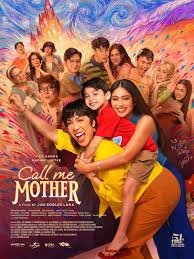

PICTURE 1: The Official Poster of Call Me Mother / Photo courtesy of Star Cinema
“Mama” is often the first word we learn to say. In moments of joy and pain, it is usually the first person we call — the one who sacrifices and gives pieces of her life for her child. But what does it truly take to become — and be called — a mother?
Directed by Jun Robles Lana, Call Me Mother explores this question through the story of Twinkle (Vice Ganda), a single queer parent whose dream of legally adopting her son, Angelo (Lucas Andalio), is threatened when his biological mother, Mara (Nadine Lustre), unexpectedly returns.

PICTURE 2: Twinkle (Vice Ganda) and Angelo (Lucas Andalio) at Hong Kong Disneyland / Photo taken from the film’s official trailer
This comedy-drama effortlessly takes viewers from laughter to tears while offering a thoughtful reflection on the meaning of motherhood in the Filipino context. In Philippine culture, a mother is often regarded as the ilaw ng tahanan (light of the home) — the quiet force that holds the Filipino family together through unconditional love, sacrifice, and resilience. Call Me Mother captures this belief while offering a fresh perspective, showing that motherhood is not limited by gender or birth, but defined by what a mother truly is: someone who nurtures a child unconditionally, despite life’s challenges.
The film also creatively weaves in the Filipino fascination with beauty pageants, a cherished aspect of the country’s culture, giving the story added depth and significance. Beyond celebrating womanhood, the pageant imagery highlights the expectations and limitations often placed on women, particularly as they step into motherhood. The iconic pageant walk becomes more than a performance; it embodies maternal strength, grace under pressure, dignity amid struggle, and unwavering love beneath elegance. Just as the film incorporates Filipino culture and elevates it into meaningful storytelling, it also marks a notable milestone as the first Asian film shot inside Hong Kong Disneyland.
Cinematically, the film shines through its deliberate use of color, blending warm and cool tones to create a gentle, immersive atmosphere that enhances the emotional portrayal of motherhood. Warm hues convey light and comfort, cooler tones emphasize moments of coldness and melancholy, and subtle touches of red symbolize the passion and unconditional love at the heart of the story. While some scenes feel slightly staged, the overall visual presentation remains cohesive, with wardrobe, set design, and color choices working in harmony to amplify the film’s emotional impact.
The collaboration between Jun Robles Lana and Vice Ganda proves highly effective once again. Building on Vice Ganda’s successful collaborations with the late Filipino director Wenn Deramas, many viewers anticipated that this year’s entry would showcase one of her strongest performances. Following the success of their 2024 MMFF entry, And the Breadwinner Is…, Jun Lana and Vice Ganda’s creative synergy continues to produce films that are not only entertaining but also resonate emotionally, balancing humor, heart, and a thoughtful reflection on motherhood.
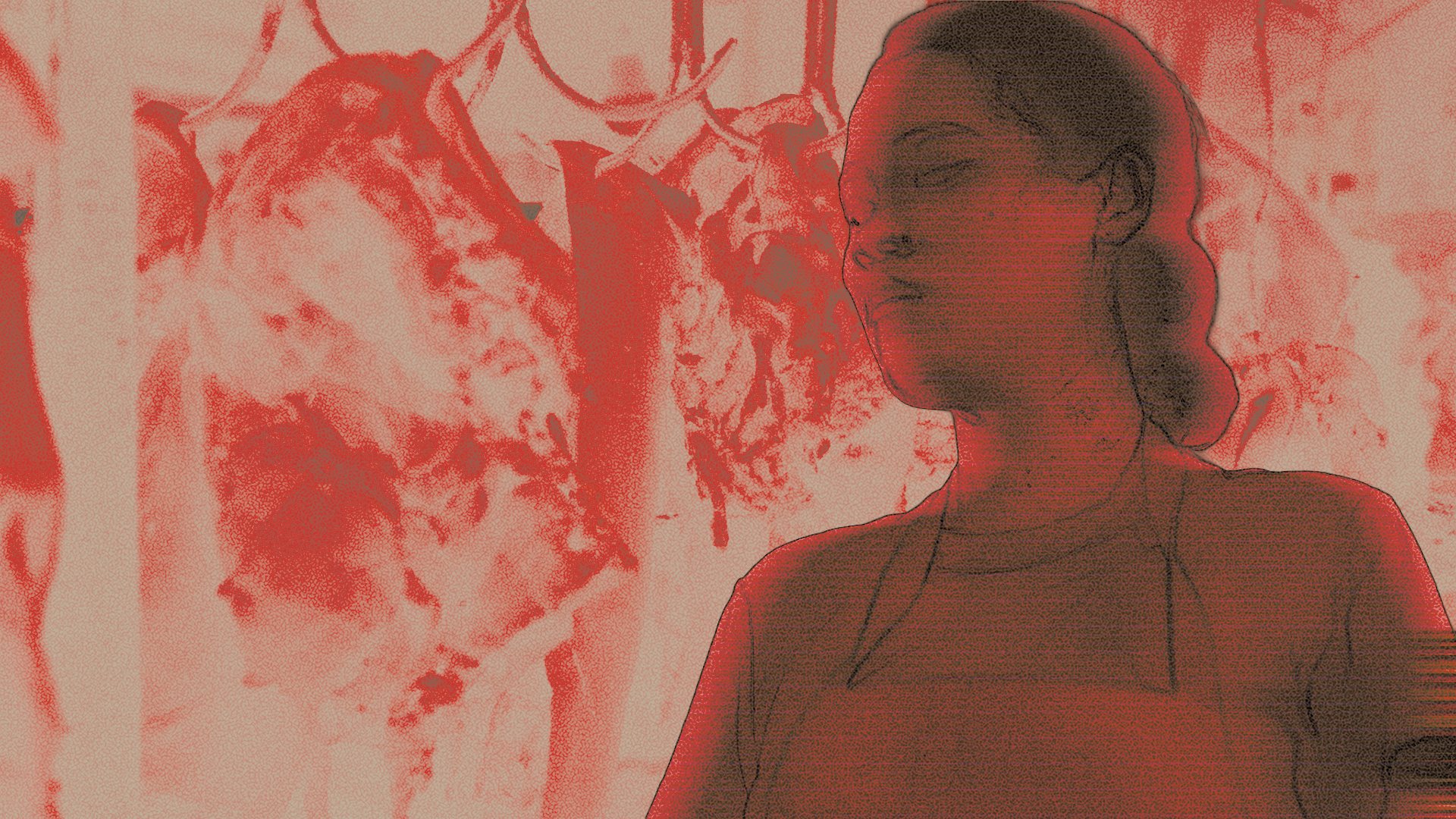
PICTURE 3: Vice as Twinkle in Call Me Mother / Photo taken from the film’s official trailer
Vice Ganda, the Unkabogable Phenomenal Box Office Star, delivers a remarkable performance as Twinkle, effortlessly blending comedy with the poignant warmth of motherhood. Twinkle’s struggles and unwavering love for Angelo feel deeply authentic, particularly during the process of legally adopting him before they move to Hong Kong, where the story begins. The film captures the anxiety and emotional weight of the adoption journey with striking realism.
One scene, in particular, stands out: when Twinkle is about to take Angelo away from Mara (Nadine Lustre) and Mutya Sidro (Chanda Romero) with social workers. The confrontation outside the house already tugs at the heart, but the moment Twinkle brings Angelo inside intensifies the emotional impact. It is not just sadness—this scene feels utterly heartbreaking, striking straight to the heart and revealing the profound anguish of a mother. For this, Vice Ganda delivers a performance deserving of the highest recognition. Known for her diverse roles, she embraces the character with a distinctly motherly presence, embodying warmth, protection, and selfless love with sincerity. This powerful portrayal earned her the Best Actor Award at the 2025 MMFF Gabi ng Parangal — a testament to a talent that transcends gender. Her win is historic, marking the first time an openly queer performer has received this major award at the festival, a meaningful step toward greater inclusivity in a traditionally conservative country.

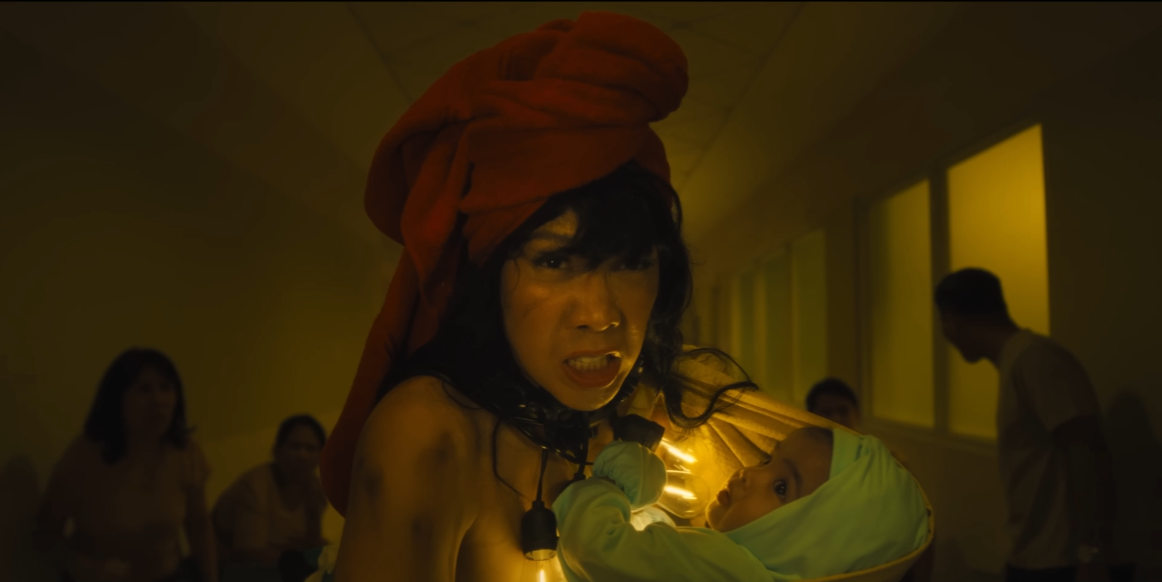
PICTURE 4: Nadine Lustre as Mara in Call Me Mother / Photo taken from the film’s official trailer
Together with her co-star, Nadine Lustre shines as Mara with a performance that captures grief, guilt, and longing with emotional honesty. Having given birth to Angelo at a young age, Mara’s decision to step aside is not portrayed as antagonistic but deeply human — shaped by fear and unreadiness. The film shows her grappling with the guilt of past choices while trying to make amends as a mother after 10 years. While the story emphasizes accountability and the need to face one’s decisions, it also extends empathy toward Mara’s struggle, highlighting the immense responsibility of motherhood and the internal challenges women face in navigating it. By acknowledging the complexity of her choices, the film reminds viewers of the humanity behind every decision.
In addition, Lustre convincingly embodies a beauty queen, radiating an effortless glow that adds genuineness to her character. She brings moments of lightness and humor to the film, building a natural chemistry with Vice Ganda and enhancing its balance of drama and comedy.
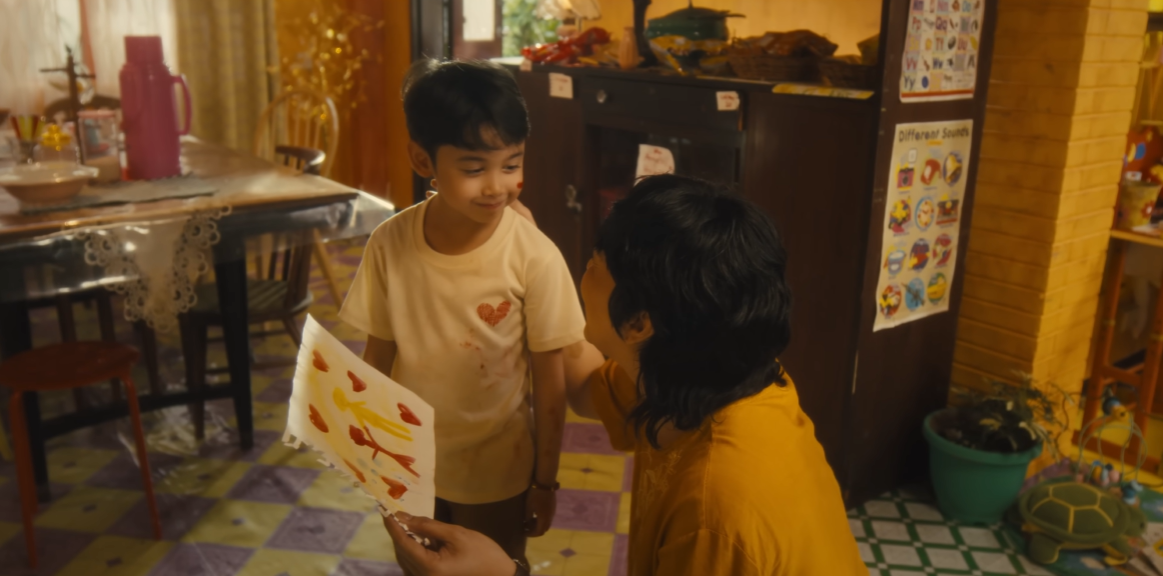
PICTURE 5: Lucas as Angelo in Call Me Mother / Photo taken from the film’s official trailer
Meanwhile, rising child star Lucas Andalio delivers a tender and heart-wrenching performance as Angelo. His portrayal serves as the emotional core of the film, grounding it in innocence, vulnerability, and remarkable depth. As I’ve mentioned in the scene earlier — where Twinkle struggles to keep Angelo from the social workers — his crying feels painfully real, capturing the confusion and overwhelming emotions a child might experience in such a situation. Likewise, the car scene — a moment of letting go — shatters the heart, evoking the universal fear and sadness of being left behind and resonating with deeply personal memories of loss and separation.
As the adoption story unfolds, Lucas brings Angelo to life with a sincerity that allows audiences to connect with him effortlessly. Whether in emotionally intense moments or quieter scenes, he delivers each performance with genuine heart. Andalio emerges as a remarkable young talent, demonstrating skill and emotional depth that hint at a very bright future in acting. This was further affirmed when he received the Best Child Performer award at the 2025 MMFF Gabi ng Parangal.
In essence, motherhood is a universal experience, and Call Me Mother captures its true meaning — whether through giving birth, nurturing, or the selfless love that demands sacrifice. Through Twinkle and Mara, it explores the many ways a mother can shape a child’s life, with love, care, and unwavering commitment at its heart.

PICTURE 6: The characters celebrating Angelo’s birthday in Call Me Mother / Photo taken from the film’s official trailer
Ultimately, Call Me Mother resonates deeply in the Filipino context, reflecting the cherished role of mothers as the ilaw ng tahanan (light of the home). At the same time, the film challenges societal stigmas, affirming that anyone — regardless of gender, distance, blood, or birth — can embody motherhood. Its message is clear: motherhood comes in many forms, and anyone can embrace and embody it regardless of circumstance. Through its blend of humor, heart, and emotion, the film celebrates the enduring power of maternal love in shaping lives.
‘Call Me Mother’ is now showing in Philippine cinemas as part of the 2025 Metro Manila Film Festival.