
‘you seem pretty sad for a girl so in love’ by Olivia Rodrigo REVIEW: A Vivid Portrait of Love’s Euphoric and Painful Reality
‘you seem pretty sad for a girl so in love’ by Olivia Rodrigo REVIEW: A Vivid Portrait of Love’s Euphoric and Painful Reality


‘you seem pretty sad for a girl so in love’ official album cover | Photo courtesy of Geffen Records
Pop culture often teaches us to recognize love through its most visible moments: the excitement, the devotion, the certainty of being chosen. What it rarely explores with the same depth is what happens when love begins to reshape your sense of self. Relationships are not only defined by happiness; they also expose insecurities, dependencies, fears, and the parts of ourselves we have yet to understand. Sometimes the most difficult realization is that being deeply in love doesn’t automatically mean being fulfilled. Olivia Rodrigo’s third album, you seem pretty sad for a girl so in love, examines that contradiction with remarkable clarity.
Rodrigo revised the album's concept following her breakup, and while public curiosity naturally centered on what had happened, the record itself offers a more compelling answer. Through vulnerable songwriting, layered acoustic guitars, soaring orchestral arrangements, and an impressive blend of 80s synth-pop, new wave, and pop-rock influences, Rodrigo captures both the exhilaration and emotional cost of losing yourself in someone else.

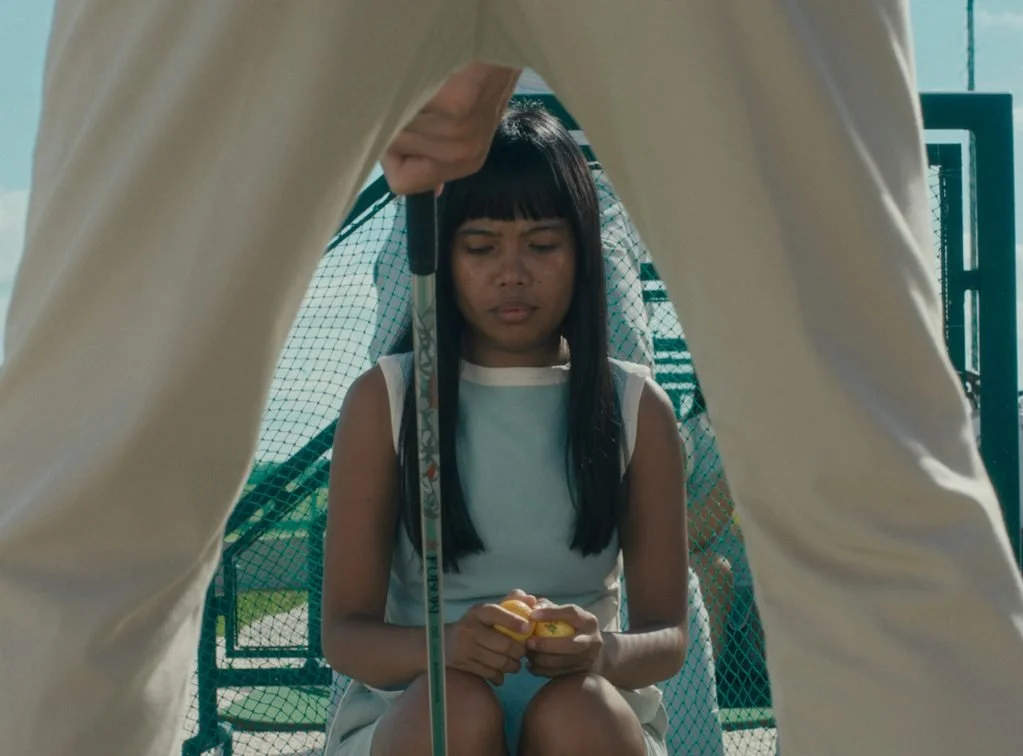
Still from ‘stupid song’ official music video | Photo courtesy of Geffen Records
girl so in love (Side A)
The first half of girl so in love traces the emotional arc of falling for someone until that love begins to feel consuming: drop dead opens with the rush of a promising first date, capturing the excitement of discovering someone new and wanting more; stupid song pushes those feelings further as infatuation turns into genuine attachment, with its restrained verses giving way to a vibrant, explosive bridge that mirrors the rush of realizing you've fallen in love; honeybee slows everything down with an orchestral ballad that feels both romantic and uneasy. While its lyrics express deep affection, the subdued production carries a quiet sadness, suggesting that love has already become tangled with the fear of losing it. Lines like "I hope I never see your face looks like going, here's to hoping," reveal the anxious attachment that begins to shape the rest of the album.
That emotional shift continues even as the music brightens. maggots for brains and u + me = <3 channel the carefree energy of new wave, balancing youthful optimism with the nervous excitement of a relationship that still feels uncertain. my way briefly restores confidence through Olivia's familiar pop-rock style, injecting momentum before the album pivots toward its more painful moments. The sequencing makes these songs more than isolated highlights; each one marks a clear step in the story, with the production evolving alongside the emotions until the record gradually leaves behind the thrill of new love for the vulnerability that follows.

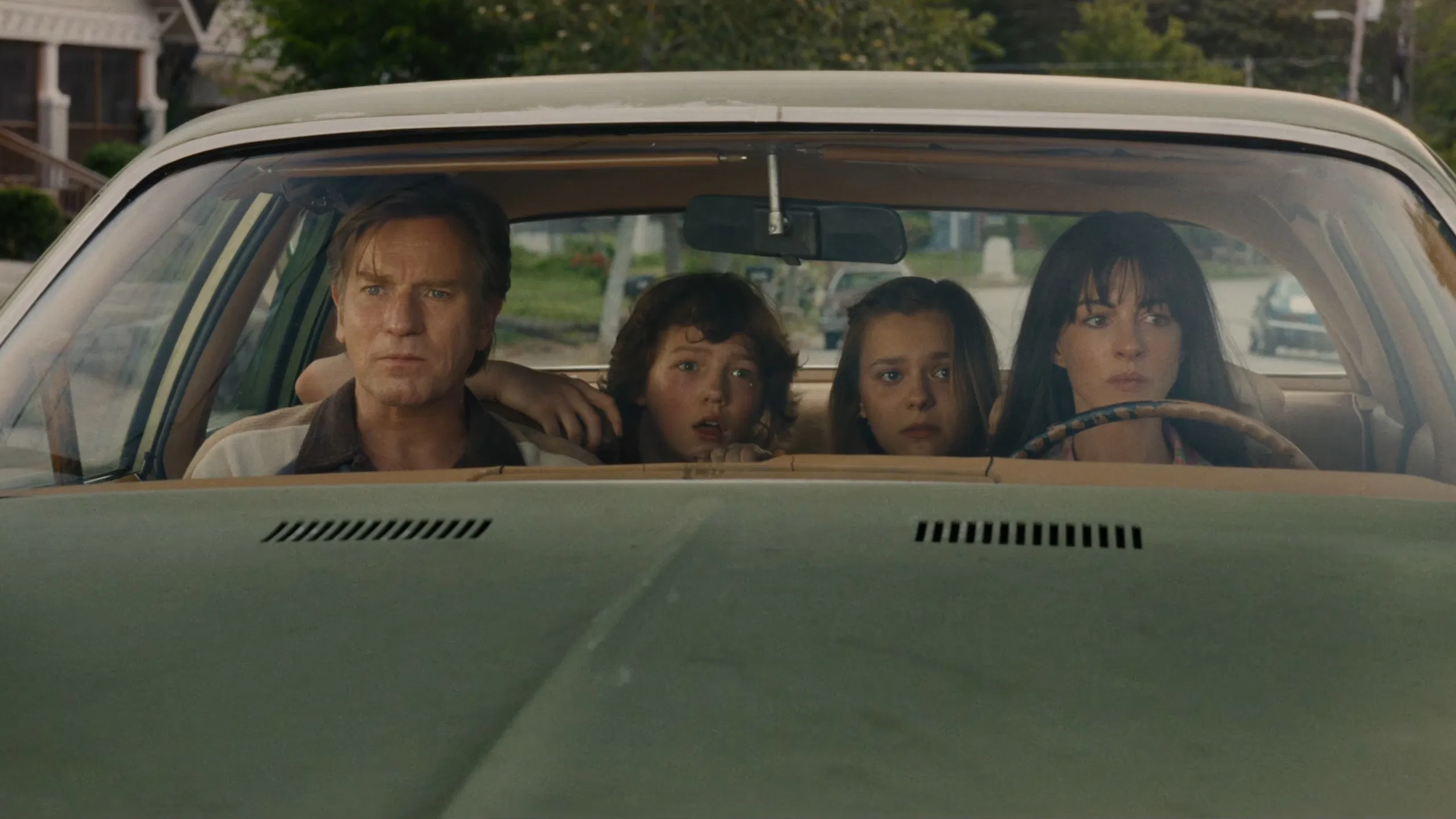
Still from ‘drop dead’ official music video | Photo courtesy of Geffen Records
“Melt with you 'til it just feels sad”
purple marks the album's turning point, where the story behind girl so in love begins to unravel. The anxious melodies steadily tighten as the relationship loses its sense of certainty, while the production shifts from soft, inviting textures into something rougher and more unsettled. The change feels gradual, making the emotional weight land with greater impact. By the closing moments, the line "Melt with you 'til it all turns black, melt with you 'til it just feels sad," gives that shift a clear emotional focus. It distills the song's central idea: love hasn't disappeared, but it has changed into something that can no longer sustain the connection.
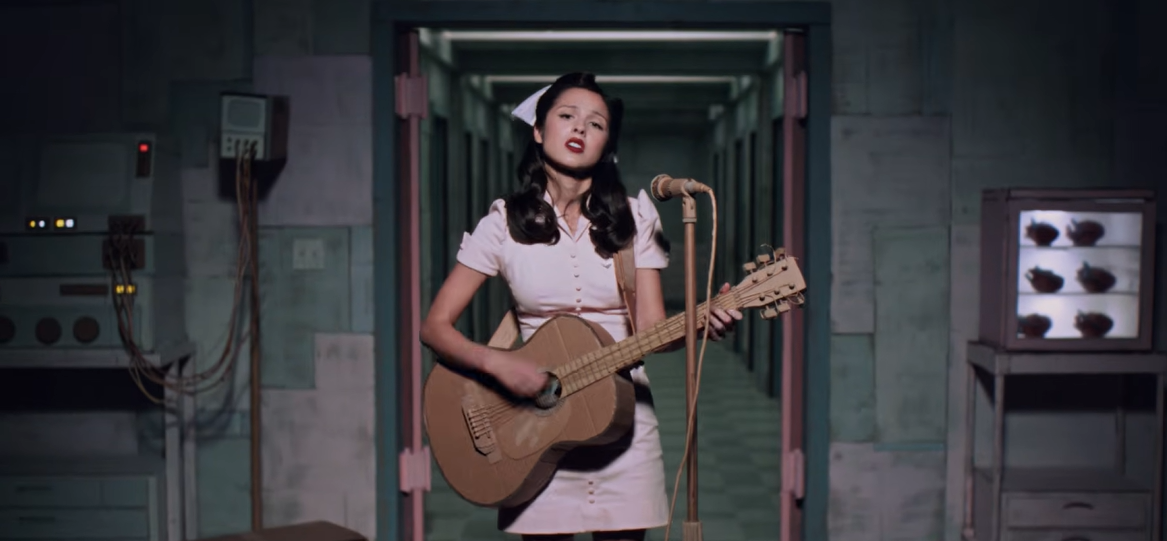
Still from ‘the cure’ official music video | Photo courtesy of Geffen Records
you seem pretty sad (Side B)
you seem pretty sad confronts the painful realization that a relationship is not meant to make you whole. It explores the aftermath of love's collapse, marked by self-awareness, regret, and the difficult process of untangling your identity from someone you once believed you couldn't live without.
the cure opens with explosive pop-rock energy, driven by pounding drums, prominent bass, and huge vocal hooks that draw from ‘90s alternative rock while sounding more confident and refined than Rodrigo's previous work. begged strips everything back with acoustic guitars and layered harmonies, making its portrayal of emotional neglect feel even more painful. On what's wrong with me, featuring The Cure’s Robert Smith, his presence adds warmth and reassurance against Rodrigo's anxious vocals, while the goth-pop production naturally connects their musical styles. less delivers the album's emotional peak through the devastating irony of its chorus, turning a simple wish into one of the record's most painful moments.
Personally I thought expectations felt like the obvious conclusion to the album. Its driving electro-pop beat, metallic vocal effect, and explosive final chorus capture someone who has finally learned from the relationship and refuses to settle again. After another listen, though, cigarette smoke proves why it closes the album. Its slow-building indie-pop arrangement ties together earlier songs and replaces triumph with honesty. The ending accepts that moving forward doesn’t erase the shame, regret, or lasting effects of giving too much of yourself to someone else. Rather than chasing a dramatic conclusion, the album ends with a clearer understanding of what was lost and what it took to find yourself again.
What makes the album's narrative especially effective is the way every musical decision supports the emotional progression. The sequencing never feels like a collection of separate songs placed under the same theme. Each track naturally leads into the next, with changes in production, genre, and vocal delivery reflecting the narrator's changing perspective.
Ultimately, in you seem pretty sad for a girl so in love, Rodrigo writes about love and heartbreak, but she spends even more time examining the choices, compromises, and blind spots that make heartbreak so painful. That perspective is reflected in the music itself. The production feels more restrained than her previous work, allowing each stylistic shift to mirror the emotional direction of the story. The result is her most cohesive record, with every song contributing to a narrative that unfolds naturally from beginning to end.
Rodrigo also captures these experiences with a level of emotional intelligence that feels increasingly rare in mainstream pop. In doing so, she creates an album that speaks not only to heartbreak, but to the universal struggle of learning who you are when the future you imagined no longer exists. It is yet another reminder of why Olivia Rodrigo continues to establish herself as one of the most compelling songwriters of her generation.