
‘I, Object’ REVIEW: To Hear Between The Lines For A Voice
‘I, Object’ REVIEW: To Hear Between The Lines For A Voice

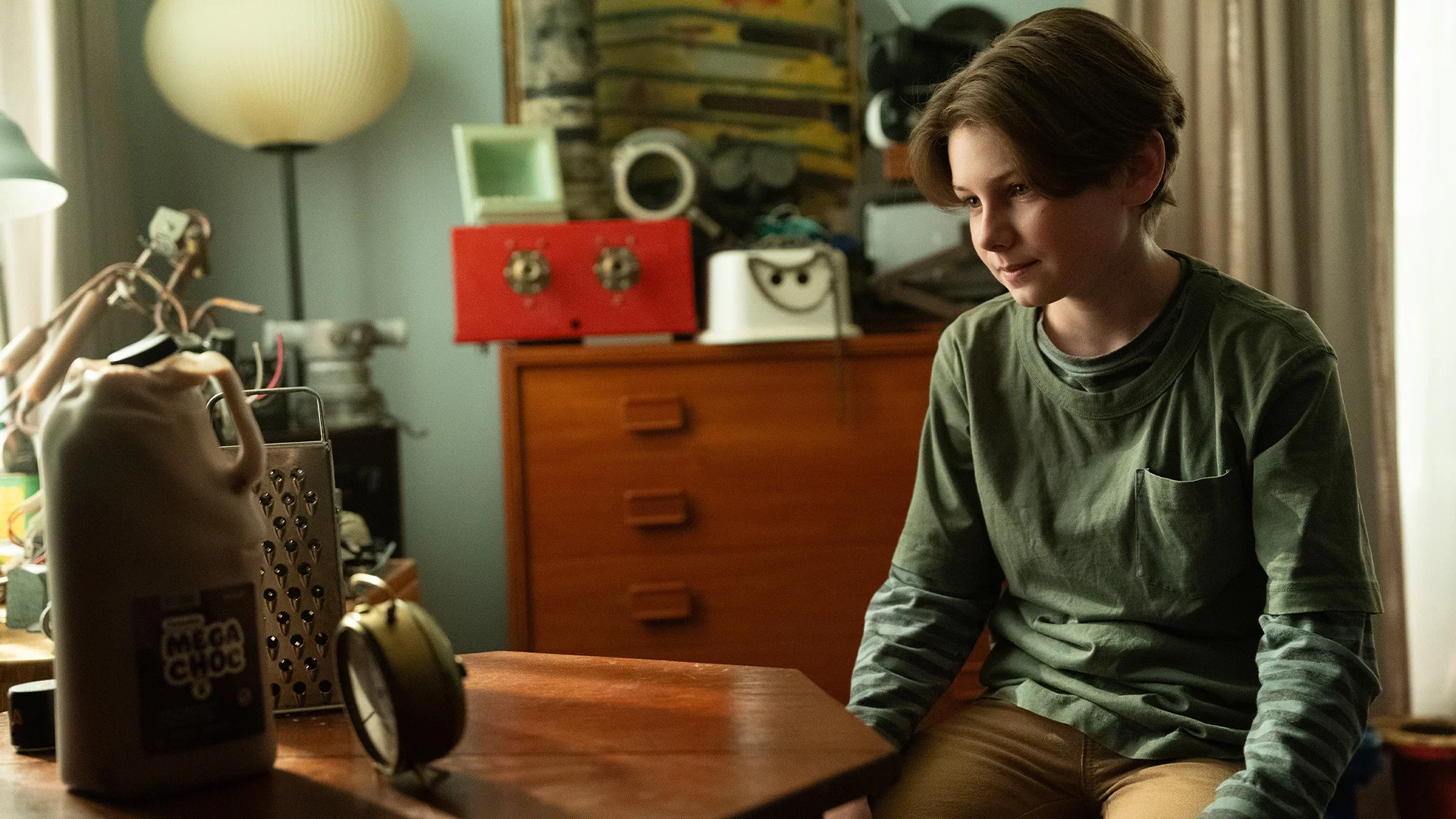
Tom (Bentley Storteboom) conversing with his only friends | Still courtesy of Umbrella Entertainment

Screenwriter and director Andrew Niccol is no stranger to asking fantastical ‘what if’ questions in his oeuvre: premises such as “what if your life is being observed for content”, “what if your genetics defines your worth in a hierarchical society”, or “what if your lifespan is currency in the form of time” have had his stamp on them amongst many others. While it’s clear his weird swings and intrusive thoughts have become a bit divisive and under the radar these days, it does bring a sort of wonder in touch with one of the original points of blockbuster, major studio tentpoles, to bring to audiences a sort of “differing possibility.”
Which brings us to now, a pretty intriguing late-career release from Niccol has ended up on our shores (which the US has not even gotten!), and while it definitely feels all too molded after a particular type of film subgenre intended for young audiences, there are some peculiar, even harrowing details in I, Object that may feel strange and incongruent, but it is ultimately as equally beneficial and detrimental in its attempt ground a fantastical premise into sobering truths.
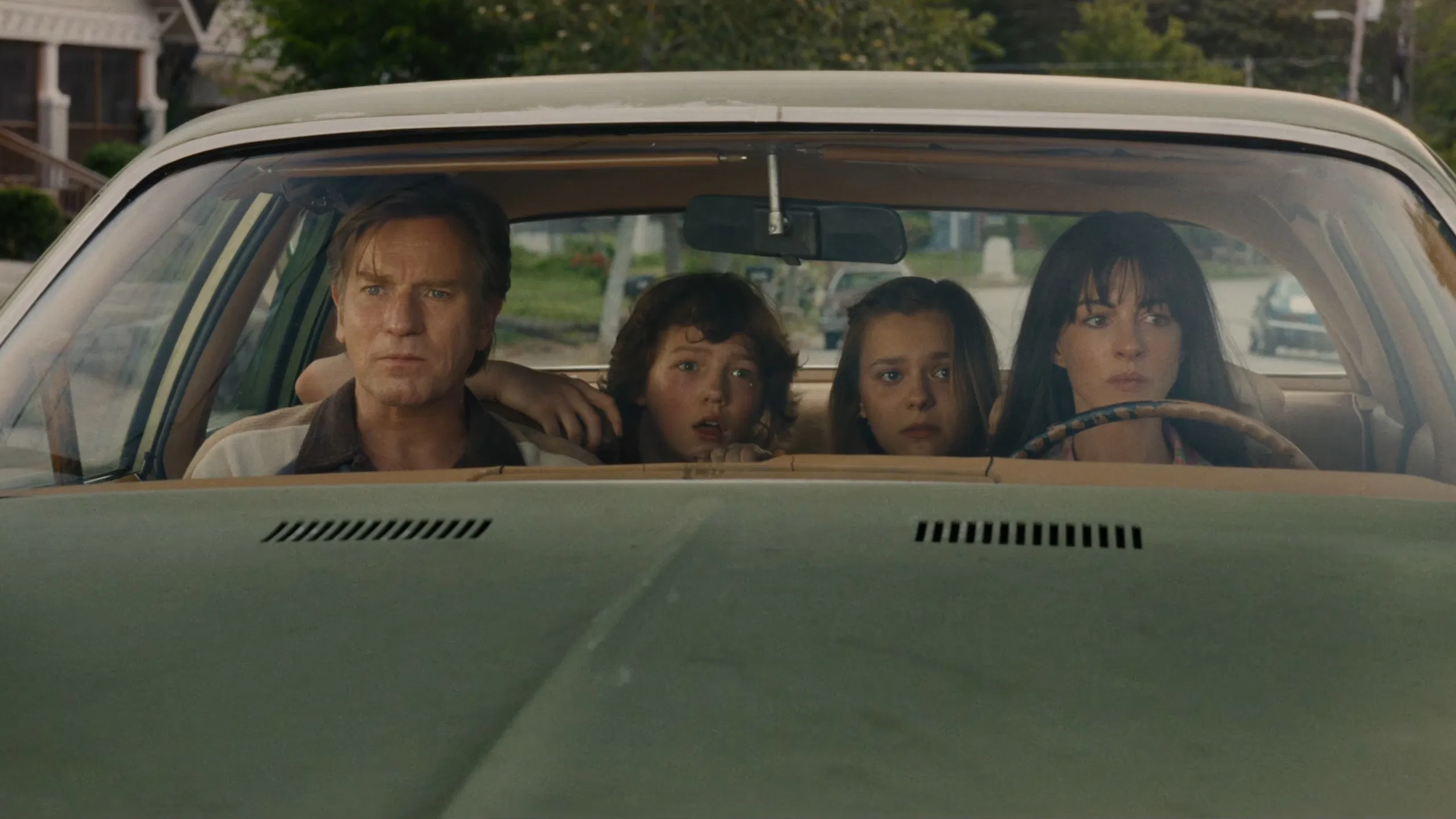
The quite punny title of the film puts the premise of the film into perspective: young Tom (Bentley Storteboom) has the ability to see the personifications of everyday objects, often conversing with them in his day-to-day life, most commonly the old objects left by his recently deceased father. Although this leaves him alienated from other people, to the consternation of his mother (Anna Faris) and the annoyance of his recently moved in materialist stepfather (a quite hammy Karl Urban), a chance encounter with a girl his age (Skywalker Hughes) and their burgeoning friendship may just give him a chance to not only understand the depths of his perception, but perhaps allow him to fully process a loss that has affected him deeply.
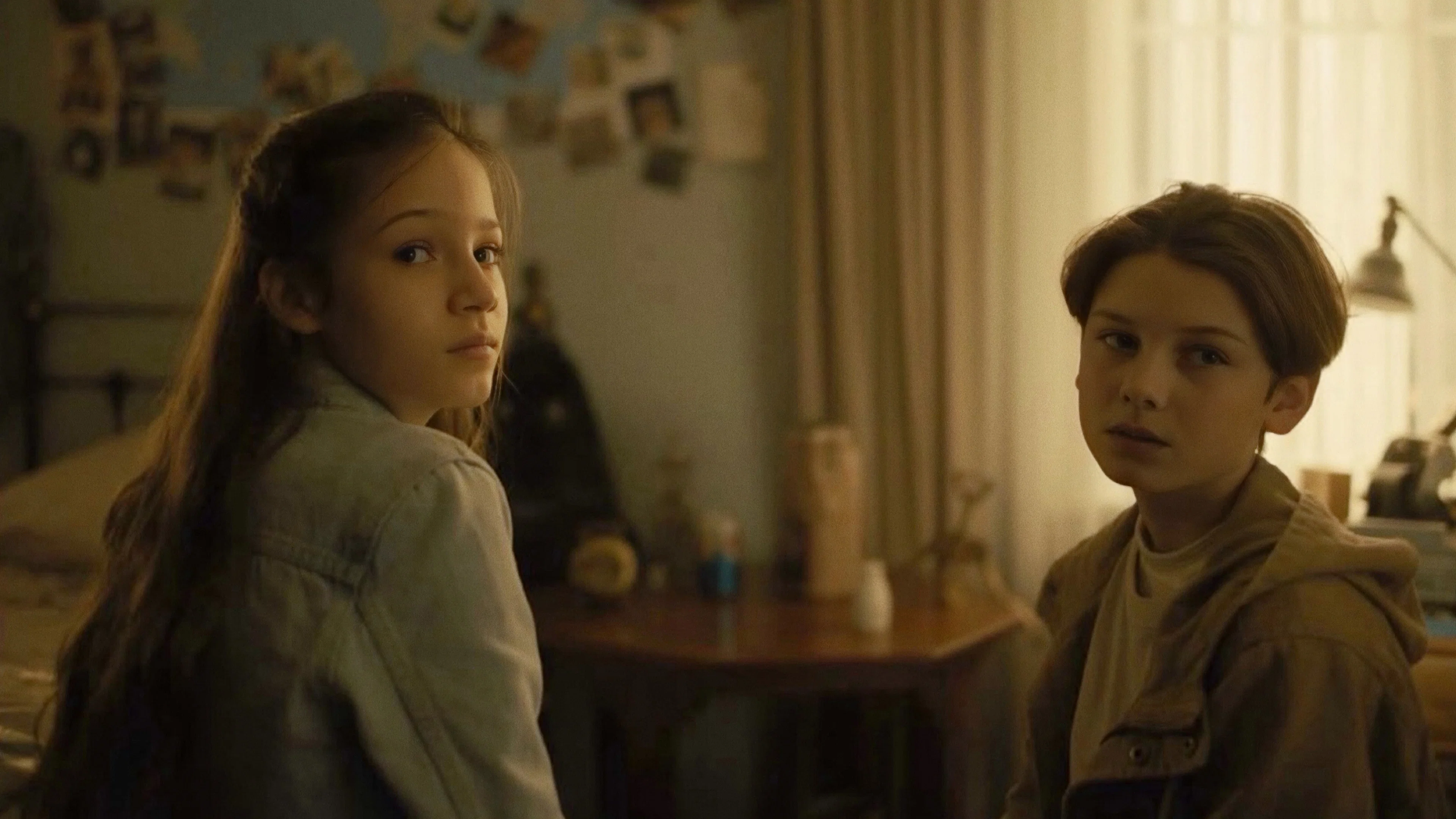
Tom (Bentley Storteboom) and Allie (Skywalker Hughes) in I, Object | Still courtesy of Umbrella Entertainment
I, Object hits a strange tone when it comes to its own family film leanings in conjunction with the heavy subjects it deals with. Admittedly, at most times, it can feel a bit broad, maudlin, frequently mawkish, with a rather straightforward sentimental leaning into cliché with all the expected character archetypes and humor: there’s even a plethora of unnecessary monologuing and unsubtle uttering of theme. However, Niccol also doesn’t shy away from frequently pulling back the curtain for concentrated seconds leading into legitimately tense and ever-real shows of the loneliness, prejudice, and yearning for connection that comes with being a young kid who sees the world differently than anyone else.
As someone diagnosed with ADHD at a young age, frequently having to traverse the difficulties of how I perceive things in a way that I self-consciously realize that it set apart, and having to process several heartaches with that awareness, there was something in here that truly resonated with me, and won me over with its empathetic viewpoint, no matter how many admittedly bizarre narrative turnpins and shortcuts it takes. In a way, this film’s approach does remind me a bit of this year’s The Sheep Detectives (and no, it is not because of one specific stylistic choice it does in its second half), where whimsy and slapstick go hand in hand with heavy tackling of grief in the midst of opportunistic antagonism, even if Mazin’s script does work better than Niccol’s in this regard structure-wise (seriously, do check out The Sheep Detectives).
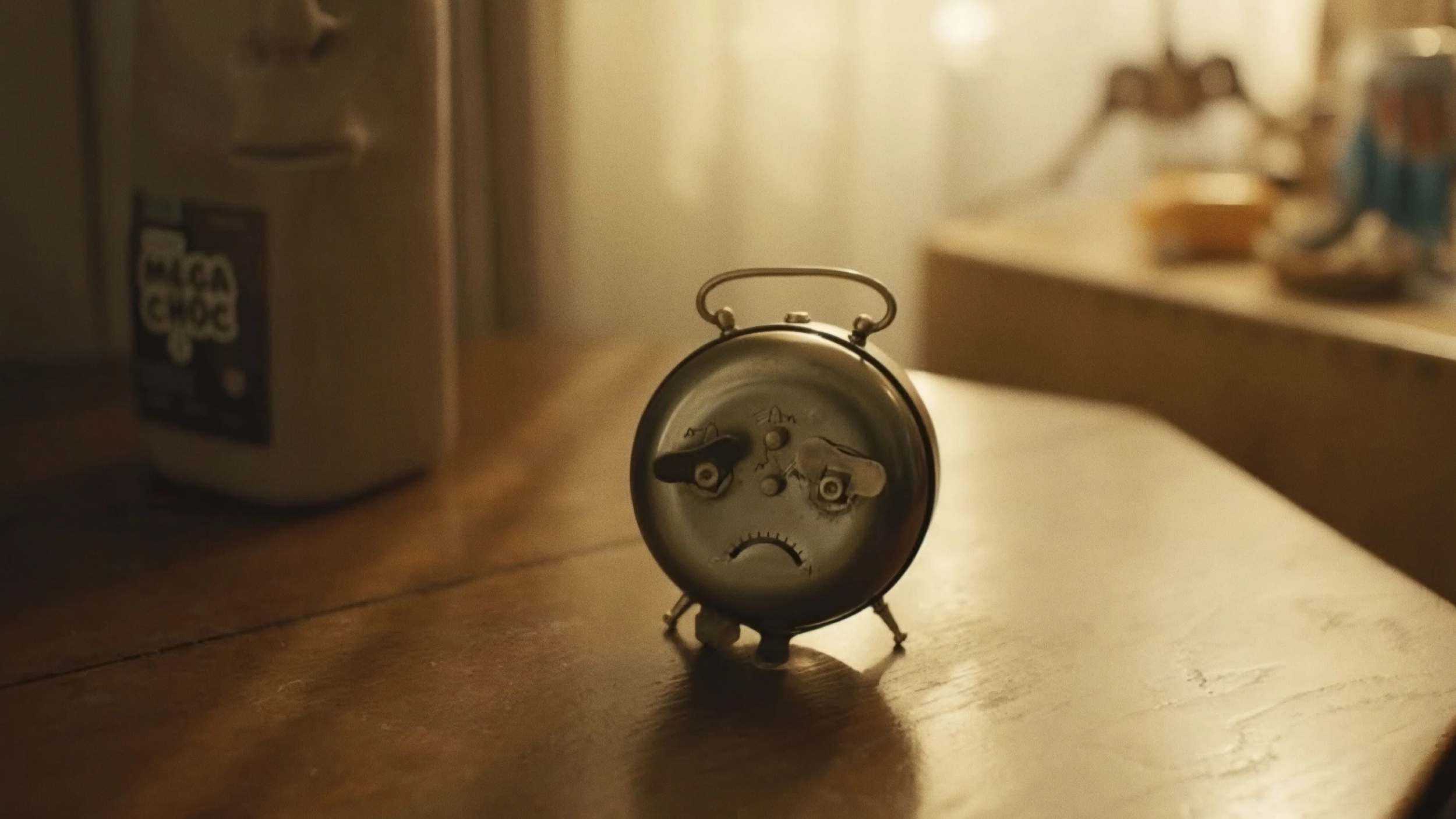
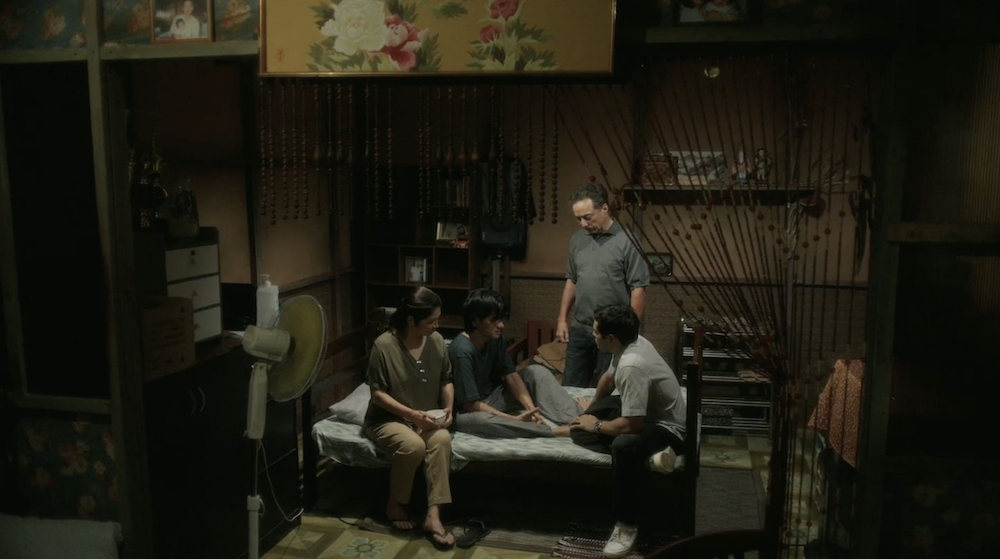
It seems like a time of concern… | Still courtesy of Umbrella Entertainment
The consistent undercurrent of “consistently good, even if not great” extends into the visual look of the film: Niccol deploys a 1:33:1 ratio and brightly saturated color grade to bring a specific visual tone to the film that teeters between the line of dramedy and fantasy, and to further bring the VFX of the eponymous objects (who are voiced by a surprisingly stacked voice cast: imagine my surprise seeing Ethan Hawke of all people in the credits) to the forefront. The ratio and grading do not really open any further formal strikingness, but they do contribute quite well to what the film is trying to convey, and while the VFX does look a bit odd at certain points, there’s a certain befitting scrappiness that ultimately won me over.
Ultimately, that scrappiness is what I, Object coasts upon throughout my numerous misgivings of it and what evens it out into a wondrous small-scale adventure with its heart in the right place for the young ones that have felt othered. Sure, it unfortunately doesn’t mine its emotional potential as deeply as it should, nor does it lead its thematic arc into something wrenching or less muddled as a result of the aforementioned broadness; there’s a deeply spiritual insistence in its own off-kilter brand of comfort cinema that is quite charming. Like what the film posits through it all, it’s a matter of empathizing with the wavelength to hear the voice, even if you won’t be sure if you would understand it.
‘I, Object’ was shown in Philippine cinemas through Pioneer Films.