
‘Moonglow’ REVIEW: A Slow-Cooked Heist

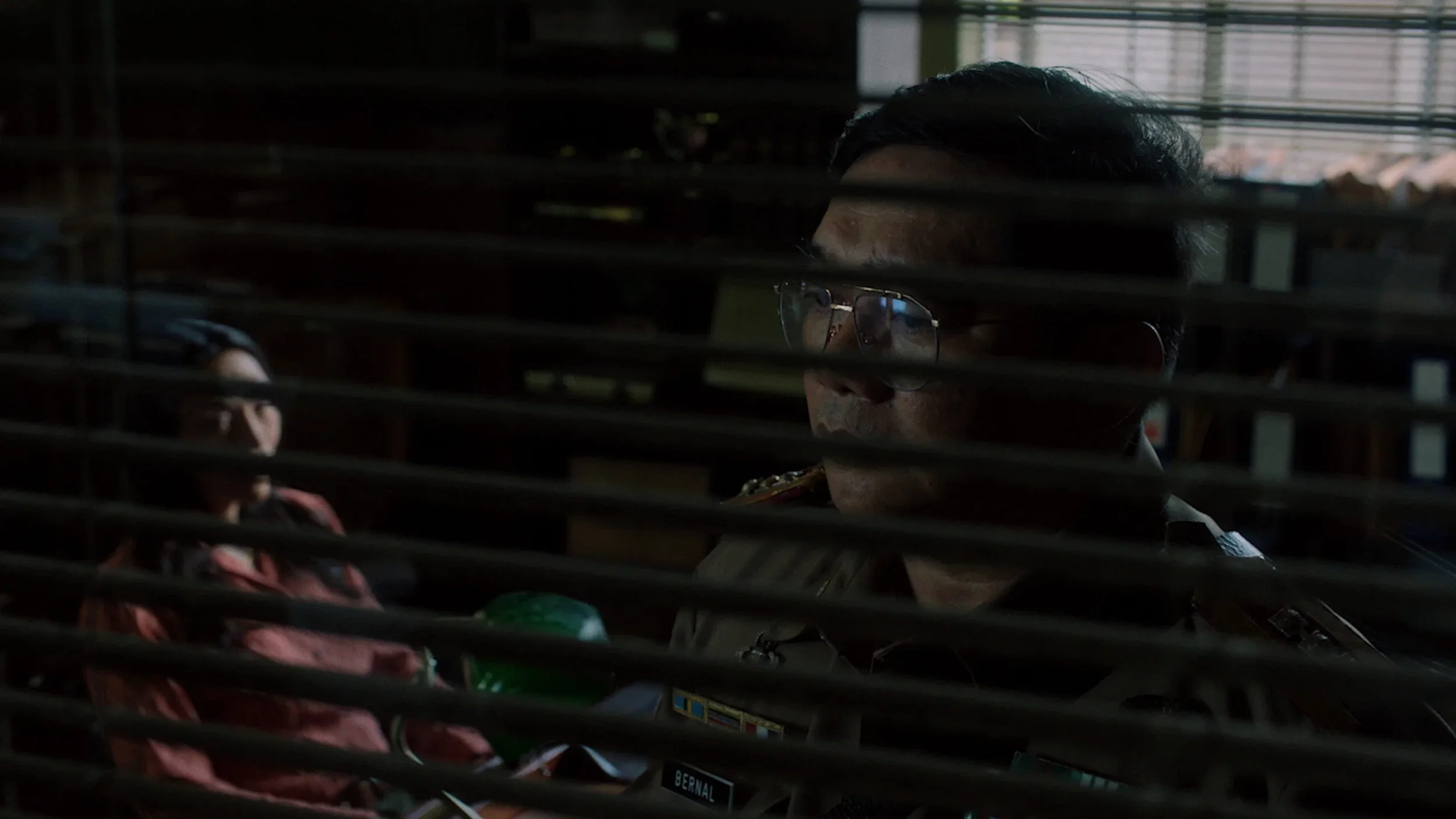
Dahlia (Isabel Sandoval) and Chief Bernal (Dennis Marasigan) in ‘Moonglow’ / Courtesy of Daluyong Studios and Nathan Studios

If Raymond Red’s Manila’s Finest had morphed into a smooth noir akin to the songs of Sade, this would be its fruit. Not just in its setting but also in its allure. Most of the films shot in Manila, like those pito-pito films and Fernando Poe Jr’s films, have always been in a form of graphic violence and hustle — a reflection of the city that has been raped throughout, even after the Second World War.
That all changed when Isabel Sandoval made Moonglow. An attempt to reimagine Manila in the veins of Wong Kar-wai and, currently, the likes of Kelly Reichardt and Kleber Mendonça Filho.
Moonglow is a slow-cooked departure from her social realist films, Aparisyon and Señorita and even Lingua Franca; while Sandoval’s filmography starts to develop, a common being can still relate to the struggles of Olivia living in the US at the era of the first Trump administration.
This time in Moonglow, vanity reigns. And sadly, there was little connection.
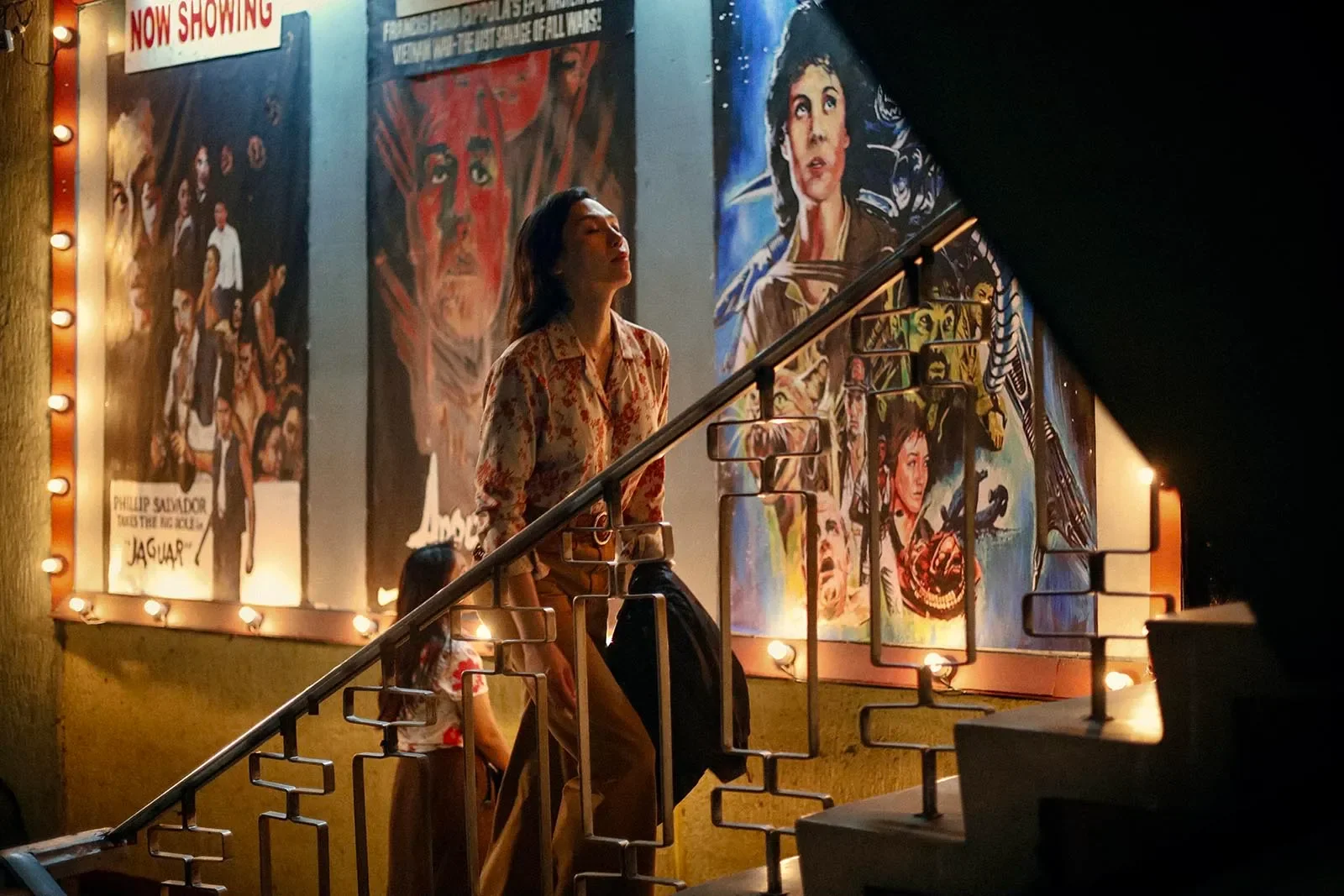
Dahlia inside an unnamed theater in Avenida in Moonglow showing posters from left to right: ‘Jaguar,’ ‘Apocalypse Now,’ and ‘Star Wars Episode IV: A New Hope’ / Courtesy of Daluyong Studios and Nathan Studios. Photography by Wence Trajano
The story begins in 1979 in Manila at the height of Ferdinand Marcos Sr.’s Martial Law era. Dahlia (Sandoval herself) works for Chief Bernal (Dennis Marasigan) and is tasked with investigating a theft. Dahila’s intentions for doing the heist remain unclear. Is she remorseful of what her colleagues are doing, or is she trying to appease the people that her colleagues caused harm to? Despite her noble intentions to give back what the authorities took from the slums, she remains a part of the system that had let violence and displacement thrive in the first place.
Then a shadow of her past follows her, which leads her to a reconnection with Charlie (Arjo Atayde), formerly based in the US — he had to return to the Philippines to take care of his ailing father. Together, Charlie and Dahlia became partners-in-crime throughout until it intertwines back into her.
On the question of world-building, Binondo in this film feels like a hodgepodge of present elements, as evident in the streetlight signage sponsored by a brand of hopia — a popular Filipino-Chinese pastry. Another personal thought on Moonglow’s Manila is the use of one of Recto’s dilapidated cinemas, which I believe is the Dilson Theater, located in the theater district of Avenida. On a whim, Dilson had its offshoot revival.
While watching this film is not an exact blueprint on how to revive long-forgotten sites, heritage advocates can still take a look at Moonglow's cinematography by Isaac Banks and its world-building, in which one apartment complex somewhere around the area had turned into something that reminded me more of Taipei than Manila but, at the same time, still felt close to home.
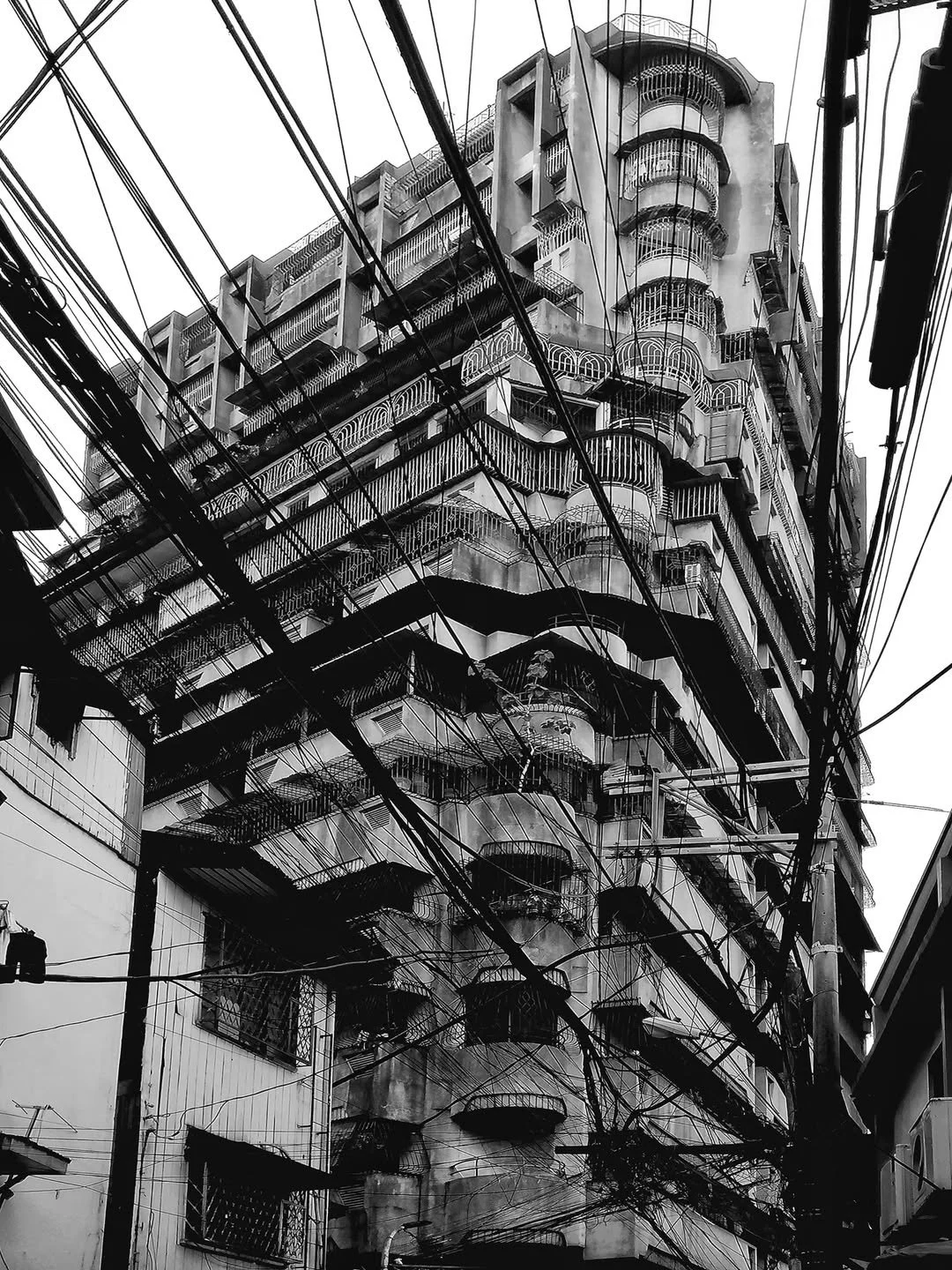
The Prudence Mansion in Santa Cruz, Manila / Photo by Hans Malgapu
Going back to the film itself, the overuse of the English language was a bit jarring in my honest reflection. Yes, the Philippines is heavily intertwined with the United States throughout the nation’s existence, but at least there is still room for the Filipino language to prosper, especially during the 1960s, when the Surian ng Wikang Pambansa (SWP) pushed its movement of indigenizing the Filipino language. Did Dahila get her education in the US? Well, at least Charlie does, so his characterization does fit in this time period, as he speaks a lot of English.
Meanwhile, Martial Law in this film only served as a backdrop of events. There was little depth, and it lacked nuance alongside the evident corruption in any career that relies on power and patronage, which can happen at any period in history. The third piece in the film felt satisfying in a subtle, non-melodramatic way, and that was the saving grace.
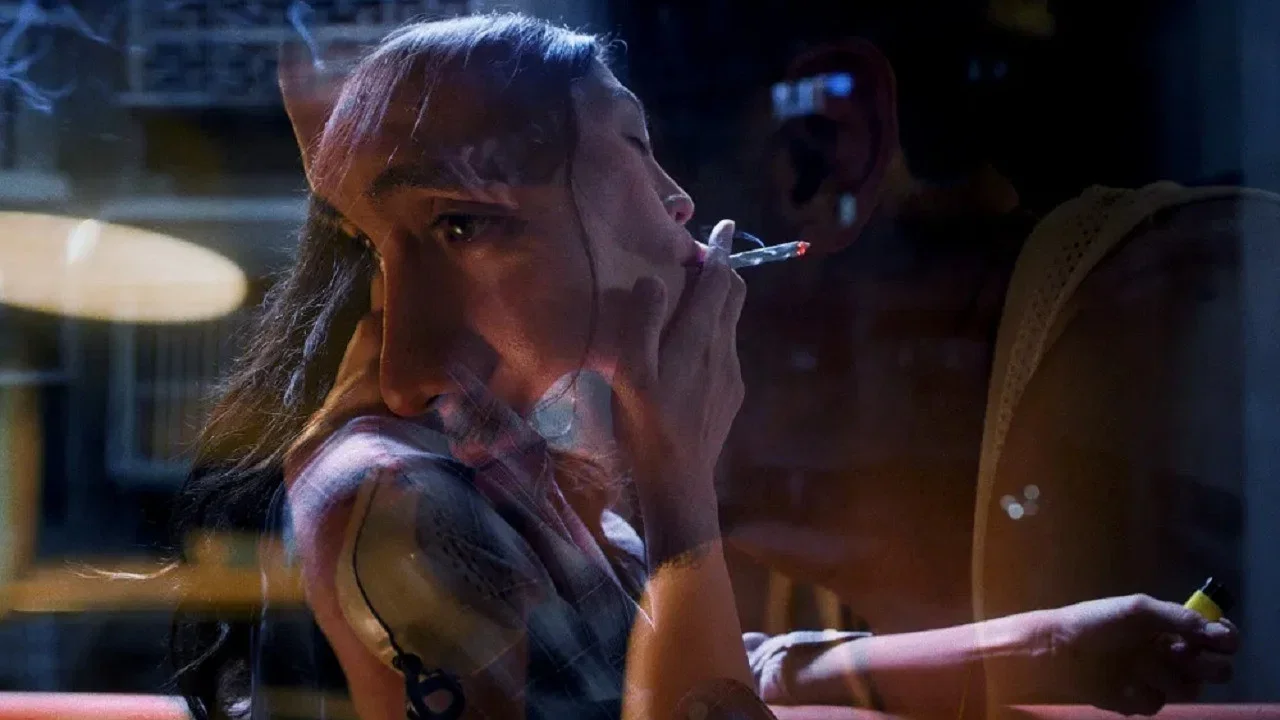
Dahlia and Charlie in Moonglow / Courtesy of Daluyong Studios and Nathan Studios
Sandoval discussed in the Q&A last November 16 that one should not look into its anachronistic look of Manila unless one is a nitpicker, as this is a film that straddles between the past, the present, and the future of the country. The contemporary sequences take a look into the current state of our nation. How power and collaboration can engineer society most often at the cost of displaced livelihoods.
Meanwhile, I also felt that there was little chemistry between Dahila and Charlie; it kinda felt awkward. Their relationship dynamic felt like those cigarette commercials in the 1990s, but that’s exactly the point of experimentation, I guess?
Despite the issues in its narrative pacing, my personal conclusion on Moonglow is that it is an experiment in intimacy and style development. Isaac Banks’ cinematography in this film felt like Christopher Doyle’s protege. In departure from her previous films, there is much vanity throughout the film, just like its real-life counterpart. Moonglow is how we look at Manila today, where its skyline is painted in lacquer to cover up the grim reality of the city.
‘Moonglow’ premiered at the 2026 QCinema International Film Festival last November 16, 2026, under the Before Midnight section.