
'A Girl Unknown' REVIEW: On shifting identities and families


Cao Ruofan as young Lin Juan/Wang Juan / From TMDB

WARNING! Major spoilers for the film ‘A Girl Unknown’
China’s controversial one-child policy promised stability and prosperity for the nation’s economy. Implemented during the 1970s due to the government's fear of overpopulation, many families, especially women, were forced to adopt the system. In a society where a male offspring is highly favored over having a female, the cases of abandoned female newborns were at a record high during the time, with these babies' lives ultimately ending before they could even manage to eat their first ever meal. This devastating history of China is the setting of Zou Jing's solo directorial debut, in which she based its plot on a real-life news report.
Set starting in the 80s and spanning 12 years, A Girl Unknown chronicles the life of a young girl whose world shifted after being given away by her mother to a wealthy family. We then see how her life unfolds as she navigates life with uncertainty but with a willingness to still live it fully, until another family comes along claiming to be her original family, which once again reveals the painful consequence of China’s one-child policy.
In the span of 128 minutes, Zou Jing breezily paced the film while exploring the product of the policy that brought only confounded identity and mixed emotions to our character patiently. You see the mundanity and simplicity of Lin Juan’s life while she was still living in the province. She ran freely, played with friends, and most importantly, she enjoyed being there and loved her mother dearly. Her demeanor quickly changed as soon as she was given away by her mother, a decision made solely due to her mother’s pregnancy.
As she adjusts to her new life, now as Wang Juan, she becomes extremely depressed. Experiencing bullying due to her past and feeling isolated due to her mother’s absence, Zou Jing portrays Wang Juan’s new reality as bleak and harrowing, despite living in a city and a wealthy family most people aspire to, yet in her case, she never even wanted. The warm visuals we saw in Lin Juan’s provincial life contrast the cold, neutral mood of Wang Juan’s new home.
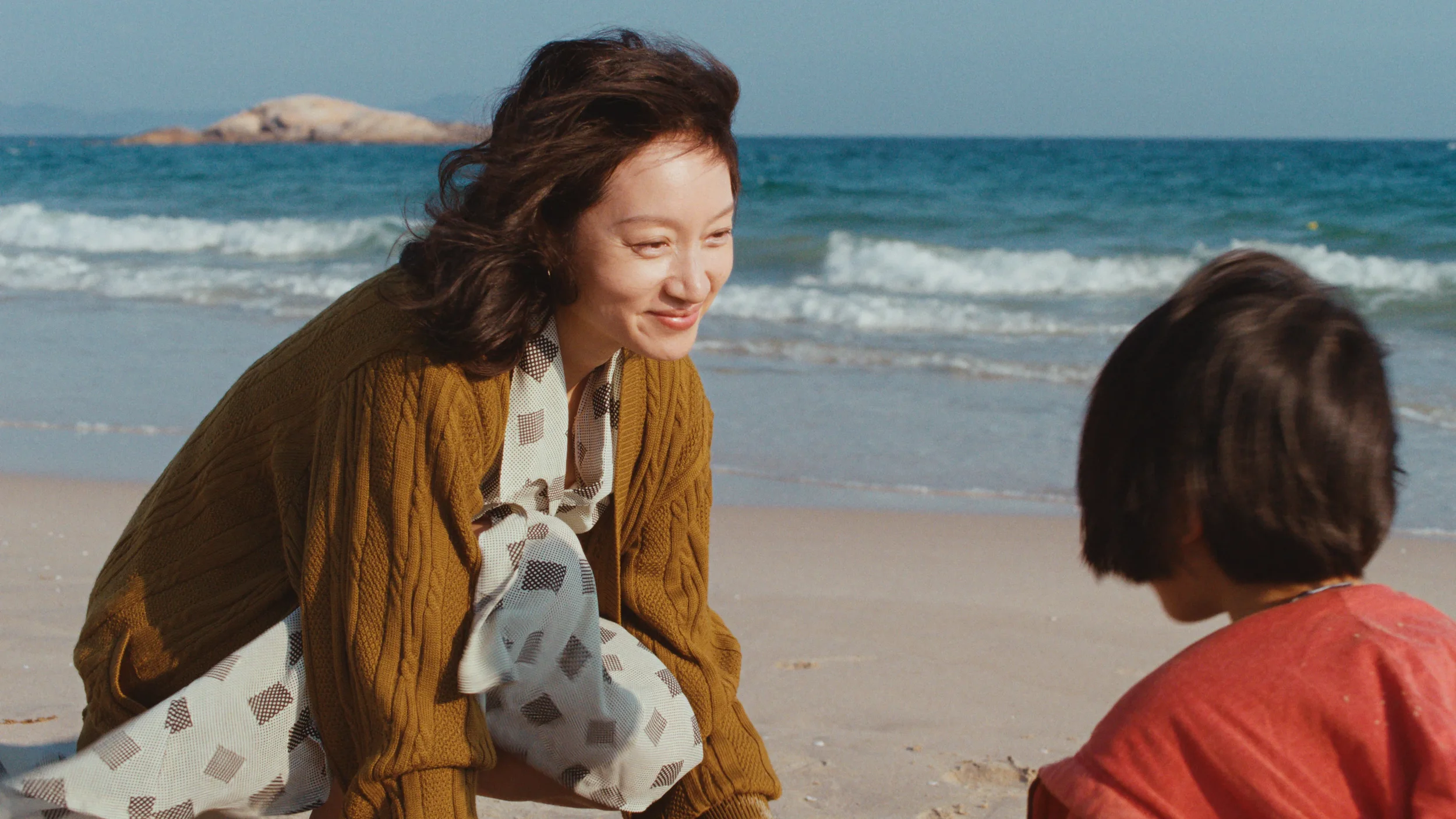
Cao Ruofan as young Lin Juan/Wang Juan and Shen Jiani as Meixuang in ‘A Girl Unknown’ From TMDB
The film flashes forward to teenage Wang Juan, a remarkable dancer and student who rebels against her parents. For years, her adoptive parents weren’t able to move on from the death of their child, which makes her feel like a mere distraction from their grief at a certain level and as a replacement for their deceased child. As soon as another revelation rocked her world, she accepted it rather quickly. Given also that something sinister happened to her at the hands of a seemingly innocent family friend, her drive to escape increased.
The film’s subtle presentation of the conditions of living a life under patriarchy is also present in the film as something normal in that time period. Her first adoptive mother, while still respecting this system, taught her to stand up for herself when a man beats her down, which is something she carries with her even until her pubescent period, as she still confronted her harasser after gaining the courage to, although this moment was cut short. In addition, in a nation where male offspring are highly favored over females, Wang Juan was also put in a position of feeling unwanted throughout her life.
This is much evident when she finally met the original family, as Wu Lian, and how they kept their oldest sister and youngest son unlike her, who was abandoned as an infant and given away to the person who she thought was her mother for many years. It was no question that when she felt like an odd addition to a family who are too tightly-knit to let her into their world, she vanished.
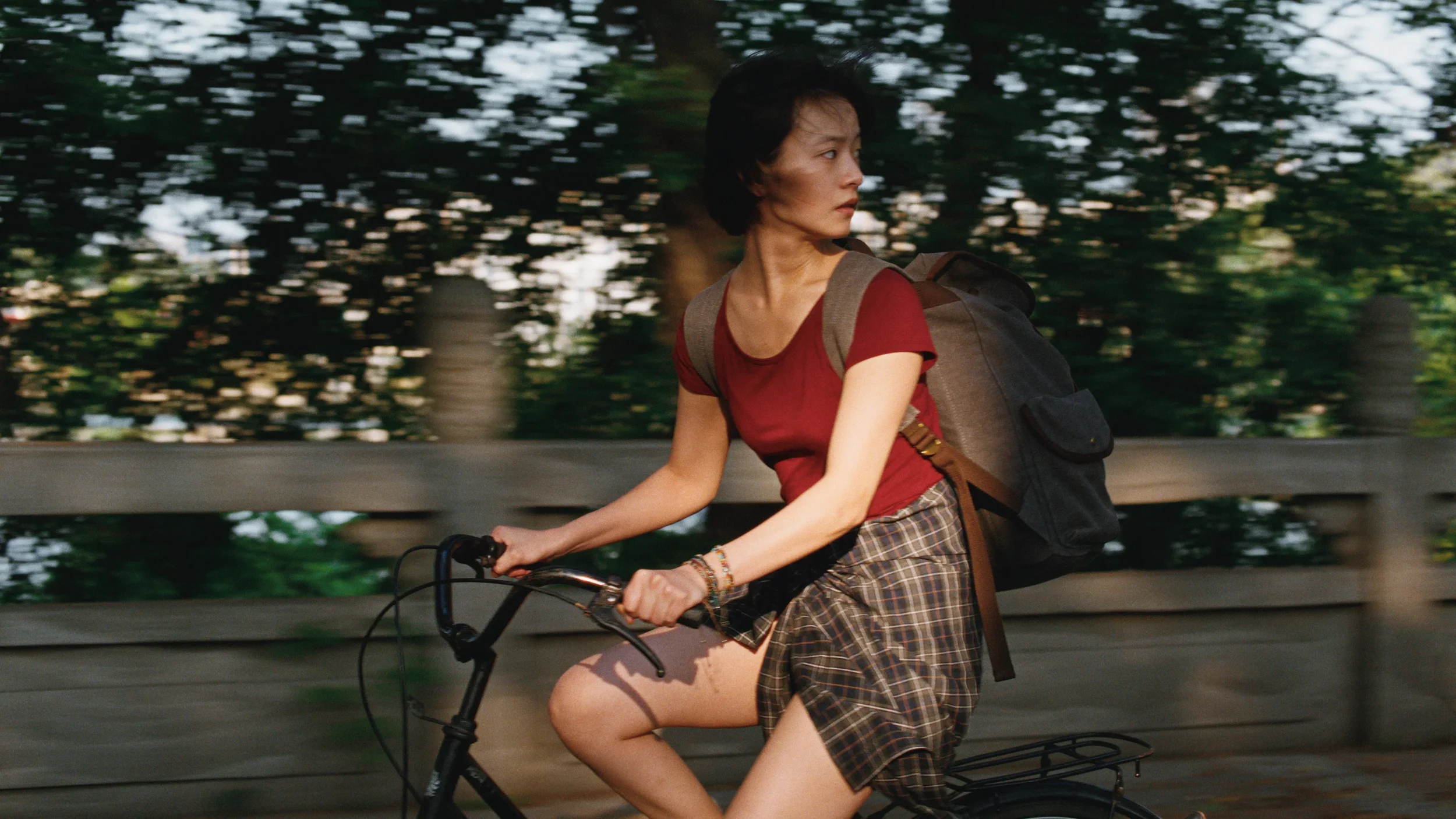
Li Gengxi as Wang Juan in ‘A Girl Unknown’ From TMDB
The third act of the film shows how Wu Lian, feeling lost, navigates her life without any strings from any of the family she knew. She’s freer and alive, just like who she was when a child, but with the added weight of being independent. The added traumatic event during this time period pushed her to the brink; while she returned to her adoptive parents, the drive to end it all persisted. There’s a recurring element in the film where it shows the character drowning and it perfectly shows our main character’s search for any sense of belongingness, in which she fails every time her identity shifts from one family to another. These visuals intensify in the climax of the film, which abruptly cuts to her adoptive father discovering her bleeding in their bathroom, much to their dismay.
The scenes we’ve seen throughout the film can be described as devastating, but Zou Jing balances the drama of the film by showing Wang Juan as a normal teenager with a desire to act like one, seeking out hobbies and making friends. There’s some sense of development in Wang Juan/Wu Lian’s characterization in each chapter of the film, although it felt too languid. You sympathize with her emotions and actions, as the film lets you immerse yourself in Wang Juan/Wu Lian’s life.
When the ending finally happened, you could finally sigh a breath of relief and could only hope Wang Juan finally found peace on the second chance of her life. You could only hope that her adoptive family, too, as they never got the chance to be with their deceased daughter during the first time and fully realized how they treated Wang Juan over the years due to their grief, heal from their wounds and finally be a safe space for Wang Juan.
A powerful debut from Zou Jing that never insists on itself, rather lays out a story in a manner that gives the audience a perspective of a lost girl trying to navigate a life that has never given her any kind of break until the end. Supported by powerhouse performances, especially from Li Gengxi and Shen Jiani, the way Zou Jing presented the scenes of her life never felt draining, for you can feel there is a heart in each scene and feel for the protagonist despite her imperfections.
‘A Girl Unknown’ was one of the competing films in the 2026 QCinema International Film Festival’s Asian Next Wave program. The film won Asian Next Wave Best Picture and Asian Next Wave Best Screenplay during the Awarding Ceremony held on November 18, 2026.