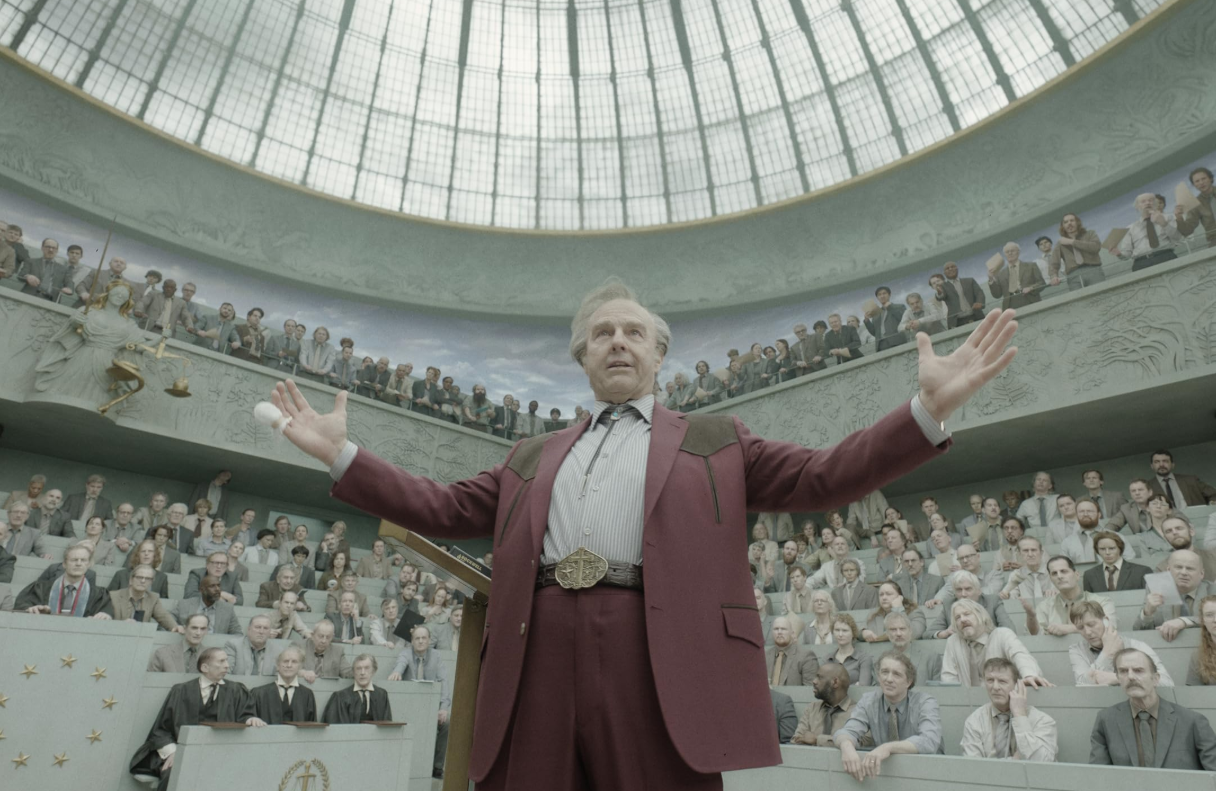


‘Father Mother Sister Brother’ REVIEW: A Jarmusch Portrait of Family, Memory, and Connection

Directed by Jim Jarmusch, Father Mother Sister Brother is a comedy-drama anthology that follows three separate stories, each focusing on a different family relationship in various parts of the world. When I say “separate,” I mean that each story has its own quirks, conflicts, decisions, and motivations. Yet, they feel thematically connected through Jarmusch’s writing, particularly in his use of dialogue and story beats.
I never thought I’d see a Jarmusch film on the big screen, especially at QCinema. It was around the final month or so before I graduated that I got into a binge of the filmmaker’s works. From his avant-garde, low-budget debut Permanent Vacation (1980) to the anthology-style exploration of different walks of life in Night on Earth, and the compilation of short stories in Coffee and Cigarettes, to the wonderful leading role by Bill Murray in Broken Flowers and the vampire comedy-drama Only Lovers Left Alive, Jarmusch proves himself a master of versatility. Safe to say, he is a beast when it comes to exploring different genres, collaborating with big-name actors, and creating stories that invite his own brand of contemplation.
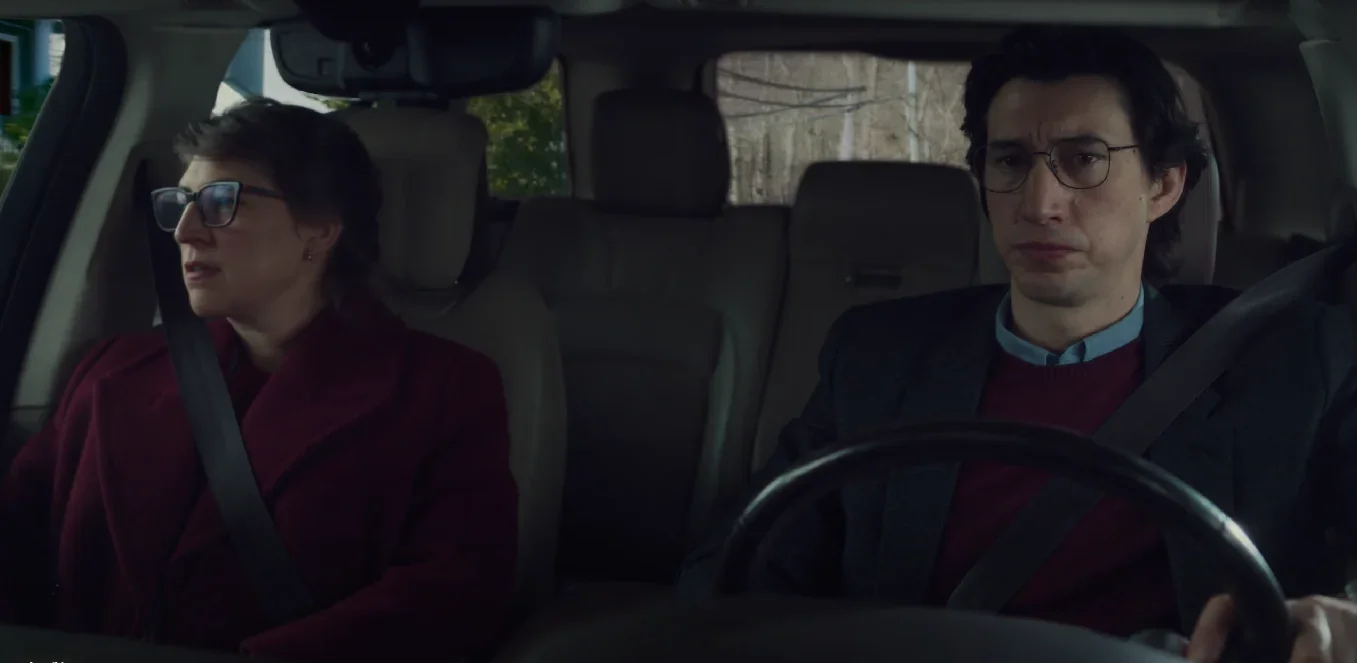
Emily (Mayim Bialik) and Jeff (Adam Driver) in Father Mother Sister Brother / Photo courtesy of MUBI

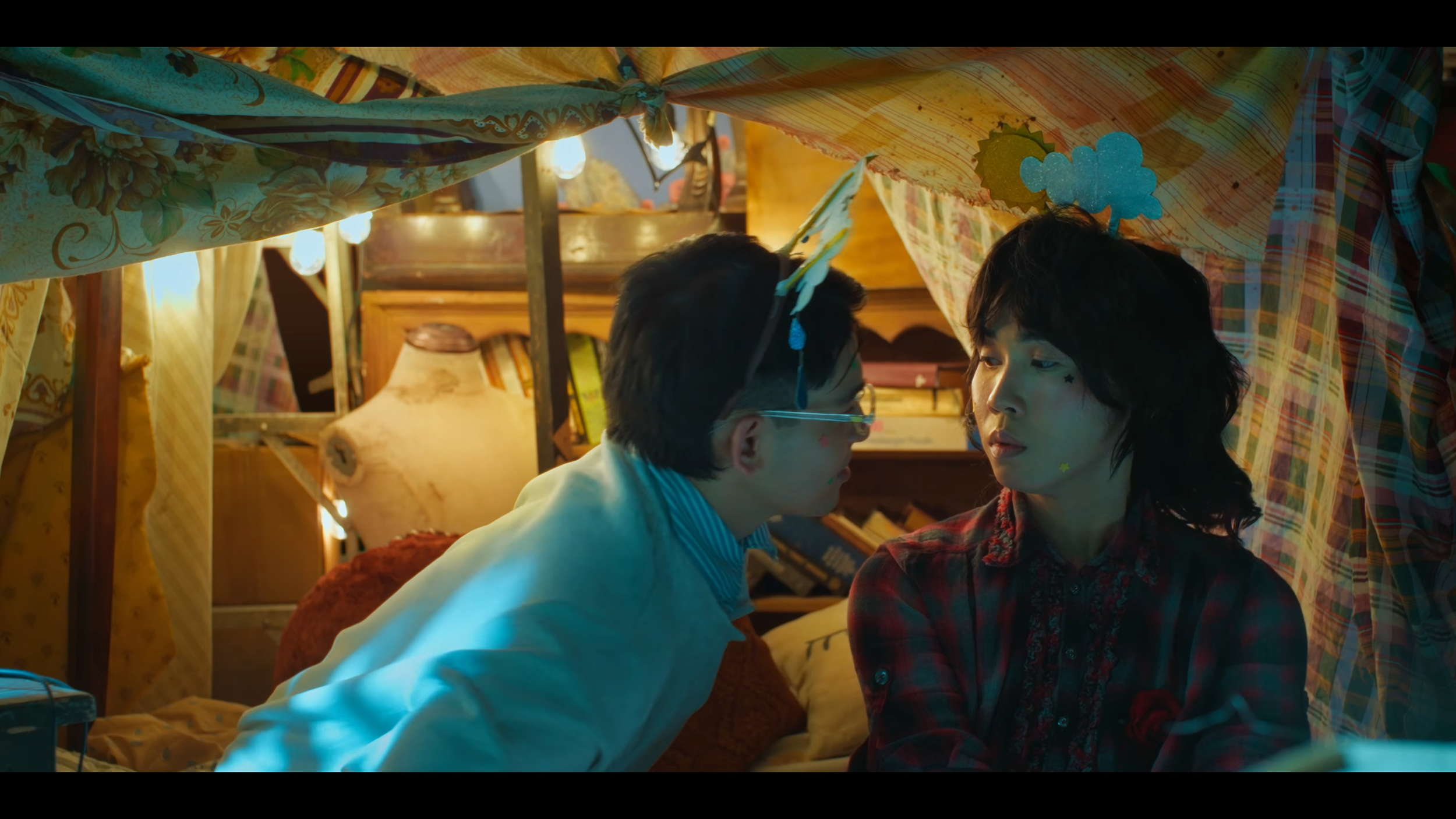
The film explores three different family relationships. In a snowy town in the United States, Jeff (Adam Driver) and Emily (Mayim Bialik) visit their distant father (Tom Waits) and uncover the ways he hides the truth about his finances and life. In Dublin, a mother (Charlotte Rampling) and her daughters, Tim (Cate Blanchett) and Lilith (Vicky Krieps), come together for their annual tea, revealing quiet tensions and secrets as they share updates on their lives. Finally, in Paris, siblings Skye (Indya Moore) and Billy (Luke Sabbat) reunite after their parents die in a plane crash in the Azores, sorting through old memories, photos, and belongings while navigating their grief.
Starting with the “Father” segment, Driver and Bialik share a chemistry that flows effortlessly, even when Waits enters the picture. While the siblings face intense familial challenges that force them to reconnect with their distant father, their brief moments of connection, especially in the story’s final scenes, feel moving.
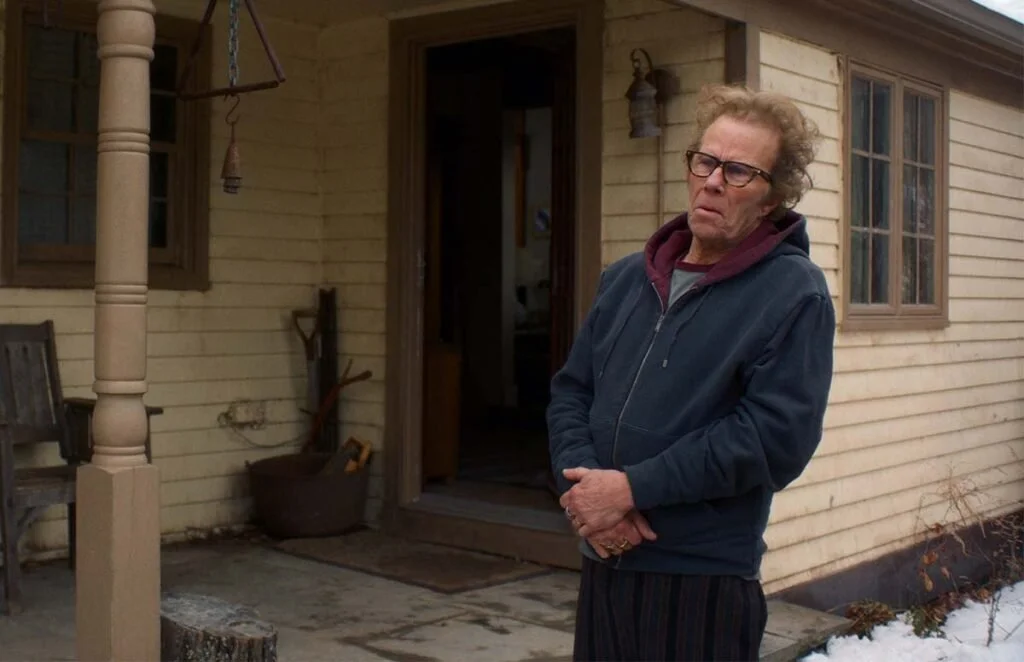
Tom Waits as the Father in Father Mother Sister Brother / Photo courtesy of MUBI
The “Mother” segment features an all-female cast of Rampling, Blanchett, and Krieps, offering a distinct flavor and dynamic. The scene at the table, where they drink tea and eat, is brilliantly directed, with impeccable timing, precise beats, and a natural, effortless rhythm. Beyond the conversation, which occasionally circles back on itself, the scene provides another glimpse of the parent-child relationship, similar to the first story.
Lastly, the “Sister Brother” segment is a bit different, as it centers on twins. Focusing on grief and the act of letting go, this segment follows them returning to their parents’ old apartment in Paris. While the pacing could have been a bit tighter, I appreciate how the anthology concludes with this story. Even without their parents appearing on screen, we come to know them through dialogue, discovering pieces of their lives through the belongings left behind. Just as the audience is introduced to them this way, the twins also learn more about their parents through these material remnants. In the process, grief arrives in waves.
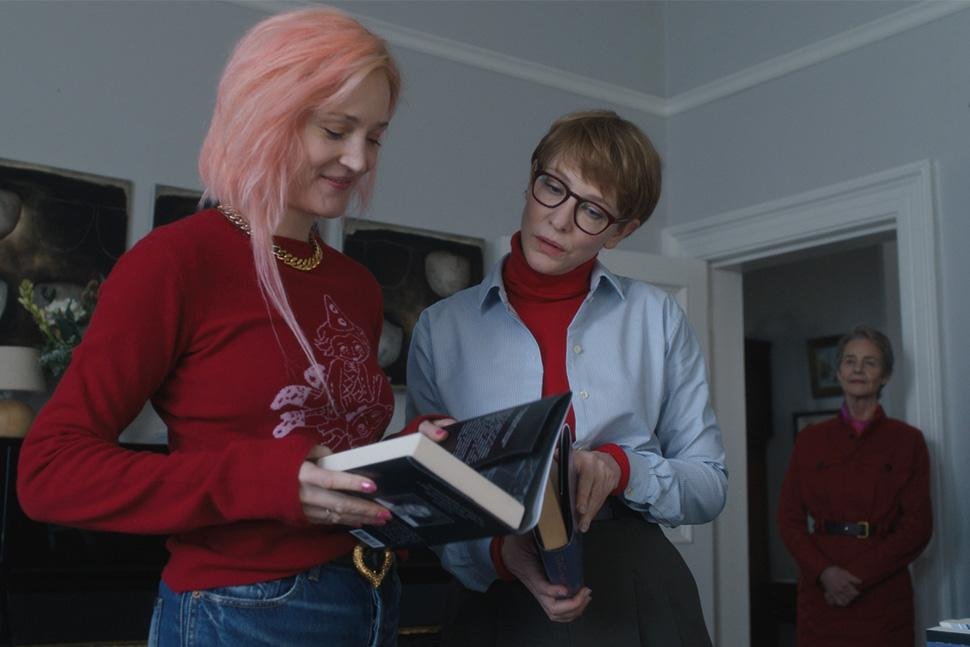
Lilith (Vicky Krieps), Tim (Cate Blanchett), and the mother (Charlotte Rampling) in Father Mother Sister Brother / Photo courtesy of La Biennale di Venezia
There didn’t need to be a solid connective tissue linking these families together, but the anthology could have benefited from a stronger sense of cohesion beyond the recurring nuances and small details that appear across the three stories. Maybe it’s my high expectations for a new Jarmusch after the 2019 horror-comedy The Dead Don’t Die, but over time, I think I’ll revisit this film with a much warmer perspective. In hindsight, I’d view Jarmusch as a chameleon of a director—able to explore different types of films while still maintaining his distinctive auteur style across various genres.
Father Mother Sister Brother feels like a classic Jim Jarmusch anthology, offering different glimpses into family life across varied walks of life. Each story stands on its own, showcasing its characters and their struggles, joys, and connections. As three contained short films, they work well individually, but when viewed back-to-back as an anthology film, there is a sense that the overall structure lacks a clear intention or purpose tying the pieces together.
Probably the anthology’s strongest suit is its humor. Subtle yet ever-present in the dialogue and performances, it feels completely natural, never forced onto the audience. Experiencing these moments in a packed theater of Filipino cinephiles made them even more enjoyable. Jarmusch’s writing allows these characters to feel human, making the jokes feel organic and never out of place. They also add a layer of earnestness to the families we observe.
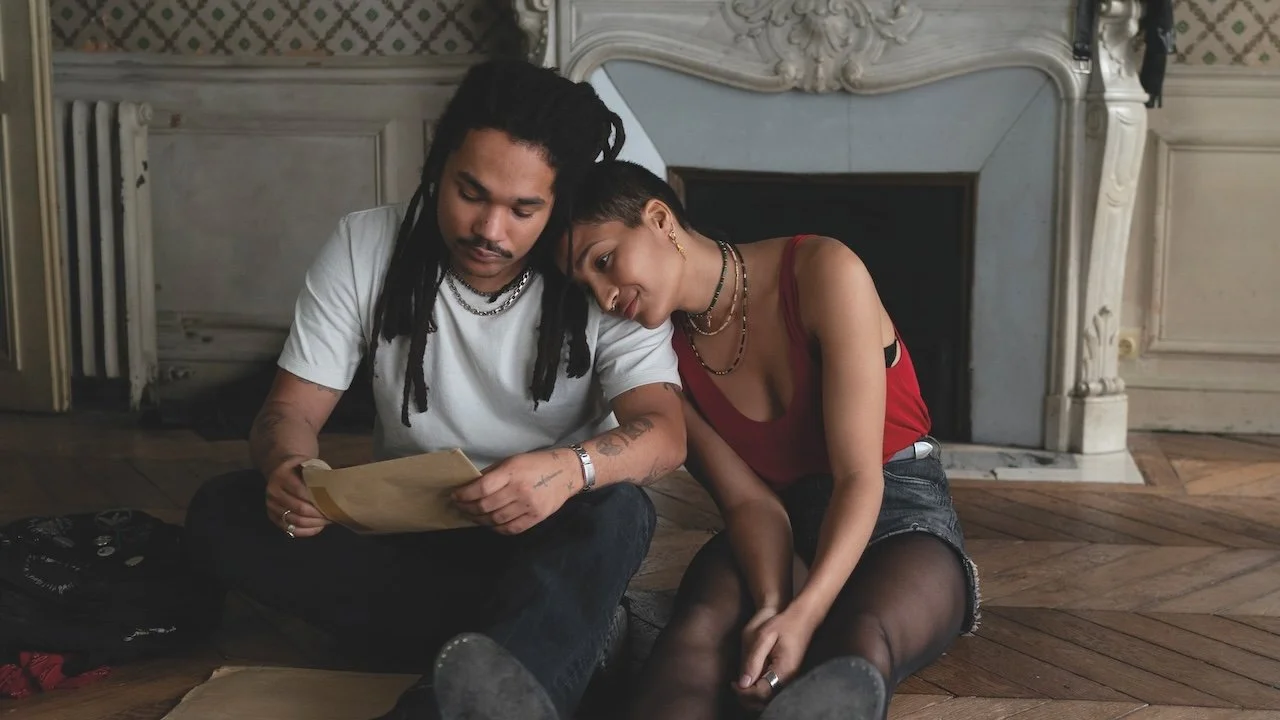
Billy (Luka Sabbat) and Skye (Indya Moore) in Father Mother Sister Brother / Photo courtesy of Raindance Film Festival
Where the film also shines is in its soundtrack. Jarmusch’s collaboration with Anika on the soundtrack elevates the experience in the cinema, or even when you’d watch this one alone. From the opening song, “Spooky,” to the closing credits track, “These Days,” the music embodies that Jarmusch vibe from his earlier films.
It feels laid-back, cool, and contemplative, as if you’re quietly cruising through a Night on Earth type of world. The soundtrack quietly connects the stories, giving the film a steady rhythm and mood that carries through each part, even when the stories don’t directly link.
At the end of the day, fans of Jarmusch will still find something to take away from the film. However, for those discovering the filmmaker for the first time, it’s best to explore his other works in the filmography and see which ones resonate. I’d likely gain a stronger appreciation for this film after revisiting another conversation-heavy anthology, such as Coffee and Cigarettes.
‘Father Mother Sister Brother’ was part of the 2025 QCinema International Film Festival’s lineup under the Screen International program.