
‘Backrooms’ REVIEW: The Horror of Familiar Spaces

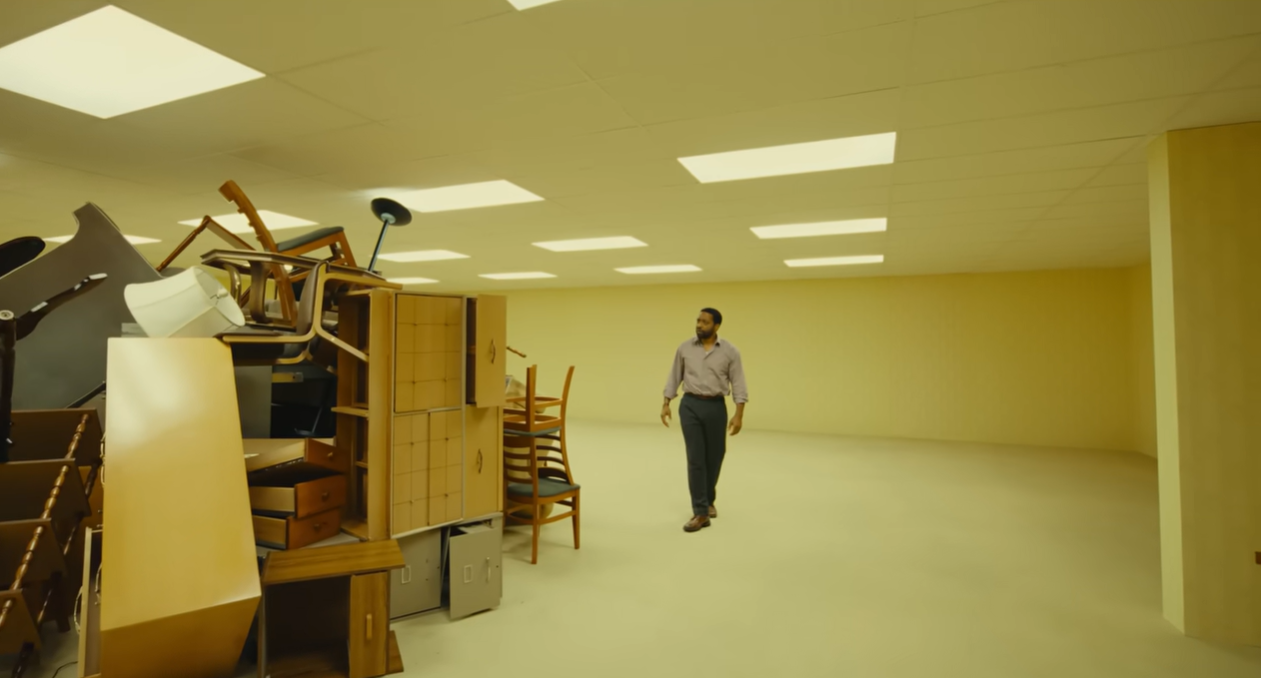
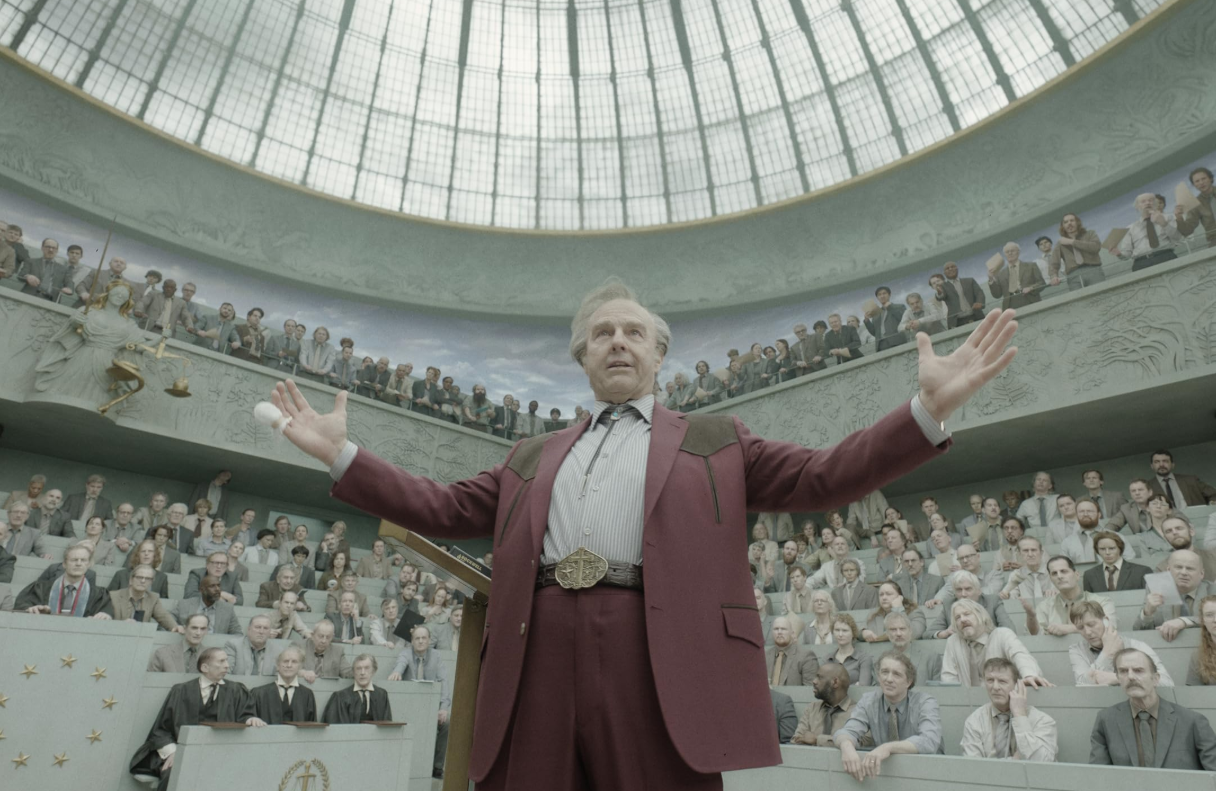
Chiwetel Ejiofor as Clark in ‘Backrooms’ | Still courtesy of A24

WARNING! This review contains spoilers for ‘Backrooms’ (2026).
A doorway appears where no doorway should exist. Beyond it is another room. Then another. The spaces themselves aren’t particularly threatening: fluorescent lights hum overhead, forgotten furniture sits untouched, and the rooms resemble places that could exist somewhere in the real world. The deeper you travel, the less recognizable the world becomes. In Kane Parsons’ Backrooms, an endless maze becomes a disturbing reflection of memory and regret, trapping its characters inside versions of the past they can’t fully understand and can never return to.
Adapted from Parsons' popular YouTube series, the film follows Clark (Chiwetel Ejiofor), a furniture store owner struggling after the breakdown of his marriage. His conversations with his therapist, Dr. Mary Kline (Renate Reinsve), provide a glimpse into a man attempting to make sense of a life that no longer resembles the one he expected. When he discovers a hidden doorway beneath his store leading to an impossible series of interconnected rooms, fascination quickly turns into obsession. Determined to prove the discovery is real, Clark ventures further into the unknown alongside his coworkers, even as the boundaries between reality and something far stranger begin to blur.
One of the film’s greatest strengths is its imagery. The Backrooms are filled with strange, purposeless spaces and unsettling details that never fully explain themselves, and Parsons uses that uncertainty to his advantage, turning every answer into another reason to keep questioning what you’re seeing. The result is a form of horror that feels disorienting because it never allows viewers to settle into a stable understanding of what they are seeing.
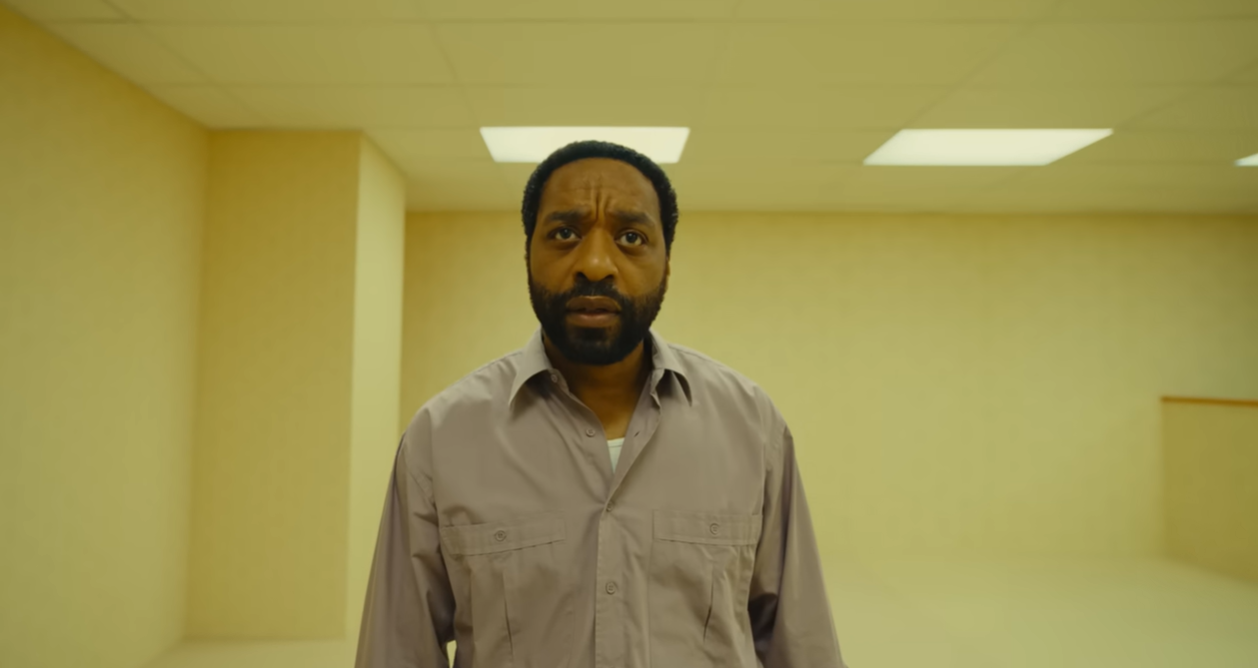
Chiwetel Ejiofor as Clark in ‘Backrooms’ | Still courtesy of A24
What separates Backrooms from many films built around liminal spaces is the confidence with which Parsons handles those environments. Empty offices, yellow hallways, storage rooms, and forgotten commercial spaces have become familiar images within internet horror, yet Parsons finds ways to make them feel genuinely unnerving. Liminal spaces have become a familiar feature of modern horror, yet few filmmakers understand why they are unsettling in the first place. Parsons does, demonstrating remarkable control over atmosphere.
Even when little is happening narratively, there is an underlying discomfort that never disappears. Parsons is patient enough to allow scenes to breathe, trusting the audience to sit with uncertainty rather than immediately resolving it. Some viewers may find elements of the story difficult to fully reconcile, but horror that lingers in the mind rarely depends on airtight explanations.
What interested me most was how the Backrooms came to reflect the way memory works. Clark enters these spaces looking for answers, but the further he goes, the less certain he becomes. Like revisiting old relationships or replaying conversations in your head, his search never brings the clarity he expects. Instead, he keeps running into the same questions from different angles. Parsons captures the unsettling feeling that made the original series so effective, using these strange, empty spaces to explore loneliness, grief, and the ways people can become stuck in the past.
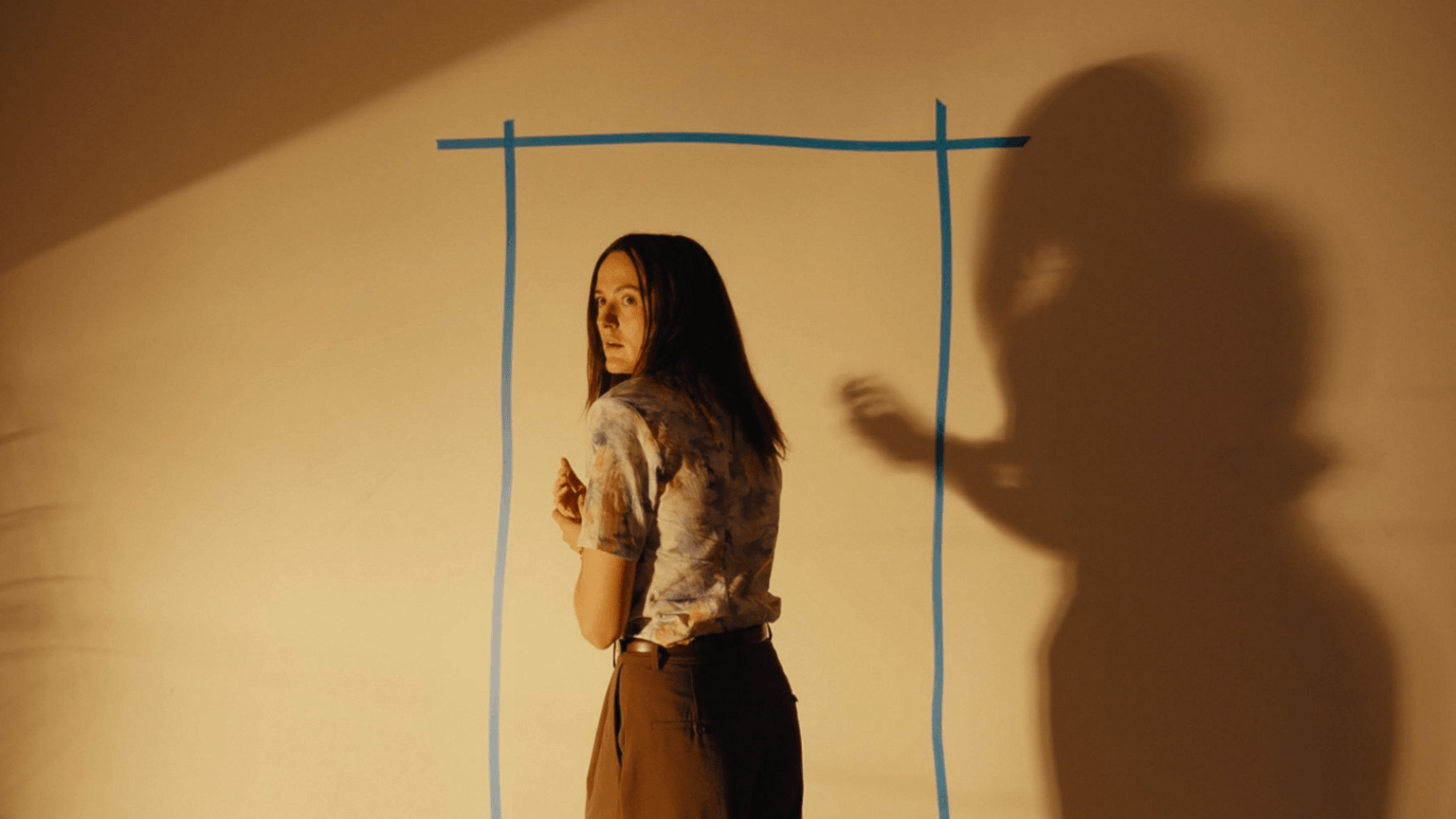
Renate Reinsve as Dr. Mary Kline in ‘Backrooms’ | Still courtesy of A24
Most certainly, the dinner scene captures this idea particularly well. During an unsettling role-play exercise, Clark asks Mary to take on the role of his ex-wife and continue their therapy session in character. The scene shows that Clark still hasn't accepted the end of his relationship. By asking Mary to take his ex-wife's place, he's trying to recreate something that no longer exists instead of facing the fact that it's gone. He is less interested in understanding the past than in revisiting it, hoping repetition might produce a different outcome. The discomfort of the scene comes from recognizing how impossible that desire is.
Near the film's conclusion, Mary refers to the Backrooms as a flawed version of reality, a description that also applies to memory itself. Parsons suggests that our recollections are never exact copies of the past but altered versions shaped by time and emotion. It is one of the film's most effective ideas, turning the Backrooms into more than a physical maze.
One of Parsons' most impressive achievements is his ability to keep the environment unsettling throughout the film. Despite being built around an endless sequence of interconnected rooms, the film rarely feels repetitive. Rather than repeating the same idea, Parsons keeps the Backrooms unsettling by introducing spaces that follow different rules, making it difficult to trust what you're seeing. The scale of the sets, the found-footage presentation, and the period details give each space a distinct identity, making the journey feel consistently engaging.
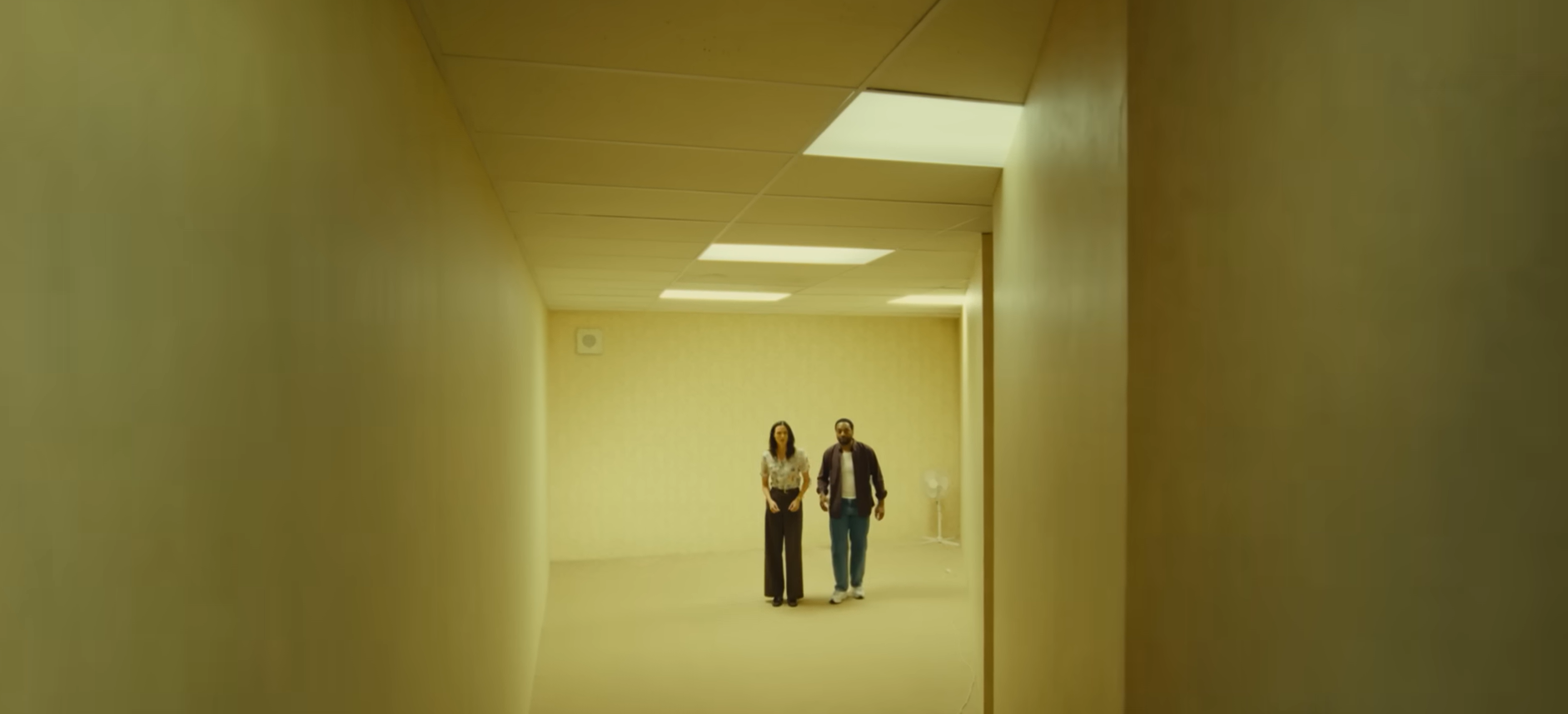
Renate Reinsve as Dr. Mary Kline and Chiwetel Ejiofor as Clark in ‘Backrooms’ | Still courtesy of A24
The found-footage scenes were easily the strongest part of the film. By restricting what the camera can see, they create a constant sense of uncertainty and make the Backrooms feel larger and more threatening than they might otherwise. Additionally, these sequences stand out because of how naturally they fit the Backrooms concept. The VHS format gives the footage an archival quality, as though the camera is documenting evidence rather than telling a story. That approach makes the setting feel larger than the characters experiencing it.
The character arcs are where the film feels less developed. The film introduces interesting ideas and emotional conflicts, but there were several points where it felt like parts of their journeys were missing, leaving certain developments without enough weight behind them. I also found myself wanting more time spent exploring the Backrooms, as the film often focuses on its characters' inner conflicts when some of its strongest moments come from the expeditions into these strange and unpredictable spaces.
Fans of Parsons' original YouTube work will likely find the most to appreciate here. The film expands on ideas that the short-form series could only hint at while preserving much of the mystery that made the concept compelling in the first place. Some questions receive answers, while others remain unresolved, allowing the Backrooms to retain their sense of unknowability.
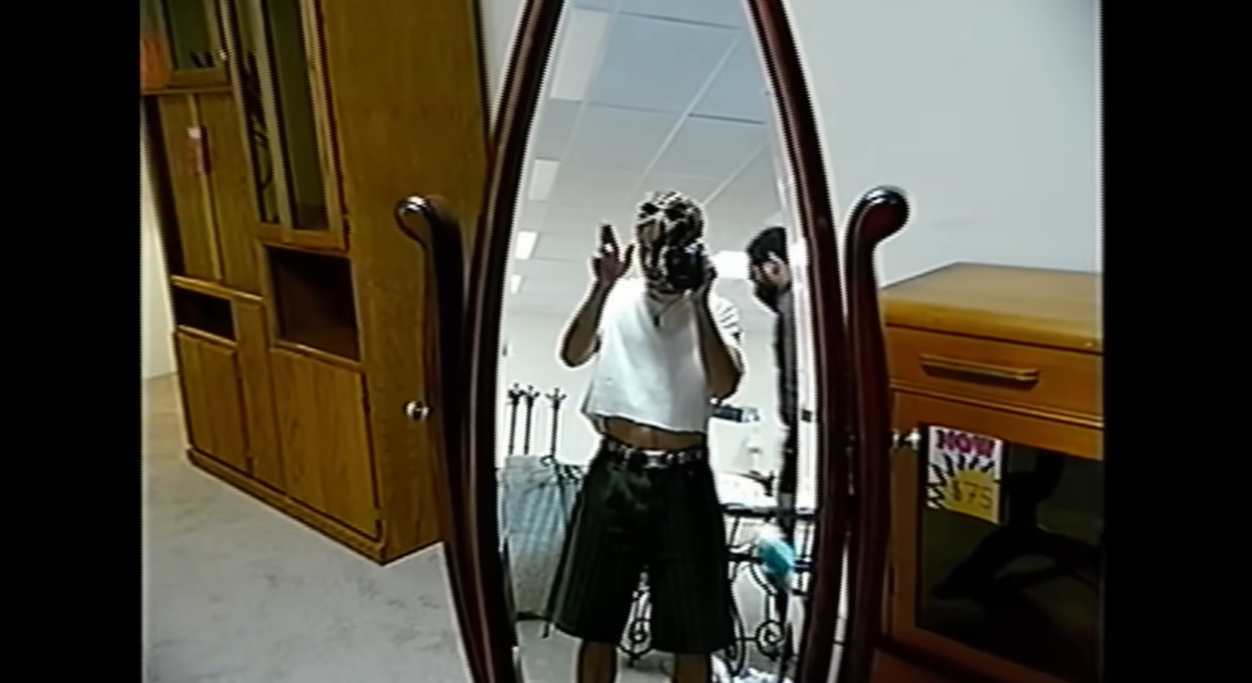
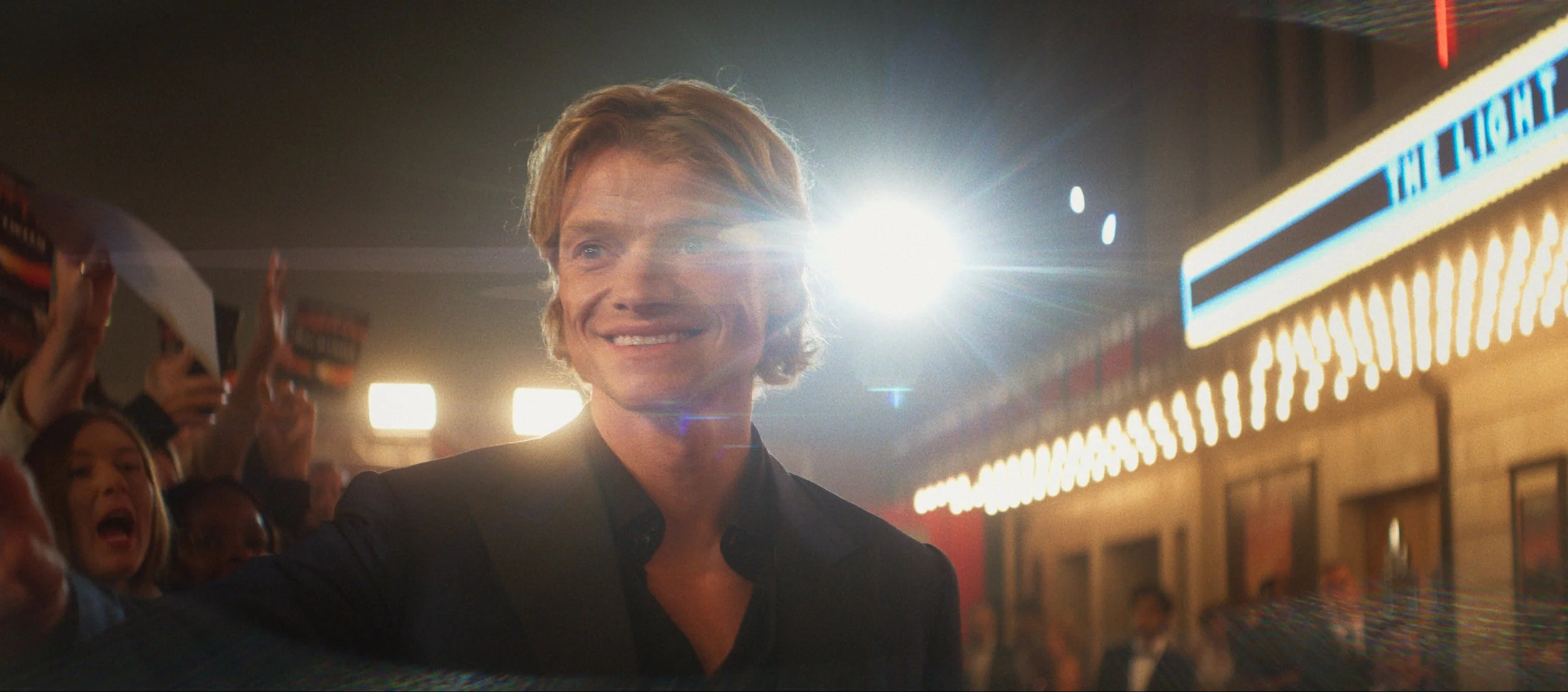
Finn Bennett as Bobby in ‘Backrooms’ | Still courtesy of A24
Ultimately, Backrooms is less frightening because of its monsters than because of what it presents about memory. The film understands that the past is never truly preserved. Every recollection becomes a reconstruction shaped by distance, longing, and regret. Over time, memories stop resembling the events themselves and begin resembling our feelings about them. The Backrooms embody that transformation: familiar enough to recognize, distorted enough to be afraid of. The result is a horror film where the endless maze becomes a reflection of memory itself, trapping its characters inside imperfect versions of the past that they can revisit, but never truly return to.
‘Backrooms’ is now showing in Philippine cinemas.