

QCinema is the official film festival of Quezon City, the City of the Stars. The festival showcases local and international films, documentaries, and short films, and gives grants to their creators.
COMPETITION SECTION
Coverage of the Asian Next Wave, QCShorts and QCSEA Shorts section are found here.
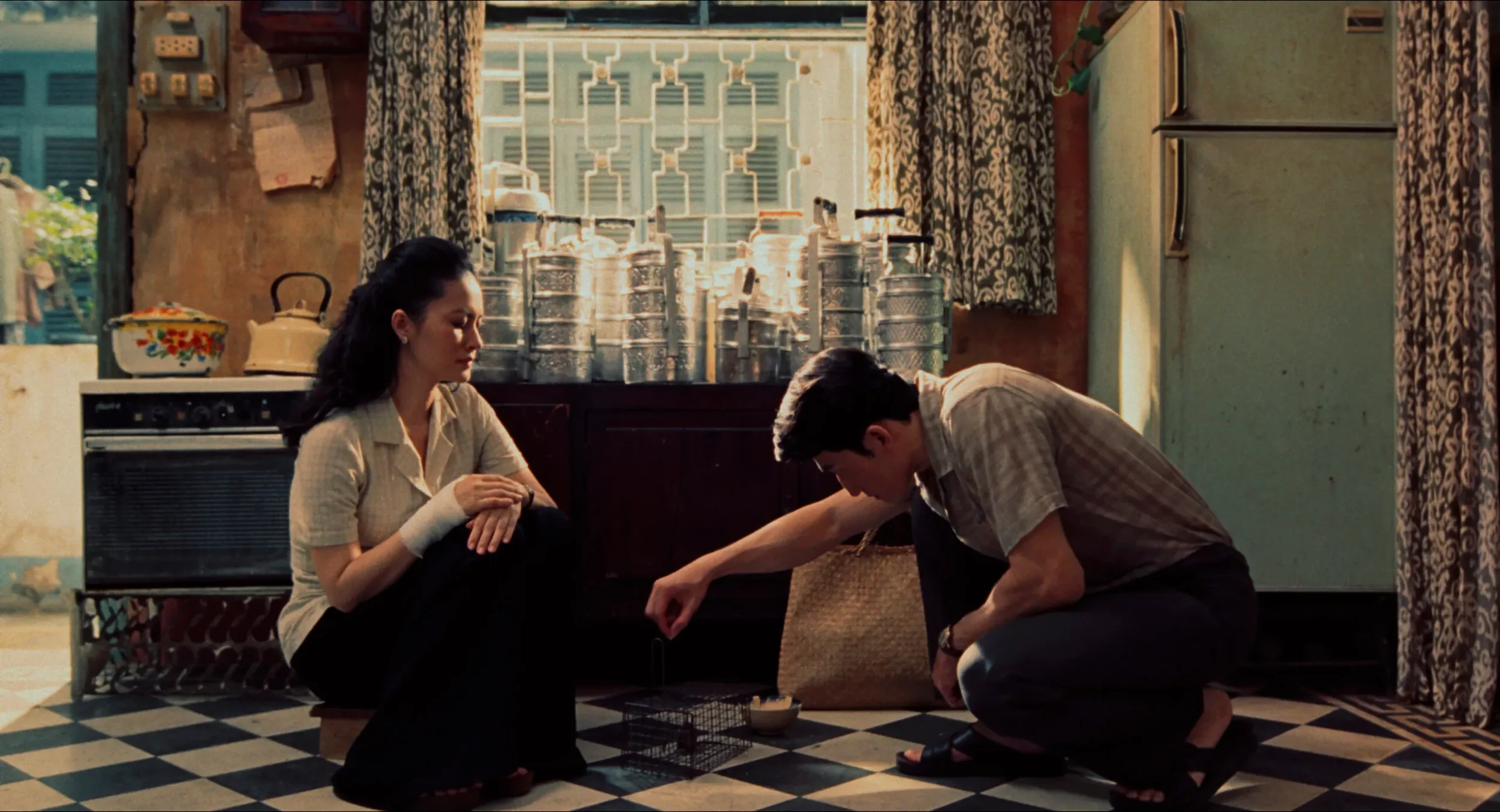
Overall, the story of Leon Le’s ‘Ky Nam Inn’ is beautifully executed with such care for Vietnam's culture and history.

A surrealistic, twisty and humorous look on Thailand’s memory as a nation. Ratchapoom Boonbunchachoke's ‘A Useful Ghost’ is a household task in introspect through the society’s past memories, the present society and the looming dystopian future.
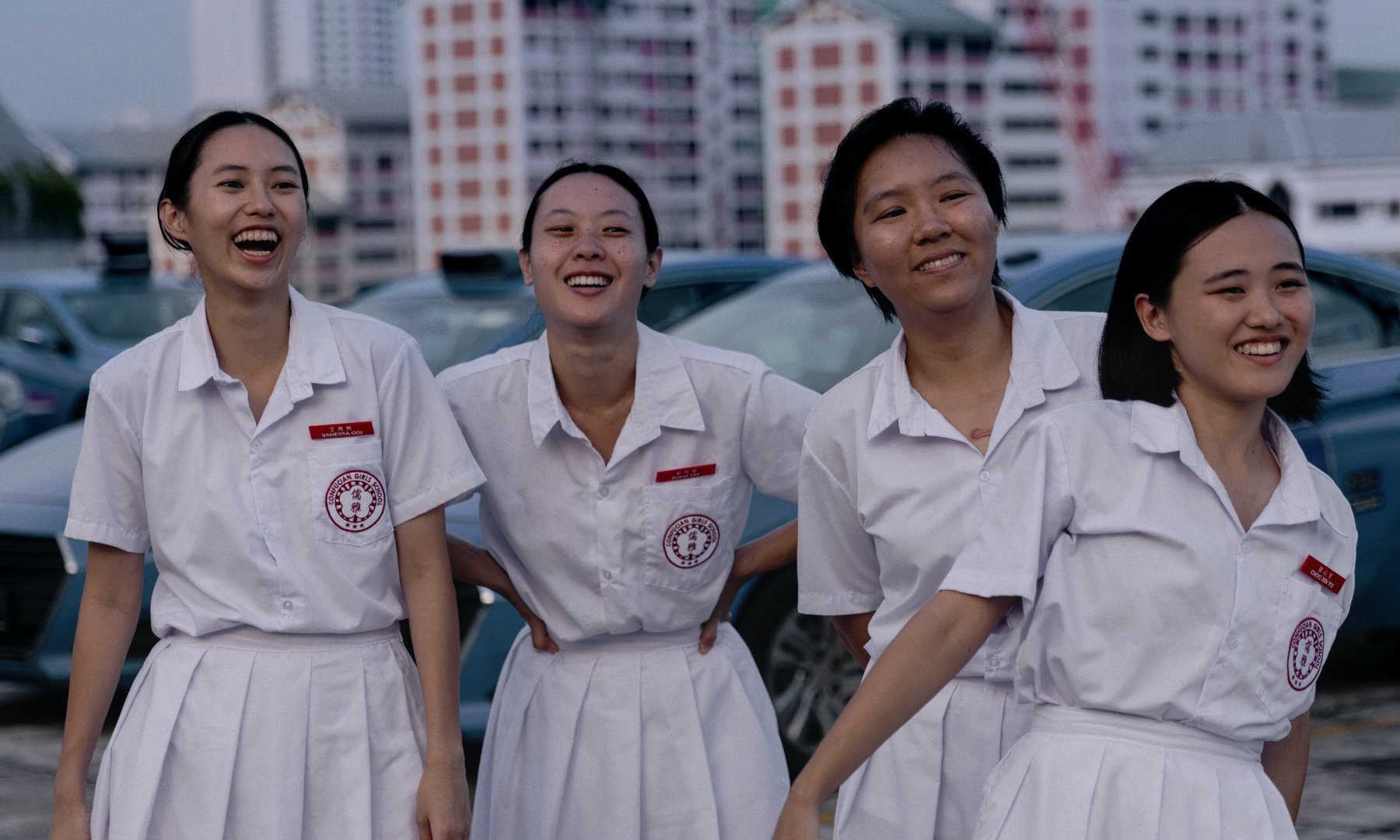
‘Amoeba’s’ mere existence is a protest in itself. A bold artistic expression wherein the personal expresses the political. And the film only asks one question: What is the DNA of Singapore?
NON-COMPETITION SECTION
Coverage of other categories (Screen International, New Horizons, RainbowQC, Special Screenings, Before Midnight, Rediscovery, QCinema Selects) can be found here.
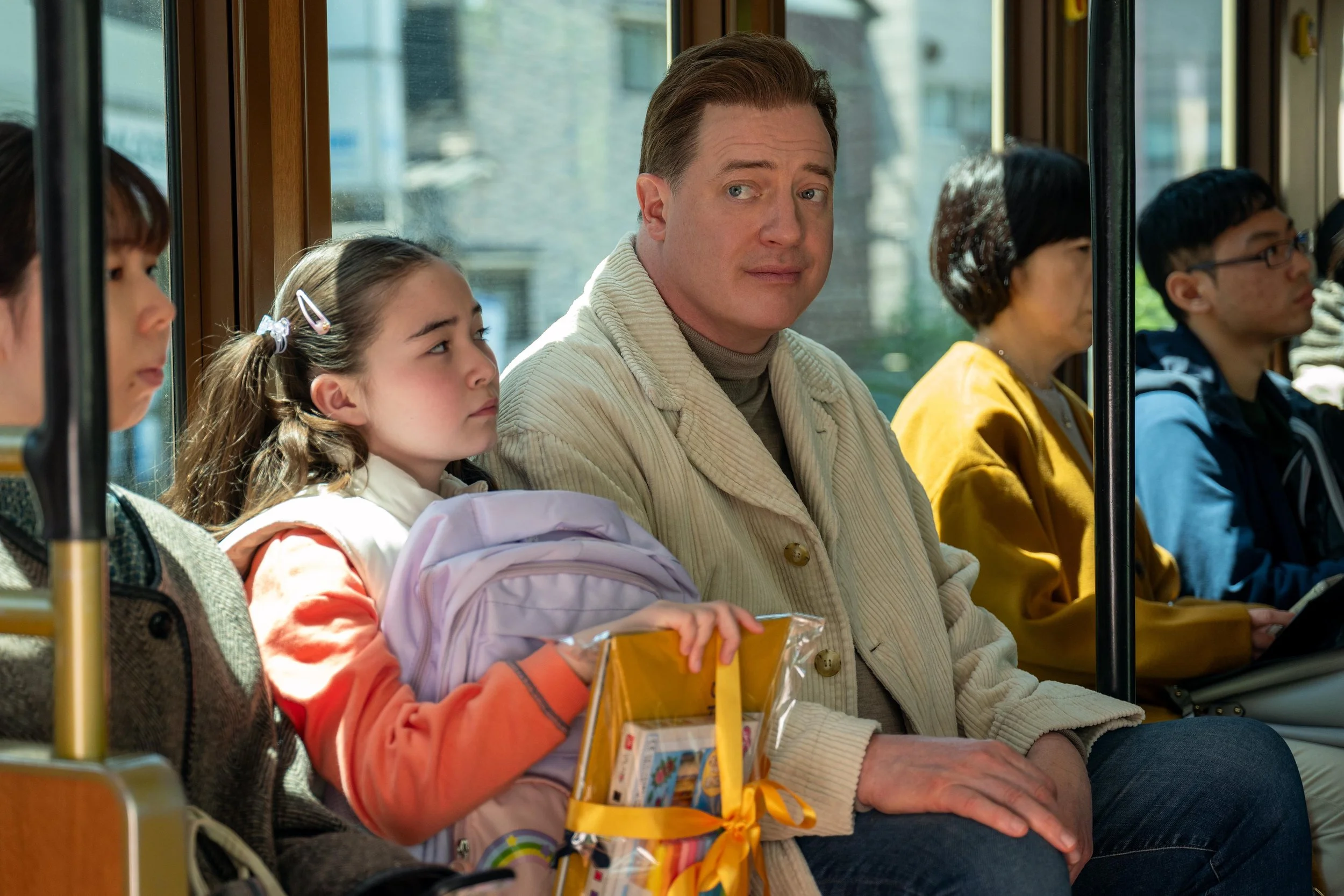
Some have pointed out the mawkishness of ‘Rental Family’ — too sentimental, people-pleaser, and even unrealistic. But these points, the wholesomeness, and its ability to shed a tear make it great, easy to appreciate, love, and rewatch.
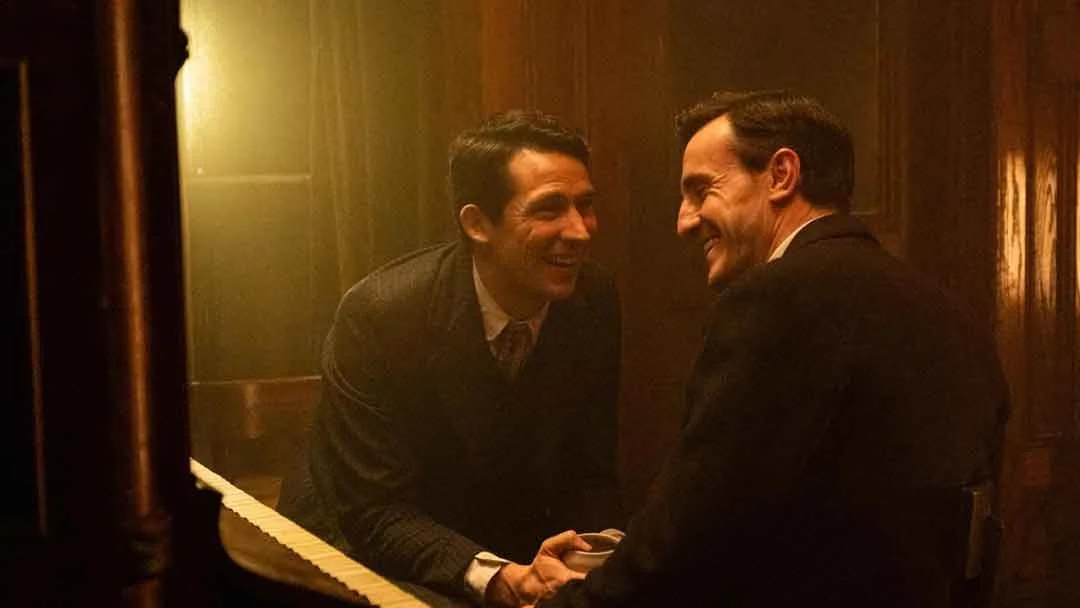
Even the endearing performances of Paul Mescal and Josh O’Connor, along with their undeniable chemistry, are not enough to rescue ‘The History of Sound’ from being a dull period drama. It is such a pity that it was wasted by a very boring execution.
Overall, the story of Leon Le’s ‘Ky Nam Inn’ is beautifully executed with such care for Vietnam's culture and history.
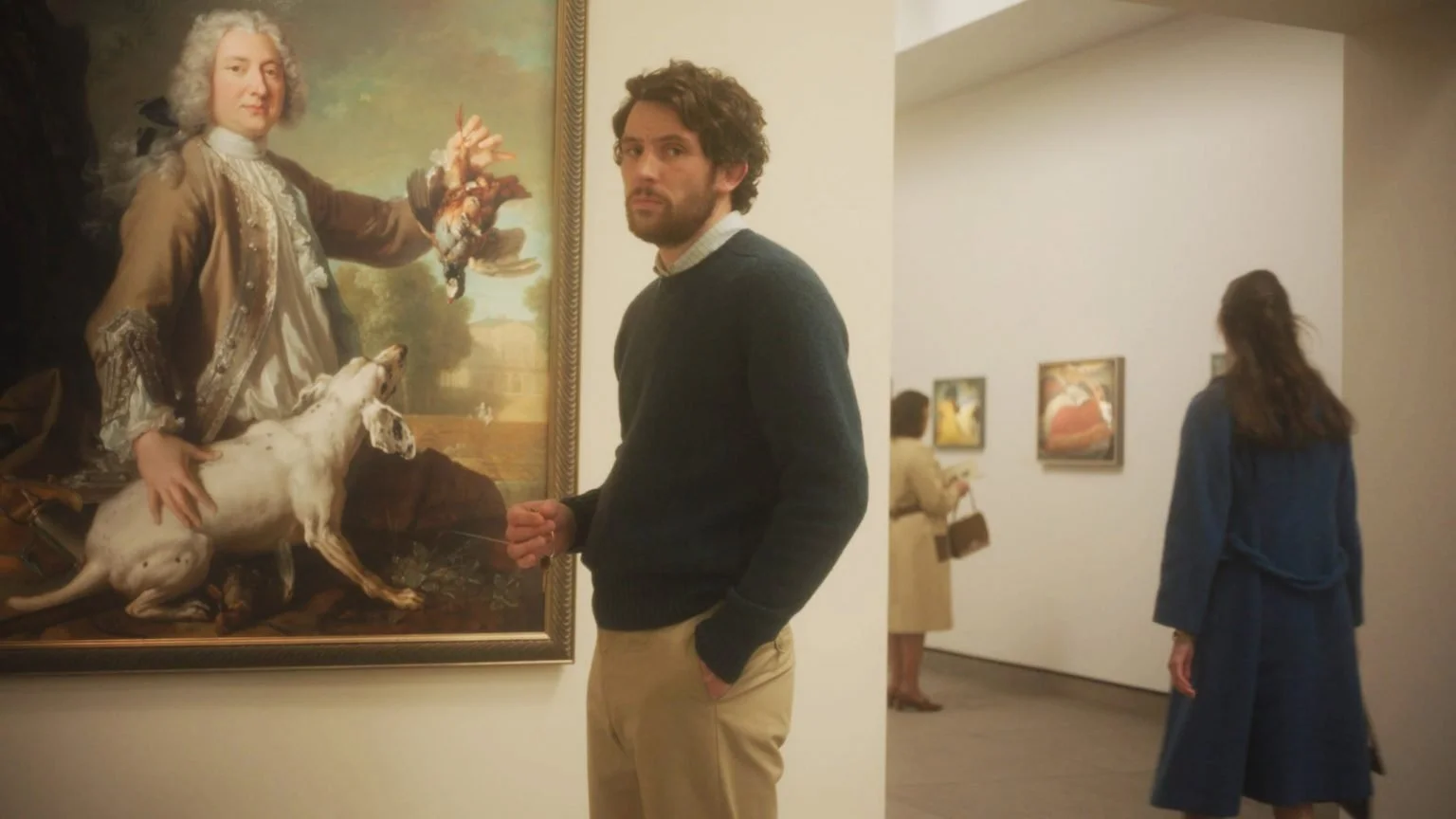
Kelly Reichardt’s ‘The Mastermind’ is a quiet, subversive take on an art heist film that never feels tensionless, anchored by a stellar performance from Josh O’Connor.

‘Father Mother Sister Brother’ may not be a home run for Jarmusch’s return to feature films, but it still offers his own thoughtful take on estranged families from different parts of the world, even if it could have achieved more.
A surrealistic, twisty and humorous look on Thailand’s memory as a nation. Ratchapoom Boonbunchachoke's ‘A Useful Ghost’ is a household task in introspect through the society’s past memories, the present society and the looming dystopian future.

‘The Voice of Hind Rajab’ depicts the attempt to save the life of five-year-old child, Hind Rajab, from the bloodlust of the Israeli military in northern Gaza. It features at its center the actual audio recordings from that day: her voice crying for help.

‘Showgirls’ leans hard into Verhoeven’s excess, satire, and sharp camp. Its neon world runs on illusion, and that noise turns into a strange pulse. The film pushes forward, slipping between critique and absurdity, and still leaves a mark that sticks.

Even with structural and pacing stumbles, ‘Once Upon a Time in Gaza’ deftly navigates both genre and filmic metanarratives. All to explore the performance of violence to reflect revenge on all oppressors to Palestine.

‘Human Resource’ is a crushingly cold experience on how capitalism has utterly broken our humanity, where even the miracle of birth is more a financial investment than a human being.
‘Amoeba’s’ mere existence is a protest in itself. A bold artistic expression wherein the personal expresses the political. And the film only asks one question: What is the DNA of Singapore?
PRESS RELEASES
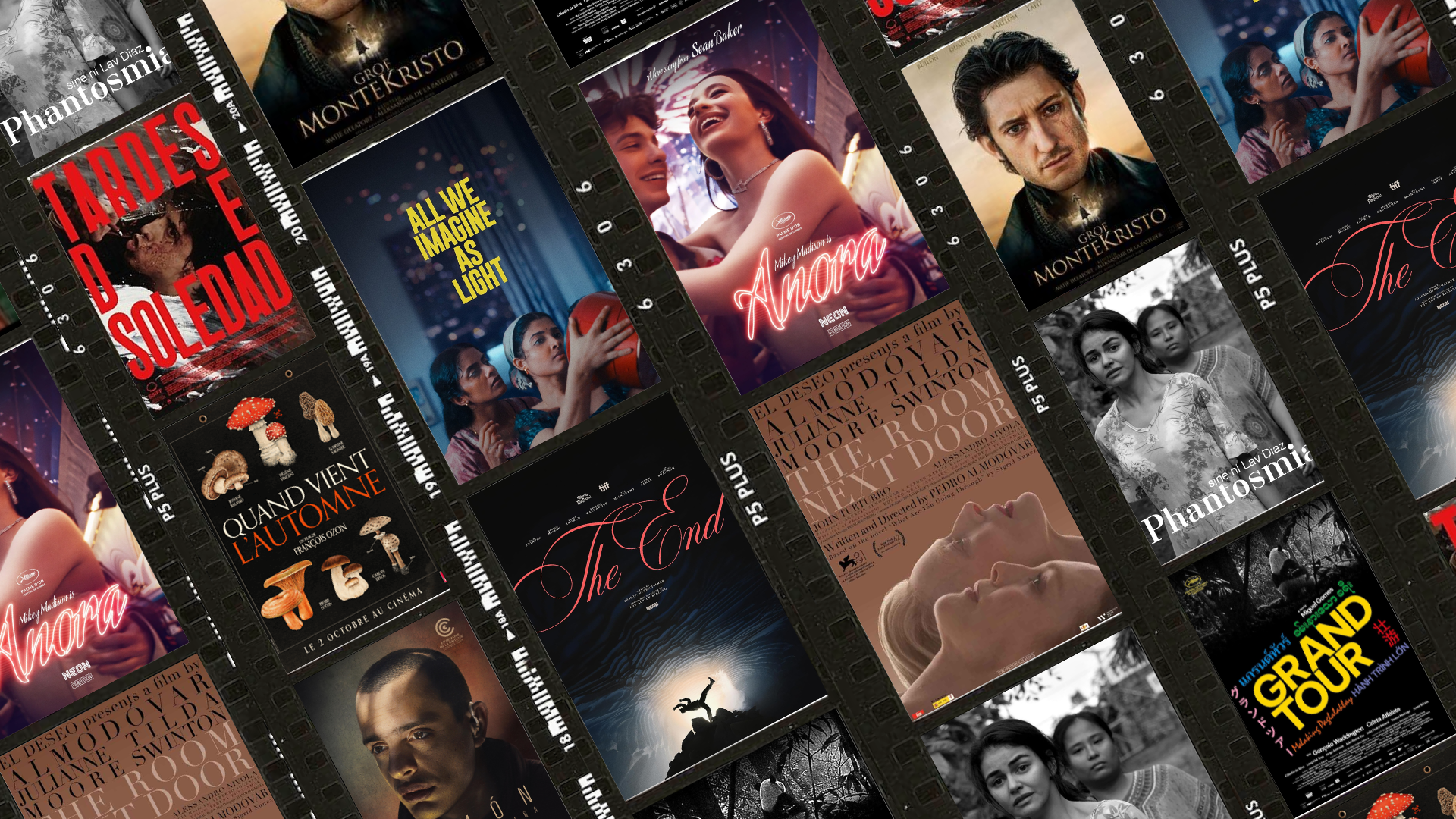
QCinema International Film Festival’s Screen International showcases the year’s most talked-about, award-winning films from around the world, carefully curated to engage audiences with diverse perspectives and distinct storytelling styles. This section features 10 films from world-renowned directors, each celebrated for their unique approaches and acclaimed works.
LOCAL NEWS
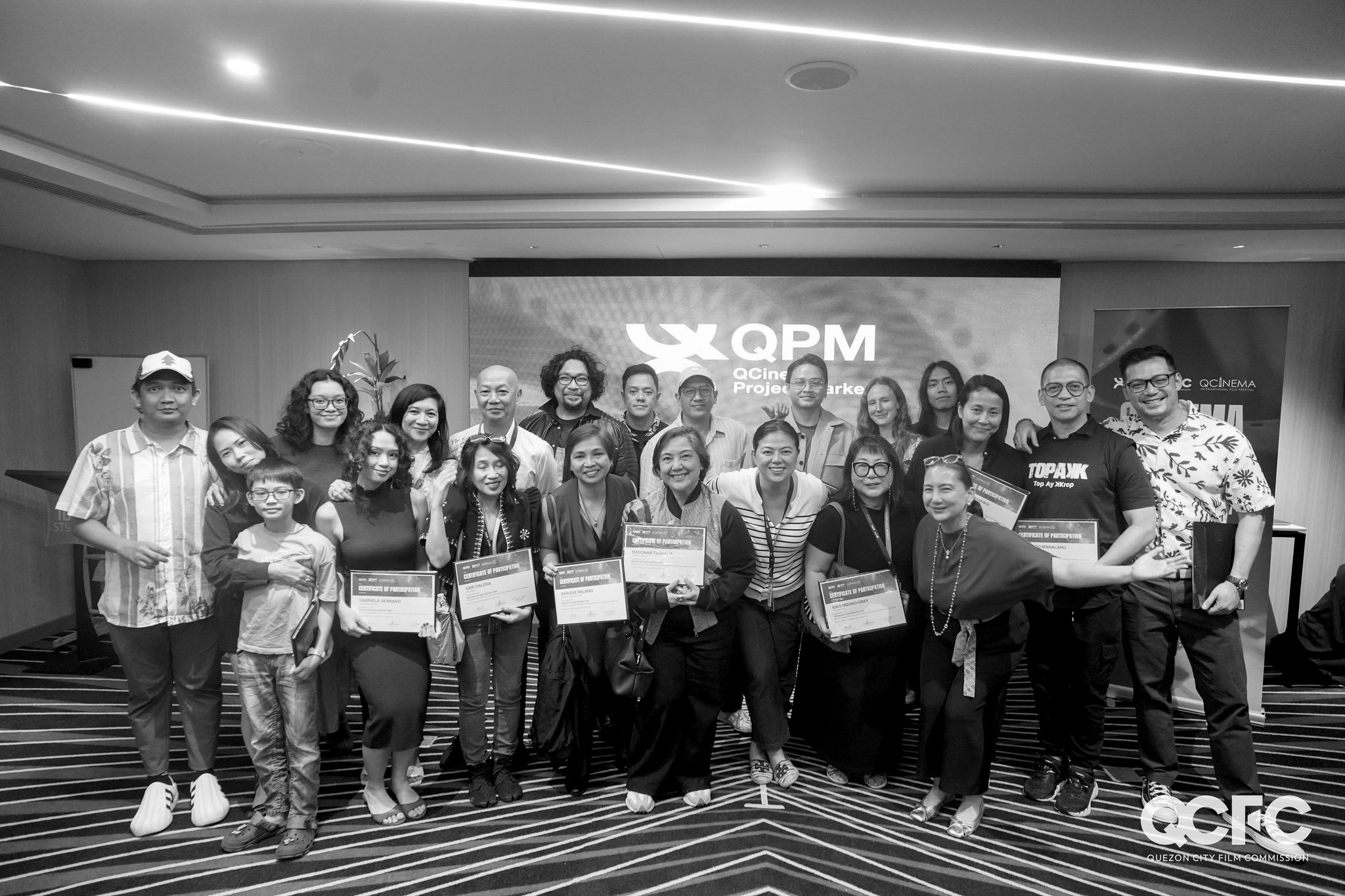
As QCinema’s official industry arm, the QCinema Project Market provided a platform for film professionals to breathe life into their upcoming projects. The market ran from November 14 to 16, 2024.
This year, QCinema invites its audience to look at cinema and its diverse perspectives. ‘The Gaze’ promises to be the most exciting time for cinephiles in the Philippines, boasting 77 titles that take us to Cannes, Venice, Berlin, and more.
ARCHIVES
Articles about previous iterations of the QCinema Film Festival can be found here!

Firmly planted in the lives of three Mumbai nurses in the lower-income part of the city, ‘All We Imagine as Light’ gently claims its place as one of the century’s most romantic films asserting that third world romances are worthy of the big screen.

‘Shahid’ is docu-fiction in feeble form, one that unfortunately limits itself to the prosaic presentations of symbols and signs, and so the film ends rather unfinished and unmoving, on a pulpit on its own.
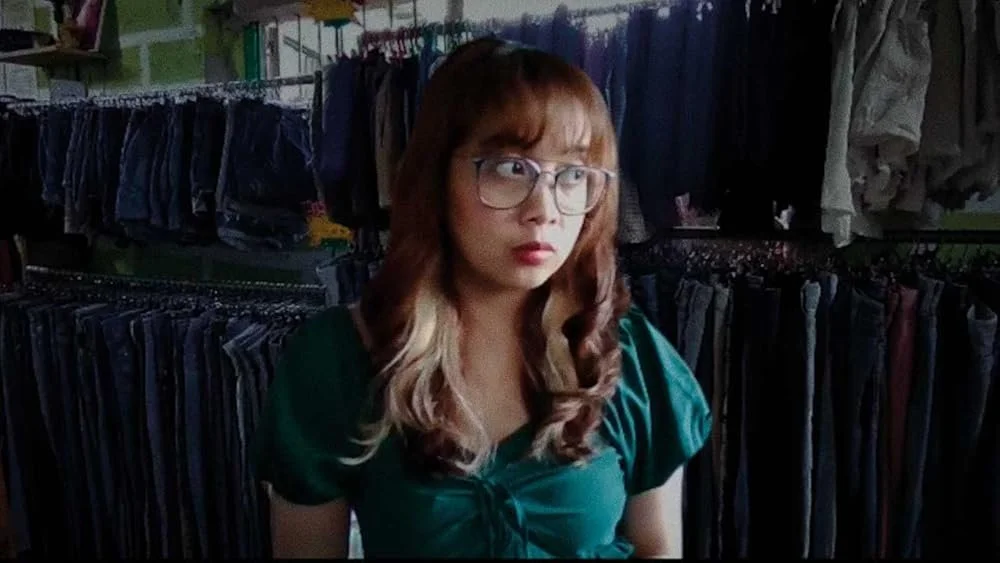
‘Room in a Crowd’ utilizes what is essentially a collective scattering of fragmented thoughts and musings to deliver an incredibly ethereal experience.

‘Lost Sabungeros’ suggests through interviews with insider whistleblowers that the criminal mastermind behind the violent disappearances within the e-sabong industry is the notorious gambling tycoon, Charlie “Atong” Ang.

Khavn’s new film, ‘Makamisa: Phantasm of Revenge,’ about the fragments of Jose Rizal’s work, is shot on expired film. It’s an acknowledgment of the faded, collective memory that plagues pre-war Filipino film history.

Across genres ranging from heartfelt drama to biting satire, the longing for acceptance, and the weight of class struggles, these local shorts continue to prove that QCinema is a lighthouse for talent and razor-sharp reflections of the national condition.

‘Simon of the Mountain’ should be an interesting film, given that its subject is rarely explored, but it falters in its execution because what's in the frame is far less interesting than what's not.

Delicatessen seamlessly fuses a urine-dyed post-apocalyptic world with the whimsy of humanity’s dispositions. It’s smart, zany, and fresh — just like a deli.

‘The Room Next Door’ tries to look for a meaning and purpose, but this unexpectedly turns out to be a theatrical therapy session going in circles.

Alice Rohrwacher’s magical realism-slash-heist film La Chimera is nothing short of dreamy and haunting, almost like a philosophical and spiritual Indiana Jones.
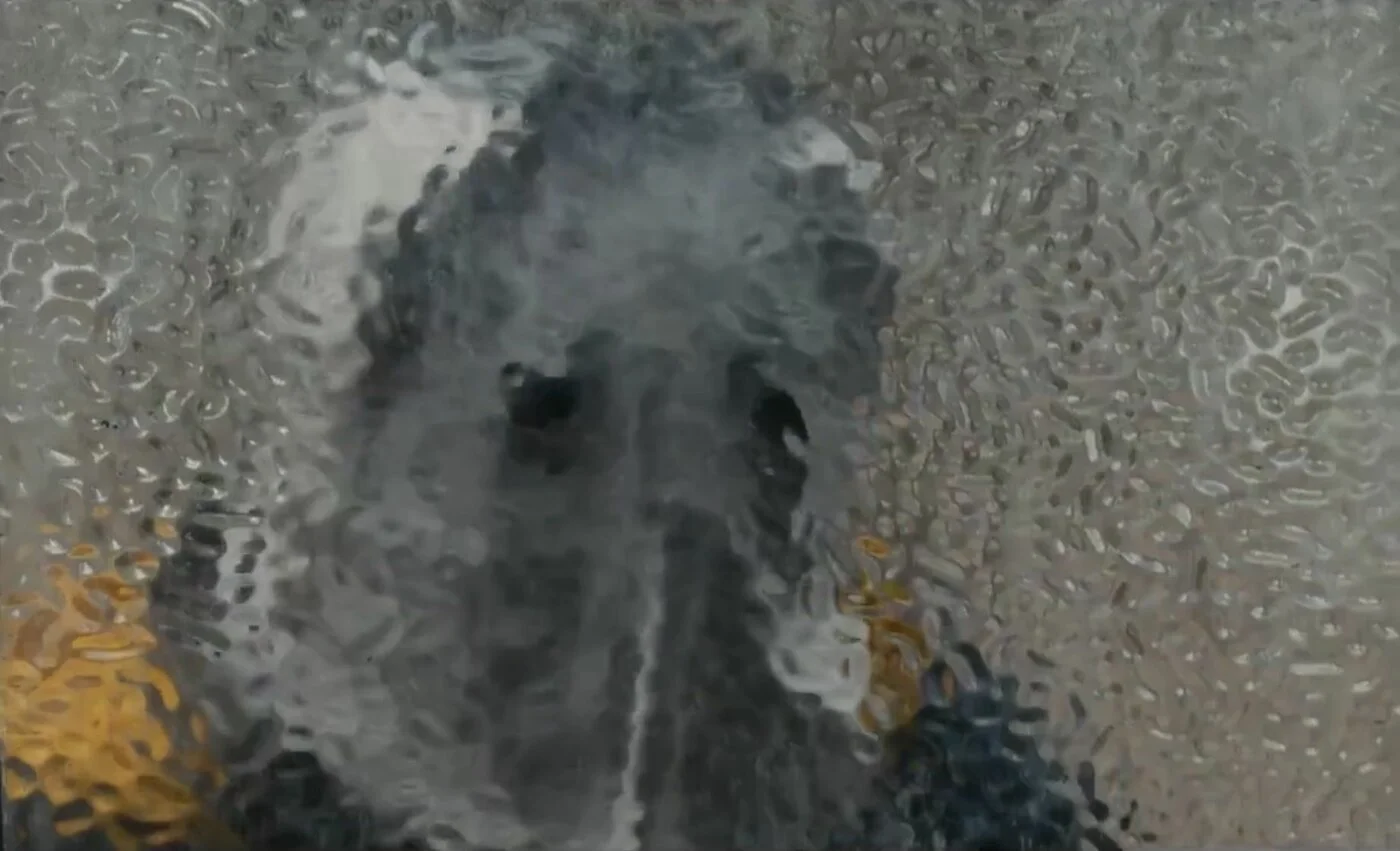
Kiyoshi Kurosawa creates a genre-bender, deftly blending elements of paranoia thriller, psychological horror, shoot ‘em up, and a surprising touch of dark comedy, creating something wholly unique when genre films have become predictable.

‘Happyend’ has this charm to it that resonates with you, even if you're no longer in your teenage years. Or better yet, it becomes a fitting experience of remembering who you once were.

QCinema’s inaugural Shorts Expo is an unevenly curated, but ultimately, necessary addition to the festival. There are many great shorts here, so hopefully, it can be expanded on further in its future editions.
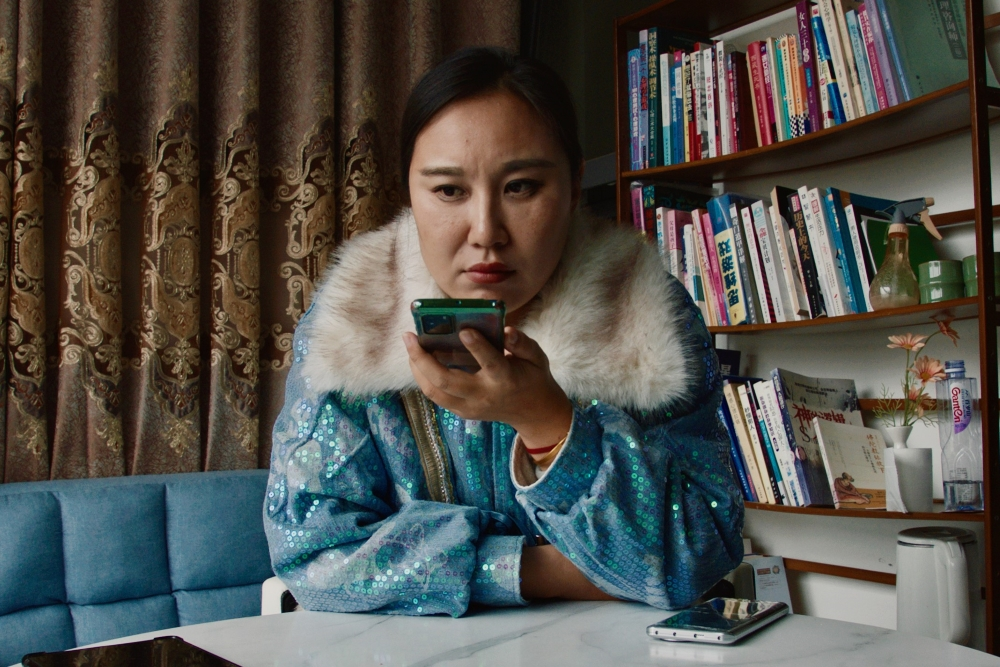
‘Mistress Dispeller’ opens with a disclaimer: everything you will witness on screen is true. What follows is a complicated yet real case of infidelity in which the wife seeks the help of an expert to save their marriage.

‘Tale of the Land’ is an ambitious attempt to connect societal issues such as forced displacement and familial trauma. It didn’t stick its landing, though it’s still serviceable.

‘Anora’ is a tale of two halves: the first half, in typical Sean Baker fashion, explores Ani’s daily life with a dash of romance that often leans into male fantasy. The second shifts to a cat-and-mouse chase with the supporting characters.

The film’s elegance cannot be disregarded, with how the ghosts of history loom by and large around its characters. ‘Cu Li Never Cries’ is almost like a faded memory, a transformed picture difficult to fully remember.

One may just be impressed to think how for a debut feature, ‘Don’t Cry Butterfly’ just seamlessly flows through everything so nicely. It’s an experience that leaves plenty to think about, whether it be in the creative decisions or the story.

‘Pierce’ hits with a flurry of blows for a story about a tense brotherhood. Its soul is laid bare, framed so disgustingly sharp that one can’t help but be glued to its madness.

‘The End’ wasn’t made to create sympathy for the ultra-rich anyway, but its direction is quite muddled and meaninglessly repetitive. It’s richly detached to a fault.

‘Lost Sabungeros’ suggests through interviews with insider whistleblowers that the criminal mastermind behind the violent disappearances within the e-sabong industry is the notorious gambling tycoon, Charlie “Atong” Ang.

‘When Fall is Coming’ only finds itself to be treated with some care, ending up another vapid attempt in one of Ozon's many to demystify the stable French countryside.

‘Moneyslapper’s’ brand of violence gets disgusting without ever firing a bullet. It is methodical, yet reckless; straightforward, yet deep.

Considering how Fassbinder carefully orchestrated the drama of the ‘The Bitter Tears of Petra Von Kant’ and framed the shots so beautifully, Ozon's ‘Peter Von Kant’ becomes inferior in nature.

Miko Revereza's Nowhere Near shows how colonialism erases entire people and structures, even lineages and histories. There's something so potent and human in this memoir about the fear of statelessness and colonial trauma. It is something so spiritual and metaphysical.
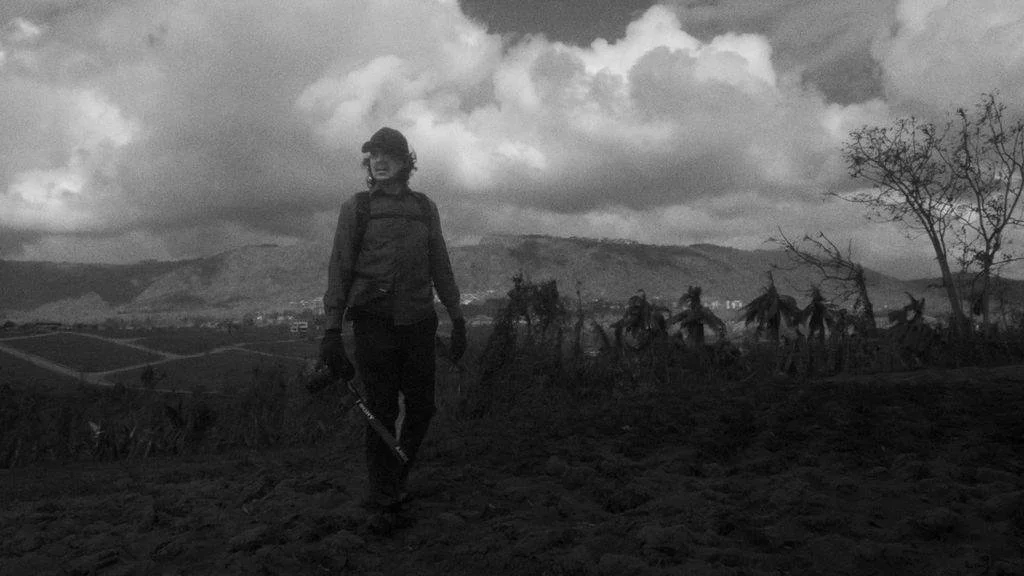
Essential Truths of the Lake finds Lav Diaz revisiting moments that are undoubtedly familiar. It’s a story that has been previously presented in more striking fashion, but its present iteration is still an adventure worth diving into.

Even though Love is a Gun is by far from redefining the neo-noir genre, there is still something enthralling about a forlorn man desperately in pursuit of rewriting his fate.

This year’s QCShorts are very promising. With entries from young filmmakers (and an indie film legend), these short films showcased in the festival capture the human experience in such unique and creative ways. In this article, we will be discussing all six entries, ranging from inescapable yearning and religious guilt to exploration of sexuality.

‘All of Us Strangers’ is a hymn for the lonesome, a saving grace that comes knocking at your door in the middle of the night. It is very personal, modern, and queer, tackling the long and winding road of grief but focusing more on its first stage—denial.

For a film about faith and questioning, I think it’s quite ingenious to use the medium of slow cinema to convey its themes because, in a way, there are a lot of commonality with each other in the sense that you have to be ready to embrace both, and you are willing to listen. And one can’t really force either, you have to devote yourself to it.

Hopefully more people would see this gem, with the knowledge of actually seeing Before, Now and Then instead of watching this because it was mistakenly projected.

Wong Kar-Wai’s new 4K restoration of “In the Mood for Love” mutes its ravishing reds and replaces it with a tint of ambivalent green. This shifts the mood from romance to ambivalence, with more of a focus on each character’s individual processing of trauma and less on their warm connection with one another. It also further amplifies its sense of tragedy.
