
‘Huling Liham’: The Last to Forget, the First to Remember

History textbooks love neat timelines. They give us dates, battles, treaties, and names of generals, making the past look like a collection of events we only need to memorize. But behind every historical milestone are ordinary people whose lives were changed forever; People who fell in love, made promises, and looked forward to futures they never got to have.
Written and directed by Katherine Nobleza-Estavillo, Huling Liham was staged by Tanghalang SLU at Saint Louis University in Baguio City. Originally written in 2019, its return to the stage reminds us that some stories never really lose their relevance, and that there are people in our history who should never be forgotten.
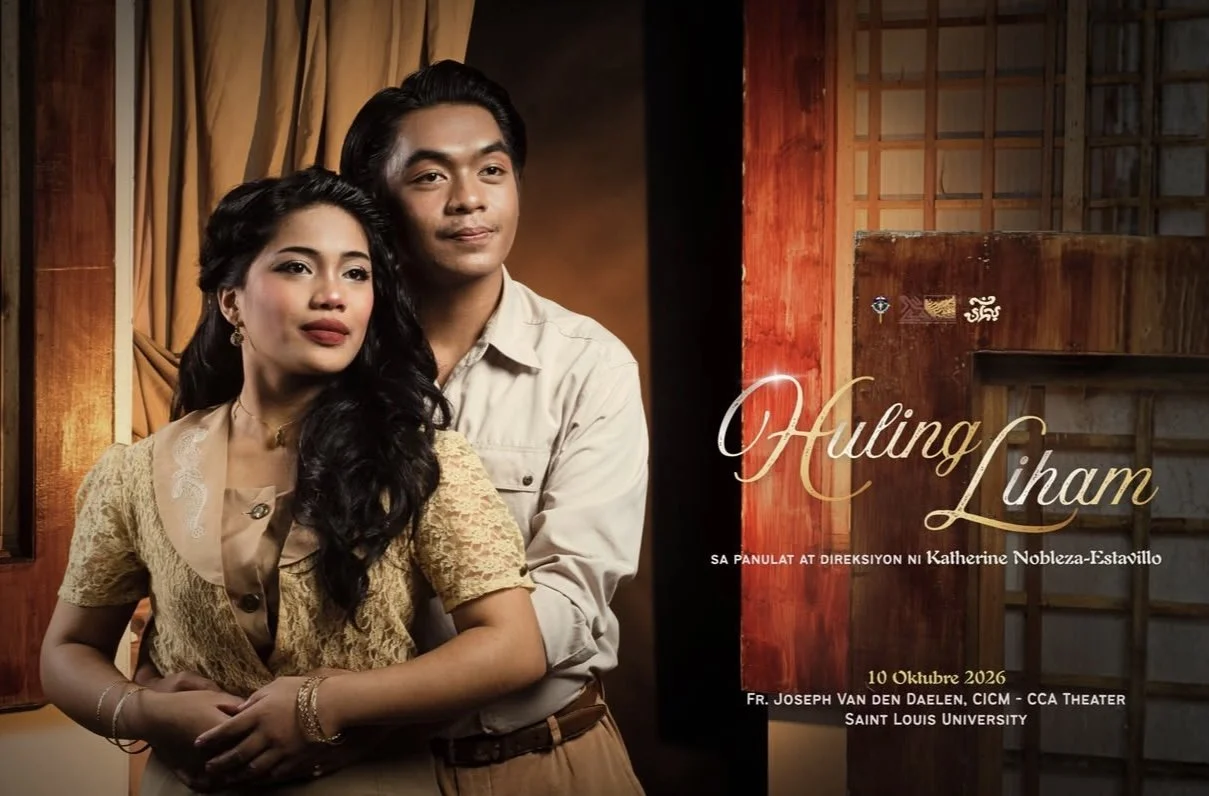
Huling Liham official banner poster | Photo by Tanghalang SLU
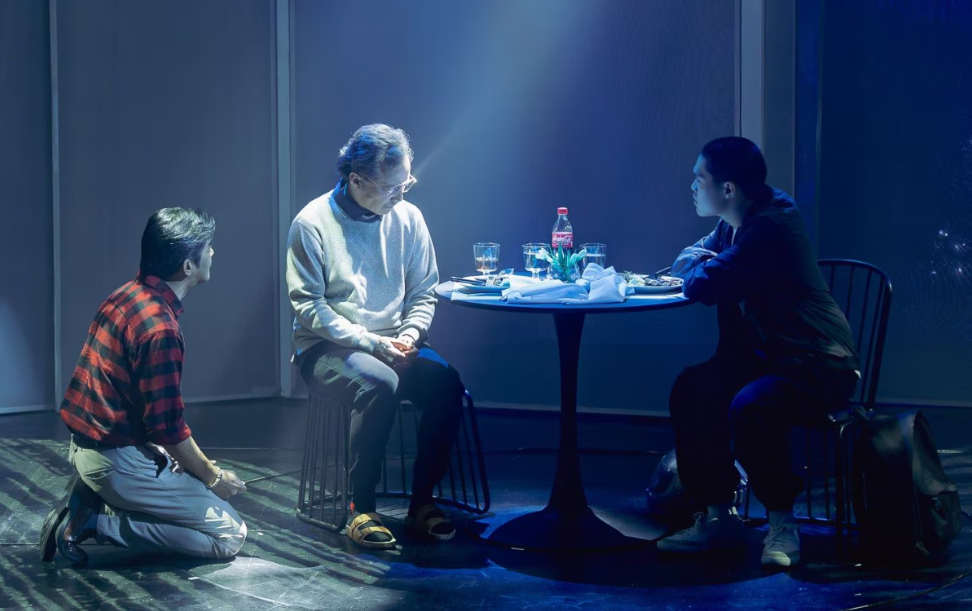
Set during the Japanese occupation of the Philippines in World War II, Huling Liham follows Gabriel and Leonora, two lovers separated by war. With no certainty of when, or whether, they would see each other again, letters became their only way of holding on to one another. More than ink on paper, their letters carried their hopes, promises, and dreams of being together again.
But what happens when the person you have been waiting for never comes home?
Not every story ends with a reunion. Sometimes all that remains is an unanswered letter, an unfulfilled promise, and a space at the table that nobody knows how to fill. Through the alternating performances of Jasper Vince Almoite and Kurt Vince Tamayo as Gabriel, and Chelsea Khate Dumawat and Margaret Fernandez as Leonora, the play brings this quiet grief to life, reminding us that the consequences of war do not end when the fighting stops. They linger in the lives of those left behind and in the memories passed down through generations.
Other than its interrupted romance, Huling Liham also brings us face to face with a painful part of our history: the Filipina comfort women who were subjected to sexual slavery by the Japanese Imperial Army.
Their experiences should never be reduced to footnotes in our history books. They were not merely witnesses of the war, nor were they just characters in a historical narrative; they were human beings, women who endured unimaginable suffering and fought battles of their own.
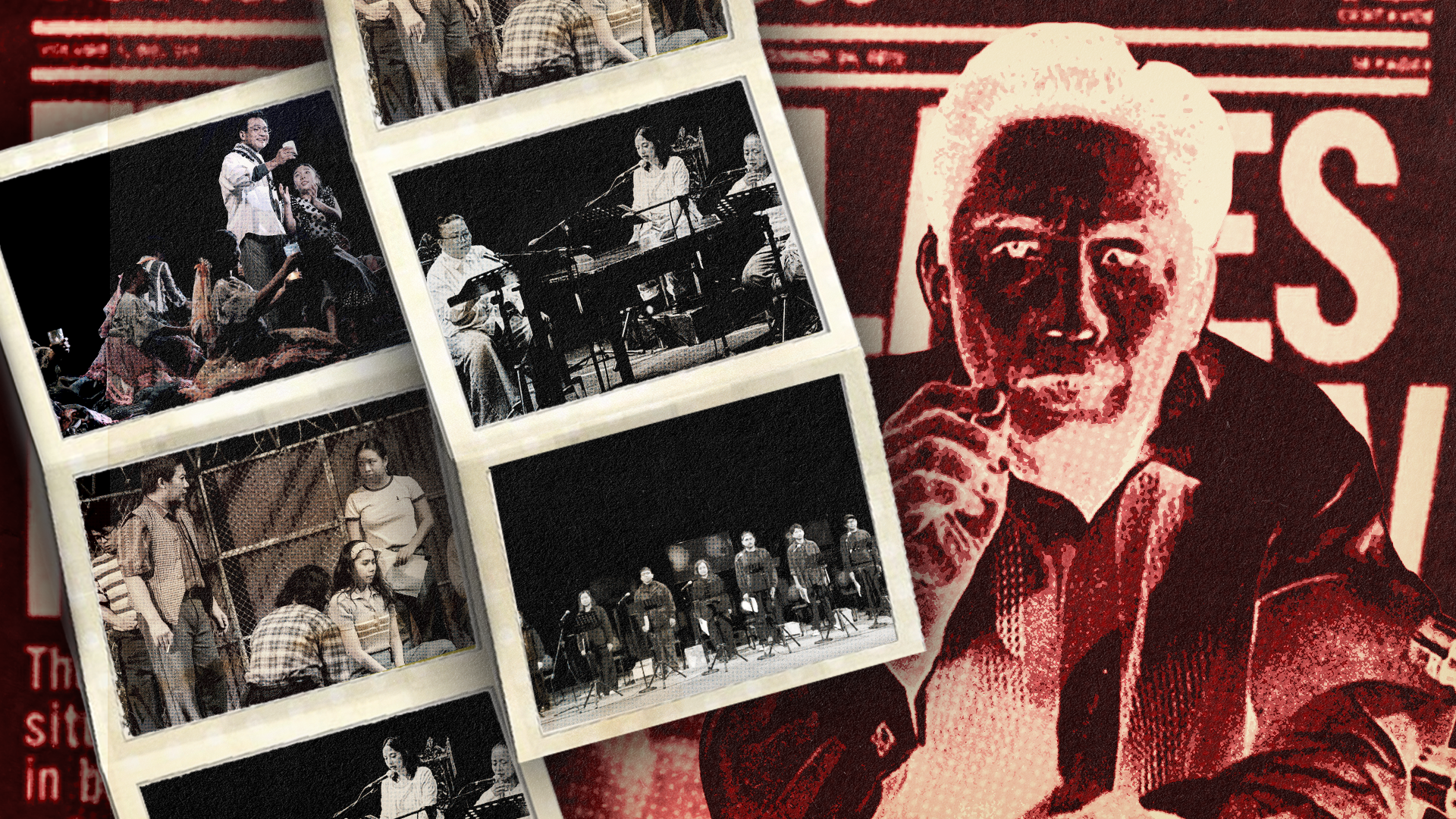
Now even remembering them has become a struggle: In 2018, a monument honoring Filipina comfort women in Manila was dismantled amid plans for a flood control project, raising questions about how we preserve the painful parts of our history.What does it mean to remember these women if the very spaces that honor them can disappear?
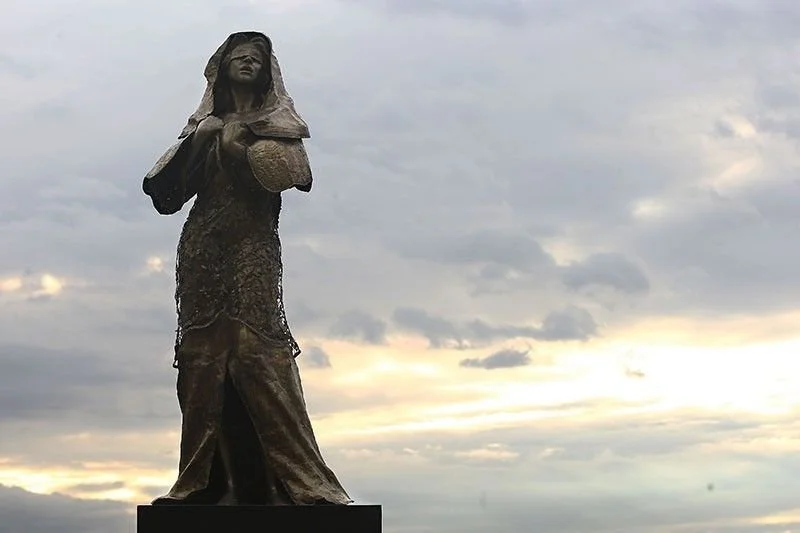
The dismantled 7-foot bronze Filipina Comfort Women statue along the Baywalk on Roxas Boulevard | Photo by Philippine Star
No flood control project can wash away the memory of Filipina comfort women.
A monument can be dismantled, but the suffering it represents cannot simply be erased. These women deserve more than occasional recognition. Their stories deserve to be remembered with dignity and included in our conversations about war, justice, and the responsibility we carry as the generations that come after them.
We cannot talk about progress while leaving behind the people whose stories make us uncomfortable. Remembering is not about refusing to move forward; it is about making sure we know what we are moving forward from.
And this matters now more than ever. As the years pass, fewer and fewer of the people who lived through World War II remain with us. Soon, there may come a time when we can no longer sit across from them, listen to their stories firsthand, or ask the questions we should have asked while we still had the chance. That is why remembering them is no longer just a responsibility. It is a race against time, a promise to the people who came before us that their lives, their suffering, and their stories will not disappear simply because the world has moved on.
What remains will be the archives, photographs, textbooks, and stories we have chosen to preserve. And when the last voices fall silent, it will be up to us to make sure their stories do not fall silent with them.
This is where theater and art become important.
There is a difference between reading about a tragedy and watching someone bring its grief to life onstage. A date on a page can feel distant, but an actor’s trembling voice or a character waiting for someone who will never return makes history painfully real. Theater gives human faces to the events we often reduce to dates and statistics.
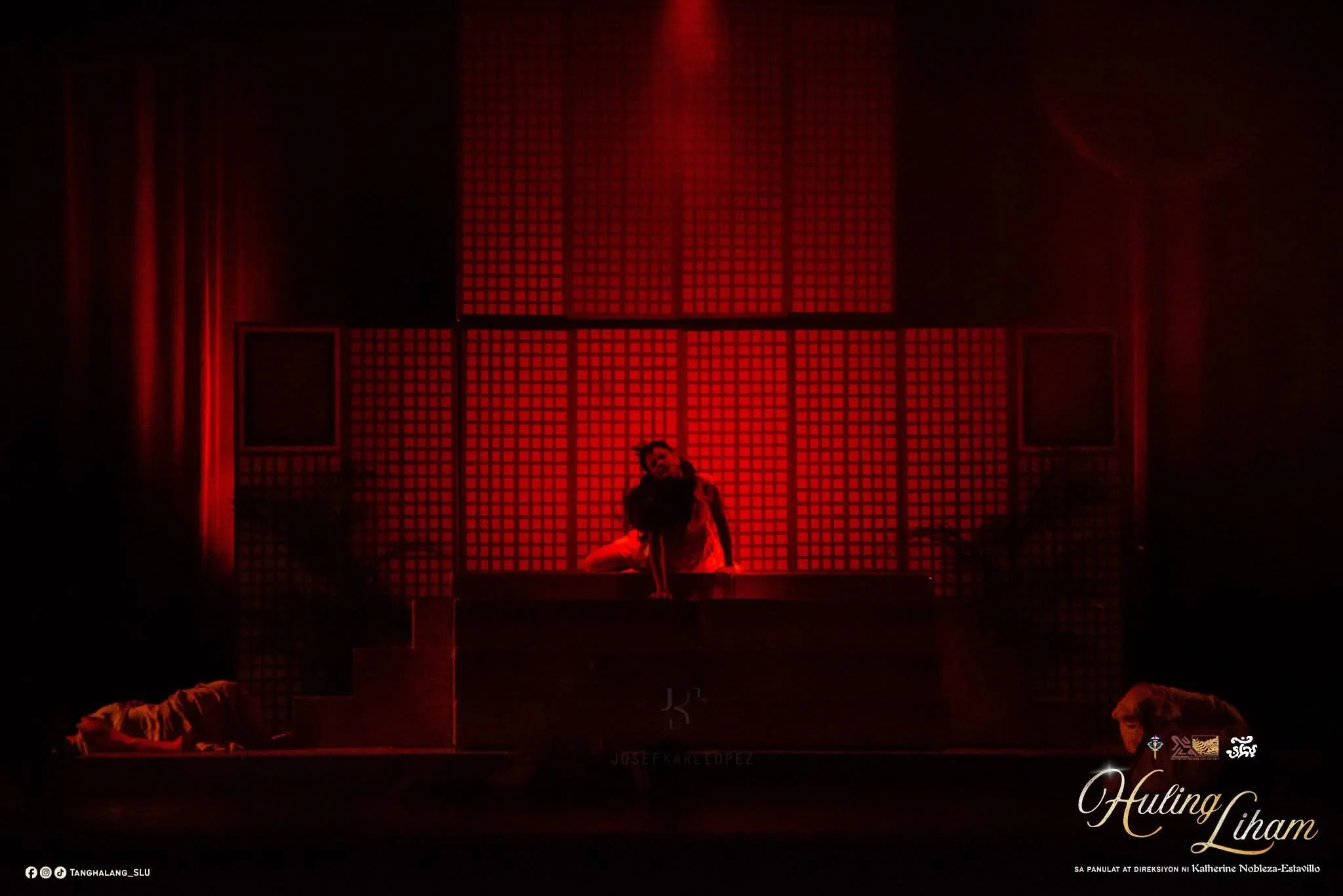
Photo by Tanghalang SLU (Josef Karl Lopez)
Huling Liham reminds manages to humanize the people behind the history through the way Katherine Nobleza-Estavillo penned the play. First written way back 2019, the play only centers on the love, yearning, and loss shared by Gabriel and Leonora before eventually expanding it into a two-act play that also shed a light and gives voice to the Filipina comfort women during the Japanese occupation in the Philippines.
Rather than allowing these women to be remembered solely for the violence they’ve been through, it allows us to remember that they were people with dreams, lives, and identities beyond their suffering. By bringing their their experiences to the stage and showing their lives prior the war. The play restores a sense of humanity to women whose voices were long silenced. They deserved to be remembered with compassion, dignity, and respect. It honors not only the lives forever altered by the war but also the women themselves, who deserved to be remembered and recognized as more than a tragedy and a survivor.
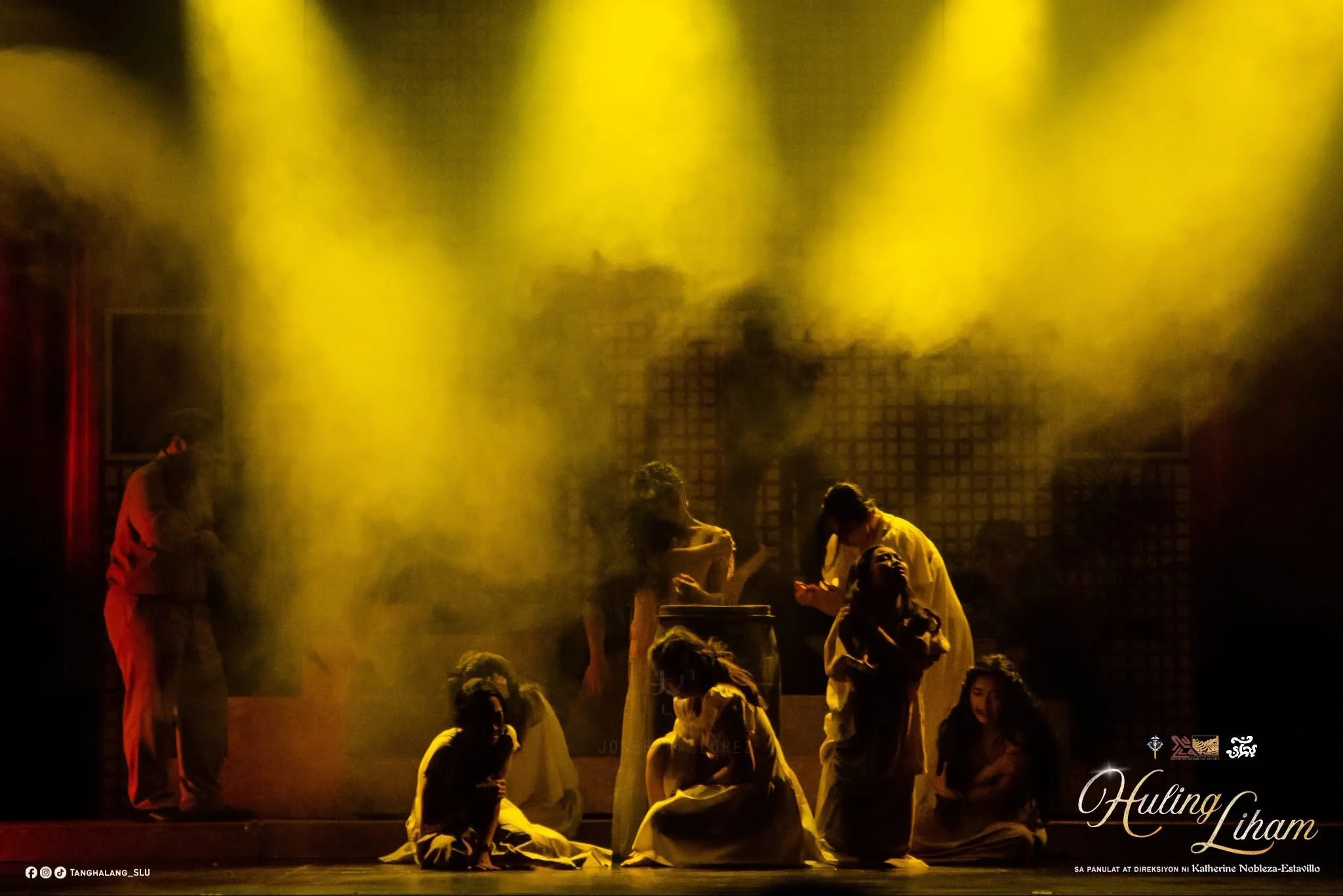
Photo by Tanghalang SLU (Josef Karl Lopez)
A play can inspire someone to revisit a forgotten story, question what they were taught, or understand why a monument matters. Art does not replace historical records, but it can keep conversations alive when memory itself becomes contested.
Remembering is a choice. It means refusing to let time erase the people who suffered, even when there is no one left to tell their stories firsthand. It means taking responsibility for the histories we inherit, especially those that are painful to confront and easier to leave behind.
Some letters are too important to throw away. Some stories are too important to silence. And some histories are too important to forget.
The past survives because we choose to remember it, continue telling its stories, and refuse to let the people who lived through it disappear from our collective memory.
People will remember, as long as art is alive.