
Stage of resistance and memory: Four plays remembering Martial Law
Stage of resistance and memory: Four plays remembering Martial Law


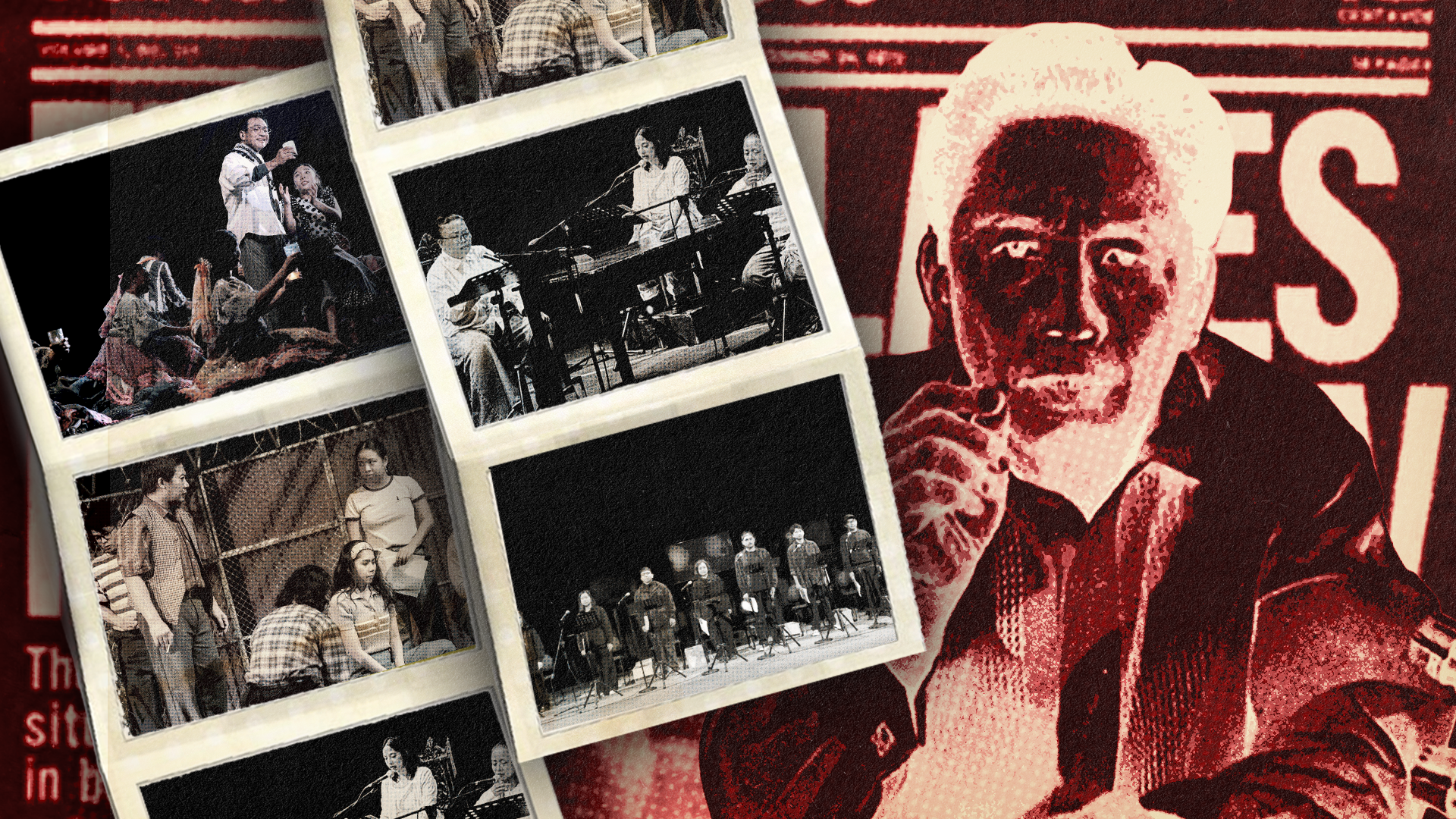
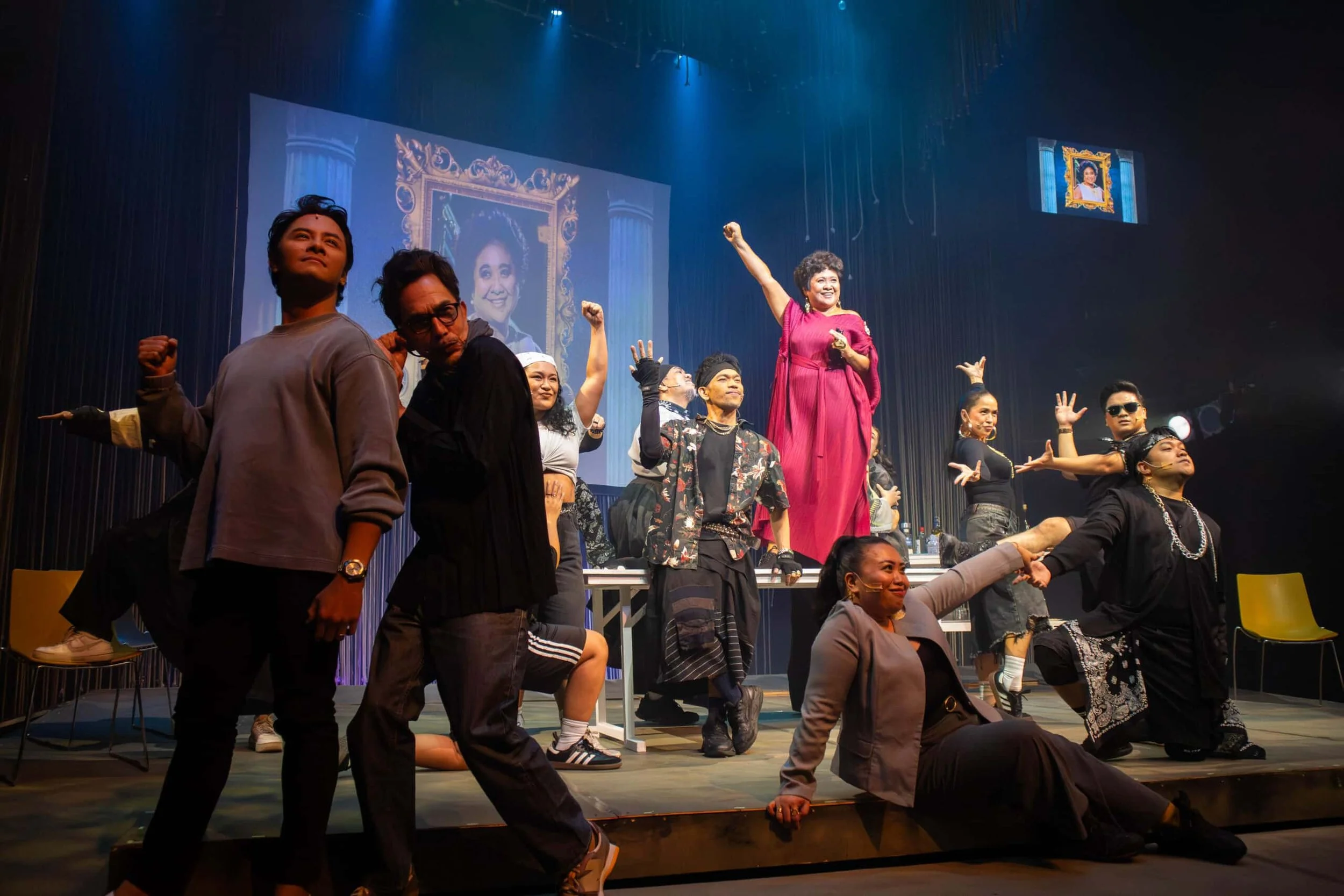
We are living through yet again another Marcos administration that offers nothing but suffering to the Filipino people. As the administration quietly tries to scrub away the mistakes made by Marcos Sr., artists are motivated more than ever to never let people forget of the atrocities committed and being committed by the family. And the theater has always been an avenue for artists to express and remember. Plays like Lean: A Filipino Musical and Game of Trolls have covered this grim part of history through theater in such a unique way.
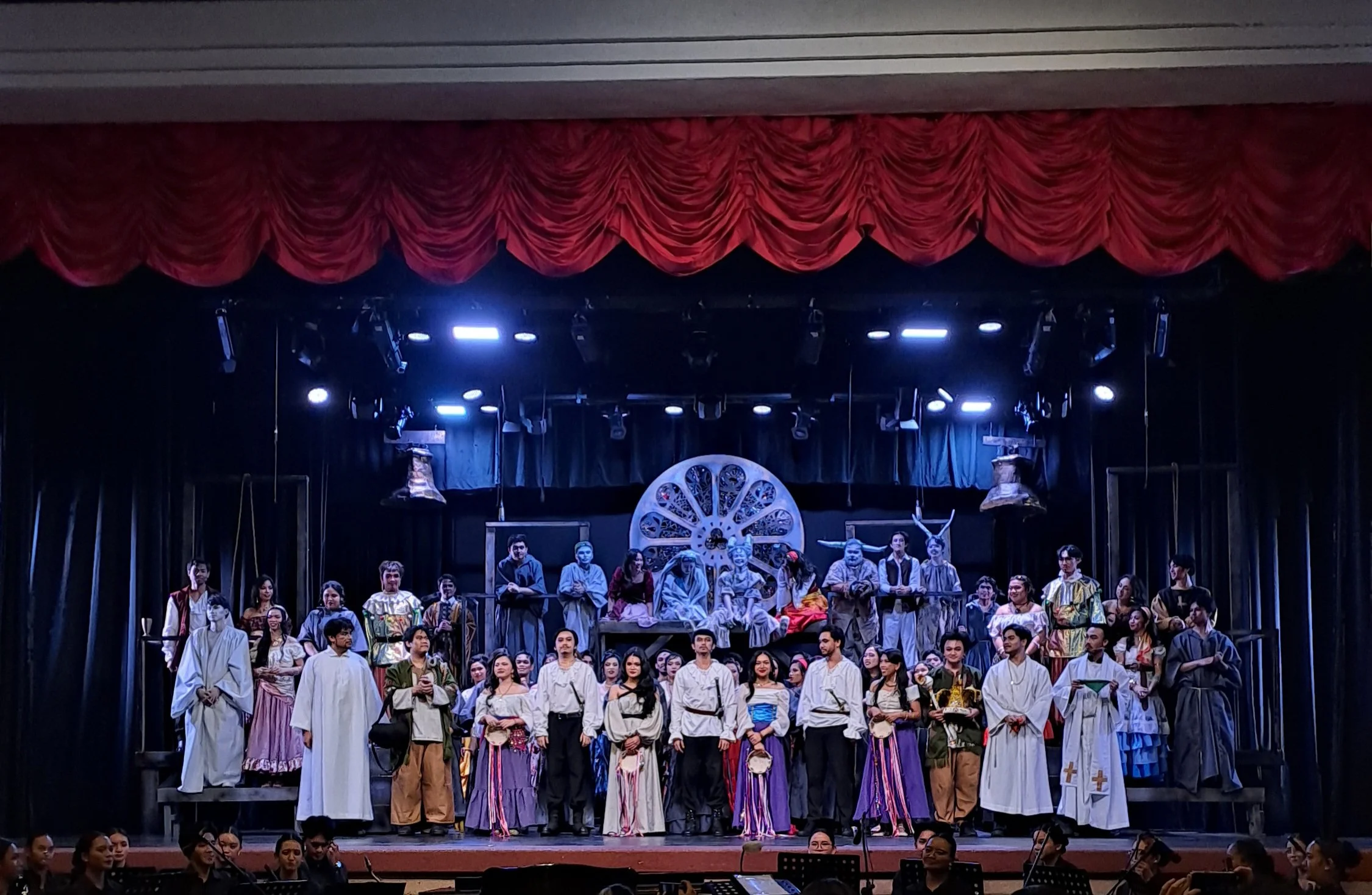
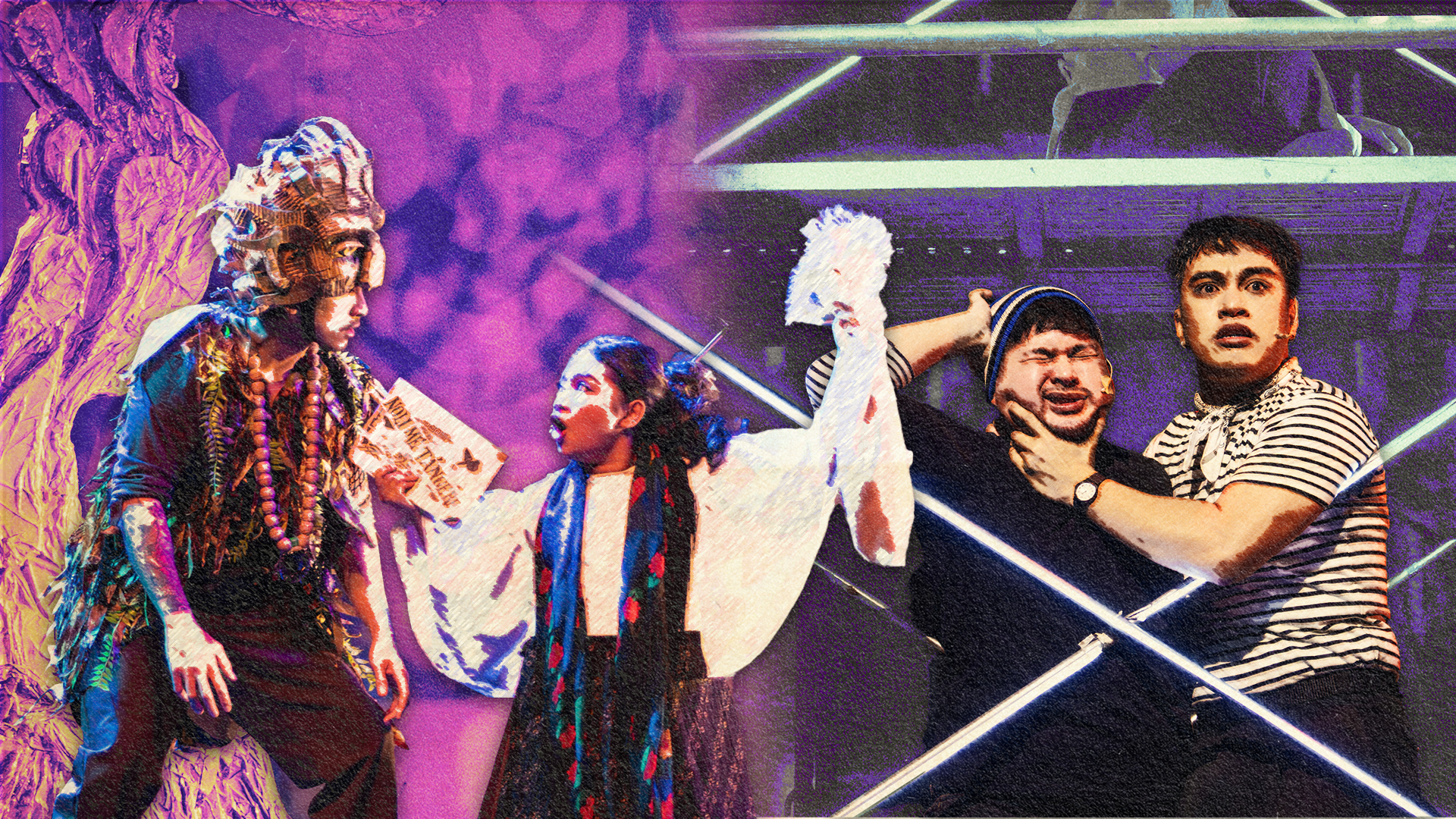
Last September, many productions have transported us back to the past to let us take a look at the lives of the people living under a tyrannical rule. They all have different approaches to remembering, either through music or through heavy prose, that are truly worth watching.
Arete’s Subversive Lives
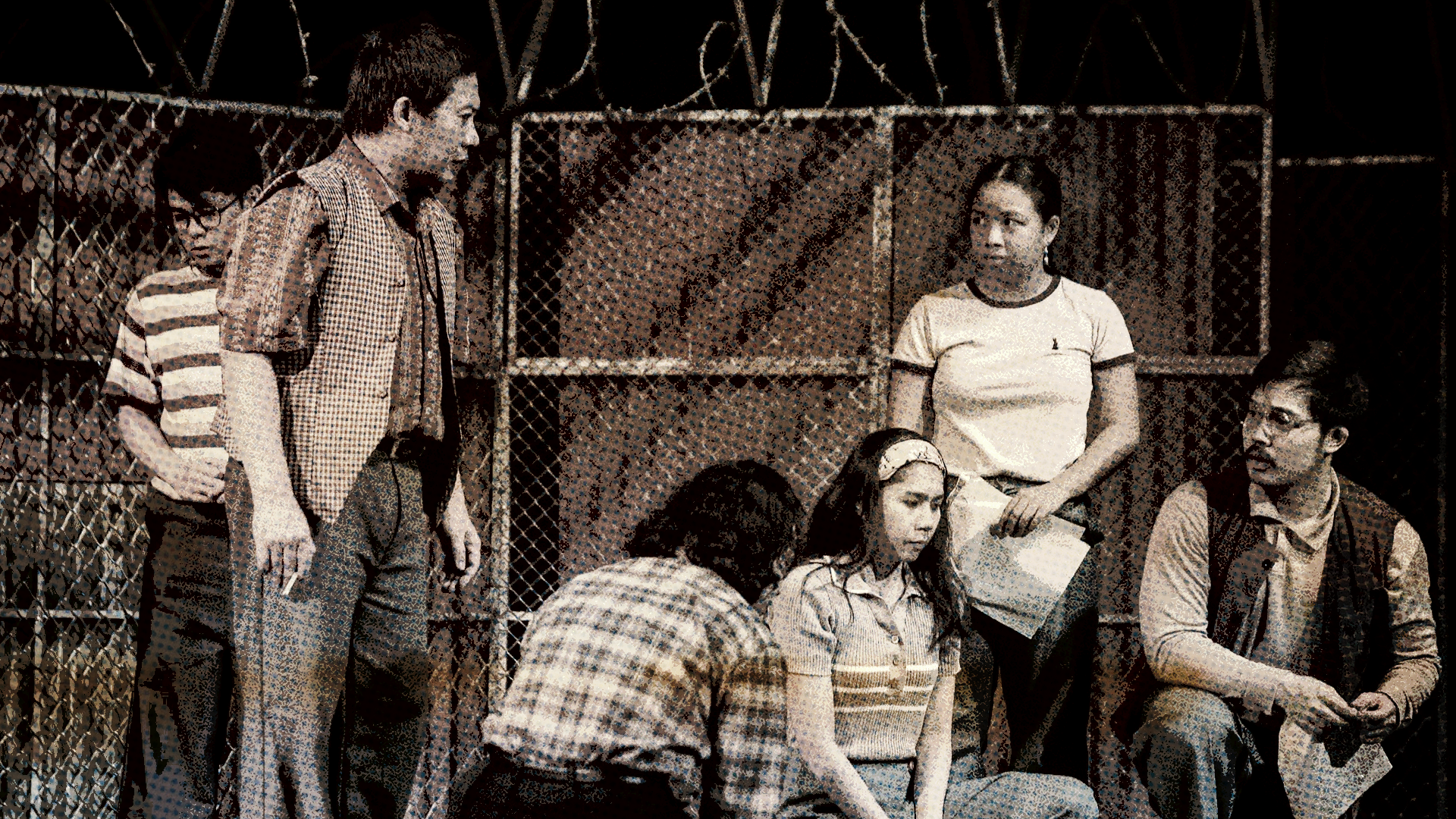
The efforts made by our revolutionaries and activists from the past millennia are never lost in history. As for the fallen comrades, their families strive to make their memories remembered as misinformation becomes more rampant, tarnishing all the efforts they made for a better future.
In Subversive Lives, we take a peak at the lives of Quimpo siblings as they are radicalized bit by bit by the realities that hound their everyday lives.. We see the world through the eyes of Susan Quimpo as she tries to persuade her siblings to remember. All the good days they experienced during their activist days as well as the bad parts of it, from being detained and getting tortured to eventually being betrayed by one of their comrades. The youngest Quimpo sibling turned to writing to remember and difficult as it may be, her siblings eventually joined her.
I found myself purchasing the book this was based on and immediately became much more drawn into their lives. For a material that is densely loaded with history and information, the play managed to condense it into an engrossing two hour and 15 minute narrative. You become immersed to it, huge thanks to the masterfully stage direction of Delphine Buencamino. The fully utilized space of Doreen Blackbox Theater reminded of Porvenir’s production of El Fuego del Alma this year, where the production also used Sine Pop’s architecture to its full capacity. Audiences positioned in the middle are seated in a swivel chair that allows them to view the roundabout staging properly. It never felt like a gimmick for this allows the audience to be put in a state of urgency, one that the characters in the play experienced during the Martial Law era.
Tanghalang Pilipino’s Sayaw ng mga Ilaw
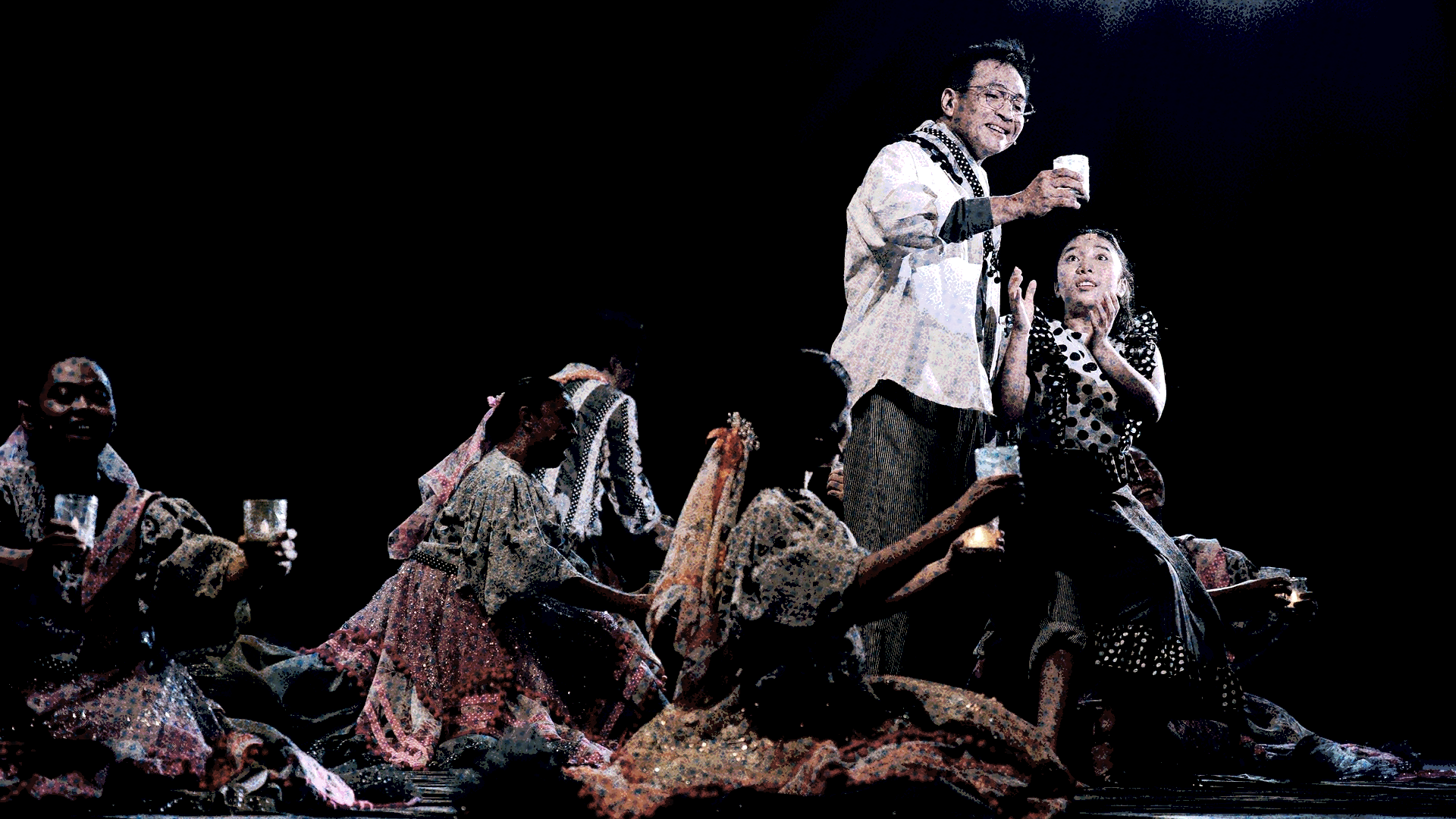
There are histories that survive in books, and there are histories that survive because people keep finding ways to retell them. Theater has its own way of doing this. It gives memory a body, a voice, a room to occupy. Watching works like Sayaw ng mga Ilaw and Desaparecidos, along with staged readings that return to the violence and absences of Martial Law, made that feel especially clear. These productions are asking what happens to a country when remembering becomes difficult, inconvenient, or deliberately contested.
Sayaw ng mga Ilaw approaches history through grief. The collapse of the Manila Film Center is already a tragedy written into public memory, but the play brings it closer by allowing loss to exist inside a family rather than only inside a historical record. What lingers is the sense that national tragedies are never experienced in the abstract. They enter homes, alter relationships, and leave people carrying consequences long after the event itself has passed.
The clothes hanging above the stage become especially haunting in that context. They suggest lives that once had shape and presence, but have since been reduced to traces. Without bodies inside them, the garments feel suspended between absence and remembrance, almost like names history has failed to hold onto properly. Their emptiness says as much as any line of dialogue: forgetting does not erase what happened, it only makes the people who suffered easier to overlook.
Scene Change’s Villa and Desaparesidos
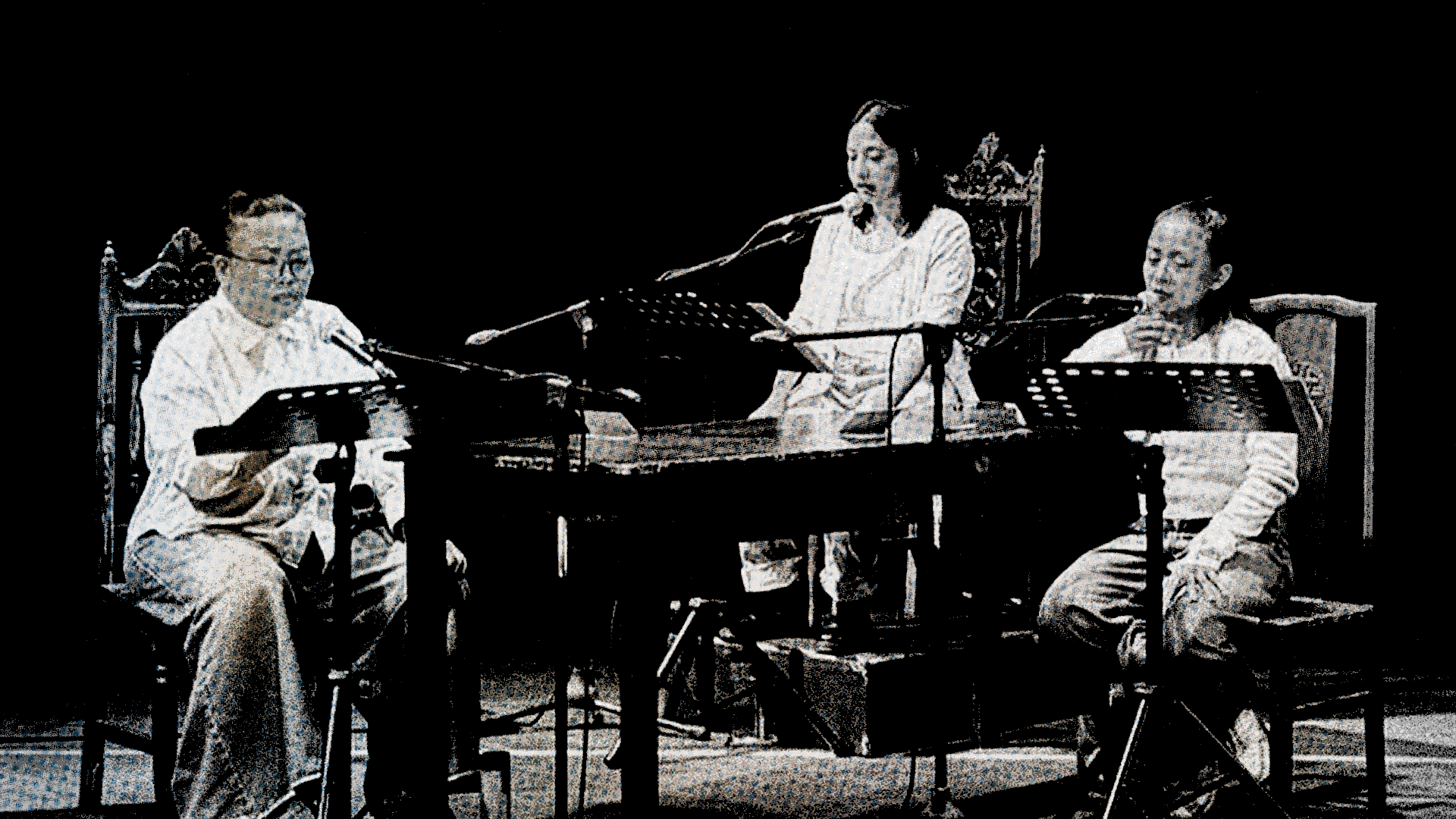
How do we honor the victims of such a traumatic time? Must we leave the place of torture in ruins? Must we rebuild it in its former glory? Or should we build a museum in their commemoration? That is the question poised to the audience and to the characters in Villa. Out of everything that was presented here in this article, this play never took place during our country’s martial law. The play follows three Chilean women, all named Alejandra, as they discuss the decision over how Villa Grimaldi should be memorialized.
For context, Villa Grimaldi is a real-life site in Chile which was famously used during Augusto Pinochet’s dictatorship as a detention center where political prisoners were held, tortured, and killed. The original structure in the site was demolished and what sits today in the site is a peace park built in commemoration of the victims of the regime.
In every turn, either one of them conspires to sway the opinion to another direction that makes their decision-making even longer, leaving them in total distress. Each one has a different idea how a place, originally dedicated for inflicting pain on those who oppose the regime, could serve a purpose to remember. One wants to feel peace, the other wants to inform others of the suffering through installations, and earlier, one wants to sensationalize the history by making it a horror house. Ultimately, they came to an understanding on how they could pay tribute to the fallen.
Similarly, this is what Filipinos have been through during the dictatorship of the late Marcos Sr., so it was to no shock of any that the play translated well to the Filipino audience. Activists became political prisoners and the military did whatever it took to get the information out of them, even if it meant killing them. The Filipino translation by Giancarlo Abrahan was nothing short of spectacular and respectful to the origin of the source material. While it was only a staged reading, Martha Comia, Ness Roque and Meann Espinosa were able to convey the message of the play in such intensity.
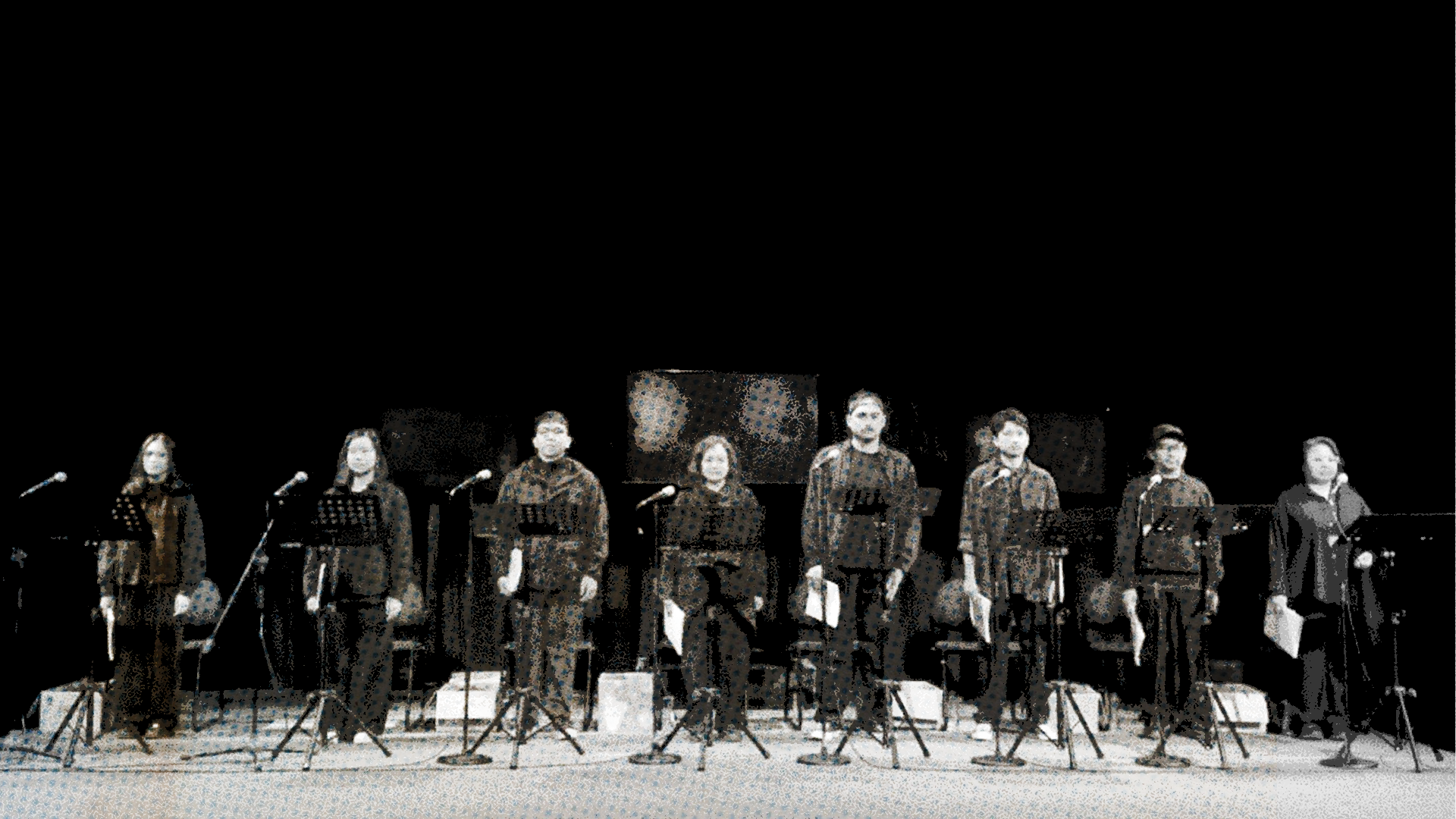
For the last of Scene Change’s staged readings, Desaparesidos confronts memory differently. Its most difficult moments depend less on what is shown than on what the audience is forced to imagine, especially in scenes where torture and sexual violence remain offstage. That restraint makes the experience harder to distance from because the mind has to complete what the stage refuses to display. The result is deeply unsettling, but that discomfort feels tied to the work’s larger purpose: to refuse the sanitizing of a period defined by fear, abuse, disappearance, and lives permanently altered by state violence.
Lualhati Bautista once wrote in Desaparesidos wishing there were an operation capable of removing painful memories from the mind and heart. The thought captures something difficult about remembering Martial Law: memory can wound, but forgetting carries its own consequence. Remembering is itself a decision, so is looking away. These productions remind us that history does not stay intact on its own; it survives because people continue to speak about it, stage it, write about it, and give the disappeared and the dead a place in the present. Art cannot return what was lost, but it can keep loss from becoming anonymous.