
Saliduwa Film Fest Goes Playful, Experimental in Its First-Ever Release

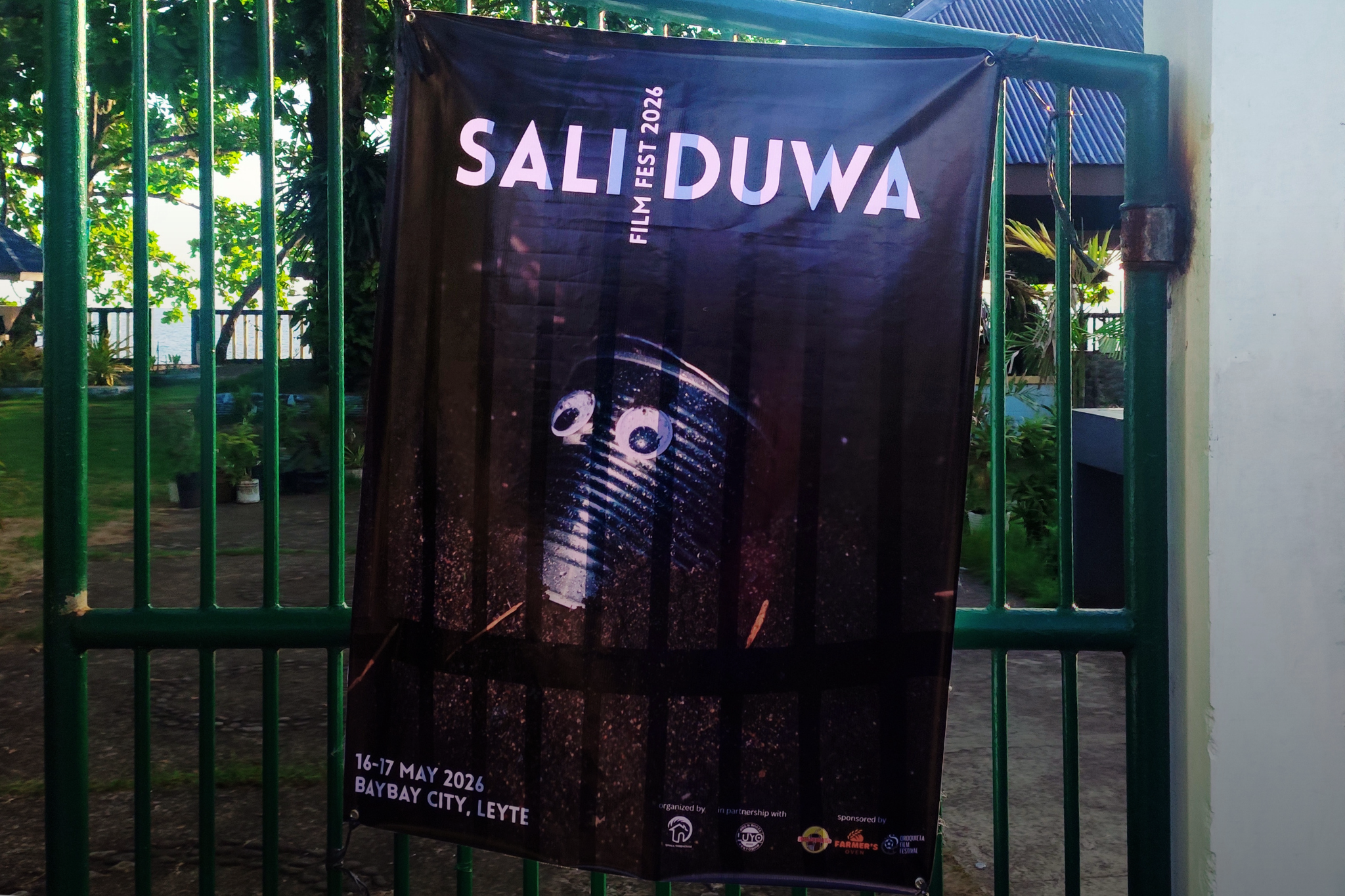
The official poster of the 1st Saliduwa Film Fest plastered at the entrance gate of the festival’s beach venue
BAYBAY CITY — In a region where the silent but persistent film culture resides, the first-ever release of the Saliduwa Film Fest transformed the City of Baybay into an avenue of experimental playground for local cinema.
Featuring twenty-two (22) short films from various regions of the Philippines, the Saliduwa Film Fest is a two-day event which took place on May 16–17, 2026. The event provided an opening for unorthodox and experimental approaches in storytelling, finding its way to the big screen. In an effort to become an advent of support to Leyte's underappreciated film industry, the festival establishes a communal space through free screenings and workshops.
Saliduwa borrows its name from the Bisaya terms salida (film) and duwa (play), and creates an atmosphere that is deeply local. Filmmakers, viewers, and volunteers get together not only to watch movies but also to re-establish connections with stories that are deeply ingrained in their local identities, which desires to foster a feeling of community. The festival hopes to create a chance where regional filmmakers can exhibit their works annually.
Although smaller in scale and more intimate in its storytelling, the film festival becomes a stark opposition to the larger film festivals occurring at the same time. Despite the limited funding it has, the festival opened its doors to anyone who wished to watch, screening all 22 short films free of charge.
For Baybay and the rest of Leyte, Saliduwa carried significance beyond cinema itself. It served as an attempt to reignite the region’s persistent yet underrecognized film culture, allowing leeway for local filmmakers whose voices are often unheard and underrepresented.
A Festival Rooted in Play
The theme of Saliduwa pays homage to the traditional Filipino street games often played during childhood. Inspired by the Patintero, Taya, and Sipa, these traditional childhood games have long forged Filipino childhood identity, and divided the festival’s screening sections into categories that embodied such personalities.
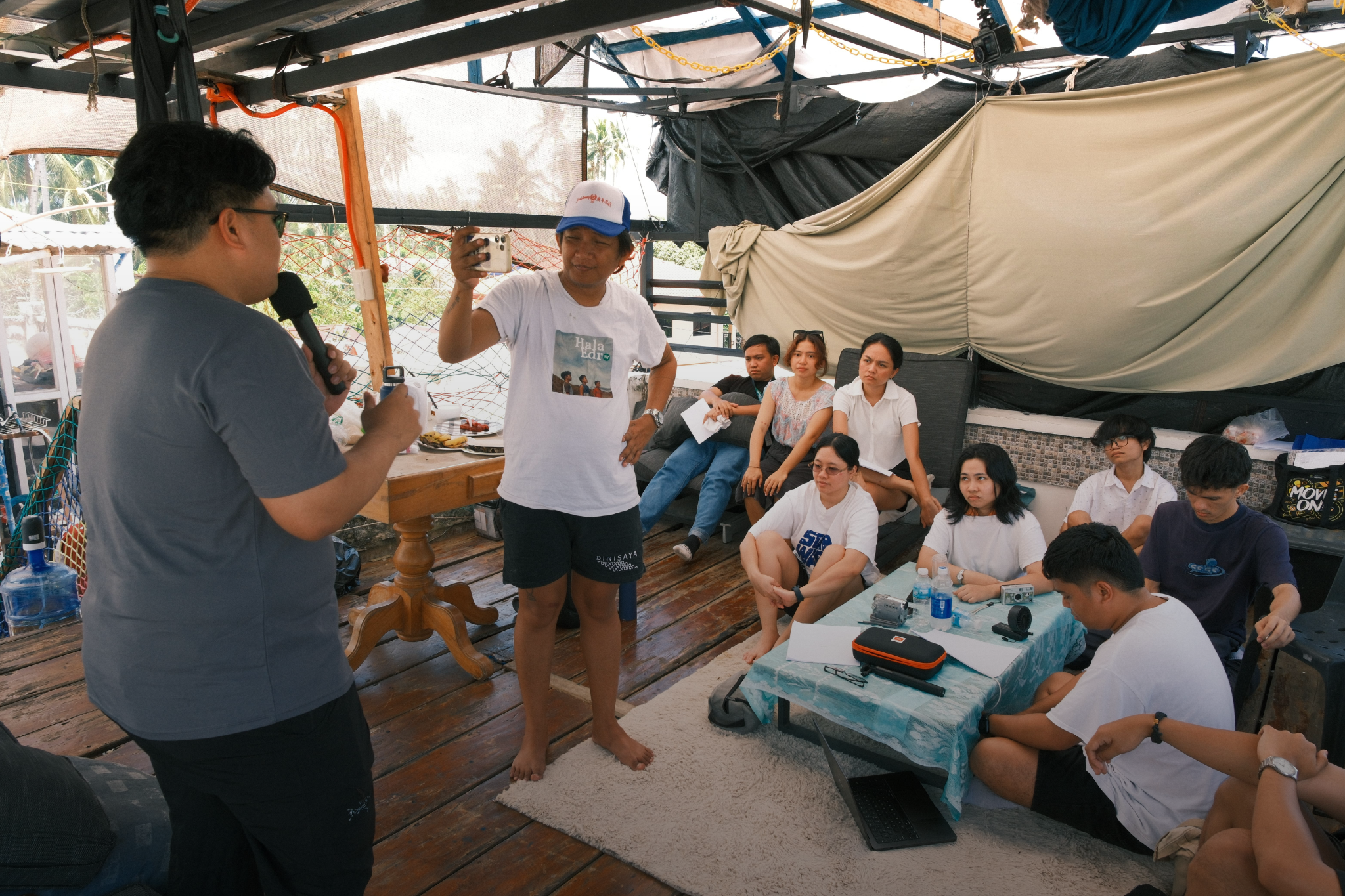
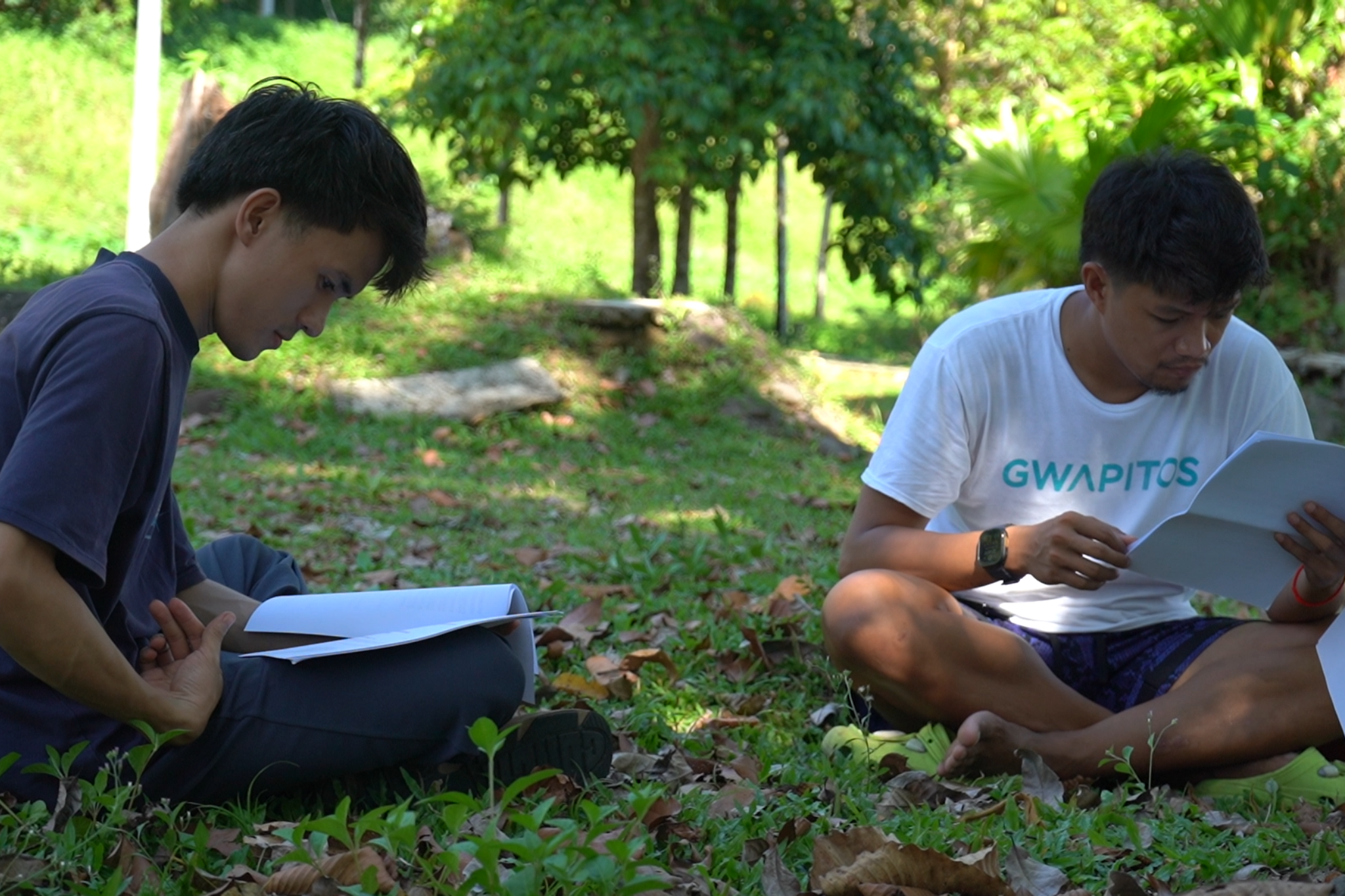
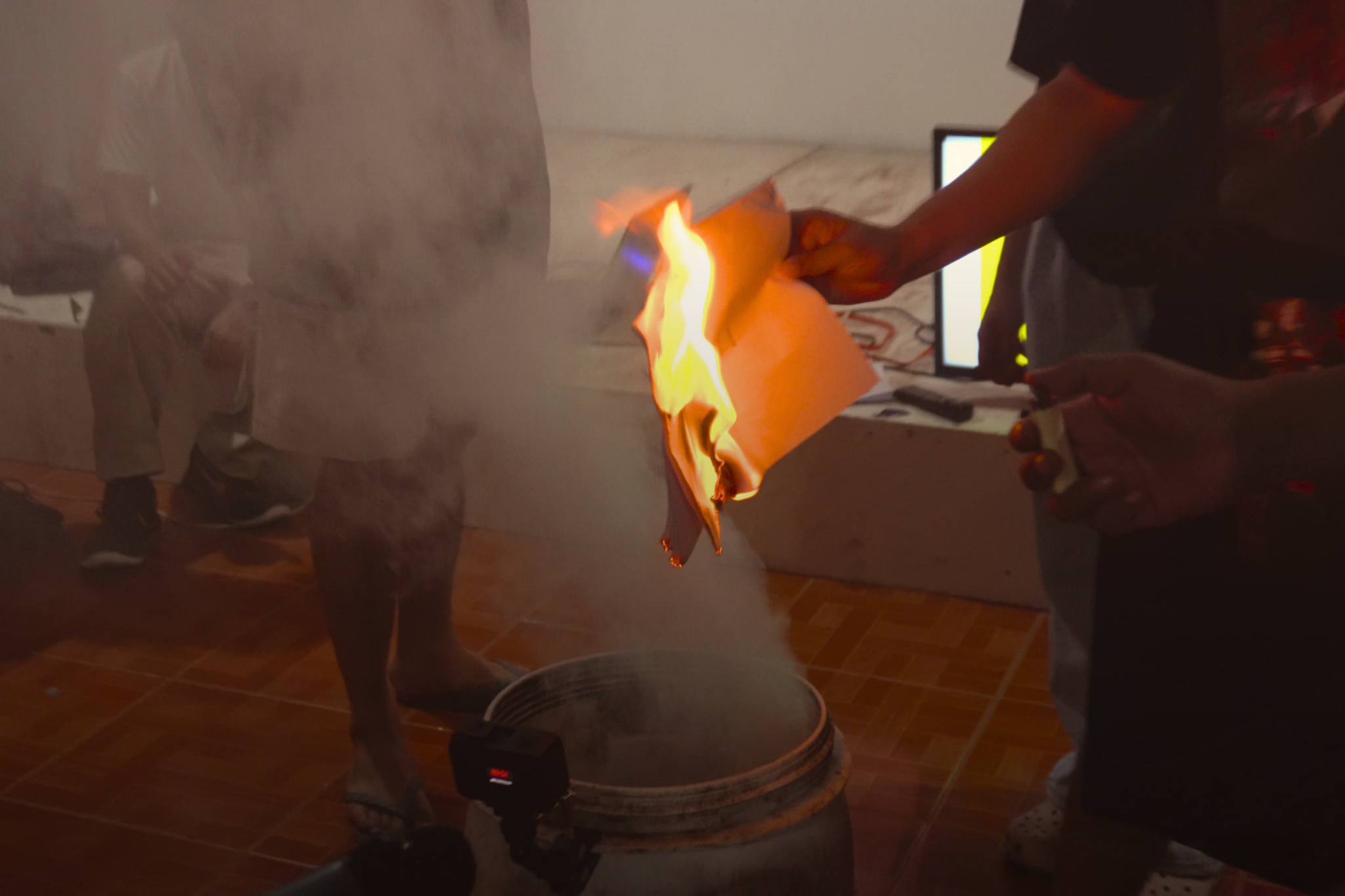
Saliduwa opened with Keith Deligero’s inaugural edition of his non-traditional script workshop, where the first drafts of the scripts written by participants were burned after being discussed and shared during the workshop. Alongside Deligero’s workshop are selected opening films, titled Takyan, which embodied the experimental and playful genre of the festival. Most of the short films were award-winning films like ‘Brand X’ by Keith Deligero, ‘Hito’ by Stephen Lopez, and ‘Kay Basta Angkarabo Yay Bagay Ibat Ha Langit’ by Maria Estela Paiso.
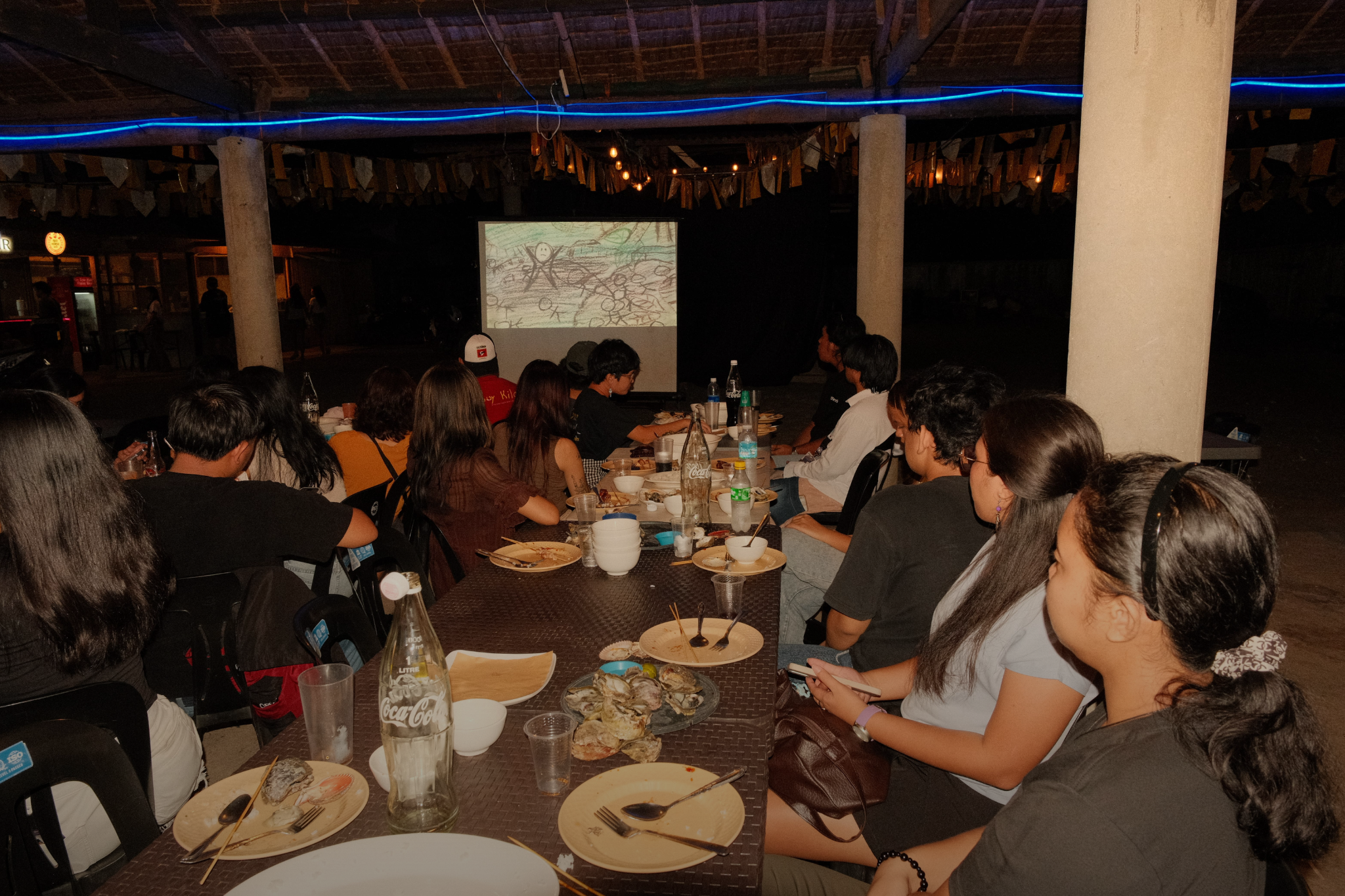
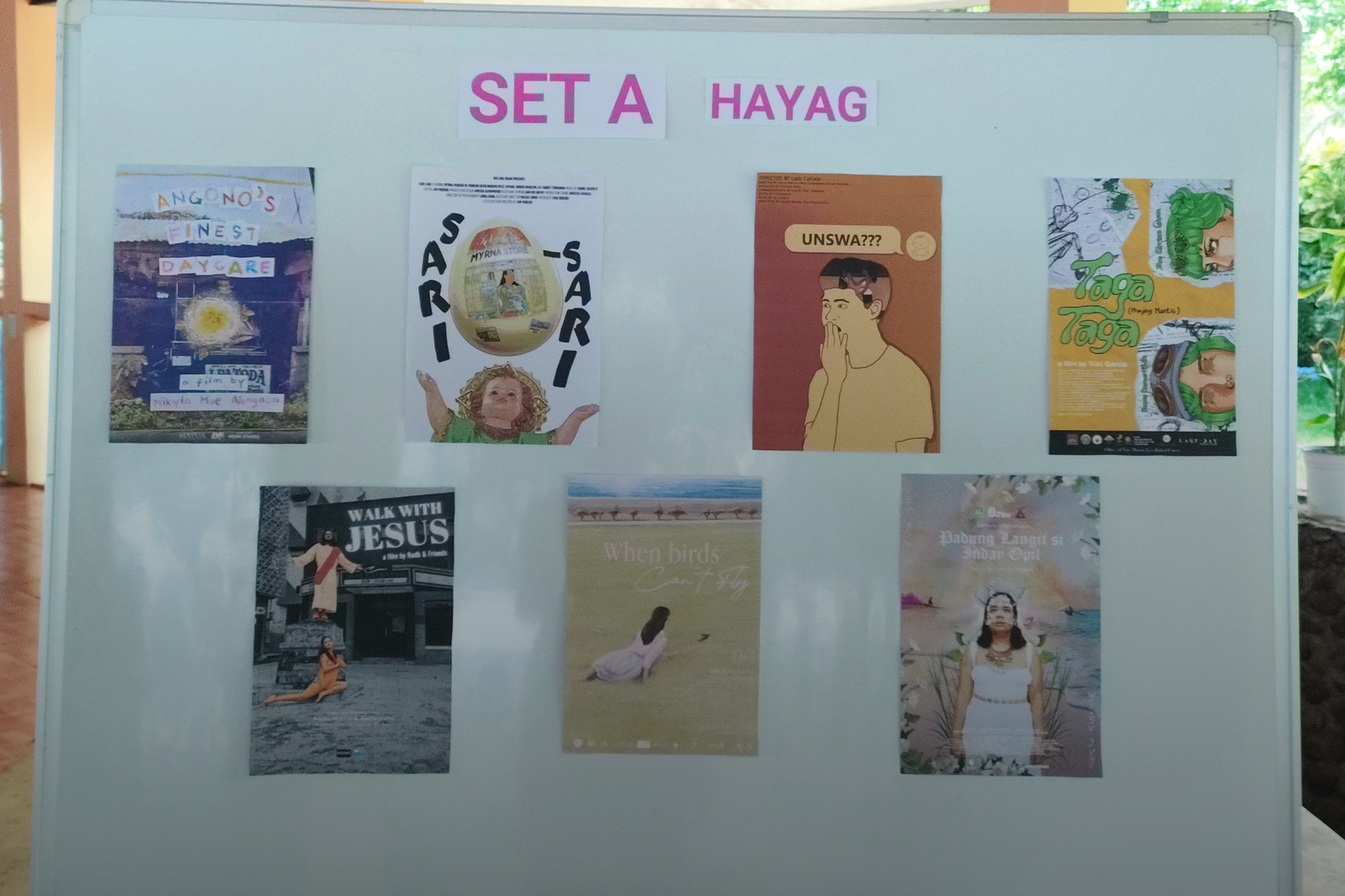
The second day of the festival revolved around the screening of the competing short films, which was held at the VSU Beach Garden. The event opened with Set A, entitled Hayag, a collection of lighter and more playful shorts personally curated by one of the organizers, Lebron Ponce. The selection aimed to convey warmth, humor, and youthful energy through films such as ‘Sari-Sari’ by Jam Moreno, ‘Walk with Jesus’ by Redh Honoridez, and ‘When Birds Can’t Fly’ by Bea Allado.
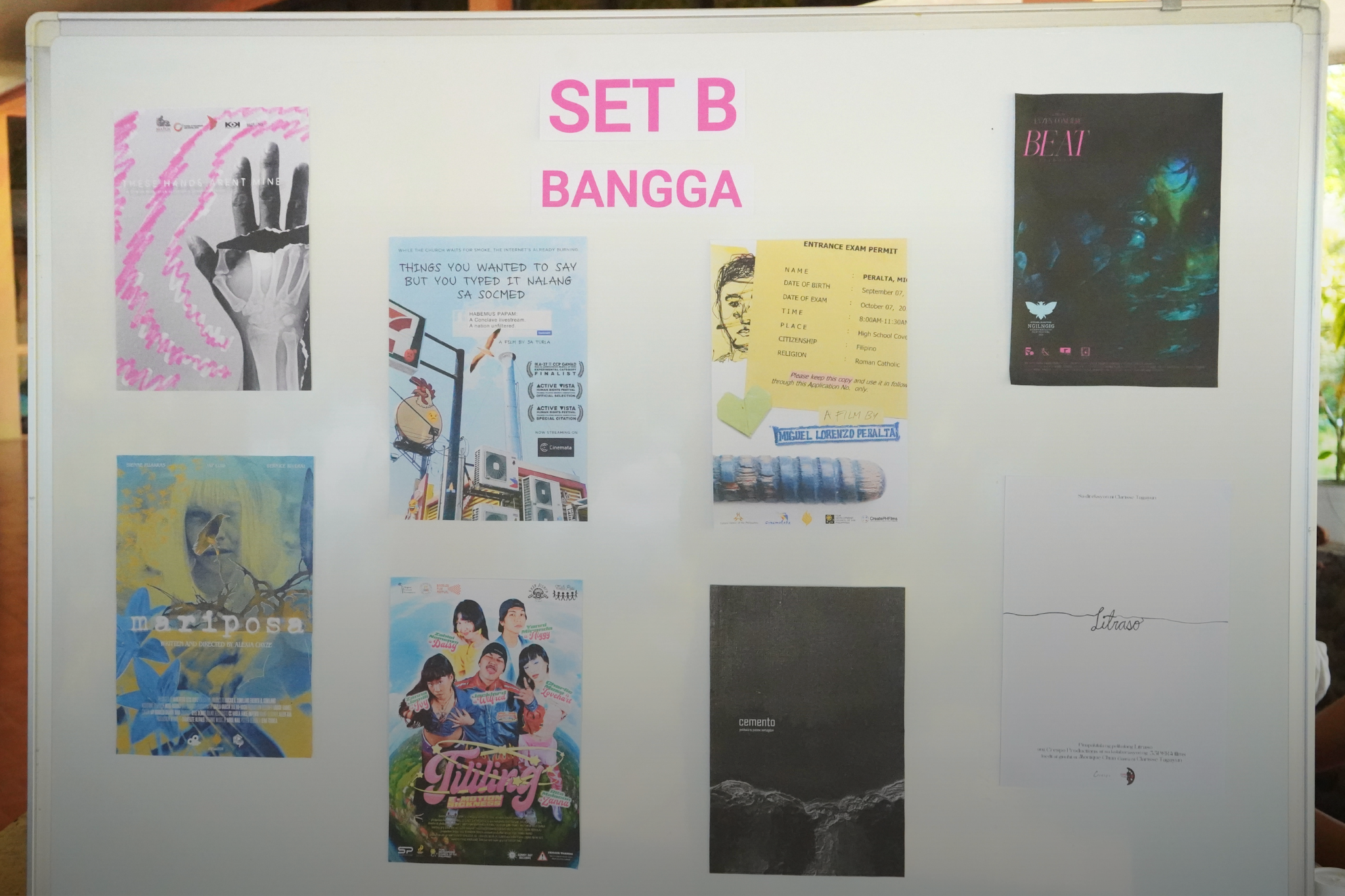
Set B, titled Bangga, shifted toward more emotionally driven narratives, tackling themes of memory, grief, and healing. Included in this lineup were shorts such as ‘mariposa’ by Alexia Cryze, ‘Beat’ by Evzen Freders Conejero, and ‘Litraso’ by Clarisse Tagayun.
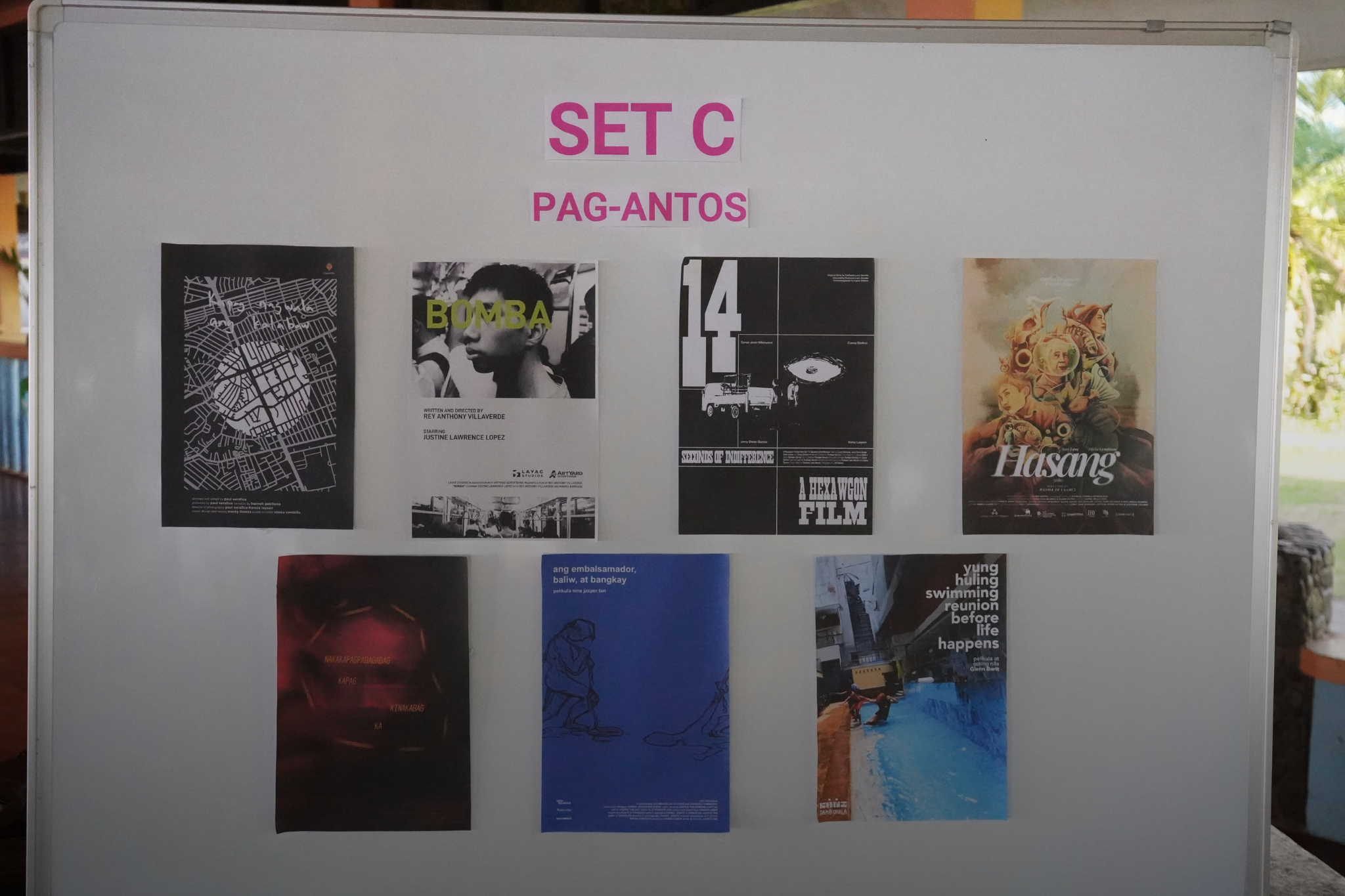
Meanwhile, Set C, named Pag-antos, carried a more politically charged tone, inviting audiences to confront the systemic violence present in society. The set included films such as ‘Kapag Nagwala ang Kalabaw’ by Val Serafica, ‘Bomba’ by Rey Anthony Villaverde, and ‘Hasang’ by Daniel de la Cruz.
The Intimate Screening of Baboyngirongbuang
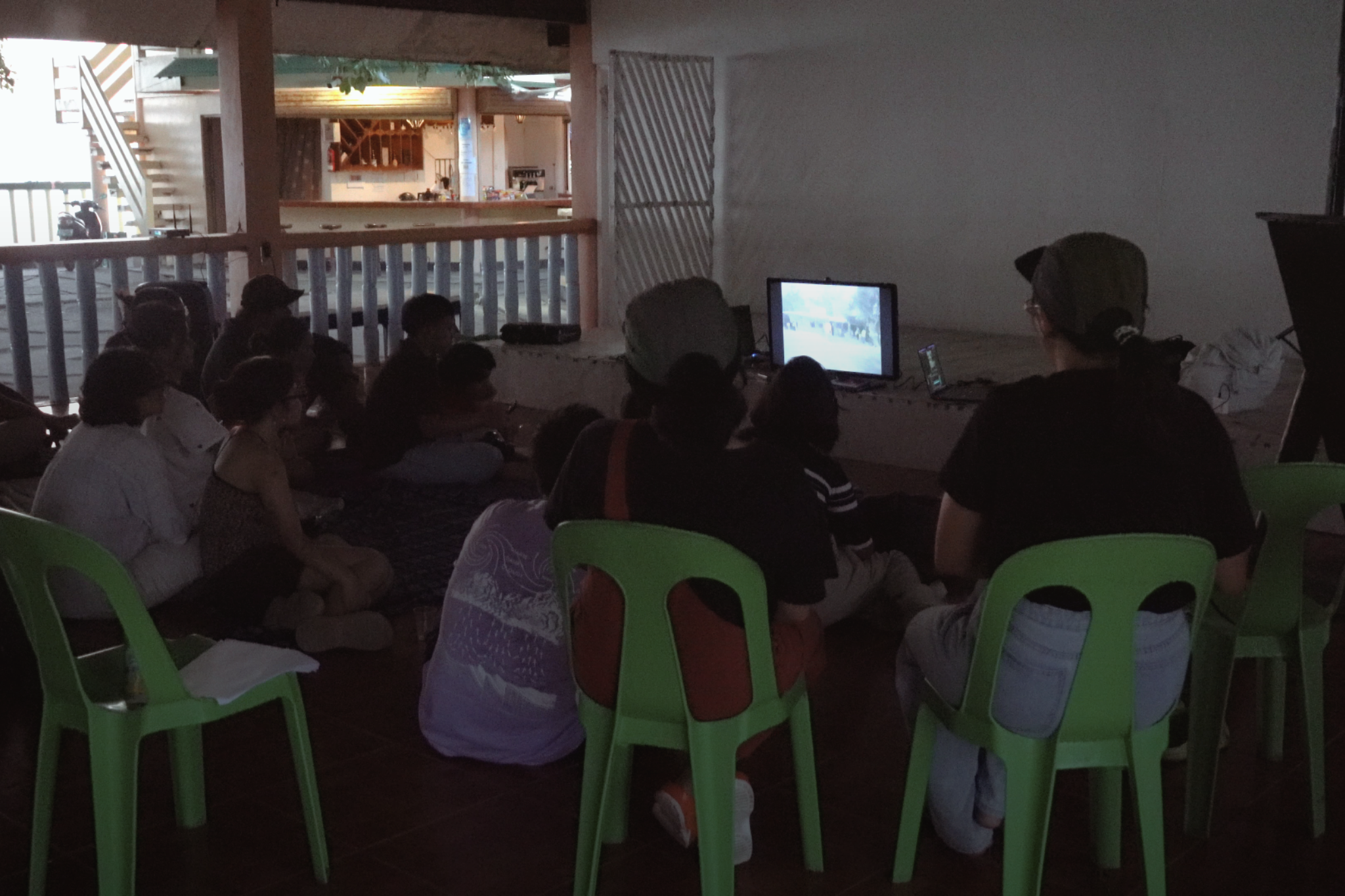
Audiences gathered around the television to watch Keith Deligero’s Baboyngirongbuang.
Apart from facilitating the workshop, Keith Deligero also screened his newest debut feature, ‘Baboyngirongbuang,’ which offered a nostalgic lens at the early 2010s—an era marked by rapid digital change and constant navigation from newfound internet access and evolving technology.
The screening of Keith Deligero’s feature film was viewed on a television screen with the audience seated on mats laid across the floor in a dim and intimate setting. The setup complemented the film’s nostalgic atmosphere and created a cozy communal viewing experience. An ode to the long-forgotten time of the 2010s; when people were constantly searching for identity and meaning in this ever-changing world.
According to Deligero, the film shared a similar emotional energy with Glenn Barit’s ‘Yung Last Swimming Reunion Before Life Happens,’ one of the shorts screened during Set C of the festival. Both films reflected on youth, and uncertainty in a time of rapid progression.
Awards and Winners
As the festival came to a close, filmmakers and audiences gathered for the awarding ceremony, where winners were selected among the Patintero (Non-Eastern Visayas) and Piko (Eastern Visayas) categories. The film with the most playful energy was awarded Golden Lata, followed by Silver and Bronze. Special awards were also given to the Best Piko for the best Eastern Visayas Film, and Best Taya for the one particular part or element of the film that stands out the most or is viewed as the film’s strongest feature.

Film still from chickenligaya’s Padung Langit si Inday Opil
‘Padung Langit Si Inday Opil’ by chickenligaya emerged as one of the biggest winners of the night, taking home both the Golden Lata and Best Piko awards.
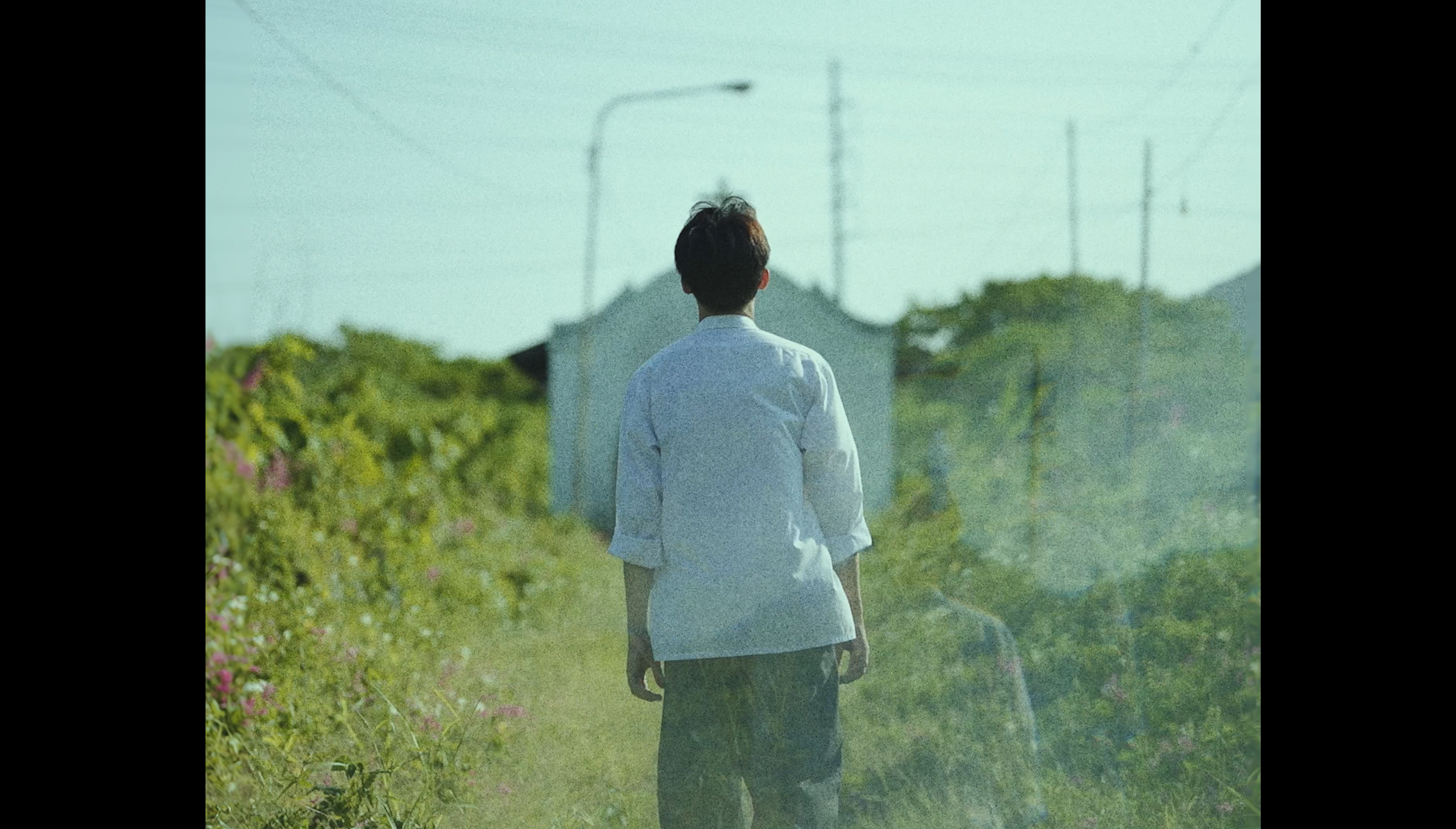
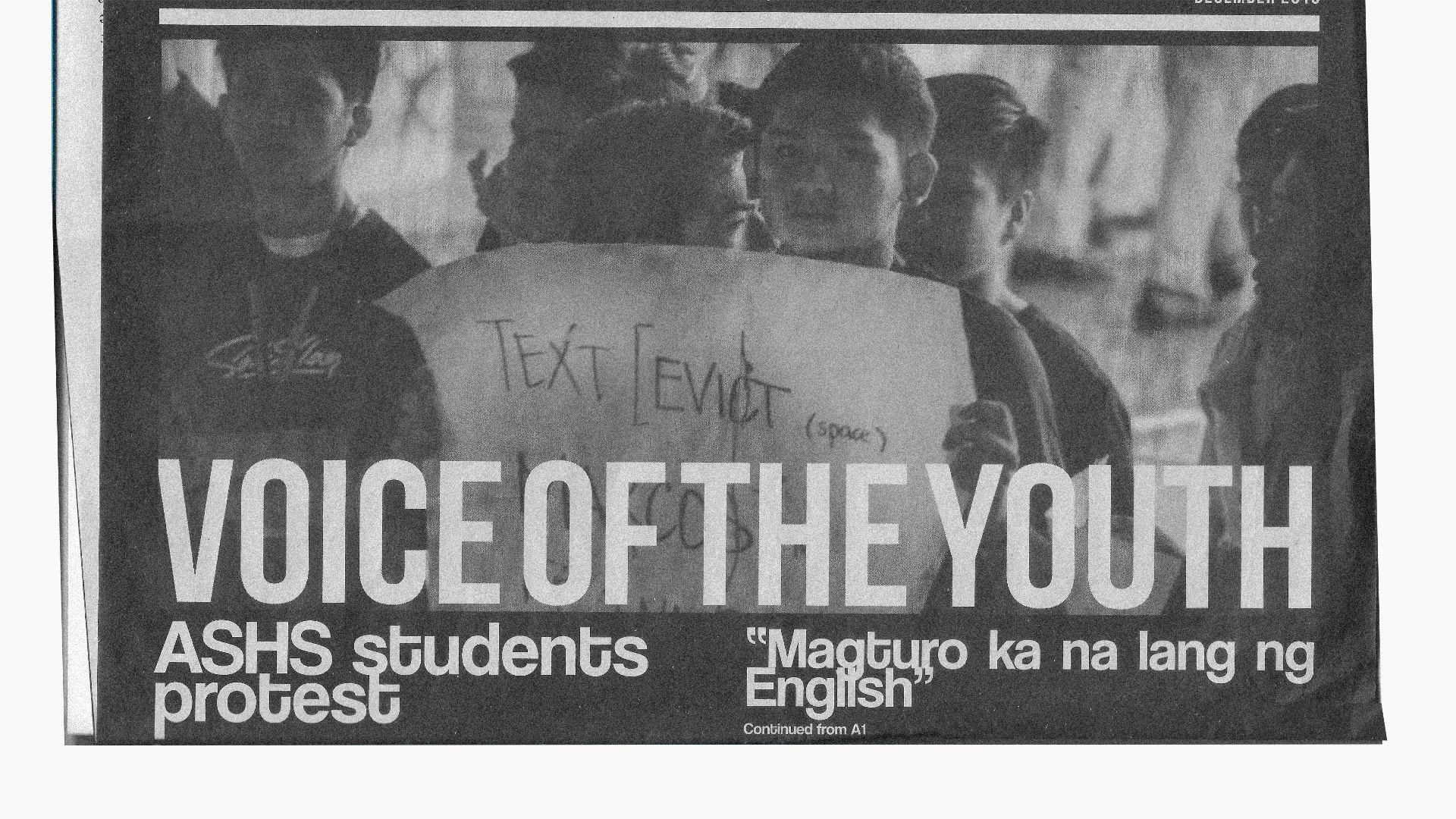
Meanwhile, ‘14 Seconds of Indifference (By A Cosmic Deity Watching Me)’ by Rasheed Luke Abordo received the Silver Lata, followed by Miguel Lorenzo Peralta’s ‘Please Keep This Copy,’ which was awarded the Bronze Lata.
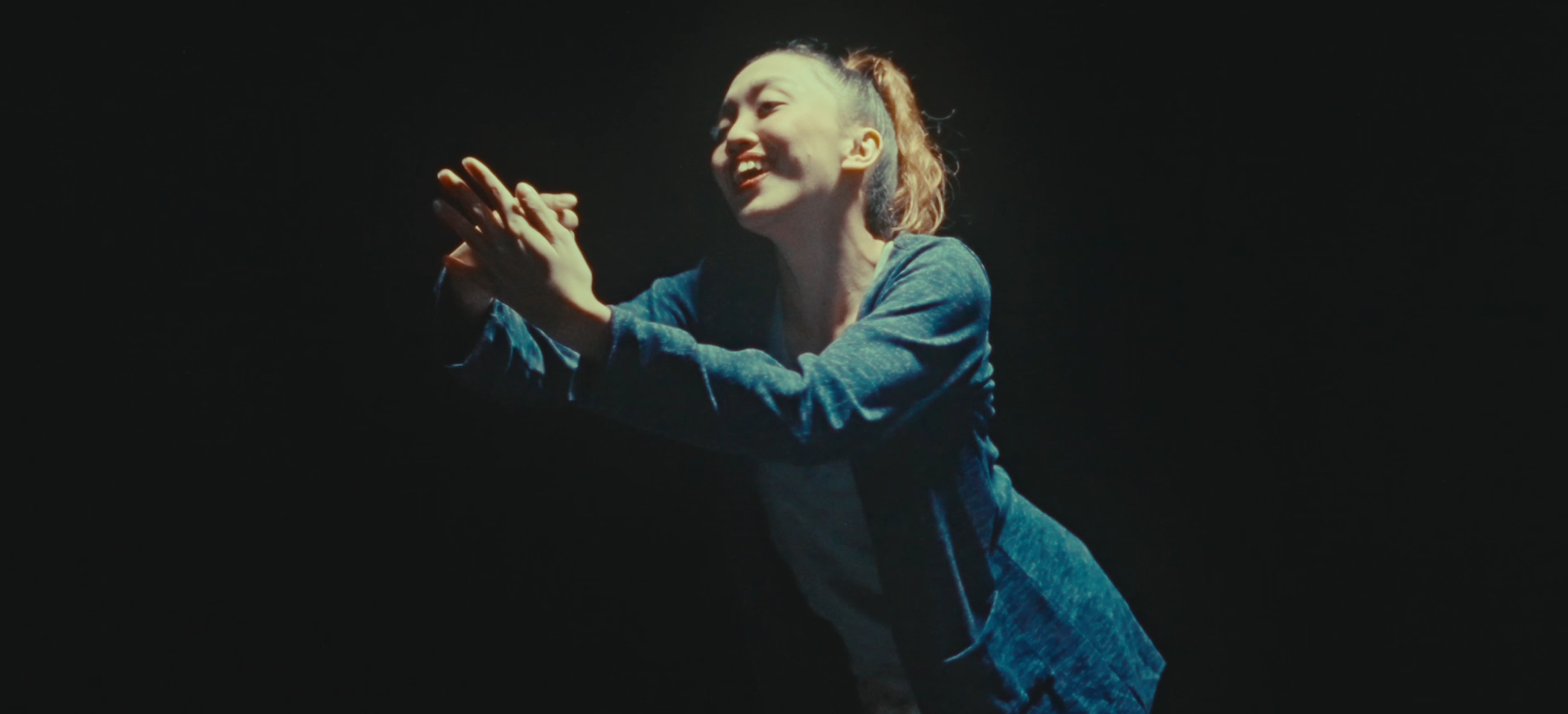
Rita Malacon in Dranreb Cimatu’s Tililing: E-Motion Sickness
Rita Malacon was also recognized with the Best Taya award for her performance in ‘Tililing: E-Motion Sickness’ by Dranreb Cimatu.
Reigniting Eastern Visayan Film Culture
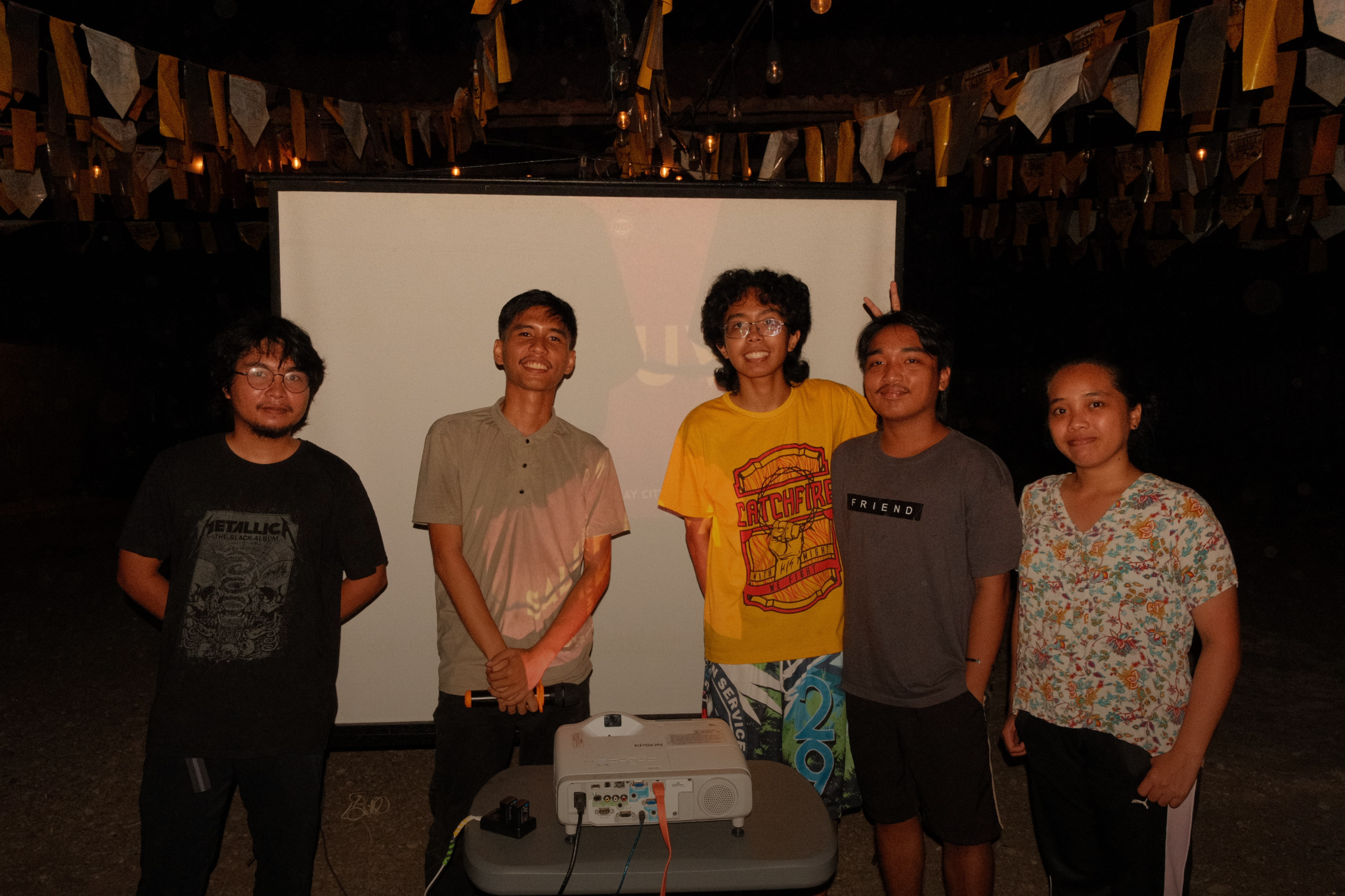
Some of the Saliduwa team in attendance (from left to right): Deo Albaladejo, Linus Masandag, Lebron Ponce, Giomer Gulferic, and Annie Bolotaolo
Saliduwa is not the first film festival to emerge in Leyte, film initiatives in the region have long existed but remain far less frequent compared to those in larger cities and regions. After years of relative silence, the festival becomes a reintroduction to a film culture that never fully disappeared, but was also never fully realized.
“I specifically chose for our festival to have a playful and experimental focus because I want to encourage filmmakers here to break the rules of filmmaking and cinema. Since we don’t have a film school or anything like that, we have the opportunity to do something different, something nontraditional and out of the ordinary, when it comes to telling our own stories through film, " Festival director Linus Masandag points out.
In a region with no cinematheque centers, little film screenings, and rare film festivals, rebuilding local cinema spaces is crucial. Many creative communities in Eastern Visayas have existed but still continue to recover from the effects of the pandemic, typhoons, and limited access to resources.
What Saliduwa does is create spaces for filmmakers to be seen, to amplify their voices, and to rebuild communities before it loses identity. Festival director Linus Masandag hopes that initiatives like Saliduwa will continue to grow and inspire future regional film festivals in Eastern Visayas.
Finding the Right People
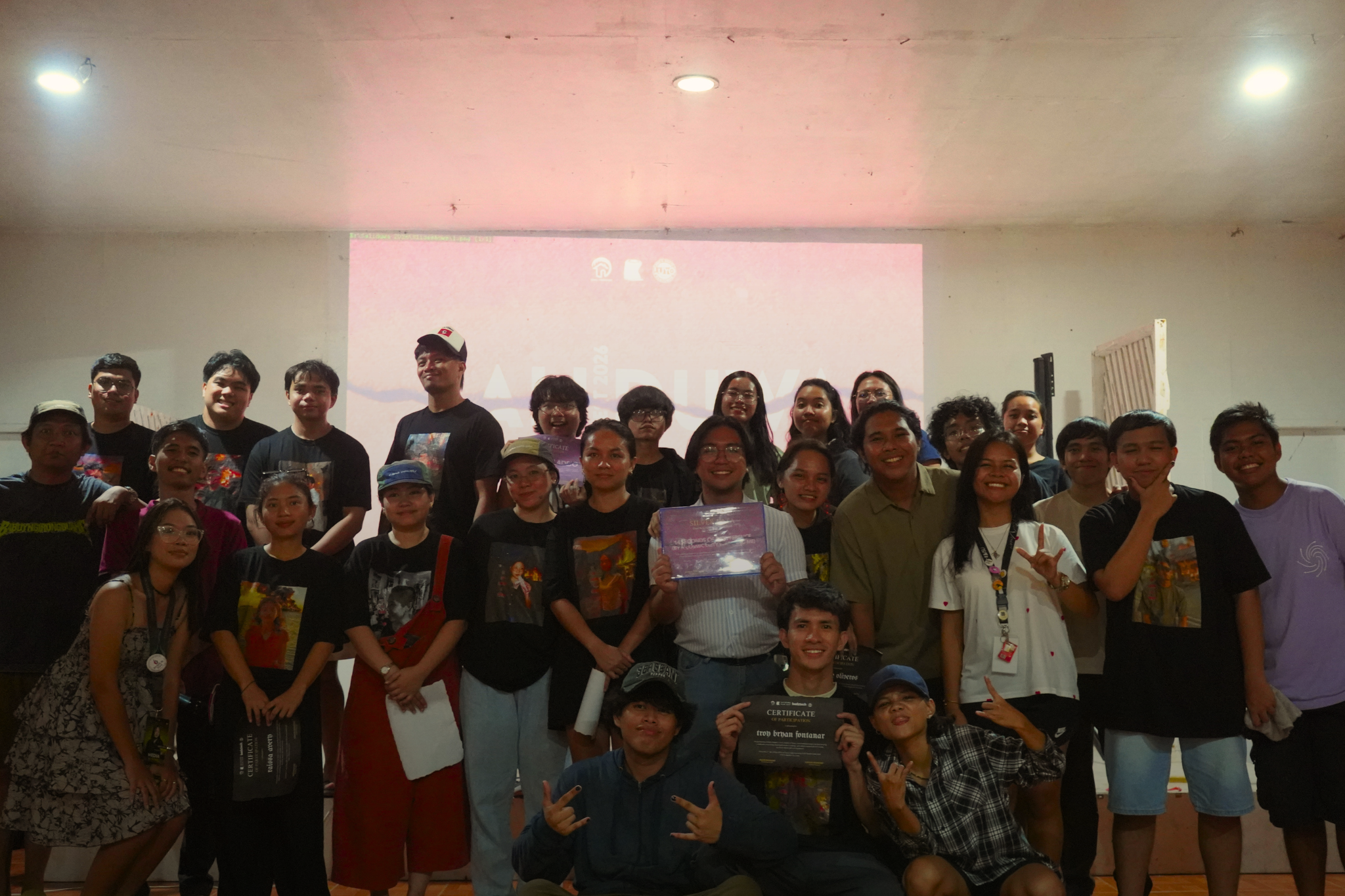
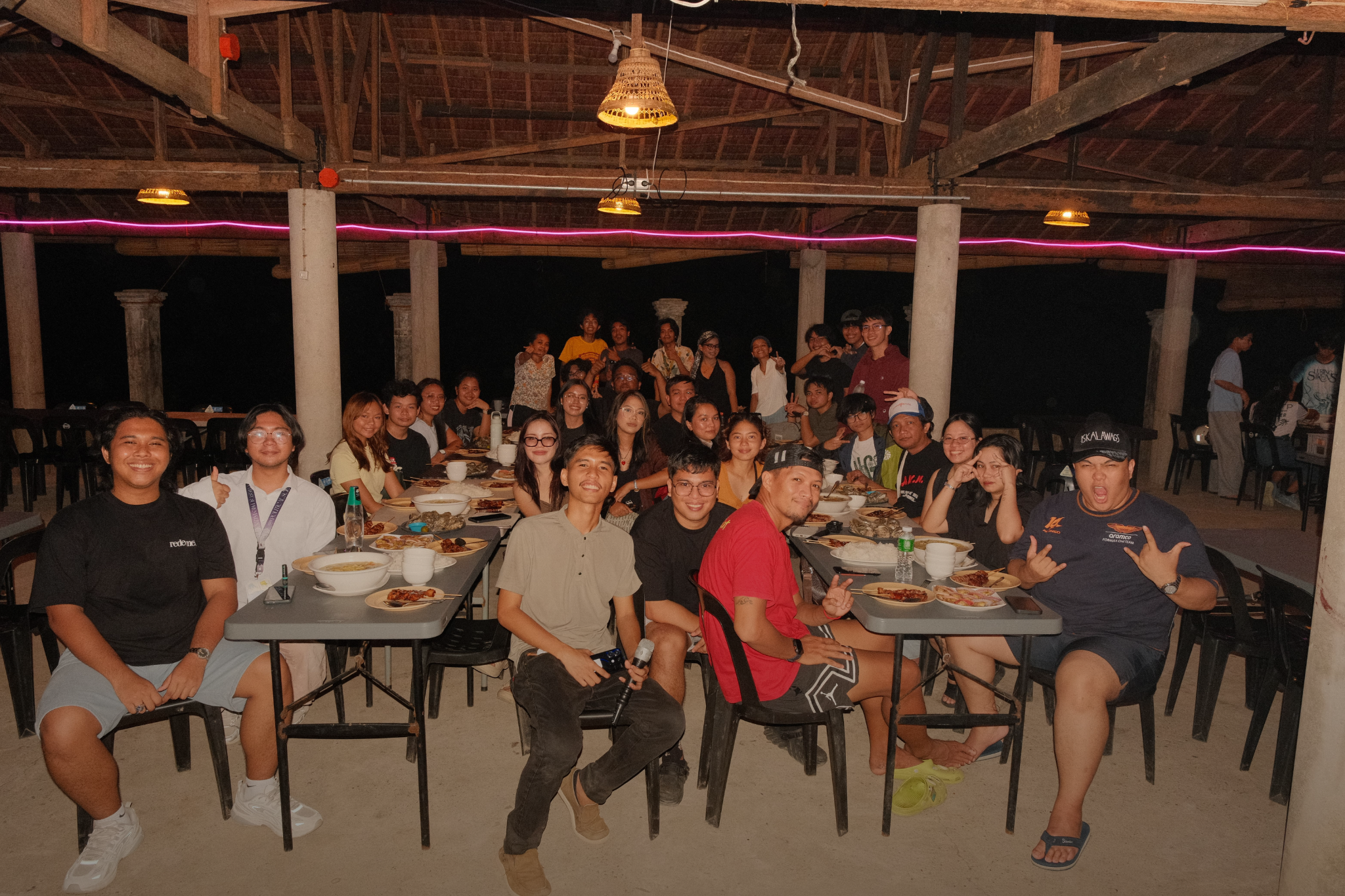
The workshop participants, filmmakers, guests, volunteers, and Saliduwa team come together for a picture during the festival’s closing night
Events like Saliduwa are sustained by people willing to care for regional cinema and community-building. The organizers, filmmakers, along with the sponsors and volunteers behind the initiative share one common advocacy: crafting a Waray-waray and Bisaya-centric community in the evolving stage of cinema.
Although Saliduwa had only just launched, the drive to once again reconstruct the region’s struggling film scene has persisted for years. However, with the people who share the same hope and vision for Eastern Visayas, festivals like these create spaces where local filmmakers can finally realize and share their stories.
There is a tiny ember waiting to be ignited for the Eastern Visayas region. With collective effort, initiatives like Saliduwa continue to exist and grow. Little by little, the culture expands with the right people—with a community that refuses to let culture and cinema be as easily forgotten.