
Ang Babae sa Septic Tank 4: Philippine Theater is the Shit!
Ang Babae sa Septic Tank 4: Philippine Theater is the Shit!

“My theater is brave. My theater is fearless. My theater has teeth. My theater fights.”
From its first film, Ang Babae sa Septic Tank (2011), to its sequel, Ang Babae sa Septic Tank: #ForeverIsNotEnough (2016), followed by the series, The Real Untold Story of Josephine Bracken (2019), and most recently, the theater adaptation, Ang Babae sa Septic Tank 4: Oh Sht! It's Live sa Cheter!*, the franchise has continuously reinvented itself while remaining true to its core purpose: using satire and comedy to provoke critical reflection on Philippine popular culture.
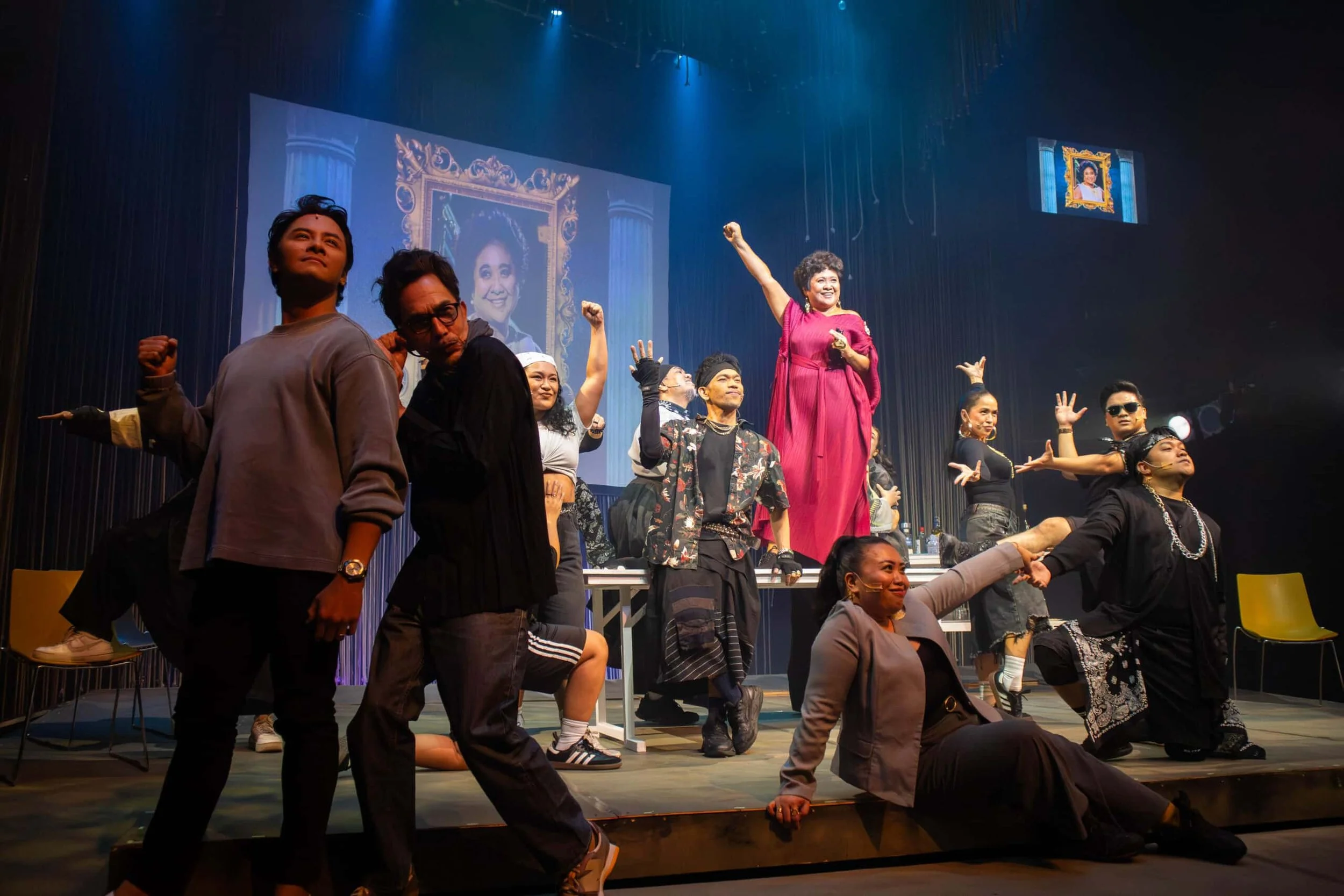
The Cast of Ang Babae sa Septic Tank 4 / Photo courtesy of Lifestyle.INQ
As with its previous franchises, the story centers on Eugene Domingo and her love for the Philippine theater, as she uses her willpower to stage Aurelio Tolentino’s 1903 classic nationalistic play, Kahapon, Ngayon at Bukas. Along with her on the theater stage and within the staging of Kahapon, Ngayon at Bukas are Marlon Rivera as the director, Melvin Lee as the producer, and Joshua Lim So as the playwright. Consequently, the actors along with the cast are JC Santos, Stella Cañete-Mendoza, and Meann Espinosa.
I must say, for someone who enjoyed the first three releases of Ang Babae sa Septic Tank, the theater adaptation continues to fill holes in my heart that ravish my love for the Philippine theater. Through a medium that remains a powerful vehicle for storytelling among Filipino audiences, we see how nuanced variations, such as popular dialogues, settings, and characters, shape our perspectives as we engage with them in our daily lives.
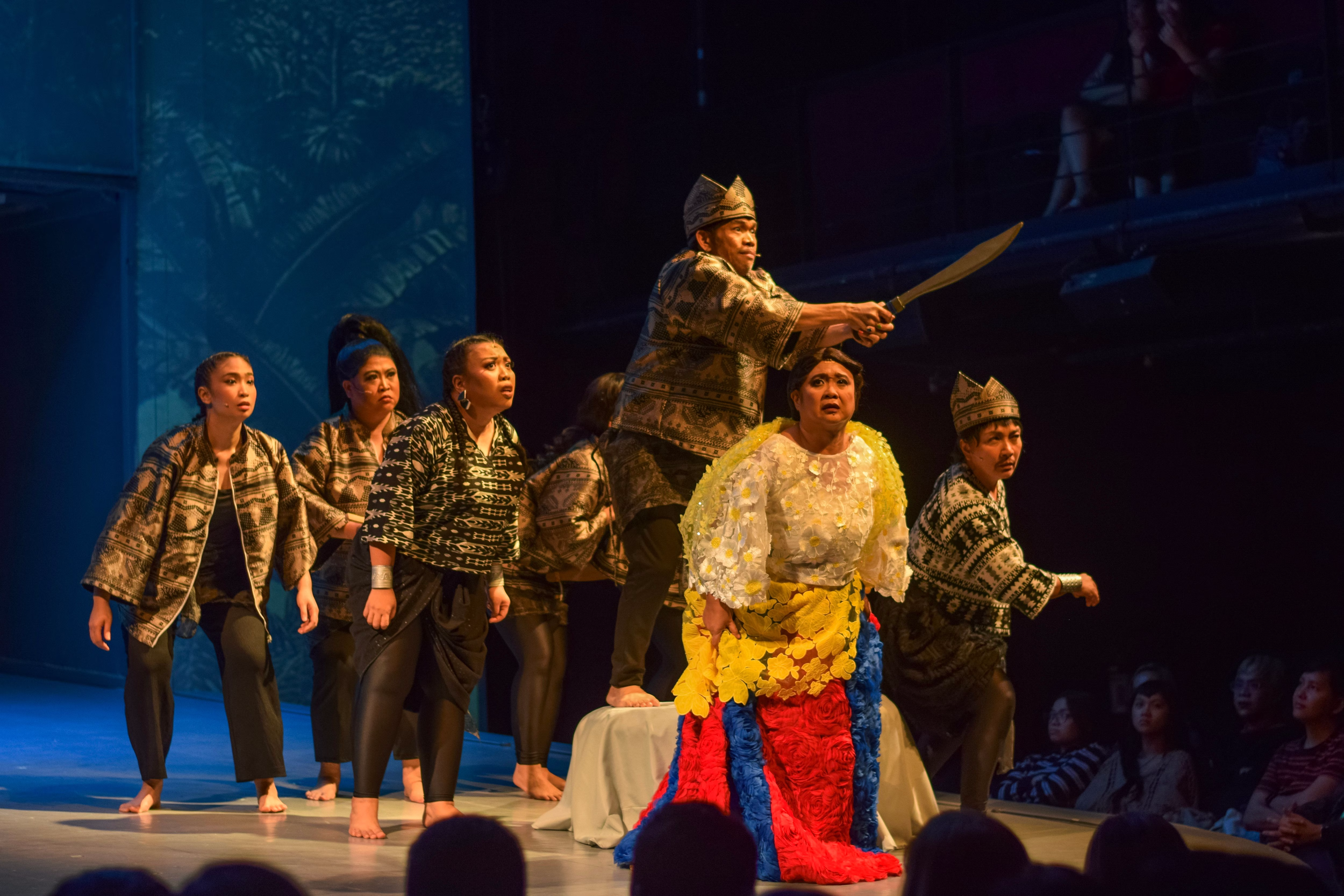
The Cast of Ang Babae sa Septic Tank 4 / Photo courtesy of ABS CBN
Playing Around Humor and Trends
From the previous franchises, we know that Eugene’s character is bossy, dominant, and a know-it-all. This is nothing new in both the film and the theater’s plot, because this is what makes her character so interesting and entertaining to watch. Beyond her natural sense of humor, the play also reveals how her domineering leadership style gradually demoralizes the people she works with. As she bosses around her crew, telling them what to do, what to change, and what not to do, the core purpose of the classic nationalistic play loses its authenticity, a point constantly raised by Joshua and Marlon.
Surprisingly, in the creative field, what is there to say when all four franchises portray reality? An indie film that almost immediately translates to poverty porn. The bulk of Filipino mainstream movies that all have an anticipated, romantic ending. And now, a stage play that ruins history just to go on with what is new and trending, catering not to the local audience, but to wider, international viewers.
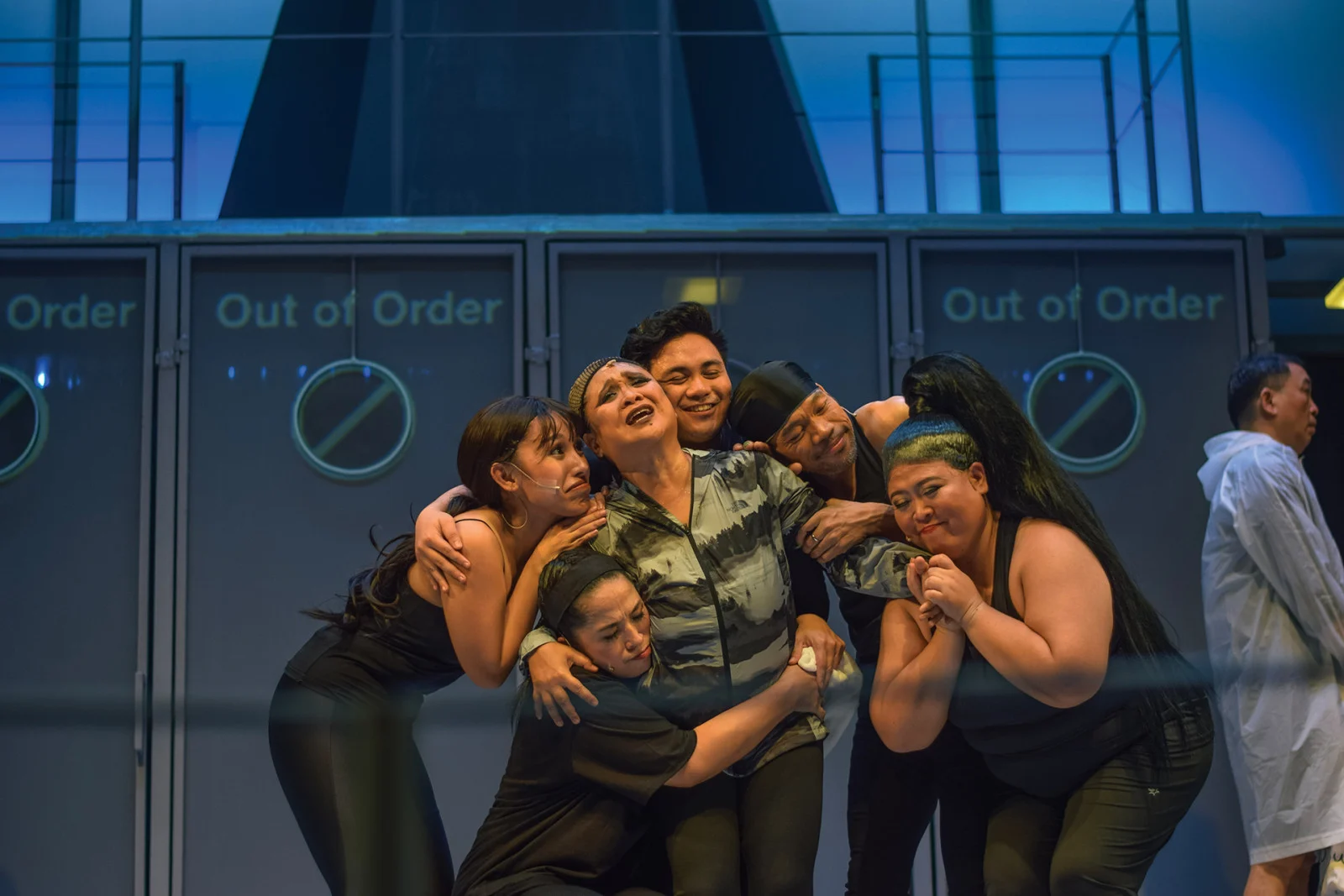
The Cast of Ang Babae sa Septic Tank 4 / Photo courtesy of PETA
Philippine Theater is the shit!
Philippine theater is alive and thriving! Over the past few months, we have seen how endless support from our local audiences has paved the way for more theatrical plays. Although leaning on the musical side—another good point raised by Marlon and Melvin—it is a broader reflection of Filipinos’ love for live performances and artistic experimentation.
Besides the franchise’s great continuation of satirical comedy, another thing I would like to point out is how it continues to shed light on specific, recent issues within the country's creative industry: politics and budget.
Eugene Domingo’s character is bold. She insisted that a story’s setting should make the audience feel immersed in the plot. Thus, similar to the film, with all the impossibilities of a theatrical play that may seem possible to her, the entire staging of Kahapon, Ngayon at Bukas took place on a boat in the middle of the West Philippine Sea, another funny element throughout the play. The impossibility of Eugene’s wild ideas becomes one of the most interesting points in the industry’s obsession with authenticity and spectacle.
Consequently, as every theater major is aware of, a production’s budget becomes the limitation of their creative capacity. Many of my friends from the same field, especially as students, continue to struggle with this problem every year. Repeated roles in the same production bear the exhaustion that only they can carry, which is sometimes overlooked by the audience. Because of the limited support they gather from their universities and even the local or national government, art continues to be a powerful struggle—both an act of expression and perseverance.
But even so, as the play comes to an end, the successful struggle of all the actors in an unfamiliar setting took them to places of happiness and relief. What more could they be feeling after going through rough rehearsals, numerous script changes, and the sole presence of Eugene Domingo? Yet the production does not allow this simple, happy ending to be merely celebratory, because in the end, we know that Philippine theater is shit, literally.
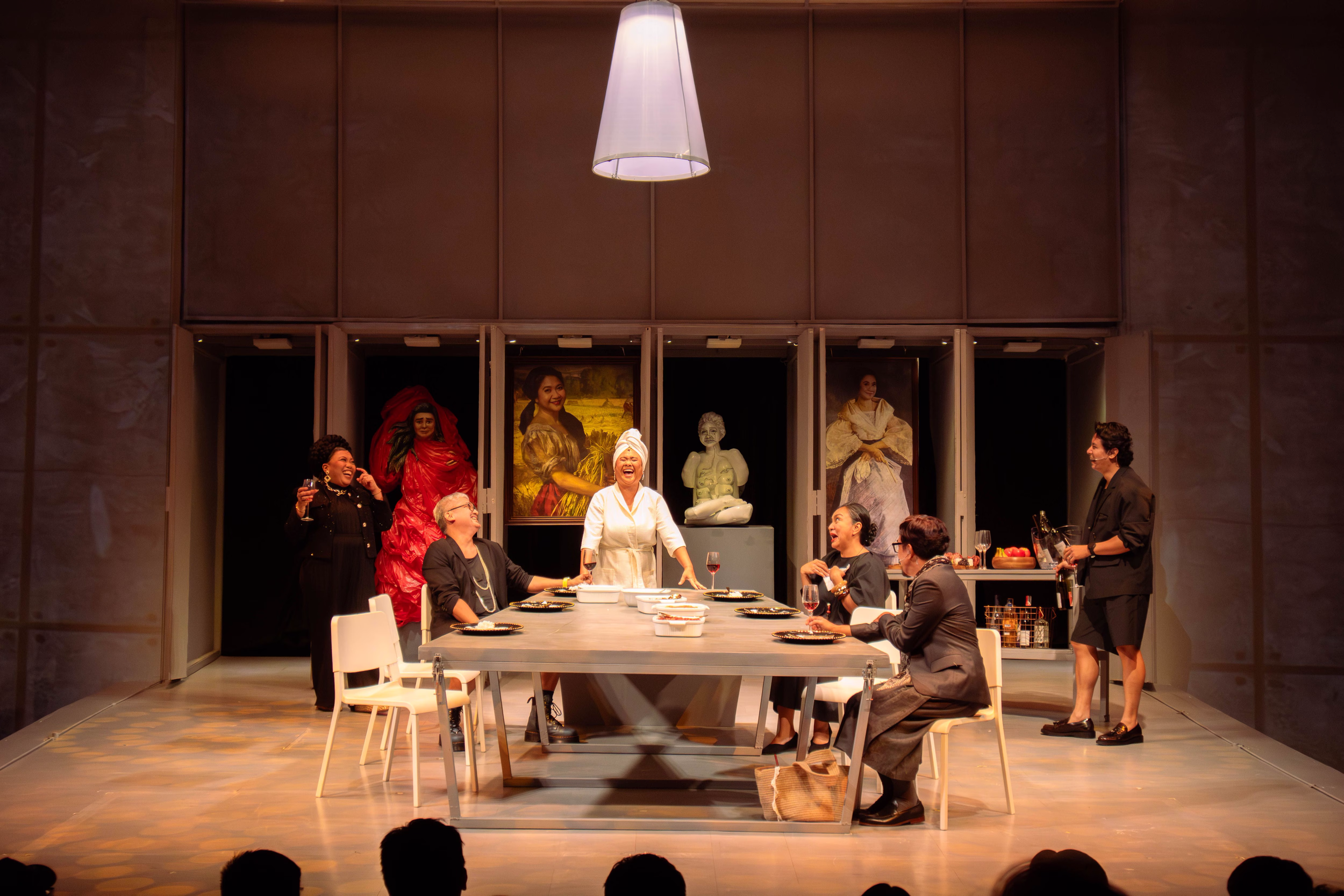
The Cast of Ang Babae sa Septic Tank 4 / Photo courtesy of ABS CBN
These satirical portrayals point to one important question for both the Filipino creatives and audiences: who are we doing this for? What do we want to remember after consuming this media? Why do we continue to make art when it is constantly shaped by commercial demands and public validation?
‘Ang Babae sa Septic Tank 4’ is running at the PETA Theater Center until August 16, 2026.