
‘Kislap at Algo’ REVIEW: Imagining a Revolution

Feature art by Abigail Manaluz
The twinbill Kislap at Algo, featuring the plays Kislap at Fuego and Children of the Algo originally from the PETA Control + Shift: Changing Narratives LIVE 2024, is a testament to a need for a wake-up call for the Filipino youth to realize that living in a post-truth society has caused us to become passive consumers of dominant narratives. Now on its third run, the twinbill captures specifically what these dominant Filipino narratives have continued to shape our mainstream consciousness. Challenging these narratives prevents the distortion of realities and myths from being made or dehumanized.
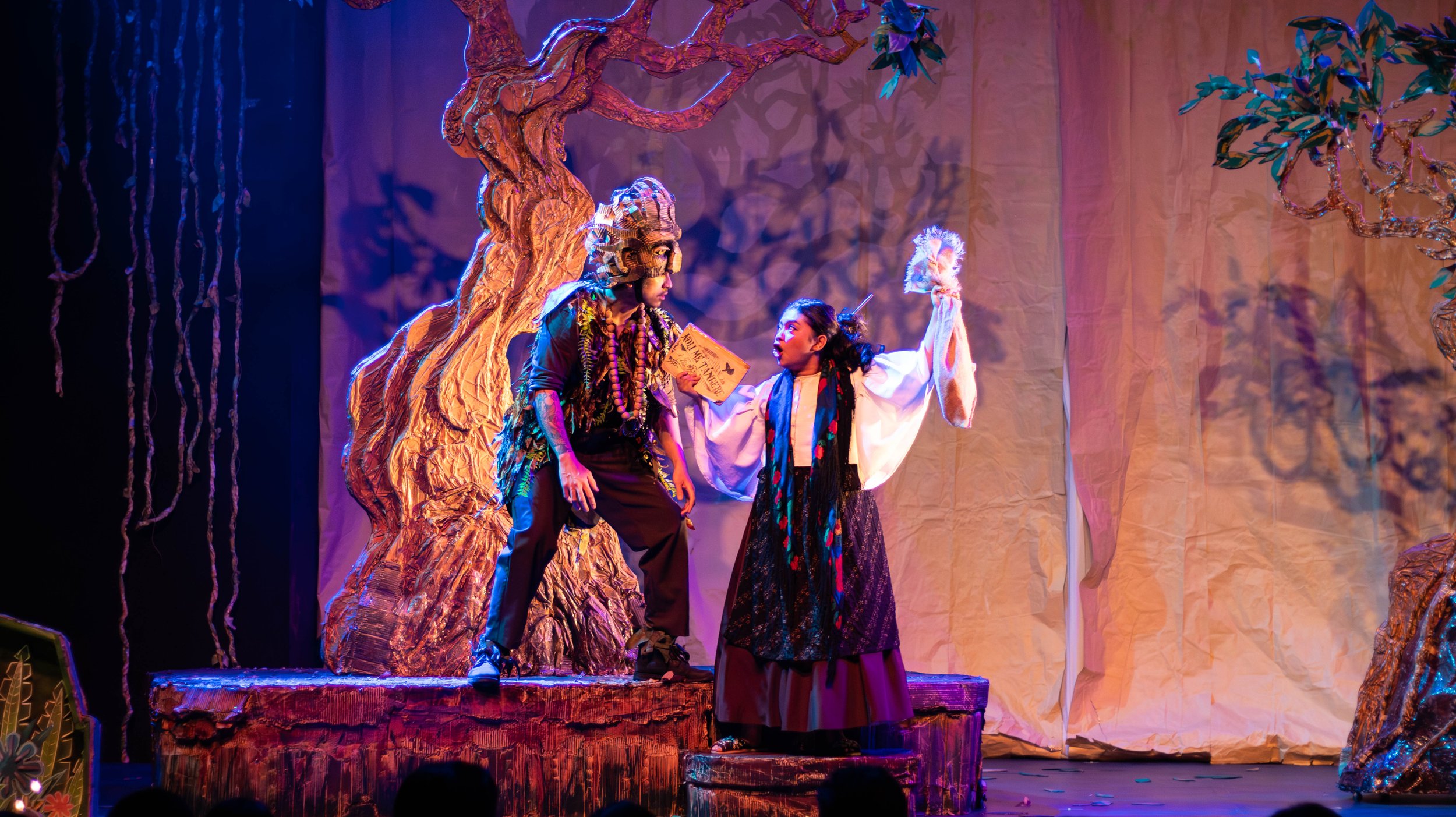
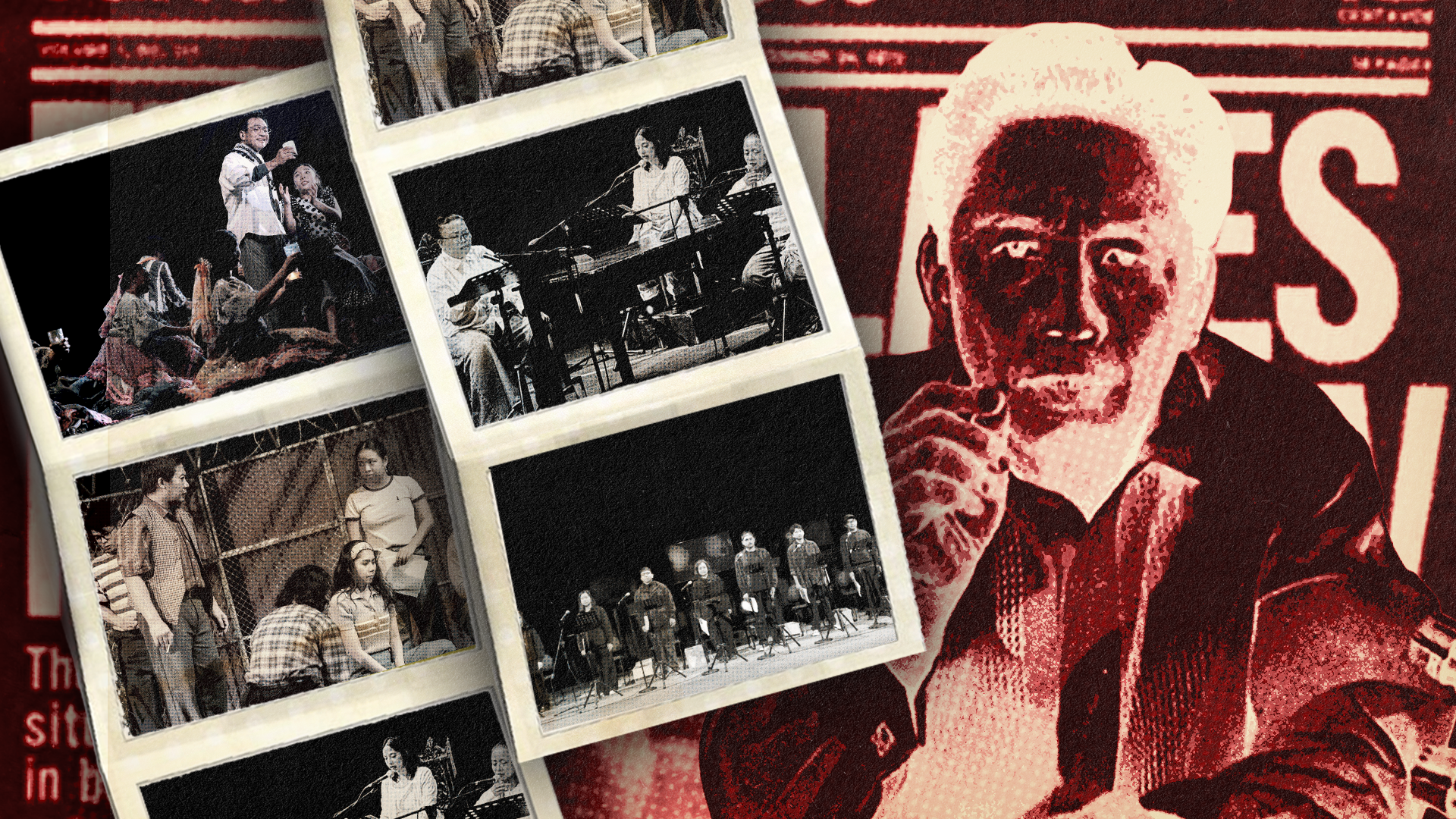
Show Photos of Kislap at Fuego | Courtesy of PETA PR
Kislap at Fuego
Set in the backdrop of the Philippine Revolution against the Spanish colonial regime, Kislap at Fuego explores the precolonial and colonial context in a love story between a kapre and a young Filipino woman. Because the two come from different worlds, it already makes sense how their belief systems would clash; how colonial trauma shaped the old into hiding and the need for revolutionary spirits calls the young into action. What makes Kislap at Fuego so tender and moving is how it paints the Filipino revolutionary spirit as something of a gradual becoming instead of a rushed rationalization. In this way, it paints how revolutionaries take time in understanding social realities amidst colonial violence. It underscores the price of freedom in every courageous act committed by Filipinos. In the end, KIslap at Fuego is more than a love story but a tender awakening of the Filipino revolutionary spirit.
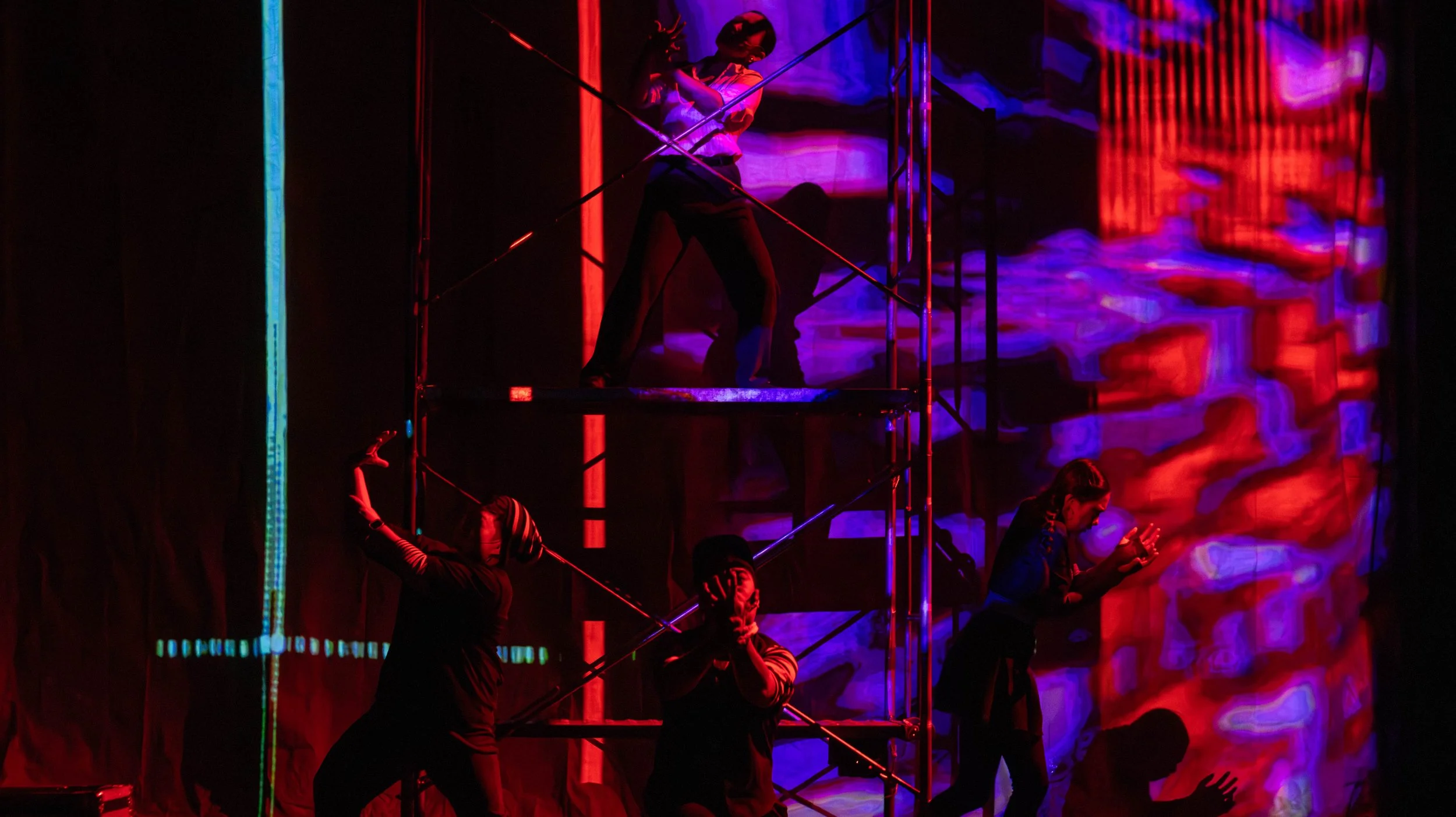
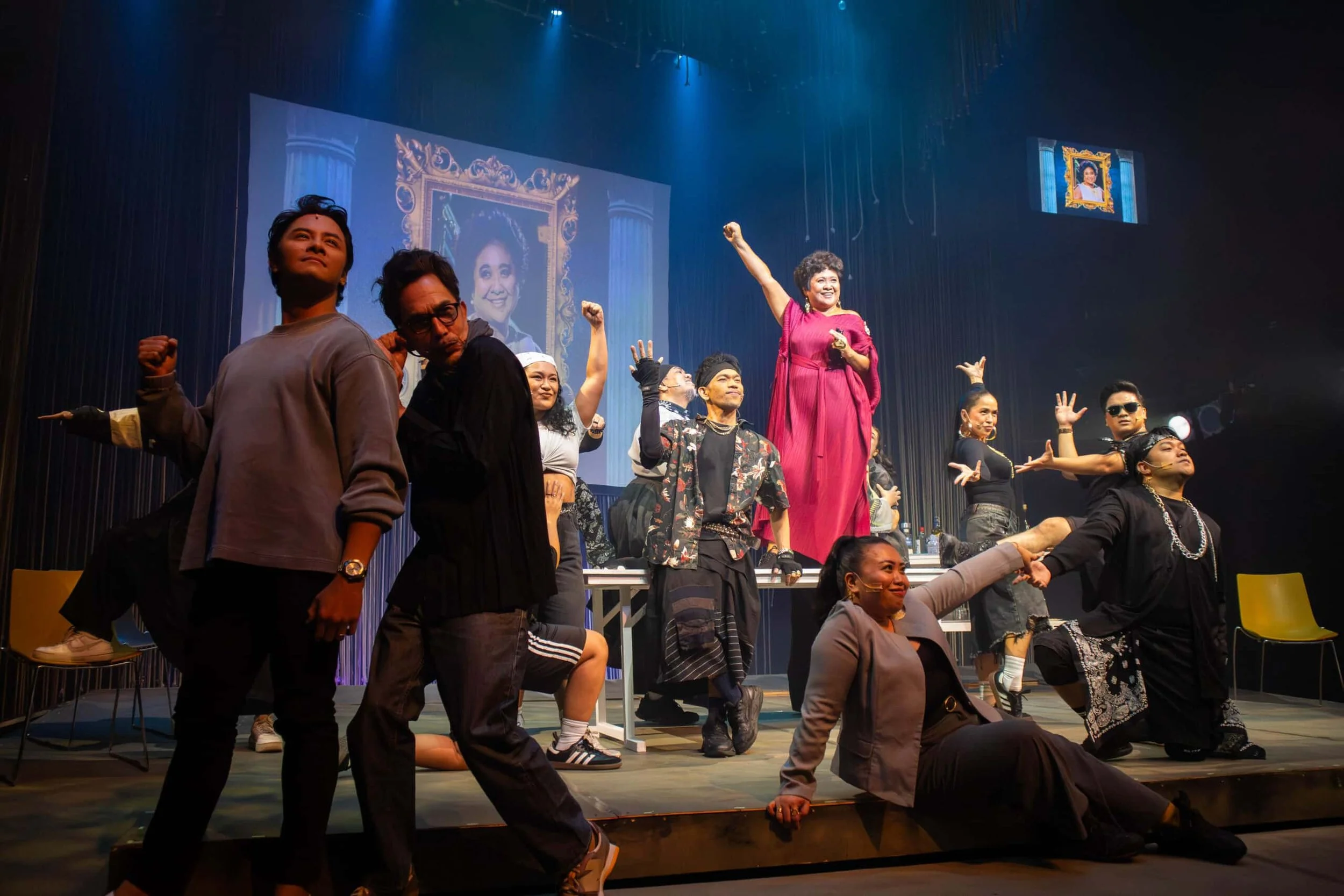
Show Photos of Children of the Algo | Courtesy of PETA PR
Children of the Algo
Many Filipinos nowadays resort to content creation as a means of income, beyond just a mere fun form of expression during the early years of such platforms. And what dictates a successful content creation career are those shaped by the algorithm. More often than not these algorithms are filled with narratives that are harmful and often cause disinformation. In Children of the Algo, we see how young and aspiring Filipino creatives would initially explore what they love the most, but eventually succumb to these dominant narratives. These narratives painted images of what would become toxic Filipino values that still remain mainstream up to this point, and how the algorithm makes a profit for pushing these kinds of narratives. In the end, what made Children of the Algo successful was a reenactment of a doomscrolling and burnout experience and how it used the reliability of Filipino cultures and its convergence with technology, now calling for a collective action of resistance to these narratives amidst digital boundaries.
By bridging historical myths and digital realities, the twinball painted the nation as a fractured world. It successfully communicated the needed imagination of a revolution; the need for collective action, the tender awakening of courageous acts, and the challenging of dominant narratives. These imaginations start within ourselves and slowly become a collective imagination of a freer nation. What Kislap at Ago wants to ask of the Filipino youth is to realize that they can fight for change for a better world.