
Shared Beats, New Spaces: Bubblegum Pop is Back
Shared Beats, New Spaces: Bubblegum Pop is Back

The local music scene is known for ballads, R&B, hip-hop, and alternative rock. But it has another side that often gets overlooked; brighter, more playful and irresistible—bubblegum pop. The genre quietly shaped a generation, threading itself through childhood, first crushes, and long afternoons with speakers turned up just a little too loud. In a country where music is so deeply embedded in life and culture, bubblegum pop brought color and lightness, turning ordinary moments into something a little more joyful, a little more alive. Before streaming and personalized playlists arrived, music lived in shared spaces. Not just in bedrooms, but malls, jeepneys, school canteens, arcades, terminals, and computer shops. The same catchy songs played wherever you went, over and over. Its domination was repetitive, just like its playful beats, and everyone hummed along, sang along, or smiled without thinking about it. Tracks like Chinito, Kakaibabe, Kahit Na, songs from the Diary ng Panget soundtrack, and many more followed people throughout commutes, weekend hangouts, and afternoons waiting for their turn at the computer shop.
Then everything changed. Headphones and smartphones made music private. Songs that once filled malls and jeepneys out loud were now heard only through earbuds, quiet and personal. Bubblegum pop, once a shared soundtrack, started to feel smaller, almost hidden. People called it “corny” or “jejemon”, becoming the butt of a joke or a guilty pleasure. The carefree, playful energy that once had everyone humming in unison was replaced by solitary listening, tucked between notifications and playlists.
Now, bubblegum pop is back, and this time in digital shared spaces. TikTok, YouTube, and other social media timelines have become the new crowd. You hear a song, dance along, tag a friend, or watch someone else’s video, and suddenly, it’s like being in a room full of people who all love the same thing at the same time.
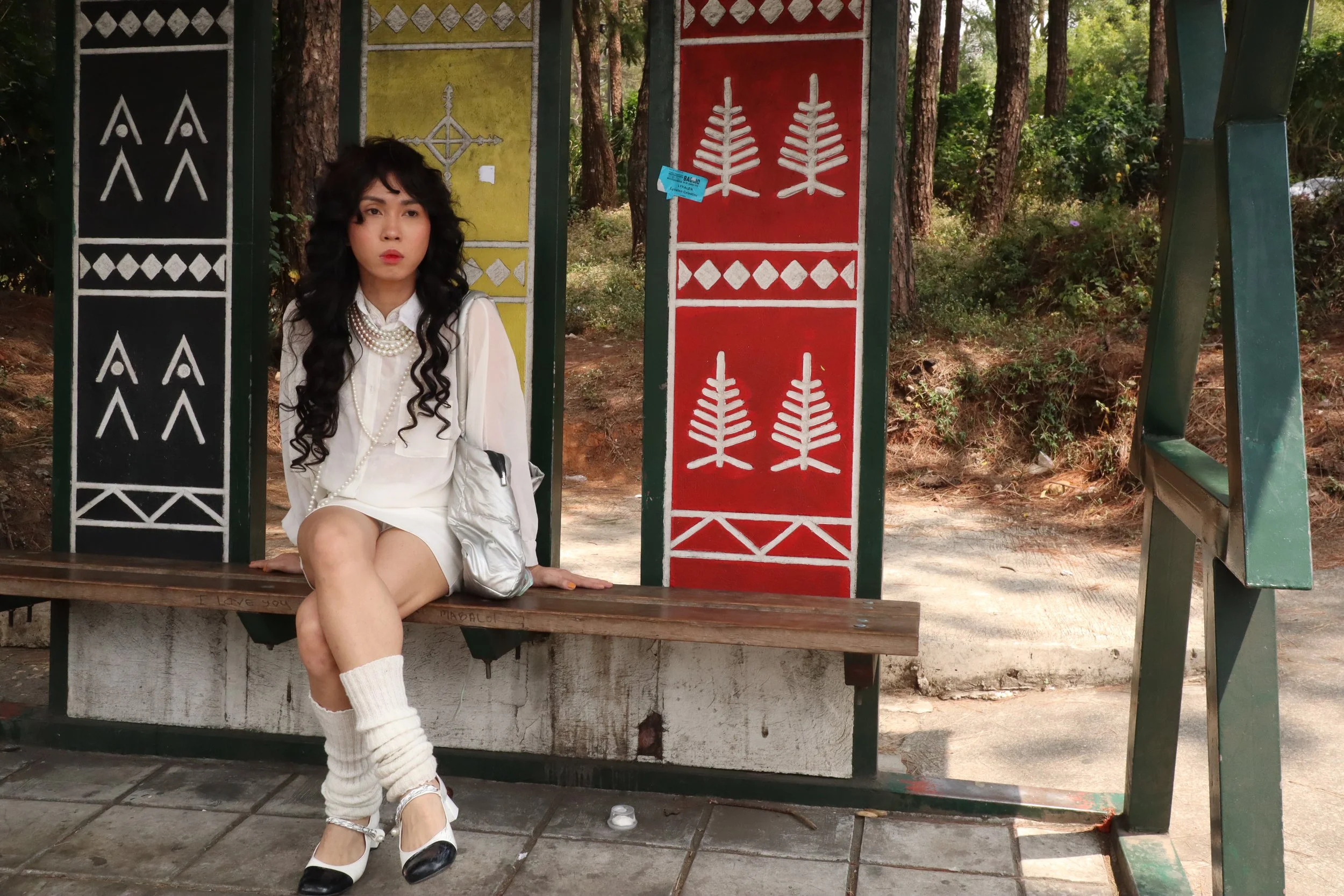
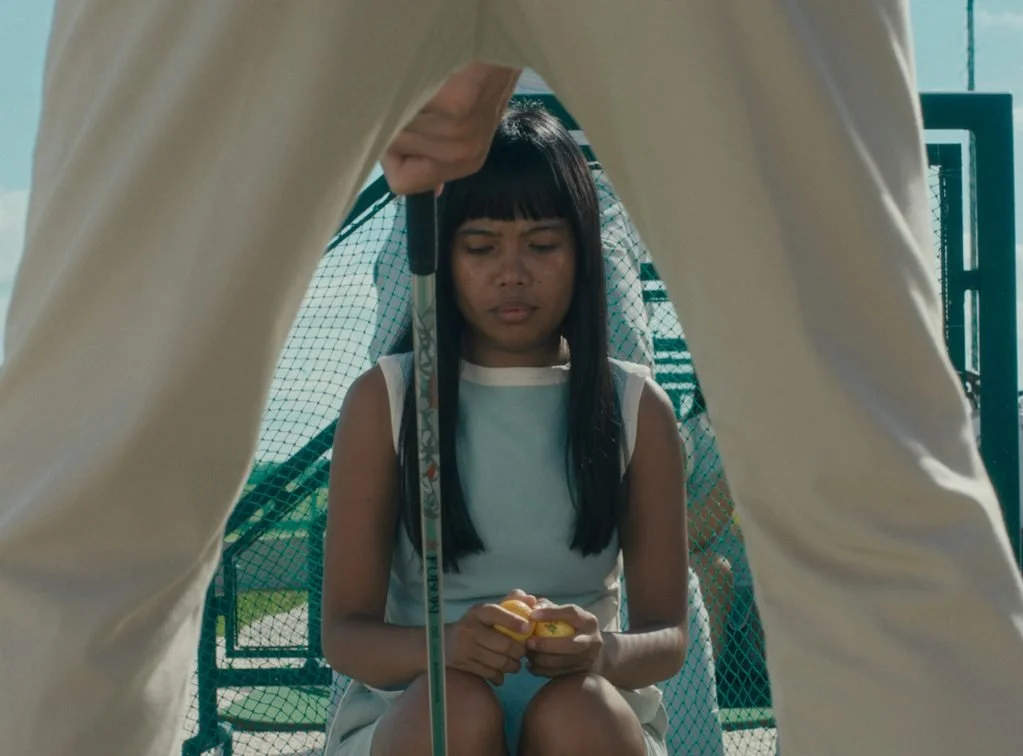
Filipino girl group BINI has been at the frontlines of this bubblegum resurgence. They are keeping the playful energy alive once more through songs like Na Na Na, Lagi, I Feel Good, and Karera, which have dominated the local streaming landscape and even the zeitgeist with their general public-friendly dance trends. While their biggest hits Salamin, Salamin and Pantropiko have popped up in malls, jeepneys, and parties, blending the old public-space vibe with today’s digital energy.
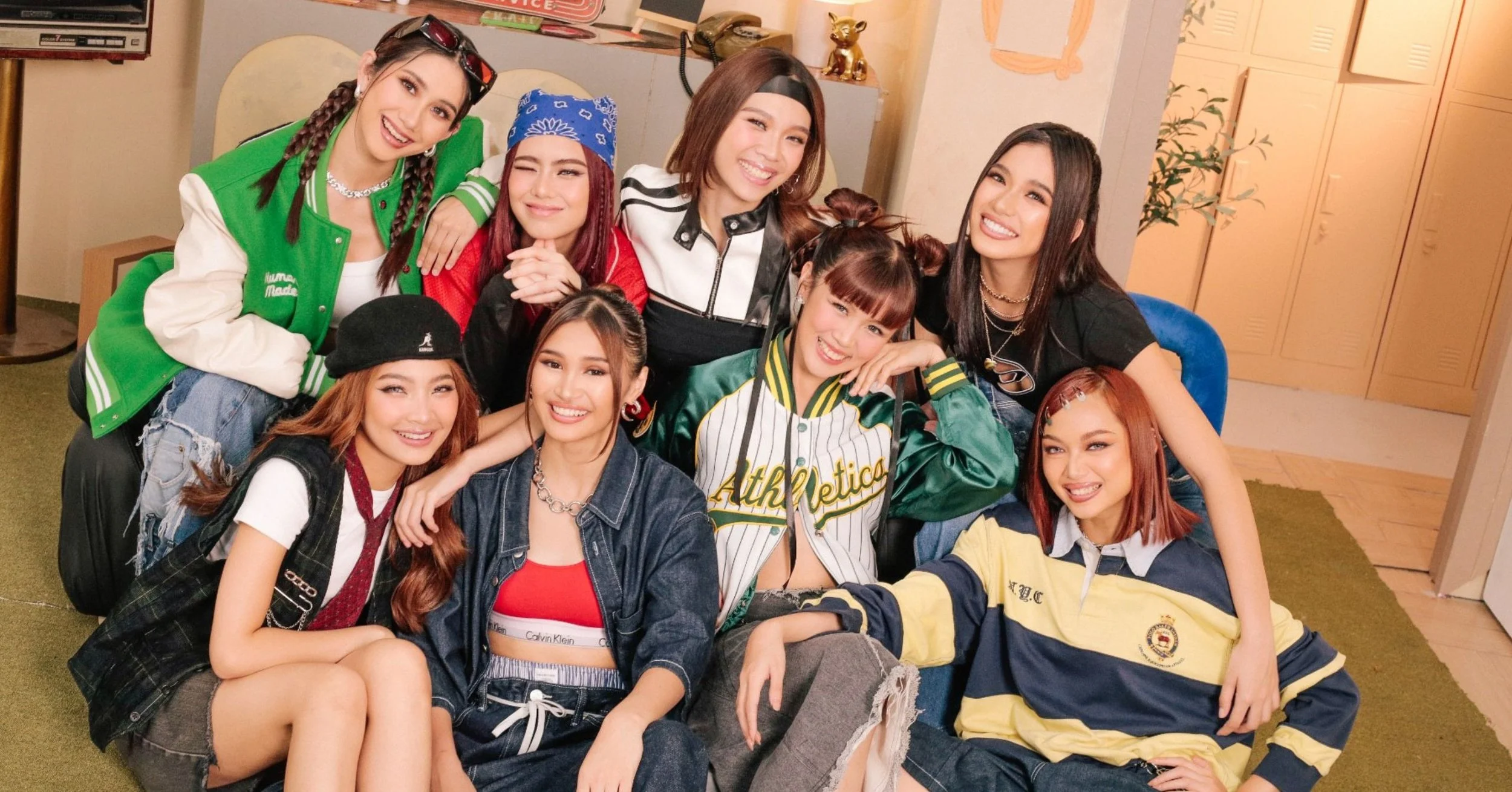
PICTURE 1: BINI | Talaarawan Era
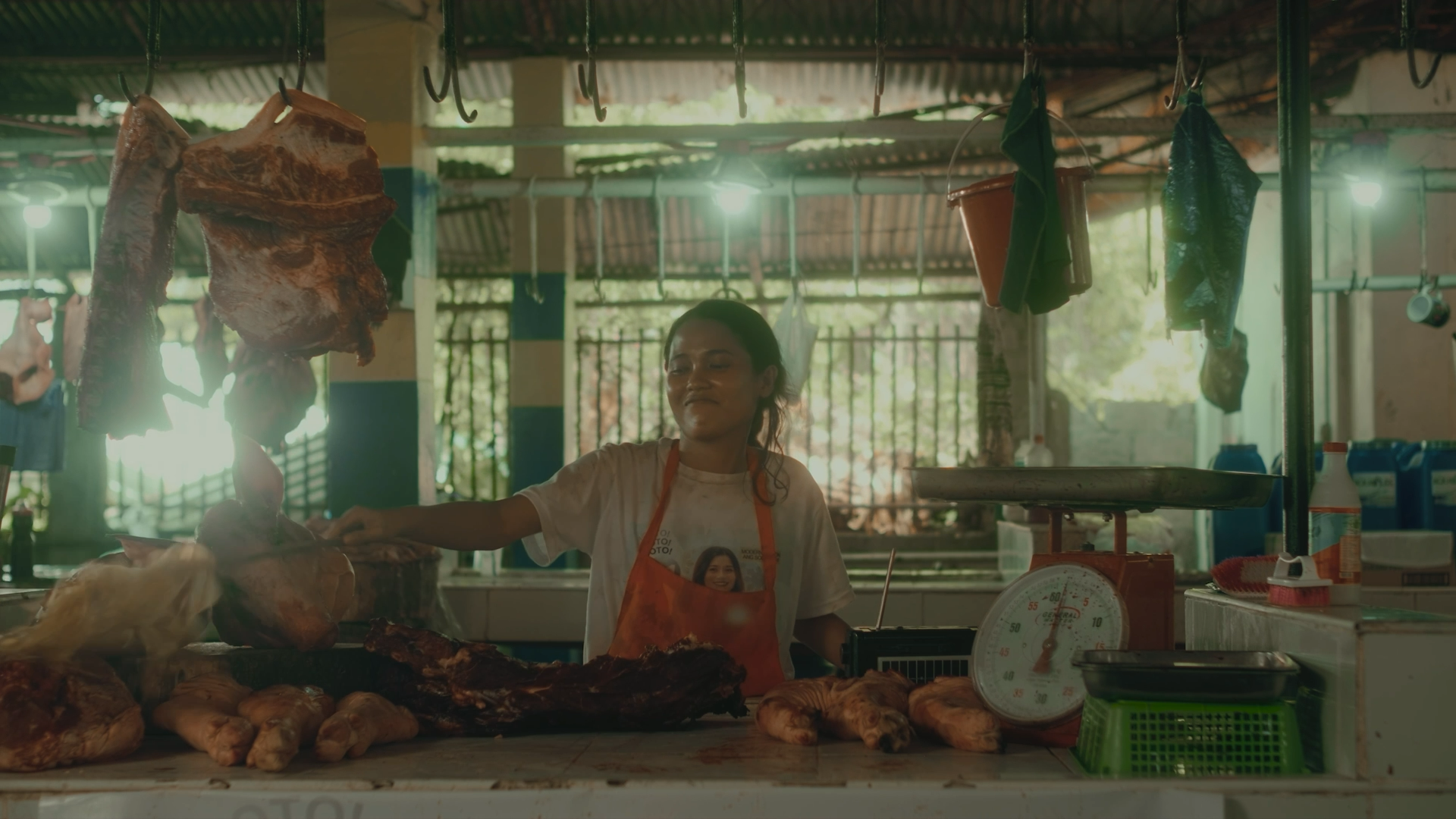
Meanwhile, older hits like MNL48’s Pag-Ibig Fortune Cookie are also being rediscovered online, thanks to a clip of social media influencer AC Soriano passionately belting the track during a livestream. Even MNL48 fifth generation member Maj performed Soriano’s “birit version” as a co-sign. The song’s unexpected revival almost a decade later through fan edits and short videos proves its timelessness and shows that this kind of music still connects almost.
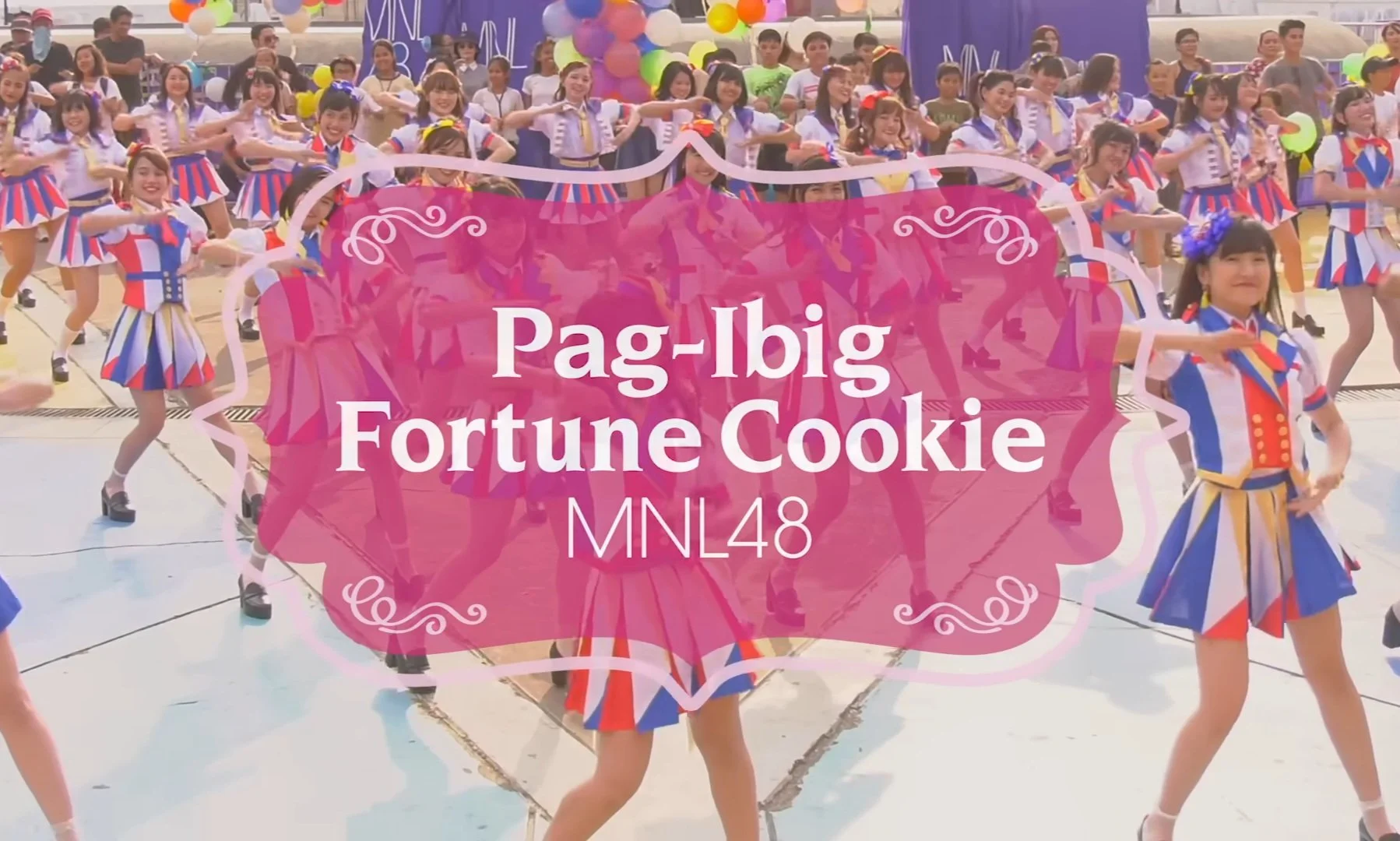
PICTURE 2: MNL48 | Pag-Ibig Fortune Cookie
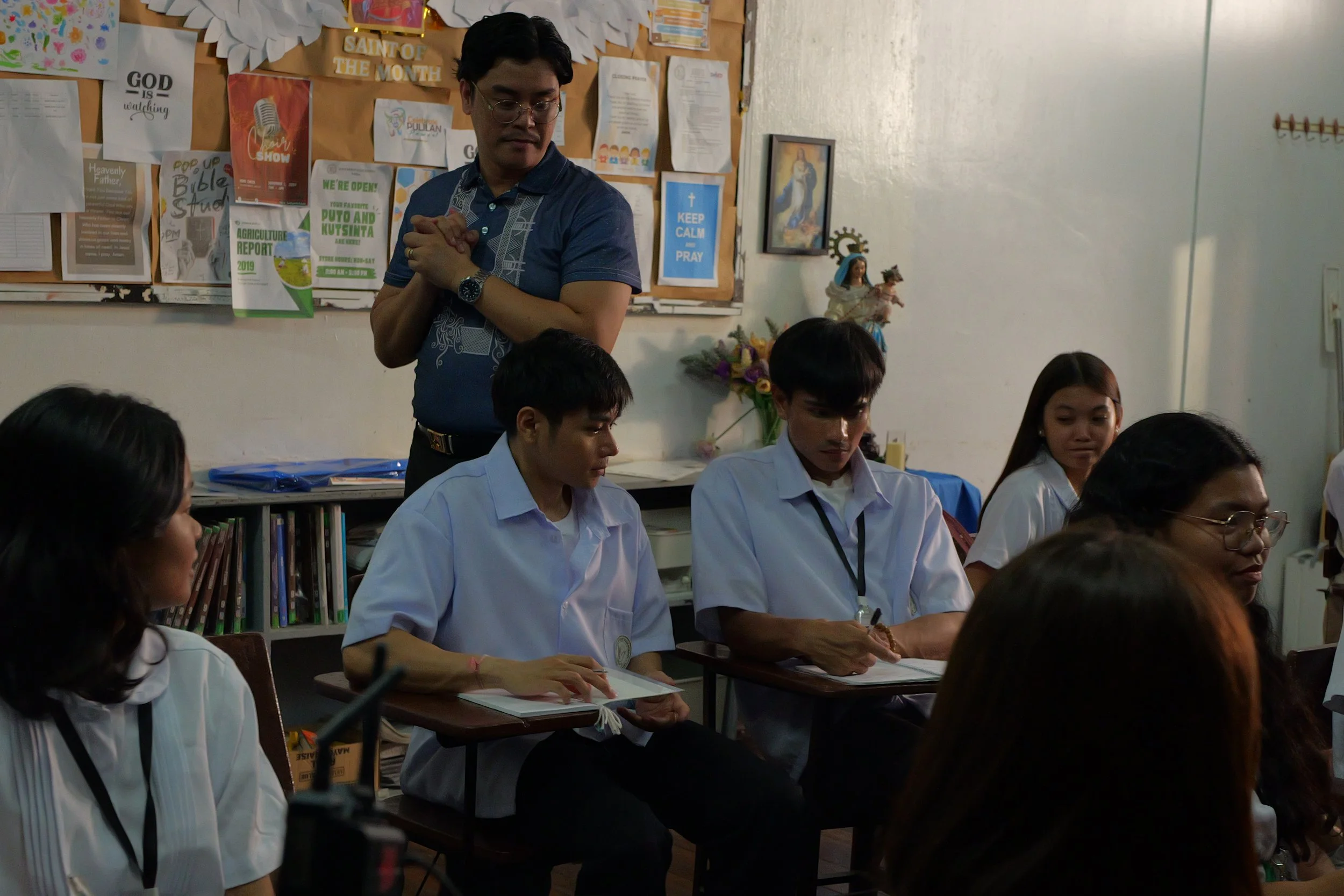
Newer titles like VVINK’s Baduy with Pio Balbuena, which incorporates DJ Love’s iconic electronic dance-pop budots and a Waray rap verse, turn the song into a full-blown celebration. It blends bubblegum pop with the original EDM pulse of the Philippines, pulling from different regions, sounds, and subcultures. The mix of sugary hooks, club energy, and street-level storytelling is unapologetically loud and Filipino. Instead of shrinking itself for playlists or algorithm-friendly polish, Baduy leans into excess, repetition, and rhythm, embracing the same joyful chaos that once filled barangay fiestas and late-night dance floors. It’s made to take up space—physically and culturally.
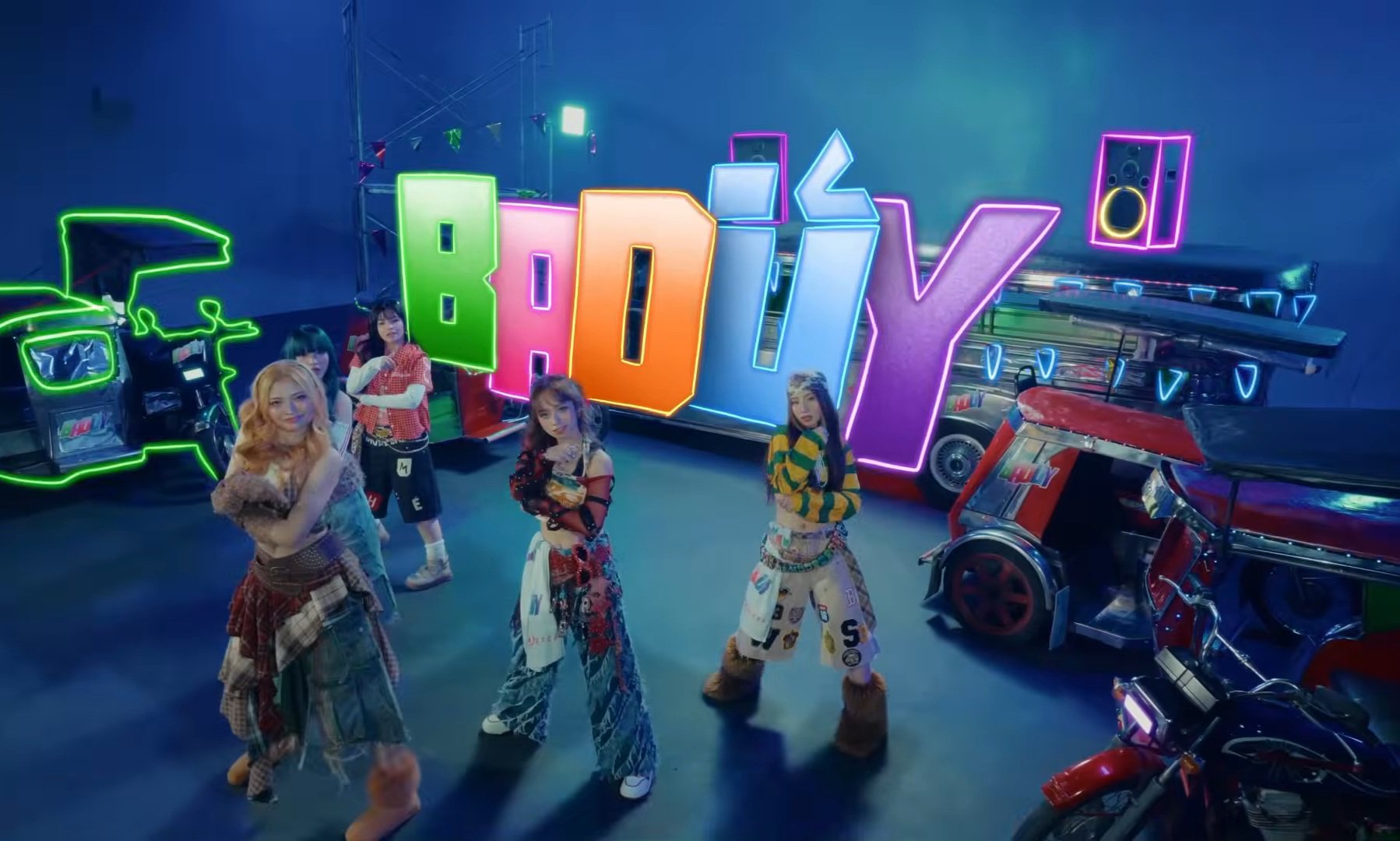
PICTURE 3: VVINK | Baduy ft. Pio Balbuena & DJ Love
The re-emergence of bubblegum pop in OPM can be read as a shift in how people relate to music in today’s social environment. As listening habits become more fragmented and individualized, there is a renewed pull toward songs that feel familiar and easy to latch onto. Bubblegum pop offers a kind of escape that doesn’t ask for explanation or emotional labor; its melodies are meant to be remembered, its rhythms repeated, its feelings light enough to carry through the day. Rather than demanding attention or interpretation, it creates a temporary space where stress softens and joy takes over. In this sense, bubblegum pop resurfaces not as nostalgia or trend-chasing, but as a form that responds to the need for music that comforts, energizes, and allows people to feel connected—even if only until the end of a sticky hook.
Bubblegum pop has always thrived wherever it could be shared. Before, that meant crowded malls, noisy jeepneys, terminals, and computer shops. Now, it lives on timelines across social media. The space may have changed, but the joy, playfulness, and unifying energy remain. The comeback of bubblegum pop reminds us that music is best when it’s hummed, danced to, and shared in unison. And as MNL48 so eloquently puts it: pag nabuksan, ‘di mo na mapipigilan ‘to