
Cebuano Filmmaker Keith Deligero Finally Gets His Flowers at BAI! BAI! BAI! Biennial Film Festival
Cebuano Filmmaker Keith Deligero Finally Gets His Flowers at BAI! BAI! BAI! Biennial Film Festival


SINEGANG.ph published this press release shared by Bai Bai Bai. No staff writer participated in writing this article.
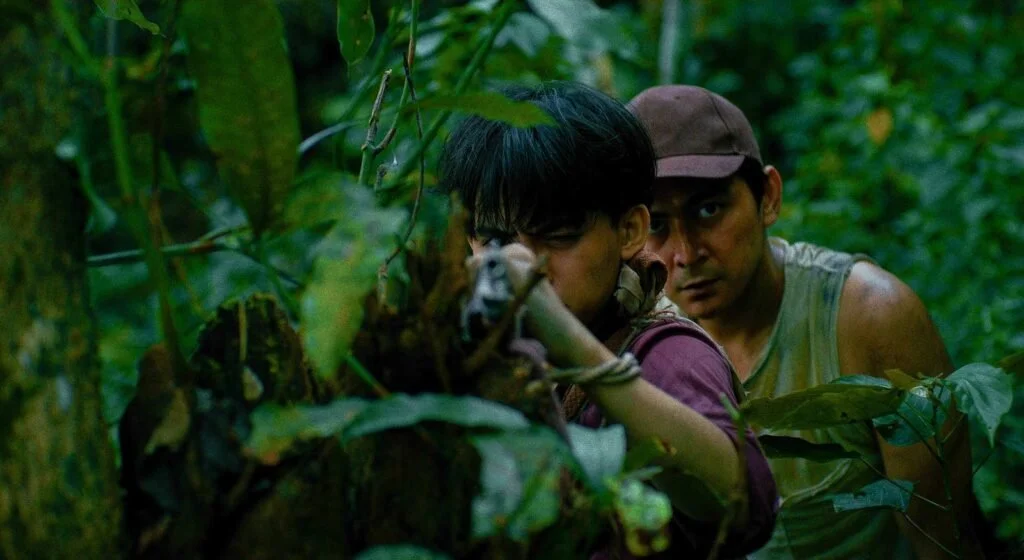
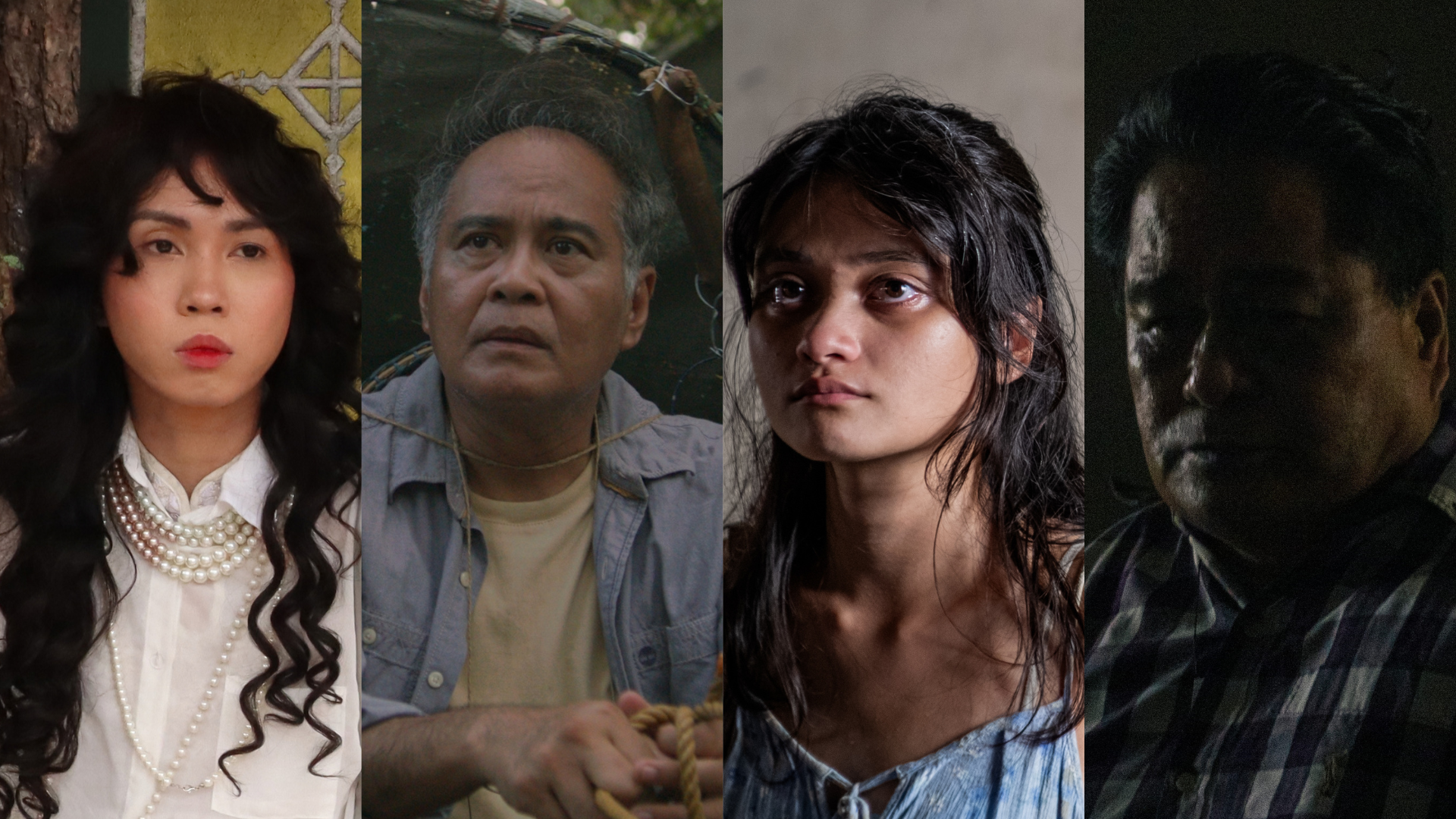
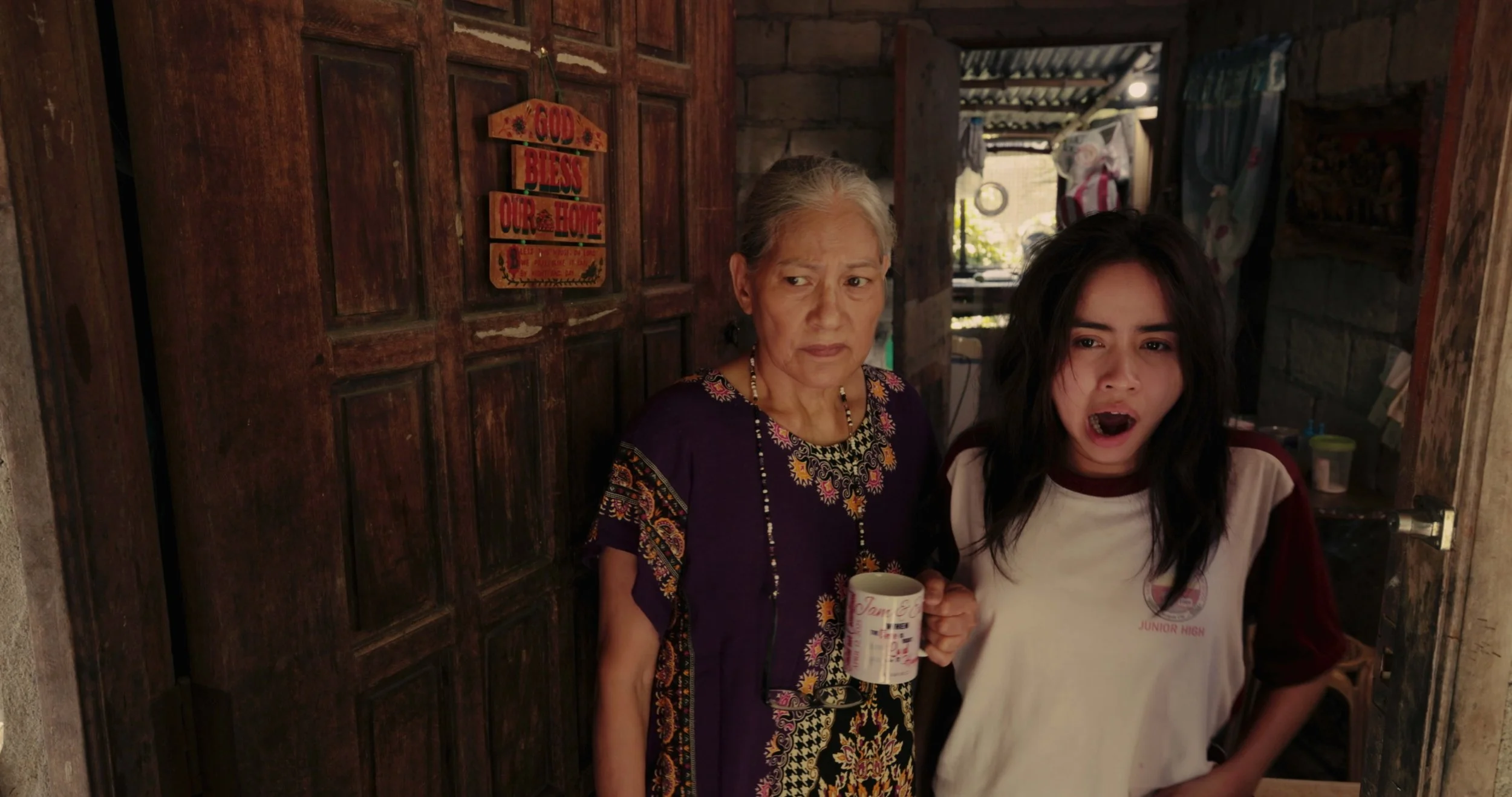
If there is one name that defines the DIY energy of Philippine regional cinema, it is Keith Deligero.
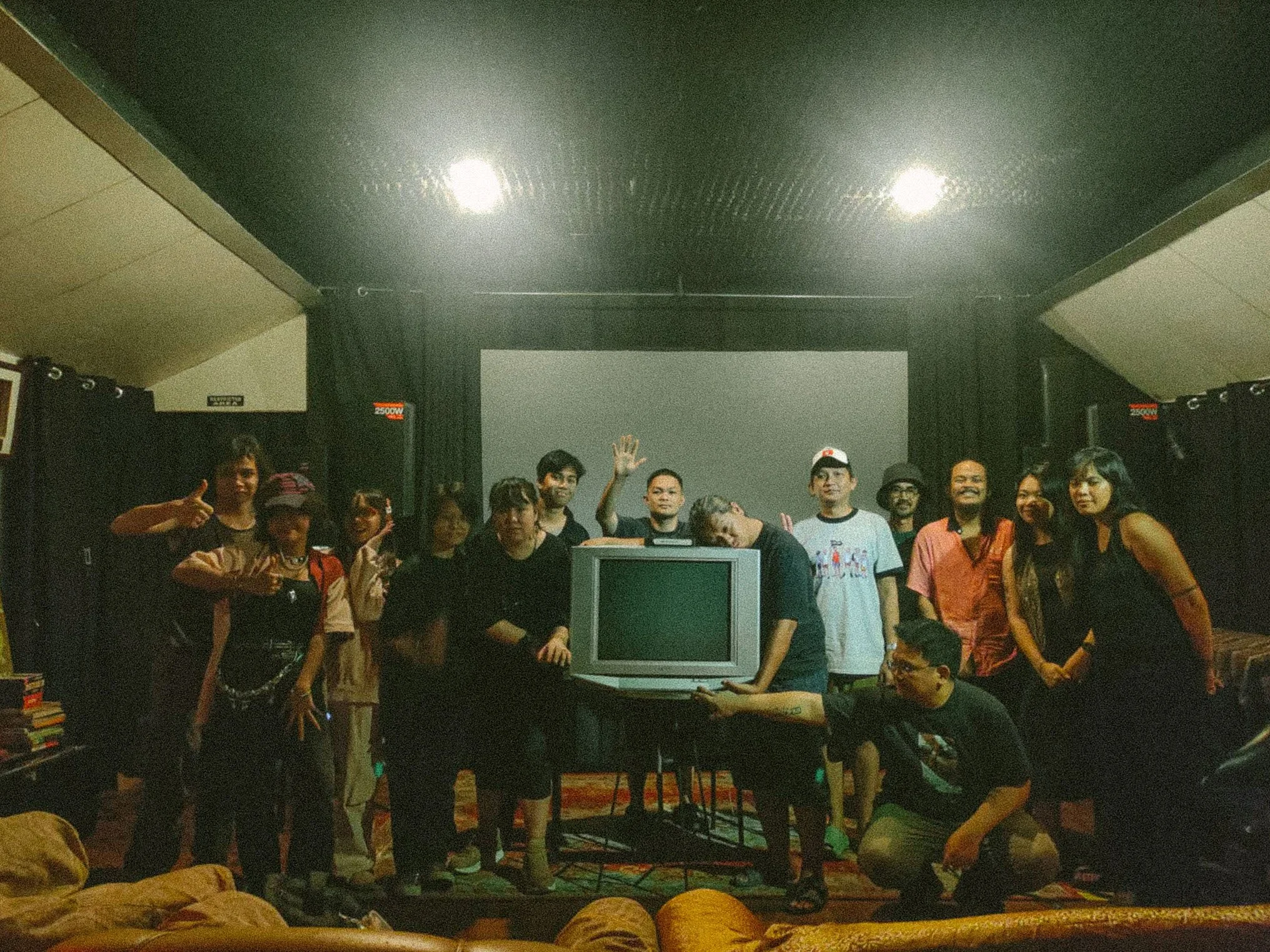
On March 29, 2026, the BAI! BAI! BAI! Biennial Film Festival in Davao City honored Cebuano filmmaker Keith Deligero with a Lifetime Achievement Award. Held at The Green House Cinema, the two-day festival featured special screenings of selected local short films and concluded with a screening of Deligero’s 2010 debut feature, Baboyngirongbuang.
Baboyngirongbuang is the ultimate Cebuano coming-of-age fever dream. It follows best friends Gerald and Clifford on a quest to ride a Ferris wheel one last time before graduation separates them. Produced independently, the film is known for its lo-fi visuals, a soundtrack heavy with Cebuano death metal, and its distinctly Bisaya soul, capturing the particular melancholy of growing up in the regions.
Deligero’s early work exemplified a self-sufficient approach to filmmaking. He wrote, directed, shot, and edited Baboyngirongbuang himself. He mastered it on VHS and burned it onto DVD-Rs to get it into people's hands. This grassroots model contributed to the development of what is now widely recognized as Binisaya Cinema—a movement built on community, linguistic pride, and a refusal to follow the rules of the mainstream industry.
"Keith Deligero represents a cinema that refused to wait for permission," says festival chancellor Nikko Martz. "His work embodies a kind of authorship that is deeply local yet globally legible."
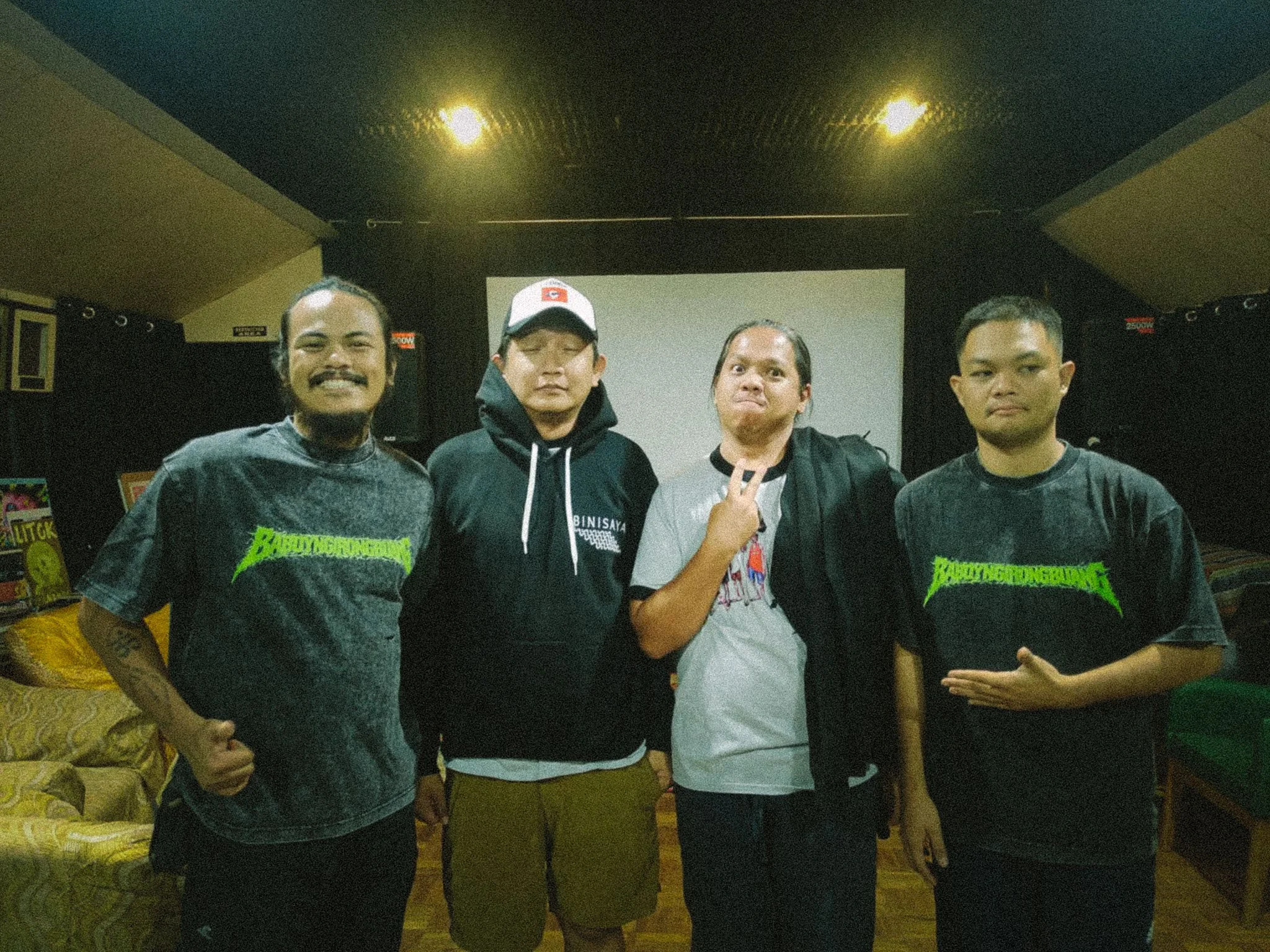
Organized by Estudio Au Contraire, the BAI! BAI! BAI! Biennial Film Festival, held from March 28 to 29, highlights regional voices from across the Philippine archipelago. By honoring Keith Deligero, the festival recognizes the growing influence of independent and regional filmmaking practices operating outside traditional industry structures.
The informal networks, micro-festivals, and word-of-mouth distribution that Deligero started with are no longer just "alternative"; rather, they are a survival guide for the next generation. His award reflects a broader shift in Philippine cinema, as regional voices continue to gain visibility and demonstrate that filmmakers don't have to dilute their style or move to Manila to make an impact.