
When Progress Eats the People: Youth Activist Challenges the Privatization of Iloilo Public Markets in ’Kanibal’
When Progress Eats the People: Youth Activist Challenges the Privatization of Iloilo Public Markets in ’Kanibal’

SINEGANG.ph published this press release by Kanibal. No staff writer participated in writing this article.
What happens when “development” comes at the cost of the people it claims to serve?
For young filmmaker and activist Michael Baylon, that question constitutes the core of Kanibal, his debut film as director and an official entry to the Puregold CinePanalo Film Festival 2026 – Shorts Category.
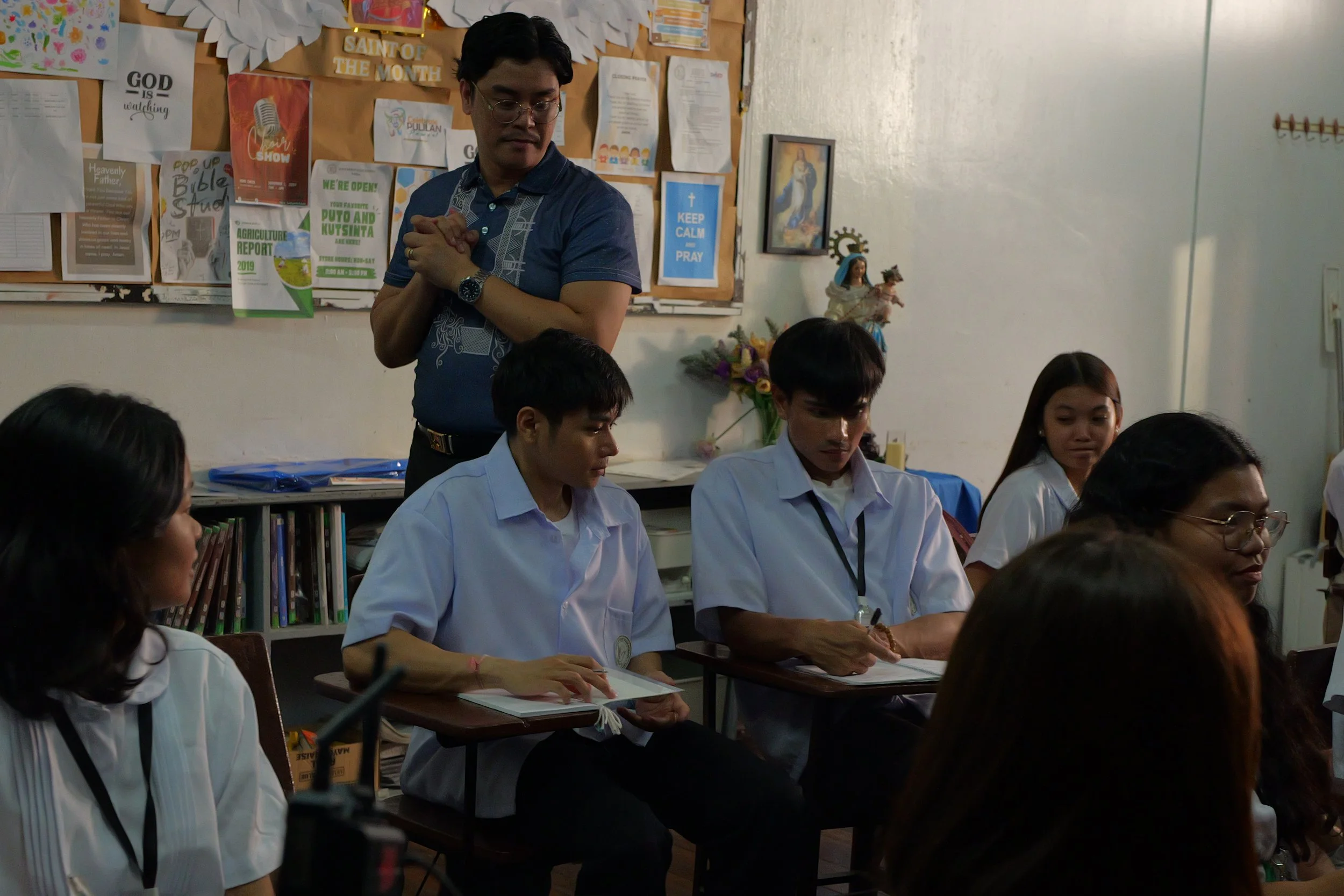
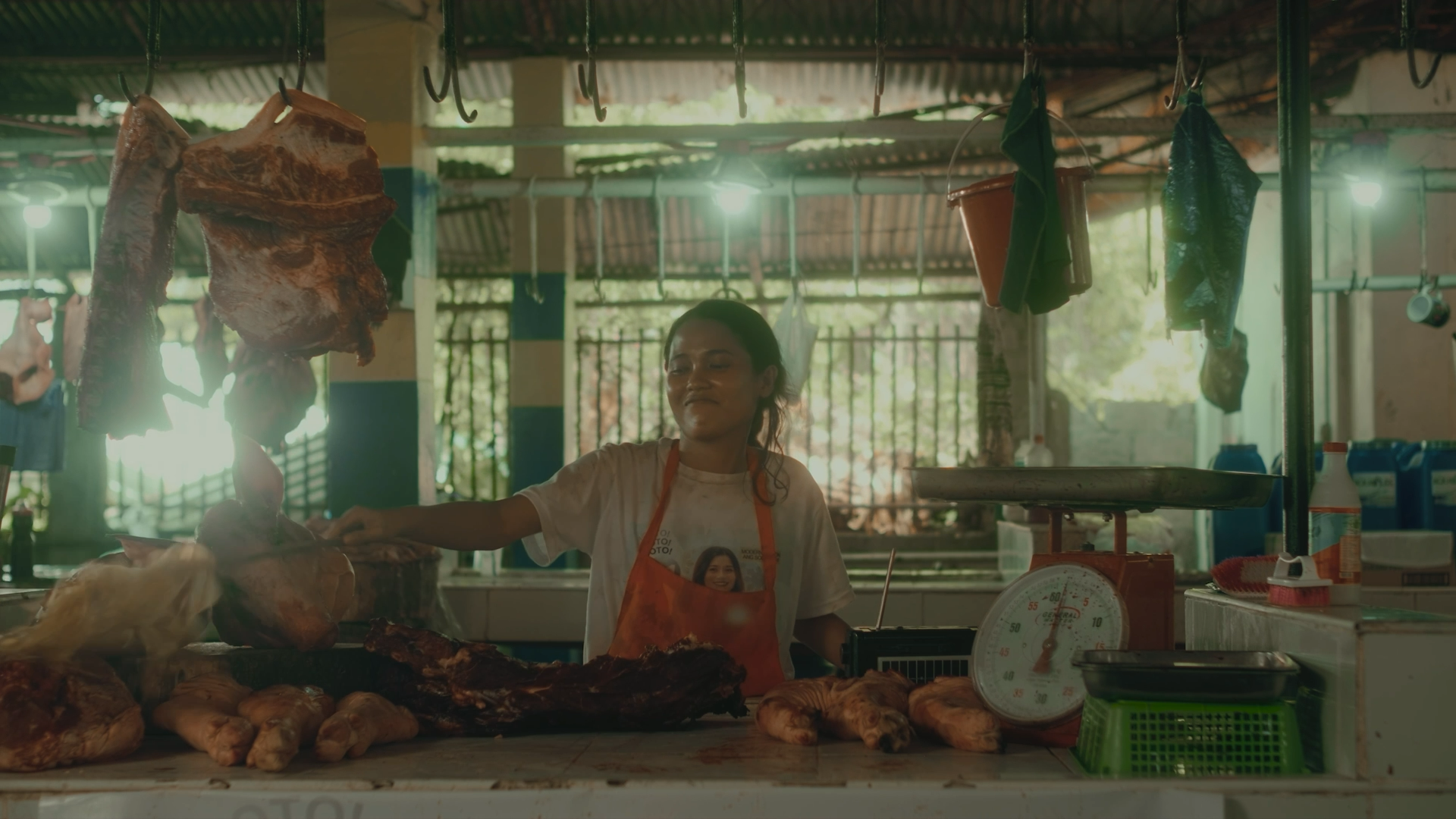
Set inside a public market in Iloilo, the Hiligaynon short film follows Lea, a market vendor raising her daughter Anne as their community faces the disruption brought by a government-backed development project. As the market begins to change, so does Lea, whose body slowly takes on the appearance of the meat she sells.
It is horror, but the monster in Kanibal is not supernatural.
It is a system that can turn public services into business, public spaces into commodities, and ordinary people into the price of “progress.”
WHEN DEVELOPMENT MEANS DISPLACEMENT
Kanibal draws from the continuing realities faced by vendors in Iloilo’s public markets, where redevelopment and modernization have raised questions about livelihood, displacement, and who gets to benefit from changes to public spaces.
Behind the language of modernization are workers who depend on these spaces to survive. Behind new buildings and improved facilities are families asking whether there will still be a place for them when the transformation is complete.
For Baylon, this contradiction is precisely where the film begins.
“Ginagawang negosyo ang mga pampublikong serbisyo na dapat nagsisilbi sa sambayanan. Kaya sa panahon na patuloy nang nalalantad ang mga anumalya, korapsyon, at inhustisya ng ating gobyerno, kinakailangan natin ng mga pelikula katulad nito—mga pelikulang nagpapakita ng tunay na kondisyon at nagpapalakas ng mga panawagan ng masang api,” Baylon said.
Rather than rejecting change itself, Kanibal challenges the kind of development that asks ordinary people to surrender their spaces, livelihoods, and security in exchange for promises they may never get to enjoy.
A MARKET BECOMES A FILM SET AND A COMMUNITY
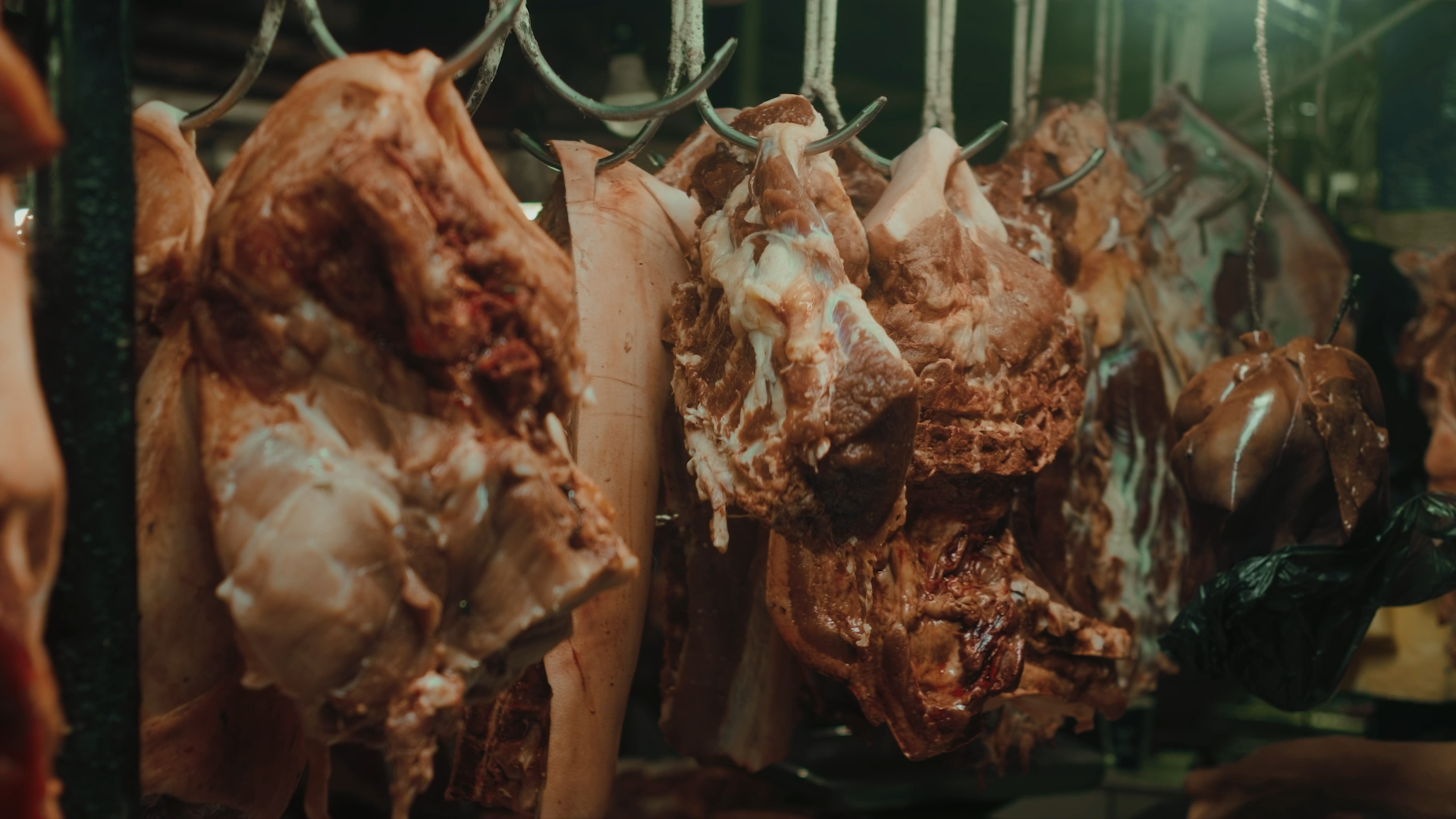
The film was created collectively by students who worked directly within the spaces and communities that inspired its story.
The production grew around the rhythms of the public market—the smell of fresh catch from the sea, the produce arriving from farms, the clatter of tools, the calls of vendors, and the constant movement of everyday commerce. What began as a location became part of the filmmaking process itself: a living classroom where the students learned not only how to make a film, but how to listen to the people whose realities they sought to portray.
For Baylon, filmmaking was never meant to be a solitary act.
He compares the making of Kanibal to preparing a meal: a table requires many hands, and no single person can prepare everything alone. Every member of the production contributed time, labor, sweat, and creativity to bring the film to life.
Producer Krizelle Kate Blanza emphasized that the film’s strength also comes from the community that allowed the production to enter their spaces and share their stories.
“Naniniwala akong mahalagang suportahan ang mga pelikulang may tapang na maglahad ng mga kuwentong sumasalamin sa tunay na kalagayan ng masang api. Ang pelikulang ito ay bunga hindi lamang ng aming pagtatrabaho bilang produksyon, kundi ng komunidad at mga manininda na nagbukas ng kanilang mga espasyo at puso, at nagtiwala sa aming isalaysay ang kanilang realidad,” Blanza said.
She hopes Kanibal will encourage audiences to look beyond the spectacle of horror and confront the realities faced by workers and small vendors.
A YOUNG FILMMAKER WHO CHOOSES TO MAKE ART POLITICAL
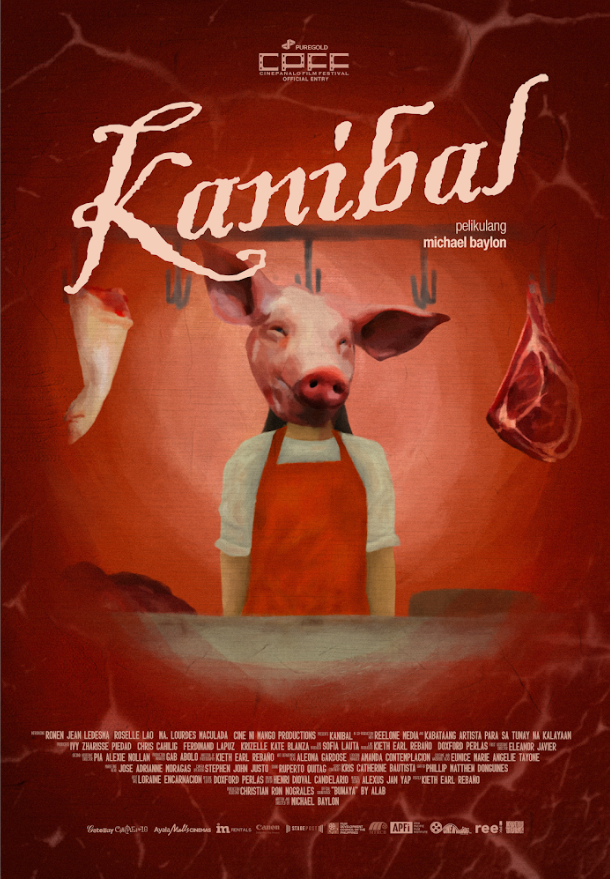
Baylon is a student filmmaker and creative, currently pursuing Communication and Media Studies at the University of the Philippines Visayas.
As an activist, he anchors his creative work in the conditions of communities around him. His films seek to amplify voices that are frequently ignored and transform lived realities into stories that demand attention.
Kanibal marks his first film as director, but not the beginning of his political commitment to filmmaking.
As he enters his final year in college, Baylon continues to write and develop stories grounded in social realities. He sees cinema as more than entertainment: it can be a weapon, a witness, and a space where people can confront the systems shaping their lives.
With Kanibal, he puts that belief on screen.
The film does not simply ask whether society needs development. It asks a more uncomfortable question:
Who gets to eat when progress is served—and who gets eaten?