
How the 16th Binisaya Is Reshaping How We Watch Films

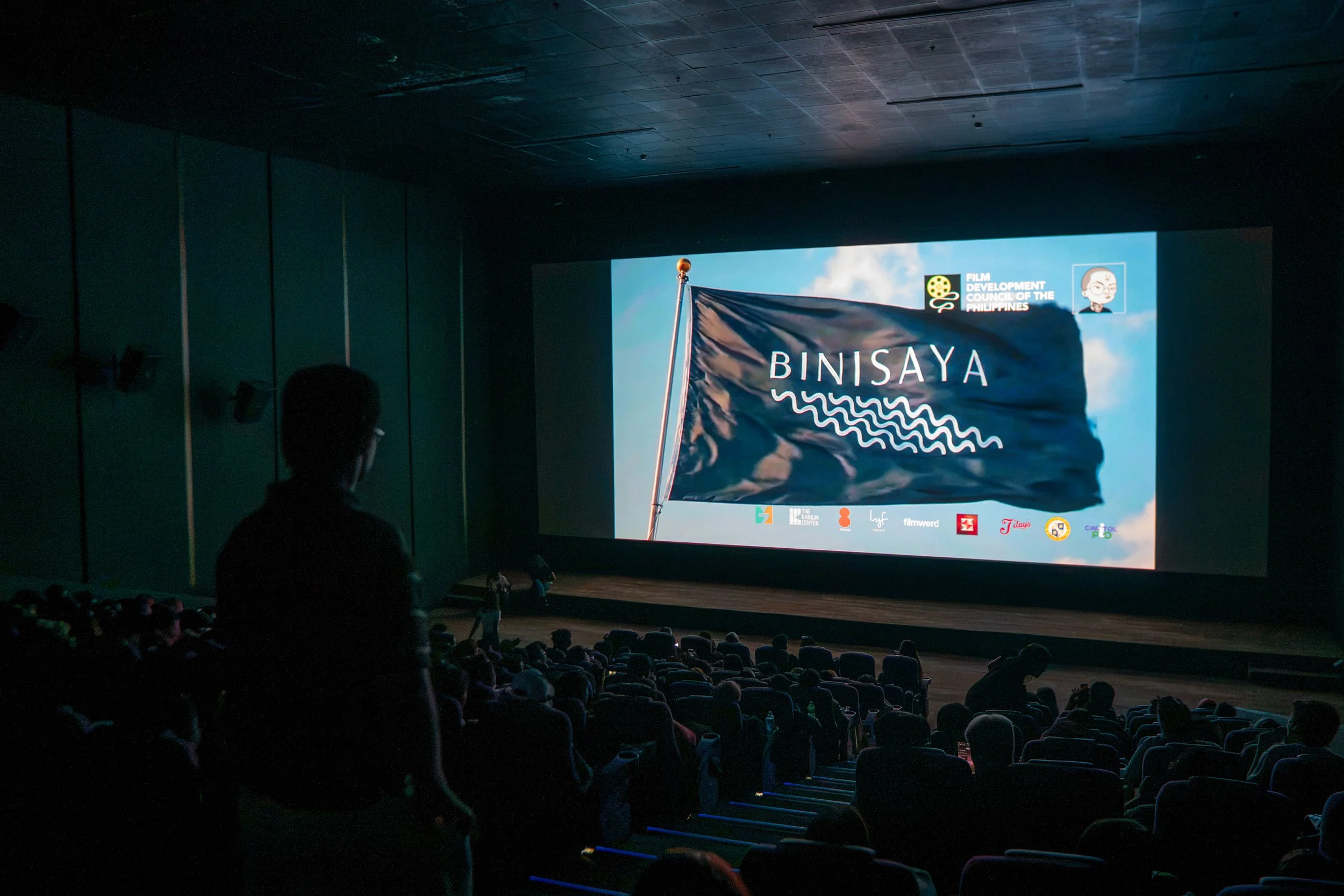
SINEGANG.ph published this press release by Binisaya. No staff writer participated in writing this article.
The 16th Binisaya International Film Festival is doing something quietly radical. It is changing the idea of what a film festival and even the act of watching a film is supposed to be.
For decades, cinema has been organized around a fairly rigid ritual: buy a ticket, enter a theater, sit quietly in the dark, watch a film, leave.
Binisaya seems increasingly interested in challenging that ritual.
The festival doesn't just ask what films people should watch.
It asks:
What if we completely rethink what watching a film means?
Consider the eight-hour screening.
Perhaps nothing captured the spirit of the 16th BINISAYA better than the Binisaya Salida Non-Stop at NUSTAR Cinema 2.
The premise was almost ridiculous.
Take a collection of independent films and screen them continuously for almost nine hours.
No comfortable algorithm feeding you the next title.
No “Are you still watching?”
No option to pause because you need to scroll through TikTok.
Just cinema.
And people came.
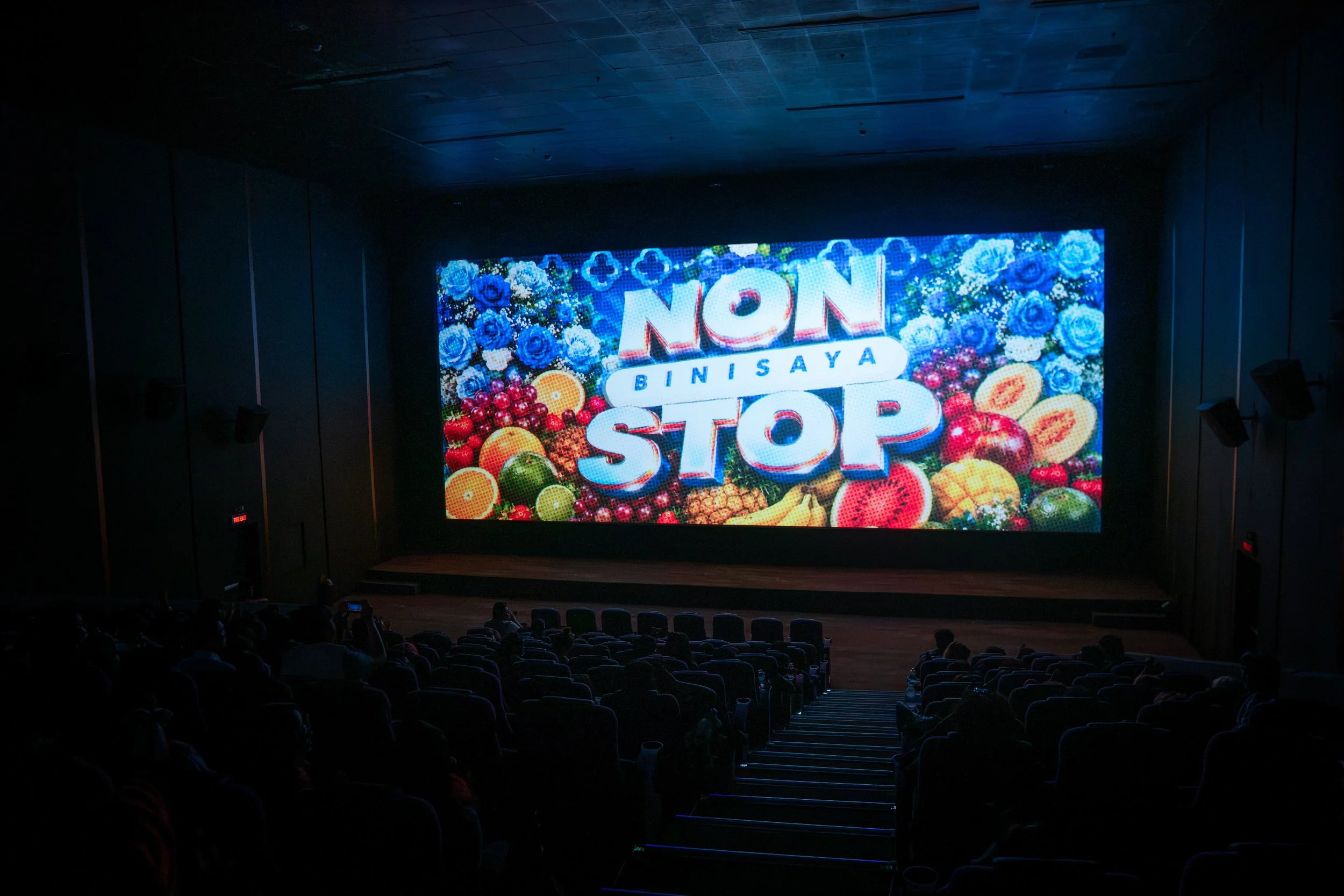
The screening was full house, while outside the theater, a long line of people waited for hours to get inside.
And the absurdity of the scene was amplified by what was happening next door.
The Binisaya queue stretched along the next theater screening Spider-Man.
One was the machinery of mainstream cinema: a globally recognizable superhero, a massive franchise, a character that requires absolutely no introduction.
Next door, people were standing in line for hours to watch a marathon of independent Filipino films.
Same multiplex.
Same day.
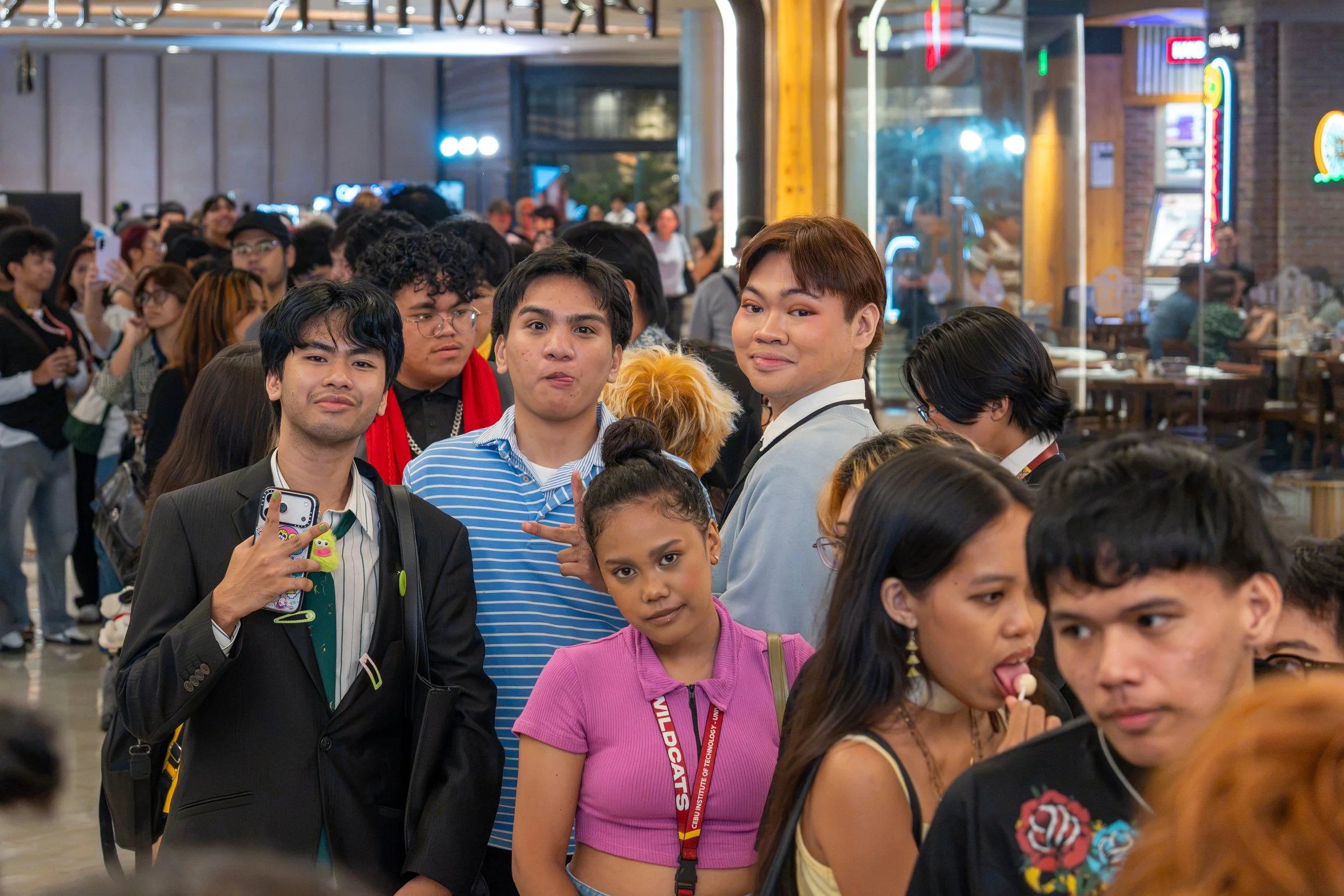
Two completely different ideas of what cinema can be.
Think about how insane that is.
We live in an era where audiences complain that a two-hour movie is too long. Streaming platforms have trained us to watch whenever we want, wherever we want, at whatever speed we want. If a movie doesn't grab us within the first few minutes, there are literally thousands of other things waiting for our attention.
Yet Binisaya got people to wait in line for hours to spend almost an entire day watching independent films.
That wasn't simply a screening.
It was a pilgrimage.
People weren't lining up for the latest billion-dollar Hollywood franchise. They were lining up for filmmakers, many of them working far outside the commercial center of Philippine cinema, because the festival had made their films feel like something you needed to experience with other people.
And once inside, the audience wasn't simply watching one movie.
They were entering a culture.
One film became another. A short became a feature. A strange experimental work was followed by something completely different.
You'd see a filmmaker's name on the screen, then perhaps encounter that filmmaker somewhere later, in the restroom or even sitting beside you. No introduction, no q&a after.
You talk.
You argue.
You laugh.
You wonder what the hell you just watched.
Then the next film starts.
Suddenly, watching movies becomes a social activity again.
The theater is no longer the only cinema.
This is where Binisaya's larger philosophy becomes interesting.
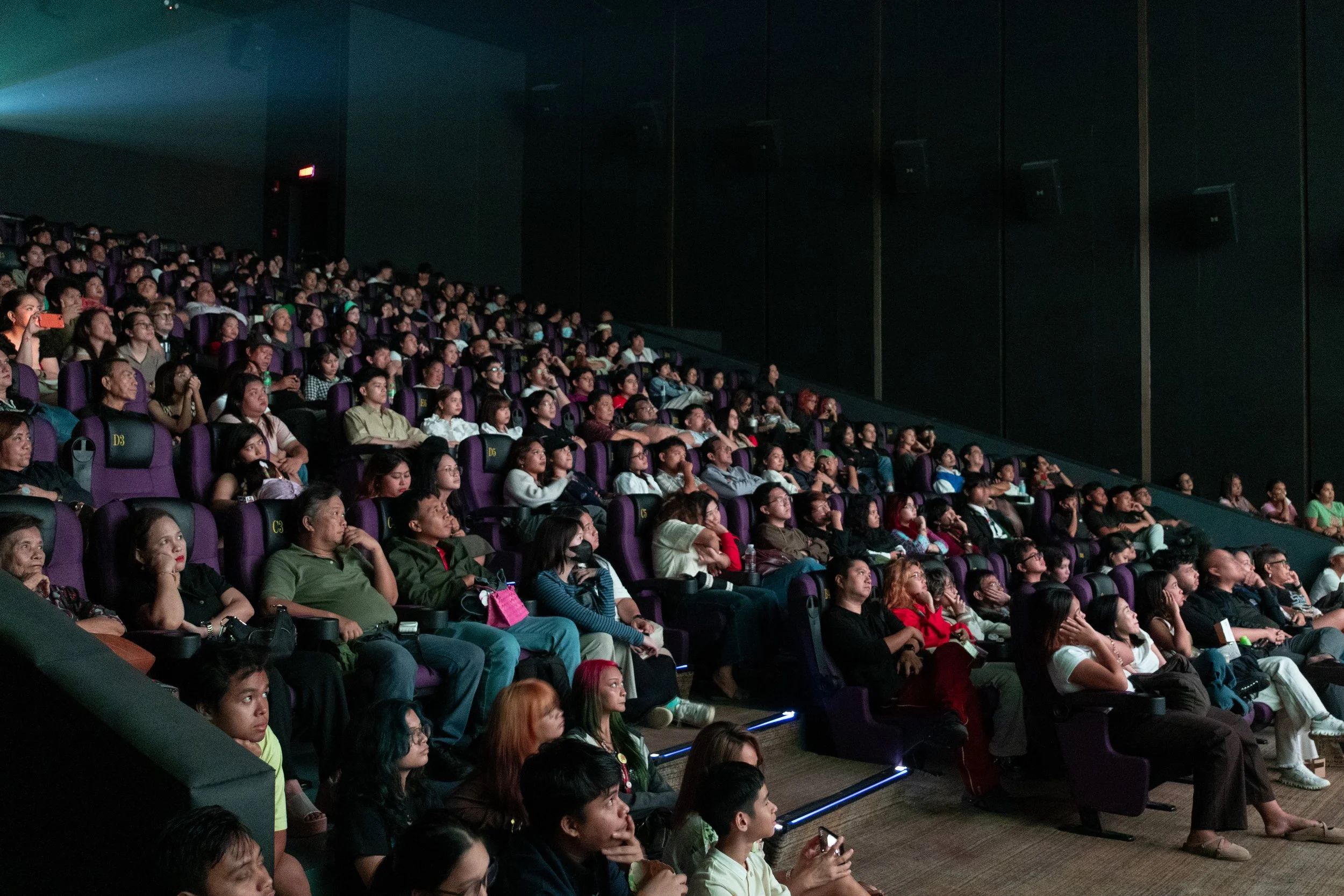
The festival has never been particularly interested in treating cinema as something that belongs exclusively inside a multiplex.
Its roots are deeply connected to grassroots exhibition and the idea that films can exist in community spaces, unconventional venues and wherever an audience is willing to gather.
That spirit continues into the 16th edition.
There are traditional theater screenings. There are talks. There are filmmaker gatherings. There are screenings that feel like events rather than appointments.
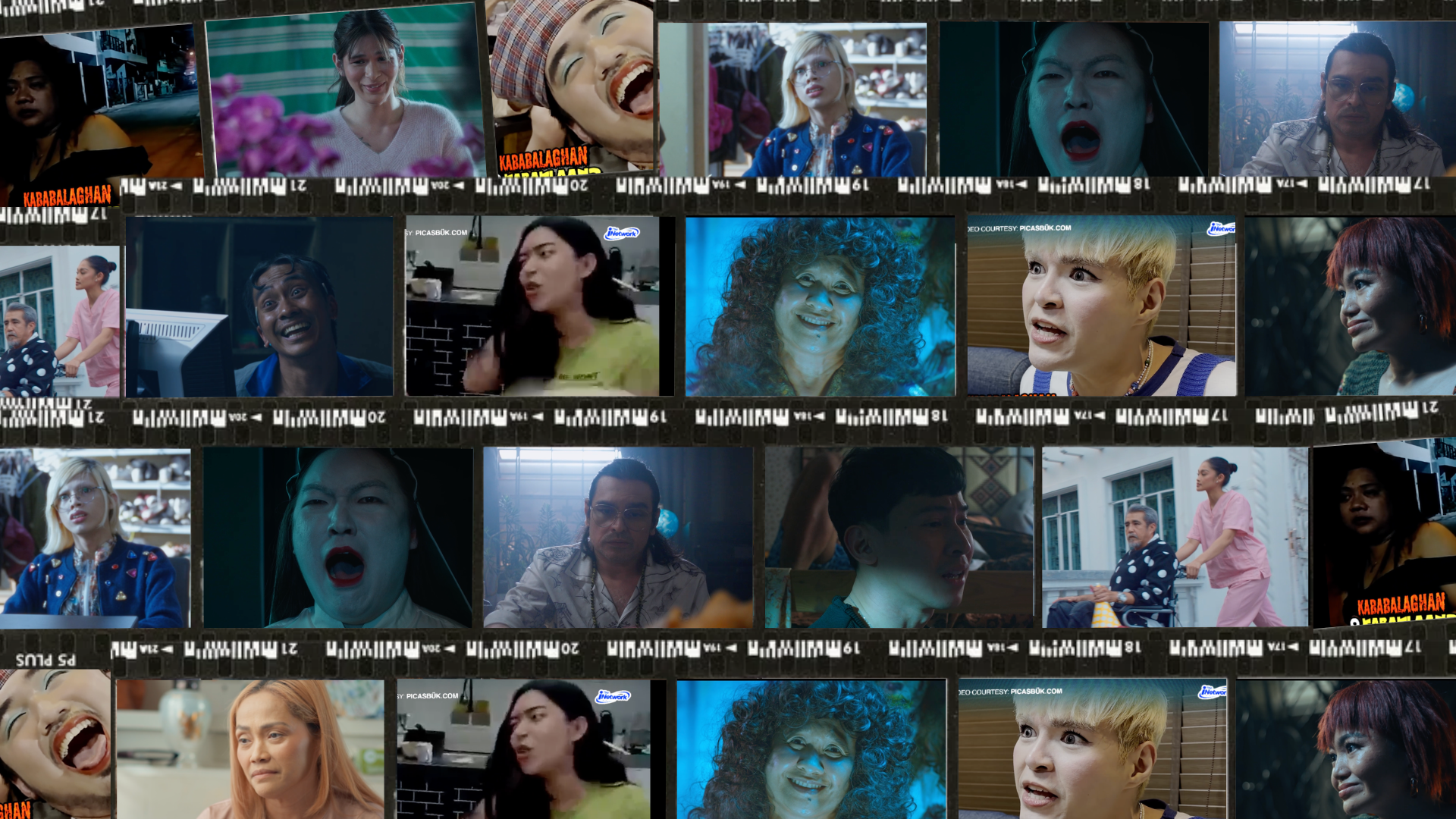
And then there is EXIT, the festival's online channel, where films can continue finding audiences beyond the physical festival.
The screen can be a cinema screen.
It can be a laptop.
It can be a phone.
It can be a community space.
It can even be an eight-hour endurance test inside NUSTAR Cinema 2.
Cinema doesn't have to live in one place anymore.
It makes regional cinema feel less “regional.”
Binisaya is also changing the psychological geography of Philippine cinema.
Its programming places Cebuano and Visayan works into conversation with films from other parts of the Philippines and the world.
That matters because regional cinema is often treated as though it needs to explain itself before it can be considered part of the national conversation.
Binisaya flips that idea.
You don't have to erase your accent.
You don't have to abandon your language.
You don't have to make Cebu look like Manila.
You don't have to make your film “universal” by making it less specific.
The specificity is the point.
A film rooted in one place can travel to another place and find an audience precisely because it is rooted somewhere.
Binisaya turns Cebu into a meeting point for different Philippine cinemas.
It turns the audience into the jury.
Binisaya's idea of audience empowerment doesn't stop at putting people in the seats.
It also asks a deceptively radical question:
Who gets to decide what makes a good film?
The festival has deliberately made space for voices outside the traditional film establishment, including jurors whose everyday professions have nothing to do with the conventional idea of a film critic or industry professional.
Among them are a street vendor and a parking cashier.
And that changes the conversation.
Because the person judging a film doesn't necessarily need a film degree, a festival resumé, or a hundred published reviews.
They need to be willing to watch.
They need to have an opinion.
They need to bring their own experience of the world into the room.
That is a form of audience empowerment that is easy to underestimate.

The festival is essentially saying:
Your experience as a viewer is valid.
Your reaction matters.
Your interpretation matters.
Your emotional response matters.
You don't have to be a professional critic to have something meaningful to say about cinema.
And this makes the jury itself an extension of Binisaya's larger philosophy:
Cinema belongs to the people who watch it.
The same festival that can make hundreds of people wait for hours to get into an eight-hour screening can also give some of the power of deciding the winners to people who represent the everyday audience.
The boundary between filmmaker, critic and viewer becomes deliberately blurry.
You might make a film.
You might watch a film.
You might judge a film.
You might meet the filmmaker afterward and argue about it.
All of those roles can exist within the same community.
It also destroys the idea that film festivals have to be intimidating.
Film festivals can sometimes feel like academic conferences disguised as cultural events.
Binisaya increasingly feels like the opposite.
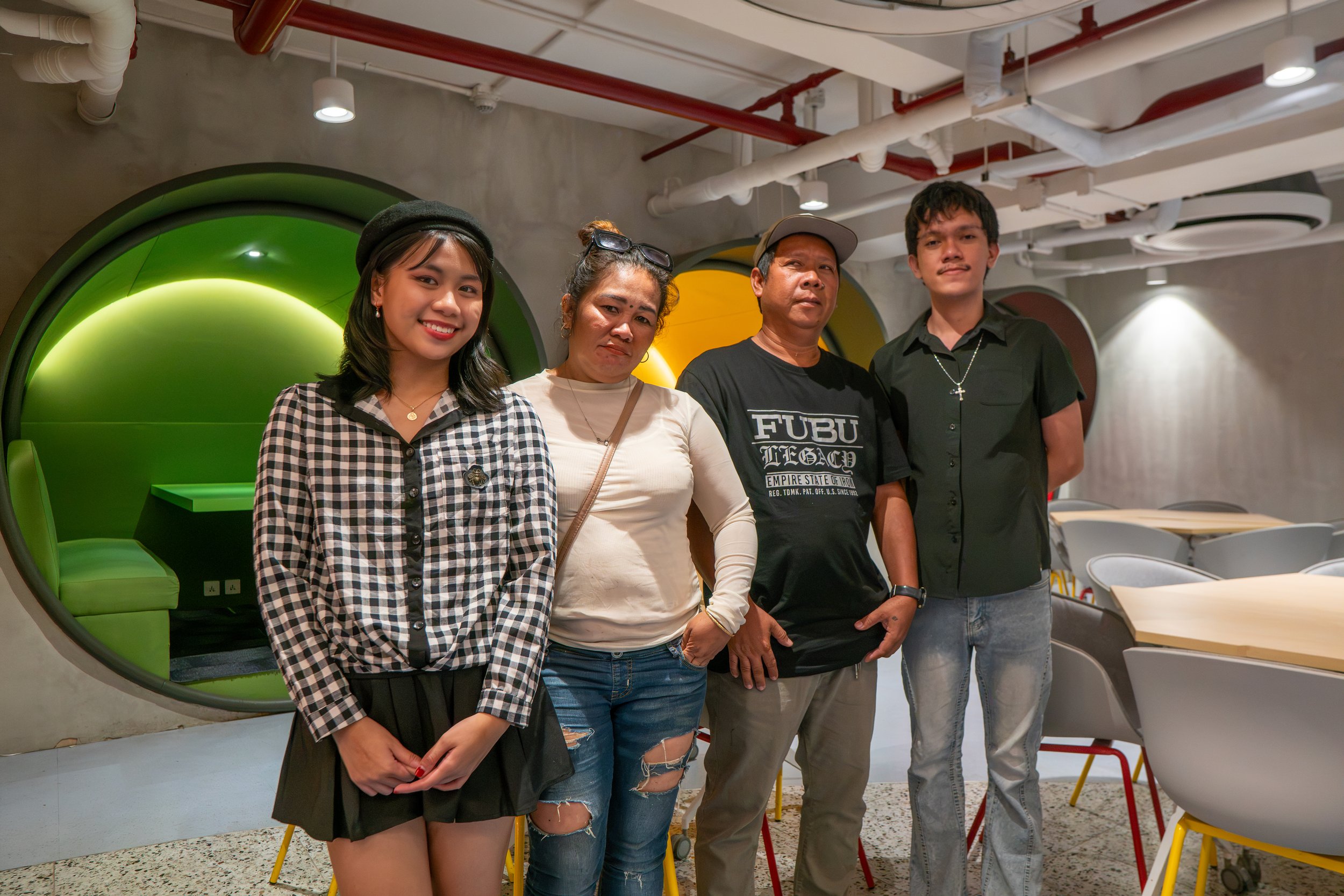
It is irreverent. Messy. Social. Sometimes completely unhinged.
There are unconventional festival rituals. There are parties. There is music. There is dancing. There have been karaoke singing. And at the 16th edition, apparently the logical way to survive an awards ceremony was zumba.
The festival refuses to behave like a solemn institution that must constantly remind everyone that cinema is “Important” Art.
And that matters.
Because people who are having fun are more likely to stay.
A festival doesn't necessarily build a film culture by telling people that cinema is important.
Sometimes it builds one by making people think:
“That was insane. What are we watching next?”
It turns the audience into participants.
The traditional viewer is passive.
You watch.
Binisaya increasingly asks you to participate.
Watch online. Vote. Attend a screening. Meet the filmmaker. Argue about a film. Go to a talk. Walk around or run across the longest bridge in Cebu with other cinephiles. Discover somebody you've never heard of.
The audience isn't merely the end point of distribution.
The audience becomes part of the distribution system.
That is particularly important for independent cinema, where the biggest problem isn't always making a film.
It's getting anybody to see it.
The hours-long line outside NUSTAR made that painfully and beautifully visible.
Those people weren't just customers waiting to consume entertainment.
They were demonstrating demand.
They were saying, with their time, their patience and their tired legs:
We want to see these films.
And the people inside the cinema were not merely consumers either.
They were participants.
Some would vote.
Some would become jurors.
Some would meet filmmakers.
Some would make films themselves.
Some would simply bring a friend next year.
That is how a film audience becomes a film culture.
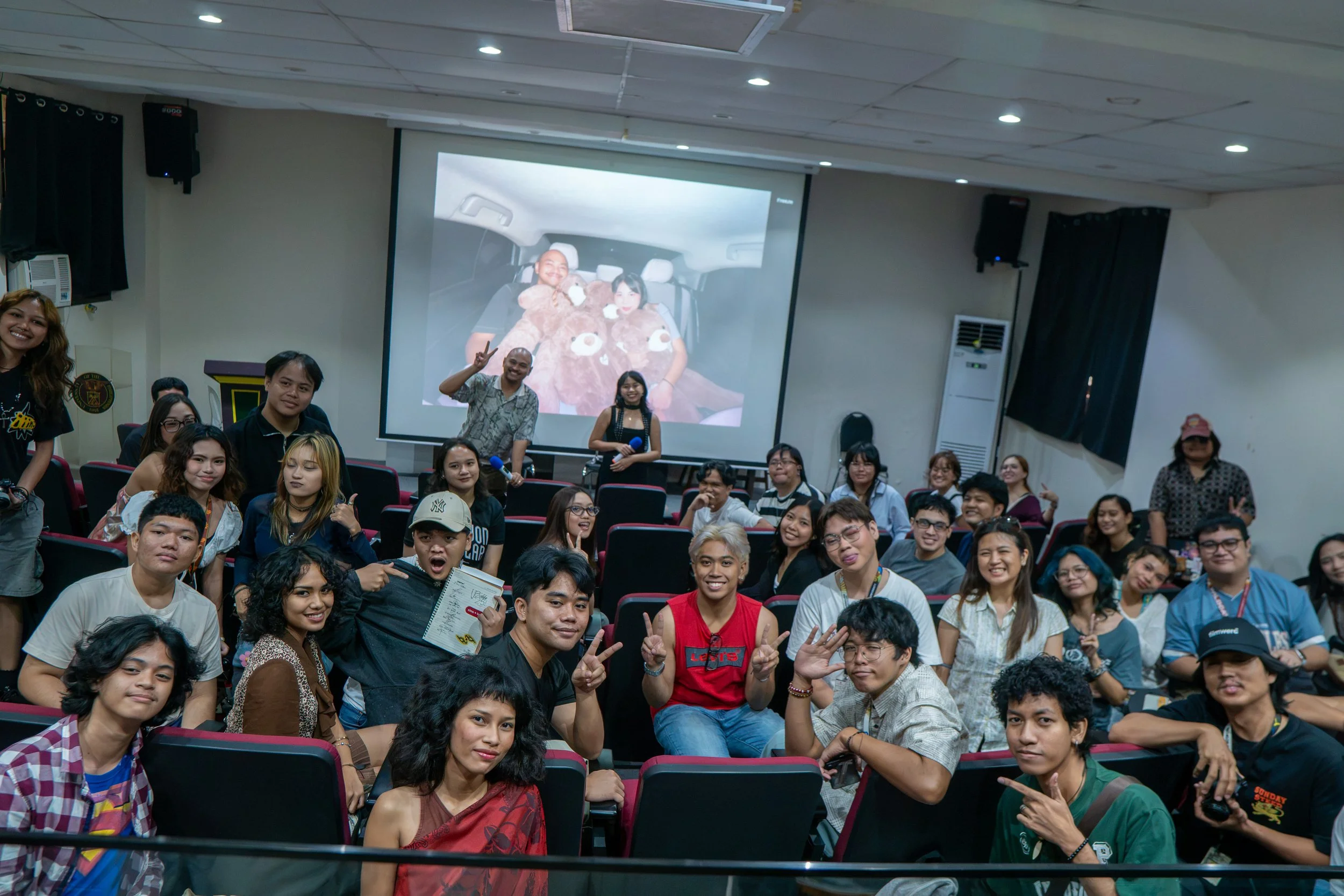
But underneath all of this is friendship.
This may be the strangest thing about Binisaya.
For all the films, screenings, programs, awards, guests and increasingly ambitious productions, the festival's foundation is surprisingly simple:
friends.
Programmer Keith Deligero describes it:
“Binisaya was built on friendship. It started when a group of friends who barely know how to make films and are so not qualified to run a festival started to make one.”
And somehow, that became sixteen editions.
“The festival survived 16 editions by keeping the friendship and making new friends every year.”
That philosophy is visible everywhere during the festival.
Every edition, there is a group of friends watching films together.
People arrive knowing nobody and leave knowing somebody.
Filmmakers meet audiences.
Audiences meet filmmakers.
Strangers become drinking buddies.
People who came for one screening stay for another because somebody they just met told them they shouldn't miss it.
The festival keeps expanding not simply by accumulating films, but by accumulating relationships.
And perhaps that explains the eight-hour queue better than anything else.
People weren't just waiting for movies.
They were waiting with each other.
Cinema becomes a gathering.
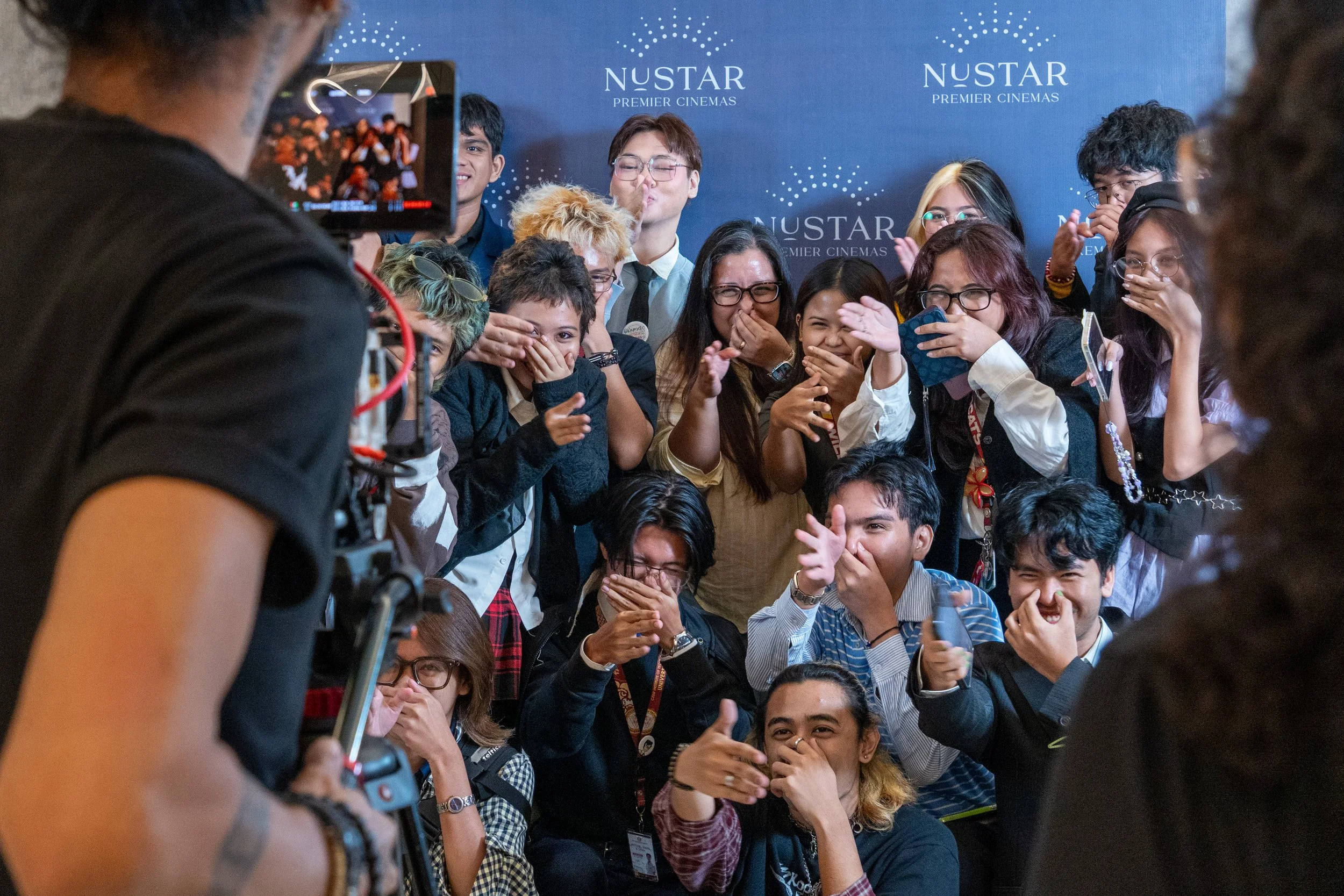
The streaming era has given us extraordinary access to movies while simultaneously making watching them increasingly solitary.
Binisaya pushes in the opposite direction.
It reminds us that cinema isn't only the relationship between you and the screen.
It can be the relationship between you, the screen, and everybody sitting beside you.
You laugh together.
You get confused together.
You hate the same movie together.
You discover something together.
You leave the theater and immediately start talking about it.
The eight-hour screening makes this particularly obvious.
Nobody survives nearly nine hours of cinema purely through individual consumption.
At some point, the people around you become part of the experience.
The queue becomes part of the festival.
The exhaustion becomes part of the festival.
The conversations between films become part of the festival.
Even the decision to stay for one more film becomes part of the festival.
The film doesn't exist in isolation anymore.
The experience around the film becomes cinema, too.
And maybe that's why the image of the Binisaya line beside the Spider-Man theater is so perfect.
One represents a familiar model of moviegoing: go see the biggest movie in the world.
The other represents something much stranger:
Wait for hours to watch films you probably haven't heard of, made by filmmakers you may not know, in languages you may not speak, and spend almost nine hours doing it with strangers who might become friends.
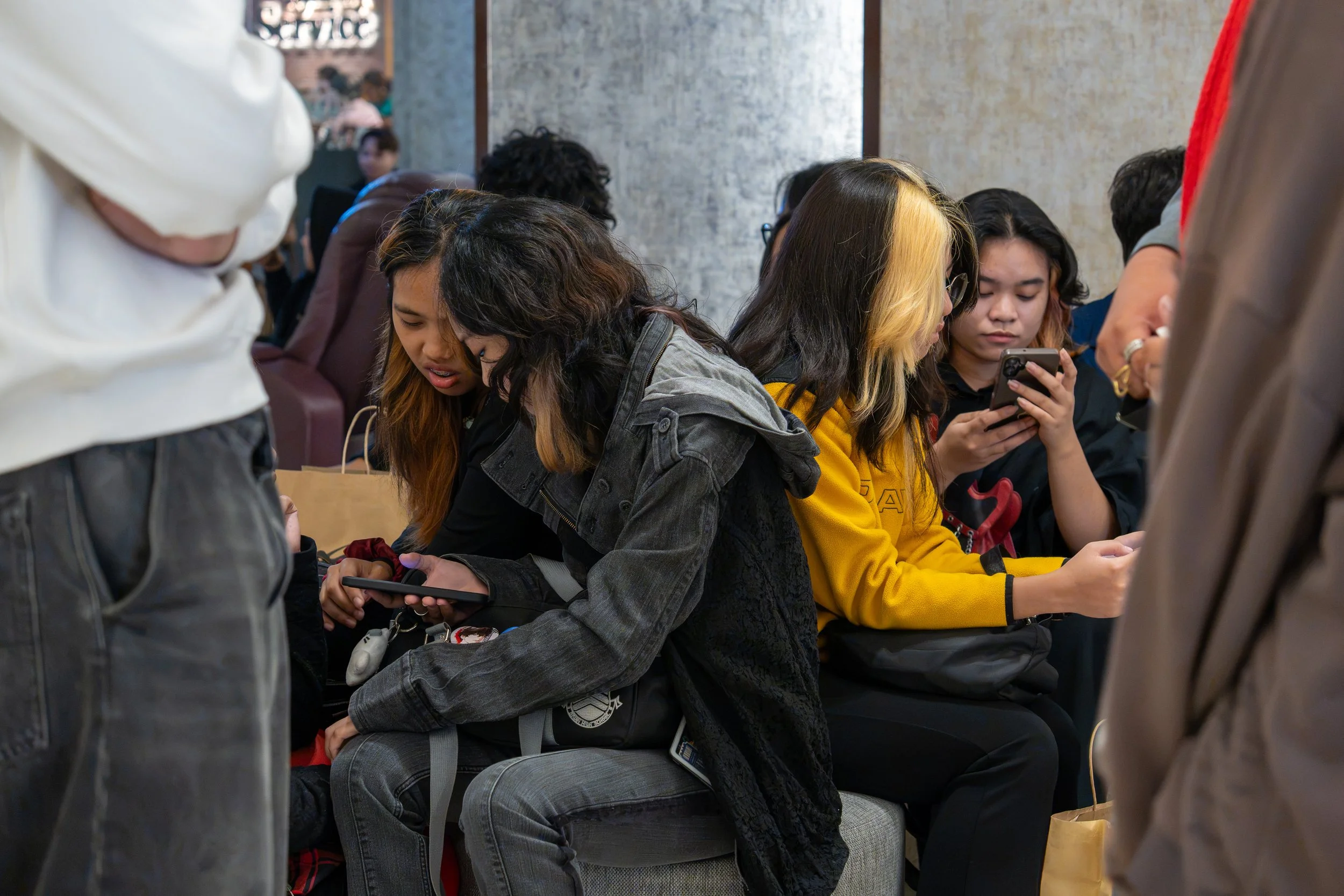
Both are cinema.
But Binisaya is betting on the second kind.
The future of cinema might look a lot like Binisaya.
The 16th Binisaya isn't necessarily proposing that theaters are obsolete.
It's proposing something much more interesting:
Maybe cinema was never supposed to have only one format.
A film can premiere in a cinema, travel through a festival, appear on YouTube, be discussed in a bar, become a meme, be argued about online, and rejected films eventually resurface years later.
The film doesn't end when the credits roll.
And neither does the audience.
That may be Binisaya's biggest contribution to Philippine film culture.
It is teaching audiences to stop thinking of watching films as a transaction and start thinking of it as a culture.
A culture that can happen in a cinema.
A culture that can happen online.
A culture that can happen in the streets.
A culture that can involve filmmakers, students, professors, cinephiles, parking cashiers, street vendors, first-time viewers and obsessive movie nerds sitting beside one another in the dark.
A culture where the audience doesn't merely watch but can vote, judge, argue, participate, organize and eventually make films themselves.
A culture where someone will actually wait for hours in a queue beside a Spider-Man screening just to get inside a theater and watch independent films for nearly nine hours.
And perhaps that's the point.
Binisaya started with nothing.
No giant corporate machine.
No guaranteed audience.
No blueprint.
Just a group of friends who, by Keith's own admission, were “so not qualified to run a festival” deciding to make one anyway.
Sixteen editions later, the festival has survived by doing the same thing it started with:
keeping old friends and making new ones.
And then comes the part that sounds less like a festival statement and more like a battle cry.
As Keith puts it:
“Binisaya started with nothing and only nothing can stop Binisaya. Padayon.”
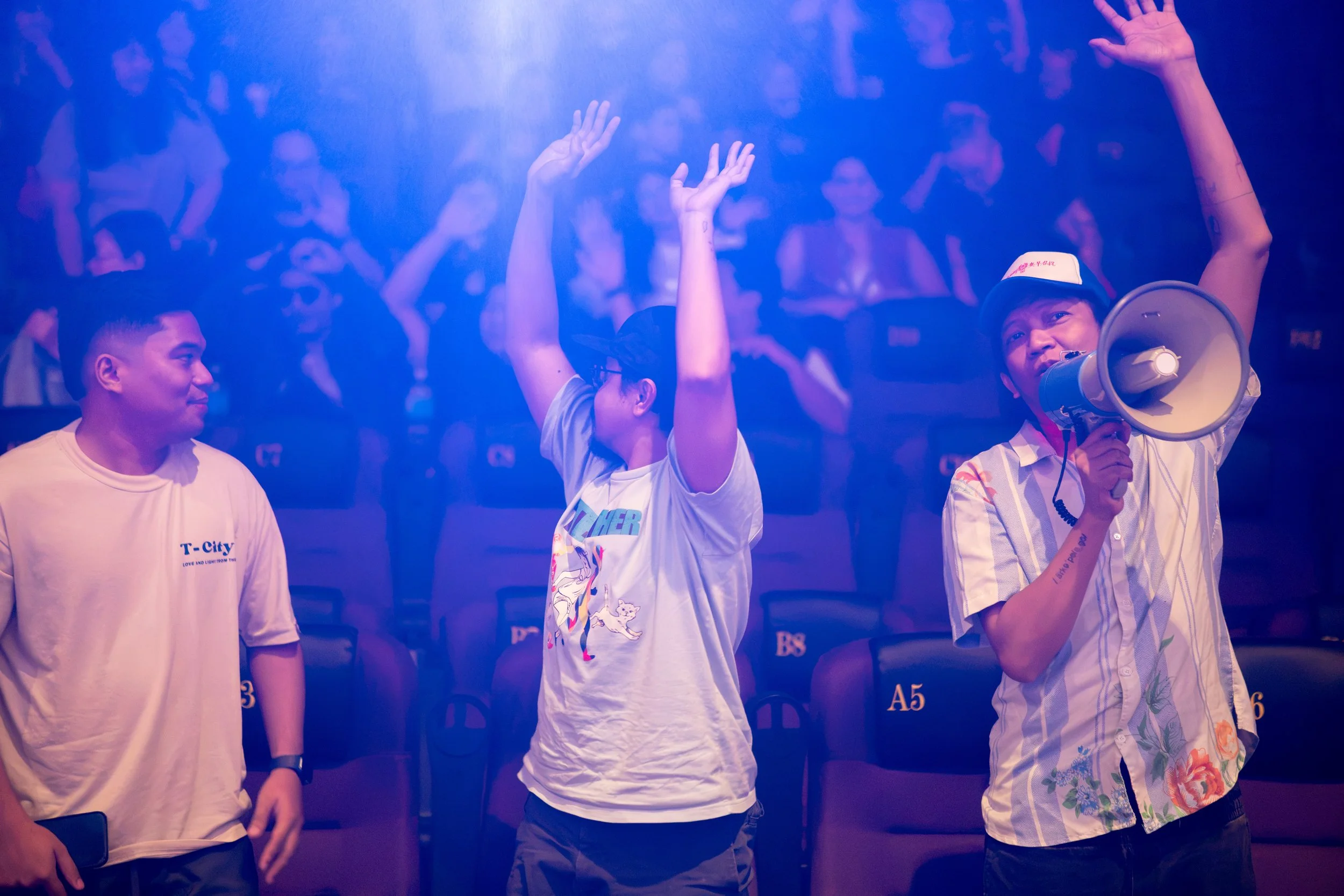
That might be the entire Binisaya philosophy in one sentence.
Make something with your friends. Invite more people. Give them the “megaphone”. Watch movies together. Make new friends. Keep going.
Because maybe the future of cinema isn't about getting everyone to watch the same movie.
Maybe it's about giving people a reason to show up for each other.
And if that means waiting for hours in a queue beside a Spider-Man screening to spend nine hours watching independent films?
Apparently, Cebu is game.
Padayon.
Watch everything that you missed here
https://www.youtube.com/playlist?list=PL4sZMGahR5EOIlieHbbFlJRqwHL9Ti7Rk
And subscribe to EXIT for exciting local films
https://youtube.com/playlist?list=PLS1j8m9KPrrZ2V2I0Rx1V6r3E-hlvkskR&si=vPQPBWWf5uqTaRnS