
DUNGAW: The First All-PUPian Film Festival to Showcase Works by PUP Students and Alumni

SINEGANG.ph published this press release by PUP Dungaw. No staff writer participated in writing this article.
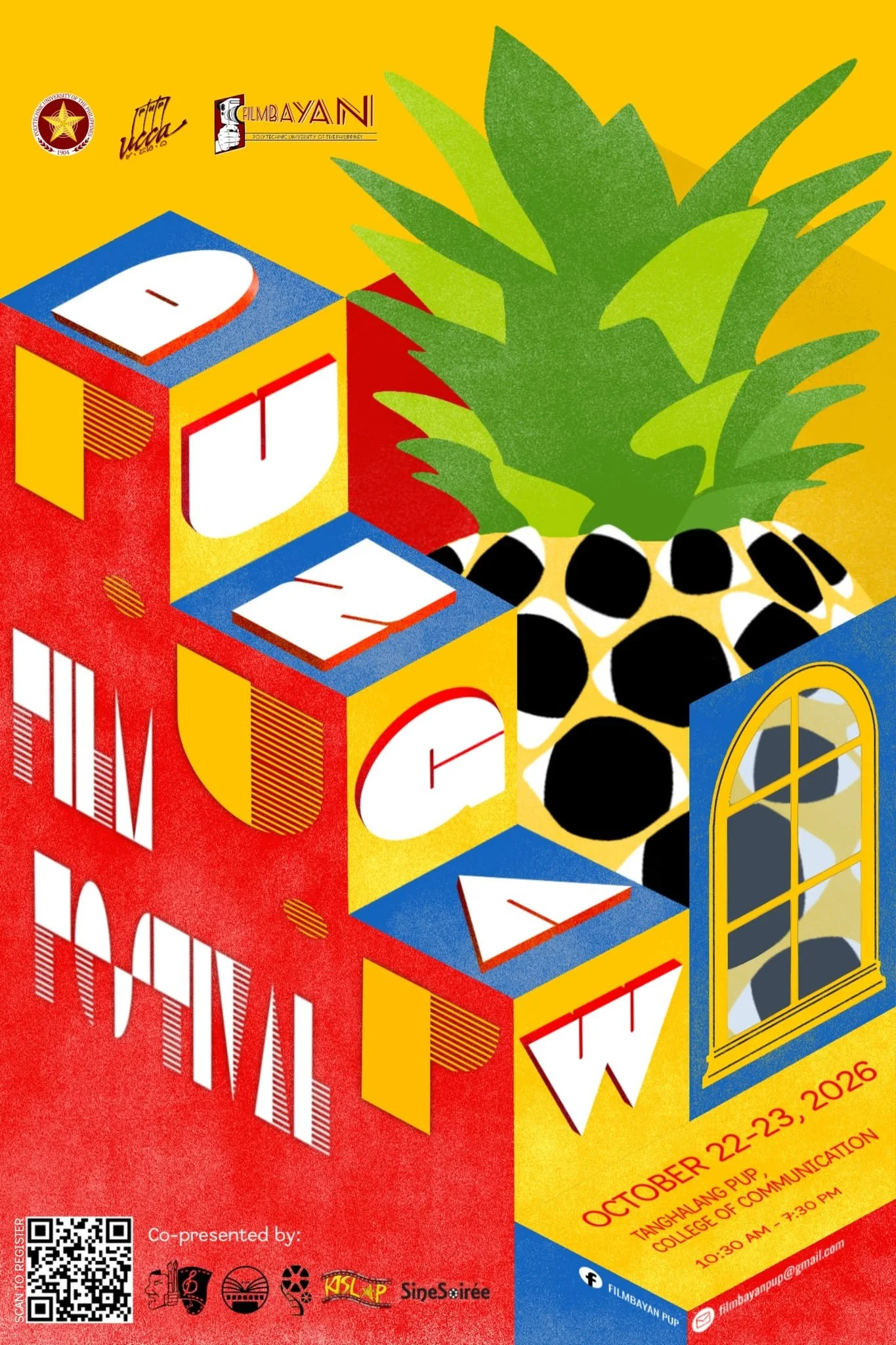
In celebration of the 122nd Founding Anniversary of the Polytechnic University of the Philippines (PUP), the University Center for Culture and the Arts (UCCA), through the FilmBayan Cultural Group, presents DUNGAW: The First All-PUPian Film Festival on October 22–23, 2026, at Tanghalang PUP, inside the College of Communication compound at the PUP Main Campus.
The festival aims to spotlight films created by PUP students and alumni across the years, with particular emphasis on contemporary works, many of which will be screened for the first time. Bringing together filmmakers from different generations and creative practices, DUNGAW offers audiences an opportunity to encounter the diverse stories, perspectives, and cinematic experiments emerging from the PUP community.
The two-day festival features narrative films, documentaries, experimental shorts, and independent productions organized into thematic screening programs. On October 22, Masid opens with films that observe communities confronting land dispossession, cultural change, and neglect. Among its selections are Luya (2026) by Kaira San Juan and Kristine Estrada, which follows broadcasting students as they immerse themselves in community filmmaking in Benguet, and Peste sa Niyugan (2026) by Maria Jodi Pada, which follows a coconut farmer and community leader confronting displacement and the legacy of the Coco Levy.
Questions of urban life, memory, and survival come into focus in Tanaw / Langaw (Mga Nakadapong Langaw), a program presented by SineSoirée. The selection includes Sabi ng Matatanda (2025) by John Mark Talucod, which follows a young man preparing to leave his hometown while confronting memories of childhood, and Kapre sa Maynila (2025) by Margareth Buendia, which finds an unexpected connection between a lonely night guard and a teenage boy on the streets of Manila. Together with films such as Honey, My Love, So Sweet (2025) by JT Trinidad, the program reflects on loneliness, urban decay, and the search for connection in a changing city.
The program Titig turns toward families navigating illness, poverty, and difficult choices. In Our One and Only Bab(o)y (2025) by Mark Joseph Sanchez, a couple facing the costs of medical treatment must decide whether to part with their beloved pig, Baby. Meanwhile, Angela and Her Dying Lola (2025) by Mark Terence Molave follows a teenage orphan confronting her grandmother's declining health and her own uncertain future. These films foreground the tensions between familial love, responsibility, and survival.
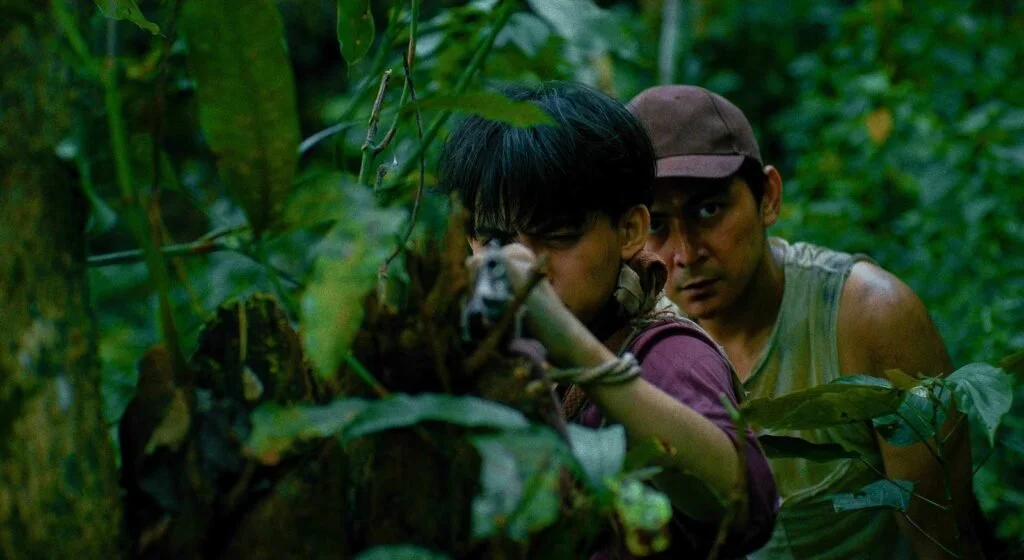
Presented by PUP Biblioflix, Sulyap (New Works) brings together stories about departure, duty, and the possibility of freedom. The program includes Decades of Cicada (2026) by Jazmin Permejo, which explores the unresolved wounds of motherhood and siblinghood, and Kawan
(2026) by Ken Mangua, which follows a young Molbog fisherman whose pursuit of education and swimming becomes intertwined with his community's struggle for land, rights, and dignity. Also featured is Mundong Malaya (2026) by Yzha Salazar, which follows a financially struggling PUP student as he confronts the reasons behind his desire to leave.
The October 22 screenings continue with Tutok: Spotlight on Thirdy Japsay, a program presented by PUP Biblioflix that explores waiting, departure, and the persistence of memory. In Over a Cup of Ocean (2026), Japsay draws on Samuel Beckett's Waiting for Godot in a docu-fiction about an interviewer who encounters an enigmatic woman waiting for someone who may never arrive. His Sana May Bulsa Ang Mga Spacesuits follows a student who considers leaving everything behind for a journey to the moon, raising questions about ambition, separation, and how loved ones remain present in memory.
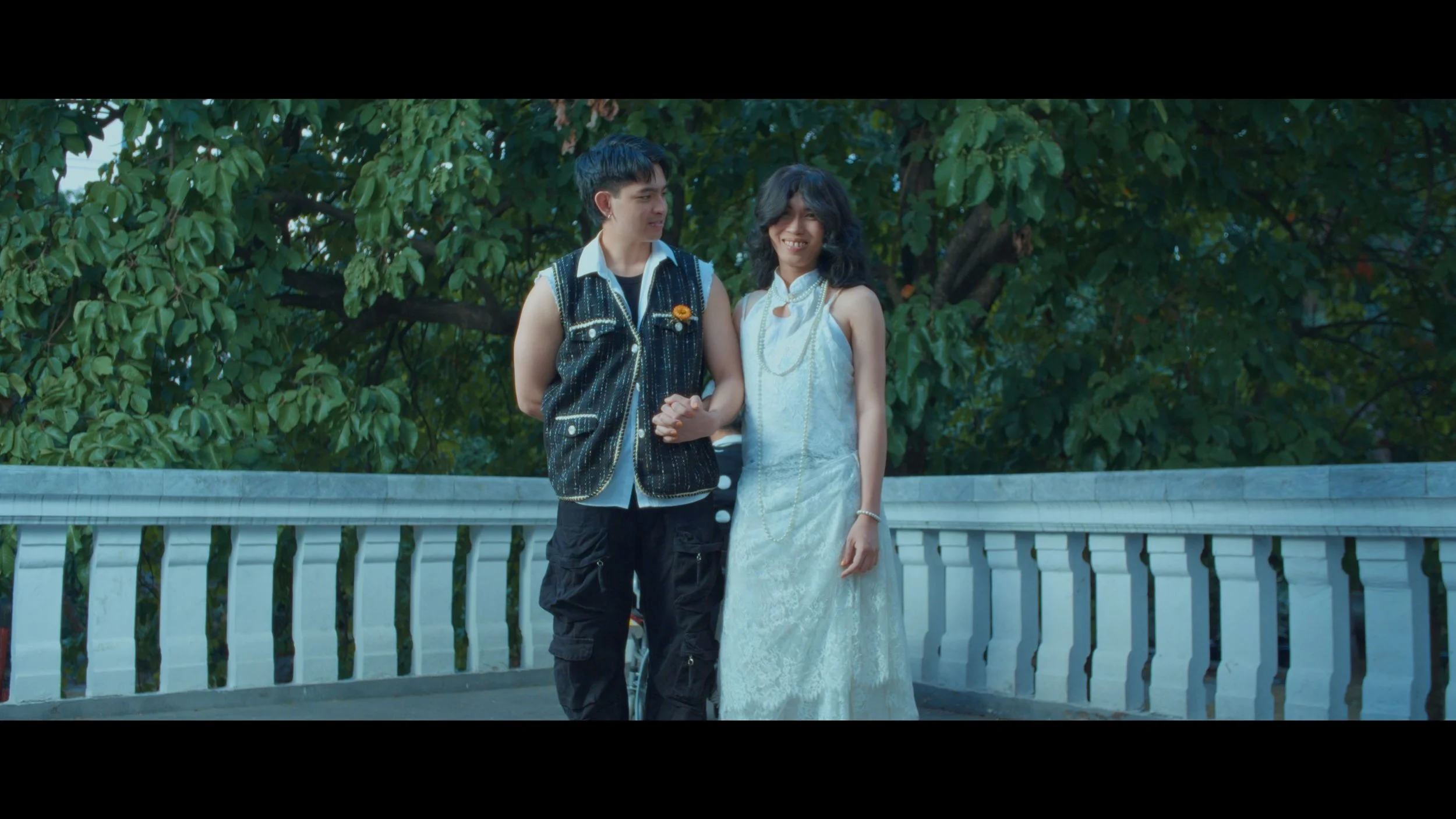
On October 23, Kindat, presented by KISLAP, explores youth, queer life, friendship, and the complexities of family and self-discovery. The program features Saan Ako Pinaglihi? (2024) by Rafaela Abucejo, which follows an eight-year-old raised by two lesbian parents as she becomes curious about her conception, and mga bakla sa sukdulang kalat at kiyeme (so the choice is...) (2026) by Piper Legaspi, an absurd comedy about four drag queens whose relationships unravel backstage at a reality show. The selection places questions of identity, chosen family, and the commodification of queer stories alongside the everyday experiences of young people.
The documentary program Matyag bears witness to social, political, and environmental concerns, from the threats faced by journalists to the struggles of communities defending their livelihoods and cultural practices. Markado (2026) by John Cedrix Lepaggo follows three journalists confronting red-tagging and threats for reporting on grassroots issues. Lawa ng Buhay (2026) by Juliana Jose documents the struggles of fisherfolk in Laguna de Bay amid environmental decline, privatization, and shrinking access to the lake. Meanwhile, Guhit Pasaan? (2026) by Rachelle Vabe Nayre follows a traditional jeepney signboard painter working to sustain his family and preserve a fading form of handmade art.
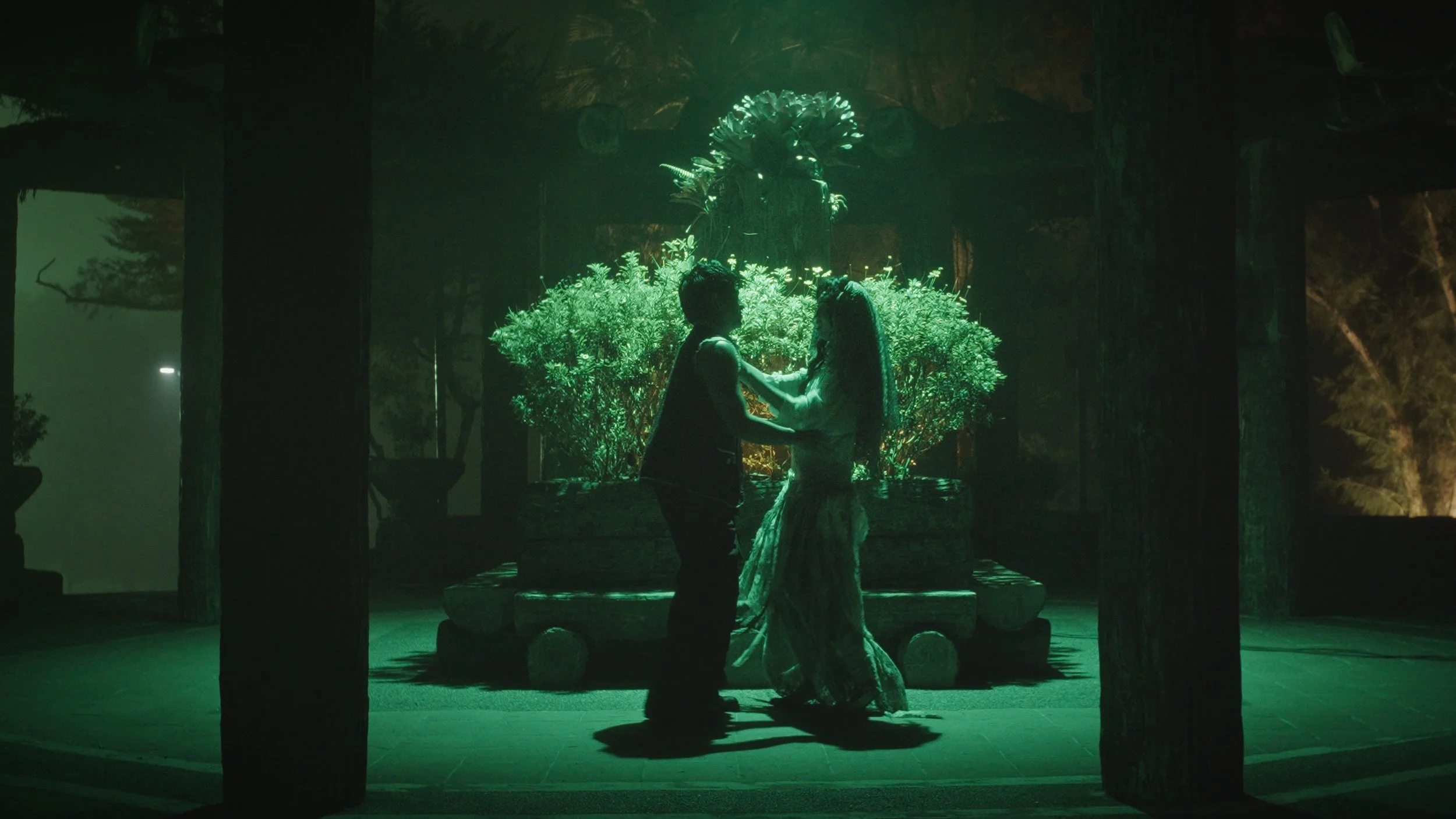
A highlight of the festival is KURAP, a program of experimental shorts that bend memory, mythology, dystopia, and digital screens into alternative ways of seeing. Its selections explore how experimental cinema can question familiar narratives and reveal the structures shaping contemporary life. Si Cate at ang mga Kubyertos (2024) by Lloyd Pereira imagines a dystopian future marked by food scarcity, while figments (2025) by Piper Legaspi explores the uncanny presence of a ghostly figure in an apparently empty home. Cache (2026) by James Raguindin examines online intimacy, isolation, and the blurring of virtual and physical experience, while Praise a Lord who Chews but Which does not Consume (2026) by Clarence Pagatpatan confronts information overload and the inescapable bureaucratic order of surveillance capitalism.
KURAP will also feature four films produced through the FilmBayan Film Camp, held in July 2026. Focused on experimental and conceptual filmmaking, the camp welcomed Professors Sari Raissa Dalena, Adjani Arumpac, and Nick Deocampo as guest workshop mentors. The resulting works are Aswang (2026) by Eunico Ernest Martin, which reimagines folklore as an allegory of a
system that consumes a family; Cache (2026) by James Raguindin; Praise a Lord who Chews
but Which does not Consume (2026) by Clarence Pagatpatan; and We Built This Town by Kyle Christian Tugay. Their inclusion highlights FilmBayan's continuing efforts to cultivate experimental film practice and critical engagement with cinema among PUP students.
The festival concludes with Balik-Tanaw, a look at Manila through its roads, railways, and urban margins. The program includes Bakit Maingay ang EDSA? (2024) by Rafael Nuyad, which follows two siblings confronting hunger, poverty, and the systems that shape their lives, and Ang mga Bulong sa Bituka ng Sta. Mesa (2015) by Hector Calma, a black-and-white portrait of Manila's Sta. Mesa, where images of grief, misery, hope, and inspiration unfold along the railroad. Together, the films return to the city as a site of struggle, memory, and possibility.
Beyond its film screenings, DUNGAW will host the PUP campus launch of Diktador!: Role Playing Card Game under the program Pag-alaala kay Doc Prudente: Pagsiyasat sa Batas Militar gamit ang Diktador!: Role Playing Card Game. Presented by the Concerned Artists of the Philippines–PUP Chapter, the activity commemorates the 100th birth anniversary of Dr. Nemesio Prudente, the radical educator and former PUP president. The launch extends the festival's engagement with cultural work into a participatory exploration of Martial Law and historical memory.
DUNGAW is organized by the PUP University Center for Culture and the Arts through the FilmBayan Cultural Group, and co-presented by the Concerned Artists of the Philippines–PUP Chapter, PUP Biblioflix, Kolektibo ng mga Iskolar sa Sining, Lente, at Anyong Pampelikula (KISLAP), Film Aficionados Circle (FILAC), and SineSoirée.
As PUP marks another year of its history, DUNGAW celebrates the creative work of its students and alumni while opening a space for their films to be encountered, discussed, and remembered. By bringing together contemporary productions and earlier works, the festival affirms the place
of cinema in the university's cultural life and invites audiences to engage with the stories and visions produced within the PUP community.
DUNGAW: The First All-PUPian Film Festival is free and open to the public. Interested audiences may register through the official registration form: https://forms.gle/c1wk6dBkwPBChf6q7.