
How the ’70s became the ‘bongga’ era

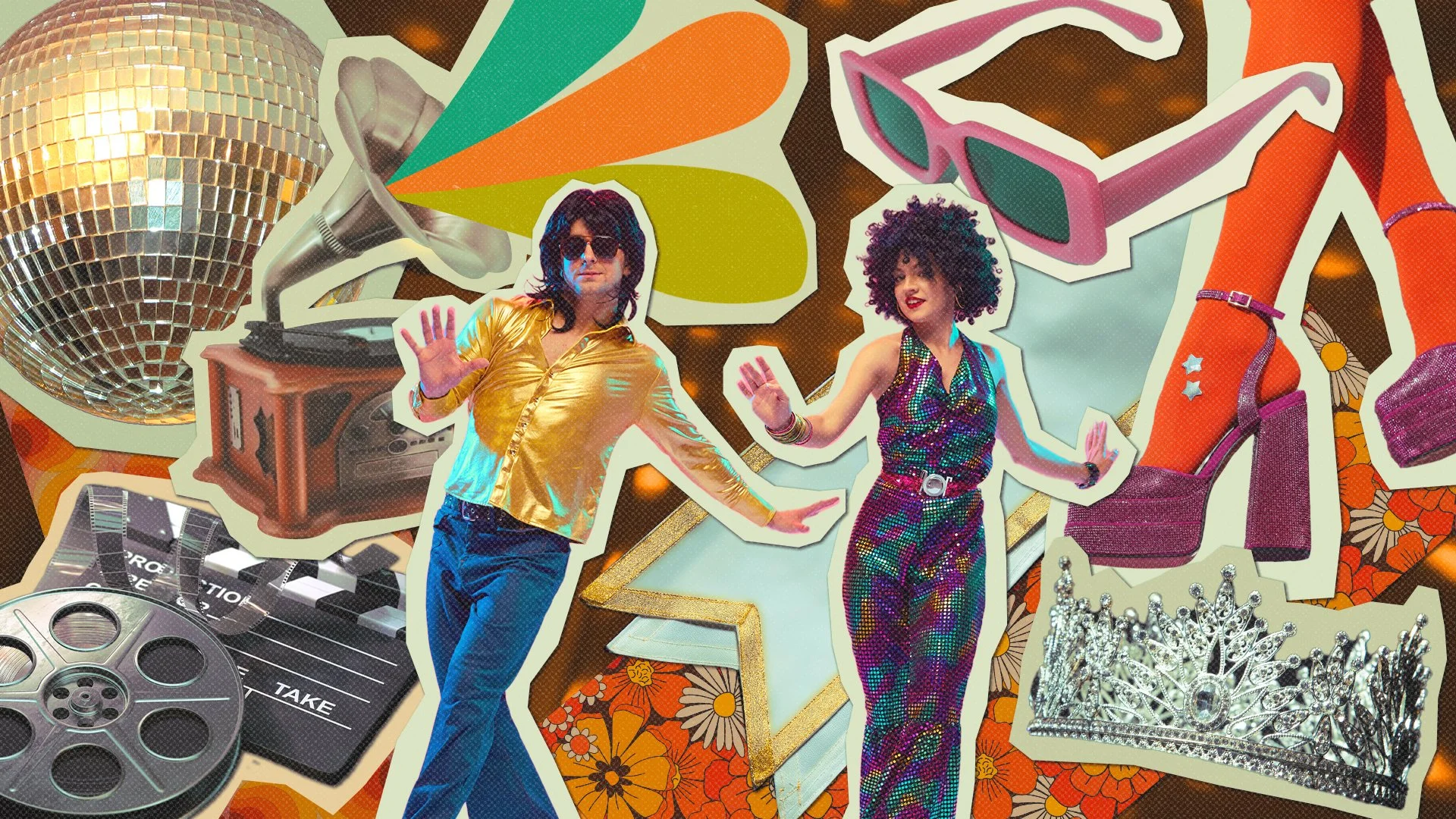
There is a reason the Philippine 1970s era continues to live on, through music, fashion, and now, onstage. It stays vivid, defined by a word that has outlived the era itself. Bongga, a shorthand for something extravagant, expressive, and unapologetically seen.
Birth of Manila Sound
Before Original Pilipino Music became the standard term, there was the Manila Sound. It marked a cultural reset, led by pioneering band Hotdog (who popularized the songs “Pers Lab” “Ikaw ang Miss Universe ng Buhay Ko” and "Bongga Ka, 'Day", which was later followed by VST and Company, Cinderella, Boyfriends, and the Apo Hiking Society. Their music was characterized by catchy melodies, relatable themes of young love, and crucially, the use of Taglish. It made local music sound hip and modern, moving away from older, more formal kundiman styles.
Disco Fever
Towards the late ‘70s, the global disco craze hit Manila hard. Clubs like Where Else? (in the InterContinental Hotel), Coco Banana (the epicenter of Manila's gay and underground disco scene), and Stargazer were the places to be seen.
Fashion, Hair, and Makeup
The fashion of the ‘70s was loud and highly expressive. Bell-bottoms, elephant pants, platform shoes, wide-lapel polo shirts unbuttoned to the chest, wrap dresses, and colorful, psychedelic prints. Denim became a staple of youth rebellion and casual wear.
The Farrah Fawcett "feathered" look was the ultimate goal for women, alongside long, straight, ironed hair or voluminous blowouts. For men, it was shaggy hair, mullets, or well-kept Afros. For makeup, think bold and glossy. Pastel or frosty blue or green eyeshadows, heavy eyeliner, dramatic mascara, prominent bright pink or peach blush, and ultra-glossy lips.
Silver Screen
The ‘70s is widely considered the Second Golden Age of Philippine Cinema. The pop culture landscape was dominated by the fierce rivalry between the Superstar Nora Aunor and the Star for All Seasons Vilma Santos. Fans were intensely loyal, and their influence dictated fashion and box-office hits in cinema.
Beyond the mainstream, filmmakers such as Lino Brocka and Ishmael Bernal brought a sharper, more introspective lens to cinema. Their films, including Maynila sa mga Kuko ng Liwanag (1975), Insiang (1976), and Nunal sa Tubig (1976), offered grounded and often critical portrayals of Philippine society during the period.
Pageant Craze
The Philippines cemented its obsession with beauty pageants. Aurora Pijuan’s Miss International win in 1970 and Margarita Moran’s Miss Universe title in 1973 created a strong momentum. This culminated in Manila hosting the Miss Universe pageant in 1974, placing the country in the global spotlight.
Bongga Ka, ‘Day!: The Annie Batungbakal Musical

It is this dynamic that now moves from the history to the stage. The bongga era of the ‘70s takes center stage in Bongga Ka, Day!: The Annie Batungbakal Musical. Newport World Resorts, in association with VIVA Communications and The Philippine STAR, reunites for an original production featuring Hotdog’s timeless hits. The show is slated to open in September 2026 at the Newport Performing Arts Theater.
Drawing from the music, style, and spirit of the Manila 1970s, the musical revisits a period that remains influential in shaping Filipino identity. It presents not only the vibrancy of the era but also the context that defined it, offering audiences a deeper appreciation of what made the decade truly bongga.
Learn more about the artists and the production through Newport World Resorts (@newportworldresorts), VIVA Communications Inc. (@vivaartistsagency), and The Philippine STAR (@philippinestar) on Facebook, Instagram, and TikTok. Sign up for the waitlist now via https://newportworldresorts.com/bkd-waitlist to be the first in line for tickets.